Want pizza with better ingredients and less heaviness after your meal? Tips to make your pizza less junky include using a fiber-rich crust, a lower-sodium sauce, lean protein, plenty of vegetables, and a smaller cheese portion.
Bake it hot on a preheated stone or pan, then serve a sensible slice with a fresh side. I know pizza is a favorite because it feels easy, filling, and comforting.
You do not need to give up those reasons to make a better pie. Small changes to the crust, sauce, toppings, cheese, and serving size help keep the flavor while adding more nutrients.
This guide breaks each part into simple choices for your next homemade pizza. Pick one or two ideas first, then build from there. Let’s make your next pizza taste great and feel good to eat.
Reading Sodium And Added Sugar Labels
Choose tomato sauce with no more than 140 milligrams of sodium and little or no added sugar per serving, then compare serving sizes on the Nutrition Facts panel. Sodium listed near the top of the daily value section adds up quickly when sauce, cheese, and cured meat share one slice.
Look for plain tomatoes, garlic, herbs, and an ingredient list without sugar, corn syrup, or sweetened concentrates. A lower sodium label does not make an oversized pizza portion balanced, so check the number of servings in the jar or pouch.
Brands often list one quarter cup as a serving, while a homemade spread may cover more crust. Taste the sauce before adding salt, since dried herbs, black pepper, and roasted garlic add flavor without added sodium.
Compare similar serving sizes for a fair choice, and remember tips to make your pizza less junky always rely on careful label reading.
Selecting A Fiber Rich Side Salad
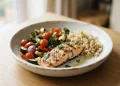
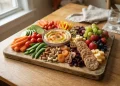
Pair two cups of leafy greens with a pizza meal to add fiber and volume without relying on extra cheese or meat. Build the fiber-rich side salad with romaine, spinach, cucumber, tomatoes, shredded carrots, or broccoli, choosing several colors for varied nutrients.
Beans or lentils add plant protein and make the salad more filling, while a small amount of olive oil and vinegar keeps dressing sodium under control. Check bottled dressing labels because two tablespoons often contain more sodium and added sugar than expected.
Serve the salad in a separate bowl, rather than covering it with croutons, bacon, or a large cheese topping. A measured dressing portion helps you taste the vegetables and keeps the meal’s total calories easier to manage, especially when you apply tips to make your pizza less junky.
1. Fiber-Rich Crust Alternatives for More Filling Pizza
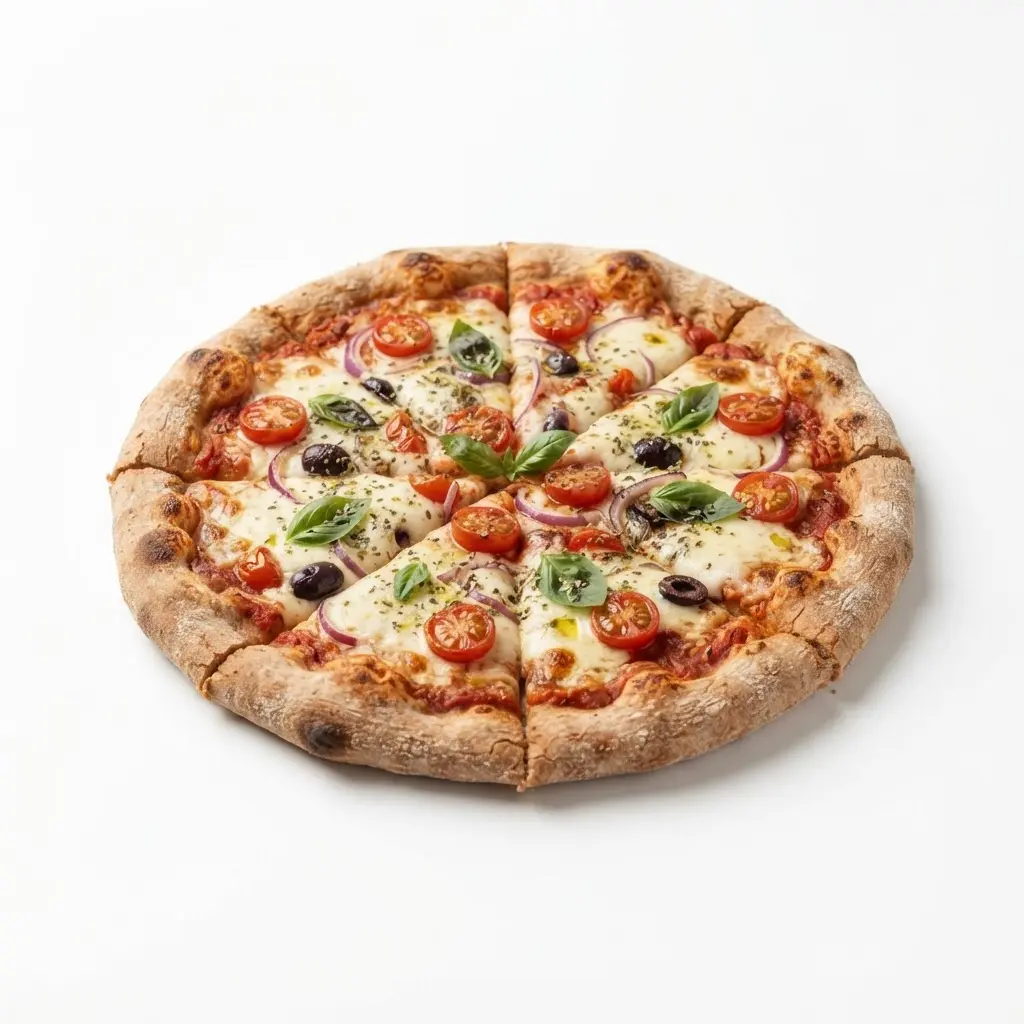
A common mistake is choosing a dark crust and assuming the darker color proves higher fiber, but tips to make your pizza less junky will guide you to read the ingredient list instead. Look for whole-wheat flour listed near the beginning, rather than relying on words such as multigrain, hearty, or rustic on the package.
Choose a whole-wheat crust when you want a straightforward swap from a refined-flour base. The available research identifies interest in whole-wheat pizza crust, but does not establish exact health benefits or confirm one best formula.
Avoid treating bran, seeds, oat flour, or other additions as guaranteed improvements without checking the product details. Recipes vary widely in ingredients and amounts.
Compare crusts by checking the nutrition panel and serving size, using tips to make your pizza less junky to check fiber per serving before buying, since a thick crust and a thin crust may use different serving weights.
A product with several grain names does not automatically provide more fiber. Keep the rest of the pizza balanced with vegetables and a sensible amount of cheese, since the crust is only one part of the meal.
Test one crust style at a time and note how filling the finished pizza feels after a normal meal. Use a whole-wheat base as the simplest starting point, then assess taste, texture, and ingredient details.
Skip claims you cannot verify from the label. A fiber-focused crust choice should support a more satisfying pizza without turning a single ingredient into a health promise.
2. Low-Sodium Homemade Sauces With Fresh Tomato Flavor

Start with no-salt-added tomatoes and build flavor with garlic, herbs, and olive oil. Standard canned tomatoes often contain more sodium than needed for a homemade pizza sauce, so tips to make your pizza less junky recommend choosing ripe Roma or plum tomatoes for a thicker base.
Seed and dice fresh tomatoes before cooking so excess water does not thin the sauce. Sauté minced garlic in olive oil, with a small amount of unsalted butter if desired.
Add the fresh tomatoes and no-salt-added diced tomatoes. Stir in fresh basil and black pepper.
Simmer the mixture for about 15 minutes, then continue cooking until the sauce spreads easily without pooling on the dough. A thinner sauce may leave the crust soft.
Build deeper tomato flavor with sun-dried tomatoes. Sauté onion and garlic, then add seeded, diced tomatoes and cook until much of the liquid evaporates.
Blend the sun-dried tomatoes with part of the cooked mixture, then stir the blend back into the pot. Add basil, oregano, black pepper, and red pepper flakes for heat.
This method gives the sauce more depth without depending on added salt. Research describes a no-salt-added tomato basil sauce with about 25 milligrams of sodium per serving, based on a four-serving recipe, proving that tips to make your pizza less junky focus on simple ingredients.
Sodium levels still depend on the brands and ingredients used. Read labels on canned tomatoes and choose no-salt-added products whenever available.
Finish with fresh basil after cooking for a brighter flavor, then cool the sauce before spreading it over the pizza.
3. Lean Protein Topping Choices for Better Balance

At 7 p.m., a pizza topped with several kinds of sausage and bacon can feel heavy before the first slice is finished. Choose one lean protein topping instead, because tips to make your pizza less junky suggest grilled chicken breast, turkey breast, shrimp, or flaked salmon adds substance without creating a dense layer of meat.
Cook poultry, seafood, tofu, tempeh, lentils, beans, or eggs before adding them to the pizza. Grill or bake chicken and fish, cook shrimp until firm, and pan-cook seasoned ground turkey or chicken until no pink remains.
Cut the protein into small pieces so each slice receives an even amount. Research suggests protein-rich foods support a more filling meal, especially alongside vegetables and whole-grain crust.
Build protein-packed toppings around the sauce and vegetables rather than covering the entire surface. Use one moderate layer, then add mushrooms, peppers, onions, spinach, or tomatoes.
Mild fish such as cod and tilapia absorb herbs well, while salmon brings a richer flavor. Tofu suits many sauces, and tempeh offers a firmer texture with a nutty taste.
Keep the topping pieces small and spread them across the dough, following tips to make your pizza less junky that warn oversized chunks make slices difficult to eat and create uneven cooking.
Select one main protein, season it to match the sauce, and bake the pizza until the cheese melts and every topping is hot.
4. Nutrient-Dense Vegetable Additions for Color and Fullness

Vegetable variety does not make pizza bland or unsatisfying. The truth is more color, fiber, and varied texture often make each slice feel fuller.
Pair green spinach or broccoli with red tomatoes, orange carrots, or yellow peppers. The mix gives the pizza visual contrast and a wider range of nutrients.
Prepare firm toppings before baking, since tips to make your pizza less junky tell you to cut carrots, broccoli, cauliflower, beets, and sweet potatoes into small pieces so the heat reaches the center.
Roast sweet potatoes or beets until tender, then add them to the pizza. Slice peppers thinly for a softer topping, or leave them slightly thicker for a mild crunch.
Use mushroom slices for savory flavor and a meaty bite. Control moisture from zucchini, summer squash, and fresh tomatoes.
These foods release water as they heat, which can leave the crust soft. Slice them thinly and use moderate portions.
Sauté or roast them first when the pizza already contains a moist sauce. Add leafy greens near the end of cooking, since spinach, kale, Swiss chard, and arugula shrink quickly.
A generous handful often becomes a modest layer after wilting. Research suggests diets rich in vegetables support fiber and micronutrient intake, so vegetable toppings offer more than decoration.
Build each pizza with two or three contrasting colors and textures. Use tomatoes for acidity, peppers for sweetness, greens for volume, and mushrooms for savory depth.
This approach makes a vegetable-heavy pizza feel balanced without relying on processed toppings for all the flavor, and applying tips to make your pizza less junky ensures every bite stays fresh.
5. Smart Cheese Portion Control for Creamy Flavor

How much creamy cheese belongs on one pizza? Start with one-ounce portion, or about 2 tablespoons.
This amount adds a smooth texture and rich taste without covering the crust in a thick layer. Check the package serving size before spreading cheese, especially when using cream cheese blends.
Measure the cheese before adding sauce or toppings, because tips to make your pizza less junky note a standard container often holds 8 ounces, while the suggested serving size is 1 ounce.
Divide the container into separate portions before cooking, or use a tablespoon for smaller amounts. This step prevents serving size from turning into guesswork.
Use pre-portioned cheese cups when available. Individual cups often contain 1 ounce, so one cup provides a clear limit for a creamy pizza topping.
A thumb-sized amount offers a rough estimate of about 1 tablespoon. A palm-sized portion is closer to 2.5 ounces, making it better suited to a larger shared dish.
Ask for less cheese when ordering pizza away from home. Request no extra cheese when the standard amount already seems generous.
Package serving guidance gives a practical reference for keeping creamy flavor while reducing excess. Portion control does not require eliminating cheese. Measure first, spread evenly, and let a smaller amount cover more of the surface.
Storing And Reheating Leftover Pizza Safely
Refrigerate leftover slices within two hours, or within one hour when the room sits above 90°F, to limit bacterial growth. Place slices in a shallow airtight container with parchment between layers, then mark the date so older portions leave the refrigerator first.
Eat refrigerated pizza within three to four days, and freeze extra slices when you will not use them in time. A refrigerator should stay at 40°F or colder, while a freezer should hold 0°F.
Reheat slices until the center reaches 165°F, checking thick toppings near the middle rather than judging safety by a crisp crust. An oven or toaster oven restores texture better than a microwave, though a covered skillet warms the base evenly with less drying.
Conclusion
Pizza often brings people together for easy dinners, family nights, and relaxed weekends. You do not need to remove it from your routine to make a better choice.
These tips to make your pizza less junky help you keep the taste while adding more fiber, vegetables, and satisfying protein.
Start with one small change, such as swapping in a whole-grain crust or adding two colorful vegetables. Next time, use a little less cheese and serve your pizza with a simple salad or sliced fruit.
Notice which changes keep the meal enjoyable for you. There is no need to make every adjustment at once.
A homemade pizza becomes healthier through steady choices, not strict rules, so follow these Tips to make your pizza less junky, write the ingredients down, and give yourself room to adjust the recipe until it feels easy and delicious.
FAQs
Q: Is homemade pizza healthier than frozen pizza?
A: Homemade pizza gives you more control over the crust, sauce, toppings, cheese, and serving size. Frozen pizza often contains more sodium, so compare labels when buying it.
Q: What is the healthiest pizza crust choice?
A: A thin crust made with whole-wheat flour adds more fiber than a refined white crust. A vegetable-based crust works well when it has a short ingredient list and a texture you enjoy.
Q: Which pizza toppings add the most protein?
A: Grilled chicken, tuna, beans, lentils, and tofu add protein without relying on processed meats. Use a modest amount and pair it with vegetables for a balanced topping mix.
Q: How much cheese should go on a healthier pizza?
A: Use enough cheese for flavor, then spread it across the pizza instead of piling it in one area. Part-skim mozzarella, fresh mozzarella, or a small amount of strong cheese adds flavor with less total cheese.
Q: How do I keep healthy pizza from becoming dry?
A: Use a flavorful sauce, moist vegetables, and a light drizzle of olive oil before baking. A hot oven and a preheated pan help the crust turn crisp while the toppings stay tender.