Things you didn’t know about cucumbers include their botanical status as fruits, high water content, long history, and wide range of types. Their flesh stays cool because it holds much water, while bitter compounds called cucurbitacins affect flavor and digestion.
Cucumbers also grow in controlled space experiments and serve practical kitchen uses. If you usually slice cucumbers for salads, you already know their crisp side, a detail often covered in Things you didn’t know about cucumbers. There is more to learn about their seeds, skin, varieties, storage, and place in food history.
I’ll keep each fact clear and useful, so you get science without confusing claims. Let’s look at seven facts and see how they fit into everyday meals and home life. Read on and pick one fact to share at your next meal.
Selecting Firm Cucumbers Without Yellowing
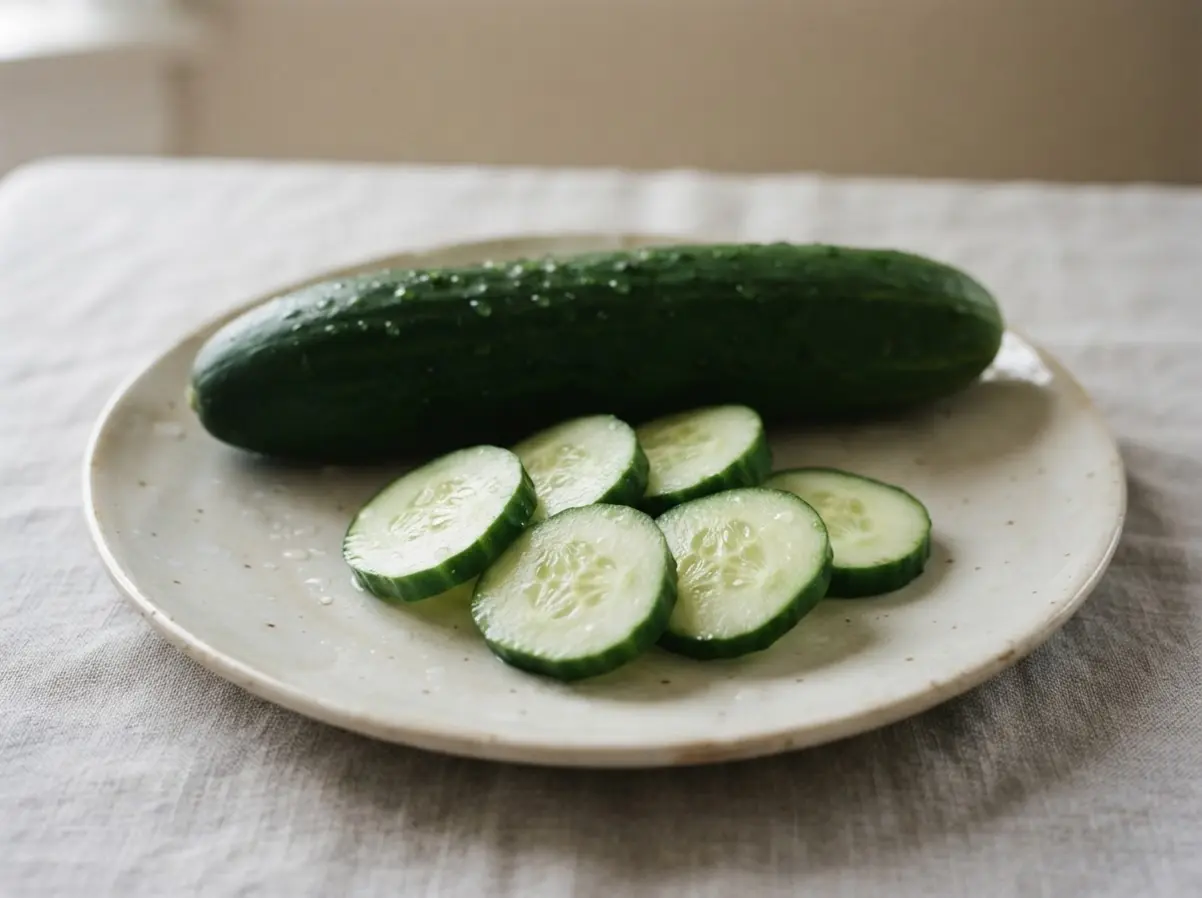
Choose firm-skinned cucumbers with an even green color, since yellow patches often signal an overmature fruit. The skin should feel tight, not wrinkled, and the cucumber should resist gentle pressure at both ends, which matches insights from Things you didn’t know about cucumbers. A narrow, straight shape usually gives more even slices, while swollen ends often point to uneven growth or developed seeds.
Small slicing cucumbers tend to taste mild and stay crisp, whereas larger specimens often have softer centers, a point reinforced when reading Things you didn’t know about cucumbers. Skip fruit with sunken spots, slimy areas, or cracks, since damage shortens refrigerator storage. English cucumbers often have thinner skins and fewer noticeable seeds, so they need less trimming before salads.
Keep selected cucumbers dry in a breathable bag, since trapped moisture speeds decay, just as Things you didn’t know about cucumbers explains. Their flavor should smell fresh, never sour or fermented. Always check the surface before placing them in your crisper drawer.
Food Safety During Home Pickling
When following Things you didn’t know about cucumbers, use 5 percent vinegar for home pickling, because weaker acidity does not reliably lower the mixture’s pH enough for safe storage. A tested recipe sets the needed balance of vinegar, water, salt, and cucumbers without guesswork. Wash cucumbers well, and use clean jars free from chips or cracks.
Refrigerator pickles belong in the refrigerator as soon as the brine cools, with the cucumbers kept below the liquid. Shelf-stable jars require a tested boiling-water canning recipe, correct processing time, and seals holding firm after cooling, which fits with Things you didn’t know about cucumbers. Never reduce the vinegar or replace it with water, since lower acidity raises the risk of harmful bacterial growth.
Discard jars with bulging lids, leaking brine, mold, or an unusual odor rather than tasting them, a safety rule highlighted in Things you didn’t know about cucumbers. Store finished jars away from direct heat. Check seals regularly during the first week of storage.
1. Botanical Classification as Fruit: Culinary and Scientific Terms

A common mistake is assuming every fruit must be sweet, which Things you didn’t know about cucumbers helps clarify. Botanical fruit has a scientific meaning: the ripened ovary of a flowering plant, usually enclosing seeds. Cucumbers form from a flower after pollination, so their mature fruit protects the seeds inside.
Flavor, color, and cooking method do not decide this classification. Kitchen language follows a different system, as noted when reviewing Things you didn’t know about cucumbers. Cooks usually call cucumbers vegetables because they are mild, crisp, and used in salads, pickles, sandwiches, and savory meals.
Sweet or tart foods served as snacks or desserts are more often called fruits. The term vegetable is mainly a practical food category, not a precise botanical group, a distinction emphasized by Things you didn’t know about cucumbers. This explains why cucumber and squash family foods often receive different names in science and cooking.
While studying Things you didn’t know about cucumbers, you will see the same distinction applies to tomatoes, peppers, beans, peas, and squash. Botanists also group fruits by structure, including simple, aggregate, or multiple forms, along with fleshy or dry types. These categories describe how plant parts develop.
They do not describe how foods appear on a plate, a point confirmed by Things you didn’t know about cucumbers. Research-based plant classification therefore supports calling a cucumber a fruit, even when common recipes treat the food as a vegetable. Legal and culinary terms simply operate on a separate track.
Use fruit in science when discussing the ripened ovary and enclosed seeds. Use vegetable when describing culinary use. The two terms are not opposites in this case, which matches findings from Things you didn’t know about cucumbers. Rhubarb shows the reverse pattern: cooks often serve the leaf stalk in desserts, while botanists classify the edible stalk as a vegetable. In 1893, the U.S. Supreme Court also treated tomatoes as vegetables for customs purposes, showing how legal and culinary language can differ from plant science.
2. Nutritional Profile and Hydration: Water, Fiber, and Vitamins
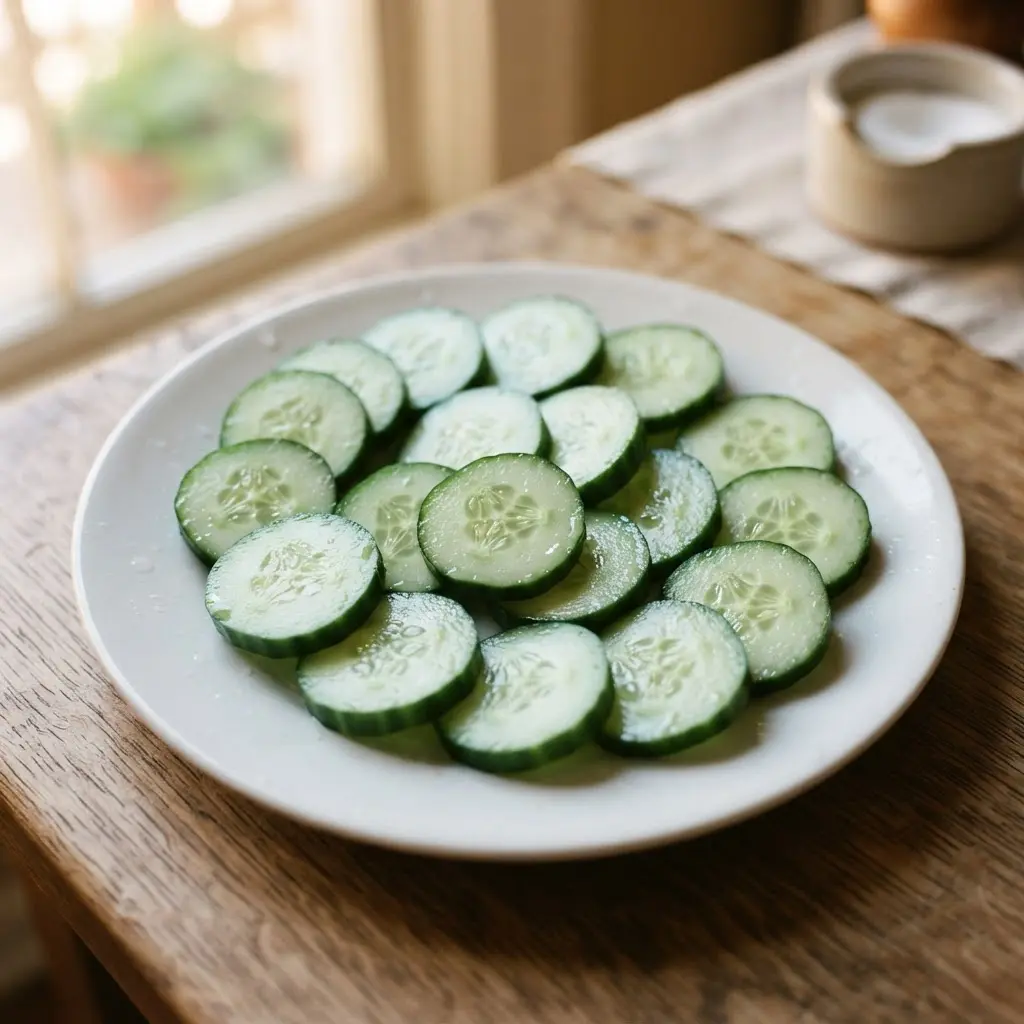
As you explore Things you didn’t know about cucumbers, choose cucumbers with the peel when practical. The peel adds dietary fiber, while the flesh supplies mostly water with few calories. Eat cucumber alongside a meal or during a hot afternoon to add fluid to your daily intake.
Cucumber water supports hydration, but it does not replace plain drinking water, which aligns with Things you didn’t know about cucumbers. Keep the peel on after washing to preserve more fiber. Fiber passes through the digestive system without full digestion.
Soluble fiber supports fullness and steadier blood sugar, as detailed in Things you didn’t know about cucumbers. Insoluble fiber supports regular bowel movement. Research suggests diets rich in plant foods and fiber support digestive health and weight-management efforts.
Include cucumbers as one part of a varied diet rather than treating them as a complete vitamin source, a balance noted when reading Things you didn’t know about cucumbers. Cucumbers provide small amounts of vitamins, including vitamin C and vitamin K. Water-soluble vitamins, such as vitamin C and the B vitamins, need water for absorption and use in the body. Vitamins support immune function, energy production, cell growth, and cell repair.
Pair cucumber with beans, whole grains, leafy vegetables, or other nutrient-dense foods that support metabolism. Balanced meal planning supplies more fiber and vitamins than relying on one watery food, matching advice from Things you didn’t know about cucumbers. Nutrient levels vary with serving size, variety, growing conditions, and whether the peel stays on. Use cucumber for extra fluid and fiber, while meeting most nutritional needs through food variety and adequate hydration.
3. Ancient Origins and History: Early Cucumber Cultivation
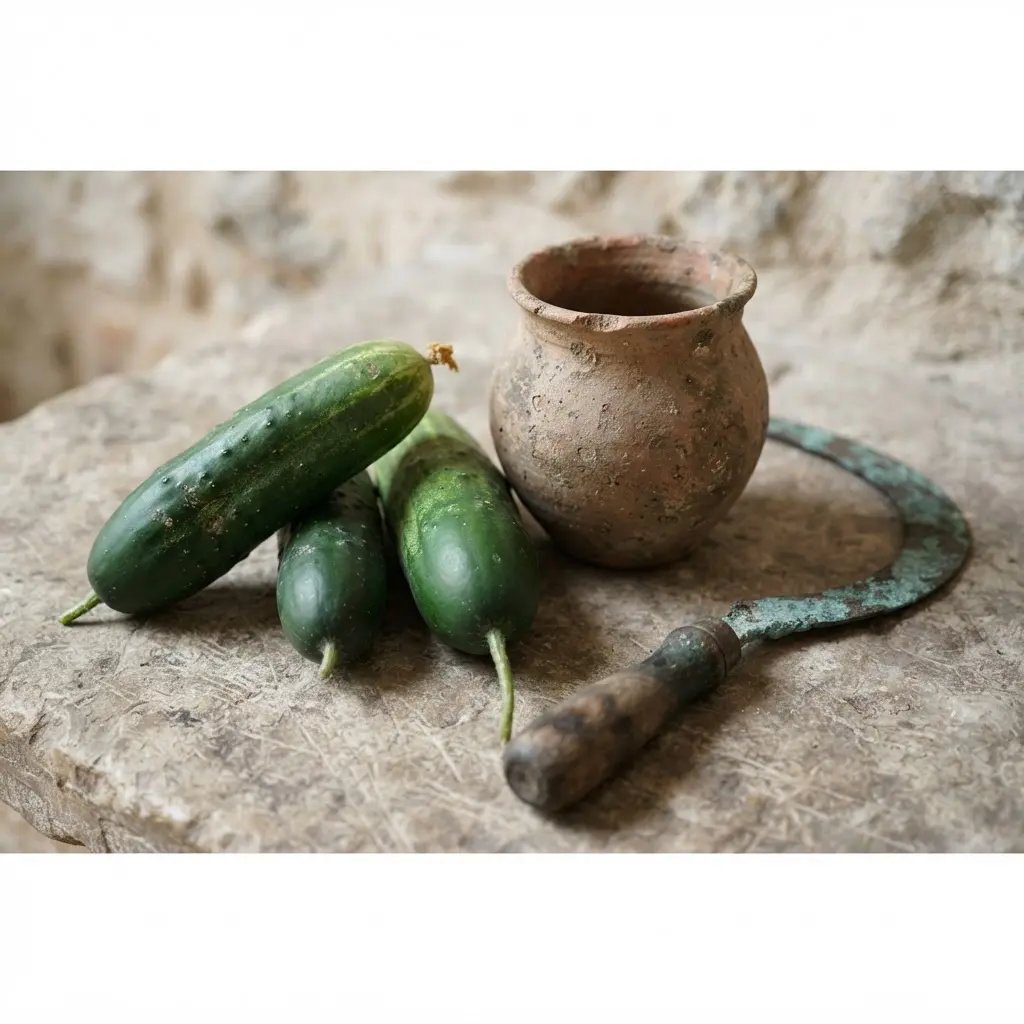
At sunrise in an early farming settlement, a grower sorting seeds would have treated each seed as next season’s food supply. The cucumber, Cucumis sativus, is believed to have originated in the Indian subcontinent about 3,000 years ago, a timeline covered in Things you didn’t know about cucumbers. Early cultivation spread through seed exchange as farming communities shared planting material across nearby regions.
When tracing Things you didn’t know about cucumbers, you will see growers carried cucumber seeds west toward Persia and Europe and east toward China and Southeast Asia from South Asia. Trade, travel, and migration connected farming regions across Central Asia. China had cucumber cultivation about 2,000 years ago, with introduction from the west linked to Silk Road travel.
Multiple routes likely carried the crop into East Asia rather than one documented path, as research on Things you didn’t know about cucumbers suggests. Westward movement followed at least two possible paths. An overland Persian route reached Eastern and Northern Europe, while a later sea route moved from Persia or South Asia toward Andalusia.
Records place cucumbers in Spain by the mid-9th century, southern Italy by the late 11th century, France by the 9th century, Italy in artwork around 1300, England by the 14th century, and North America by the mid-16th century. Historical identification takes care because ancient Egyptian, Greek, and Roman references often described melons, Cucumis melo, rather than cucumbers, which matches warnings in Things you didn’t know about cucumbers.
Researchers compare word records, written documents, artwork, and archaeological evidence before assigning a plant name. Treat historical dates as the earliest surviving evidence, not exact arrival dates, a point stressed in Things you didn’t know about cucumbers. This distinction explains how cucumbers entered separate food traditions through trade and cultural exchange.
4. Internal Temperature Cooling Properties: Water-Rich Freshness
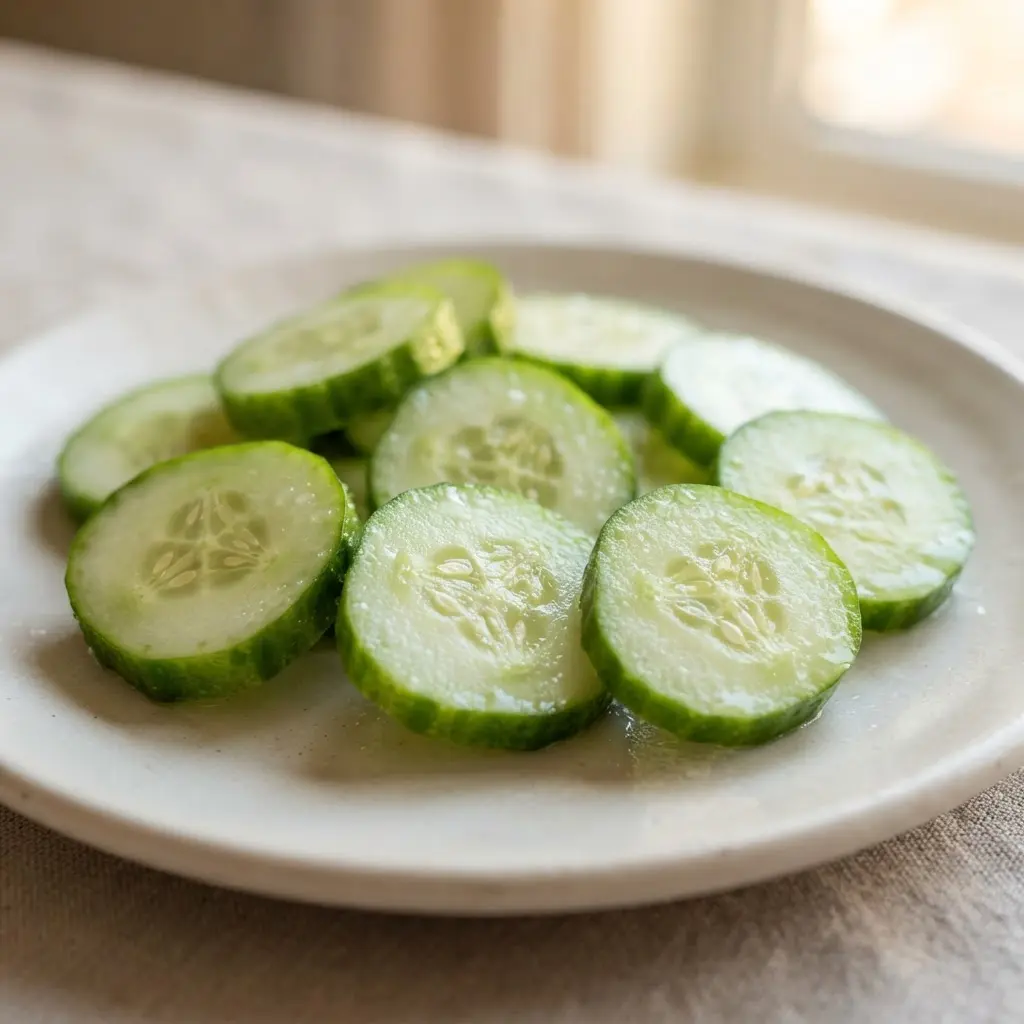
A common belief says cucumbers actively lower body temperature, yet Things you didn’t know about cucumbers clarifies the actual process. Cucumbers do not create cold inside the body. Their refreshing feel comes from high water content, cool storage, and heat moving from the vegetable into a colder setting.
Chilled storage brings the flesh temperature closer to the temperature inside the refrigerator, cold water, or another cool surface, as noted in Things you didn’t know about cucumbers. Water affects this process through specific heat and density. Specific heat describes the energy needed to change a material’s temperature.
Water requires a relatively large amount of energy for temperature changes, so water-rich produce responds to cooling in a way linked to its moisture content. Density also affects heat movement because denser food contains more mass in the same space, a detail explored in Things you didn’t know about cucumbers. Contact matters too.
A cucumber touching a cold shelf or sitting in cold water transfers heat more effectively than one surrounded by warm air. Hydrocooling studies on fruit show cooling rates vary among cultivars and produce types, matching data from Things you didn’t know about cucumbers. Use a cold-water bath for quick surface cooling after purchase, then dry the cucumber before storage.
Keep cucumbers in a consistently cool place suited to their quality needs. Avoid leaving them in warm conditions for long periods, a practice discouraged in Things you didn’t know about cucumbers. Delayed cooling increases moisture loss and leaves produce more vulnerable to bruising during handling.
Research on produce cooling links fast heat transfer with better freshness and longer postharvest quality. Many people find chilled cucumbers crisper and more refreshing because temperature change supports their naturally watery texture. Handle cucumbers gently and chill them before serving, while keeping expectations clear: cool cucumber flesh offers a refreshing eating experience, not a clinically proven way to lower internal body temperature.
5. Household Utility and Cleaning Uses: Practical Observations
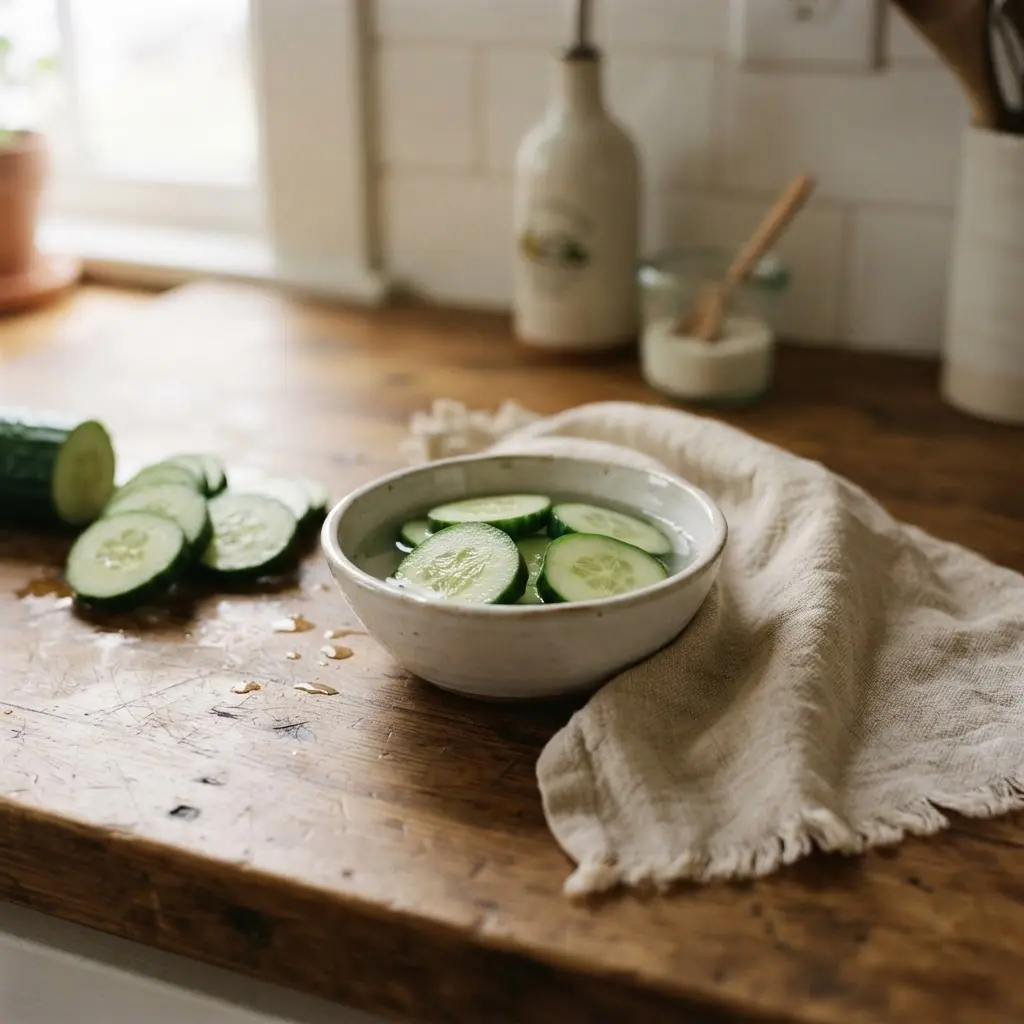
Do cucumbers clean household surfaces? No reliable evidence supports cucumbers as a household cleaner, which fits warnings in Things you didn’t know about cucumbers. Available research does not describe a tested cucumber-based method, suitable surface, preparation step, contact time, or storage rule.
Treat claims about cucumber juice, slices, or peels as unverified unless a dependable source provides clear testing. A fresh cucumber slice contains water and plant compounds, but those features do not prove cleaning action, as stated in Things you didn’t know about cucumbers. Wiping a countertop with a slice might remove a small amount of loose residue through physical rubbing.
This action is different from removing grease, killing germs, or sanitizing a surface. Use a tested household cleaner for tasks needing dependable results, a standard repeated in Things you didn’t know about cucumbers. Do not apply cucumber juice to wood, stone, metal, fabric, or painted surfaces based on online claims alone.
Surface damage, staining, moisture exposure, and residue are possible concerns, while no verified instructions establish safe use. Avoid mixing cucumber material with bleach, vinegar, ammonia, or other cleaning products, which aligns with guidance in Things you didn’t know about cucumbers. Unknown mixtures may create irritating fumes or damage surfaces.
Research suggests caution is more useful than experimentation here. A kitchen trial also lacks a reliable way to measure germ removal or stain reduction without proper testing, a fact highlighted by Things you didn’t know about cucumbers. Keep cucumbers for food preparation, and choose a product labeled for the specific surface and cleaning task when household hygiene matters. No established cucumber cleaning benefit has been confirmed.
6. Cucurbitacin and Digestive Effects: Bitterness and Sensitivity
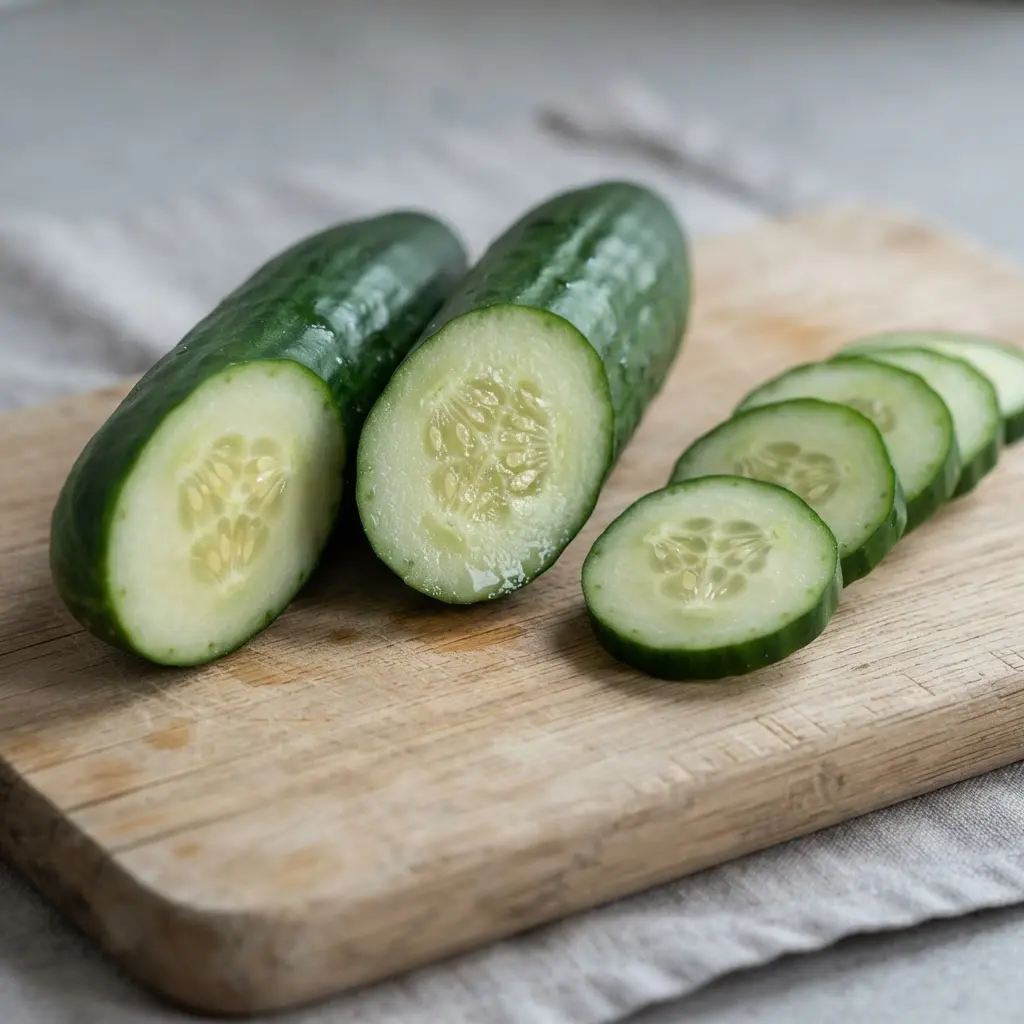
A mildly bitter cucumber is different from one with a sharp, lingering bitterness, a contrast explained in Things you didn’t know about cucumbers. Skip strongly bitter cucumbers rather than treating the flavor as a minor preference. Cucurbitacins are bitter compounds found in gourds, including some cucumbers.
High levels may irritate the stomach and trigger nausea, vomiting, diarrhea, abdominal pain, or headaches. Symptoms often begin within minutes to a few hours after eating the fruit, matching timelines from Things you didn’t know about cucumbers. Cucurbitacins produce an intense bitter taste and may irritate the stomach lining.
Research also explores possible toxic effects on cells, though the full process is not understood. Digestive symptoms can continue for several days in some cases, which Things you didn’t know about cucumbers notes clearly. Growing conditions influence bitterness.
Drought, high heat, and inconsistent watering place stress on cucumber plants and may raise cucurbitacin levels, as outlined in Things you didn’t know about cucumbers. Cucumber types also differ. Research identifies CUC as a type with potentially higher cucurbitacin concentrations, while BAR and SCO may be better tolerated.
Check the flavor before serving a cucumber grown during stressful conditions. Severe illness is uncommon but requires prompt attention, a point stressed in Things you didn’t know about cucumbers. Seek medical care for persistent vomiting, repeated diarrhea, severe abdominal pain, faintness, signs of dehydration, or low blood pressure.
Treatment is mainly supportive and focuses on fluids and symptom management, matching clinical advice from Things you didn’t know about cucumbers. Severe cases have involved organ damage. Always consult a healthcare professional before making changes to your health routine.
7. Space Exploration and Cultivation: Growing Cucumbers Beyond Earth
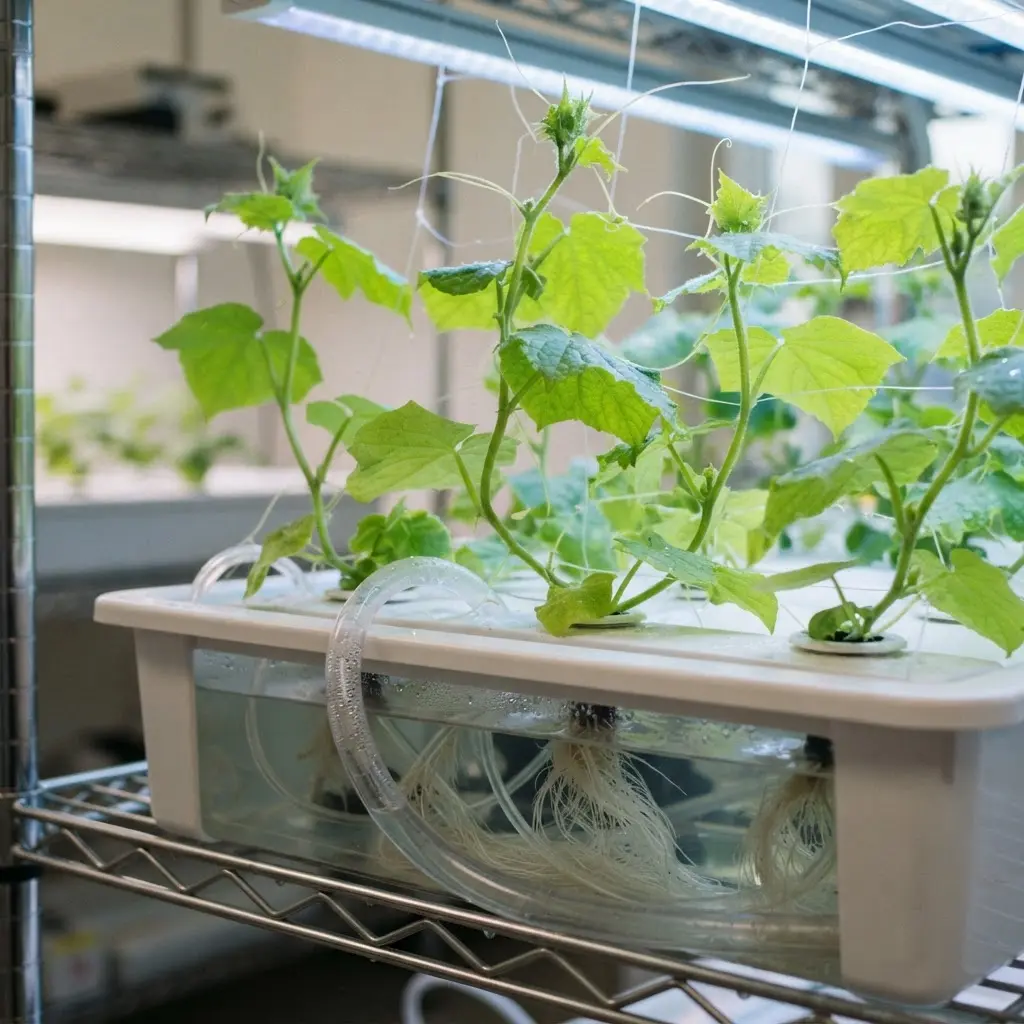
A common mistake is assuming every cucumber variety performs equally well in space. Cultivars differ in maturity, fruit yield, and nutritional quality under space-like conditions, a reality confirmed by Things you didn’t know about cucumbers. Researchers grow plants in controlled chambers modeled on International Space Station conditions, including fixed temperature, humidity, carbon dioxide, and light levels.
Successful trials have shown cucumber plants maturing and producing fruit beyond Earth, which aligns with findings in Things you didn’t know about cucumbers. Microgravity changes how roots find water. On Earth, gravity guides root growth downward.
In orbit, water appears to have a stronger effect on root direction, a shift noted in Things you didn’t know about cucumbers. Researchers study root-zone water placement so irrigation reaches roots without flooding the growing area. Cucumber seedlings also form small structures called pegs, which help with anchoring and orientation.
Light requires careful planning. Higher light intensity often increases fruit production, yet stronger lamps demand more energy, matching engineering notes from Things you didn’t know about cucumbers. Daily harvesting has also been linked with less flower abortion, a failure in which flowers do not develop into cucumbers.
Removing mature fruit regularly may support continued production during a space-growing trial. Proteins called CsPIN1 and CsPIN5 help move plant hormones. These proteins respond to gravity and influence peg formation, seedling anchoring, and growth direction, which Things you didn’t know about cucumbers explains in detail.
Research on cultivar selection, water flow, lighting, and plant hormones supports future space farms for long missions. The same work also guides more reliable irrigation systems for orbital and planetary agriculture.
Saving Seeds From Suitable Garden Fruit
Leave one healthy cucumber on the vine until it turns yellow and reaches full maturity before saving its seeds, a timing tip highlighted in Things you didn’t know about cucumbers. Choose open-pollinated varieties when you want seedlings with traits close to the parent plant. Hybrid cucumbers often produce useful fruit, yet their saved seeds might show mixed traits in the next generation.
Parthenocarpic types form fruit without insect pollination and often hold few or no usable seeds. Cucumbers also cross-pollinate readily, so nearby varieties might change the next crop’s shape, flavor, or bitterness, as warned in Things you didn’t know about cucumbers. Scoop mature seeds from the soft center, rinse away the pulp, and dry them fully before storage.
A labeled paper envelope kept in a cool, dry cupboard protects seed quality better than a damp container. Planting only plump, fully formed seeds gives the strongest start.
Conclusion
Cucumbers often become part of a meal without much thought, yet their plant family, water content, bitter compounds, and long history give them added interest. The things you didn’t know about cucumbers show why a familiar food deserves a closer look.
You do not need a major diet change to use these facts. Wash a cucumber, keep the skin when it suits your recipe, and add slices to a meal or snack, following tips from Things you didn’t know about cucumbers.
Store extra cucumbers in a cool place and use them while they still feel firm. If a cucumber tastes sharply bitter, set it aside rather than forcing yourself to eat it. Pay attention to the type you buy, since flavor and texture differ across varieties, a habit encouraged by Things you didn’t know about cucumbers.
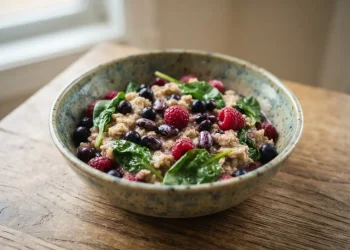
Start with one small change today, such as adding cucumber to a grain bowl or tasting a new variety. A little curiosity keeps everyday food fresh and gives you more ways to enjoy simple meals.
FAQs
Q: Are cucumbers healthy to eat every day?
A: Cucumbers fit many eating patterns and add water, fiber, and small amounts of vitamins. Serving size and overall food variety still matter.
Q: Are cucumbers fruits or vegetables?
A: Cucumbers are fruits in botanical terms because they grow from a flower and contain seeds. In cooking, people group them with vegetables because of their savory flavor.
Q: Do cucumbers help with hydration?
A: Their high water content contributes to daily fluid intake. Water, milk, tea, soups, and other foods also support hydration.
Q: Why do some cucumbers taste bitter?
A: Cucurbitacins create a bitter taste in some cucumbers. Stress during plant growth and the cucumber variety both affect bitterness.
Q: Are cucumbers safe for people with sensitive digestion?
A: Raw cucumbers cause bloating or discomfort for some people. Smaller portions, peeled cucumbers, or cooked pieces feel easier for some individuals.