Hot days often make ordinary tasks feel tiring, and planning ahead prevents exhaustion. Small changes to your home and routine help lower heat stress before symptoms start. I know it is easy to wait until you feel thirsty or worn out, so this guide keeps each step simple. You will find ideas for drinks, room cooling, outdoor timing, summer clothing, and early warning signs. Let’s make a plan before the next hot day arrives. Start with the step that fits your routine today.
Recognizing Heat Exhaustion And Heatstroke
Confusion, fainting, or a body temperature near 103°F (39.4°C) calls for emergency help because heatstroke threatens the brain and other organs, which shows why learning Ways to survive extreme summer heat is crucial. Heat exhaustion often brings heavy sweating, weakness, headache, nausea, dizziness, and cool, clammy skin.
Move the person to shade or air conditioning, loosen clothing, and place cool, wet cloths on the neck, armpits, and groin while help is coming. If the person stays alert, small sips of water support recovery, though vomiting needs medical guidance. Do not give drinks to someone who is confused, unconscious, or unable to swallow safely.
Symptoms that worsen, last longer than an hour, or return after rest need urgent medical assessment. Trust your concern, especially for older adults and people with heart or lung disease.
Checking Heat Alerts Before Going Outside
A heat alert from your local weather service gives you a safer go-or-stay decision before outdoor plans begin. Read the expected high, overnight low, humidity, and alert duration since warm nights prevent the body from recovering during sleep. Check the heat index because it combines air temperature and humidity to show how hot conditions feel, and apply Ways to survive extreme summer heat when checking the forecast.
Look for instructions about outdoor work, cooling centers, and public transit before leaving home. Schedule errands near sunrise or after sunset when temperatures drop. Keep a charged phone and water with you if travel is necessary.
Share your route with someone at home. Recheck alerts later because forecasts and local conditions change through the day.
1. Hydration and Electrolyte Balance Strategies for Hot Days
Waiting for thirst before drinking is a common mistake. Sip water regularly throughout the day, since thirst may appear after fluid loss has already started. Drink more during hot weather, outdoor work, or exercise lasting longer than an hour. Take cooling breaks in shade or an air-conditioned space, then continue drinking before returning to activity, remembering that Ways to survive extreme summer heat start with steady hydration.
Use urine color as a rough guide, not a precise test. Pale-yellow urine generally suggests better daily foods for hydration, while dark-yellow urine signals a need for more fluids. Sweat removes water along with sodium, chloride, potassium, and magnesium.
Replacing fluids alone might not meet needs during prolonged, heavy sweating, so tracking Ways to survive extreme summer heat helps you balance intake properly. Choose electrolyte-containing foods during extended exertion.
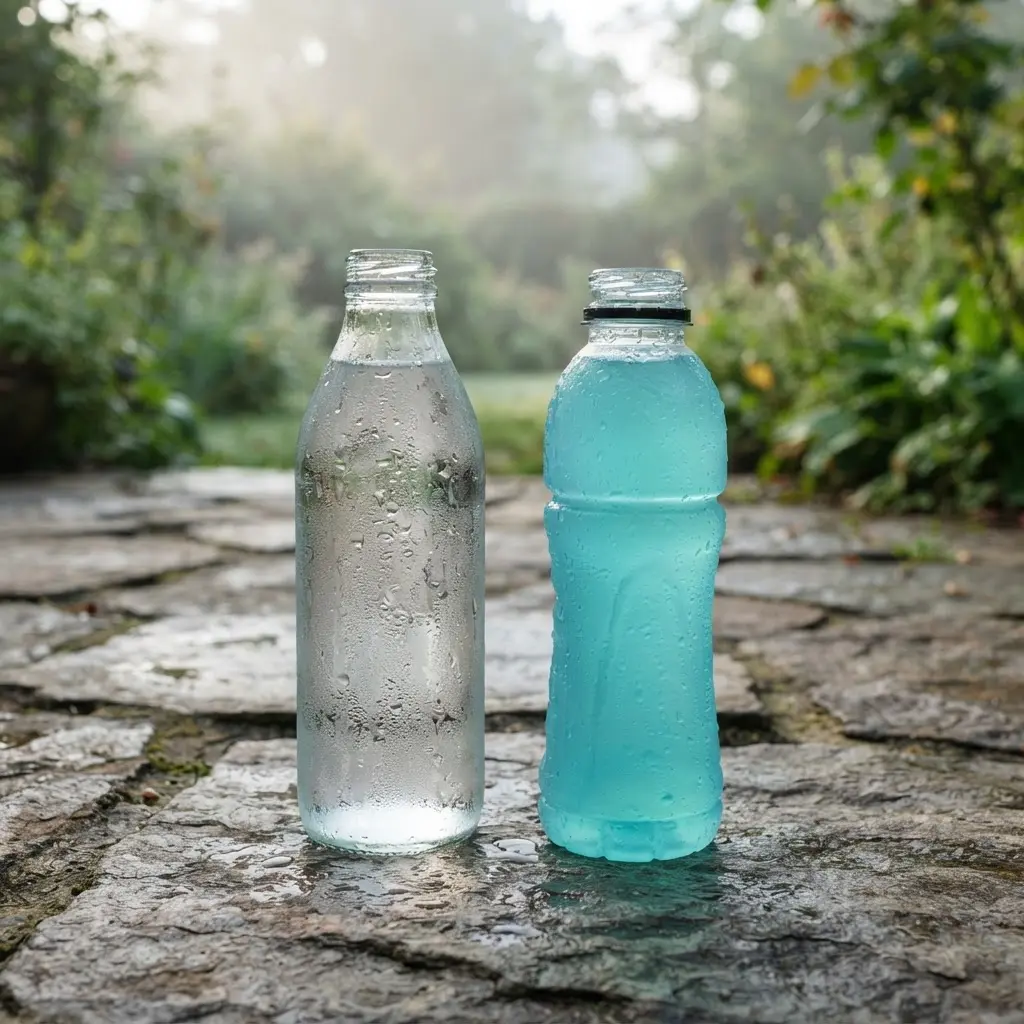
Yogurt, bananas, potatoes, beans, spinach, nuts, seeds, and whole grains provide useful minerals. A small serving of salted nuts or pretzels suits some people after heavy sweating, while sports drinks provide fluids, electrolytes, and carbohydrates during prolonged exercise.
Check sugar content before using one for routine daily activity, as mastering Ways to survive extreme summer heat means reading labels carefully. Eat water-rich foods such as watermelon, cucumbers, strawberries, and celery to supplement drinks.
Limit alcohol, excessive caffeine, and sugary drinks while focusing on hydration. Schedule outdoor activity for early morning or late evening when possible. Muscle cramps, dizziness, nausea, unusual fatigue, or headache require stopping activity and moving to a cooler place.
Evidence shows consistent fluid intake supports circulation and temperature control during heat exposure. Always consult a healthcare professional before making changes to your health routine. Severe, persistent, or worsening symptoms require prompt medical attention.
2. Home Cooling and Shade Techniques for Safer Indoor Spaces
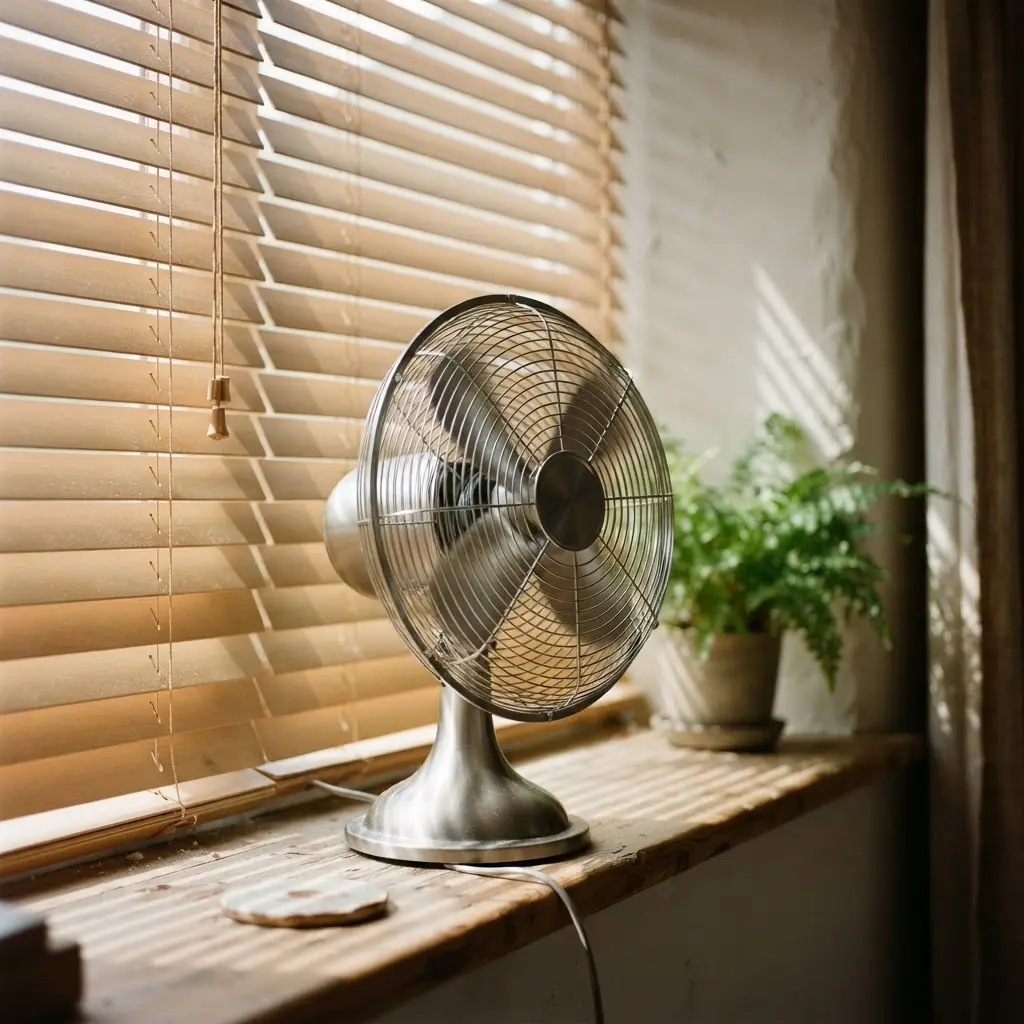
Close thick light-colored curtains before direct sunlight enters the home. Give south- and west-facing windows extra attention, especially from midday through late afternoon. Add awnings, shade sails, trellises, vines, or trees outside windows to block sunlight before glass and walls absorb heat, because practicing Ways to survive extreme summer heat begins with shading windows early.
Reflective window film offers another option for reducing solar heat gain. Open windows on opposite sides of the home during early morning and late evening, once outdoor air feels cooler than indoor air.
This creates cross-ventilation and moves hot air outside. Use a whole-house fan with open windows to pull cooler air indoors and exhaust warm air. Keep windows closed and shaded during the hottest hours if outdoor temperatures rise above indoor temperatures, which proves that effective Ways to survive extreme summer heat rely on structural airflow.
Attic vents, including soffit, ridge, or gable vents, reduce heat buildup above living spaces. Set air conditioning to about 78°F (26°C) while home, then use a programmable thermostat during sleep or periods away. Replace filters on schedule, arrange yearly servicing, and seal gaps around windows, doors, and ductwork.
Run ceiling fans counter-clockwise to circulate air and improve comfort. Fans move air across skin, but they do not remove heat from a room or replace air conditioning, though they remain part of proven Ways to survive extreme summer heat for better comfort.
Shift oven, dryer, and dishwasher use to cooler hours. Replace incandescent bulbs with LEDs, and unplug unused electronics to reduce indoor heat. Use an evaporative cooler only in a dry climate because added moisture reduces comfort in humid air.
Research suggests combining shade, timed ventilation, air movement, and maintained cooling equipment gives indoor spaces better protection during extreme heat.
3. Strategic Outdoor Activity Scheduling Around Peak Heat

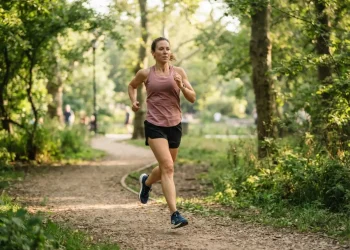
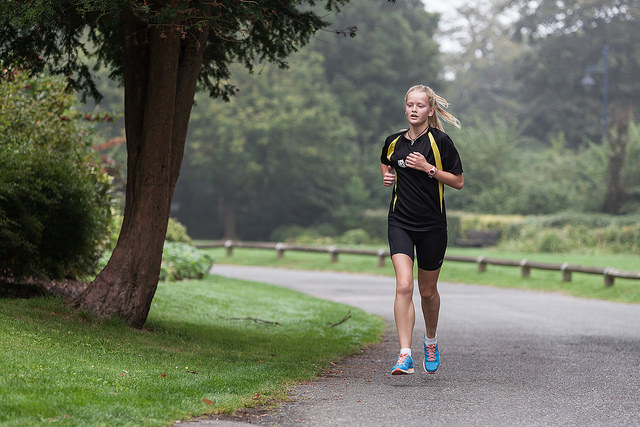
At 7:30 a.m., a runner finishes a park workout before the pavement begins storing intense heat. Schedule strenuous exercise early, ideally from sunrise until about 9 or 10 a.m., since planning Ways to survive extreme summer heat means avoiding midday pavement.
Running, hiking, and sports place less stress on the body during cooler morning hours. Early sunlight also tends to be less intense.
Check the local forecast before leaving home. Review temperature, humidity, heat-index readings, and official heat advisories. Use a weather app with real-time readings rather than relying on the thermometer alone.
Research supports adjusting outdoor activity to both heat and humidity, since humid air slows sweat evaporation, and adapting your plan around Ways to survive extreme summer heat keeps you safe on longer trips. Reserve late afternoon or early evening for gentle movement in shaded areas.
Choose a tree-covered park, shorten the session, and lower the pace. Swimming or kayaking offers a cooler alternative, but water-based activities still require sunscreen, a hat, regular drinks, and rest breaks. Drink water before, during, and after exercise.
Electrolyte-rich drinks suit longer or sweat-heavy sessions. Stop immediately after heavy sweating, weakness, dizziness, or nausea appears. Move to a cool, shaded place and ask for medical help when symptoms worsen.
Confusion or loss of consciousness signals a medical emergency. Heat-related illness becomes serious. Always consult a healthcare professional before making changes to your health routine.
4. Breathable Clothing and Accessory Materials for Summer Comfort
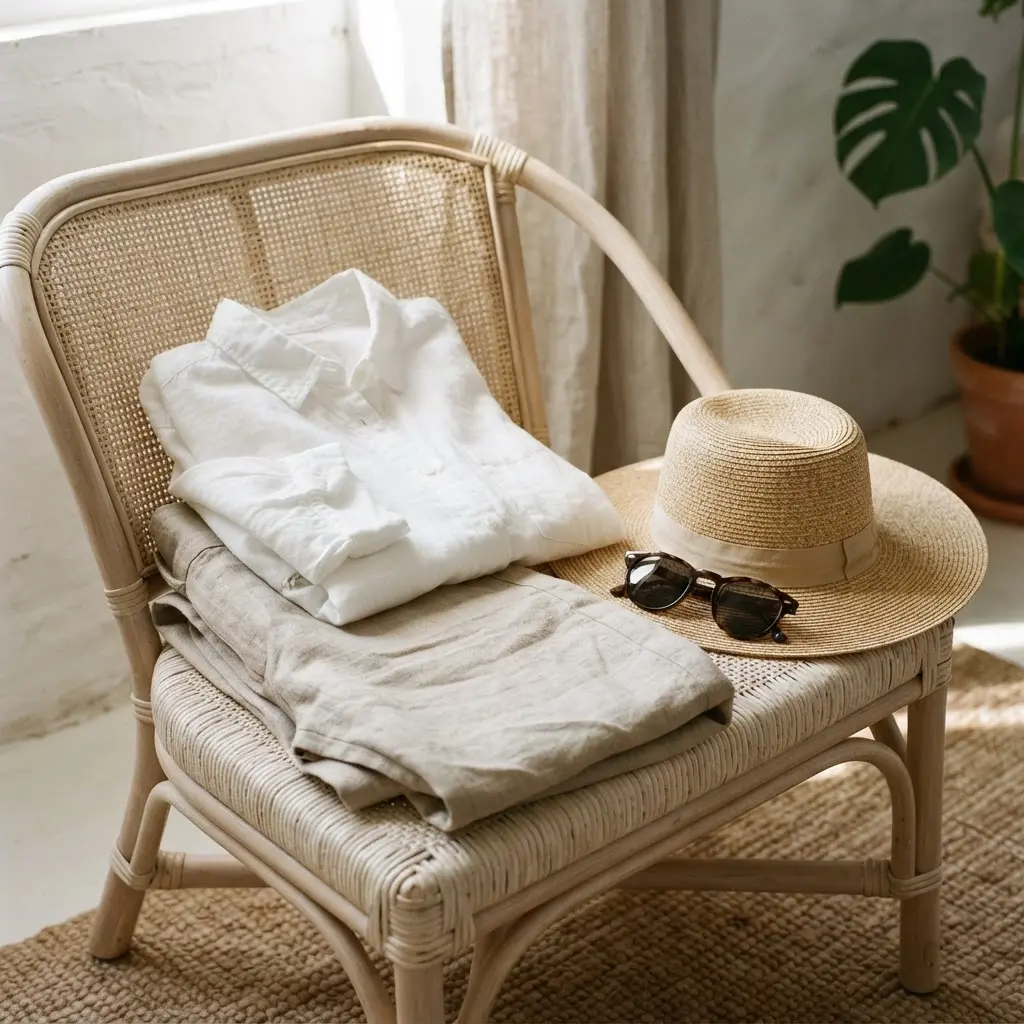
Myth: every natural fabric feels cool in extreme heat. Weight, weave, and fit matter just as much as fiber type. Choose lightweight linen or cotton voile, lawn, and chambray for daily wear.
Loose fabric creates an air gap between skin and clothing, allowing heat and sweat to move outward, which highlights a key aspect of Ways to survive extreme summer heat. Use loose-fitting garments rather than tight shirts, shorts, or trousers.
A breathable fiber loses much of its cooling benefit when fabric clings to damp skin. Linen and hemp suit relaxed daytime clothing, while fine merino wool manages moisture and temperature in lightweight travel layers. Bamboo-derived rayon feels soft and breathable, though the material is processed rayon rather than raw bamboo fiber.
Understanding Ways to survive extreme summer heat means selecting fabrics that dry quickly and allow steady airflow. Choose performance polyester or nylon for exercise, walking, and other active use.
Look for labels describing moisture-wicking and quick-drying construction, since pure polyester is not automatically comfortable in heat. Sweat moves from the skin into the fabric, then dries faster when the weave supports airflow. Research on heat comfort supports matching fabric structure and fit to the activity, rather than choosing by fiber label alone.
Protect exposed skin with a straw hat, then select mesh shoes, woven cotton or raffia bags, and sandals made from breathable fibers. Perforated leather provides airflow when a more structured shoe is needed. Inspect each item before wearing it outdoors: choose lightweight construction, visible ventilation, quick drying, and enough room to prevent clinging. These details reduce trapped heat, dampness, and rubbing during hot conditions.
5. Recognizing Symptoms of Heat Illness and Urgent Warning Signs
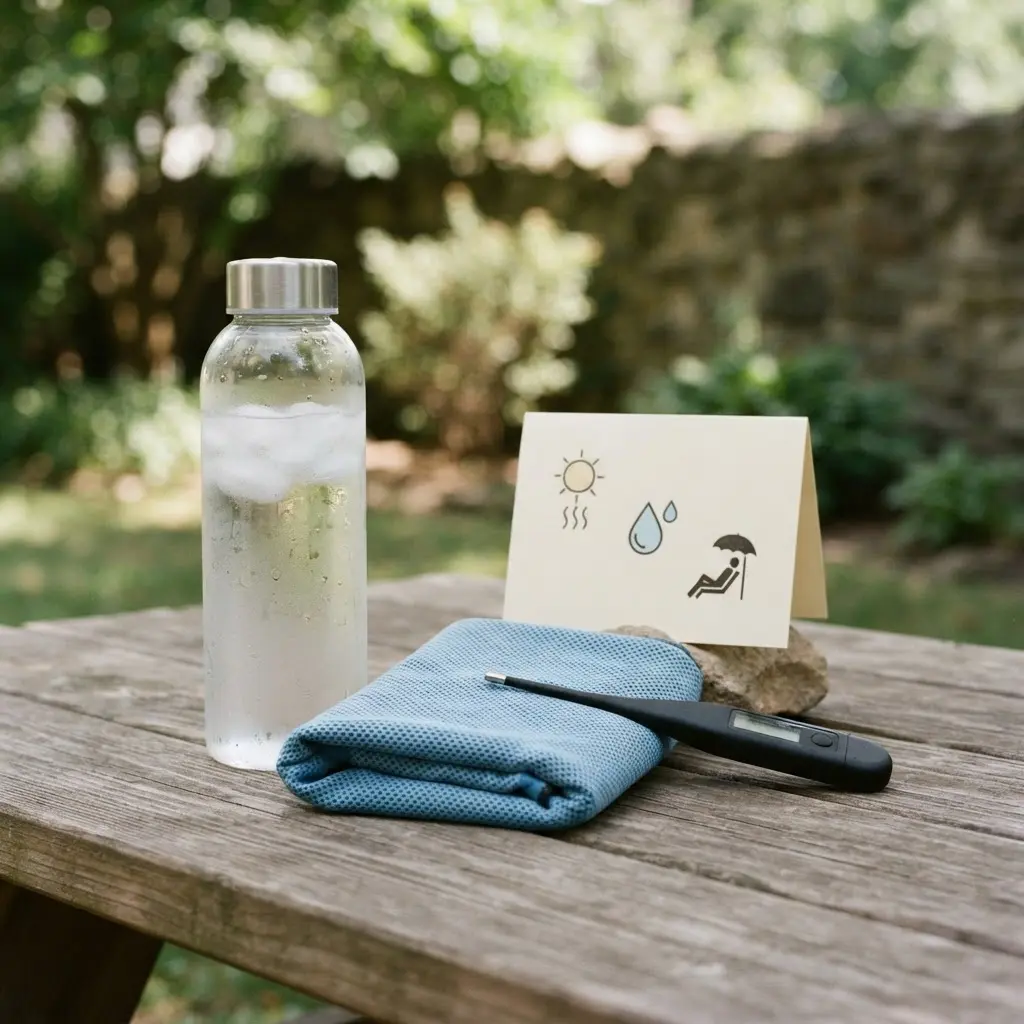
How do you tell ordinary tiredness from heat illness? Start with early warning signs such as muscle cramps, heavy sweating, weakness, dizziness, headache, nausea, or vomiting.
Cramps often affect the legs, arms, or abdomen during or after strenuous activity in hot weather. Treat these signs as a need to stop, cool down, and assess the person.
Heat exhaustion often causes heavy sweating with pale, moist, cool skin. Move the person to a cooler place and loosen tight clothing. Give fluids only when the person is alert and able to drink.
Heat-exhaustion symptoms need medical attention when they worsen or fail to improve within about one hour after cooling and drinking fluids. Research and clinical guidance support early action because heat illness may progress quickly. Heat stroke is a medical emergency.
Warning signs include a body temperature of 103°F (39.4°C) or higher, hot red skin that is dry or damp, a fast strong pulse, headache, dizziness, nausea, confusion, or loss of consciousness. Call 911 or the local emergency number immediately.
Begin cooling with a cool bath, shower, or wet cloths while waiting for help. Never give fluids to a confused or unconscious person. Keep cooling the body until emergency help arrives.
Young children, older adults, and people with heart, lung, or kidney disease face greater risk. Dehydration, alcohol, sudden hot-weather exposure, strenuous activity, obesity, and certain medicines also increase vulnerability. Always consult a healthcare professional before making changes to your health routine.
Checking On Higher-Risk Household Members
Ask older adults, children, and people with chronic illness about heat symptoms at least twice daily during a severe heat alert. Children need frequent drinks and cool breaks because they often keep playing after thirst begins. Older adults sometimes notice thirst less clearly, and heart, kidney, or lung conditions raise concern during fluid loss.
Check indoor temperature, sleep quality, urine color, energy, and alertness during each visit or phone call. Ask about medicines too, since some treatments affect sweating or fluid balance. Follow the person’s clinician’s advice before changing drinks or salt intake. Arrange air conditioning or a nearby cooling center if home temperatures stay high.
A confused response, fainting, or trouble waking needs emergency help, not a wait-and-see approach.
Conclusion
Hot weather feels easier to manage when you plan before the day becomes difficult. Keep a filled bottle nearby, close blinds before rooms heat up, and choose loose cotton or linen clothing.
Ways to survive extreme summer heat also include moving outdoor tasks to cooler hours and taking breaks in shade or air conditioning. Check on older adults, young children, and people with health concerns during long hot spells.
Pay attention to headache, dizziness, weakness, nausea, confusion, or fainting. These signs call for a cool place and prompt medical help, especially when symptoms become severe.
Pick two steps today, such as filling a bottle and setting a morning reminder for outdoor work. A few steady habits help you stay more comfortable and protect your energy through the hottest days.
Keep your plan simple, share it with someone close, and adjust it as the forecast changes.
FAQs
Q: How often should I drink water during extreme heat?
A: Take small drinks often instead of waiting until strong thirst starts. Drink more during sweating, outdoor work, or exercise, and follow personal guidance from a health professional if you have fluid limits.
Q: Is plain water enough after heavy sweating?
A: Plain water often suits everyday heat exposure. After long periods of heavy sweating, a balanced drink with electrolytes and a regular meal helps replace lost salts.
Q: What clothing works best in extreme summer heat?
A: Choose loose, light-colored clothing made from breathable cotton or linen. A wide-brim hat and sunglasses add coverage when you spend time outside.
Q: When should I avoid outdoor activity?
A: Move outdoor tasks to early morning or evening when possible. During peak afternoon heat, choose shade or an air-conditioned place and take frequent breaks.
Q: What are warning signs of heatstroke?
A: Confusion, fainting, a seizure, loss of coordination, or hot skin with severe illness need urgent medical help. Move the person to a cooler place while contacting emergency services.