
Want to eat more organic food without pushing your grocery bill too high? Looking at Ways to eat organic on a budget gives clear answers. Ways to eat organic on a budget include choosing seasonal produce, comparing store brands, buying shelf-stable foods in sensible amounts, planning meals, and using frozen vegetables when fresh food costs more. You do not need an organic label on every item to build nourishing meals. Start with foods your household eats often, then compare prices before adding more. A short shopping list also helps prevent costly impulse buys and spoiled produce. I’ll walk you through smart produce choices, bulk staples, store discounts, market finds, meal planning, and waste-saving habits. These ideas fit small kitchens, busy weeks, and different household sizes. Pick one or two changes for your next grocery trip, then add more as they feel comfortable. Let’s make organic shopping easier, more flexible, and kinder to your budget.
Reading Organic Certification And Label Language
Check the USDA Organic seal and certification statement before paying extra for a packaged food. A product labeled “100% organic” meets a stricter ingredient standard than one labeled “made with organic ingredients,” which allows some nonorganic components. Terms such as natural, non-GMO, and farm-raised do not prove organic certification, so read the package instead of trusting front label language. Understanding Ways to eat organic on a budget starts with reading labels correctly. The seal also helps compare canned beans, pasta sauce, and snack foods without assuming every ingredient carries the same status. Check the ingredient list when an organic packaged food costs more than basic organic ingredients. Beans, rice, oats, and seasonal vegetables often give more meals per dollar. This distinction keeps certification choices tied to your budget, rather than marketing language. Applying Ways to eat organic on a budget means focusing on actual value.
Building A Flexible Weekly Food Budget
Write each meal beside its ingredient quantities and estimated price in a weekly grid, then subtract pantry items before setting your shopping limit. Planning Ways to eat organic on a budget works well with this grid. Group the list by produce, dairy, grains, and frozen foods so you spend less time comparing prices in each store section. Read the unit price beside each package because a larger bag often costs less per ounce, while a bulk bin item loses value if you waste half. Add loyalty discounts only after checking the regular unit price, since a sale tag does not always mark the lowest cost. Leave room for seasonal swaps, leftovers, and one inexpensive meal when market prices change. Discount grocers, food co-ops, and farmers markets suit different buying habits, so compare package size, storage space, and likely waste. Tracking Ways to eat organic on a budget becomes simple this way.
1. Dirty Dozen Produce List: Smart Organic Priorities

A common mistake is treating the Dirty Dozen as a list of foods to avoid. Focusing on Ways to eat organic on a budget helps target these priorities. Use the list as a spending guide instead. The 2026 list names spinach, kale and other greens, strawberries, grapes, peaches, apples, berries, potatoes and related produce among the higher-residue items. Prioritise organic versions of foods your household buys every week, rather than paying organic prices for every item.
EWG reports pesticide residues in 96% of samples from the 2026 Dirty Dozen, with 203 pesticides detected across these crops. Wash organic and conventional produce thoroughly before eating. Choose frozen organic produce for berries, greens or other foods that spoil before use. Learning Ways to eat organic on a budget makes frozen picks practical. Frozen packs reduce waste and often lower the cost of organic grocery shopping.
Use conventional Clean Fifteen choices when buying every item organically strains your budget. Pineapple, bananas, onions, cabbage, carrots and avocados offer practical lower-residue options. Practicing Ways to eat organic on a budget keeps spending smart. Build the rest of the cart around essential healthy grocery items, including varied fruits, vegetables and staple foods. This targeted approach supports regular produce intake while directing organic spending toward foods linked with greater pesticide exposure.
2. Seasonal Organic Produce Selection for Lower-Cost Meals

Start with the seasonal organic produce section at your store, then build meals around its lowest-priced items. Finding Ways to eat organic on a budget often starts with seasonal aisles. Spring often brings spinach, peas, asparagus, and strawberries. Summer offers tomatoes, zucchini, corn, and peaches. Fall and winter favor potatoes, carrots, squash, cabbage, apples, and pears. Prices often drop when local supply is plentiful.
Check store flyers, farmers’ market tables, and imperfect-produce bins before shopping. Exploring Ways to eat organic on a budget means using frozen options too. Choose two or three versatile items, then plan several meals around each one. Roast carrots for dinner, add leftovers to grain bowls, and blend extra pieces into soup. Freeze chopped greens, berries, or peppers before they spoil. Frozen or canned organic produce often costs less than fresh out-of-season choices.
Research suggests seasonal eating supports better value when shoppers plan meals and reduce food waste. Tracking Ways to eat organic on a budget prevents pantry overload. A CSA share suits households able to use most of a weekly box, while a small herb garden supplies low-cost flavor. Buy only the amount your household will use within a few days unless you have a clear preservation plan.
3. Bulk Bin Grain Savings — Affordable Pantry Staples

At 6 p.m., a nearly empty pantry often leads to small, costly packages of oats or rice. Knowing Ways to eat organic on a budget guides bulk purchases. Choose frequently used staples before shopping. Focus on organic oats, rice, dried beans, and lentils your household eats every week. Compare the unit price per ounce or pound across bulk bins, packaged goods, warehouse stores, and local retailers.
Buy only enough for several weeks or a few months of regular use. Applying Ways to eat organic on a budget prevents spoilage here. A large bag is not automatically the cheapest choice, and excess food loses its value when it sits unused. Transfer grains and beans into airtight containers soon after purchase. Add a label with the food name and purchase date. Store flour, nuts, and seeds in the refrigerator or freezer because their oils spoil faster at room temperature.
Research suggests unit-price comparisons and careful storage reduce food waste while keeping pantry costs controlled. Reviewing Ways to eat organic on a budget confirms smart bulk habits. Beans and lentils provide inexpensive plant-based proteins alongside affordable grains. Purchase quantities your household will finish while the food stays fresh, rather than chasing the lowest package price.
4. Store-Brand Organic Labels for Everyday Pantry Staples

Store-brand organic food is not automatically lower quality. Checking Ways to eat organic on a budget reveals store brand value. Private-label lines often offer certified organic pantry staples at a lower price than national organic brands. Check each package for the USDA Certified Organic seal, since words such as “natural” and “non-GMO” describe different claims.
Start with foods your household buys often, such as canned tomatoes, pasta, frozen fruit, or baking ingredients. Finding Ways to eat organic on a budget means comparing labels carefully. Compare the store brand with a national organic product in the same size and form. O Organics offers more than 1,500 USDA Certified Organic products, while other retailers carry organic options under brands such as CADIA Organic or Shiloh Farms. Read the ingredient list before choosing a product.
Many shoppers find this comparison lowers essential healthy grocery items removing familiar foods from the weekly menu. Practicing Ways to eat organic on a budget keeps weekly costs low. Compare unit prices, not shelf prices alone, because package sizes differ. Review each item separately, even when several products share one house label. A natural or non-GMO product might fit your preferences, yet only a clear organic certification confirms organic status. Choose the certified store-brand option when its ingredients, size, and price match your needs.
5. Warehouse Club Membership Benefits: Family-Size Savings

Does a warehouse club membership lower the cost of organic food? Yes, family-size purchases often reduce the unit price when three or more people use them before spoilage. Evaluating Ways to eat organic on a budget answers this question. Start with a list of regular buys, then compare the cost per ounce, pound, or item with organic options at nearby stores. Compare unit prices rather than package totals.
Choose long-lasting goods first, including oats, beans, canned foods, frozen vegetables, paper products, and toiletries. Knowing Ways to eat organic on a budget prevents storage overload. Buy fresh produce or bakery items only in amounts your household will finish within a few days. Limited storage changes the calculation, so measure pantry and freezer space before buying bulk. Prioritize shelf-stable staples to reduce waste. Research suggests bulk shopping offers the strongest value when storage, regular use, and household size match the package.
Calculate fuel savings when the club sits along a regular route. Tracking Ways to eat organic on a budget confirms if the card pays off. Add pharmacy, optical, tire, or prepared-food savings, then subtract the annual membership fee and extra travel costs. Share large packages with a roommate or family member when permitted, and shop from a fixed list to limit impulse purchases. A membership serves smaller households poorly when products expire before use or require a special long drive. Subtract the membership fee before deciding.
6. Local Farmers Market Finds for Affordable Organic Meals

A planned farmers market visit stretches a food budget further than an unplanned trip for single-use items. Learning Ways to eat organic on a budget works well here. Plan five dinners before leaving, then list ingredients shared across meals for two people. Choose kale, carrots, celery, eggs, beans, spaghetti squash, and other seasonal vegetables. One group of foods supports soup, a frittata, roasted squash, and a bean dish during the same week.
Walk through the market twice and compare prices before buying. Reviewing Ways to eat organic on a budget cuts food costs fast. Prioritize seasonal produce, since in-season foods often cost less and have better flavor. Ask each vendor whether food is certified organic or grown with specified organic practices. A farmers market label alone does not confirm organic status. Ask for preparation ideas when an unfamiliar vegetable catches your attention. Use edible stems and leaves when suitable, which reduces waste.
Build meals around smaller portions of meat, eggs, beans, and vegetables. Research suggests planning overlapping ingredients helps households stretch limited food funds by reducing impulse purchases and spoilage. Mastering Ways to eat organic on a budget relies on these steps. Bring a written list, check market days with the most vendors, and ask about SNAP discounts or community produce programs. Confirm food safety and storage needs before buying large amounts.
7. Frozen Organic Vegetable Options Alternatives for Easy Meals

A common mistake is assuming every frozen vegetable package offers the same value. Checking Ways to eat organic on a budget clarifies frozen labels. Frozen vegetables are not automatically organic, and seasoned blends often cost more than plain produce. Choose USDA certified organic packages when certification matters, then compare the price per ounce.
Use mixed vegetables in soups, stews, and casseroles. Applying Ways to eat organic on a budget saves cooking time. Select a California-style blend with broccoli, cauliflower, carrots, and zucchini for side dishes. A Chinese-style stir-fry blend suits quick skillet meals. Keep single vegetables such as peas, corn, spinach, kale, green beans, and broccoli for flexible portions. Follow package directions because cooking times differ between vegetables and blends.
Research suggests freezing preserves much of the nutritional value of vegetables, while longer storage makes meal planning easier. Exploring Ways to eat organic on a budget simplifies dinner prep. Check the ingredient list for added salt, sauces, or seasonings before buying. Match the package to meals you already prepare, and compare package sizes before paying. A plain frozen vegetable bag often offers the simplest choice for soups, roasted sides, and quick dinners.
8. Community Supported Agriculture Programs: Weekly Produce Boxes

Compare CSA prices and share sizes before paying for the season. Tracking Ways to eat organic on a budget fits this routine well. Choose a small produce share when a full box would create waste. Farms often offer weekly boxes, while some provide bi-weekly pickup or installment payments. Ask about pickup times, delivery fees, skip-week rules, and the farm’s growing methods before committing. Confirm whether the program follows certified organic standards if organic certification matters to your budget and food choices.
Expect changing contents rather than a fixed list. A summer box might include several pounds of tomatoes, greens, squash, or fruit, while a later box could contain root vegetables and storage crops. Use the farm’s recipes and storage tips to plan meals before the next pickup. Freeze, cook, or share surplus produce before it spoils.
Many shoppers find a regular weekly pickup schedule easier to budget than repeated store trips, especially when the share replaces planned produce purchases. Shared harvest risk still applies, so a poor season might bring a smaller box. Review the total seasonal price, payment timing, and expected box size. Select a program close to home to limit travel costs and make each pickup practical.
9. Strategic Meal Planning Techniques for Organic Grocery Savings
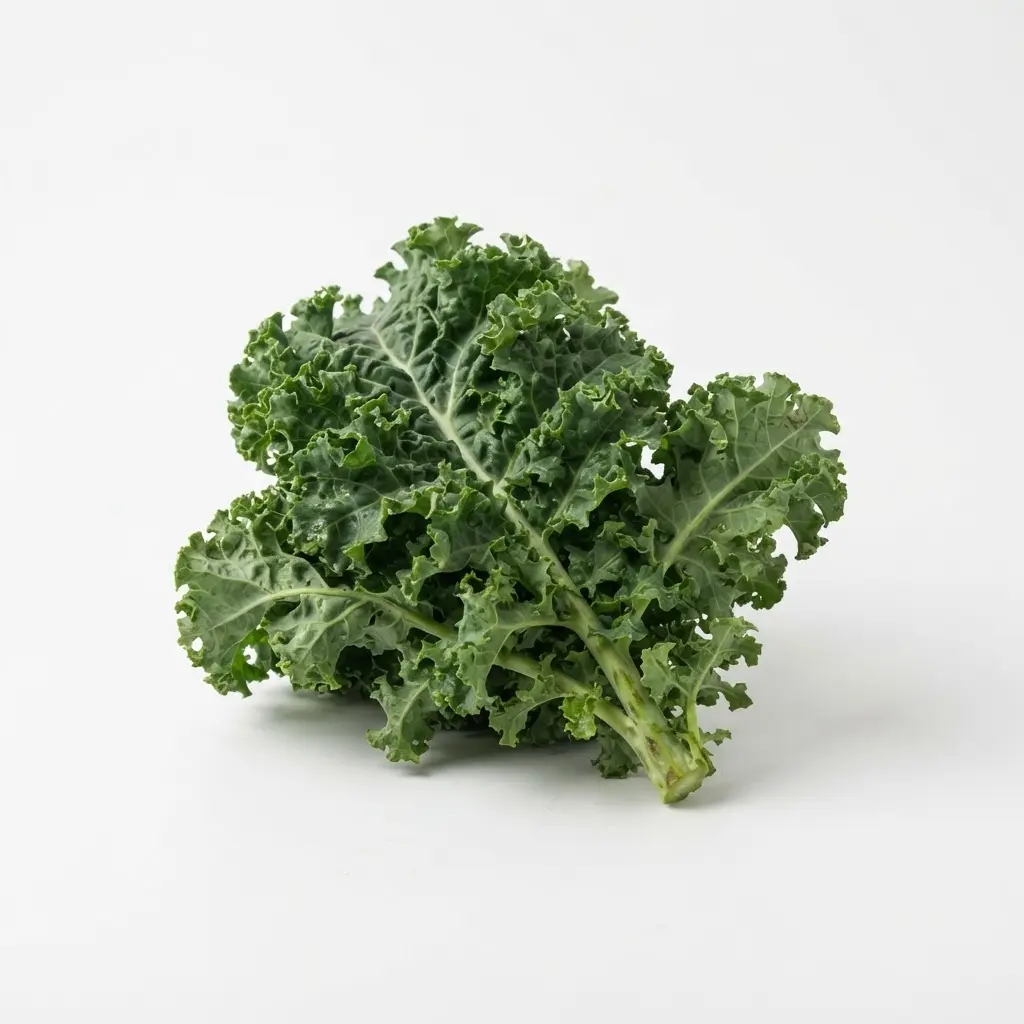
At 6 p.m. on Sunday, check the refrigerator, freezer, and pantry before planning meals. Take a home inventory and note produce nearing its use-by date. Review store ads, then build several meals around discounted organic foods and seasonal vegetables. Applying Ways to eat organic on a budget streamlines weekly shopping. Choose simple recipes with shared ingredients, such as beans, grains, greens, and roasted vegetables.
Plan a second use for each cooked component. Serve roasted vegetables with dinner, then add them to omelets or wraps the next day. Prepare grains, beans, chopped vegetables, and sauces once or twice weekly. Store portions safely and label them with dates. Research suggests meal planning reduces food waste and supports more controlled grocery spending.
Compare prices per ounce or pound across package sizes, brands, and store-brand organic products. Buy bulk grains, nuts, seeds, or beans only when proper storage and regular use are assured. Write a flexible grocery list covering breakfasts, lunches, dinners, and snacks. Leave room to replace one planned meal when a useful sale appears, rather than purchasing unplanned specialty items.
10. Food Waste Reduction Methods for Fresh Organic Foods
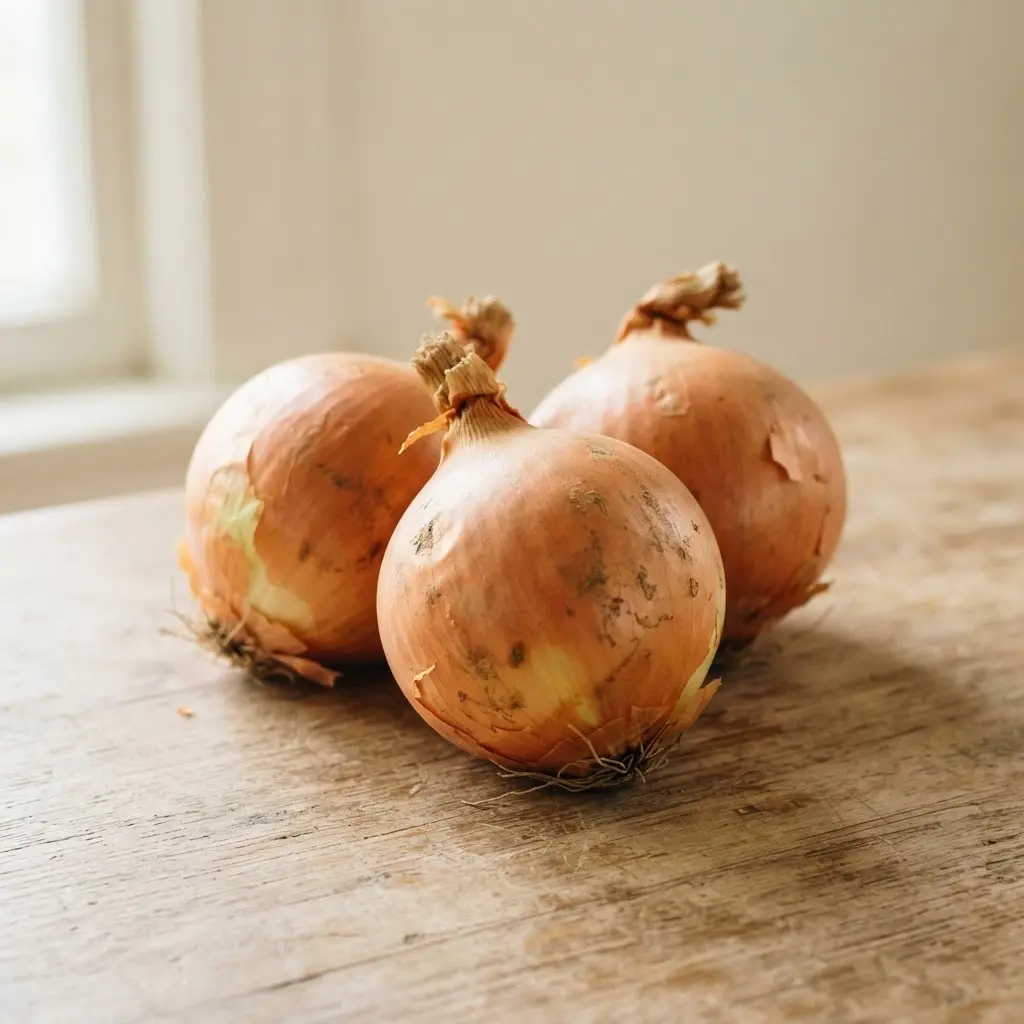
Buying organic produce in bulk is not always cheaper. The true saving comes from eating food before spoilage. Check your supplies before shopping, plan meals around essential healthy grocery items, and buy loose produce when a recipe needs only a small amount. Keep an eat-me-first shelf for foods needing quick use.
Store each food according to its needs. Place leafy greens in a suitable crisper drawer and protect drying produce with airtight containers or reusable wraps. Separate apples, bananas, and tomatoes from broccoli and leafy greens because ethylene speeds ripening. Keep potatoes and onions in a cool, dark, dry place. Freeze surplus vegetables before quality falls. Blanching often preserves texture during freezing.
Use broccoli stems in soups or stir-fries, and turn suitable scraps into broth. Refrigerated leftovers should become part of another meal within a few days, with dates marked on containers. Pickling, fermenting, and safe canning extend the life of extra produce. Compost peels, cores, and coffee grounds when eating them is not practical. Research suggests household food waste falls when planning, storage, and visibility work together. Composting supports waste reduction, but preventing edible food from being discarded comes first.
11. Homegrown Herb Garden Essentials for Small Spaces

Need fresh herbs without a yard? Yes. A few containers on a sunny windowsill, balcony, or patio provide a steady supply for cooking. Choose a container garden location with at least 6 hours of direct sunlight each day. Use pots about 6 inches deep for basil and chives, 10 inches for parsley, and 12 to 14 inches for rosemary and thyme.
Choose containers with drainage holes and place saucers underneath. Fill each pot with well-draining container potting mix, not garden soil, which often compacts around roots. Save floor space with tiered stands, hanging baskets, or wall planters. Group basil and parsley together because both prefer moister soil. Keep rosemary and thyme in a drier grouping, and give mint its own pot.
Many people find homegrown herbs reduce repeated purchases and limit waste from unused bunches. Provide LED grow lights for 12 to 14 hours daily when natural light is weak. Check the top inch of soil before watering. Practice regular harvesting by pinching leaves, since frequent trimming encourages fresh growth and limits leggy stems.
12. Loyalty Program Grocery Discounts: Organic Food Savings

Using a loyalty account costs less than paying the shelf price, provided the offer matches your normal list. Join free store programs and check member prices, digital coupons, points, and produce rewards before shopping.
Activate relevant coupons in advance, then scan the registered account at checkout. Some rewards reduce the current bill, while others apply to a later trip. The Fresh Market Organic Produce Club gives $3 off a future organic-produce purchase after $15 in qualifying spending. Whole Foods Co-op Fresh Dollars matches qualifying produce spending up to $10 on Tuesdays for enrolled customers.
Research suggests targeted discounts reduce food costs most reliably when shoppers avoid extra purchases made only to earn points. Compare expiration dates, category limits, spending thresholds, and redemption rules. Track rewards on your receipt or account. Use earned savings for planned organic produce or pantry affordable healthy staples, and skip a promotion when the required purchase exceeds your household needs.
Growing Fresh Herbs In Small Spaces
A sunny windowsill with six hours of light supports compact pots of basil, parsley, or chives. Choose a self-watering planter to keep roots evenly moist when your schedule gets busy. A pot with drainage holes prevents soggy soil, while a saucer protects the sill from water marks. Organic seeds or small starter plants fit inside a narrow container, so you do not need a balcony or yard. Snip outer leaves often and leave the center growing, which keeps the plant productive for longer. Chives regrow after cutting, while basil needs regular trimming before flowers appear. One pot often supplies enough herbs for several meals, reducing small bunch purchases and unused leftovers. Place herbs near your cooking area, label each pot, and track harvests in your weekly food budget.
Conclusion
Your grocery choices should fit your family, your kitchen, and your spending limit. Organic eating does not need an all-or-nothing rule. A few well-chosen foods, planned meals, and careful storage often make a bigger difference than filling every cart with premium labels. Use Ways to eat organic on a budget as a starting point, not a strict test. Before your next trip, check what you already have, choose two seasonal items, and write meals around them. Pick one store discount or loyalty offer, then buy only the amount your household will use. If fresh produce costs too much, frozen vegetables still bring useful nutrients and less spoilage. Small changes add up when they fit your real routine. Keep your list simple, review your results after the week, and carry forward the choices that saved money without making meals harder.
FAQs
Q: Is organic food more nutritious than conventional food?
A: Both organic and conventional foods supply important nutrients. Freshness, variety, and regular produce intake matter more than choosing an organic label for every item.
Q: Which foods deserve priority when money is tight?
A: Focus on foods your household eats often, such as berries, leafy greens, apples, or beans. Use a current produce guide as one factor, then compare prices and quality at your stores.
Q: Are frozen organic vegetables a good choice?
A: Frozen vegetables are a practical choice when fresh produce costs more or spoils before use. Select plain vegetables without added sauces, sugar, or heavy seasoning.
Q: How do I prevent bulk organic foods from going to waste?
A: Buy shelf-stable grains, beans, and oats in amounts your storage space supports. Divide large packages into sealed containers and set a meal plan before buying perishables.
Q: Does washing produce remove all pesticide residue?
A: Rinse fresh produce under cool running water and rub firm items with clean hands. Avoid soap or household cleaners, since they are not made for food.