Wondering whether artichokes deserve a place on your plate? Health benefits of artichoke include fiber, folate, magnesium, vitamin C, and plant compounds such as cynarin. Fiber supports regular digestion and fullness, while the nutrient mix fits heart-conscious meals.
Research on cholesterol and liver effects is promising but still limited, so results differ by person. Many home cooks track the Health benefits of artichoke when planning weekly groceries. I know whole artichokes look less simple than a bag of prepared hearts.
This guide explains the main nutrients, what research says about digestion, cholesterol, liver function, and immune support, plus how to choose, trim, steam, and serve them. Seeing the Health benefits of artichoke starts with clear prep steps.
You will also find easy meal ideas for adding artichokes to salads, grain bowls, dips, and warm dinners. I will keep the advice practical and balanced, with room for your taste and health needs. Let us start with the basics and find an easy way to enjoy them.
Fresh And Preserved Artichoke Nutrition Differences
Choose fresh globe artichokes for fuller fiber and potassium, while canned or jarred hearts offer quicker preparation and a softer texture. Fresh leaves and hearts retain their natural water content, while preserved hearts often include added sodium from the packing liquid. Remember the Health benefits of artichoke when picking between formats.
Rinsing canned hearts under cool water removes some surface sodium before salads, grain bowls, or warm dishes. Fresh artichokes also require trimming away the fuzzy choke, while prepared hearts arrive ready for direct use. Checking labels for sodium, oil, and serving size helps since packed hearts vary widely between brands.
Both forms supply folate and vitamin C, yet fresh cooking gives you more control over salt and added fat. Frozen hearts often sit between these choices, with little added salt. Noting the Health benefits of artichoke means comparing prep styles.
Fiber Tolerance And Gallbladder Considerations
Increase artichoke portions slowly if extra dietary fiber causes gas or bloating. Artichokes contain inulin, a fermentable fiber that gut bacteria break down and some people tolerate poorly. Tracking the Health benefits of artichoke starts with gentle portions.
Start with a small serving alongside familiar foods, then watch how your digestion responds over the next day. Drinking enough fluid supports comfortable movement through the digestive tract, though water does not prevent every symptom. People with gallstones, gallbladder disease, or bile-duct problems should ask a clinician before making a large dietary change.
These conditions sometimes affect how the body handles bile, a fluid involved in fat digestion. Keep portions modest during symptom flares and seek care for severe pain, vomiting, fever, or yellow skin. Respecting the Health benefits of artichoke means listening to medical advice.
1. Nutrient Profile and Fiber Content for Daily Meals

A common mistake is quoting one fiber number for every artichoke dish. Correct the mistake by naming the food form, serving size, and recipe first. Checking the Health benefits of artichoke requires clear meal details.
Fresh, frozen, canned, and prepared artichokes do not share identical nutrition, especially after draining or adding oil, salt, or other ingredients. Use a defined serving size before judging a daily meal. Understanding the Health benefits of artichoke means tracking preparation methods.
Record the artichoke quantity, every other ingredient, and the preparation method. A meal made with one measured portion of cooked artichoke differs from a dip containing a smaller amount plus cheese or oil. Without these details, reliable nutrient and fiber comparisons are not possible.
No evidence-based meal-specific values were supplied for this chapter. Measuring the Health benefits of artichoke takes careful recording.
Research-based comparisons need a written meal list and consistent portions. This matters because serving size changes the fiber total and the wider nutrient profile, while preparation changes the final recipe. Start with one recipe, record whether the artichoke is fresh, frozen, canned, or prepared, and keep portions consistent across meals.
Treat any uncited number as incomplete until these details are clear. Finding the Health benefits of artichoke starts with steady tracking.
2. Cynarin and Liver Function Support: Current Evidence
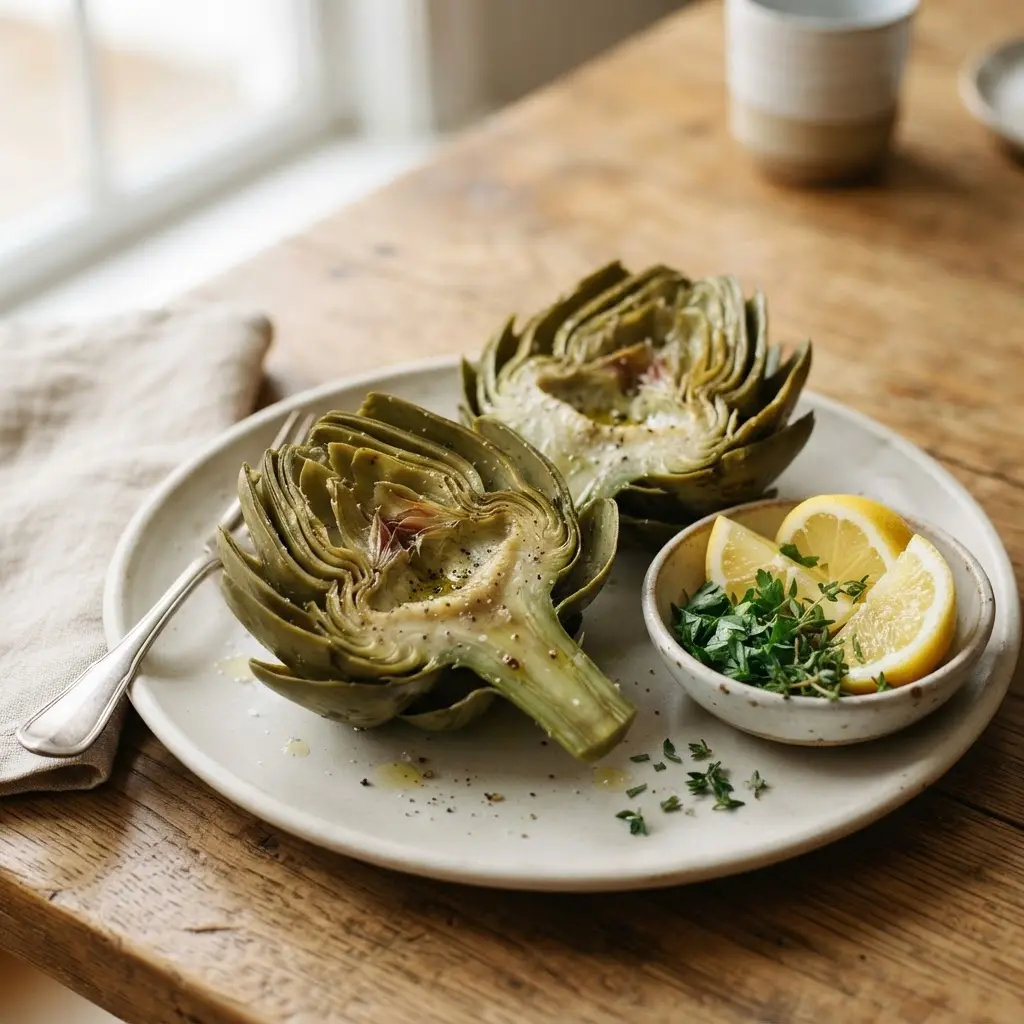
Start with whole artichoke as a food before choosing a cynarin supplement. Human research has mainly tested artichoke leaf extract or other artichoke supplements, not isolated cynarin. One review of eight clinical trials found lower ALT and AST levels, especially among people with non-alcoholic fatty liver disease or excess weight.
Laboratory and animal studies provide a possible explanation. Cynarin supported antioxidant defenses during acetaminophen-related liver injury and affected pathways linked with cell energy and inflammation. Exploring the Health benefits of artichoke means focusing on whole foods first.
These findings involve Keap1/Nrf2, AMPK/SIRT3, TXNIP/NLRP3, and HMGB1/NF-κB signaling. Such results do not prove a human treatment. Watching the Health benefits of artichoke in lab settings shows different results.
Review ALT and AST results with a healthcare professional rather than treating lower numbers as a cure. A second review of seven randomized trials found reductions in both enzymes, with stronger results in studies lasting eight weeks or less and using more than 500 mg of artichoke. This amount is not an established cynarin dose.
Always consult a healthcare professional before making changes to your health routine. Seek medical care for jaundice, cholestasis, suspected fatty liver disease, or unexplained abnormal liver enzymes. Tracking the Health benefits of artichoke requires professional guidance.
3. LDL Cholesterol Reduction Properties in Heart-Healthy Eating
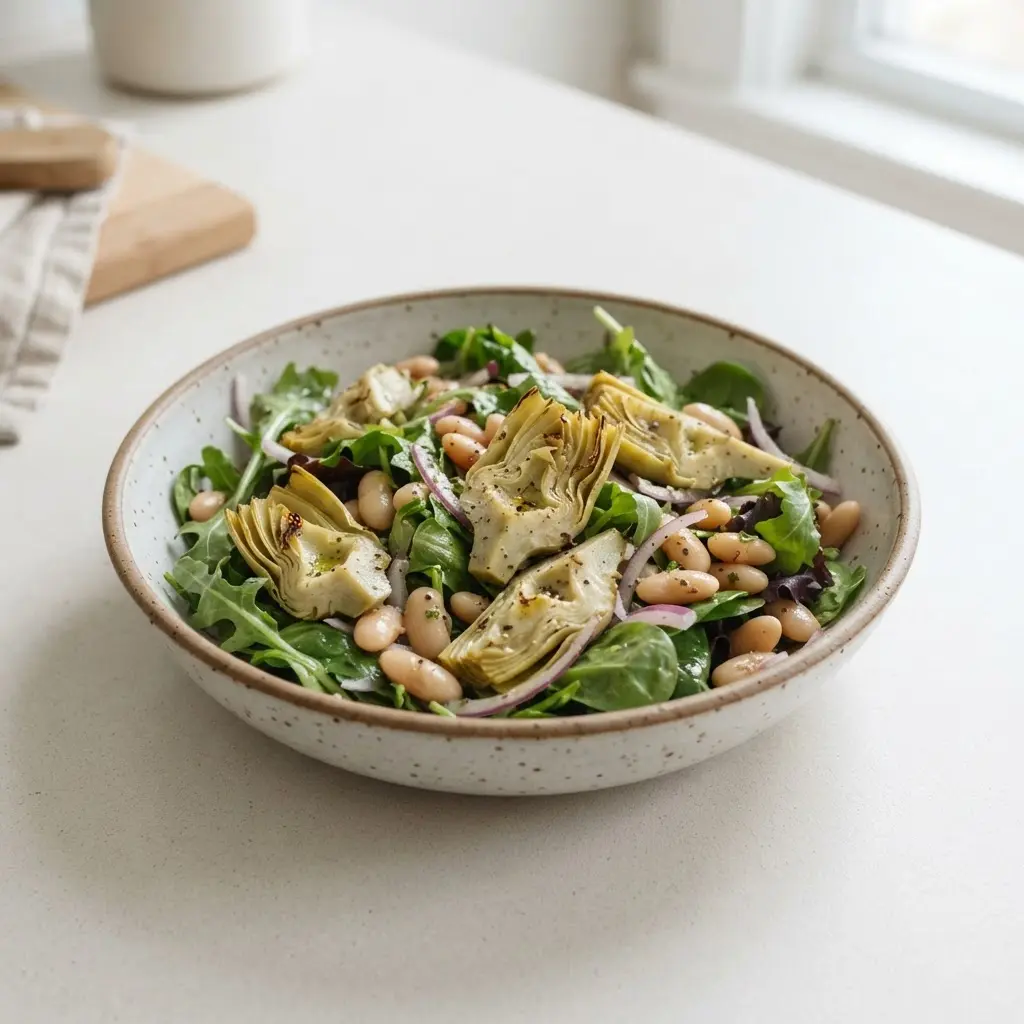
At dinner, replace a meal high in butter or fatty meat with beans, whole grains, vegetables, and an artichoke. Include soluble fibre from foods such as oats, barley, beans, apples, and artichokes. Soluble fibre binds some cholesterol in the digestive tract, reducing its absorption into the bloodstream.
Choosing the Health benefits of artichoke means swapping heavy fats. Add soy protein, nuts, and foods containing plant sterols or stanols.
Choose unsaturated fats from walnuts, almonds, avocado, flaxseeds, or canola oil. Use these foods in place of butter, fatty meats, and other sources of saturated fat. Research links plant sterol and stanol intake of about 2 to 2.7 grams daily with meaningful LDL reductions.
Adding the Health benefits of artichoke to these meals works well. Research supports combining these choices in a portfolio-style pattern rather than relying on one food.
Lower LDL levels support heart health, though results differ between people. Always consult a healthcare professional before making changes to your health routine. Seeing the Health benefits of artichoke in heart care takes a full approach.
4. Antioxidant Compounds and Cellular Health Benefits
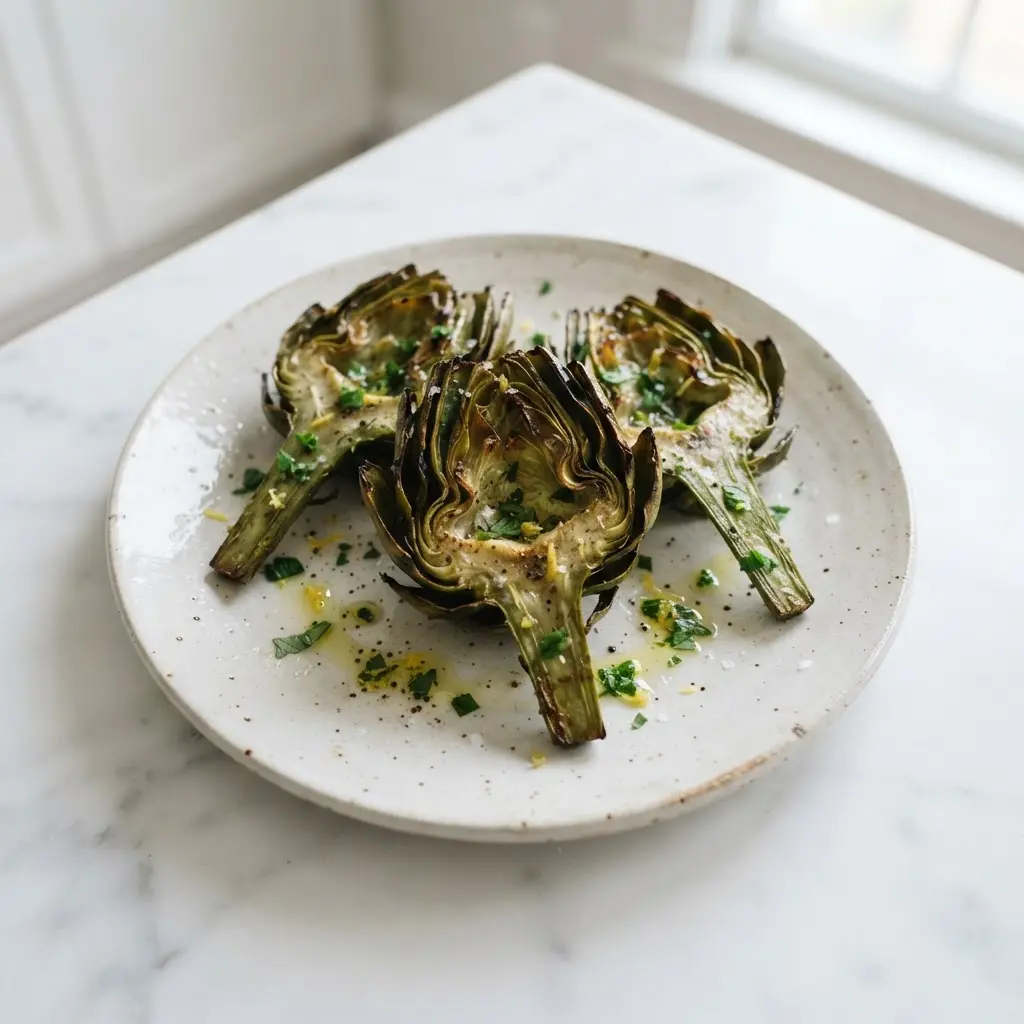
A common belief says an antioxidant label proves a food prevents disease. The truth is more limited: antioxidant activity describes a possible form of cell protection, not a treatment or guarantee. Clarifying the Health benefits of artichoke requires looking past broad labels.
Free radicals are unstable molecules. They can damage DNA, proteins, and lipids, contributing to oxidative stress. Studying the Health benefits of artichoke means checking specific compounds.
Artichokes contain plant compounds, yet the available research does not identify their specific antioxidant compounds or measure their levels. Vitamin C, vitamin E, and polyphenols all have antioxidant roles in foods, but each compound acts differently. Some donate electrons to unstable molecules.
Others reduce free-radical production or support repair of oxidized cell parts. Research suggests the health meaning of antioxidant activity depends on the compound, dose, chemical form, and biological setting. This explains why evidence about general antioxidants does not prove equal cellular protection from artichokes.
Measuring the Health benefits of artichoke means considering dose and context. Choose artichokes as part of a varied eating pattern rather than relying on antioxidant claims.
Do not treat supplements as interchangeable with food. Research on alpha-tocopheryl acetate shows supplementation may offer no benefit in some settings and may raise disease risk in others. Always consult a healthcare professional before making changes to your health routine.
5. Prebiotic Effects for Digestive Wellness and Gut Health
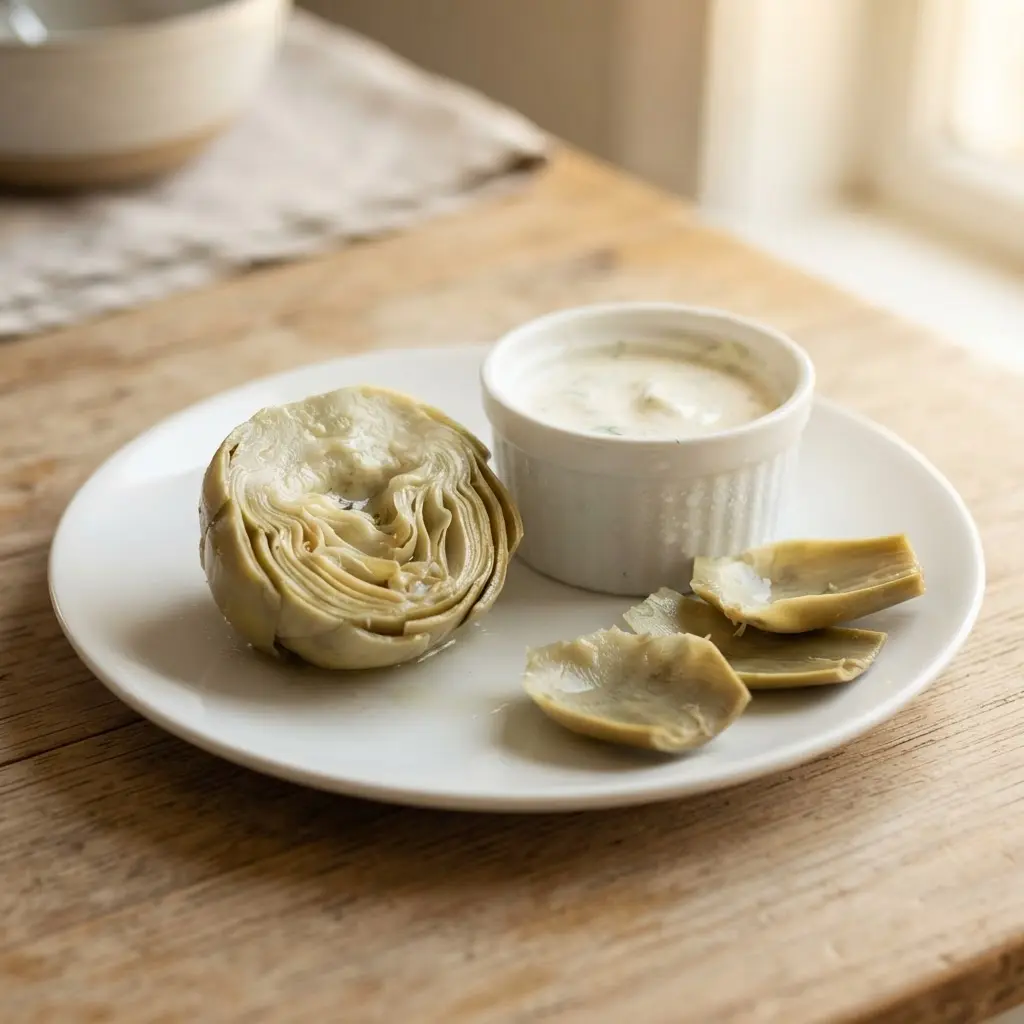
Does artichoke fiber reach the gut? Yes. Some of its prebiotic fiber resists digestion in the small intestine and reaches the colon. Gut bacteria ferment this fiber and produce short-chain fatty acids.
These compounds support the intestinal barrier and influence stool movement, although results differ among people. Noting the Health benefits of artichoke starts with gut activity.
Increase servings gradually over several days rather than eating a large amount at once. Rapid fermentation, especially from shorter-chain fibers such as inulin, may cause gas, bloating, cramps, or loose stools. Respecting the Health benefits of artichoke means pacing your intake.
Digestive symptoms do not prove that gut health is improving. Track your response and keep portions within your comfort level. Observing the Health benefits of artichoke in digestion takes steady monitoring.
6. Vitamin C and Immune Support in Balanced Meals
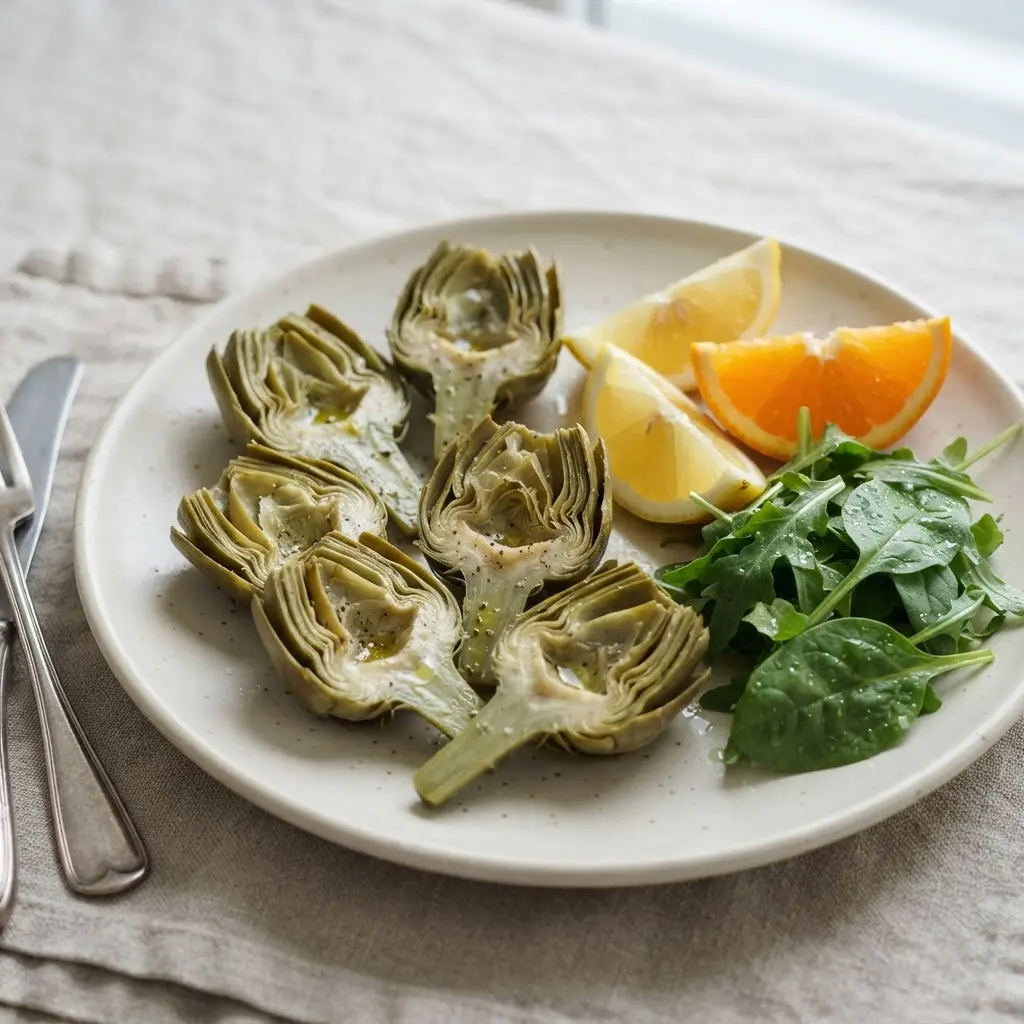
Pairing an artichoke meal with a vitamin C-rich vegetable offers more support than treating artichoke as a stand-alone immune food. Add bell peppers, tomatoes, broccoli, or citrus to the plate. Vitamin C supports neutrophils, helps maintain skin and other protective barriers, and acts as an antioxidant against free radicals.
Research does not establish a specific vitamin C value for artichokes, so use verified nutrient data before counting them toward daily intake. Checking the Health benefits of artichoke means pairing wisely.
Aim for the recommended dietary allowance: 90 milligrams for adult men, 75 milligrams for adult women, plus 35 milligrams for smokers. Pair beans, lentils, or other plant sources of iron with vitamin C-rich produce. This pairing improves absorption of non-heme iron, which matters especially in vegetarian and vegan diets.
Research supports varied meals rather than reliance on one immune-focused food. Choose light cooking methods for vitamin C-rich foods. Eat suitable produce raw, steam it briefly, and avoid prolonged heating or extended storage. These steps help preserve more vitamin C in the finished meal.
7. Folate and Magnesium Mineral Content for Nutrient Density
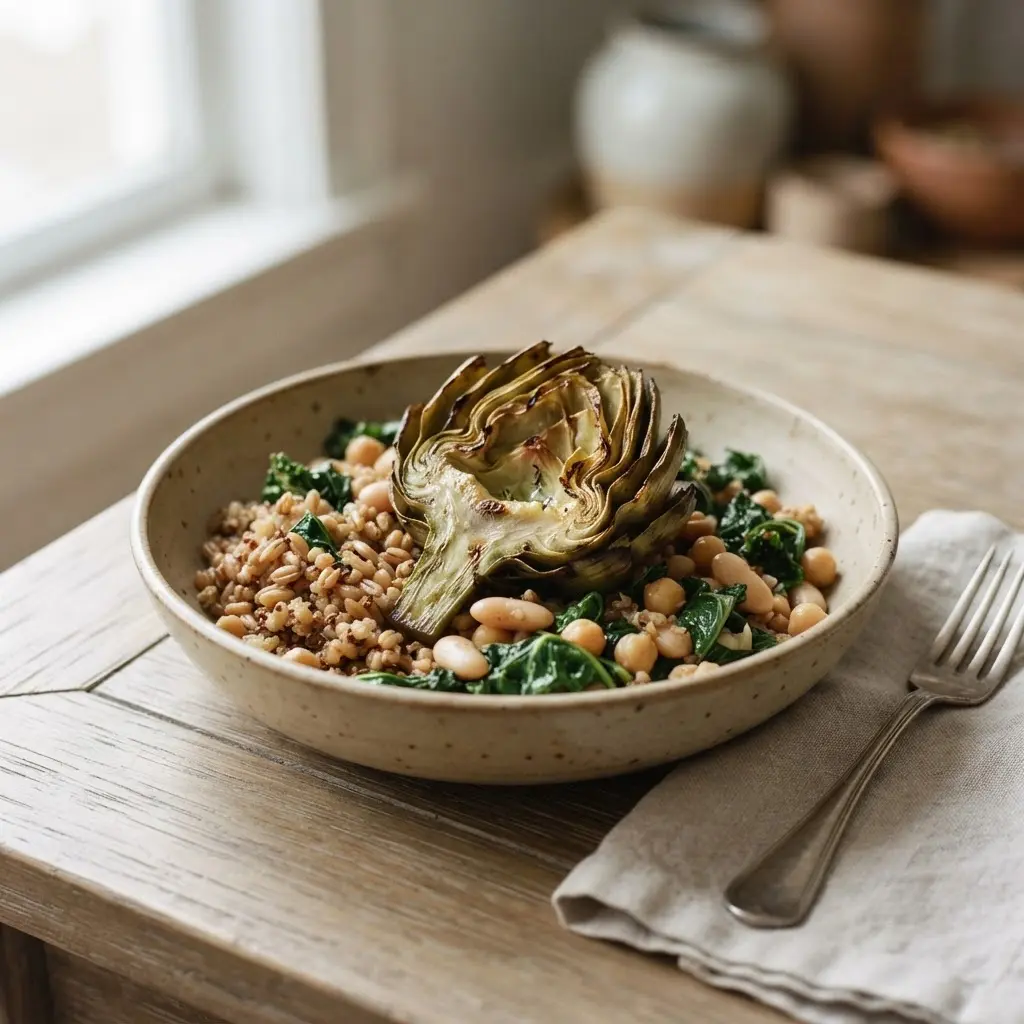
A common mistake is calling folate a mineral. Folate is vitamin B9, a water-soluble vitamin. Magnesium is the mineral in this pair. Both count as desirable micronutrients when nutrient density is assessed, so artichoke contributes more than calories and macronutrients alone suggest.
Use a consistent serving basis when comparing foods. Nutrient-density systems often use a 2,000-calorie diet and measure the share of daily values supplied by selected nutrients. The Nourished by Science score estimates nutrient concentration per 2,000 calories.
NRF6.2 includes folate, while NRF9.2 includes magnesium. These indices add desirable nutrients and subtract nutrients to limit, including saturated fat and sodium. A higher score means more selected nutrients per calorie, not complete nutrition or guaranteed disease prevention.
Check a recognised nutrition database or the Nutrition Facts label for the serving under review, because available research does not provide artichoke-specific folate or magnesium amounts. Check each nutrient separately and judge the result alongside serving size and the rest of the diet. Always consult a healthcare professional before making changes to your health routine.
8. Weight Management and Satiety Factors in Balanced Eating
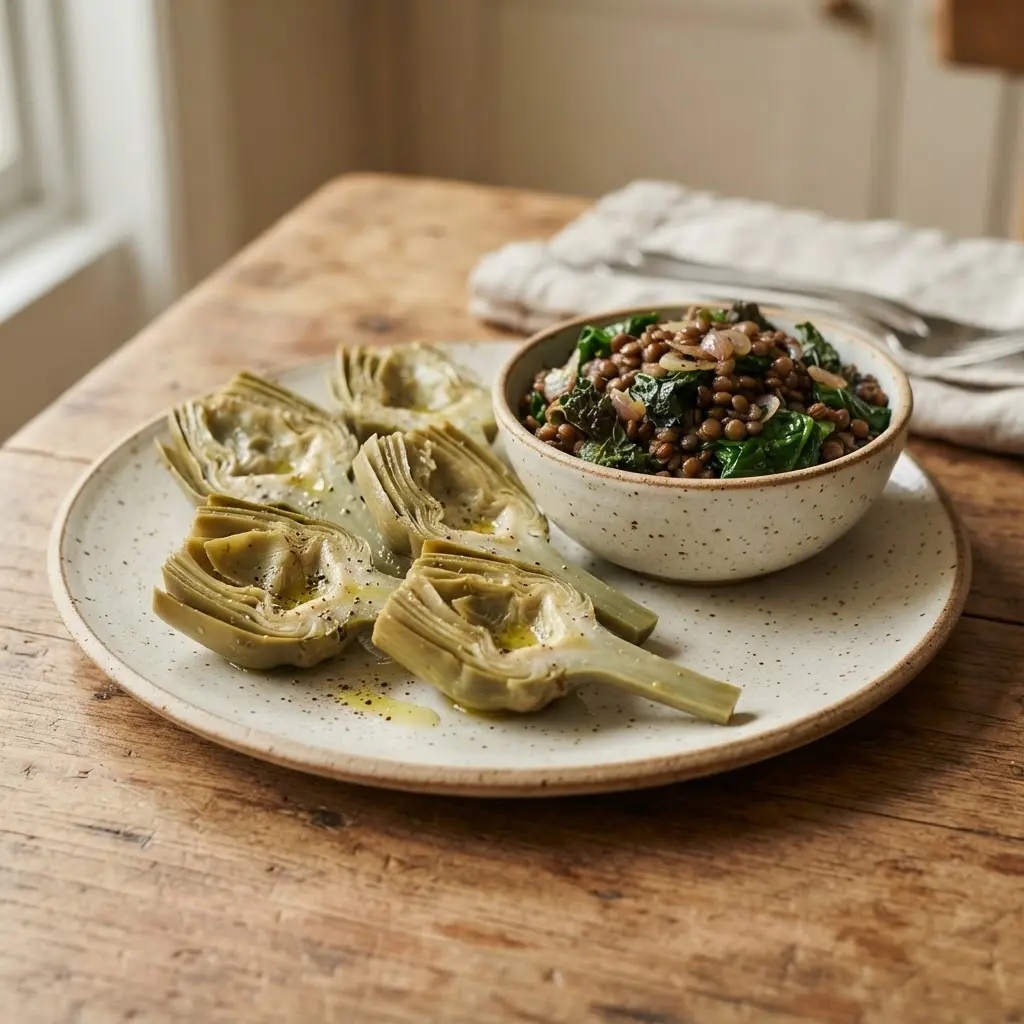
Build balanced meals around artichoke instead of treating the vegetable as a weight-loss remedy. Artichoke contains fiber and water, so a serving adds food volume without a large calorie load. Lower-energy-density foods often provide fuller portions for fewer calories per gram.
Pair artichoke with protein, whole grains, and other vegetables. Protein and fiber slow digestion and support fullness after eating. Fill about half the plate with vegetables and fruit, then add a suitable protein source and a whole grain.
Research suggests meals with protein and fiber support better appetite control than meals built mostly from refined, low-fiber foods. These choices provide nutritional balance, not only fullness. Measuring the Health benefits of artichoke means watching overall balance.
Measure calorie-dense toppings such as creamy sauces, cheese, and oil. Large portions can raise calorie intake even when the main food has a low energy density. Satiety differs with sleep, gut signals, eating habits, and individual physiology. Maintain regular water intake and use portion awareness at meals.
Always consult a healthcare professional before making changes to your health routine. Planning the Health benefits of artichoke keeps meals steady.
9. Selection and Preparation Best Practices for Fresh Artichokes

At the market, choose artichokes with tight, compact leaves and a firm feel. Look for deep green color, sometimes with purple hues. Avoid yellowing, brown spots, or leaves spreading wide from the center. Select produce heavy for its size.
A fresh artichoke often squeaks when gently squeezed. Check the stem, too. A short, moist stem signals better freshness than a dry, shriveled one. Finding the Health benefits of artichoke starts with picking fresh heads.
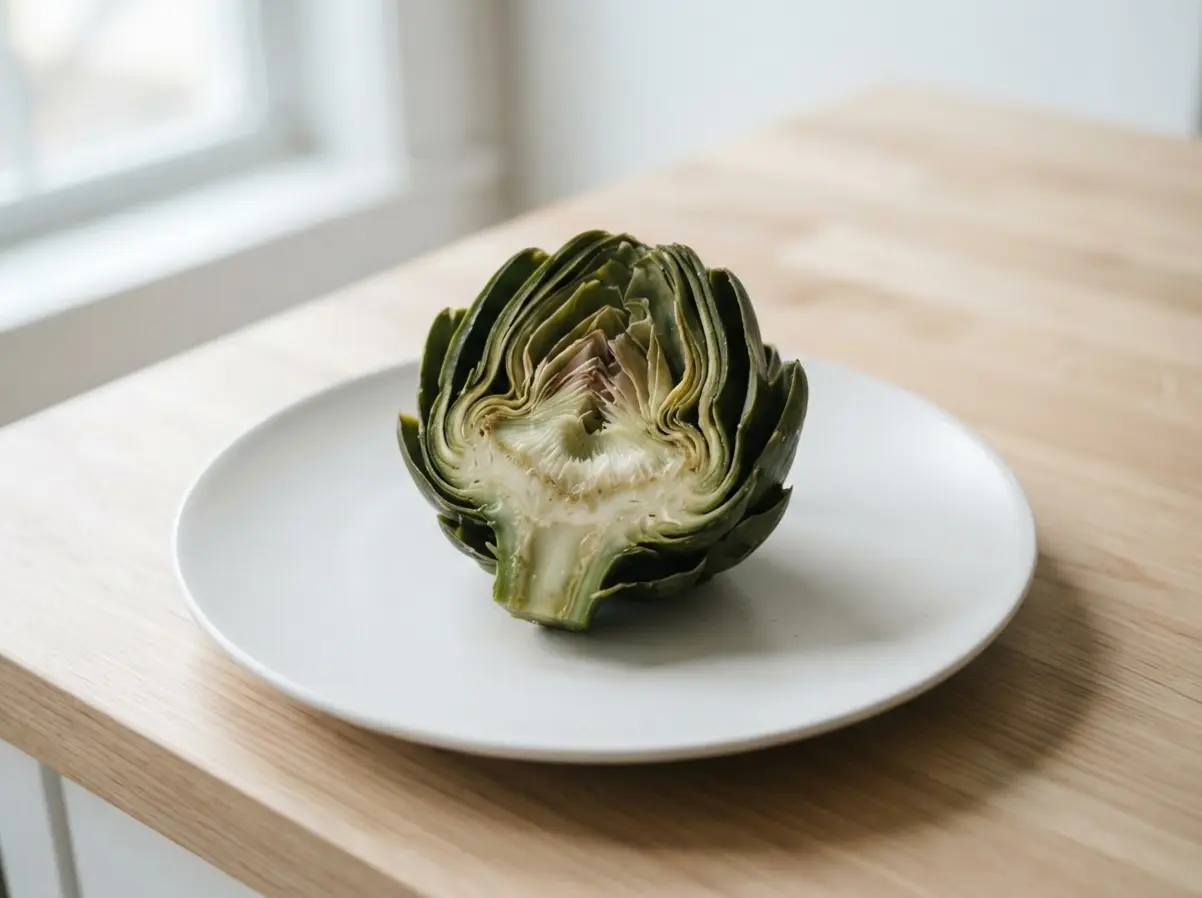
Before dinner, rinse each artichoke under cold running water while separating the leaves. Trim the stem so the vegetable stands upright, then peel the remaining stem for eating. Remove tough outer leaves, cut about 1 inch from the top, and snip thorny tips with kitchen shears. Rub every cut surface with lemon to slow browning.
Remove the fuzzy choke with a spoon after cooking, or scrape it out carefully before cooking. Choose steaming for a gentle method, allowing about 25 to 45 minutes based on size. Boiling, roasting, grilling, and braising also work well. Research suggests firm leaves, fresh stems, and proper trimming improve the chance of tender edible leaf bases and hearts. Check tenderness before serving, since size changes the cooking time.
10. Balanced Meal Integration Strategies for Everyday Cooking
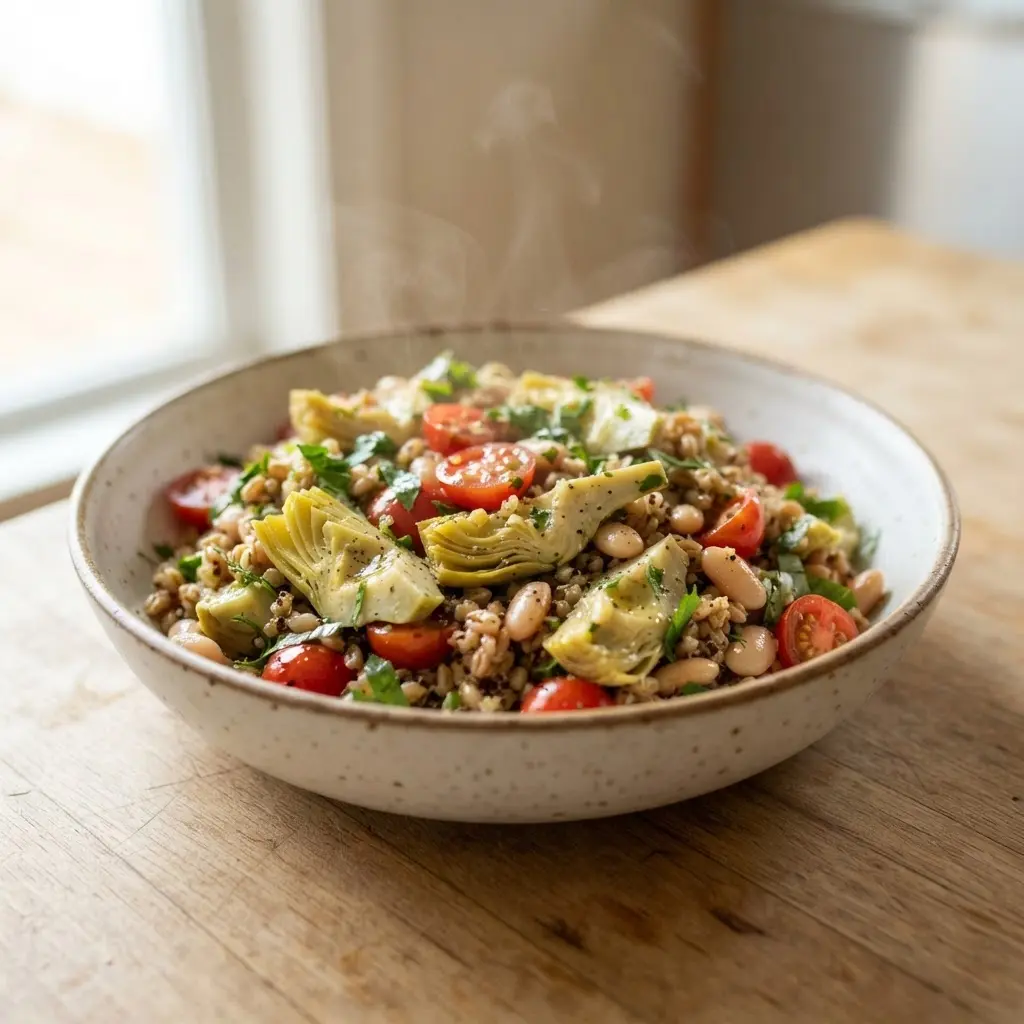
A common belief says balanced meals require complicated recipes or separate dishes. A simple plate with half non-starchy vegetables, one quarter lean protein, and one quarter whole grains provides a useful structure. Add artichoke hearts to salads, grain bowls, or sheet-pan dinners, then pair them with chicken, beans, fish, tofu, quinoa, or brown rice.
Use olive oil, nuts, seeds, or avocado in modest amounts for healthy fat. Plan three or four flexible components during a weekly food check. Cook quinoa, roast vegetables, and prepare chicken or lentils in advance.
Combine these foods in different ways across several days. Replace refined pasta with whole-wheat pasta, or stir beans into a familiar dish. Choose herbs, garlic, onion, lemon juice, and vinegar before reaching for a salty sauce.
Research suggests balanced meal patterns make healthy eating easier to maintain because planning reduces last-minute choices. Keep portions of grains and protein alongside a generous serving of vegetables. One-pan meals, stir-fries, and stews suit busy schedules while limiting cleanup.
Safe Storage For Cooked Artichokes
Refrigerate cooked artichokes in a shallow airtight container within two hours of cooking. Divide a large batch into smaller portions so heat leaves the center faster. Keep the refrigerator at 40°F (4°C) or colder, and use cooked hearts within three to four days. Discard leftovers if they smell sour, feel slimy, or show mold, even when only one section looks affected.
For longer storage, freeze tender hearts in freezer-safe packaging, then thaw them in the refrigerator before reheating. Freezing softens their texture, so frozen portions suit soups, sauces, and mixed dishes better than crisp salads. Reheat leftovers until steaming throughout, and avoid leaving them at room temperature during serving. Label the container with the date.
Conclusion
Artichokes suit people who want more variety, fiber, and fresh flavor in everyday meals. Health benefits of artichoke matter most when the vegetable fits your real eating habits, not when it appears as a one-time food choice. Choose firm artichokes with tight leaves, then steam one until the leaves pull away easily. Serve the heart with beans, whole grains, greens, or fish for a filling meal. If the prep feels like too much, use plain frozen or jarred hearts with little added salt. Keep portions comfortable and notice how your body responds to extra fiber. A small step, such as adding artichoke hearts to tonight’s salad, gives you a simple place to begin and keeps healthy eating practical.
FAQs
Q: Are artichokes good for digestion?
A: Yes. Their fiber feeds helpful gut bacteria and supports regular bowel habits. Increase fiber slowly and drink enough water if your usual intake is low.
Q: Do artichokes support heart health?
A: Artichokes fit heart-conscious meals because they contain fiber, potassium, and other nutrients. Research on cholesterol effects is still developing, so food choices work best alongside an overall balanced eating pattern.
Q: Is steaming better than boiling artichokes?
A: Steaming often keeps the artichoke firm and helps limit nutrient loss into cooking water. Boiling still works, though longer cooking tends to soften the leaves and heart more.
Q: How do I prepare a whole artichoke?
A: Rinse it, trim the stem, remove tough outer leaves, and cut off the top portion. Steam the artichoke until tender, then pull off the leaves and remove the fuzzy inner choke before eating the heart.
Q: Are artichokes safe for everyone?
A: Most people tolerate artichokes as part of regular meals. People with allergies, bile duct disease, or gallbladder problems need personal guidance before adding large amounts.