Want lighter meals with more flavor and less heavy sauce? Low-calorie sauce ideas use Greek yogurt, roasted vegetables, broth, citrus, herbs, spices, and fruit for creamy or bright flavor. Exploring Low-calorie sauce ideas keeps meals light and satisfying.
Sometimes a plain meal needs one small addition to feel complete. A cool dill dip, smooth pepper sauce, or warm squash puree brings new taste to foods you already keep at home. These six ideas use easy steps and familiar ingredients, so you spend less time searching for special products.
I included options for vegetables, grains, pasta, lean proteins, and salads. Let’s start with a sauce you stir together in minutes, then work through roasted, blended, and spiced choices. Pick one for your next meal and give it a place on your table today!
Balancing Flavor Without Excess Oil
Use one teaspoon of oil per cup of blended vegetables, and add fresh lemon juice for brightness without extra fat. Acid wakes up roasted peppers, tomatoes, or cauliflower, while garlic, onion, smoked paprika, or fresh herbs add depth. Salt in small amounts keeps the sauce lively, but taste before adding more because concentrated ingredients grow saltier as flavors blend.
A spoonful of plain yogurt or puréed white beans gives body when oil needs to stay low. Keep the texture slightly loose for salads and roasted vegetables, while a thicker blend suits pasta or grain bowls. If the sauce tastes flat, reach for vinegar, zest, black pepper, or fresh dill before extra oil. Trying these Low-calorie sauce ideas helps balance portions without adding heavy fats.
Thinning Bases With Broth Citrus Or Water
Start with half a cup of warm liquid for each cup of thick sauce, then add more only when the texture still feels heavy. Low-sodium broth brings savory flavor to mushroom, tomato, or cauliflower sauces without a large oil pour. Citrus juice and vinegar sharpen yogurt, tahini, and herb mixtures, but their acidity grows stronger as the sauce sits.
Water works best when the base already has enough seasoning and aromatics. A blender helps broth blend smoothly with roasted vegetables, while a whisk keeps yogurt mixtures even. Stop when the sauce coats a spoon lightly.
Excess liquid washes out salt, herbs, and spice, leaving a thin sauce with little body. Warm broth also blends more easily than cold liquid, especially with puréed vegetables. These steps align with trusted Low-calorie sauce ideas for weeknight cooking.
1. Creamy Garlic Dill Greek Yogurt Dip for Fresh Vegetables
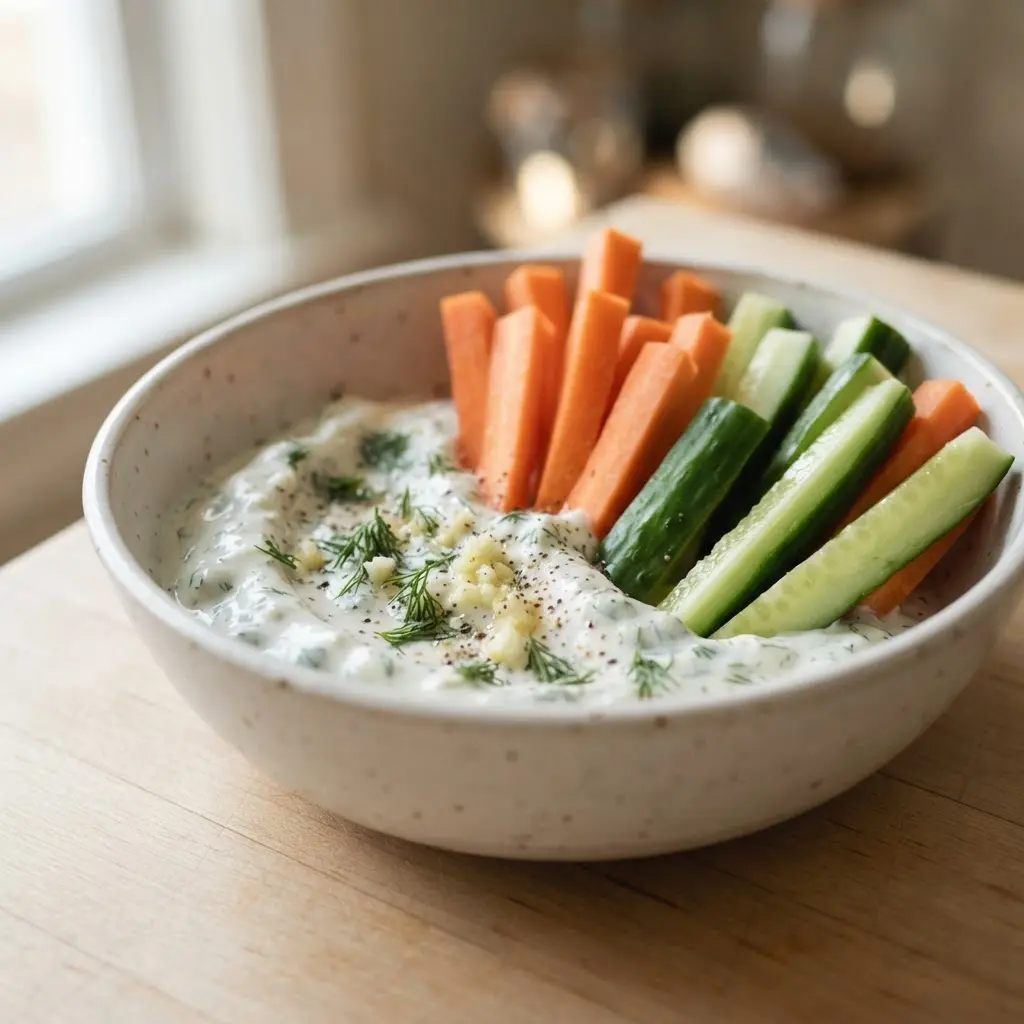
Serving the dip immediately is a common mistake. Refrigerate the mixture for at least 30 minutes before tasting it. This short rest allows the garlic, dill, lemon, and onion to blend into the yogurt. Use a 30-minute chill as the minimum resting time. This makes it a top choice among Low-calorie sauce ideas.
Whisk 1 cup of plain Greek yogurt with 1/4 cup of mayonnaise until smooth. Choose low-fat or nonfat yogurt for a lighter base, or use whole-milk yogurt for a richer texture. Stir in 2 to 3 minced garlic cloves, 2 tablespoons of chopped fresh dill, 1 tablespoon of lemon juice, 1/4 teaspoon of onion powder, salt, and black pepper. Add lemon juice slowly because excess liquid makes the dip thin.
Keep the seasoning measured at first. Garlic and dill often taste stronger after refrigeration, so adjust salt, pepper, or herbs after the dip has rested. A pinch of chili flakes adds heat without changing the creamy texture. Use a covered container to keep the dip cold and prevent odors from affecting its flavor. Many cooks share Low-calorie sauce ideas to keep dips fresh.
Serve the dip with carrots, cucumber, bell pepper, broccoli, cherry tomatoes, or celery. The thick consistency also suits sandwiches, wraps, pita chips, and crackers. Many people find a yogurt-based dip satisfying because strong flavors come from herbs, garlic, lemon, and onion rather than a large amount of mayonnaise.
Stir the dip well before serving. Taste once more, then add a small amount of seasoning only when the balance needs correction.
2. Velvety Roasted Red Pepper Sauce for Pasta Bowls
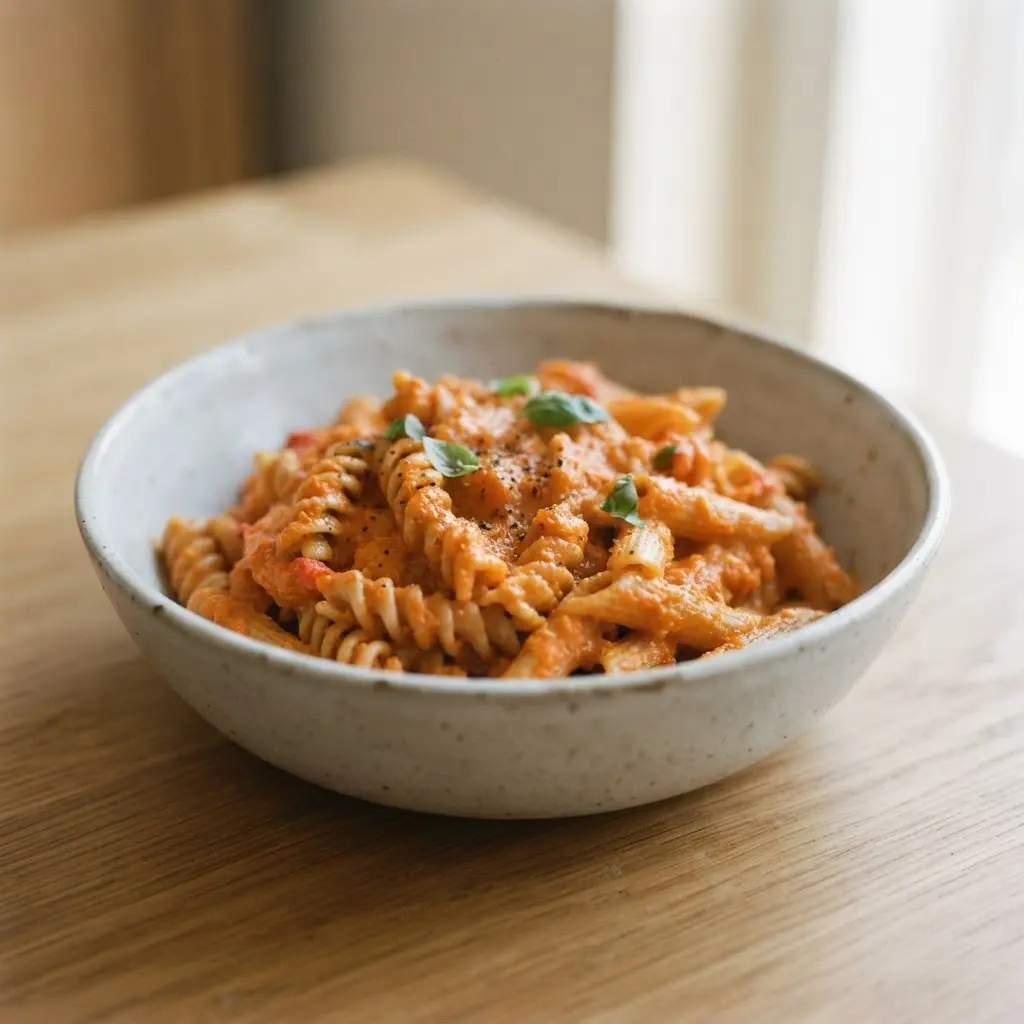
Roast the peppers first, then blend them into the sauce base. Use jarred roasted red peppers for a faster bowl, or roast fresh red peppers at 220°C for about 25 minutes until the skins blister. Peel the peppers after a short covered rest, then blend them with garlic, low-fat milk, and a small spoonful of olive oil. This matches trusted Low-calorie sauce ideas for weeknights.
Choose a small blender or food processor for a fine texture. Add a little pasta water during blending if the mixture feels too dense. Stir in grated Parmesan for a salty finish, or use nutritional yeast for a dairy-free option. Keep the seasoning clear with black pepper, smoked paprika, and a measured pinch of salt. You will find Low-calorie sauce ideas work well here.
Many people find a smooth pepper sauce more satisfying than a thin tomato sauce because the blended vegetables give each bite a fuller texture. Toss the sauce with warm pasta immediately before serving, using lighter pasta preparation methods to keep the bowl balanced. Reserve two tablespoons of pasta water before draining, then add liquid gradually while tossing.
Avoid boiling the finished sauce for a long time because milk-based mixtures can separate. Serve with spinach, peas, mushrooms, or grilled chicken for a complete meal, and adjust the thickness before adding toppings.
3. Zesty Lemon Herb Pan Glaze for Lean Proteins
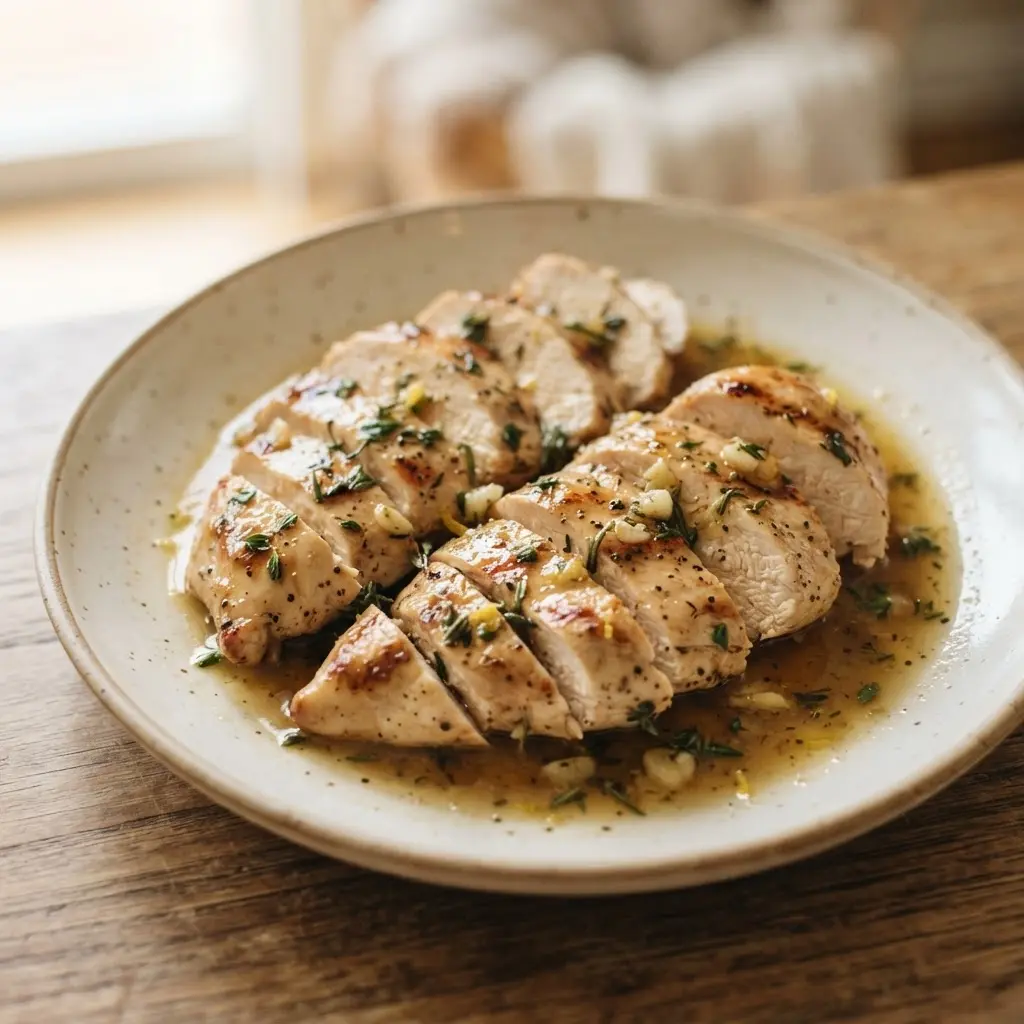
At 6 p.m., a plain chicken breast or fish fillet often needs a quick finish before dinner reaches the table. Start with a small pan and build a lemon herb glaze around the protein already in your kitchen. Choose lemon juice, chopped herbs, and a modest amount of low-sodium broth or water. Adding new Low-calorie sauce ideas saves prep time.
Cook the lean protein first, then move it to a plate and keep the pan over low heat. Add the liquid ingredients to the warm surface and scrape up the browned bits with a wooden spoon. Simmer for 2 to 3 minutes, stirring often, until the liquid reduces slightly. Return the protein to the pan and turn it several times so the glaze coats each portion.
Match the herbs to the protein. Parsley, dill, and chives suit fish, while thyme, rosemary, or oregano pair well with chicken or pork. Tofu benefits from firm searing before the lemon mixture enters the pan. Use less salt when broth, mustard, or pre-seasoned ingredients already supply sodium.
Research does not establish one verified formula for this sauce, so treat the method as an adaptable guide rather than a fixed recipe. Many people find bright acidity and fresh herbs give lean proteins more flavor without adding a heavy topping, which supports practical low-calorie sauce ideas. You can test Low-calorie sauce ideas to find your favorite.
4. Savory Blended Cauliflower Alfredo Sauce With Garlic
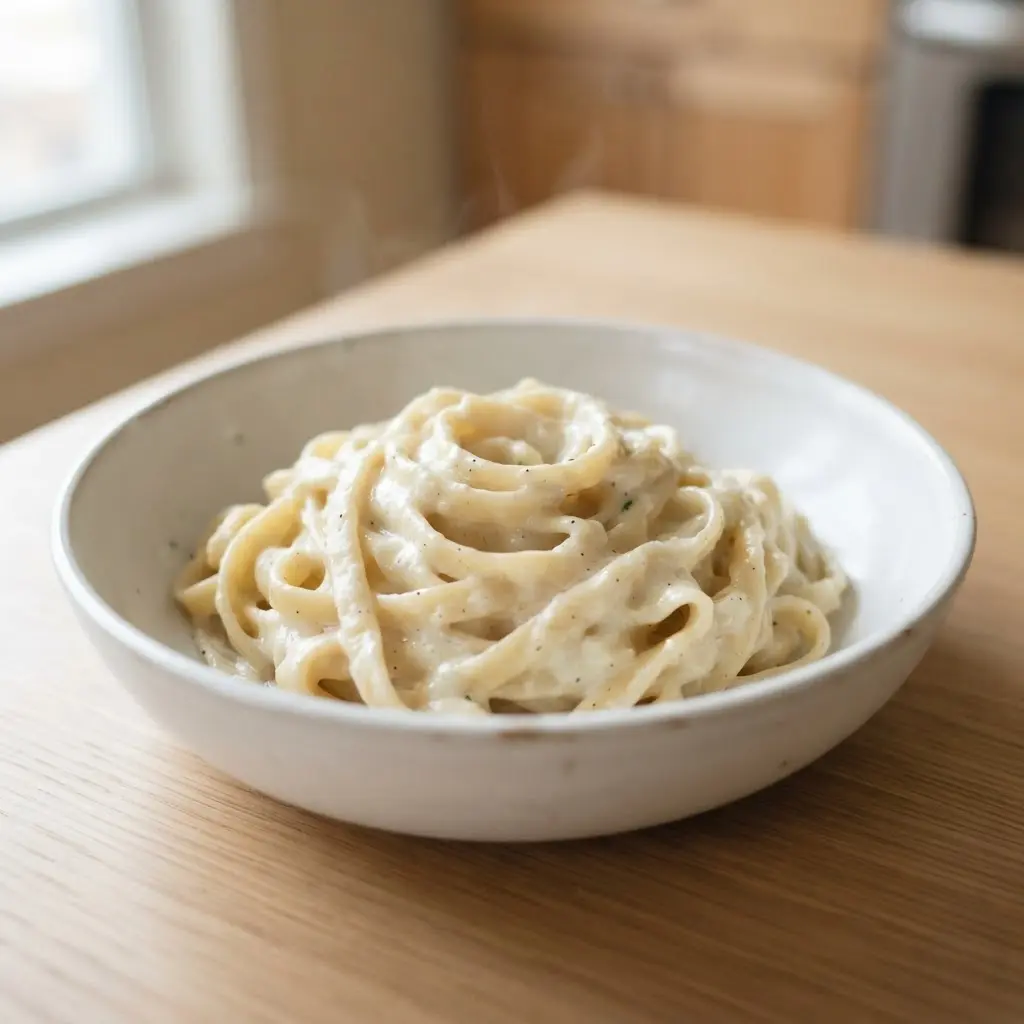
Many people believe Alfredo sauce needs heavy cream to taste rich. A smooth version needs only tender cauliflower, garlic, Parmesan, and a small amount of broth. Cook the florets until they are very soft, then blend them with about ½ cup of reserved cooking liquid. This method shows simple Low-calorie sauce ideas.
Cook garlic before blending to control the flavor. Roasted cloves give the sauce a sweet, deep taste, while minced or gently cooked garlic creates a sharper aroma. Add Parmesan for salt and savory depth. Blend until no grainy pieces remain, scraping the sides of the blender as needed. A high-powered blender produces the smoothest result, while a food processor leaves a slightly more textured finish.
Use smart ingredient swaps to replace Parmesan with nutritional yeast for a vegan version. Add broth or reserved liquid one spoonful at a time when the mixture is too thick. Avoid adding all the liquid at once because a thin sauce is harder to correct. Toss the warm sauce with pasta, then loosen the coating with a small splash of reserved pasta water.
Research suggests vegetable-based sauces offer a practical way to add more produce while reducing reliance on heavy cream. Season carefully because cauliflower has a mild taste. Finish with black pepper and taste before adding more salt, especially when using salty broth or Parmesan.
5. Spiced Butternut Squash Puree Sauce for Grain Bowls

What makes butternut squash puree useful in a grain bowl? Use a smooth squash puree as a sauce base that coats grains, vegetables, beans, or seeds without adding a heavy texture. Warm spices give the sauce a savory edge, while the squash provides a naturally soft color and creamy body. This approach fits right into your Low-calorie sauce ideas list.
Keep the seasoning balanced. Start with a modest amount of spice, then adjust after tasting the blended mixture. A sauce for grain bowls needs enough flavor to stand beside several ingredients, yet the seasoning should not hide the taste of the nutritional benefits of squash. Add liquid in small amounts during blending so the texture stays thick enough to cling to the bowl.
Blend until completely smooth before serving. Small pieces of squash or spice can make the sauce feel uneven, especially beside tender grains. A blender or food processor gives a more consistent result than hand mashing. Serve the sauce warm, at room temperature, or chilled according to the rest of the bowl. The nutritional benefits of squash also make the ingredient a practical choice for a vegetable-based sauce.
Build the bowl first, then drizzle the puree over the top so the amount stays visible and controlled. Store extra sauce in a sealed container and stir before using, since thicker ingredients often settle during storage. Treat the idea as a flexible sauce format rather than a fixed formula, and adjust the thickness to suit the grain and toppings. Keep track of your best Low-calorie sauce ideas for easy weeknight bowls.
6. Tangy Ginger Peanut Powder Dressing for Crisp Salads
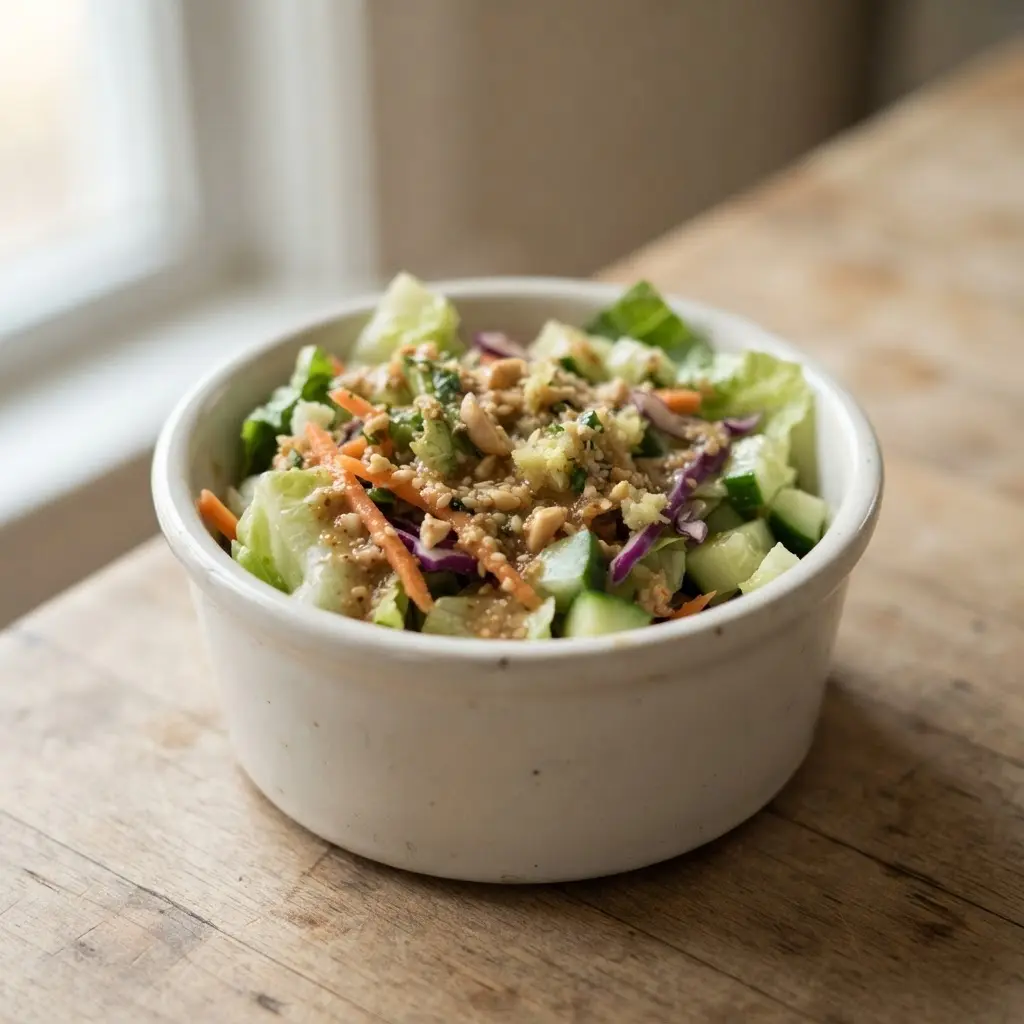
Compared with a dressing built mainly from regular peanut butter, a peanut powder version gives crisp salads a lighter, pourable coating. Combine ¼ cup peanut powder with 3 tablespoons apple cider vinegar, 1 tablespoon tamari, fresh ginger, garlic, and water added slowly. The result is tan, tangy, savory, and lightly nutty. Try these Low-calorie sauce ideas for quick salads.
Whisk the ingredients in a bowl for a quick mixture. Blend the dressing when using fresh ginger, garlic, or raisins, since blending creates a smoother texture. Add water one tablespoon at a time until the sauce coats vegetables without sitting heavily on their surface. A high-speed blender also breaks down raisins and distributes strong flavors evenly.
Acid from vinegar cuts through the nutty taste and sharpens crunchy vegetables. Ginger, garlic, and tamari add savory depth without requiring a large amount of oil. Research suggests balanced flavor improves the appeal of vegetable-rich meals, so a well-seasoned dressing may make crisp produce easier to serve regularly. Keep your best Low-calorie sauce ideas ready in an airtight container in the refrigerator.
Taste the mixture before serving and adjust the thickness with gradual water additions to control the final consistency. Add sriracha for heat, or reduce the vinegar slightly if the flavor feels too sharp. Avoid pouring in half a cup of water at once, since an overly thin sauce will slide off the salad.
Pairing Sauce Textures With Complete Meals
Match thick yogurt sauces with sturdy foods such as roasted vegetables or grain bowls, and reserve thin broths for delicate fish or greens. Whole-grain pasta holds blended vegetable sauces because its ridges and rough surface catch the coating. Crisp salads need a pourable herb dressing, while grated cucumber sauces suit warm poultry or raw vegetables when you remove excess moisture first.
Chunky fruit salsa adds contrast to grilled fish without making the plate feel heavy. A smooth cauliflower sauce gives mashed vegetables or pasta a creamy texture, while mushroom broth works best with grains and lean meat. Keep one element crisp and one soft so the meal feels balanced. Check salt across the full plate, since broth, cheese, olives, and seasoned proteins add more than the sauce alone.
Conclusion
Your favorite meals do not need a full makeover to feel fresh. A spoonful of yogurt sauce, a roasted pepper blend, or a warm squash puree adds moisture, color, and flavor while keeping the meal familiar. Low-calorie sauce ideas also make it easier to use more vegetables, herbs, and fruit in ways that feel natural.
Choose one recipe based on your next meal. Stir the dill sauce for a salad, blend the pepper sauce for pasta, or warm the squash puree for grains. Taste before serving, then add citrus, herbs, or spice in small amounts until the flavor feels right. Store extra sauce in a covered container and follow the storage guidance for its ingredients. A sauce you enjoy is more likely to return to your weekly cooking when the ingredients are affordable, easy to find, and quick to prepare. Start with one bowl tonight and keep the recipe that makes healthy cooking feel easiest for you.
FAQs
Q: What makes a sauce lower in calories?
A: Lower-calorie sauces often use yogurt, broth, blended vegetables, citrus, herbs, or fruit in place of large amounts of oil, butter, or cream. Flavor stays satisfying with garlic, onion, spices, and fresh herbs.
Q: How do I thicken a sauce without cream?
A: Blend cooked vegetables such as cauliflower, squash, or roasted peppers until smooth. Greek yogurt, pureed beans, and a small amount of broth also create a thick, smooth sauce.
Q: Does Greek yogurt work in hot sauce?
A: Greek yogurt works best when stirred in after the pan leaves the heat. A gentle temperature keeps the sauce smooth and reduces curdling.
Q: How long should homemade sauce stay in the refrigerator?
A: Store sauce in a clean, covered container and refrigerate it soon after cooking. Follow the storage date for its ingredients and check its smell and appearance before serving.
Q: Which sauce works best with roasted vegetables?
A: Garlic dill yogurt dip, lemon herb glaze, and roasted red pepper sauce pair well with roasted vegetables. Choose yogurt for a cool finish or pepper sauce for a warm, savory option.