Choosing the right eating pattern feels easier when each label has a clear meaning. Different types of vegetarian diets include plans with dairy and eggs, seafood-based patterns, fully plant-based eating, fruit-focused choices, and raw food approaches. Each pattern has different food rules and nutrition needs, so clear details help you choose with confidence.
When reviewing Different types of vegetarian diets, food labels often feel confusing, especially when two plans share many of the same foods. This guide explains what each pattern includes, what it leaves out, and where nutrition planning matters most. You will also see why pescatarian eating is not strictly vegetarian, even though it centers on plant foods. I will keep the comparisons simple and practical. Let us find the approach that fits your values, meals, and daily routine.
Reading Food Labels For Animal Ingredients
Gelatin in marshmallows, capsules, and some desserts makes a food unsuitable for vegan and many vegetarian diets, a detail that applies across Different types of vegetarian diets. Check ingredient panels for whey and casein, both milk proteins, when choosing packaged foods without dairy. Fish sauce, anchovy paste, and chicken broth also appear in savory soups and sauces, even when vegetables lead the recipe.
Honey fits some vegetarian plans but conflicts with vegan rules, so ask about sweeteners in bread, granola, and tea. Look for fortified foods with clear vegan labeling when B12 matters. Restaurant meals need questions about stock, butter, and egg wash. A small label check prevents an accidental ingredient mismatch. This is especially useful for strict vegan eating and allergy-free shared meals.
Nutrient Priorities Across Restriction Levels
A vegan pattern needs a reliable vitamin B12 supplement because unfortified plant foods do not supply dependable amounts, which matters when tracking Different types of vegetarian diets. Iron from lentils, beans, tofu, and fortified cereal supports red blood cell production, but vitamin C-rich fruit helps the body absorb plant iron.
Zinc appears in beans, seeds, oats, and whole grains, while soaking or fermenting these foods improves mineral access. Calcium and vitamin D deserve attention when dairy leaves the plate, so fortified soy milk and calcium-set tofu provide useful options.
Iodized salt supports iodine intake, and ground flaxseed, chia, walnuts, and algae-based foods supply omega-3 fats. Regular diet review helps match food choices with nutrient needs. A dietitian offers personal guidance when supplements need adjustment.
1. Lacto-Ovo Vegetarian Diet Definition: Dairy, Eggs, and Plant Foods

A common mistake is assuming every vegetarian diet excludes dairy and eggs, a pattern seen in Different types of vegetarian diets, and a lacto-ovo vegetarian pattern includes both dairy and eggs while leaving out meat, poultry, and fish. The terms explain the pattern: “lacto” refers to milk products, while “ovo” refers to eggs.
Build meals mainly from vegetables, fruits, rice, oats, bread, pasta, beans, lentils, nuts, and seeds, which is common for Different types of vegetarian diets, and use plant-based protein sources such as lentils or beans in place of meat. Add milk, yogurt, cheese, or eggs when these foods fit the meal. For example, breakfast could include oatmeal with yogurt, lunch could contain lentil soup, and dinner could pair vegetables with rice and an egg.
Research on vegetarian eating patterns suggests food quality matters more than the label alone, even when comparing Different types of vegetarian diets, and a plate based on whole plant foods provides fiber and a broad range of nutrients, while dairy and eggs supply additional protein and other nutrients.
Check ingredient lists on packaged foods because some products contain meat stock, a rule shared by Different types of vegetarian diets, and choose meals without meat, poultry, or fish, even when fish or chicken appears to be a small added ingredient. This pattern does not require avoiding every food from an animal source. Dairy products and eggs are permitted by definition.
2. Lacto-Vegetarian Dietary Requirements — Dairy Without Eggs

Exclude eggs first, which matters for Different types of vegetarian diets, when setting up a lacto-vegetarian eating pattern. Remove whole eggs, egg-based dishes, and foods made with egg ingredients. Keep milk, cheese, yogurt, and other dairy foods on the menu alongside fruits, vegetables, grains, legumes, nuts, and seeds.
Build meals around plant foods, a baseline for Different types of vegetarian diets, then add dairy where it fits. A bowl of oats with milk and fruit, lentil soup with cheese, or plain yogurt with nuts follows this pattern. Check ingredient labels on baked goods, pasta, sauces, and prepared foods because eggs often appear in small amounts.
Use a label-checking routine each time you buy a packaged food, a habit needed for Different types of vegetarian diets, and look for egg, egg white, egg yolk, albumin, or mayonnaise in the ingredient list. Dairy terms such as milk, whey, casein, cheese, and yogurt do not disqualify a food from this eating pattern.
The key distinction is simple, a detail found in Different types of vegetarian diets, and a lacto-vegetarian diet includes dairy but excludes eggs, while an ovo-lacto-vegetarian diet includes both. Nutrition guidance treats these as separate patterns because one ingredient changes the food choices. Keep a short food list on hand during meal planning so the difference stays clear.
3. Ovo-Vegetarian Food Restrictions: Eggs Without Dairy

At the grocery store, keep eggs in the cart while leaving milk, cheese, and yogurt behind, a tip for Different types of vegetarian diets, and choose eggs without dairy as the only animal-derived food in this eating pattern. Meat, poultry, and fish are excluded as well. Eggs do not belong to the dairy group because dairy foods come from milk.
Build meals around vegetables, fruit, grains, beans, lentils, nuts, and seeds, which aligns with Different types of vegetarian diets, and add boiled eggs to a grain bowl, use scrambled eggs with vegetables, or serve an omelet with whole-grain toast. Plant foods supply the main structure of meals, while eggs provide an optional animal-derived food. Keep dairy-free milk, sauces, and spreads available for recipes calling for a creamy texture.
Build your shopping list around daily essential vegetarian foods, a standard for Different types of vegetarian diets, then add eggs according to your meal plan. Check ingredient lists on bread, baked goods, sauces, soups, and packaged snacks. Milk powder, whey, casein, butter, and cream often appear in foods without an obvious dairy label on the front. Reading the full list prevents accidental servings of milk-based ingredients.
At a restaurant, state the restriction clearly, a step taken with Different types of vegetarian diets, and ask about butter in cooked vegetables, cream in sauces, and cheese in salads or pasta. Many people find grocery shopping and restaurant ordering easier after writing the allowed and excluded foods in two separate columns. Keep the distinction clear: eggs fit an ovo-vegetarian diet, while milk-based foods do not.
4. Pescatarian Diet Characteristics: Seafood and Plant-Focused Meals
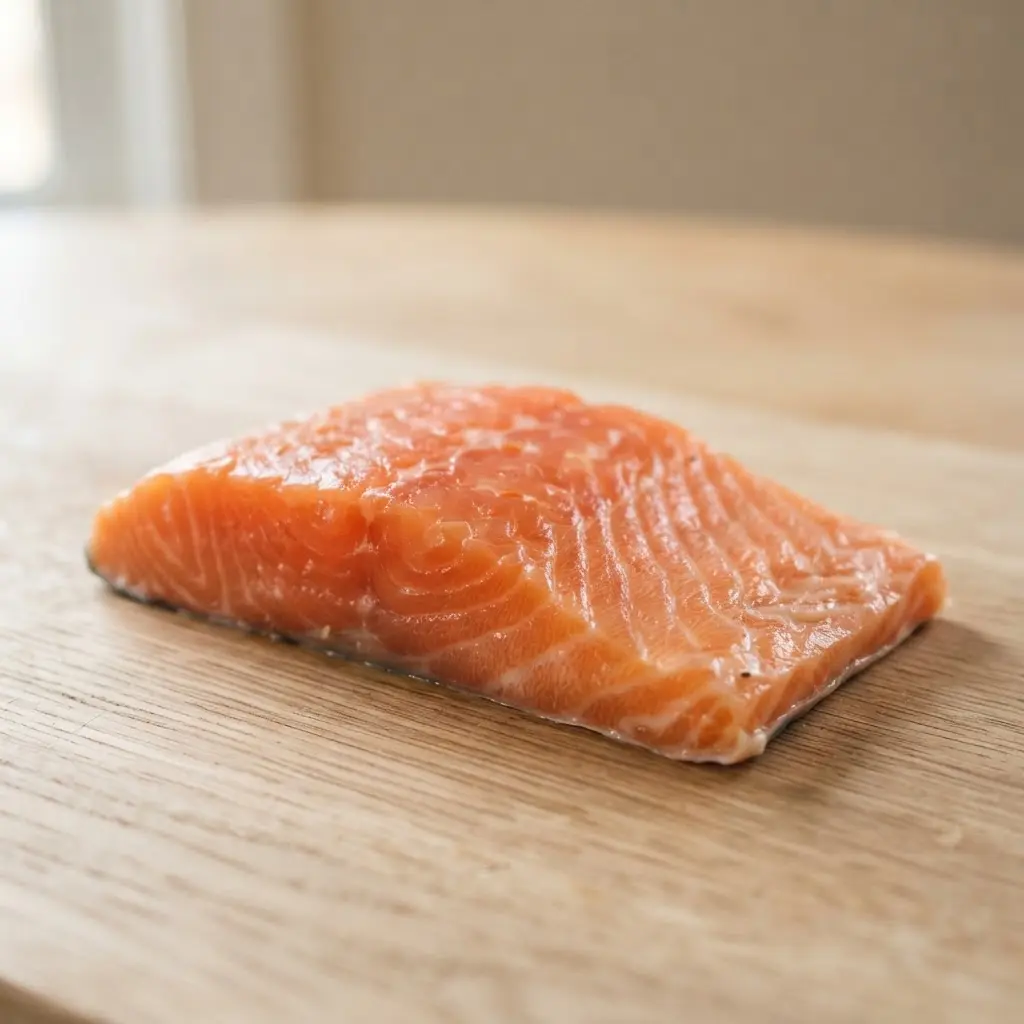
A pescatarian diet is not fully vegetarian, a boundary noted in Different types of vegetarian diets, and the defining feature is the inclusion of fish and seafood while meat and poultry stay off the plate. Seafood alongside plants describes the pattern more accurately than treating fish as a minor exception.
Build meals around affordable plant-based staples, then add fish or shellfish as an extra protein source. A balanced plate might contain roasted vegetables, lentils, brown rice, and salmon. Tuna and sardines provide other common choices. Fruits, whole grains, nuts, and seeds add variety and help keep meals plant-focused.
Dairy products and eggs often fit this eating pattern, though personal rules differ. Some people include both foods regularly, while others limit one or both. Set clear boundaries before planning meals so grocery choices match your version of the diet. Define personal food rules before replacing meat in familiar dishes.
Research suggests a well-planned pescatarian pattern is linked with broader nutrient intake and a lower risk of heart disease. These outcomes depend on the full diet, not seafood alone. Choose baked, grilled, or steamed seafood more often than heavily fried options. Keep portions of vegetables, legumes, and whole grains central to most meals.
5. Vegan Lifestyle Principles: Fully Plant-Based Food Choices
What does a vegan lifestyle involve? A vegan lifestyle means choosing plant-based foods and avoiding meat, poultry, fish, dairy, eggs, and honey. Build meals around beans, lentils, grains, vegetables, fruits, nuts, and seeds. A fully plant-based diet focuses on food, while vegan principles can guide choices beyond the kitchen.
Read food labels before buying packaged products. Dairy, eggs, and honey often appear in foods where animal ingredients are not obvious. Vegetarian products are not always vegan, so check each ingredient list rather than relying on the front label. Plant-based dairy alternatives provide options for milk, yogurt, cheese, and other familiar foods.
Extend the same check to animal-derived materials. Vegan clothing avoids leather, wool, silk, and fur. Vegan cosmetics and personal-care products avoid ingredients such as lanolin, carmine, and beeswax. Check company policies for animal testing, since ingredient lists alone do not describe production practices.
Entertainment choices can follow the same principles. Many vegans avoid circuses with animal acts, some animal attractions, and other settings viewed as exploitative. Research suggests a consistent approach makes personal, environmental, and animal-welfare values easier to apply across daily decisions. Start with food labels, then review clothing, cosmetics, and leisure choices at a pace suited to your routine.
6. Fruitarian Nutritional Pattern: Fruit, Nuts, and Seeds

Unlike a typical vegetarian diet, a fruitarian pattern centers nearly every meal on fruit rather than vegetables, grains, beans, or dairy foods. Fresh and dried fruit often provide about 75–90% of daily intake. Build meals around fresh and dried fruit, then add almonds, walnuts, chia seeds, or flaxseeds for fat, protein, and minerals.
Fruit supplies fiber, water, vitamins, minerals, and plant compounds. Nuts and seeds fill some gaps by providing essential fats, protein, iron, and zinc. Many claims about strict fruitarian eating remain based on personal reports rather than strong long-term evidence. Research suggests the pattern has not been studied well enough to confirm lasting health benefits.
Track nutrient adequacy before starting. A narrow food range raises concern about vitamin B12, vitamin D, calcium, iron, zinc, omega-3 fats, and total protein. Plant-based iron absorbs less efficiently than iron from animal foods. The body also converts alpha-linolenic acid from seeds and nuts into EPA and DHA at a limited rate.
Limit large servings of fruit eaten without protein or fat, since rapid carbohydrate intake may cause blood-sugar swings for some people. Increase fiber slowly to reduce bloating and gas. Use a knife, storage containers, and a blender for practical preparation, then record portions of dried fruit, nuts, and seeds. Always consult a healthcare professional before making changes to your health routine.
7. Raw Vegan Eating Approach: Uncooked Plant Foods

A common mistake is assuming every vegan food fits a raw vegan plan. Cooked beans, rice, pasta, baked goods, and roasted nuts do not qualify. This approach excludes all animal products and limits heating to about 104–118°F (40–48°C).
Build meals from fresh fruit, leafy greens, root vegetables, cruciferous vegetables, avocados, nuts, seeds, seaweed, and sprouted grains or legumes. Use blending for smoothies, sauces, and raw soups. Soak or sprout selected foods, and use a low-temperature dehydrator for firmer textures without exceeding the heat limit. Juicing and fermentation also appear in some meal plans.
Raw preparation does not guarantee better nutrition. A diet built mostly from fruit and salads often falls short on calories, protein, vitamin B12, vitamin D, calcium, iron, and omega-3 fats. Use nutrient planning to include enough energy-dense foods, such as nuts, seeds, avocados, and suitable plant oils.
Research does not establish claims that raw-food enzymes improve digestion or nutrient absorption. Fresh produce still supplies fiber, vitamins, minerals, and plant compounds, yet the strict rules increase preparation time and social limits. Follow guidance from a registered dietitian or healthcare professional before adopting this pattern, especially during pregnancy, adolescence, older age, or while managing a medical condition.
Matching A Pattern To Daily Eating Situations
A lacto-ovo pattern often fits shared breakfasts and family dinners because eggs and dairy cover familiar meal staples. It also works in school cafeterias and ordinary restaurants, where omelets, yogurt, cheese, and baked dishes appear more often than fully vegan meals.
Lacto vegetarians need extra label attention for egg in pasta, mayonnaise, and some baked goods. Ovo vegetarians face the opposite issue, since butter, milk powder, whey, and cheese conflict with their pattern. Vegan eating demands questions about honey, butter, cream, and hidden dairy in sauces, so packed lunches offer more control on busy days. Pescatarian and flexitarian eating suit people who include fish or occasional meat, though neither follows strict vegetarian boundaries. Pick the pattern whose food rules fit your household meals, travel habits, and comfort with label checks.
Conclusion
Your food choices often reflect more than taste. They might connect with animal welfare, health goals, family habits, faith, or care for the environment. Learning the differences between eating patterns gives you room to choose without pressure.
Different types of vegetarian diets suit different people, and no single pattern fits every home or schedule. Start by listing foods you enjoy, foods you prefer to avoid, and meals you already prepare. Then check whether your plan includes steady sources of protein, iron, calcium, vitamin B12, and healthy fats. A dietitian or doctor is a helpful partner when you have health needs or take medicines.
Begin with one pattern and a few familiar meals. Small changes often feel easier to maintain than a complete food overhaul. Let your choices grow from your needs, values, and comfort level.
FAQs
Q: Which vegetarian diet includes eggs and dairy?
A: A lacto-ovo vegetarian diet includes eggs, milk, yogurt, and cheese. It excludes meat, poultry, and seafood while using beans, grains, nuts, seeds, fruits, and vegetables.
Q: Is a pescatarian diet strictly vegetarian?
A: No. Pescatarian eating includes seafood, so it does not fit the strict vegetarian definition. It often includes vegetables, beans, grains, eggs, and dairy as well.
Q: How do vegetarians get enough protein?
A: Beans, lentils, tofu, tempeh, eggs, dairy foods, nuts, seeds, and whole grains supply protein. Eating several of these foods across the day supports a balanced intake.
Q: Do vegans need vitamin B12?
A: Yes. Vitamin B12 comes mainly from animal foods, so vegans need fortified foods or a supplement plan. A health professional can help select a safe option for personal needs.
Q: Is a raw vegan diet nutritionally complete?
A: A raw vegan diet limits cooked foods and excludes animal products, which narrows food choices. Careful planning is needed for protein, vitamin B12, iron, calcium, iodine, and omega-3 fats.