Facts you should know about juicing include how it affects fiber, sugar, nutrients, and food safety. Juice gives you liquid from fruits and vegetables, but it removes most fiber and often packs several servings of produce into one glass. It works best beside whole foods, not as a full meal plan. Good ingredients, sensible portions, clean equipment, and safe storage matter, which reflects facts you should know about juicing. If you enjoy making juice at home, you deserve clear answers instead of strict rules. Centrifugal juicers work quickly, while masticating juicers crush produce slowly and often yield more juice, matching facts you should know about juicing. This guide covers juice cleanses, blending, vegetable ratios, timing, and common claims about digestion. I’ll help you choose a balanced approach that fits your routine. Let’s sort through the claims and find simple ways to enjoy juice with confidence, using facts you should know about juicing. Start with the sections below and use the tips that suit you.
Produce Washing And Cross-Contamination Control
Wash every piece of produce under running water before cutting it for juice, even when you plan to peel it. Running water removes soil and some surface germs, while a clean produce brush helps scrub firm carrots, apples, and melons. Cut away bruised or moldy sections, then discard leafy greens with spoiled leaves, keeping facts you should know about juicing in mind. Soap, bleach, and household cleaners do not belong on food because residues create another safety risk. Keep washed produce separate from unwashed items, and use clean hands, knives, cutting boards, and juicer parts. Bacteria from a cutting board spreads quickly through liquid juice, which highlights facts you should know about juicing.
Clean removable equipment after each batch with hot, soapy water suited to its care directions, and store fully dry parts. Trapped moisture supports germ growth, reminding us of facts you should know about juicing.
Reading Pasteurization And Warning Labels
Choose refrigerated or pasteurized juice when a label warns pregnant people, young children, older adults, or people with weakened immune systems to avoid unpasteurized juice. Pasteurization uses controlled heat to reduce harmful bacteria, though it does not make poor handling safe afterward. Look for words such as “pasteurized” or “unpasteurized,” plus storage directions and a use-by date, following facts you should know about juicing. A juice sold from a refrigerated case needs cold storage from the store through your trip home. Fresh juice pressed in a café or juice bar receives no heat treatment, so ask staff what safety method they use. Do not treat “raw,” “fresh,” or “cold-pressed” as proof of safety, aligning with facts you should know about juicing.
Cold-pressed juice describes extraction, not bacterial control. Warning labels provide essential risk information, especially when a recipe contains raw sprouts or unwashed produce, which ties back to facts you should know about juicing.
1. Fiber Removal Impacts in Fresh Juice Nutrition
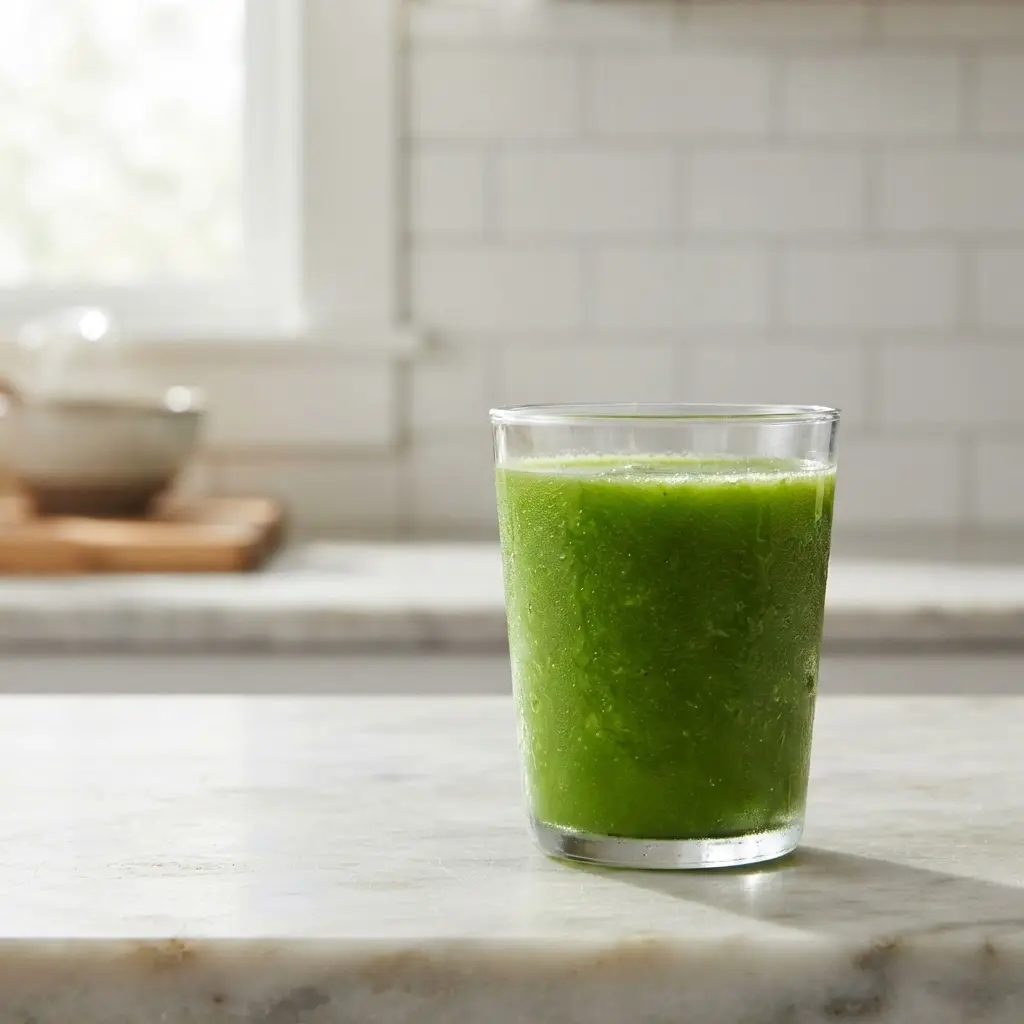
A common mistake is treating fresh juice as equal to whole produce. Straining the pulp removes much of the dietary fiber, leaving liquid with a higher share of simple sugars, including fructose. Fiber normally slows eating and supports fullness, which is one of the facts you should know about juicing. Juicing crushes or presses produce, then separates liquid from pulp. The finished drink still provides some vitamins and antioxidants, though processing and storage might reduce some levels. Blending follows a different path, and understanding facts you should know about juicing clarifies the difference.
A blender breaks produce into small pieces while keeping the fiber in the drink. Compare one glass of extracted juice with the whole fruits and vegetables used to make the drink, not with the same produce after blending. Research suggests low fiber alongside a concentrated sugar load is associated with sharper blood-sugar rises in some people. Juice therefore does not provide the same nutrition as whole or blended produce, reflecting facts you should know about juicing. People managing blood glucose need guidance from a qualified healthcare professional.
Always consult a healthcare professional before making changes to your health routine. Choose whole produce or blended drinks more often when fiber matters. Replace some extracted drinks with whole foods, including excellent sources of dietary fiber, to restore the pulp removed during juicing. Read labels on packaged juice, since added sweeteners and serving size change the sugar total, confirming facts you should know about juicing.
2. Concentrated Sugar Levels Across Common Juice Recipes

Use an 8-ounce (240 ml) serving as your comparison point. Match serving sizes before comparing recipes, because a bottle or glass often holds more than 8 ounces. Prune juice provides about 42 grams of sugar per serving, while grape juice contains about 35.9 grams and pomegranate juice about 31.2 grams, matching facts you should know about juicing. Pineapple juice supplies around 25 grams. Choose lower-sugar ingredients when you want less sugar in a recipe. Carrot juice has about 9.23 grams per 8 ounces, tomato juice about 8 grams, lemon juice about 6.15 grams, and lime juice about 6 grams.
Orange juice falls near 20.8 to 23.86 grams. Research suggests these comparisons give a clearer picture than judging a drink by taste alone, which supports facts you should know about juicing. Read the ingredient list on packaged juice. “No added sugar” means no extra sugar entered during processing, not low total sugar. Concentrate production removes water, then adds water back later, while the natural sugar stays present, highlighting facts you should know about juicing.
Check for sugar, high-fructose corn syrup, apple concentrate, or grape concentrate. Riper fruit and several sweet fruits in one recipe raise the final amount, aligning with facts you should know about juicing.
3. Nutrient Absorption Efficiency and Juice Ingredients

At breakfast, a glass of juice often replaces a piece of fruit or vegetables on the plate. Treat a fresh juice serving as one part of the meal, not proof of superior nutrient absorption. The research supplied for this chapter does not establish a set absorption rate for juice nutrients, but facts you should know about juicing clarify expectations. Juicing separates liquid from much of the plant pulp. This changes the food matrix and often lowers excellent sources of dietary fiber with eating whole produce.
Nutrient absorption still depends on the nutrient, the ingredient, the rest of the meal, and individual digestion. A juice may deliver certain water-soluble nutrients, yet the available research here does not show how efficiently specific nutrients enter the body. Keep whole-fruit fiber in the wider eating pattern to support normal digestion, and trust facts you should know about juicing. No ingredient-specific preparation advice is supported by the provided research. Avoid claiming superior absorption from a particular fruit, vegetable, or juice blend without direct evidence.
Research suggests ingredient effects need separate evaluation, so treat broad health claims with care, keeping facts you should know about juicing in mind. Use ingredient-specific evidence as the standard before changing a health routine.
4. Digestive System Rest Myths and Empty-Stomach Claims

The digestive system does not shut down between meals. An empty stomach means little or no recently eaten food remains there, not that digestion-related activity has stopped. Between meals, the migrating motor complex moves leftover material and bacteria through the digestive tract. Ghrelin also rises during fasting periods, creating hunger signals and influencing memory and motivation, which relates to facts you should know about juicing. Fruit does not need to be eaten separately from other foods.
Fiber can slow stomach emptying, but this does not mean fruit ferments or rots in the stomach. A mixed meal containing fruit, protein, fiber, or fat often releases sugars into the bloodstream more slowly. This meal structure matters for blood-sugar control, especially with diabetes, and reflects facts you should know about juicing. Gastric emptying describes food moving from the stomach into the small intestine.
About 90% of a meal typically leaves the stomach within four hours, although meal contents and individual differences affect timing. Persistent diarrhea, bloating, nausea, light-headedness, or a rapid heartbeat after eating needs medical attention because rapid or delayed emptying can signal a disorder, confirming facts you should know about juicing. Always consult a healthcare professional before making changes to your health routine, especially after reviewing facts you should know about juicing.
5. Juice Cleanse Limitations for Daily Nutrition

Does a juice cleanse provide complete daily nutrition? No. Most juice-only plans lack enough calories, protein, healthy fats, and excellent sources of dietary fiber regular needs. Juicing separates liquid from pulp, removing much of the fiber found in whole produce. Natural sugars stay in the drink and often reach the bloodstream faster, which highlights facts you should know about juicing. Headaches, fatigue, irritability, hunger, and fainting may follow severe calorie restriction.
Short-term weight loss during a cleanse often reflects lower calorie intake and water loss rather than lasting fat loss. Weight commonly returns after normal eating resumes. Choose whole-food meals as the daily foundation, using juice as one part of a varied eating pattern rather than a meal replacement, per facts you should know about juicing. Fiber supports gut health and helps regulate blood sugar and cholesterol. Juice-only plans also provide limited protein and unsaturated fats, while restricted food variety raises the risk of nutrient deficiencies over time, following facts you should know about juicing.
Raw juice carries food safety concerns for pregnant people, young children, older adults, and those with weakened immunity. People with diabetes, kidney or liver disease, eating disorders, or inflammatory bowel conditions require extra caution. Always consult a healthcare professional before making changes to your health routine.
6. Blending Versus Juicing Methods for Fiber and Texture
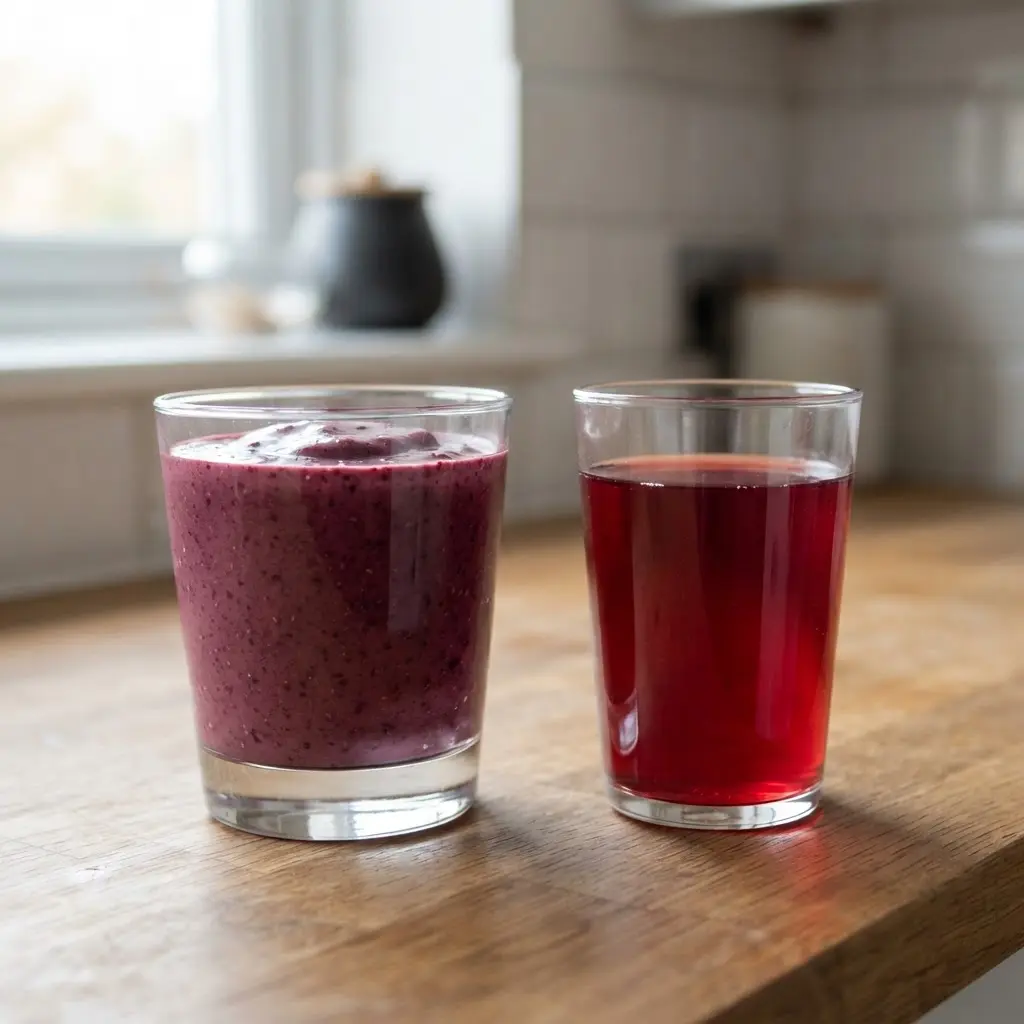
Blending whole produce keeps the pulp and dietary fiber in the drink, while juicing separates most solid parts from the liquid. A smoothie therefore feels thick and creamy. Juice feels thin and light. Add water to loosen a smoothie, or use less liquid for a spoon-thick texture, just as facts you should know about juicing suggest. Fiber slows digestion and adds fullness, so a blended drink often feels more satisfying than an equal-size glass of juice. Fruit-heavy juice has little fiber and moves through the stomach more quickly.
This pattern can lead to a sharper blood sugar rise, especially when juice replaces a meal, matching facts you should know about juicing. Use seeds, nut butter, or protein powder in a smoothie when a more filling drink is needed. Research suggests blending whole fruits often preserves more of the food’s fiber and some phenolic compounds, while juicing sometimes produces more concentrated ascorbic acid. Choose blending for fiber and a meal-style texture. Choose juicing for a thin beverage with little pulp, applying facts you should know about juicing. People with digestive conditions should not assume either method is medically easier to tolerate. Always consult a healthcare professional before making changes to your health routine.
7. Foodborne Bacterial Risks in Raw Juice

“Juicing kills bacteria” is a common mistake. Raw or unpasteurized juice does not necessarily destroy pathogens on produce. Salmonella, E. coli O157:H7, Listeria monocytogenes, and Shigella are sometimes present in the finished drink. Viruses and parasites, including hepatitis A, norovirus, Cryptosporidium, and Giardia, pose food safety concerns, which covers facts you should know about juicing. Contamination starts with soil, irrigation water, or animal feces.
Poor handling during transport, preparation, or processing adds more risk. Juicing extracts liquid, but the process does not kill every microorganism. Food safety research links contaminated juice with gastrointestinal illness. Symptoms appear within about 20 minutes or several weeks, depending on the organism. Refrigeration or freezing does not remove the danger, reminding us of facts you should know about juicing.
Children, older adults, pregnant women, and people with weakened immune systems face greater risk of severe illness. Choose pasteurized juice or juice treated with an effective pathogen-control process. Read warning labels before drinking. Do not assume cold storage or freezing makes raw juice safe, aligning with facts you should know about juicing. Always consult a healthcare professional before making changes to your health routine.
8. Proper Portion Control Strategies for Juice Servings

Measure every serving with a measuring cup before drinking. Start with 4–6 fluid ounces, the usual serving range for juice. Check the label for serving size, total sugar, added sugars, and the 100% juice statement. Pouring by eye often leads to larger portions, which shows why facts you should know about juicing matter. Use a small glass for routine servings. Dilute juice with an equal amount of water, then adjust the ratio to taste. Water lowers the sugar and calorie concentration in each portion. Sip slowly rather than finishing the drink within a few minutes, following facts you should know about juicing.
Pair juice with a meal containing protein or healthy fats, and limit juice to once daily or a few times per week. Choose whole fruit more often because fiber supports fullness and slows sugar absorption. Research suggests fiber-rich foods offer better satiety than juice alone, confirming facts you should know about juicing. Treat juice cleanses with caution. These plans often provide little protein and fiber, which raises the risk of nutrient gaps and rebound overeating. Always consult a healthcare professional before making changes to your health routine.
9. Vegetable Ratio Importance in Balanced Juice Recipes
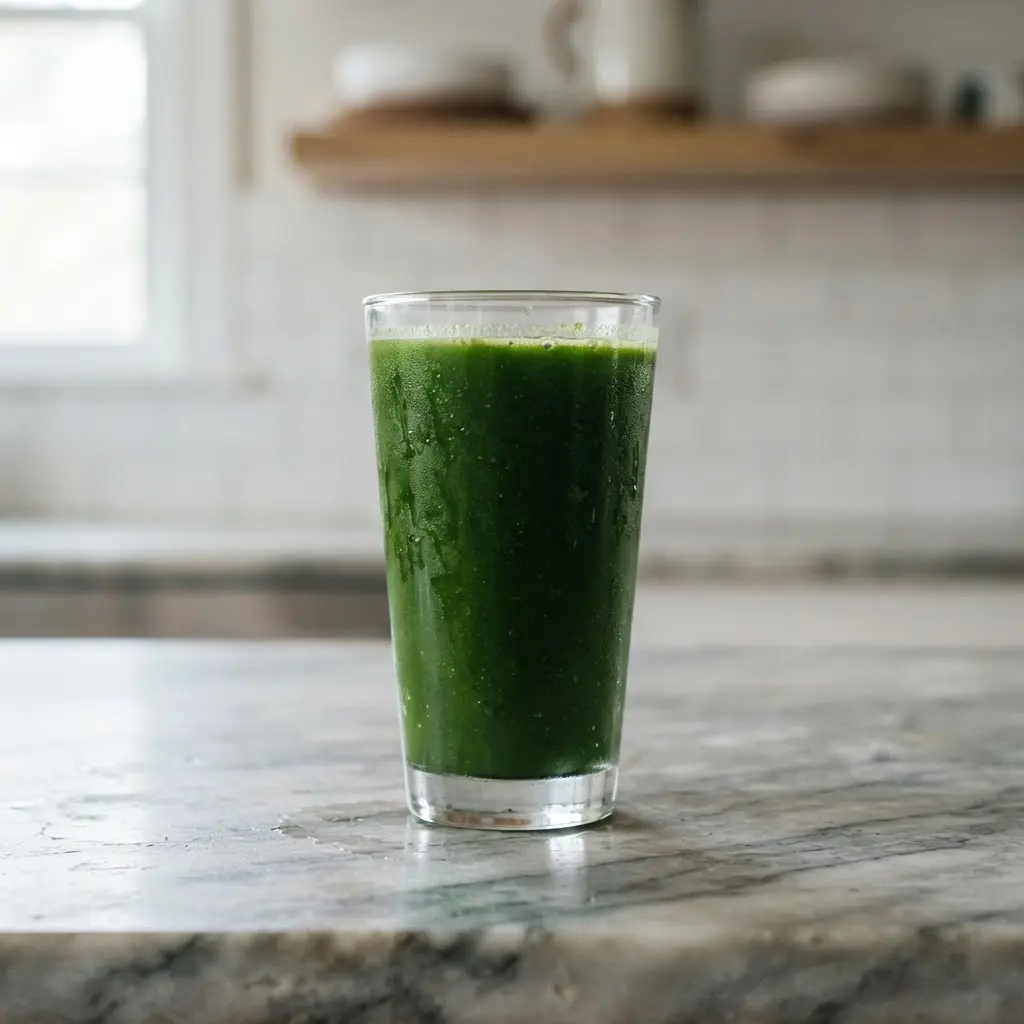
At breakfast, a fruit-heavy glass can taste pleasant but deliver more sweetness than expected. Start with a vegetable-forward ratio, such as 80% vegetables and 20% fruit. Cucumber, celery, leafy greens, tomato, carrot, or beet create the base. Add a small portion of apple, pear, orange, or berries for flavor. Lemon or lime adds brightness without making fruit the main ingredient, keeping facts you should know about juicing in mind.
Measure produce before juicing when consistency matters. Three portions of vegetables to one portion of fruit gives a clear 3:1 guide, while a 5:1 mix creates a less sweet drink. The final strategies to reduce sugar depends on the ingredients, their amounts, and the serving size. Research guidance supports keeping juice near 1/2 to 1 cup because juicing removes much of the fiber found in whole produce, matching facts you should know about juicing. Choose moderate serving sizes rather than drinking juice freely.
A vegetable-heavy blend reduces sugar compared with a fruit-dominant recipe, but it does not remove sugar or its effect on blood glucose. Pair juice with eggs or nuts for a more filling snack, while remembering the missing fiber is not restored, aligning with facts you should know about juicing. Always consult a healthcare professional before making changes to your health routine.
10. Optimal Consumption Timing for Juice and Meals

The belief in an empty-stomach rule for juice digestion lacks support as a universal recommendation. Choose timing according to the juice type, the meal, and your health goal. A fruit drink, vegetable juice, blended drink, and commercial product each has a different nutrient profile. Use the label or recipe to check added sugar and fibre content, reflecting facts you should know about juicing. Pair a small serving with a meal containing protein, fat, and fibre when blood-glucose control matters.
These nutrients slow the meal’s overall digestion, while strained juice supplies little or no fibre. Drinking juice before exercise follows a different purpose. Quick carbohydrate provides fuel, yet personal tolerance and workout length guide the choice. For weight management, count juice within the meal rather than adding it beside a full meal, which ties to facts you should know about juicing. Avoid assuming one schedule suits everyone. Keep a food and symptom record for several days if juice causes bloating, reflux, or hunger soon after drinking.
Research suggests context matters more than a fixed clock time, especially when diabetes, digestive disease, or medication affects eating plans. Always consult a healthcare professional before making changes to your health routine, especially after reviewing facts you should know about juicing.
Refrigeration And Same-Day Consumption Decisions
Keep fresh juice at 40°F (4°C) or colder, and drink it the same day when you prepare it at home. Food-safe storage containers with tight lids limit exposure to hands, air, and refrigerator odors. Immediate refrigeration and minimal empty space reduce contact with warm air, which supports safer storage. An insulated cooler with ice packs protects juice during travel. Discard juice if it develops a sour smell, fizz, unusual separation, or a swollen container, though normal settling alone does not signal spoilage, confirming facts you should know about juicing. Raw juice deserves extra caution because refrigeration slows bacterial growth but does not remove harmful germs.
Pasteurized juice follows its package date and storage directions, while homemade juice lacks the same tested shelf life. Wash containers and juicer parts after use to prevent residue from affecting the next batch, which reminds us of facts you should know about juicing.
Conclusion
Making juice often starts with a simple wish to eat more produce or enjoy a fresh drink at home. Facts you should know about juicing help you keep that habit balanced and realistic. Treat juice as one part of your eating pattern, not a replacement for meals or whole fruits and vegetables. For your next glass, use mostly vegetables, add a small amount of fruit for flavor, and pour a modest serving. Drink it soon after making it, or chill it in a clean, covered container. Wash produce and equipment well, especially when serving raw juice, keeping facts you should know about juicing in mind. If a cleanse feels tempting, pause and ask whether a regular meal with fiber would serve you better. Your routine does not need strict rules to support good nutrition. Choose one small change today, such as adding greens or pairing juice with breakfast, and build from there with steady, comfortable choices, relying on facts you should know about juicing.
FAQs
Q: Is juicing healthier than eating whole fruits and vegetables?
A: Whole fruits and vegetables contain fiber, so they support fullness and slower sugar release. Juice still contributes vitamins and plant compounds, but it works best alongside whole produce.
Q: How much juice should I drink in one serving?
A: A small glass fits many eating patterns better than a large bottle. Keep fruit juice portions modest and pair them with food containing fiber or protein.
Q: Does juicing remove all the nutrients from produce?
A: Juicing removes much of the fiber, but many vitamins and plant compounds stay in the liquid. Storage time, heat, light, and the type of produce affect nutrient levels.
Q: Is raw juice safe to drink?
A: Raw juice carries food safety risks because it does not receive heat treatment. Wash produce, clean the juicer, keep juice cold, and drink it soon after preparation.
Q: Are juice cleanses a good way to reset digestion?
A: Juice cleanses do not have strong evidence for a special digestive reset. A varied eating pattern with whole foods, fluids, and fiber supports regular digestion more reliably.