I know it is frustrating when a new sweetener leaves cookies dry or gives a drink an odd aftertaste, and trying healthy sugar replacements clears up common kitchen mistakes. Sugar does more than add sweetness. It affects moisture, browning, and structure.
This guide groups five useful options by how they behave, with label checks, digestion notes, and practical baking adjustments. You will also see why a one-to-one swap often misses the mark, especially in cakes and cookies. Let’s sort out where each choice fits, so you feel more relaxed in the kitchen and waste fewer ingredients, especially when testing healthy sugar replacements.
Start with the section closest to your usual recipes, then test a small batch before changing a full recipe. Many bakers learn through small tests rather than full recipe changes, and healthy sugar replacements often require a few trials to perfect.
Compare Sweetness, Moisture, And Browning
Liquid sweeteners such as maple syrup add moisture and brown sooner than dry sugar in baked goods. Their thinner texture softens batters, while date syrup brings darker color and a deeper fruit taste. Maple syrup has a lighter flavor than date syrup, so it suits oatmeal, sauces, and mild cakes. Honey tastes sweeter and browns quickly, yet its strong flavor needs attention in delicate recipes, and choosing among healthy sugar replacements often depends on this browning effect.
Coconut sugar behaves more like brown sugar because it supplies dry bulk, though it still contains similar calories and carbohydrates. Stevia and monk fruit sweeten drinks with little energy, but they add no moisture or structure. Allulose browns well and keeps baked foods soft, while erythritol often gives a cooling aftertaste and a gritty texture after chilling. Start with a small test batch when texture matters.
Read Added Sugar And Blend Labels
A package labeled reduced sugar does not mean sugar-free, so check the total carbohydrate and added sugar lines before choosing a sweetener. Date paste often appears beside syrups, fruit concentrates, or grains in blended recipes, and each ingredient changes the nutrition profile. Ingredient lists reveal whether stevia or monk fruit leads the blend, or whether sugar, dextrose, or maltodextrin supplies volume.
Erythritol and allulose often replace part of the sugar, rather than every function sugar provides. Serving sizes also differ sharply between packets, spoonable blends, and baking mixes. A product with honey, maple syrup, or coconut sugar still contributes added sugar, which is why reading labels matters for healthy sugar replacements.
Read the full panel instead of trusting front-label phrases such as natural, light, or no added sugar. This check helps match sweetness with your carbohydrate goals and recipe needs.
1. Zero-Calorie Plant Extracts for Everyday Sweetness
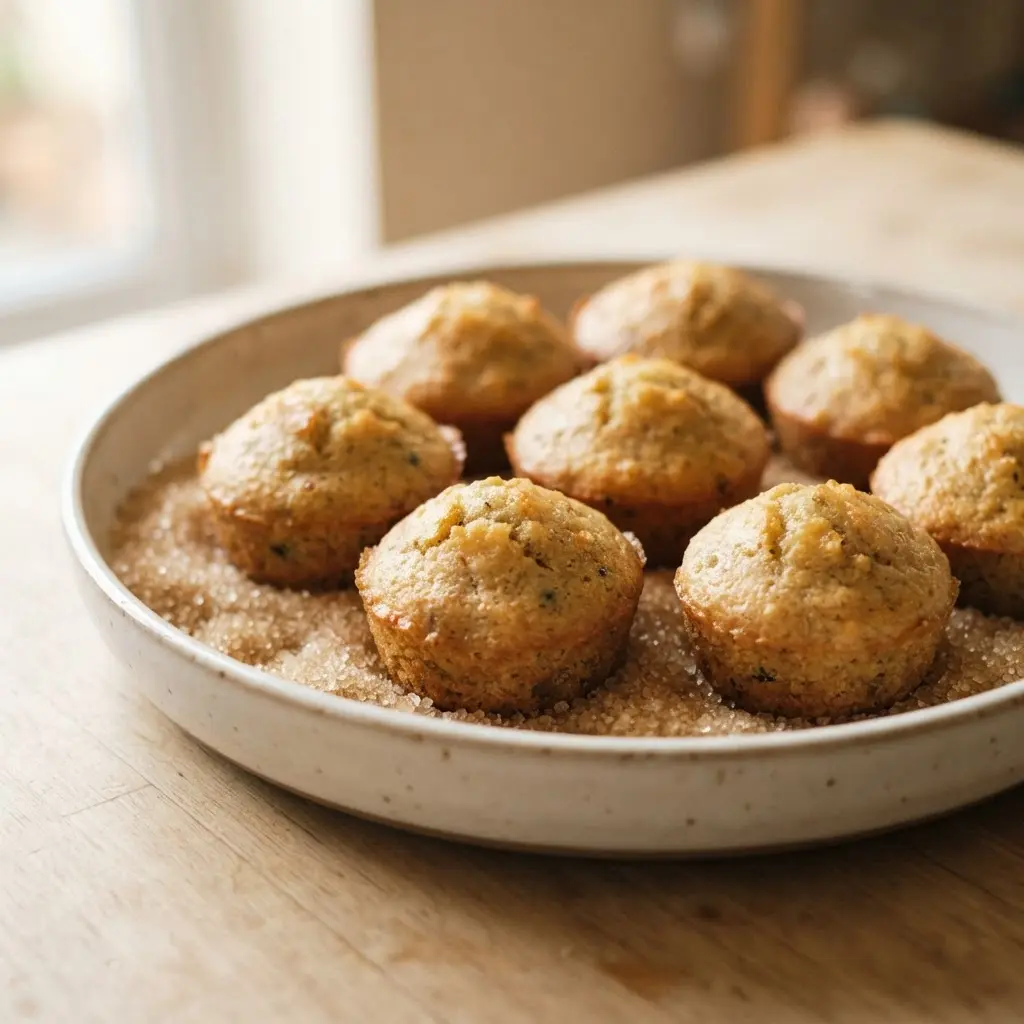
A common mistake is treating stevia as a cup-for-cup replacement for sugar. Stevia leaf extracts come from the Stevia rebaudiana plant, and steviol glycosides provide roughly 200 to 350 times the sweetness of sucrose, which explains why healthy sugar replacements require precise measuring. Use a small amount, then adjust gradually. Sugar provides bulk and texture, so baked goods often need another ingredient to replace those functions.
Check the extract type before choosing a product. Rebaudioside D and rebaudioside M often provide a cleaner taste than older extracts, which sometimes leave a bitter or licorice-like aftertaste. Blending stevia with another sweetener changes the sweetness level and flavour balance. Many people find the final result depends more on the glycoside profile than on the word “stevia” on the label.
Use stevia in coffee, tea, smoothies, yogurt, iced tea, and some desserts. Stevia extracts stay stable during baking, pasteurisation, hot filling, canning, and other food processing methods, making them a reliable pick for healthy sugar replacements in hot drinks. For morning drinks or yogurt, pair a measured amount with sweet breakfast alternatives to reduce reliance on added sugar across the meal.
Read serving instructions carefully because products vary in strength. The FDA recognises certain stevia leaf extracts as generally recognised as safe, while European Union rules set maximum levels by product category. Regulations differ by country and use. Always consult a healthcare professional before making changes to your health routine.
2. Sugar Alcohol Characteristics and Digestive Comfort
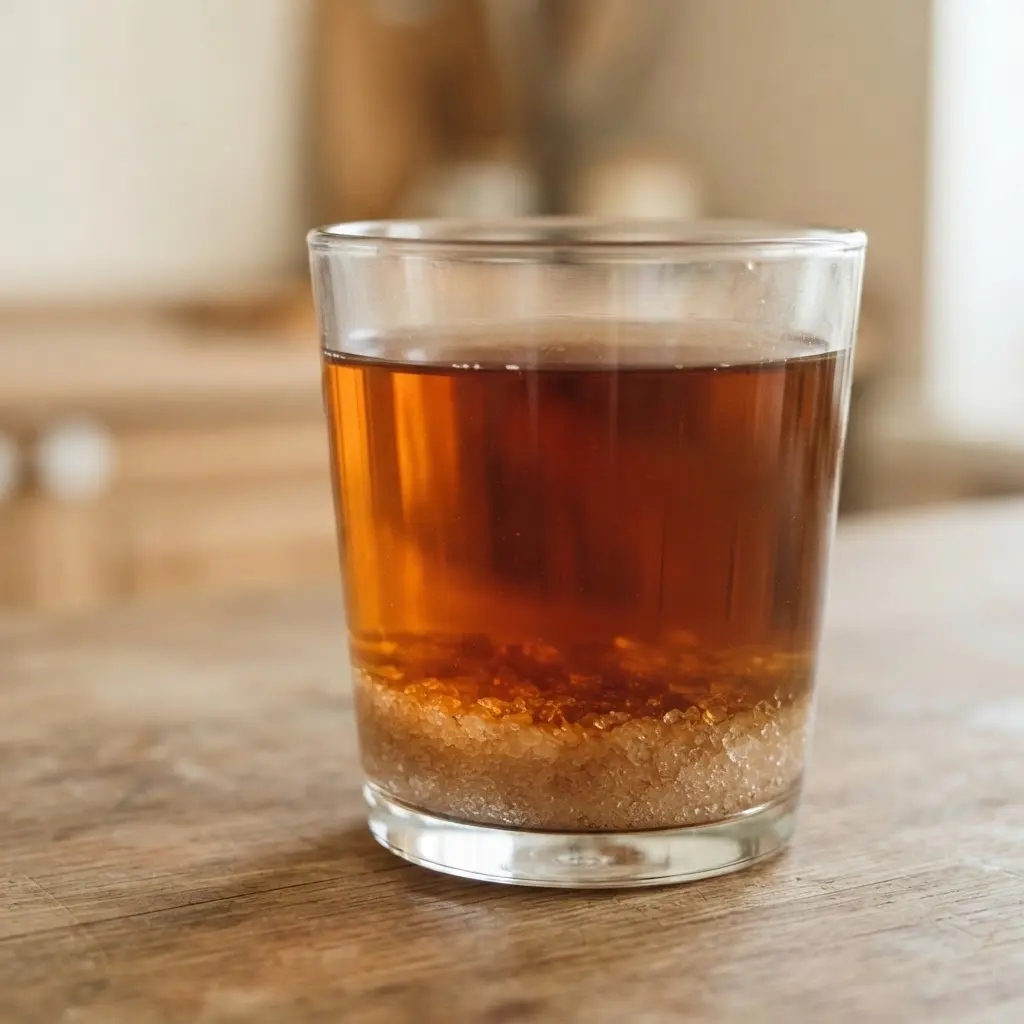
Start with a small portion of one sugar alcohol before comparing several options, especially when testing healthy sugar replacements for daily use. Track your response over the next several hours. Xylitol, erythritol, and sorbitol belong to the same broad category, yet each has its own sweetness, caloric content, and pattern of metabolism.
Identify the specific sugar alcohol in a product before using it. Compare sweetness and caloric content without assuming similar digestive effects. Personal tolerance differs, so a sweetener that feels comfortable for one person might cause discomfort for another. The amount consumed also influences digestive comfort.
Keep a simple food note during testing. Record the sweetener, amount, and time of use. Test one product at a time so your response is easier to interpret. Research identifies digestive effects as a relevant factor, but the supplied evidence does not establish one option as most comfortable for everyone.
Treat digestive comfort as a personal response rather than a universal ranking. Sweetness and caloric content matter, while metabolism and digestive effects matter equally during comparison. Choose the ingredient and amount your body tolerates. Stop using a product if digestive symptoms appear. Always consult a healthcare professional before making changes to your health routine.
3. Nutrient-Dense Natural Syrups for Moist Baking
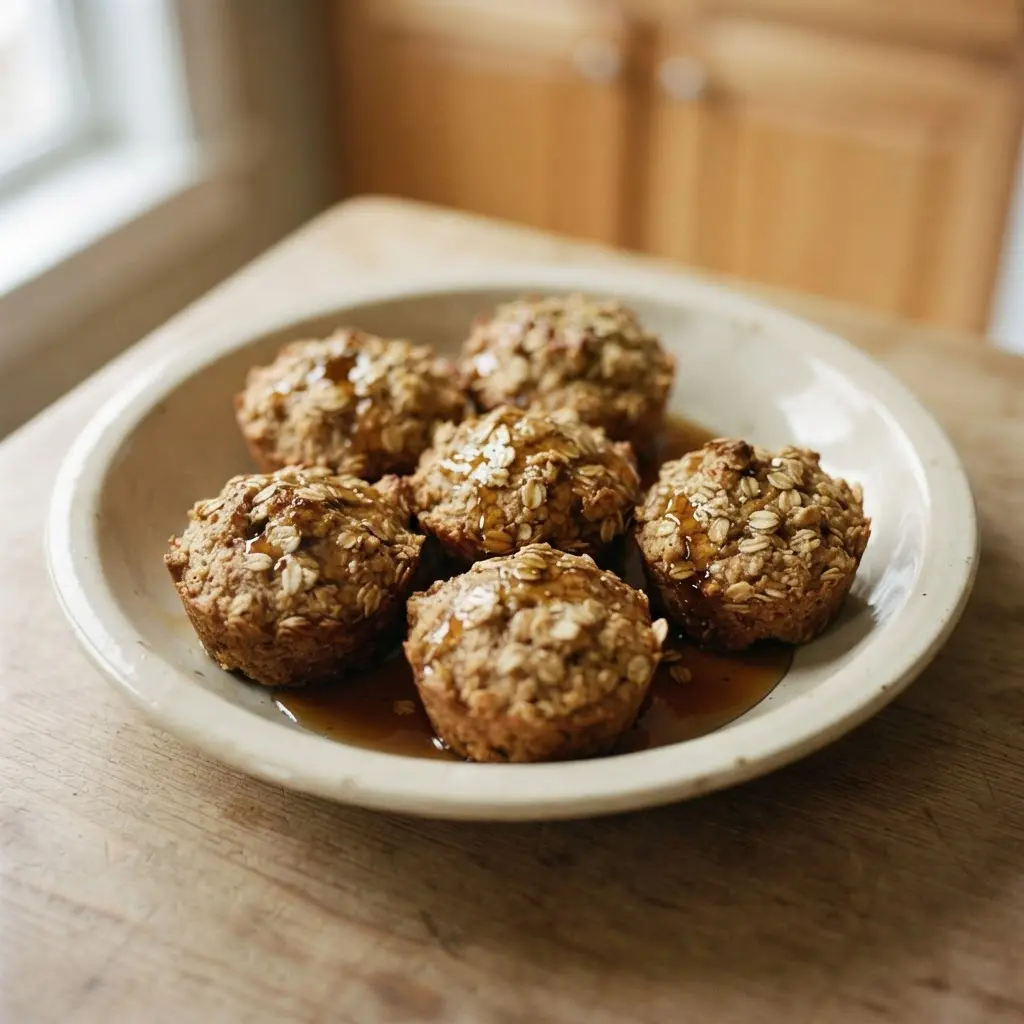
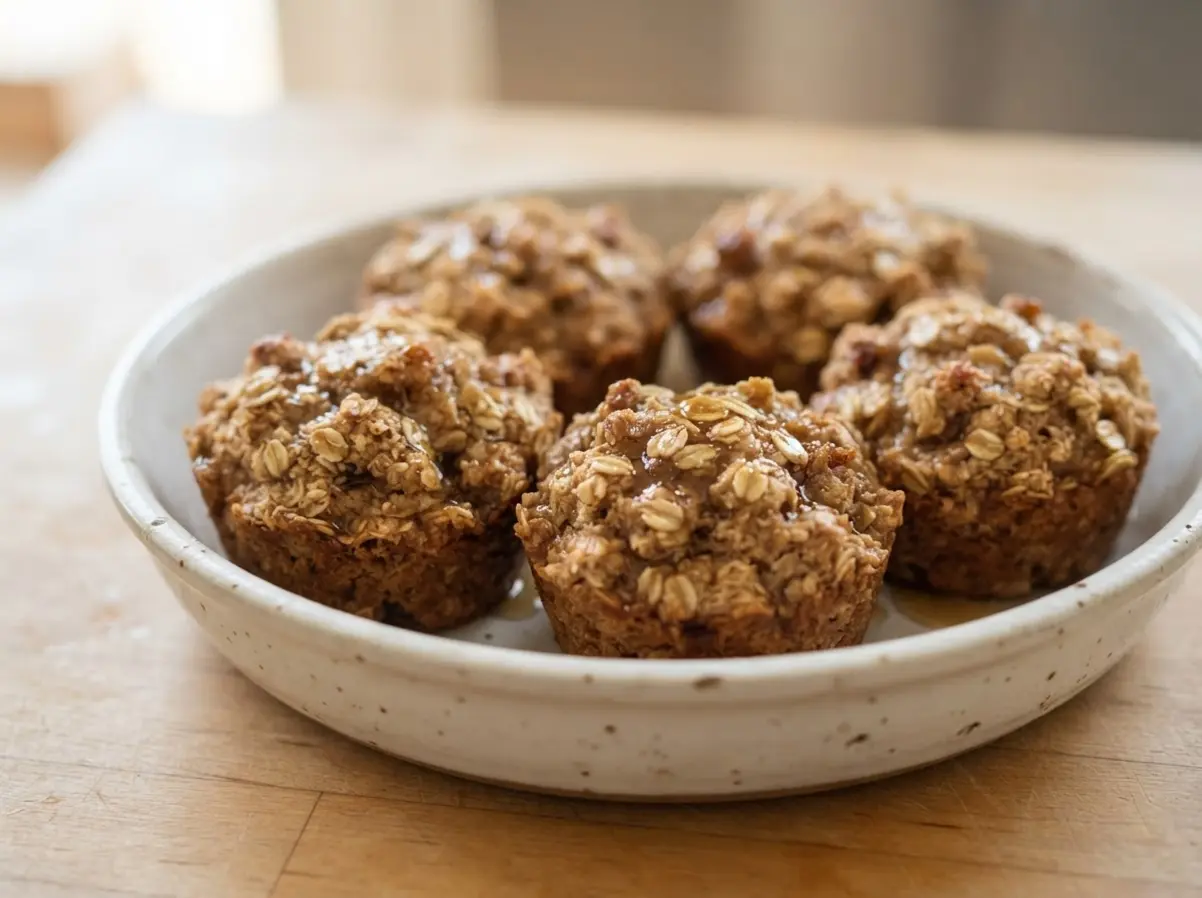
At 7 a.m., a muffin batter often looks too thick after replacing granulated sugar. Stir in a measured natural syrup instead. Maple syrup adds manganese and zinc, honey brings floral sweetness and small amounts of antioxidants, and date syrup adds a caramel flavor with fiber, potassium, iron, and magnesium. These liquids create softer, denser baked goods.
Adjust the recipe rather than swapping syrups cup for cup. Syrup adds water, so reduce another liquid and add a little flour if the batter becomes loose. Start with a modest amount, then check browning during baking. Maple syrup suits muffins and cakes, while honey works well in quick breads and cookies, though testing healthy sugar replacements shows you need to adjust liquid ratios carefully. Use dark maple grades for a stronger taste.
Match the sweetener to the rest of the recipe. Choose date syrup for brownies, warm spices, and dense cakes. Reserve blackstrap molasses for gingerbread and dark spice cookies because its strong flavor overwhelms delicate batters. Use brown rice syrup for mild sweetness and a light nutty note. Agave tastes sweeter than regular sugar, so smaller amounts often suit a recipe, but its high fructose content still matters.
Research suggests nutrient content does not make a syrup sugar-free or suitable without limits. Treat maple syrup, honey, date syrup, molasses, agave, and brown rice syrup as sweeteners. For healthy sugar replacements, prioritize flavor, thickness, and moisture control alongside mineral content. Test one small batch before changing a favorite recipe.
4. Whole-Food Fruit Sugars in Sauces and Bakes
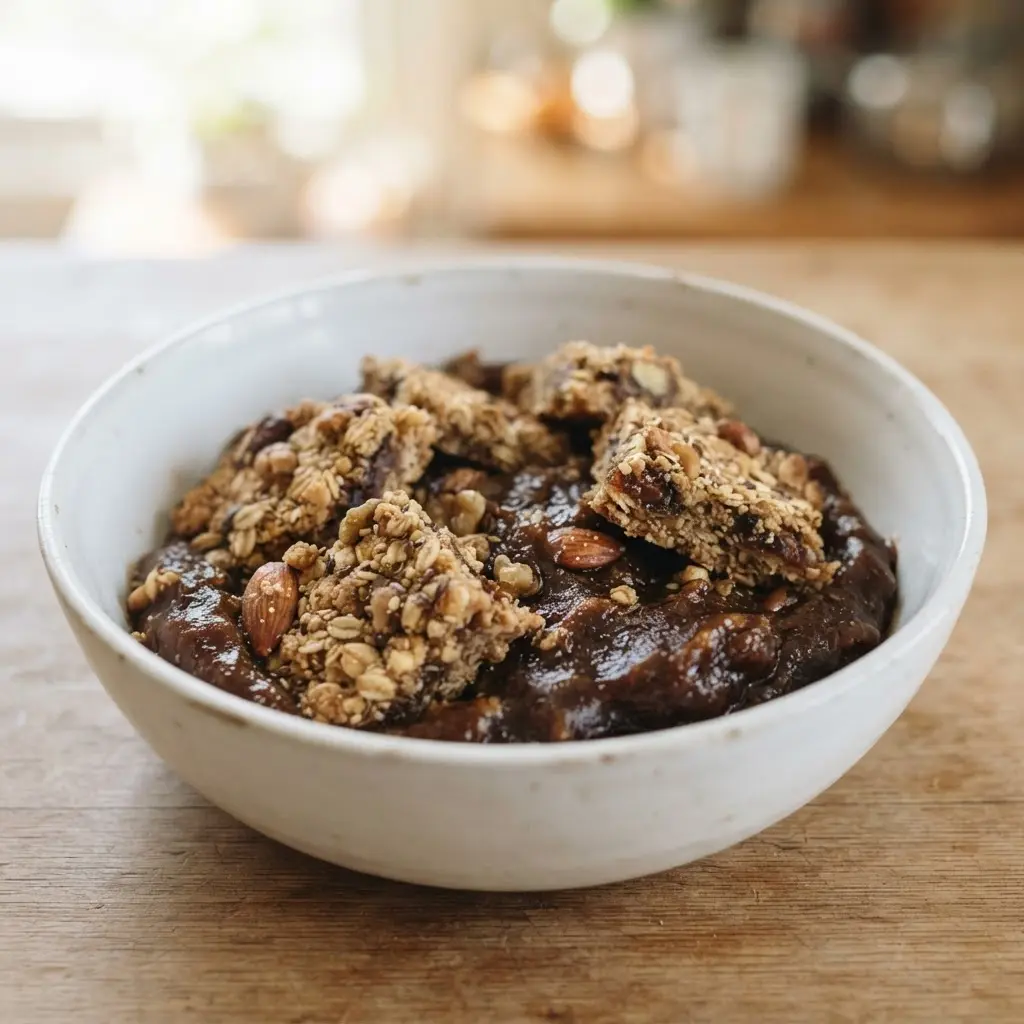
Myth: fruit puree works like table sugar. The useful truth is different. Whole fruit ingredients add sweetness along with water, fiber, acids, and plant compounds. Those extra parts change how a sauce cooks and how a bake sets. Treat fruit as a recipe ingredient, not as a simple spoon-for-spoon swap.
Choose unsweetened fruit puree when testing a sauce or baked mixture. Mashed dates, applesauce, prune puree, and ripe bananas each bring a different taste and texture. Applesauce adds moisture and mild acidity. Dates create a dense, caramel-like flavor. Banana adds a strong fruit note, so match it with flavors such as cinnamon or cocoa.
Adjust the rest of the recipe in small steps. Fruit puree adds liquid, so reduce another wet ingredient slightly when the mixture looks loose. In a sauce, simmer gently and stir often until the texture thickens. In a bake, expect a softer crumb and less crisp browning than a formula made with dry sugar. Begin with a small batch before changing a full recipe.
Research support for specific substitution ratios, cooking times, and health benefits was not available for this chapter. Avoid treating fruit-based sweetness as sugar-free or automatically lower in calories. Fruit still contributes natural sugars. For a practical approach to better sweetening, compare the finished taste, texture, and ingredient balance rather than judging sweetness alone.
5. Baking Substitution Ratios and Methods for Better Texture
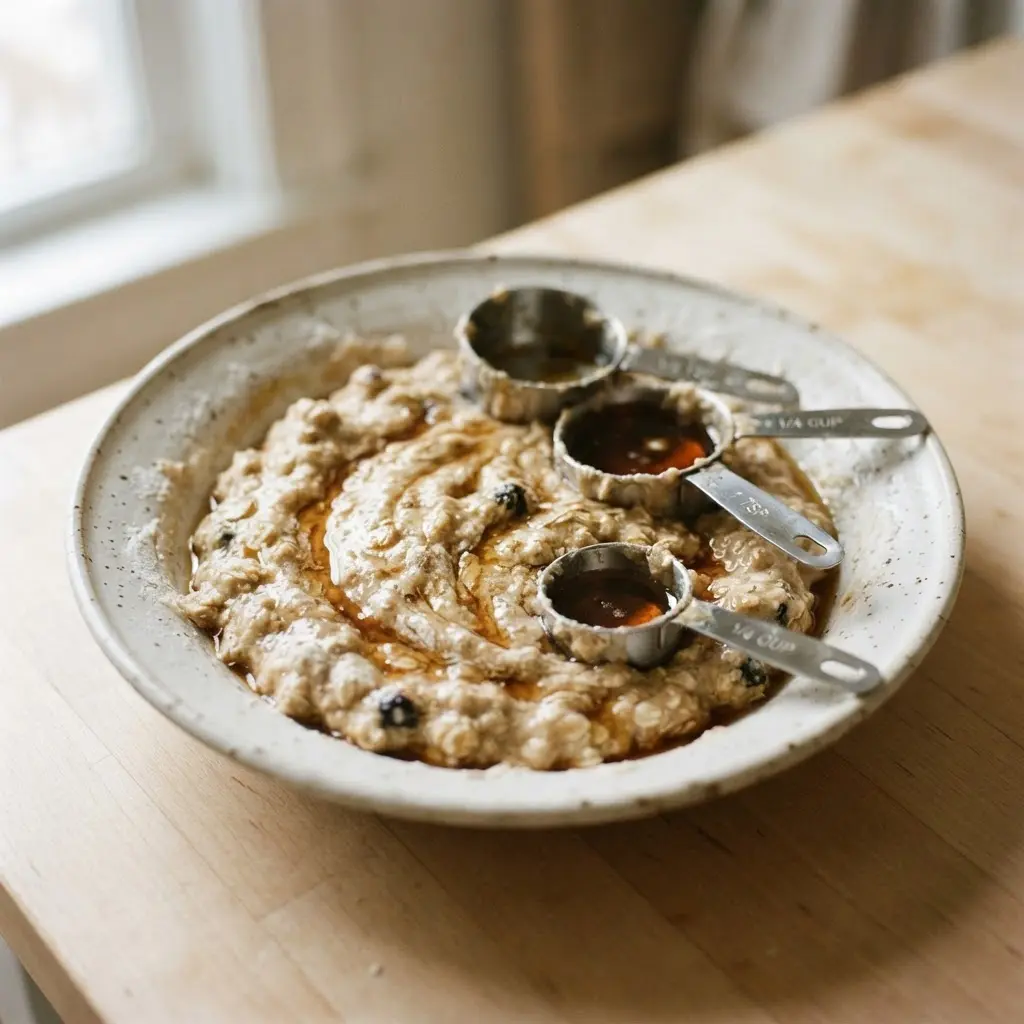
Should honey or maple syrup replace sugar cup for cup? No. Use liquid sweeteners at about ¾ cup for each 1 cup of granulated sugar. Reduce other liquids by about ¼ cup for each cup of syrup used. Measure syrup in a liquid measuring cup. Expect a moister, denser baked result because the sweetener adds water as well as sweetness.
Use brown sugar at a 1:1 ratio with granulated sugar. The added moisture and molasses flavor produce a chewier texture. Keep this swap direct in cookies, quick breads, and similar bakes. Research on baking texture shows how small changes in moisture affect spread, density, and crumb.
Build better structure with creaming softened butter. Beat the butter and sugar until light and fluffy. Air trapped in the mixture supports leavening and a tender texture. Use room-temperature eggs and dairy for smoother mixing. Sift flour, cocoa powder, and leaveners to remove lumps and spread ingredients evenly. Mix gluten-based batters only until the ingredients combine. Overmixing develops excess gluten and produces a tough or rubbery crumb.
Choose fats and dairy according to the texture you want. Oil at a 1:1 ratio with butter creates a moist, tender crumb, while butter adds flavor and possible crispness. Shortening replaces butter 1:1 and supports tender pastries. Applesauce replaces oil at about 1:1, though reducing other liquids slightly might be needed. For a tender crumb, replace milk with buttermilk, plain yogurt, or sour cream at 1:1. A homemade buttermilk substitute uses 1 tablespoon of lemon juice or white vinegar in 1 cup of milk. Let the mixture stand for 5–10 minutes before use.
Adjust Portions For Personal Tolerance
Large servings of erythritol, xylitol, or other sugar alcohols often trigger gas, bloating, or loose stools, so portion size matters more than a low calorie label. Erythritol suits some people in small amounts, while others notice digestive discomfort or a cooling taste. Allulose also causes stomach upset for some people, especially when several servings appear in one day. Stevia and monk fruit usually avoid these laxative effects, yet blended packets might include sugar alcohols or added sugars, which is why tracking your intake matters when exploring healthy sugar replacements. Honey, maple syrup, date syrup, and coconut sugar still count as caloric sweeteners, even when their flavors feel less processed. People with diabetes, bowel disorders, or specific dietary needs should check glucose responses and discuss suitable choices with a qualified clinician. Keep a brief note of the sweetener, serving size, and symptoms. A record helps you spot patterns without assuming one replacement suits every recipe or body.
Conclusion
Sweetness is only one part of what sugar does in a recipe. Healthy sugar replacements work best when you match them with the food, the texture you want, and your own comfort. A syrup suits a moist loaf, while date paste brings fruit flavor and body. A plant extract fits drinks and small portions, while sugar alcohols need a careful check for digestive comfort.
Start today with one familiar recipe. Pick one substitute, read the full label, and change only a small batch. Write down the amount, taste, moisture, and browning so your next attempt feels easier. If a recipe turns dry, add moisture with care rather than adding more sweetener. If the flavor feels strong, blend it with another option or use less. You do not need to replace every sweet ingredient at once. Small kitchen tests help you find choices your household enjoys and uses with confidence. Keep your notes nearby, and let your next recipe guide the next choice, especially as you continue exploring healthy sugar replacements for daily meals.
FAQs
Q: Which sugar substitute works best in coffee?
A: Monk fruit extract and stevia add sweetness with few or no calories, depending on the product. Check the label for added dextrose, maltodextrin, or other fillers.
Q: Do sugar alcohols cause stomach problems?
A: Some sugar alcohols cause gas, bloating, or loose stools when eaten in larger amounts. Start with a small serving and check how your body responds.
Q: Is maple syrup healthier than white sugar?
A: Maple syrup has a distinct flavor and small amounts of minerals. It still counts as added sugar, so portion size matters.
Q: How do I replace sugar when baking?
A: A one-to-one swap often changes moisture, browning, and structure. Follow a ratio suited to the chosen sweetener and test a small batch first.
Q: Are dates a good choice for blood sugar control?
A: Dates contain fiber and natural sugar, yet they still affect blood sugar. People managing blood sugar should seek personal guidance from a doctor or registered dietitian.