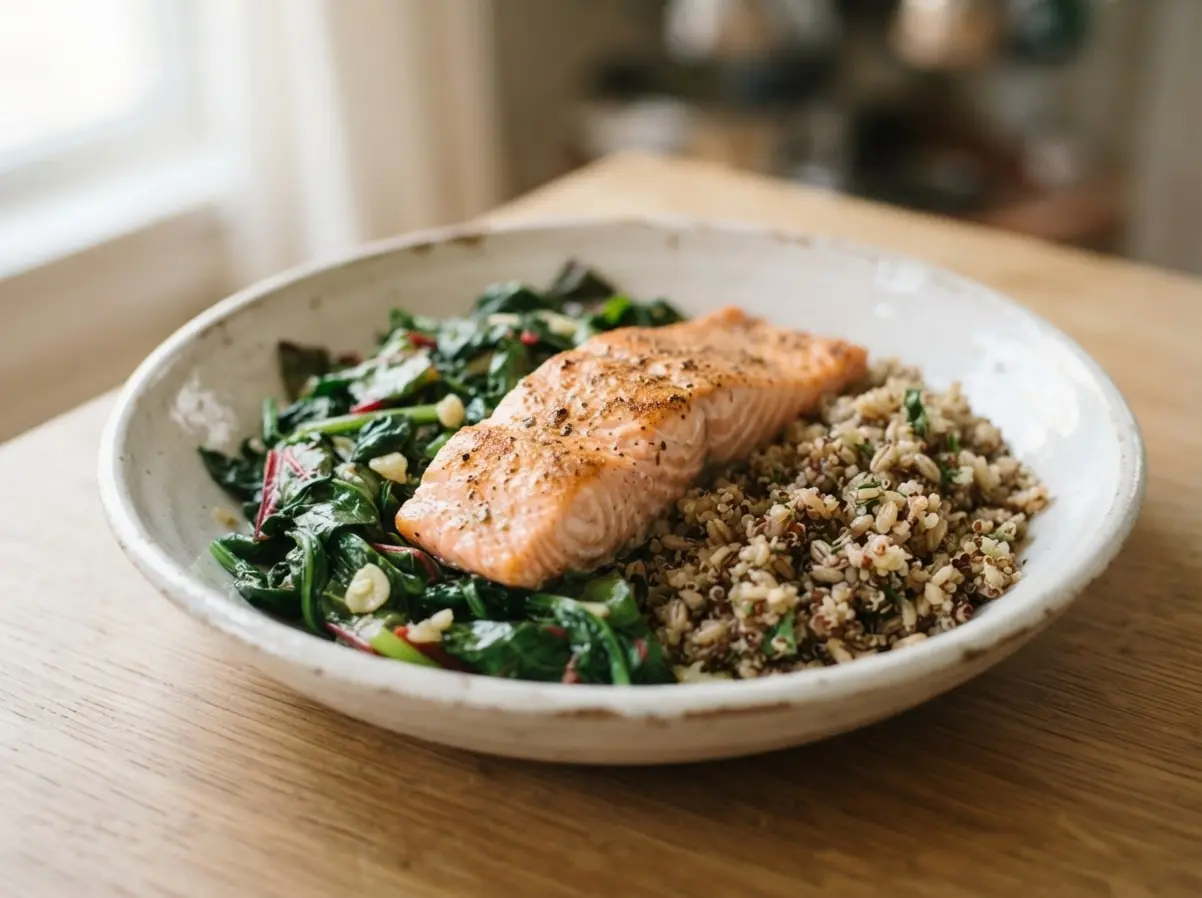
You will also get simple guidance on portions and food safety. No strict plan is needed. A baked fillet with greens or a grain bowl fits many routines. Let’s make your next salmon meal count.
EPA And DHA In Fatty Fish
A 3.5-ounce serving of salmon often supplies EPA and DHA, two omega-3 fats linked with heart and brain function. These fats form parts of cell membranes and support signaling throughout the body. Studying the health benefits of salmon reveals its daily value. Fat content varies between wild and farmed fish, so nutrition labels offer a closer estimate for your portion.
Baking, grilling, steaming, or poaching keeps preparation simple without much added oil. Pairing salmon with vegetables and whole grains adds fiber and supports a balanced meal. Fresh or frozen fillets provide omega-3 fats without the extra sodium found in some preserved forms. EPA and DHA also support normal eye and nervous system function.
Fresh, Frozen, And Smoked Salmon Differences
Fresh and frozen salmon usually retain similar nutrition when freezing happens soon after processing. Wild salmon tends to have a firmer texture and leaner profile, while farmed salmon often contains more total fat, including omega-3 fats. Color alone does not show quality because feed affects the pink or orange flesh. Knowing the health benefits of salmon helps guide your grocery list.
Cold-smoked salmon receives smoke without full cooking, so pregnant people, older adults, young children, and anyone with a weaker immune system should follow current food-safety guidance. Hot-smoked salmon cooks through during smoking and often has a softer, flaky texture. Smoked portions also carry more sodium than plain fillets, so check the label if you monitor salt intake. Cold-smoked salmon suits different meals than baked or poached fish.
1. Omega 3 Fatty Acids Content for Heart and Brain Health
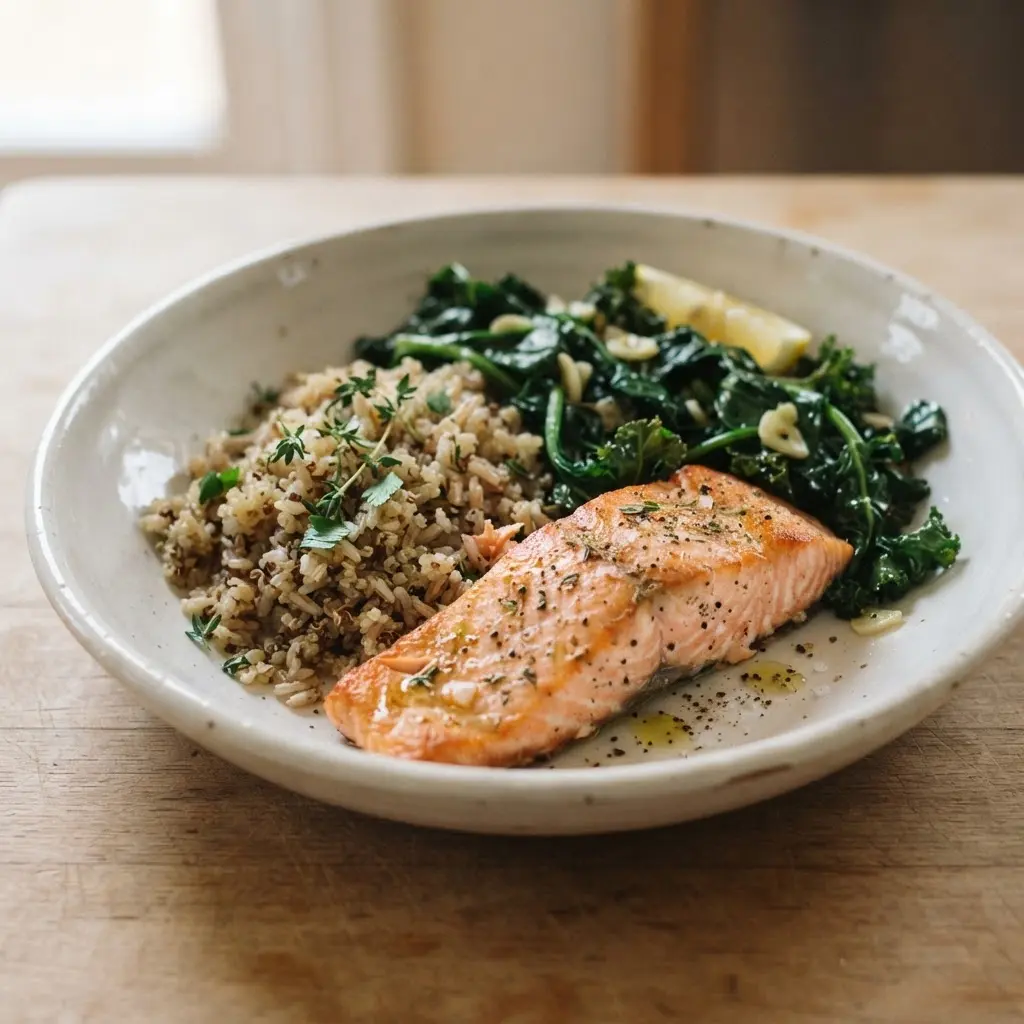
A common mistake is treating salmon as a heart medicine. Salmon is a nutrient-rich food, not a treatment for heart disease. Its main fatty acids, EPA and DHA, belong to the omega-3 family.
Choose fatty fish such as salmon as part of a balanced eating pattern rather than relying on one food alone. Review the health benefits of salmon before planning your week.
EPA and DHA form parts of cell membranes throughout the body. These fats support normal heart function and help maintain brain cell structure and communication. Omega-3 intake also relates to blood triglyceride levels, which are fats carried in the bloodstream.
Research supports including salmon as one source of dietary fat for overall heart and brain health. This matches the health benefits of salmon noted by nutrition guides. Serve salmon with vegetables, beans, whole grains, and olive oil to follow an eating pattern linked with Mediterranean diet benefits. This combination adds fiber, vitamins, and minerals alongside omega-3 fats.
A balanced plate gives the body a wider range of nutrients than salmon alone. Choose fresh, frozen, or canned salmon according to your budget and cooking needs. Bake or poach salmon until the flesh flakes easily and reaches a safe internal temperature.
Avoid turning a health-focused meal into a source of excess salt by checking canned salmon labels and limiting heavily salted sauces. A serving of salmon fits best within regular meals built around vegetables, whole grains, and other minimally processed foods.
2. High Quality Protein Sources for Fullness and Muscle Support
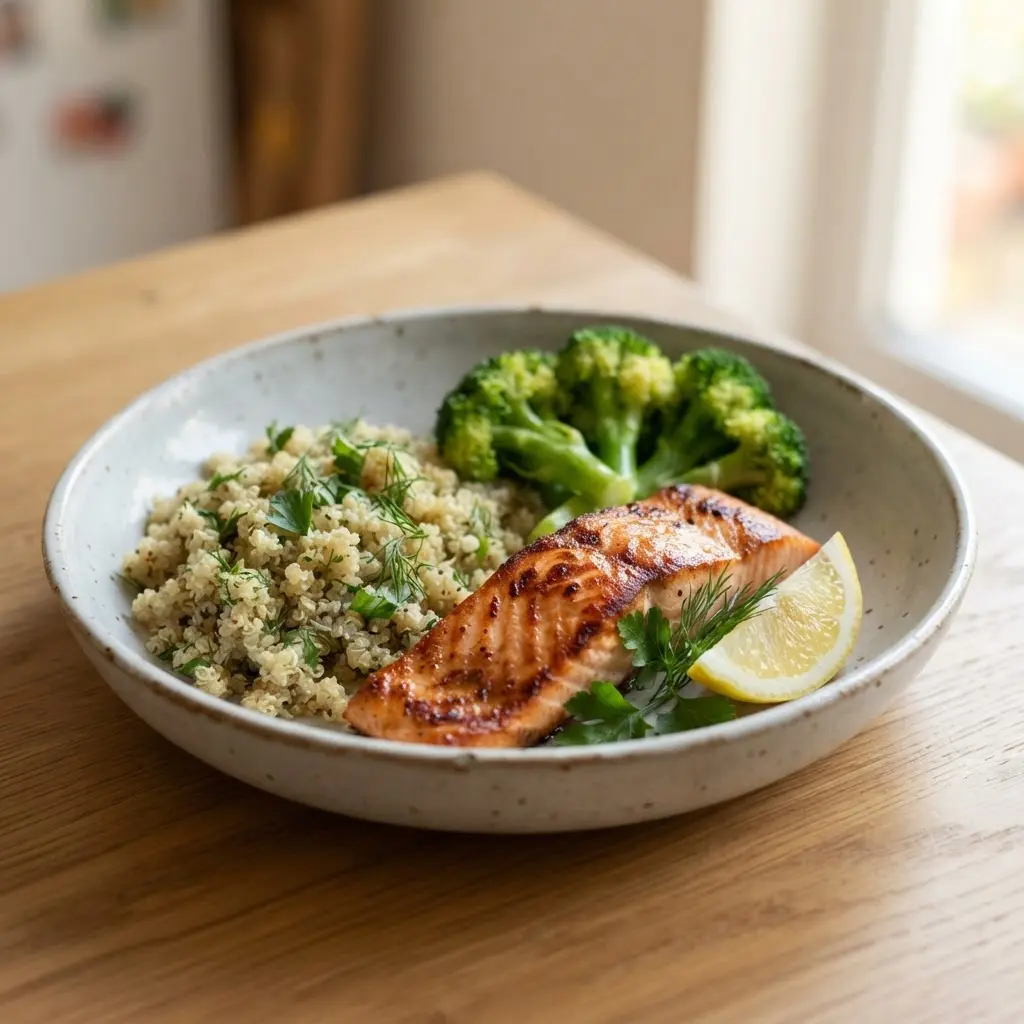
Make salmon the primary protein in a lunch or dinner meal. Protein raises the staying power of a meal, especially when the plate includes fiber-rich foods.
Choose salmon as your main protein because the fish supplies high-quality protein along with omega-3 fatty acids. Pair salmon with fiber-rich foods such as lentils, beans, vegetables, or whole grains.
Fiber slows digestion and adds volume, while protein supports a more lasting sense of fullness. Use high protein superfoods to vary meal choices across the week. Many diets highlight the health benefits of salmon for steady fullness.
Distribute protein across breakfast, lunch, dinner, and planned snacks instead of placing most of the day’s intake in one meal. Regular strength-training exercises give muscles a reason to adapt and grow. Protein supplies building material for muscle protein synthesis, the process used to repair and maintain muscle tissue.
Research supports combining adequate protein with strength training for stronger muscle-related results than relying on protein alone. Keep water intake steady throughout the day. Hydration supports overall health and nutrient transport, and adequate fluid intake contributes to comfortable fullness.
Do not classify salmon among the leanest fish, such as cod or tilapia. Salmon still serves as a high-quality protein choice, with omega-3 fats adding further nutritional value to a balanced meal.
3. Essential B Vitamin Profile for Daily Energy
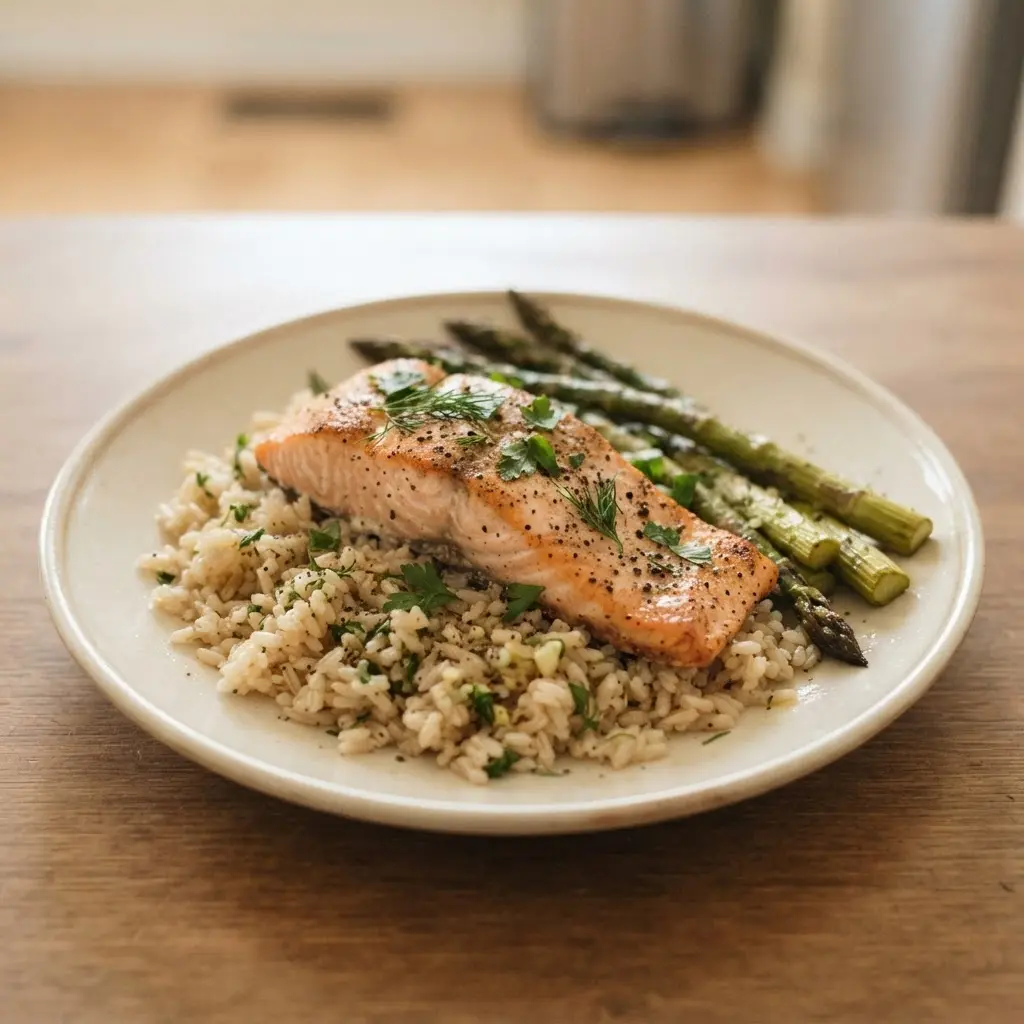
At breakfast, a serving of salmon provides nutrients your body uses during the day’s energy processes. Tracking the health benefits of salmon shows steady energy support.
Choose a varied daily diet to supply B1, B2, B3, B5, B6, B7, folate, and B12. These vitamins act as coenzymes, helping convert food into usable energy.
B vitamins support energy metabolism as a group, not as an instant lift. A typical adult target is 2.4 mcg of B12 and 400 mcg of folate each day.
Water-soluble B vitamins are not stored in large amounts, so regular intake matters. Research recognizes B2, B3, B6, folate, B12, and pantothenic acid for their role in reducing tiredness and fatigue. Choose food-first sources such as salmon, eggs, dairy foods, beans, whole grains, leafy greens, and fortified foods.
Vegans, vegetarians, and older adults face a higher risk of low B12 or folate intake. A complete B-complex is often preferred over a single vitamin when supplementation is suitable, since the vitamins work together. Do not treat B vitamins as stimulants.
They support normal energy release, but they do not address every cause of tiredness. Persistent fatigue requires medical evaluation rather than automatic supplementation. Always consult a healthcare professional before making changes to your health routine.
4. Antioxidant Astaxanthin Benefits in Salmon Nutrition
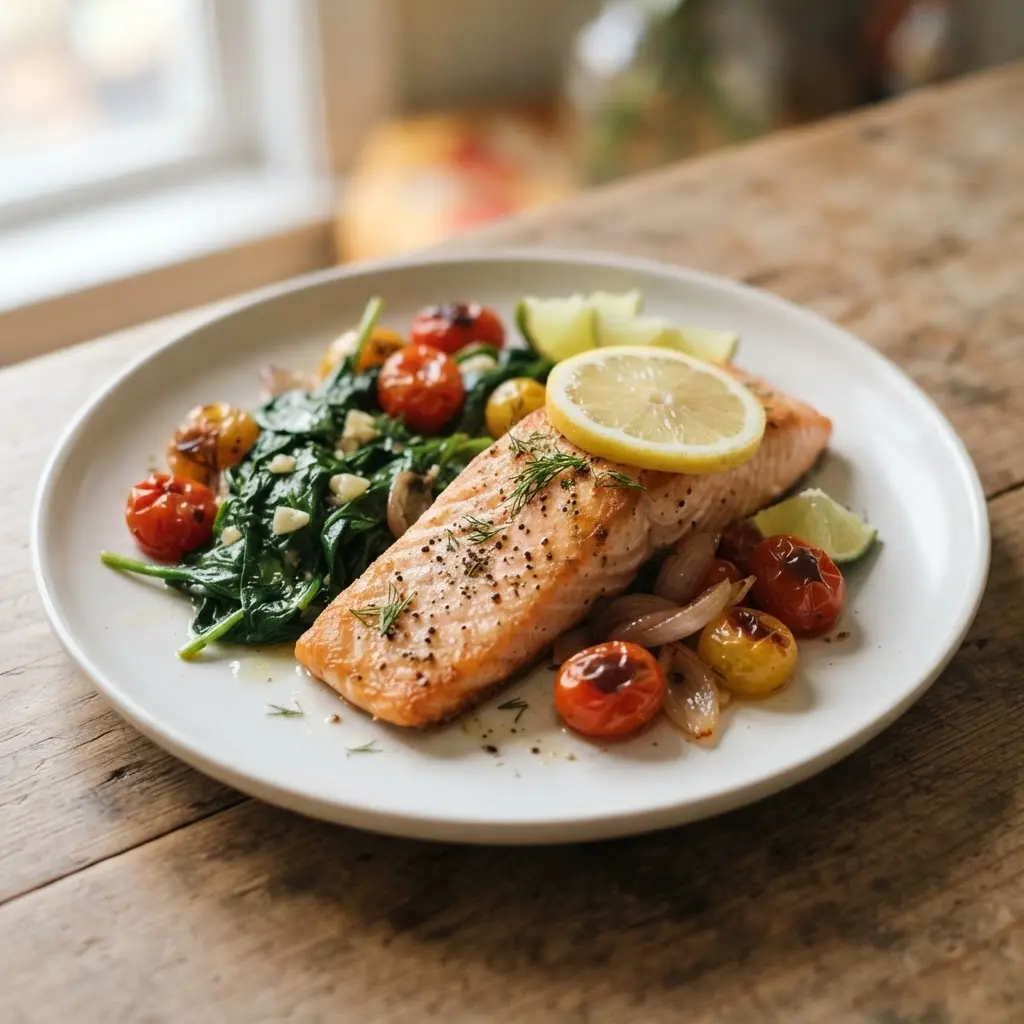
A deeper pink color does not prove superior nutrition. The color mainly reflects accumulated astaxanthin pigment, a carotenoid antioxidant salmon obtains from food. Color intensity varies with diet, species, and farming methods, so a darker fillet does not guarantee greater nutrient value in every portion.
Astaxanthin quenches singlet oxygen and other reactive molecules. Salmon tissue contains polyunsaturated fats, which are vulnerable to oxidative damage. Astaxanthin helps limit lipid peroxidation, the breakdown of fats caused by oxidation.
This role matters during chilled transport and storage because slower fat oxidation supports freshness and product quality. Research in fish also links astaxanthin intake with lower malondialdehyde, a marker of oxidative stress, and higher total antioxidant capacity. These markers explain part of the health benefits of salmon.
Farmed salmon receives astaxanthin through formulated salmon feed. Feed makers use synthetic or algal-derived sources for flesh pigmentation, while the pigment also supports antioxidant defenses in fish.
Aquaculture studies connect supplementation with immune activity and mucosal barrier health in fish, including the intestine, skin, and gills. Those findings describe fish biology, not confirmed health effects in people. Eating salmon adds astaxanthin to a broader nutrient pattern alongside protein and marine fats.
Research does not establish astaxanthin from salmon as a treatment, disease-prevention agent, or guaranteed immune aid for humans. Choose salmon for its overall nutrition, not for color alone, and treat flesh color as one quality feature among several.
Lower-Mercury Serving And Safety Considerations
Most salmon ranks among lower-mercury seafood, yet pregnant people, breastfeeding parents, and young children still need age-specific serving guidance. Check national seafood advice for recommended amounts, since guidance differs by age and pregnancy status. People with kidney disease, fish allergies, or sodium restrictions should ask a healthcare professional about portions and preparation.
Self-caught salmon requires a check of the local fish advisory because pollution levels vary by waterway. Proper storage protects the health benefits of salmon. Keep fresh fish cold, cook it until the center turns opaque and flakes easily, and prevent contact between raw fish and ready-to-eat foods.
Refrigerate leftovers within two hours and eat them within three to four days. A local fish advisory gives the clearest guidance for salmon from nearby rivers or lakes.
Conclusion
Salmon is a practical choice for busy meals, family dinners, and simple weekend cooking. The health benefits of salmon come from a mix of omega-3 fats, protein, B vitamins, selenium, and astaxanthin, so one food supports several parts of a balanced eating pattern.
Choose fresh or frozen salmon, pair it with vegetables and a whole grain, and cook it until the center is opaque and flakes easily. Check local food guidance if you have a health condition, take medicine, or need advice about fish intake.
Start with one meal this week, then notice which flavors and pairings fit your routine. A simple salmon dinner is a steady step toward meals with more variety and lasting nourishment.
FAQs
Q: What nutrients are found in salmon?
A: Salmon supplies omega-3 fats, high-quality protein, vitamin B12, vitamin D, selenium, and other B vitamins. Exploring the health benefits of salmon clarifies what to expect from a standard serving. The exact amounts vary by species, portion size, and preparation.
Q: Is wild salmon healthier than farmed salmon?
A: Wild and farmed salmon both supply valuable nutrients. Their fat levels, flavor, cost, and environmental details differ, so either type fits a balanced eating pattern.
Q: How often should someone eat salmon?
A: Many dietary guidelines include fish in meals twice each week, with one serving being fatty fish such as salmon. Personal needs differ for children, pregnancy, allergies, and certain health conditions.
Q: Does salmon support heart health?
A: Salmon contains omega-3 fats linked with heart health when included in a balanced eating pattern. Pair it with vegetables, beans, or whole grains for a well-rounded meal.
Q: What is the healthiest way to cook salmon?
A: Baking, grilling, poaching, and steaming keep added fat low. Cook salmon until the center is opaque and flakes easily, then serve it with vegetables or whole grains.