

Differentiating Visceral Fat From Subcutaneous Layers
The deep fat wrapped around your organs, called visceral fat, is the type you want to lose first for your health. This tissue acts like its own organ, releasing hormones and chemicals that can increase your risk for heart disease and type 2 diabetes, especially when figuring out how to protect your long-term wellness. Understanding how to lose belly fat effectively means targeting this visceral fat first. Subcutaneous fat is the soft layer you can pinch under your skin, which is less metabolically active.
The good news is that visceral fat responds faster to the right lifestyle changes, even though you cannot see it directly. Reducing this internal fat is the real goal for feeling better. Trust me, you will notice quick progress once you grasp how to tackle those hidden layers, so stay patient with the process.
Physiological Reality of Targeted Fat Reduction
You cannot pick where your body burns fat, no matter how many crunches you do. Spot reduction is a myth because your body pulls energy from fat stores based on your overall hormones and genetics, not the muscle you are working, a fact that clearly shows why spot tricks fail. This is why knowing how to lose belly fat requires a full-body approach rather than spot exercises. Focusing on total body fat loss through a sustainable caloric deficit is the only way to shrink your midsection. This means you must eat slightly less energy than your body uses over time.
Trust me, this approach works far better than endless ab exercises that only build muscle underneath the fat you want to lose. Many people search for shortcuts, but steady weight loss beats quick fixes every single time.
1. Prioritize High Protein Intake for Satiety and Metabolism
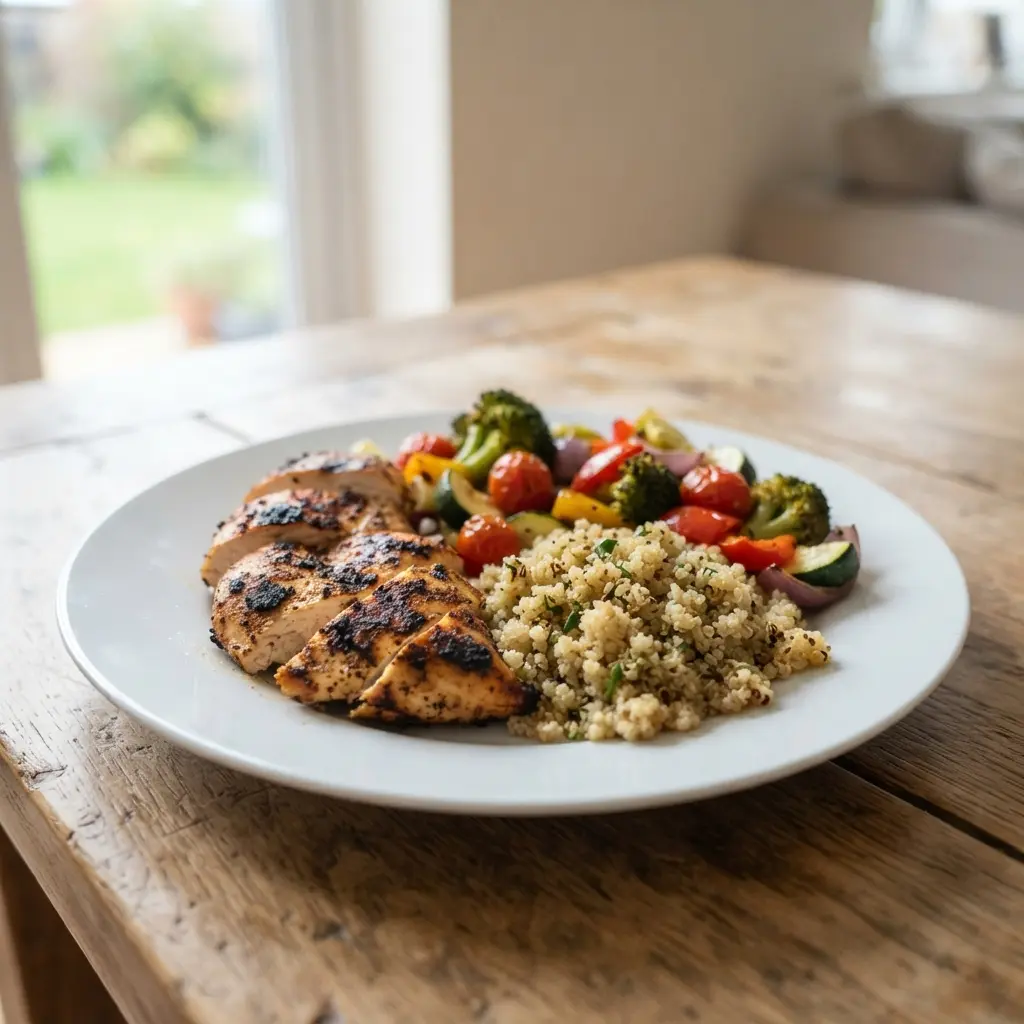
A common mistake is thinking the standard recommended dietary allowance for protein is enough for effective weight management. This amount is a minimum to prevent deficiency, not an optimal level for preserving muscle, so understanding your protein needs makes a major difference. Protein has a high thermic effect, meaning your body uses more energy to digest it.
It also triggers hormones that signal fullness and suppress hunger. Aim for 1.2 to 2.2 grams of protein per kilogram of your body weight daily from sources like lean meats, eggs, and legumes.
This strategy directly supports your goal of how to lose belly fat by helping you consume fewer calories without constant hunger. A higher protein intake helps maintain muscle mass, which keeps your metabolism from slowing down during weight loss. Before making any major dietary change, especially if you have kidney concerns, consult a healthcare professional.
Focusing on protein at each meal is a practical first step toward sustainable fat loss. You can find more real-life ways to get rid of fat by exploring structured dietary approaches, which makes it simple to follow daily habits that actually stick.
2. Boost Soluble Fiber for Better Digestion and Fullness
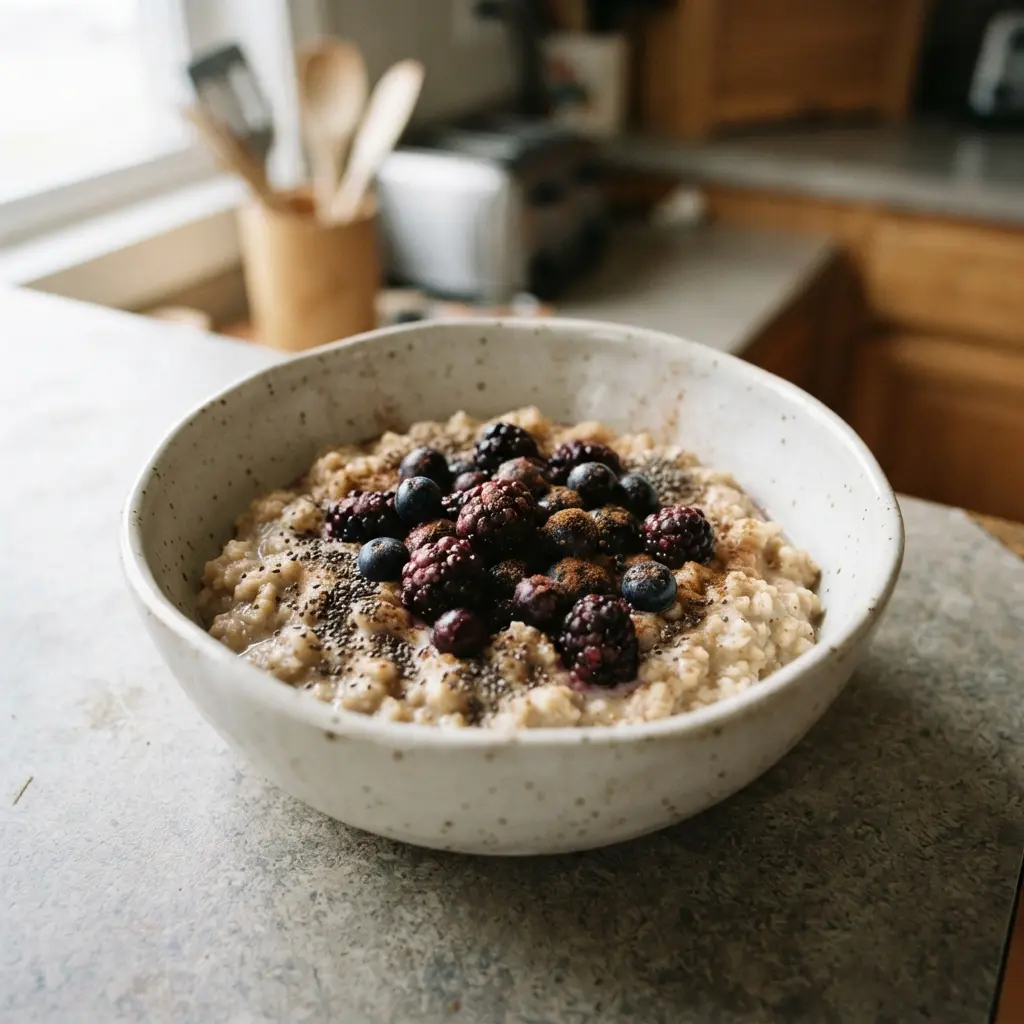
Add one or two servings of soluble fiber to your meals each day. This specific type of fiber dissolves in water to form a gel in your digestive tract. This gel slows down the rate your stomach empties, which prolongs the feeling of fullness.
It also softens stool and feeds beneficial gut bacteria for better digestive health. Include foods like oats, black beans, and apples with the skin. Many people find this approach helps them eat less without feeling deprived.
Research suggests a healthy gut microbiome is linked to improved metabolic function. Increase your intake gradually and drink plenty of water to prevent discomfort.
Understanding your habits that cause belly fat can help you see where soluble fiber fits into your overall plan, proving exactly how food timing affects digestion.
3. Limit Refined Carbs to Stabilize Blood Sugar
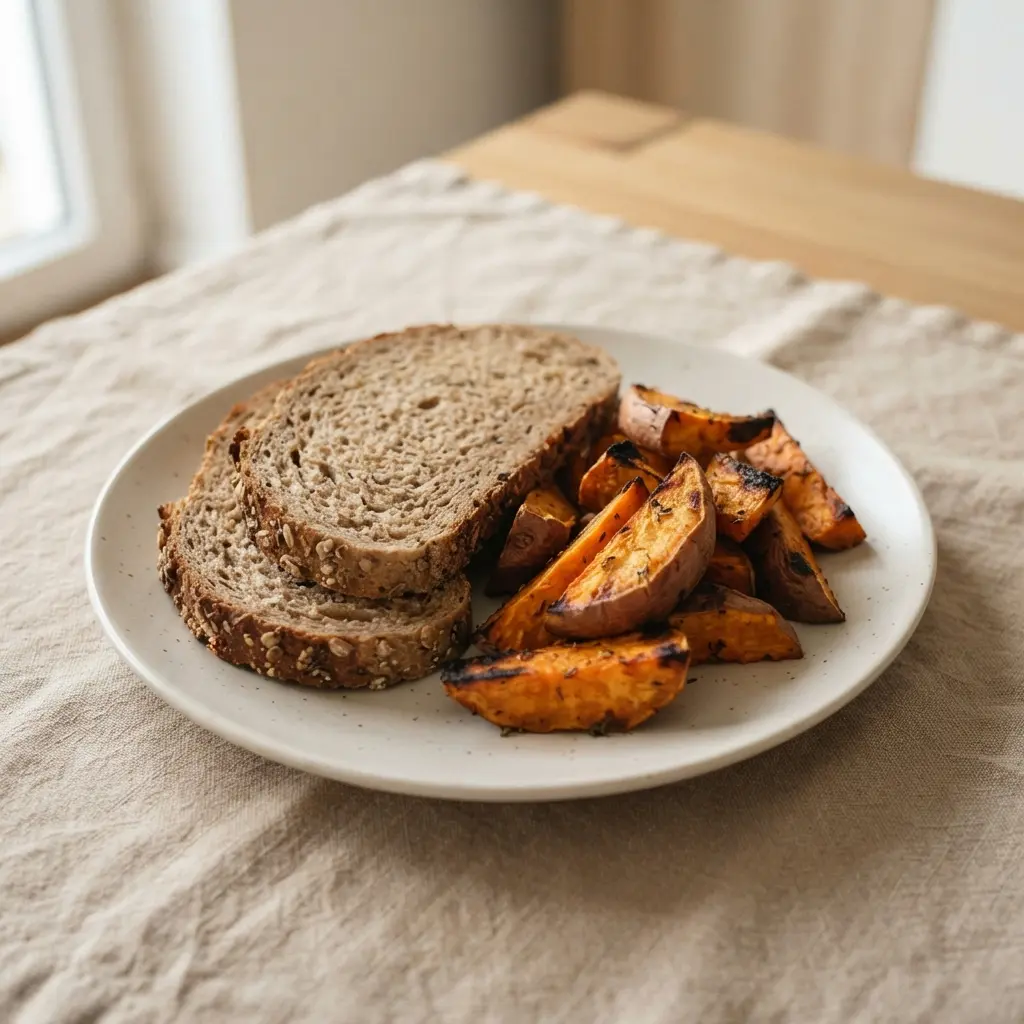
You eat a bagel for breakfast and feel energized for an hour, only to be hungry and tired again by mid-morning. This cycle is a direct result of how refined carbohydrates affect your system, making it obvious why energy crashes ruin morning productivity.
Foods like white bread, sugary cereals, and soda are stripped of fiber. Your body converts them to glucose very quickly. This causes a rapid spike in blood sugar.
The pancreas responds by releasing a large amount of insulin. That insulin then clears the glucose too fast, often leading to a sharp drop in energy. This crash triggers cravings for more quick energy, often more carbs, which shows exactly why steady meals matter so much.
By choosing whole grains, vegetables, and lean proteins instead, you avoid these extreme swings. Stable blood sugar levels help control hunger and reduce the body’s tendency to store fat, particularly around the abdomen. Many people find their energy and mood become far more consistent when they make this shift.
If your weight loss efforts have stalled despite other changes, common obstacles like hidden sugars in processed foods could be a factor. Reading about why you cannot lose weight can provide useful insights into these hidden barriers, giving you a clear path forward.
4. Build Muscle with Resistance Training

Many believe muscle building is purely about lifting heavy weights, but the true driver is progressive overload. This principle means you must gradually increase the challenge to your muscles, which you can do by adding weight, doing more repetitions, or slowing down your movements.
Your muscles grow during rest, not during the workout. Aim for at least two full-body sessions per week, focusing on compound movements like squats and push-ups. This approach builds metabolically active tissue that burns more calories at rest, aiding fat loss.
You will need to fuel this process with sufficient protein for repair and carbohydrates for energy. For a sustainable routine, combine your training with solid general healthy eating tips. Proper nutrition supports recovery and provides the energy required for challenging workouts.
5. Improve Sleep Quality to Regulate Hormones

Have you noticed more cravings and less energy after a poor night’s sleep? This is a direct hormonal effect. Sleep regulates key hormones like cortisol, insulin, and the hunger signals ghrelin and leptin, a biological rhythm that shapes your daily appetite. A consistent 7-9 hour sleep schedule helps maintain their proper balance.
During deep sleep, your body releases growth hormone for repair. It also lowers evening cortisol, a stress hormone linked to belly fat storage. Good sleep improves insulin sensitivity so your body uses glucose effectively instead of storing it as fat.
Research suggests this hormonal regulation is a cornerstone of sustainable weight management. For lasting results, you need to support your metabolism.
Reading about how to boost your metabolism effectively provides practical steps that work alongside quality sleep. Establish a fixed bedtime and wake time, even on weekends, to train your internal clock, knowing that steady rest keeps energy levels steady.
6. Practice Mindfulness for Daily Stress Management

Think of mindfulness not as a complex spiritual exercise, but as a practical tool for breaking the cycle of stress. It trains you to observe your thoughts and feelings without judgment, focusing on the present moment. This can be as simple as spending five minutes each morning focusing on your breath or noticing the sensations in your body.
The goal is not to empty your mind, but to become aware of it, giving you a quiet space to process daily tension. Chronic stress elevates cortisol, a hormone linked to increased abdominal fat storage. Mindfulness acts as a buffer.
It helps you interrupt the stress cycle by shifting your focus away from rumination. This practice activates your body’s parasympathetic nervous system, which promotes relaxation. Consistent mindfulness builds emotional resilience, allowing you to respond to daily pressures with more calm.
You can integrate this practice into your day without lengthy meditation. While waiting in line, simply notice your breath. During a meal, pay full attention to the taste and texture of your food. These small acts of presence help regulate stress hormones. For a comprehensive approach, learn how to integrate fat-burning foods into your eating plan as well.
Do not expect immediate, dramatic changes. The benefits of mindfulness accumulate with regular, consistent effort. Start with brief sessions and build from there.
7. Stay Hydrated for Optimal Metabolic Function

A common mistake is waiting until you feel thirsty to drink water. Thirst is a late indicator of dehydration, which can already be impairing your metabolic function. Signs like dark urine, fatigue, and headaches often appear first.
Water acts as the essential solvent for nearly every metabolic reaction in the body. It is crucial for energy production, digestion, and waste elimination. For example, drinking cold water may slightly increase your metabolic rate as your body expends energy to warm it.
Optimal hydration also supports the pathways for fat breakdown. Research suggests proper hydration can promote satiety and aid in weight management. A practical takeaway is to monitor your urine color, aiming for a pale straw shade.
For a sustainable approach, pair this habit with a consistent workout for effective weight loss. Keep your fluids high and your movement steady.
Monitoring Long Term Body Composition Progress
Track your waist measurement with a simple tape measure every few weeks to see real changes in belly fat. The scale can be misleading because it does not tell you if you are losing fat or muscle. Tracking waist changes is a reliable way to see how your efforts in how to lose belly fat are working. You will notice your clothes fit better as you lose inches, even if your weight does not drop dramatically.
Taking progress photos in the same lighting each month gives you a visual record of your body composition shifts. This kind of feedback keeps you motivated and proves your healthy habits are working over the long haul.
Conclusion
Focusing on how to lose belly fat is really about taking care of your whole body. Each small change you make adds up over time. The best approach is not a single trick but a combination of good habits. Pick one or two strategies from this list that feel manageable to you right now.
Maybe it is adding more vegetables to your plate or taking a short walk after dinner. Be patient with yourself and celebrate your progress. Your health is a lifelong journey, and these steps are a strong foundation for feeling your best.
FAQs
Q: What foods help reduce belly fat the most?
A: Foods high in protein and soluble fiber are helpful. These include lean meats, beans, oats, and many fruits and vegetables. They help you feel full longer and support a healthy metabolism.
Q: Can you lose belly fat without doing crunches?
A: Yes, you absolutely can. While exercise is important, what you eat has a bigger impact on fat loss. Full-body strength training is more effective than only doing abdominal exercises.
Q: How does sleep affect belly fat?
A: Poor sleep raises your cortisol levels. This is a stress hormone linked to increased abdominal fat. Getting enough quality sleep helps keep your hormones balanced.
Q: Is belly fat more dangerous than other body fat?
A: Fat stored deep in the abdomen, called visceral fat, is linked to higher health risks. It can affect your heart and metabolism. Reducing this type of fat improves your overall health.
Q: How long does it take to see results?
A: Results vary for everyone. With consistent healthy habits, you might notice changes in a few weeks. Lasting fat loss and health improvements take patience and steady effort.




![Things You Didn't Know About Night Eating - What To Eat [Explored]](https://www.happydieter.net/wp-content/uploads/2015/10/What-To-Eat-Explored-.jpg)


