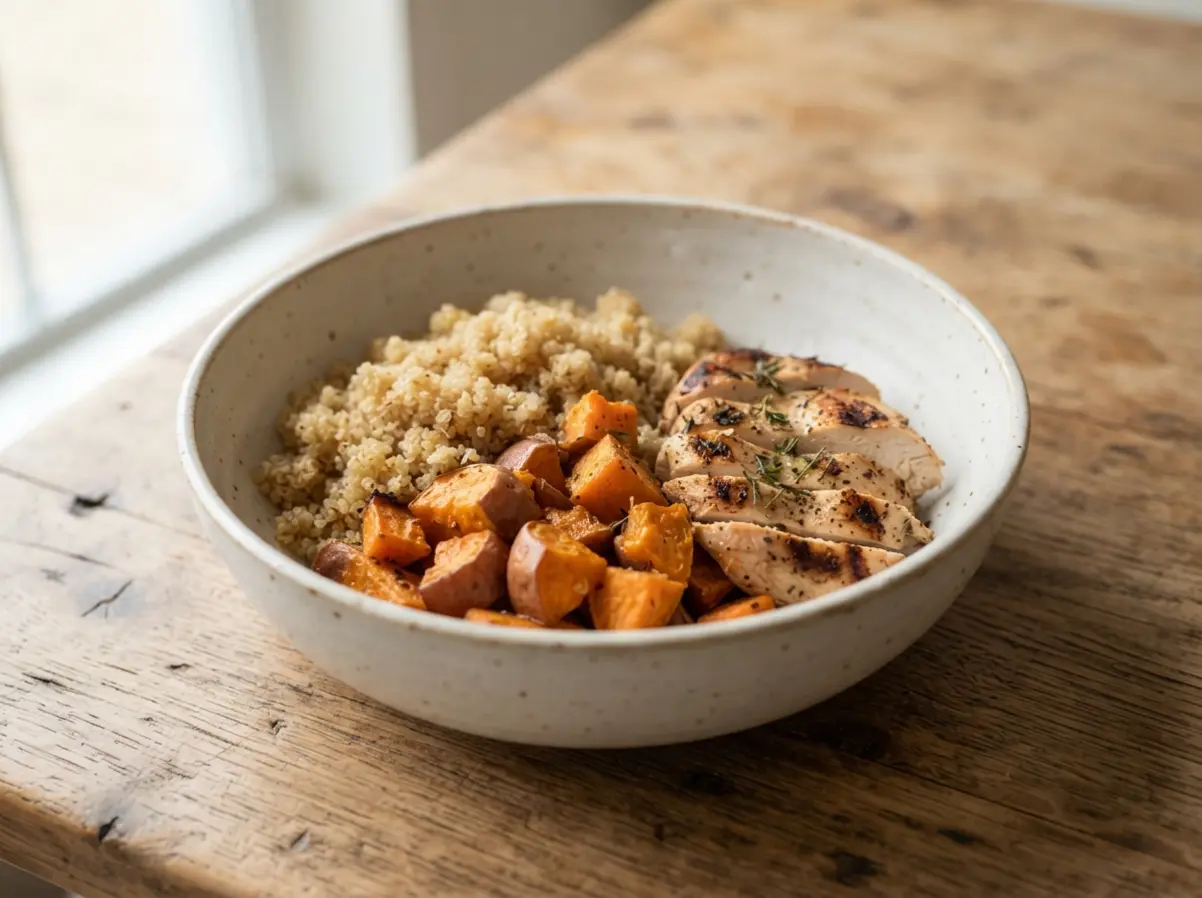
Defining Basal Metabolic Rate and Energy Processes
Your basal metabolic rate is the energy you burn just to stay alive, like breathing and pumping blood, and it accounts for most of your daily calorie use, forming the base for reliable metabolism boosters. We tend to think of metabolism as digestion, but this background hum is the real engine. The thermic effect of food is the smaller, specific energy cost of breaking down your meals, which aligns with how metabolic pathways in metabolism boosters activate. Protein uses far more of this energy than carbs or fat, which is why a high-protein breakfast gives your system more work to do. Building lean muscle mass through resistance training directly raises your BMR, confirming why strength work ranks among proven metabolism boosters, as muscle tissue needs more fuel at rest.
This is the long-term structural change you want for your metabolic health, ensuring your metabolism boosters keep functioning well. The thermic effect of food accounts for about ten percent of your total energy use each day. Focusing on protein intake will maximize that number. You will also want to pair this with consistent movement to complete the cycle.
Distinguishing Scientific Evidence from Supplemental Marketing Hype
The good news is you can get a real, modest metabolic lift from your morning coffee or a cup of green tea, thanks to compounds like EGCG, proving that simple metabolism boosters are often already available. Here is the thing. These stimulants work by increasing catecholamine activity for a short-term boost in lipolysis, which is the breakdown of fat for energy. Trust me on this, as many real metabolism boosters show, the effect is temporary and small compared to the impact of your daily habits. You will notice many products promise to ‘supercharge’ your system with a single ingredient, unlike verified metabolism boosters, but this often overstates the science. A true physiological impact comes from your overall diet quality and activity level, rather than quick fixes marketed as metabolism boosters. Relying on a supplement to offset a poor diet is the most common misconception.
1. The Power of Resistance Training for Muscle Growth

A common mistake is focusing on the same weights and repetitions every session, but varying your routine unlocks the full potential of metabolism boosters. This approach fails to challenge muscles, which limits how well your metabolism boosters can actually function. Muscle growth requires progressive overload. You must increase the weight, repetitions, or sets over time to stimulate adaptation.
Resistance training works by creating microscopic damage to muscle fibers, a process that activates tissue repair pathways similar to those targeted by natural metabolism boosters. This damage triggers a repair process that builds stronger, larger muscle tissue. The process also elevates your basal metabolic rate. More muscle mass means your body burns more calories at rest, showing why physical routines rank as top-tier metabolism boosters.
Research consistently shows this increased muscle mass is one of the most effective long-term metabolism boosters. For a foundational understanding of how to apply these principles, read about ways to kick start metabolism. Begin with two to three strength sessions per week, focusing on compound movements like squats and presses to maximize your metabolism boosters.
2. Choosing High-Protein Dietary Sources
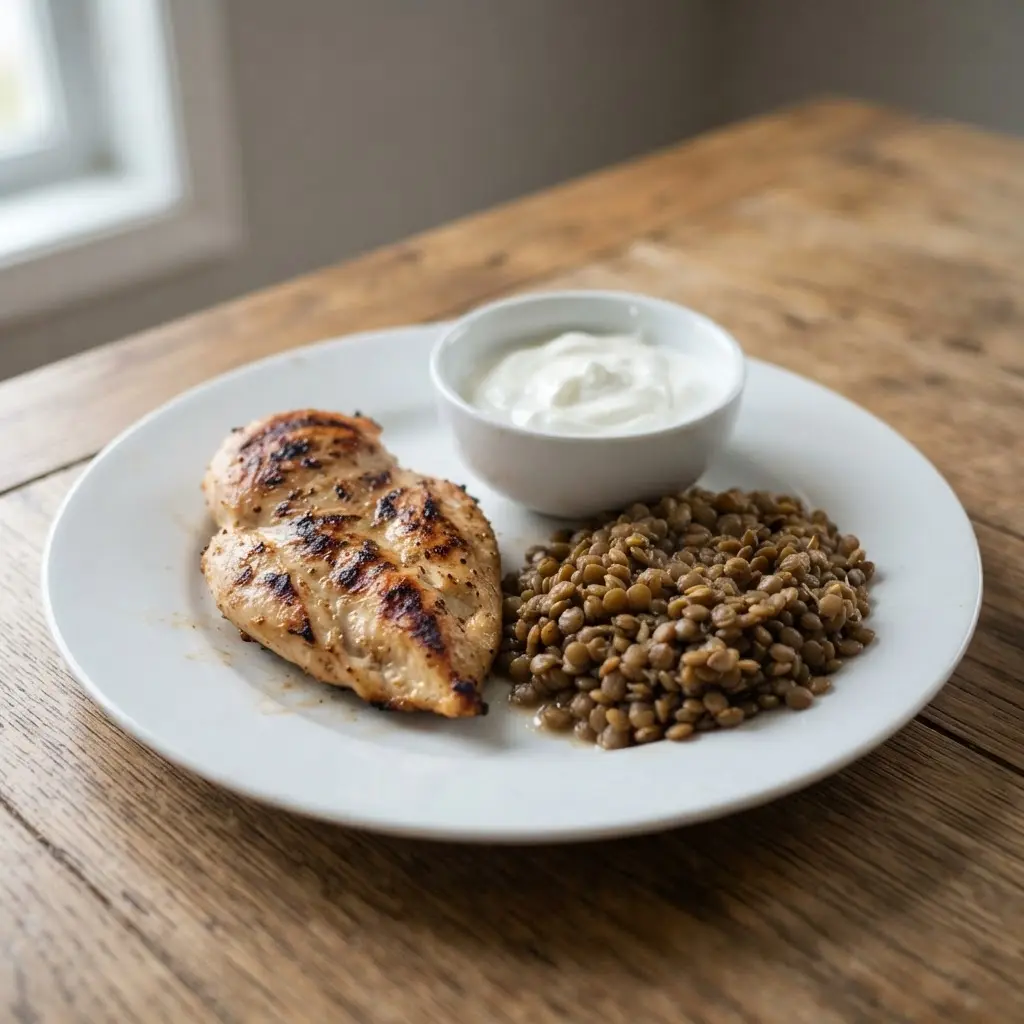
Prioritize complete proteins from animal sources or combine plant-based options, as these nutrients fuel your daily metabolism boosters. These proteins contain all nine essential amino acids your body cannot produce. For example, a 3.5-ounce serving of cooked chicken breast provides about 31 grams of protein. Include fish like salmon or tuna for omega-3 fatty acids alongside their protein, another great source among natural metabolism boosters.
Eggs are another excellent and versatile complete source. If you follow a plant-based diet, combine grains and legumes throughout the day to form complementary proteins. This approach directly supports muscle maintenance and enzyme production, creating the right environment for your metabolism boosters to thrive. You will find these foods help you feel full longer, which aids in managing your daily calorie intake. For a broader foundation, read our general healthy eating tips before focusing on specific nutrients. Always consult a healthcare professional or registered dietitian for personalized dietary advice.
3. Daily Sleep Hygiene Practices for Recovery

Picture this, as you explore different metabolism boosters. It is 9:30 PM, and you are finishing your evening routine. The next 60 minutes are critical for signaling to your body that it is time to rest. This is where sleep hygiene begins. Establish a consistent sleep-wake schedule. Go to bed and wake up at the same time every single day, even on weekends. This consistency regulates your circadian rhythm, which is essential for deep, restorative sleep.
Aim for 7 to 9 hours of sleep each night. Optimize your bedroom environment for recovery. Keep the room completely dark with blackout curtains or an eye mask. Maintain a cool temperature, ideally between 60 and 67 degrees Fahrenheit. Remove all electronic devices and work materials to strengthen the mental association that this room is for sleep only. Quality sleep stabilizes your mood and sharpens your cognitive function, which is vital for managing daily challenges. Research directly links poor sleep to increased anxiety and a higher risk of relapse.
A solid foundation in sleep hygiene supports your body’s natural healing processes. For many people, improving sleep quality is a key step in effectively losing belly fat, as proper rest helps regulate the hormones that control appetite and metabolism. Always consult a healthcare professional before making changes to your health routine. Do not make up for lost sleep on the weekends.
4. Non-Exercise Activity Thermogenesis: Move More

A common belief is that only dedicated exercise matters for your metabolism, but consistent walking actually powers those daily metabolism boosters throughout the day. The truth is that everyday movement can have an equally powerful effect. Non-Exercise Activity Thermogenesis is the energy you burn from all activities outside of sleeping, eating, or working out. This includes standing, walking, cooking, and even fidgeting.
The cumulative calorie burn from these small movements can be significant, confirming how simple metabolism boosters build up over time. This continuous low-level activity helps maintain insulin sensitivity and keeps your metabolic rate active. Research indicates this is a key factor in long-term weight management. For instance, understanding unexpected weight gain causes often reveals a sharp drop in daily movement. Focus on accumulating movement throughout your entire day, not just during a workout window.
5. Understanding the Thermic Effect of Food
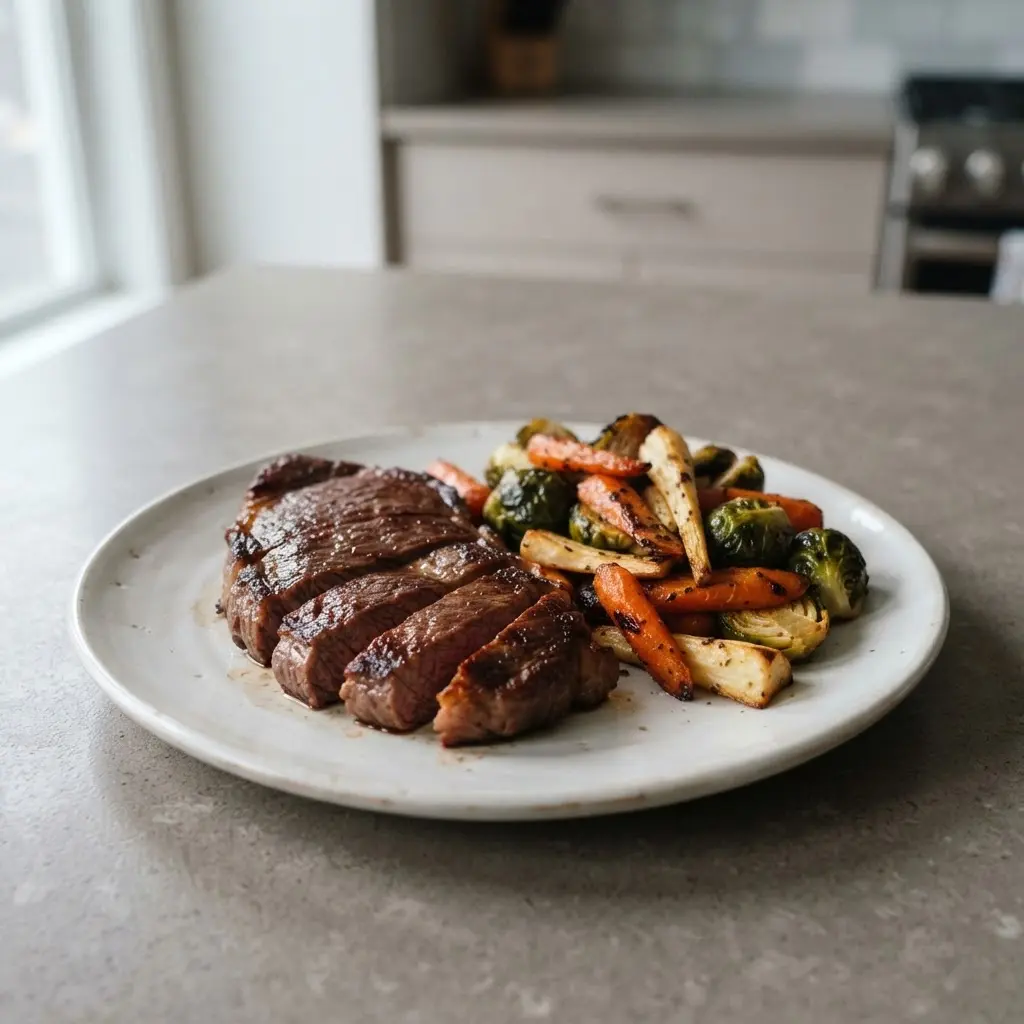
Have you ever wondered why some foods seem to use more energy to digest than others? This process is called the thermic effect of food. Your body expends energy to digest, absorb, and metabolize nutrients, which is exactly how food-based metabolism boosters generate heat. This energy expenditure accounts for about 10% of your daily calories.
The thermic effect varies significantly by macronutrient. Protein requires the most energy to process, burning 20 to 30 calories for every 100 calories consumed. Carbohydrates have an intermediate effect, while dietary fats require very little energy. Whole, unprocessed foods also demand more energy due to their fiber content compared to refined items. This means your food choices directly influence your total daily energy expenditure. A common mistake is focusing solely on meal frequency. Research indicates total daily thermic effect is similar whether you eat three large meals or six small ones, provided your total calories are the same. The composition of your diet is the key factor.
If you are not seeing expected changes in your daily energy expenditure, examine other reasons for not losing weight such as overall calorie intake. Prioritize protein and whole foods to naturally support a higher metabolic rate through digestion.
6. Hydration and Its Role in Metabolic Function

Think of water not as a passive drink, but as a core component of proven metabolism boosters that powers your internal chemistry. Every single metabolic process, from breaking down food to generating energy, relies on it. Maintain a consistent fluid intake throughout the day, aiming for a total that keeps your urine pale yellow. Dehydration slows down these chemical reactions, reducing the rate at which your body processes fuel.
Water dissolves nutrients so they can be absorbed and carries waste products out of the body. It also regulates your core temperature and maintains electrolyte balance, which are essential for energy production. Research suggests even mild dehydration can reduce your basal metabolic rate. Do not wait for thirst to signal a need for water. By that point, your metabolic efficiency may already be compromised.
7. Managing Chronic Cortisol Levels for Balance

A common mistake is to rely on a single blood test to diagnose chronic stress, which overlooks the broader patterns needed to optimize your metabolism boosters. For an accurate picture, a salivary cortisol test is often recommended. This test measures your cortisol rhythm at multiple points during the day, revealing if your levels are elevated at night when they should be low.
Chronic high cortisol can cause weight gain around the abdomen, disrupt sleep, and suppress immune function. To manage it, focus on establishing consistent daily routines. Maintain a fixed wake time every morning. Practice a brief mindfulness exercise for five minutes before bed. These actions signal to your body that it is safe to deactivate the stress response. Research suggests that consistent sleep and stress management are foundational for metabolic health. Many people find that a diet rich in whole, nutrient-dense foods for feeling full and thin supports this balance further. Always consult a healthcare professional before making changes to your health routine.
8. The Significance of Balanced Micronutrient Intake

Prioritize whole foods over processed ones to ensure your body receives the full spectrum of micronutrients it requires, which directly fuels your metabolism boosters. Vitamins and minerals act as essential cofactors for the thousands of enzymes that drive your energy systems. For example, B vitamins, magnesium, and iron are directly involved in converting food into usable energy. A diet lacking these key nutrients can lead to persistent low energy, even if you are eating enough calories.
Research suggests optimal micronutrient levels are fundamental for efficient cellular function and resilience. Do not assume you are meeting your needs simply because you feel no acute symptoms; subclinical deficiencies are common. For a deeper understanding of how specific nutrients support metabolic health, read about effective weight loss supplements. Always consult a healthcare professional before making changes to your health routine.
9. Building Consistent Daily Movement Patterns

Picture yourself finishing a work call and choosing to stand and walk around your living room for five minutes instead of immediately sitting back down, a habit that naturally activates metabolism boosters throughout the afternoon. Begin by tracking your current activity for one week. Do not start with an intense hour-long workout. Focus on adding small blocks of movement. Integrate more Non-Exercise Activity Thermogenesis into your day. Take the stairs. Pace while on the phone. Park farther from the store entrance. These actions accumulate.
Consistent movement regulates blood sugar and builds muscle, which directly supports metabolic health. Schedule these activities into your calendar as non-negotiable appointments, just like a meeting. Treat these small habits with the same priority as any major workout. You will build momentum quickly.
10. Supporting Hormonal Regulation for Overall Health

A common misconception is that hormonal imbalances are solely due to aging or genetics, yet daily habits heavily influence how your body responds to any metabolism boosters. Lifestyle factors are powerful and often overlooked regulators of your endocrine system. Chronic stress, for instance, elevates cortisol. This hormone directly influences insulin and thyroid function. A diet rich in essential vitamins and minerals provides the raw materials for hormone production.
Manage your sleep schedule to regulate melatonin and cortisol. These actions create a stable internal environment for all your body’s chemical messengers. Supporting this balance matters because hormones control your metabolic rate, energy expenditure, and fat storage. It is the foundation for sustained vitality. A practical step is to incorporate regular exercise for weight management. This activity improves insulin sensitivity and supports healthy levels of sex hormones. Always consult a healthcare professional for diagnosis and treatment of hormonal imbalances.
Integrating Habitual Changes for Sustainable Metabolic Health
The fastest way to build a faster metabolism is to pair consistent resistance training with a protein-dense eating pattern. This combination tackles both sides of the equation by preserving muscle mass and maximizing the thermic effect of your food. Your body’s cellular hydration status is another key player, as dehydration creates a physiological environment that hampers metabolic efficiency. Drinking enough water supports every energy process. Remember, spicy foods with capsaicin provide a mild, short-term thermogenic effect, but they are not a cure-all. The goal is cumulative change. Focus on these foundational habits instead of chasing quick fixes for the most sustainable support of your weight management goals.
Conclusion
Supporting your metabolism is really about caring for your body’s basic needs. It’s less about a quick fix and more about building a lifestyle that helps you feel energized. A great place to start is by picking one habit from this list, like adding a protein source to your lunch or taking a short walk after dinner. Small, consistent steps add up to meaningful change over time. Remember, these natural metabolism boosters work best when they become part of your regular routine. Your body will thank you for the steady, supportive care.
FAQs
Q: What is the fastest way to boost my metabolism?
A: Building muscle through strength training is one of the most effective long-term strategies. Muscle tissue uses more energy than fat, even when you are resting. Combining this with eating enough protein supports this process.
Q: Do metabolism booster pills or supplements work?
A: Many supplements make strong claims but lack solid scientific support. They are not a substitute for foundational habits like nutrition, exercise, and sleep. Focus on whole foods and consistent activity for reliable results.
Q: Can drinking cold water really boost metabolism?
A: Your body uses a small amount of energy to warm cold water to body temperature. While this effect is real, it is very modest. Staying well-hydrated supports all your body’s functions, which is more important.
Q: How does sleep affect my metabolic rate?
A: Poor sleep can disrupt hormones that regulate hunger and energy use. It can make you feel hungrier and less energetic. Getting consistent, quality sleep helps keep these hormones in a healthy balance.
Q: Will eating spicy food speed up my metabolism?
A: Some spices, like capsaicin in chili peppers, can cause a small, temporary increase in energy use. However, this effect is minor and short-lived. It is not a substitute for other healthy lifestyle habits.