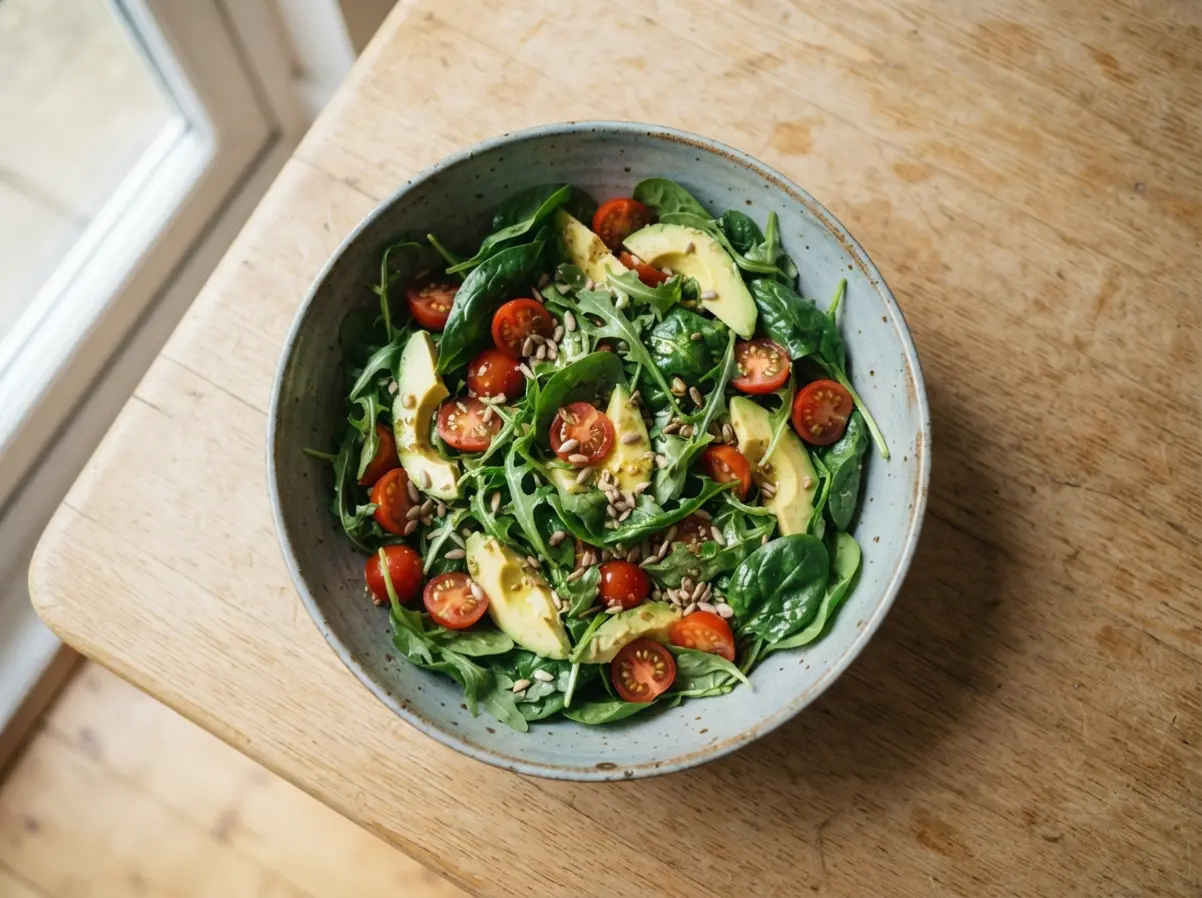
Establishing Nutritional Goals Before Adjusting Routine
The biggest mistake we make is starting with a list of restrictions instead of a clear target for our metabolic health. You need to decide if your primary goal is glycemic stability for steady energy, improved satiety to avoid late-day binges, or a specific fiber intake for gut health. Applying foundational Healthy Eating Tips stops you from chasing every new trend and helps you build a routine around one solid principle. Trust me on this, a single measurable goal like managing your blood sugar makes every grocery trip simpler.
Understanding Metabolic Principles for Sustainable Success
Your body craves consistency, not chaos, which is why skipping meals almost guarantees a high-sugar, high-fat snack attack later. Following proven Healthy Eating Tips means you can prevent this by planning for consistent meal frequency to maintain stable blood sugar. This principle of glycemic stability is far more powerful for long-term healthy weight management than counting every single calorie. We tend to overlook how our body processes different types of carbohydrate, but that is the real key. When you prioritize this metabolic rhythm, your energy levels even out and those intense cravings begin to fade.
1. Whole Food Selection Strategies for Nutrient Density
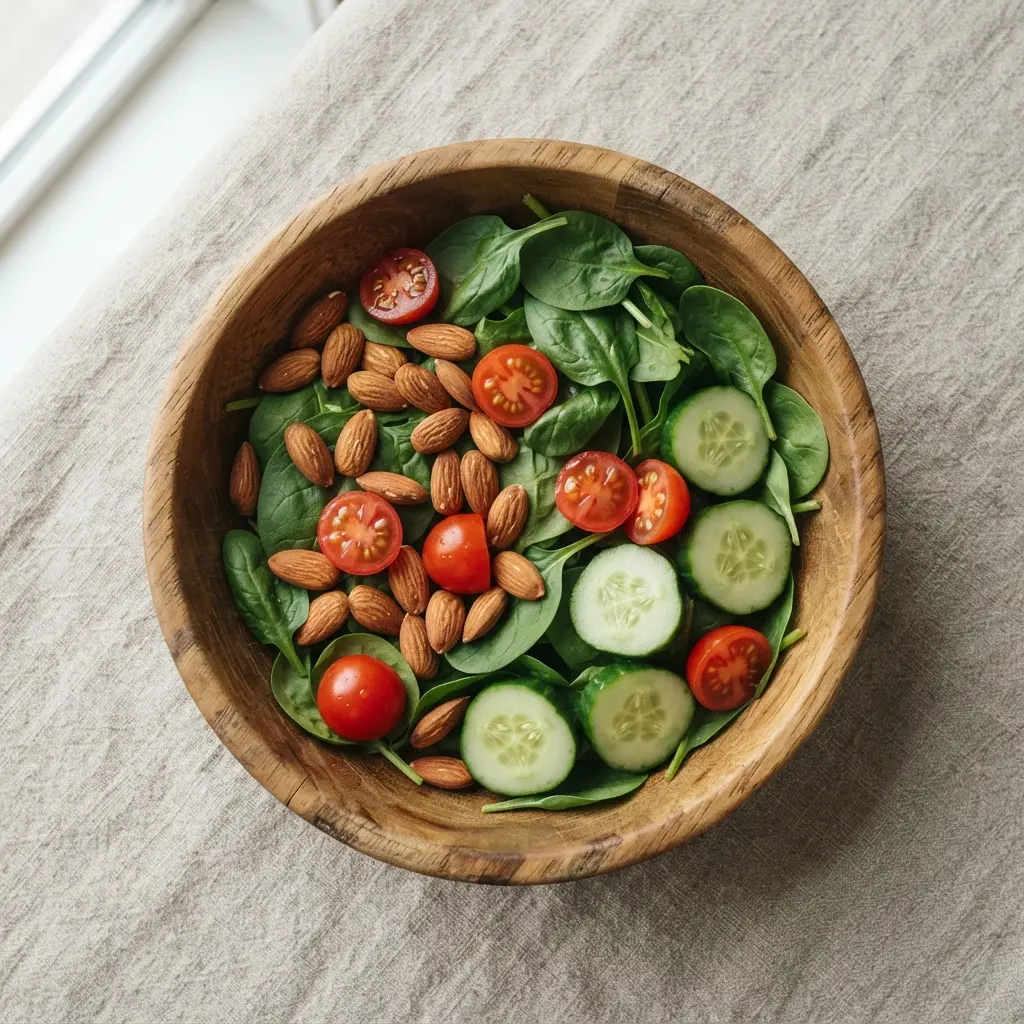
Ever wonder how to get the most nutrition from your calories? The goal is to choose foods packed with vitamins, minerals, and fiber. Start by prioritizing unprocessed and minimally processed foods. This means choosing whole grains like oats or quinoa over refined white bread, and snacking on whole fruits instead of juice. Embrace a rainbow of colors on your plate, because different colored produce offers unique phytonutrients that support your health. Aim for at least three different colors daily to implement effective Healthy Eating Tips visually. This simple habit ensures a wide spectrum of nutrients for healthier eating. Incorporate known nutrient powerhouses like leafy greens, berries, and legumes regularly. For more foundational guidance on making better food choices every day, that resource is a great next step. Remember, the best strategy is variety. No single item has it all, so mixing your selections keeps your meals exciting and balanced.
2. Balanced Macro Nutrient Portions — The Simple Plate Method
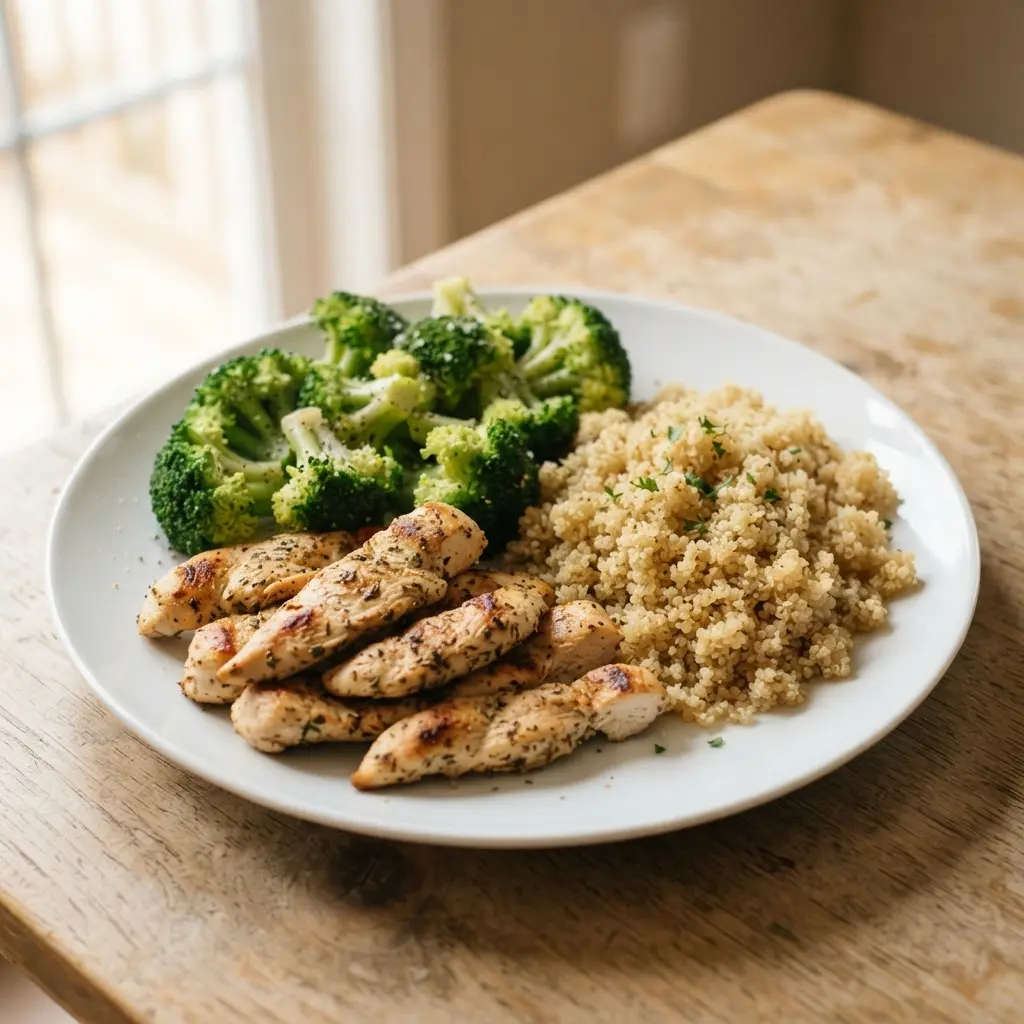
Ever feel overwhelmed by trying to perfectly measure your meals? The Simple Plate Method cuts through that complexity with a visual guide anyone can follow. Imagine dividing a standard dinner plate into three clear sections. Half the plate gets filled with colorful, non-starchy vegetables like broccoli or spinach for healthier choices. One quarter is for lean protein such as chicken or tofu, and the final quarter holds a whole grain like brown rice or a starchy vegetable. It works because this visual split naturally encourages balanced decisions without any scales or math. You get a good mix of energy from carbohydrates, building blocks from protein, and plenty of nutrients from the veggies, all contributing to a healthier diet. A key tip is to remember healthy fats, like a thumb-sized portion of avocado or nuts, as a crucial addition beyond the plate for satiety and nutrient absorption. Applying these Healthy Eating Tips provides a fantastic foundation for building a sustainable routine. For a deeper look at building consistency, reading about how to improve your daily eating habits can provide valuable next steps.
3. Mindful Eating Behavioral Techniques to Improve Nutrition
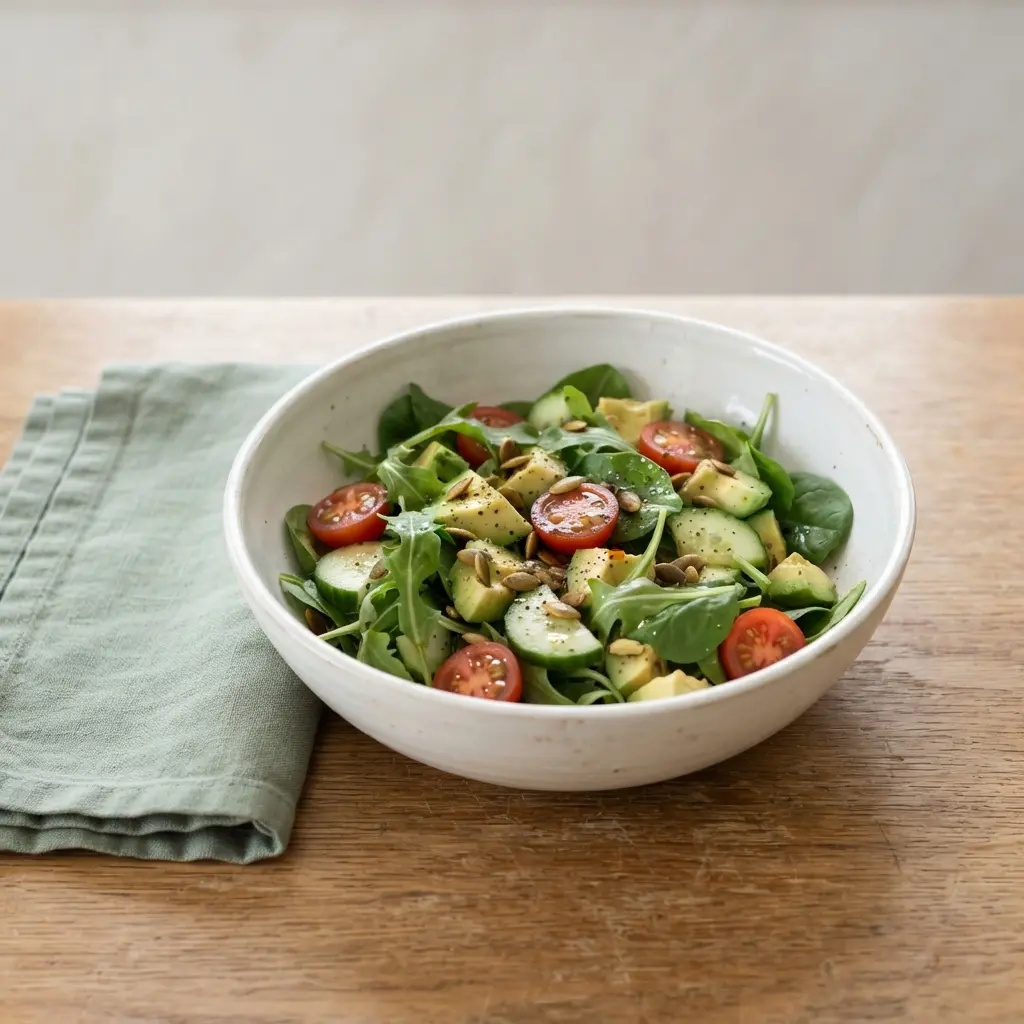
Have you ever finished a meal and realized you barely tasted it? That disconnect is exactly what mindful Healthy Eating Tips fix perfectly. A foundational technique is the pre-meal pause is essential for healthier eating.. Before you dig in, take a few deep breaths and ask yourself why you are eating, especially to avoid eating too much. Are you truly hungry, or just bored or stressed? This simple check-in helps you make more conscious decisions based on your body actual needs. During the meal, slow down and engage your senses. Put your fork down between bites and really notice the flavor and texture of your dish. This practice allows your system to register fullness signals, which prevents overeating and leads to more satisfying nutrition. It is a gentle way to build a better relationship with what you consume. A practical tip is to use a mental hunger scale from one to ten. Try to start eating when you are at a three or four and aim to stop at a six or seven. This tool helps you tune into natural cues rather than relying on external signals like a clean plate.
4. Structured Meal Planning Methods for Busy Schedules

Ever feel like dinner time is a daily scramble? Making healthier choices can help simplify it. A structured approach can turn chaos into calm. One popular method uses weekly theme nights, which gives you a simple framework like Taco Tuesday so you only need to pick a specific recipe each week. For more hands-off weekdays, try dedicating a few weekend hours to batch cooking. Cook grains, proteins, and vegetables in bulk, then store them in portioned containers for easy assembly. This method ensures you have solid options ready when you are hungry, saving you from last-minute takeout runs. Another smart tactic is to intentionally cook extra. A large roast chicken can become salads, sandwiches, or taco filling later in the week, making your meal planning more efficient. Following structured Healthy Eating Tips brings foundational guidance for building sustainable routines. These easy strategies are a great place to start finding relief. The payoff is less stress, more consistency, and more free time for yourself.
5. Daily Hydration Optimization Tips for Overall Wellness

Ever feel that afternoon slump or a dull headache? Your body might be signaling for more fluids. Optimizing your hydration starts with understanding personal needs, which vary with your activity, climate, and overall health. Instead of just counting glasses, pay attention to physical cues. Aim for urine the color of pale lemonade and keep a focus on hydration to aid in healthier eating. reusable water bottle within easy reach all day. Making water more appealing can be simple. Try infusing it with slices of lemon, cucumber, or fresh mint for a natural flavor boost without any added sugar. This small step makes it much easier to reach for water consistently. If you find plain water a bit boring, focus on eating more fluid-rich produce as part of your daily routine. Foods like watermelon, berries, and celery contribute to your daily intake and provide valuable fiber. A practical step is learning how to make healthy food tasty so you actually enjoy these nutritious selections. These hydration-focused Healthy Eating Tips complement your wellness goals beautifully while preventing diabetes.
6. Smart Grocery Shopping Habits to Support a Healthy Diet

Have you ever walked out of the store with a cart full of snacks you did not plan to buy? The most effective defense is to eat healthy. plan your meals and create a detailed shopping list before you go. Check your pantry, choose recipes for the week, and write specific items like one head of broccoli or two chicken breasts. This simple habit saves you time and money while ensuring you have the ingredients for balanced plates. Never shop when you are hungry. Eating a small bite with protein and fiber, like an apple with peanut butter, before you leave helps you stick to your list. It prevents those hunger-driven impulse purchases of processed items that can derail your targets. Drinking water also helps you feel full and focused. Start your trip by shopping the perimeter of the store for healthier choices. This is where you will find most of the fresh, whole items like produce, lean proteins, and dairy. Filling your cart with these selections first makes it easier to limit packaged treats from the inner aisles. It is a straightforward way to support daily Healthy Eating Tips without extra effort.
7. Healthy Snack Alternatives List for Energy and Fiber
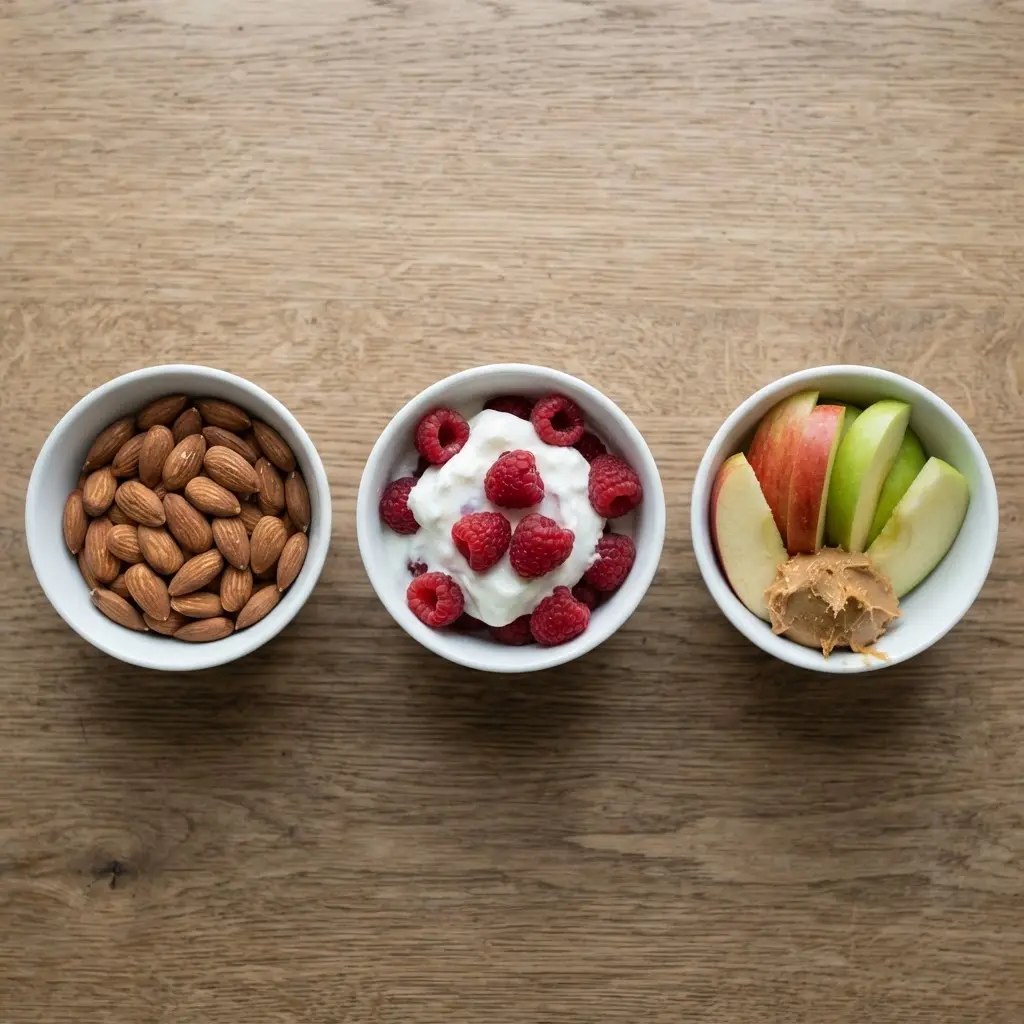
Ever feel that mid-afternoon slump and reach for a sugary pick-me-up, only to crash harder later? A smarter strategy can keep your energy steady for hours. For lasting fuel, combine foods rich in complex carbohydrates with a source of protein or good fat. Think apple slices with almond butter, or whole-grain crackers with hummus. This mix slows digestion, providing a gradual release of glucose to your brain and muscles instead of a quick spike. This works because fiber and protein increase satiety and help regulate blood sugar. It is a simple way to support your digestive health and overall wellness while managing hunger. Following these Healthy Eating Tips provides a deeper look at foundational benefits. The importance of this approach can really motivate small daily changes towards healthier eating. Remember to watch portion sizes with calorie-dense options like nuts, and always pair high-fiber snacks with plenty of water.
8. Sustainable Kitchen Cooking Methods to Preserve Vitamins

You might be surprised how much of your food’s value survives the cooking process with the right technique. The goal is to minimize exposure to heat and water, which degrade delicate nutrients. For vegetables, steaming is a top choice because the ingredients cook above the water, preventing vitamins from leaching out. Another excellent method is stir-frying, where small pieces of cereal cook rapidly over high heat with minimal oil. The very short cooking time preserves the texture and essential minerals. For a truly efficient approach, try microwaving with just a tablespoon or two of water. This method uses internal steam to cook ingredients incredibly fast, which retains their natural value perfectly. Just be careful not to overcook anything. Building these kitchen skills supports practical Healthy Eating Tips that last a lifetime. Mastering these simple techniques establishes habits that stick. These important habits for healthier eating transform daily cooking from a chore into a reliable routine.
9. Fruit and Vegetable Variety — A Rainbow for Good Nutrition

Ever feel like you are stuck in a rut with the same apples and carrots? This simple shift makes a huge difference. The idea is to consume a wide variety of colorful produce, often called eating the rainbow. Each color group offers a unique set of vitamins, minerals, and protective plant compounds that work together to support your health. For example, red items like tomatoes and strawberries are packed with lycopene for heart health. Orange and yellow options such as sweet potatoes and mangoes provide beta-carotene for vision support. The different types of fiber from this varied diet help maintain a strong gut microbiome, which is crucial for preventing heart disease. Relying on just a few favorites means you miss out on this broad spectrum. Try adding at least three different colors to your plate at each meal. Applying colorful Healthy Eating Tips makes discovering new flavors enjoyable and sustainable, ensuring your system gets diverse nutrients it needs for optimal wellness.
10. Reading Nutrition Label Facts for Informed Choices

That panel on the back of a package looks complex, but it is your best tool for making informed food choices. Start by always checking the serving size first, as all the numbers on the label rely on that single amount. Many people miss this and accidentally consume two or three servings, doubling their intake of calories, sodium, and added sugars without realizing it, which can lead to weight gain. Next, use the % Daily Value (%DV) as a quick guide. A five percent DV or less is low for elements like saturated fat and sodium, which you likely want to limit. Aim for twenty percent DV or more for components you want more of, such as dietary fiber. Remember, the percentage is based on a 2,000-calorie diet, so your personal needs may vary. This practice helps you build a pattern of better routines over time. Understanding labels empowers you to manage your health and skip unwanted ingredients. After checking a package, you might decide to explore healthy snack ideas that are higher in fiber. Practicing label-reading Healthy Eating Tips transforms confusion into clarity during every shopping trip.
Refining Long Term Dietary Patterns Through Tracking
Forget calorie counts and track your satiety and energy levels for two weeks to see what options truly work for you. You will notice patterns, like how a breakfast rich in protein and good fat keeps you full longer than a heavy one. This personal data is gold because it shows exactly which food groups support your unique metabolism. Use these insights to gently adjust your routine, adding more of what fuels you and less of what drains you. Applying long-term Healthy Eating Tips through consistent tracking yields lasting results. This method builds a sustainable approach rooted in how you feel, not in arbitrary rules.
Conclusion
Improving your diet is not about a single perfect meal, but about the small, consistent choices you make each day. The most effective strategies are the ones you can stick with long-term, the ones that make you feel energized and satisfied. Pick one idea from this list that feels manageable this week, like adding an extra vegetable to your dinner or planning your snacks ahead of time. Progress builds momentum. Your relationship with food is a personal experience, and every positive step you take is a victory worth celebrating. Remember that consistent Healthy Eating Tips pave the road to lifelong wellness.
FAQs
Q: What are simple healthy eating tips for choosing yogurt and dairy products?
A: Yogurt and other dairy products can be part of a balanced diet when you choose low-fat or plain varieties and watch added sugars. Look for live cultures in yogurt for probiotic benefits, choose unsweetened or lightly sweetened options, and use chopped fruit to add natural sweetness instead of syrup or cake-like toppings. For those who prefer plant-based options, soy yogurt offers a dairy-free alternative while still contributing protein and calcium.
Q: How can reading food labels help me pick nutrient-dense foods and avoid added sugars?
A: Checking food labels lets you compare serving sizes, calories, and amounts of added sugars, saturated fat, sodium, and fiber so you can choose nutrient-dense foods. Watch for terms like “added to foods” or syrup in the ingredients list, and prioritize items lower in sugar and high in fiber and protein. Labels also help identify high in calories products or those that contribute to weight gain, such as many fast food-style packaged items and desserts.
Q: Are fruit juices and fruit smoothies healthy choices or do they contribute to weight gain?
A: Fruit juices can be high in calories and added sugars and may contribute to weight gain if consumed in excess; whole fruit or chopped fruit is usually a better choice because it contains fiber. If you choose juices, pick 100% fruit juice in small portions and avoid those with syrup or added sugar. Smoothies can be nutrient-dense when made with whole fruit, unsweetened yogurt or soy milk, and a source of protein or healthy fat to slow absorption.
Q: What fats should I include or limit—what about olive oil, vegetable oils, ghee, lard, and cashew or sunflower oils?
A: Favor unsaturated fats like olive oil, sunflower, and many vegetable oils and nuts such as cashew for cooking and dressings, as they can support heart health and help manage cholesterol when used instead of saturated fats. Limit ghee and lard and reduce intake of foods high in saturated fat. Choosing unsaturated options rather than high-fat fast foods or cakes with hydrogenated fats supports a balanced diet and may lower risk of heart disease and stroke.
Q: How does healthy eating help prevent type 2 diabetes, high blood pressure, heart disease and stroke?
A: A balanced diet rich in nutrient-dense foods—vegetables, whole grains, lean protein, legumes, and unsaturated fats—helps control weight, blood sugar, and blood pressure, reducing the risk of type 2 diabetes, high blood pressure, heart disease and stroke. Limiting foods and drinks high in added sugars, salt, and saturated fats, while increasing fiber, potassium-rich foods (like bananas and beans), and physical activity further protects health and wellbeing.