Which books about healthy eating deserve your time? Essential books about healthy eating usually combine sound nutrition research with practical cooking, meal planning, habit support, plant-forward guidance, and food system insight. The strongest choices come from registered dietitians, nutrition scientists, doctors, or trusted institutions.
They help you make steady food choices without extreme rules or fear. Choosing a nutrition book feels hard when shelves are full of strong claims and quick fixes. I look for authors with relevant training, clear sources, and advice suited to ordinary meals.
Matching Reading Depth To Your Goals
Choose a meal-planning guide if your main need is getting dinner on the table without rigid rules. Books with clear meal templates and batch-cooking notes help you judge a title by its practical value. A helpful tip when reading Essential books about healthy eating is to focus on daily routine compatibility.
For nutrition basics, look for plain explanations of macronutrients, micronutrients, portion awareness, and food labels. A strong title separates established guidance from claims about detoxes or miracle foods. Check whether recipes include ingredient swaps for allergies, lower-cost staples, and familiar cultural foods.
Visuals such as annotated recipes or simple plate diagrams make dense ideas easier to use. Books centered on recipes suit confident cooks, while nutrition-focused texts fit readers seeking deeper explanations. Good choices respect flexible eating rather than forbidden food lists.
Checking Nutrition Claims And Author Expertise
Check the author’s training before trusting a nutrition book, because a registered dietitian, physician, or credentialed nutrition researcher brings different expertise. Look for citations linked to current public-health guidance, especially when a chapter promises disease prevention, weight loss, or hormone balance. Authors of Essential books about healthy eating typically follow this transparent standard.
A trustworthy author explains study limits and avoids treating one personal eating pattern as universal proof. Check the publication date, since food label rules and dietary guidance change over time. Conflict disclosures matter when a book promotes supplements, branded programs, or strict exclusions.
Strong sources also address food access, budget, cooking time, and cultural traditions rather than assuming one kitchen setup. Sustainability advice deserves similar care, since it involves affordability, seasonality, food waste, and farming impact.
1. Evidence-Based Nutritional Guidelines for Everyday Food Choices
A common mistake is treating one nutrient as the whole measure of a healthy diet. Choose balanced meals built on adequacy, balance, moderation, diversity, and safety. The guidance in Essential books about healthy eating supports this approach because overall food quality matters more than a single ingredient.
Fill meals with vegetables, fruit, whole grains, protein foods, healthy fats, and unsweetened drinks. Build each plate around nutrient-dense foods. Eat varied fruits and vegetables daily, with a general adult target of at least 400 grams.
Include beans, lentils, nuts, seeds, soy foods, eggs, poultry, seafood, or lean red meat, exactly as noted in Essential books about healthy eating. Rotate choices across food groups to widen nutrient coverage. Use daily essential food choices as a simple starting point for meal planning.
2. Practical Meal Planning Strategies for Busy Weeknights

Replace refined grains with whole grains, and select unsaturated fats from foods such as avocados, olive oil, nuts, seeds, and fatty fish. Limit saturated fat to less than 10 percent of daily calories, keeping the advice from Essential books about healthy eating in mind. Keep free sugars below 10 percent of daily calories, and choose water or other unsweetened drinks instead of sugary beverages.
Check labels for sodium, with a general target below 2,300 milligrams daily for people aged 14 and older. Select frozen, dried, or low-sugar packaged foods when their labels support these goals. Adjust portions and protein intake to age, body size, activity, and health status.
Research suggests consistent food choices provide nutrients while reducing excess sodium, sugar, and refined carbohydrates, a point reinforced in Essential books about healthy eating. Store, handle, and cook food safely. Always consult a healthcare professional before making changes to your health routine.
3. Whole-Food Plant-Based Nutrition for Balanced Meals
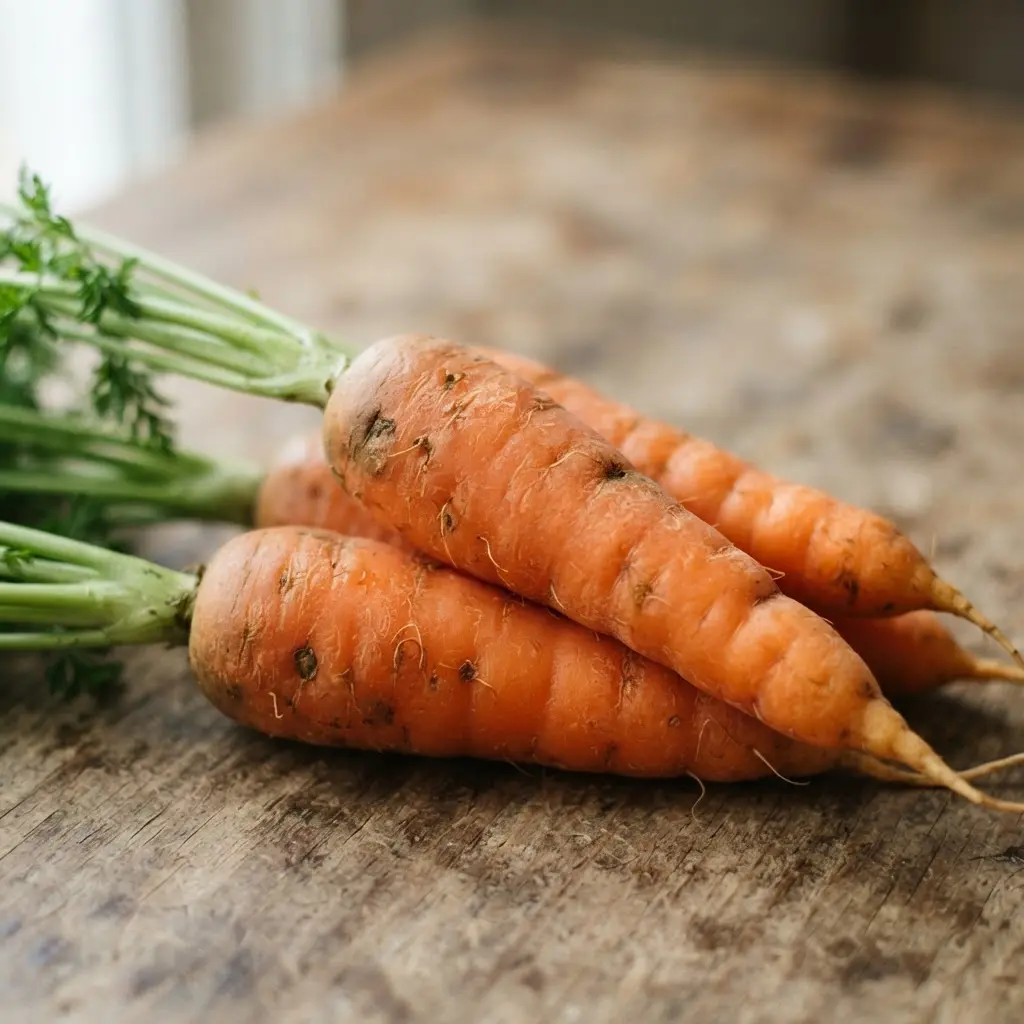
Plan the busiest evenings first, then assign faster meals to those nights, a strategy highlighted by Essential books about healthy eating. Use theme nights such as Meatless Monday, Taco Tuesday, or Stir-fry Thursday to reduce daily decisions. Keep the menu flexible so meals move easily when schedules change.
A simple backup, such as scrambled eggs or a healthy frozen meal, prevents last-minute food choices. Check the pantry and freezer before writing a grocery list. Review canned goods, rice, pasta, cooking oils, spices, vegetables, and proteins already available.
This step prevents duplicate purchases and guides meals around food nearing its use-by date. Build the list from the planned meals, then group items by store section to shorten the shopping trip, following the method in Essential books about healthy eating.
4. Behavioral Psychology of Eating Habits and Daily Routines
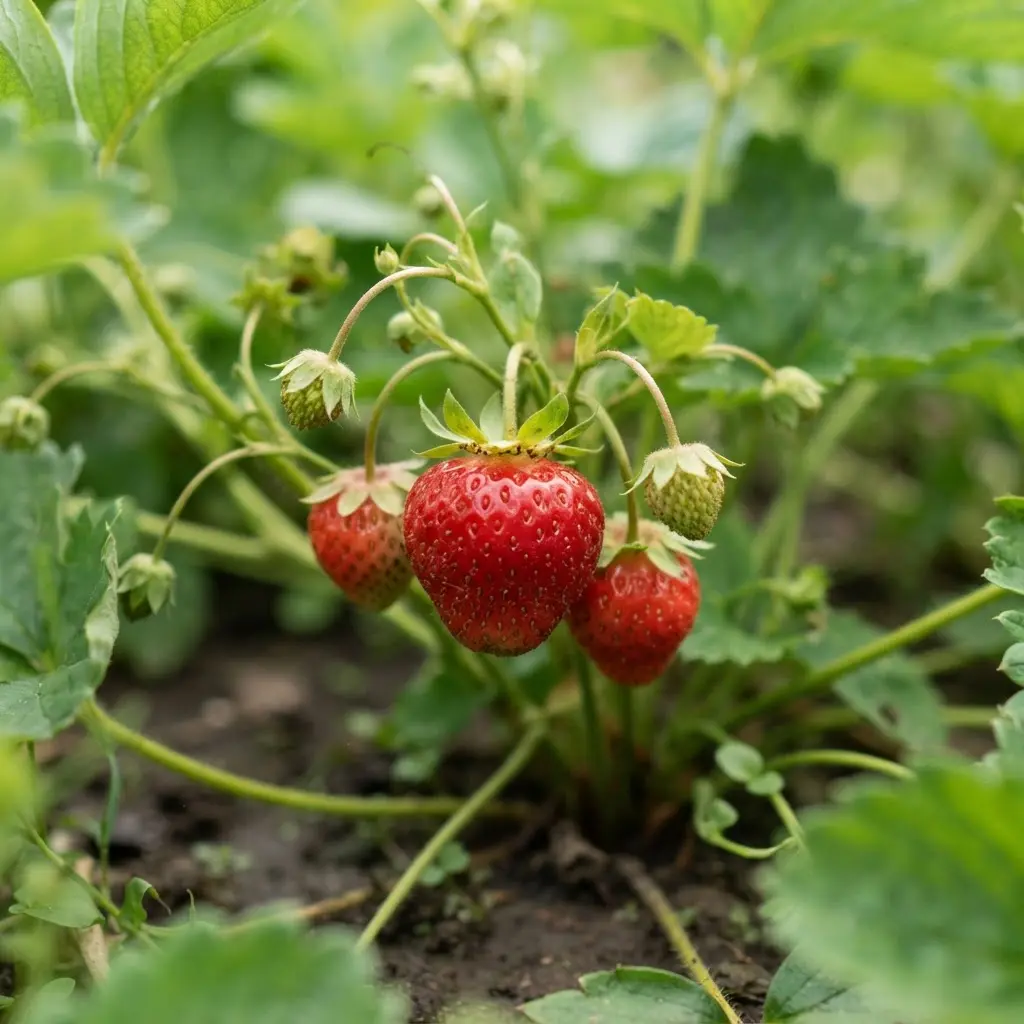
Prepare meal components on one set day, such as a weekend afternoon, which many Essential books about healthy eating highlight for time saving. Cook rice, quinoa, or pasta. Wash and chop vegetables.
Grill chicken, cook ground meat, hard-boil eggs, and mix sauces or dressings. Divide each item into meal-sized portions so ingredients move quickly from the refrigerator to the plate. Research suggests advance preparation reduces food decisions and supports more regular home-prepared meals.
Choose one-pan and one-pot meals when cooking time and cleanup are limited, a concept praised in Essential books about healthy eating. Sheet-pan dinners, stir-fries, soups, slow-cooker meals, and pressure-cooker meals keep the process manageable. Cook extra portions of meals suited to reheating, then place leftovers in labelled containers for lunch or another dinner.
Freeze chopped onions, peppers, herbs, or assembled meals in portions suited to one use. Check freezer containers for safe oven or slow-cooker use before heating. Habits do not form overnight through willpower alone.
5. Food Systems and Industry Education for Informed Choices
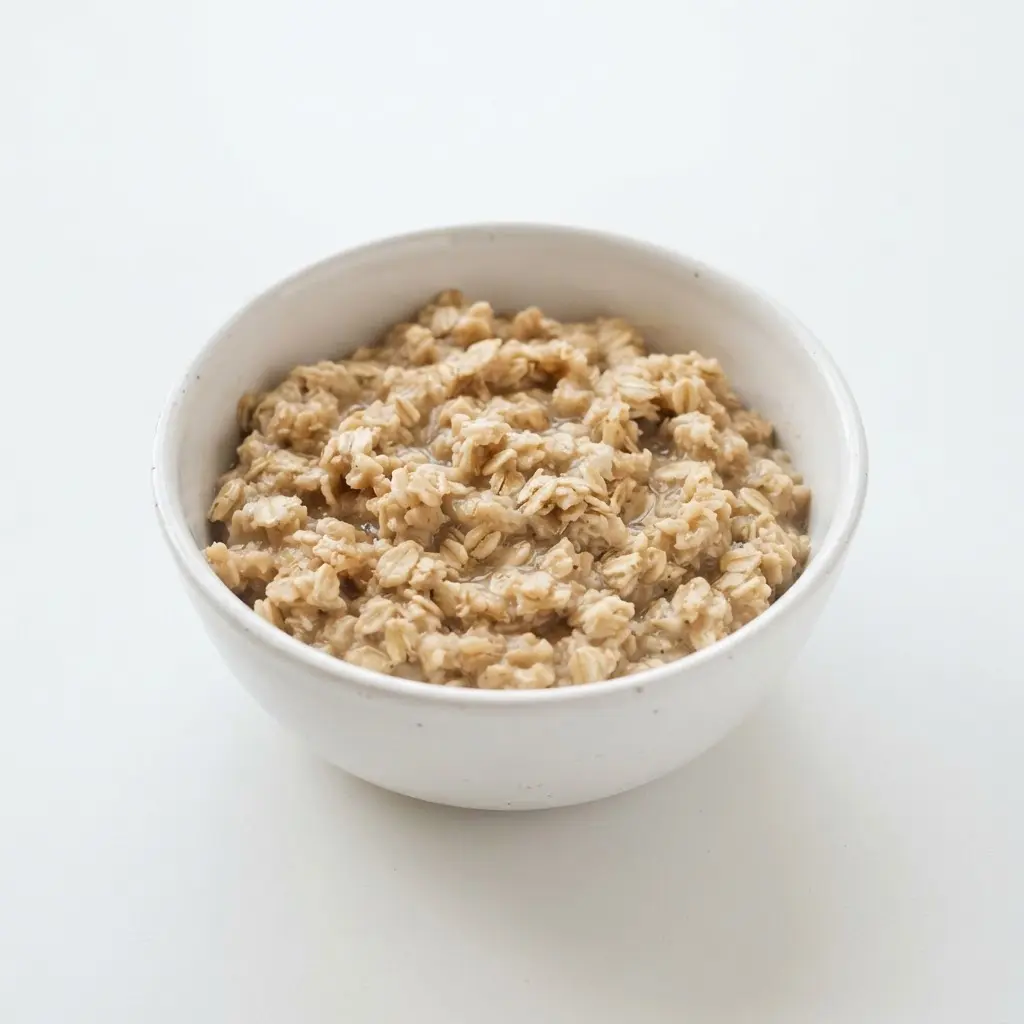
The truth is repeated cue–behavior links make eating actions more automatic over time, a core finding in Essential books about healthy eating. A cue might be breakfast time, the end of a work shift, or sitting at a familiar table. Research found a median of 59 days to reach peak automaticity, though each person follows a different pace.
Start with one clear plan. Choose a reliable cue, then name the eating behavior linked to it. For example, prepare fruit after the afternoon school pickup or serve vegetables with dinner each evening.
Repeat the behavior in the same setting as often as practical. Stable surroundings reduce extra decisions and give self-regulation a clear task. Eating patterns also reflect social and emotional context.
Hunger, mood, current activity, family schedules, and work demands shape each eating situation. Research suggests habit strength reflects more than repetition alone. Consistent performance, a stable context, and enjoyment of the food each contribute.
A pleasant meal is easier to repeat than a plan built around foods you dislike. Build routines around real life rather than forcing a rigid schedule. Adapt the plan during schedule changes such as travel, a new work shift, or a change in family activities.
Keep the cue and behavior clear, then adjust the time or setting. Many people find this approach reduces repeated decisions while preserving comfort, order, and personal identity. Expect gradual progress, not immediate automatic behavior.
Turning Reading Into A Flexible Food Routine
Which books belong on a serious healthy eating shelf? Choose titles explaining food supply chains, industry practices, food policy, and the forces shaping everyday choices. A meal begins long before it reaches a plate.
Farming, processing, transport, pricing, marketing, and retail all affect what shoppers see and buy. Read chapters about food label literacy with a label in hand. Spend 10 minutes comparing ingredient lists, serving sizes, health claims, and added sugars on similar products.
Separate a regulated nutrition detail from advertising language. This practice turns broad nutrition advice into a clear shopping skill. Look for books examining marketing tactics rather than focusing only on individual willpower.
Packaging colors, health language, product placement, and celebrity promotion shape attention before a person compares ingredients. Research-based discussion of these influences gives readers a fairer view of eating decisions and the pressures built into the food environment.
Choose authors who explain evidence limits and identify conflicts of interest. Give priority to books with source notes, dated references, and clear distinctions between established findings and opinion. Avoid titles making sweeping promises from one study or presenting a single diet as suitable for every person.
Use food systems education to ask better questions, compare claims, and make practical choices with fewer assumptions. A weekly meal template helps turn reading into dinners without forcing identical meals or strict portions.
Use it to sketch balanced plates with vegetables, protein, whole grains, and satisfying fats, then adjust amounts for hunger, activity, budget, and culture. Batch cooking earns a place when workdays feel crowded, while ingredient substitutions keep plans useful after a shop runs short. Intuitive eating means noticing hunger and fullness instead of grading meals as good or bad.
Keep recipes alongside a short list of reliable breakfasts, lunches, and dinners. A book’s advice should support leftovers, frozen produce, affordable staples, and gradual habit changes. Revisit nutrition claims when a rule creates guilt or cuts out whole food groups without a clear reason.
Conclusion
Your interest in food is also about daily comfort, family routines, energy, and care for the planet. A useful book respects those needs instead of reducing eating to a number on a scale. Essential books about healthy eating give you ideas for meals, shopping, cooking, and steady habits without demanding perfection.
Use one book as a guide for your next grocery trip. Mark one recipe, one planning idea, and one habit worth testing, guided by Essential books about healthy eating. Then give yourself time to notice what fits your budget, schedule, culture, and appetite.
You do not need to change every meal at once. Keep notes on foods you enjoy, recipes you repeat, and advice you would like to question. If a claim feels extreme, check the author’s sources and seek personal guidance from a registered dietitian or doctor when health needs affect your choices.
A small, steady step today keeps healthy eating practical for tomorrow.
FAQs
Q: Are these books suitable for beginners?
A: Yes. Each selection uses plain language or practical examples. Start with the book matching your main need, such as meals, habits, or food science.
Q: How do I choose a nutrition book I will trust?
A: Check the author’s training, citations, and stated limits. Prefer guidance grounded in nutrition research over personal stories or strict promises.
Q: Are plant-based eating books safe for everyone?
A: Plant-focused books suit many eating styles. People with medical needs, food allergies, or restricted diets should review major changes with a qualified health professional.
Q: Do healthy eating books include meal plans?
A: Some include sample menus, shopping lists, or weekly planning pages. Pick a format matching your schedule and cooking skills.
Q: Should I read a diet book for weight loss?
A: Look for guidance focused on nourishment, habits, and long-term health. A registered dietitian gives personal support when health conditions or medication affect food choices.