Botanical Safety and Quality Sourcing Standards
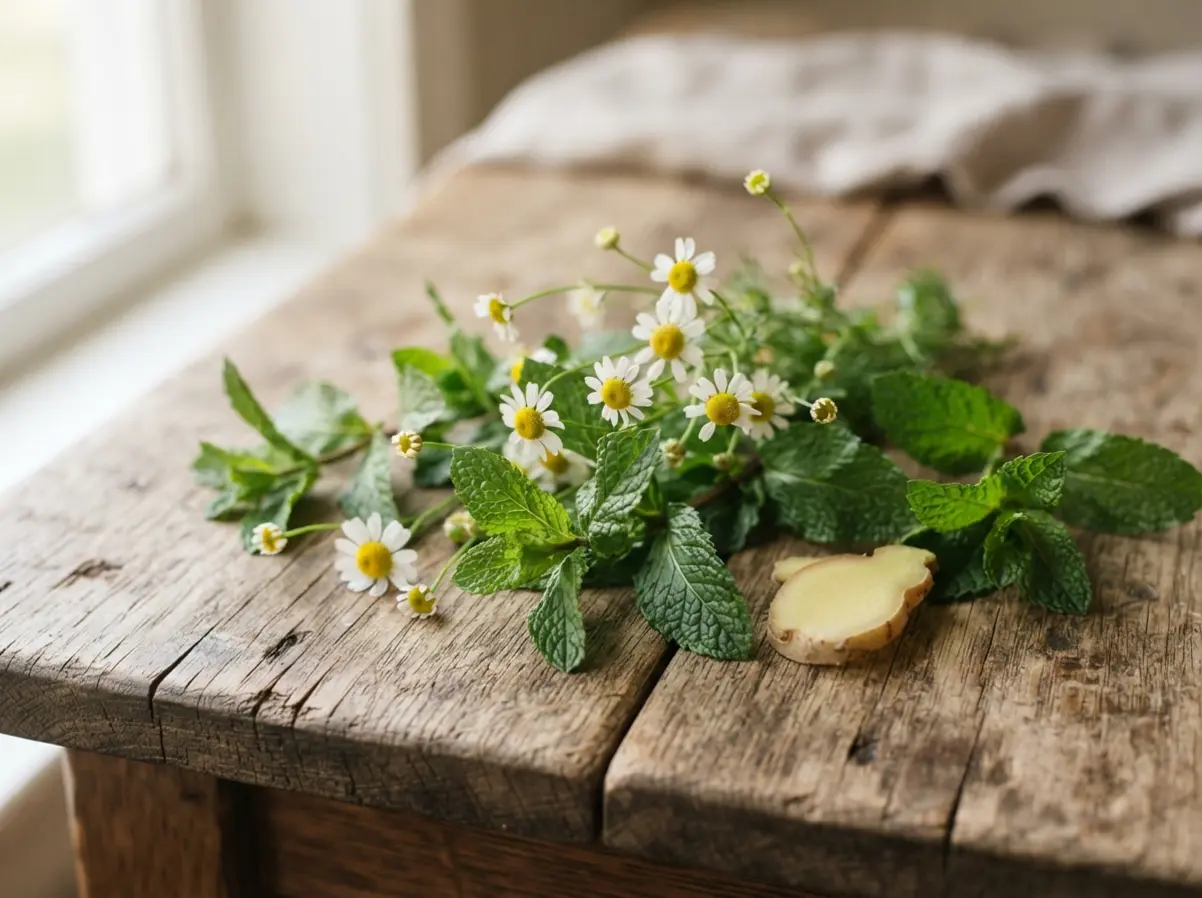
The fastest way to harm yourself is using a culinary herb for a medicinal purpose you read about online. You need to know exactly which part of the plant you are using, like the root for ginger or the flowers for chamomile, and the quality of that part matters most. Checking plants which soothe your health prevents simple mistakes. Research plants which soothe your health thoroughly before buying. Look for suppliers who provide a certificate of analysis for their products, which proves the levels of key active compounds like curcumin. This paperwork is your best guarantee you are getting what you pay for and not a contaminated or inactive batch. Always check for contraindications too, as something like turmeric can interact with prescription blood thinners. Your safety starts with knowing the source and the science behind your chosen plant.
Understanding Herbal Preparation Methods and Dosage
A gentle infusion for chamomile flowers preserves their delicate volatile oils, while a tough ginger root needs a strong decoction to pull its gingerols into the water. The method you choose directly affects the potency and benefits you receive from the plant material. Preparing plants which soothe your health requires matching the right technique. This is why you never use a highly concentrated essential oil internally unless a trained professional guides you. For daily support, research suggests starting with a low dose of a standardized extract, which ensures a consistent amount of the active ingredient. Many people find this approach gives them predictable results without guesswork. Trust me, matching the preparation to the plant part makes all the difference in your routine.
1. Ginger for Digestive Comfort – A Warming Root

A common mistake is assuming a ginger-flavored soda provides real digestive relief. Studying plants which soothe your health clears up this simple myth. Many commercial drinks contain minimal active ginger compounds. For true benefit, use fresh ginger root or a properly prepared supplement.
Ginger works by speeding up gastric emptying. Tracking plants which soothe your health reveals this fast action. This reduces feelings of bloating and discomfort after meals. Its active compounds also act on serotonin receptors to reduce nausea. Research supports its use for morning sickness, motion sickness, and post-operative nausea.
This matters because it offers a natural, accessible way to manage common digestive upset. Many people find relief with a simple cup of ginger tea. For persistent issues, read up on foods that promote healing to build a supportive diet. Always consult a healthcare professional before making changes to your health routine.
2. Peppermint for Gastrointestinal Relief – A Cooling Herb
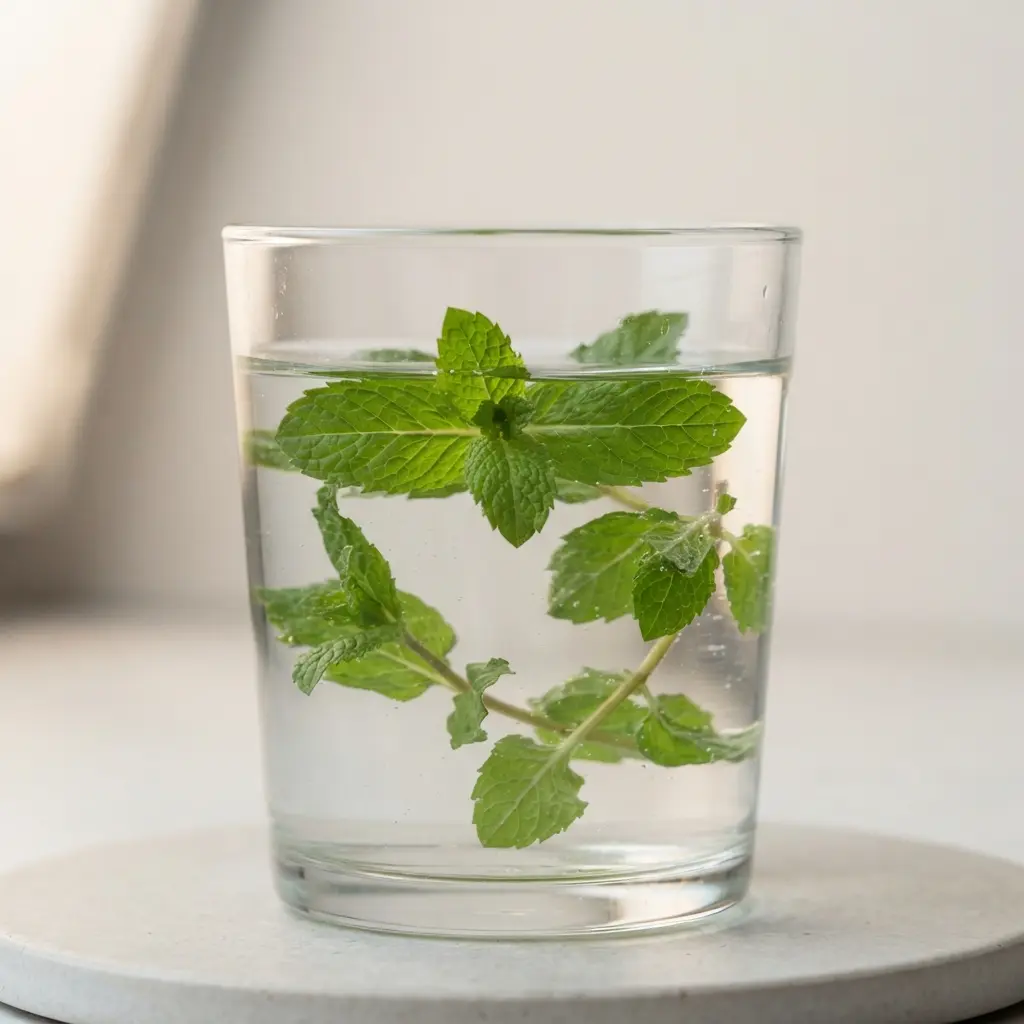
Start with enteric-coated peppermint oil capsules for consistent relief from irritable bowel syndrome. Exploring plants which soothe your health highlights this clear method. These capsules dissolve in the lower intestine, delivering menthol directly to the gut muscle. Menthol actively relaxes smooth muscle tissue to reduce spasms and cramping.
It also aids fat digestion by stimulating bile flow. Research supports this method for reducing abdominal pain and bloating. Checking plants which soothe your health shows reliable options. Many people find drinking peppermint tea helpful for general indigestion or mild nausea. Always consult a healthcare professional before making changes to your health routine. Adopting essential healthy eating tips further supports a calm and comfortable digestive system.
3. Chamomile for Stress Reduction – A Gentle Flower

Picture a moment of tension, perhaps after a long day, when your thoughts are racing and your shoulders feel tight. Finding plants which soothe your health begins with this simple bloom. The active compound apigenin binds to receptors in the brain, enhancing the calming GABA system. Reviewing plants which soothe your health points to quiet routines.
Steep one to two teaspoons of dried flowers in hot water for five to ten minutes. Drink this tea one to three times daily, especially before sleep. Consistent use promotes gradual relaxation and can ease physical symptoms like tension headaches.
Managing daily stress effectively often involves supporting your overall wellness through multiple channels. Reading a guide on how to improve eating habits for wellness provides practical dietary strategies that complement natural remedies. Always consult a healthcare professional before making changes to your health routine.
4. Fennel for Bloating Support – An Aromatic Seed
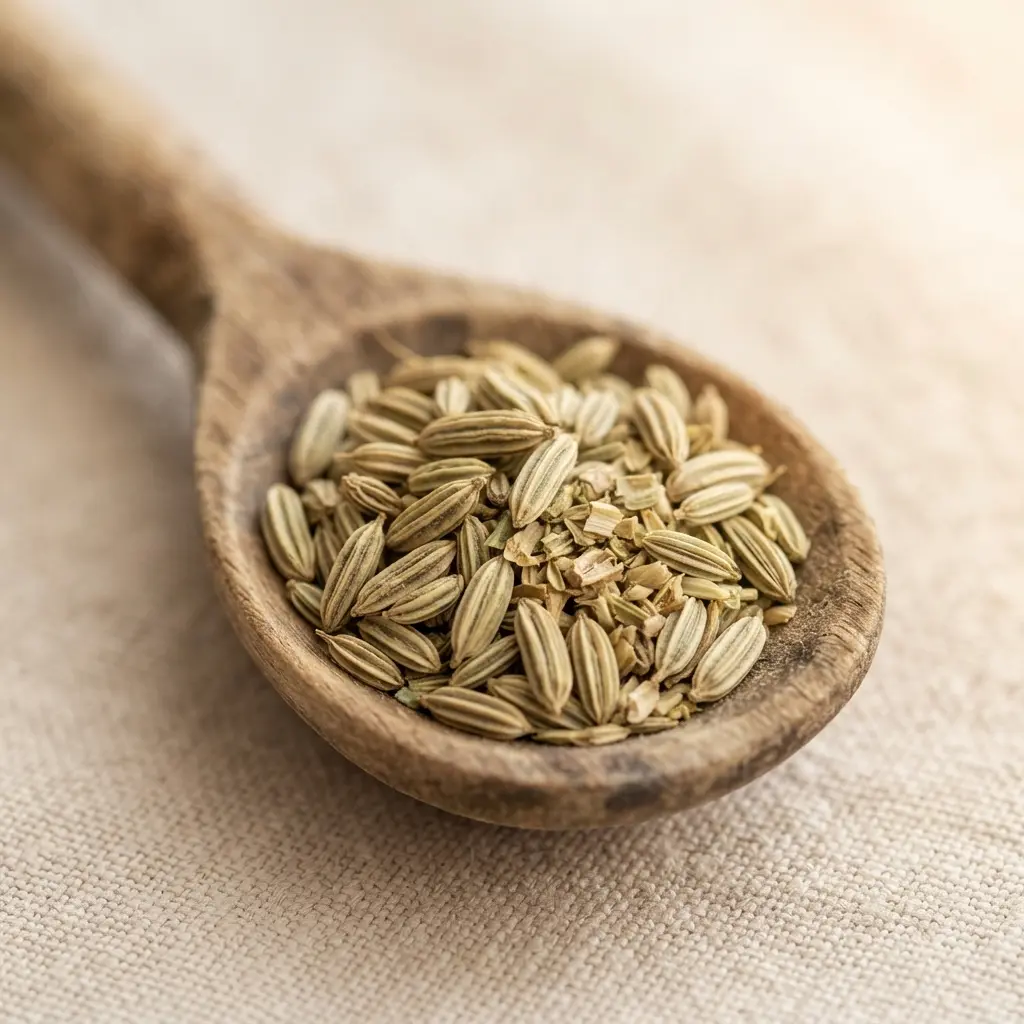
A common belief is that fennel only addresses gas-related bloating. Recognizing plants which soothe your health clears old myths. In reality, its mild diuretic properties also help with bloating caused by fluid retention.
The active compounds in fennel seeds, primarily anethole, relax the digestive tract muscles. Preparing plants which soothe your health needs a quick crush step. This helps release trapped gas and reduces intestinal spasms. For the most effective tea, crush one to two teaspoons of fennel seeds before steeping in hot water for five to ten minutes. Research suggests this simple, natural approach can soothe digestive discomfort effectively.
Always consult a healthcare professional before making changes to your health routine, and for a broader view of kitchen remedies, you can explore garlic’s health advantages.
5. Licorice Root for Indigestion – A Sweet-Tasting Herb

Is there a natural remedy for heartburn that does not taste bitter? Licorice root offers a sweet-tasting herbal solution. Its key compound, glycyrrhizin, calms inflammation in the digestive lining. Knowing plants which soothe your health reveals this sweet root.
For regular use, always select Deglycyrrhizinated Licorice (DGL) to avoid potential side effects like high blood pressure. Research suggests DGL chewable tablets are particularly effective when taken before meals. Testing plants which soothe your health guides safe daily use. This protective herb stimulates mucin production to shield the stomach from acid. It also relaxes digestive muscles to ease cramping and bloating.
For a broader view of beneficial botanicals, read about other healthy spices for wellness. Always consult a healthcare professional before making changes to your health routine.
6. Aloe Vera for Stomach Soothing – A Succulent Gel
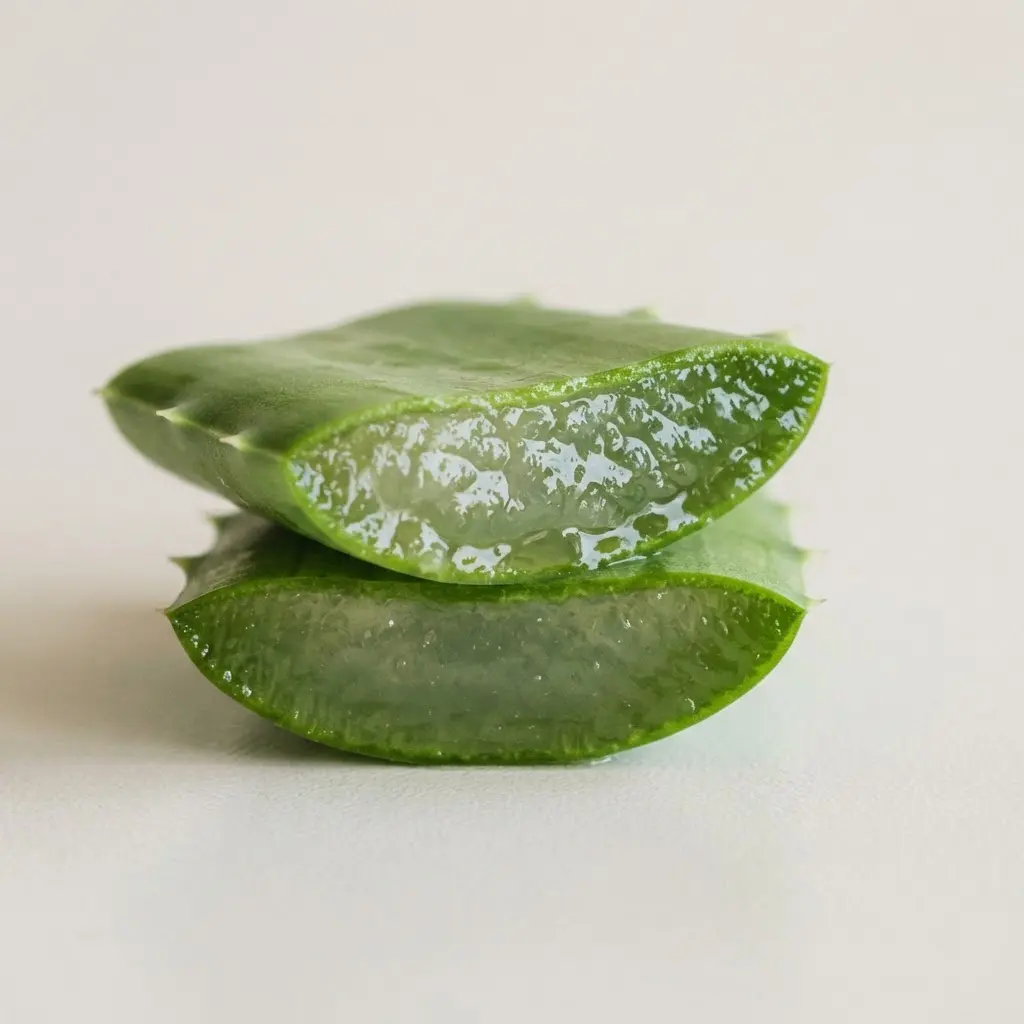
Think of aloe vera not as a laxative, but as a protective gel for your digestive lining. Its inner leaf gel forms a soothing mucilage barrier that coats the stomach, shielding it from acid and irritants. Finding plants which soothe your health highlights this green gel. This action reduces inflammation from conditions like gastritis and can help heal minor ulcers.
Research suggests its anti-inflammatory and antioxidant compounds calm digestive discomfort. For internal use, you must choose a certified organic, cold-processed product labeled as aloin-free or decolorized. Selecting plants which soothe your health demands clear labels. The outer leaf latex contains strong laxative compounds that can cause cramping. Start with a small dose, such as one ounce of juice, to assess tolerance. Always consult a healthcare professional before making changes to your health routine.
Supporting your gut health with prebiotic foods is also wise; you can learn walnut health benefits as one nutritious option.
7. Lavender for Anxiety Management – A Fragrant Bloom
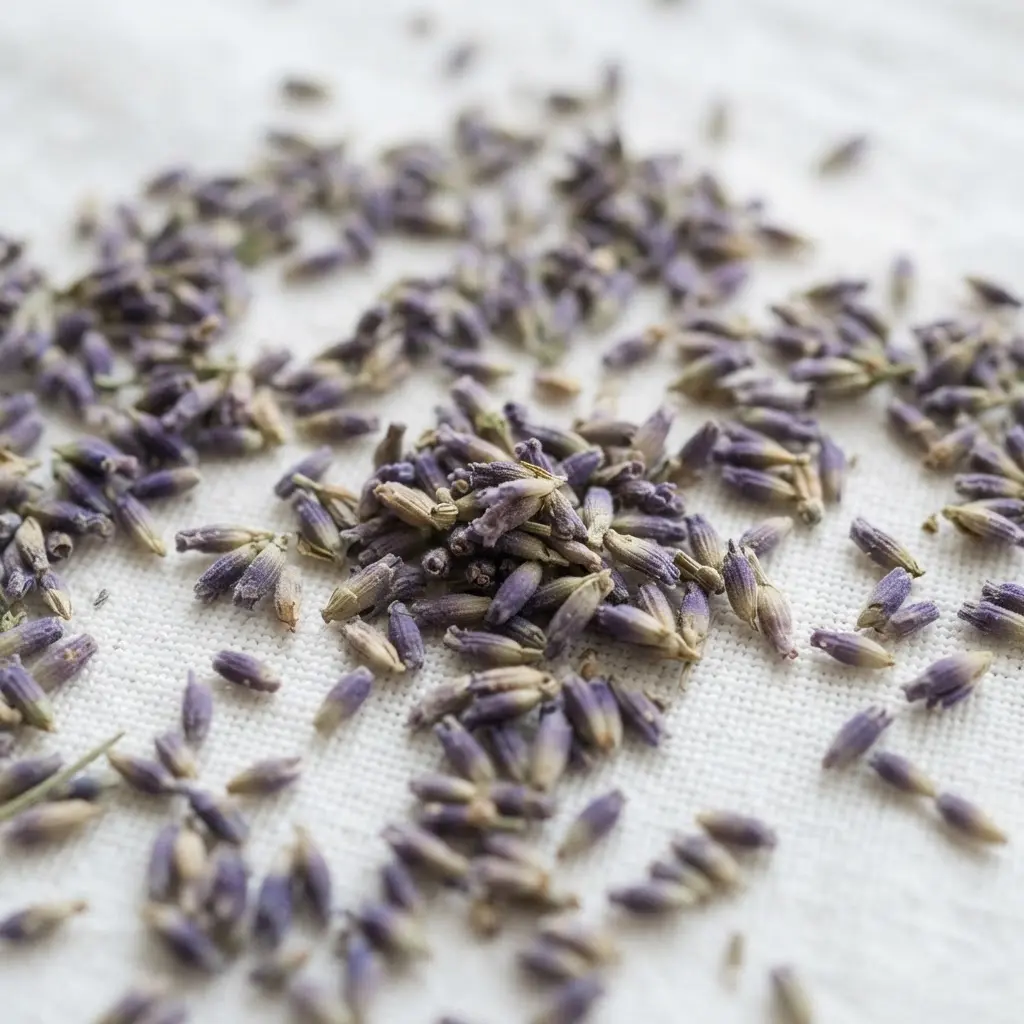
A common mistake is applying undiluted lavender essential oil directly to the skin. Studying plants which soothe your health warns against this. This can cause irritation. Always dilute the oil with a carrier oil like jojoba before topical use.
For anxiety, the active compounds linalool and linalyl acetate interact with the nervous system. Checking plants which soothe your health shows clear scent paths. They help calm nerve activity. Using a diffuser with three to five drops for fifteen minutes is an effective method for aromatherapy.
You can also apply diluted oil to pulse points. Research suggests this interaction promotes relaxation by modulating the brain’s limbic system. It helps reduce the fight or flight response. Always consult a healthcare professional before making changes to your health routine. You can learn more about other natural wellness supports to understand squash’s health benefits as part of a balanced approach.
8. Valerian Root for Insomnia – A Potent Relaxant

Take a standardized capsule about one hour before bed. Testing plants which soothe your health sets a clear schedule. Valerian root works by interacting with brain pathways that govern sleep. It increases the availability of the calming neurotransmitter GABA. This helps quiet the nervous system and makes it easier to fall asleep.
Research suggests valerian root can reduce the time it takes to fall asleep. Many people find it improves the depth of their rest. Trusting plants which soothe your health takes patience over time. The full benefit often takes a few days of consistent use. A dose of 300 to 600 milligrams is typical.
Always consult a healthcare professional before making changes to your health routine. For a diet that supports overall wellness, learn the benefits of adding spinach.
9. Lemon Balm for Relaxation – A Citrus-Scented Leaf
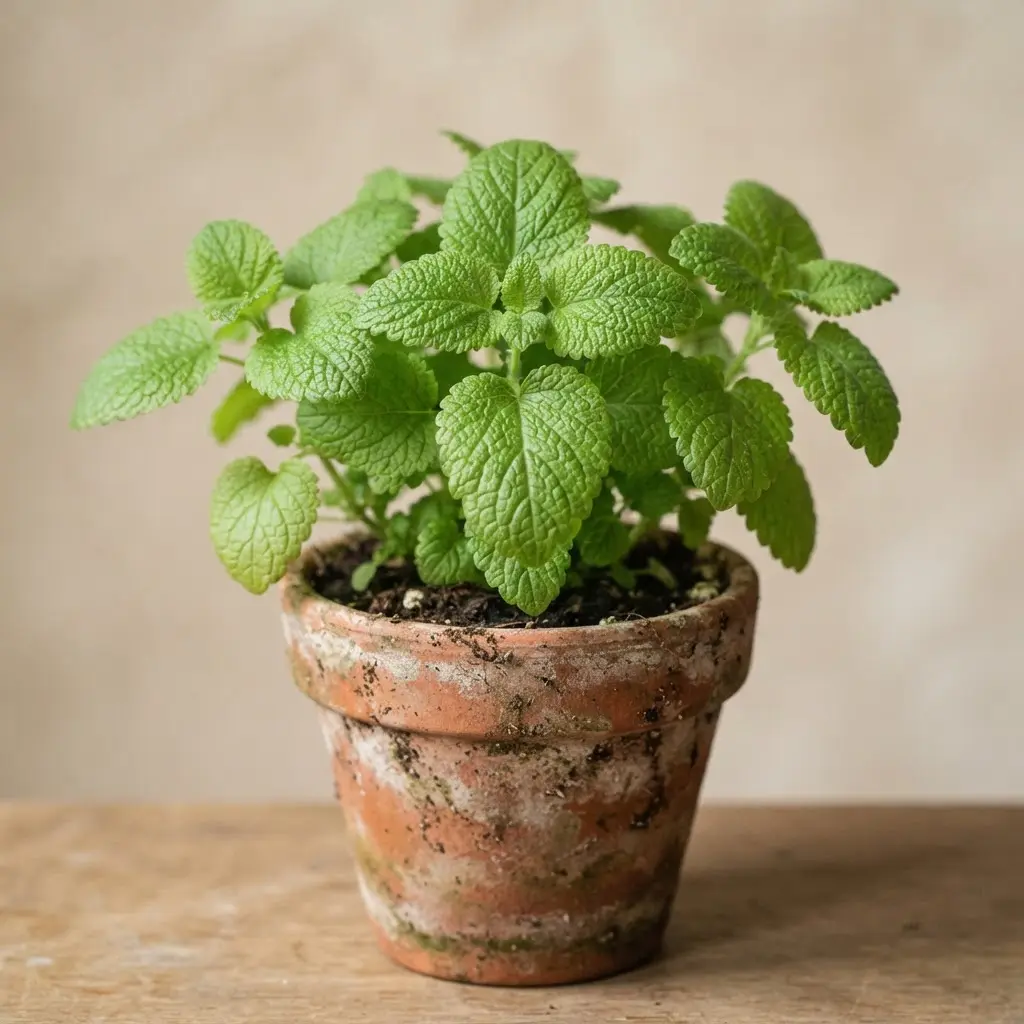
Imagine feeling tense after a long day and steeping a cup of tea from a plant you grew yourself. Looking at plants which soothe your health brings this bright leaf to mind. Lemon balm, a member of the mint family, has been used for centuries to ease anxiety and promote restful sleep.
Its key compounds, including rosmarinic acid, interact with your brain’s GABA system. Reviewing plants which soothe your health confirms gentle results. Modern studies support its use for improving mood and focus during stressful periods.
For a practical application, try a cup of lemon balm tea in the evening. Always consult a healthcare professional before making changes to your health routine. This is a great first herb to try, but read up on explore mushroom health advantages to understand the full spectrum of natural wellness options.
10. Passionflower for Nervous Tension – An Intricate Vine
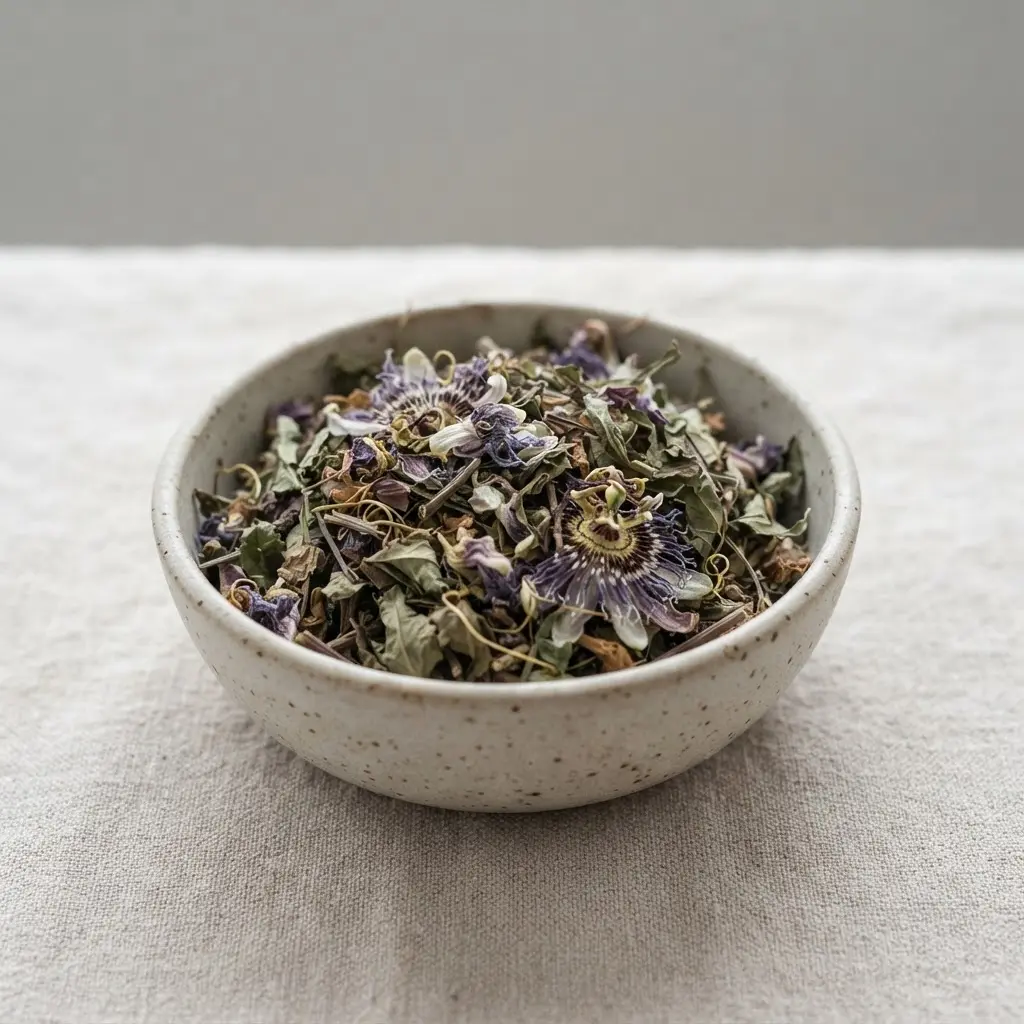
Many assume passionflower is a powerful sedative with immediate effects. Evaluating plants which soothe your health reveals quiet strength. Its flavonoids enhance the activity of GABA, the brain’s primary calming neurotransmitter. This process reduces neuronal excitability to ease restlessness and irritability.
Research suggests it can be as effective as some conventional medications for managing general anxiety when taken consistently over several weeks. For sleep disturbances linked to racing thoughts, a cup of passionflower tea about one hour before bedtime can help improve sleep quality. Always consult a healthcare professional before making changes to your health routine, especially if you take other medications. A balanced diet supports this calming effect, so you may wish to understand black bean benefits and other nutrient-rich foods.
Integrating Plant Based Support Into Clinical Care
Bring a complete list of every botanical supplement you take to your next doctor’s appointment, including the dosage and the brand. Comparing notes on plants which soothe your health helps this visit. This simple step helps your healthcare provider see the full picture of your wellness plan and check for any possible interactions with your medications. Plant based support works best as a complement to professional medical advice, not a replacement for it. Your doctor can help you understand how an adaptogen like ashwagandha might fit with your current treatment. Merging plants which soothe your health with medical guidance keeps you safe. This collaborative approach ensures your routine is both safe and effective for your unique health picture.
Conclusion
Bringing these plants into your life can be a simple, gentle step toward feeling more balanced. Each one offers its own kind of comfort, whether it is a warm cup of ginger tea or the quiet scent of lavender. Remember, these are companions for wellness, not replacements for professional medical advice, especially if you have specific health conditions. Start with one that calls to you, perhaps the chamomile growing in your garden or the peppermint at your local market. Listen to your body and enjoy the process of getting to know these natural helpers. Finding the right plants which soothe your health is a personal journey, and I hope it brings you a little more ease and calm every day.
FAQs
Q: Are these herbs safe for everyone to use?
A: Most are gentle, but safety depends on the individual. Some herbs, like licorice root, are not recommended during pregnancy or for people with high blood pressure. Always check with a healthcare provider before starting any new herb, especially if you take other medications.
Q: What is the best way to use these plants?
A: Many are enjoyed as simple teas. You can steep fresh or dried leaves, roots, or flowers in hot water. Others, like aloe vera gel, are used topically or consumed in specific preparations. Start with a small amount to see how your body responds.
Q: How long does it take to feel the effects?
A: Effects vary. Some, like peppermint for stomach comfort, may work quickly. Others, like valerian root for sleep support, might be more noticeable with consistent use over a few weeks. Patience is key with natural remedies.
Q: Can I grow any of these plants at home?
A: Absolutely. Many, like lemon balm, peppermint, chamomile, and lavender, are quite easy to grow in pots or gardens. Growing your own ensures you have a fresh, clean source right at your fingertips.
Q: Should I stop taking these if I feel better?
A: These plants are often used as needed. If you were using them for temporary stress or occasional stomach upset, you can stop once you feel better. For ongoing support, a consistent routine might be helpful, but listen to your body and adjust as needed.