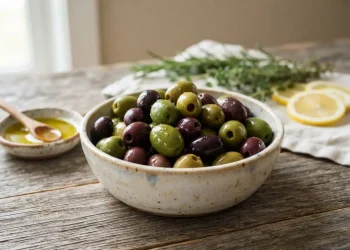
Eating it with a little healthy fat improves absorption of some nutrients, and vitamin C supports iron uptake from plant foods. If you want more nutrition from ordinary meals, spinach is a practical place to start. The health benefits of spinach make grocery shopping simpler. It is affordable, quick to wash, and easy to add to eggs, soups, pasta, salads, and smoothies.
Fresh leaves bring a soft texture, while cooked spinach fits well into warm dishes. This guide explains seven evidence-based reasons to eat it, along with simple ways to pair it with fats or vitamin C. I’ll also cover storage, iron, and vitamin K, so you have clear facts for daily choices. Pick one meal today, add a handful, and make spinach part of your regular routine.
Raw Versus Cooked Leafy Greens
Cooking spinach for two to three minutes reduces oxalates and packs more leaves into the same serving. This matters because oxalates bind minerals in the gut and also concern people prone to calcium oxalate kidney stones. The health benefits of spinach show up whether you eat it raw or warm. Raw leaves keep a crisp texture and offer vitamin C, folate, and water without added cooking ingredients.
Heat softens the leaves, lowers oxalate content, and makes a larger amount easier to eat. Both forms provide vitamin K, vitamin A, magnesium, potassium, fiber, lutein, and zeaxanthin. Cooking changes the texture, yet the health benefits of spinach remain useful for daily meals. Lutein and zeaxanthin gather in the retina, where they support eye health.
Choose raw spinach for salads and cooked spinach for soups, eggs, or grain dishes. Cooked spinach also fits small portions into meals without much volume.
Pairing Foods For Better Iron Absorption
Pairing spinach with bell peppers, oranges, or tomatoes brings vitamin C into the same meal and helps your body absorb its non-heme iron. Non-heme iron is the plant form, and the body absorbs it less readily than iron from meat. Understanding the health benefits of spinach helps you plan balanced plates. A squeeze of lemon juice over a spinach and bean salad adds vitamin C without changing the meal’s basic nutrition.
Strawberries, broccoli, and sweet peppers offer similar support when citrus does not suit the dish. Keep coffee and tea away from an iron-focused meal because their polyphenols might reduce iron absorption. Spinach still contributes iron, folate, and fiber, yet no single serving treats anemia. You can track these pairings daily.
Pairing matters most when meals rely on beans, lentils, tofu, seeds, or other plant foods for iron. Focus on simple combinations.
1. Ocular Health Benefits From Lutein and Zeaxanthin

A common mistake is treating spinach as a cure for poor eyesight. The true health benefits of spinach focus on long-term nutritional support instead. Spinach does not reverse eye disease. Its lutein and zeaxanthin provide nutritional support for the macula, the central part of the retina responsible for sharp vision.
Choose lutein-rich leafy greens as part of a balanced eating pattern. After digestion, these plant pigments travel through the bloodstream and collect in the macula. Lutein and zeaxanthin help form the macular pigment. Researchers study these effects when evaluating the health benefits of spinach.
This pigment filters some blue light and helps counter oxidative stress from normal light exposure. The body does not make either carotenoid, so food must supply them. Meso-zeaxanthin, a related pigment, is also present in the macula and can form from lutein there. Research links higher dietary intake and blood levels with a lower risk of age-related macular degeneration, especially advanced disease.
Clinical trials suggest supplements raise macular pigment density and might slow progression in some people with AMD. Studies also report possible gains in contrast sensitivity, glare recovery, and color contrast. These visual changes do not mean an eye condition has been cured. Serve spinach regularly alongside other leafy greens, orange fruits, yellow vegetables, or egg yolks.
Food intake and supplements are different approaches, and research does not establish one universal dose for everyone. Early findings involving cataracts, diabetic retinopathy, and retinopathy of prematurity need careful interpretation. Always consult a healthcare professional before making changes to your health routine.
2. Bone Density Support Through Vitamin K
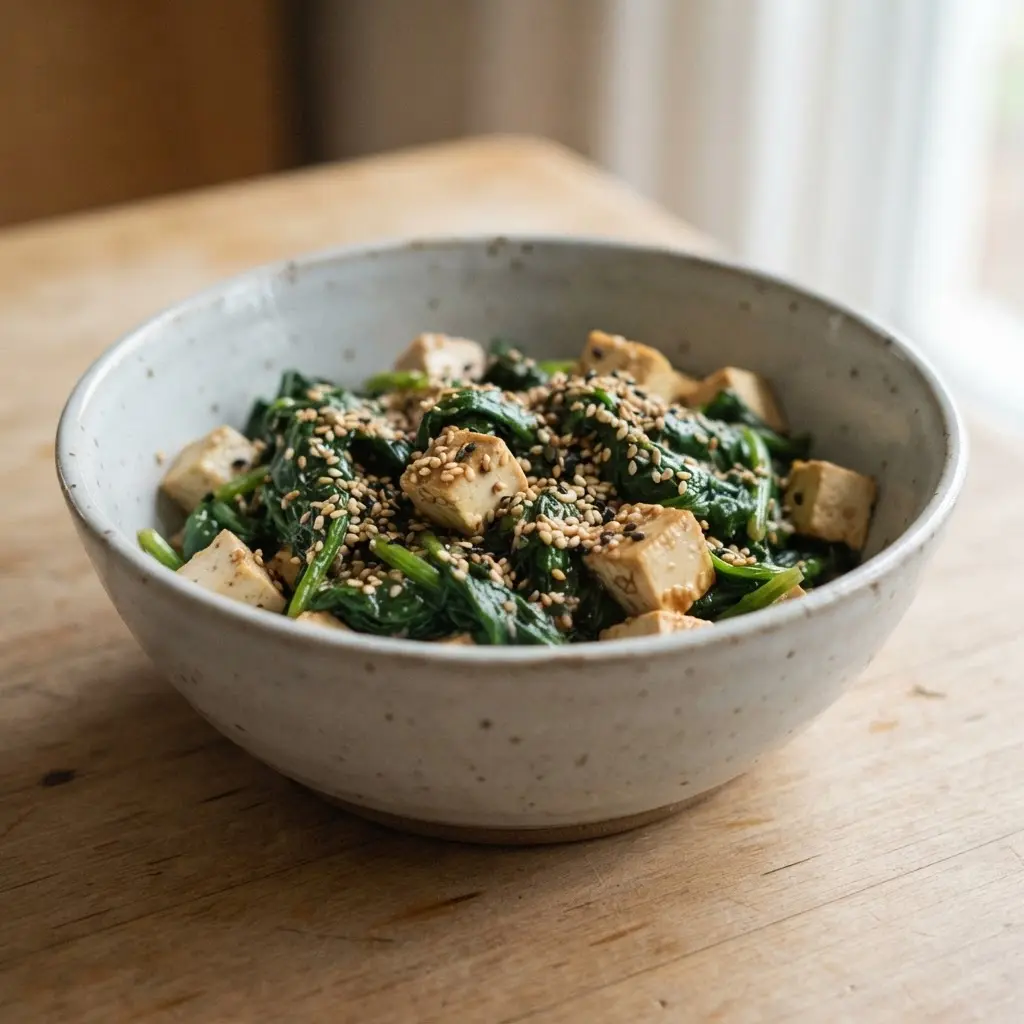
Build regular spinach servings into meals, and use quick spinach-packed lunches to make intake easier. You can track the health benefits of spinach by noting your daily vegetable intake. Spinach supplies vitamin K, a nutrient involved in bone metabolism. Vitamin K enables the carboxylation of osteocalcin, a protein involved in maintaining bone structure.
This process activates osteocalcin and supports normal bone protein function. Track overall diet quality rather than relying on one food. This balanced view clarifies the real health benefits of spinach. Lower vitamin K intake and higher levels of undercarboxylated osteocalcin, known as ucOC, have been associated with lower bone mineral density and higher fracture risk.
Vitamin K also influences bone-forming cells, bone resorption, and the genetic activity of osteoblastic markers. These actions connect nutrient status with ongoing bone renewal. Research on vitamin K2 has shown the clearest promise in the lumbar spine. Studies have reported changes such as higher osteocalcin and bone-specific alkaline phosphatase, along with lower ucOC and tartrate-resistant acid phosphatase.
Some findings also point to fewer vertebral fractures. Results are less consistent for the femoral neck, so improved bone markers do not guarantee stronger bones or fewer fractures. Pair adequate vitamin K intake with calcium-rich foods and medical care when bone density is a concern. Spinach contributes vitamin K, yet dietary patterns, medications, age, and existing bone disease all affect fracture risk.
Vitamin K supplements are not a proven standalone treatment for osteoporosis, and research has not established one universal dose or schedule. Always consult a healthcare professional before making changes to your health routine.
3. Cardiovascular Function Improvements With Nitrate-Rich Leaves
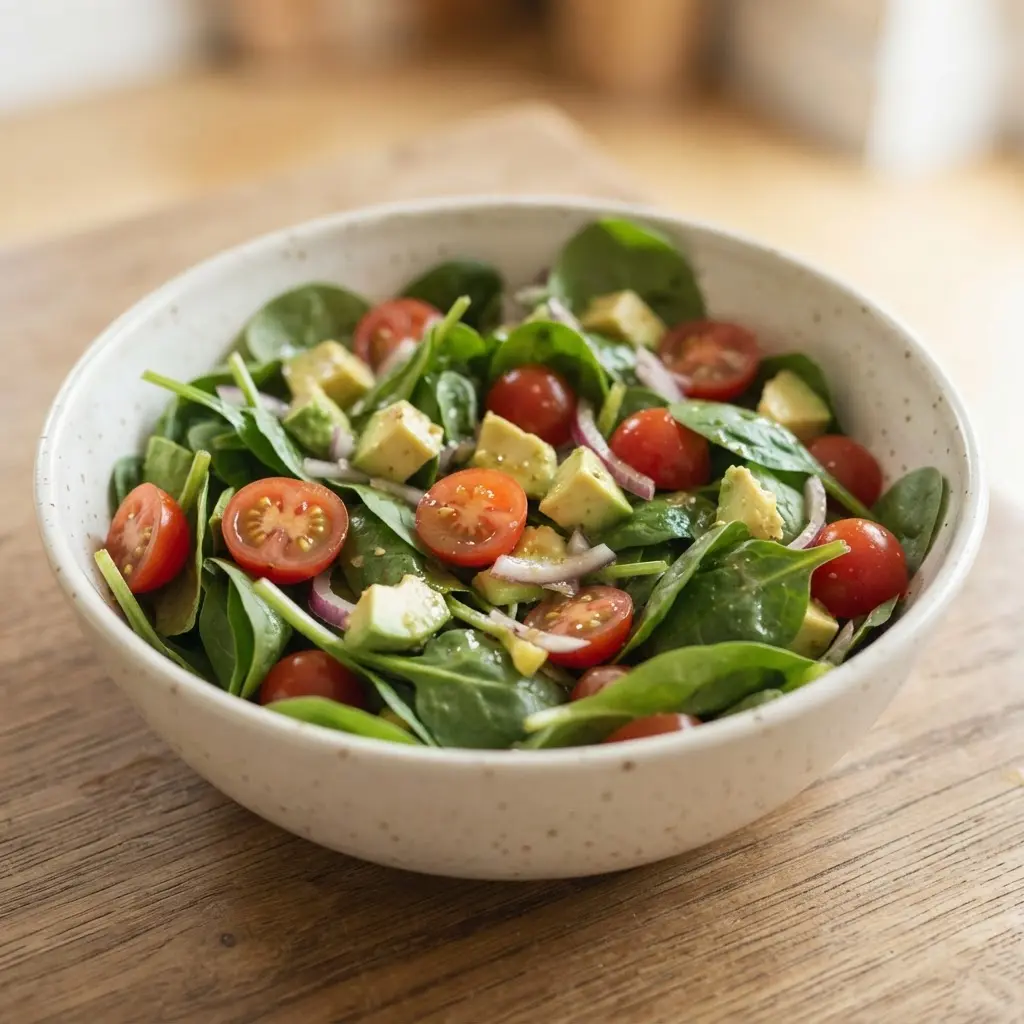
At lunch, adding fresh spinach to a salad gives the body a source of nitrate-rich leaves. Many nutrition guides highlight these specific health benefits of spinach. Spinach and lettuce supply dietary nitrate, which enters the blood and saliva after digestion. The amount varies with growing conditions, storage, and cooking methods.
The body converts dietary nitrate through a pathway leading to nitric oxide. Nitric oxide relaxes blood-vessel walls and regulates vascular tone. This process supports steady blood flow and healthy blood pressure control.
Research on nitrate-rich lettuce has found lower systolic blood pressure after acute intake. Systolic pressure measures the force in the arteries as the heart contracts. Longer studies using nitrate supplements, especially beetroot juice, have reported related cardiovascular changes.
Scientists also assess flow-mediated dilation, or FMD, to measure how well blood vessels widen in response to increased flow. Research links nitrate supplementation with improved FMD and lower markers of arterial stiffness. Other possible effects include reduced platelet activation and aggregation, processes involved in clot formation.
Choose spinach as part of a balanced eating pattern to support blood-vessel function, while keeping expectations realistic. Beetroot products have stronger research coverage, so spinach should not be presented as producing identical results. Always consult a healthcare professional before making changes to your health routine.
4. Digestive Health Fiber Profile for Regularity
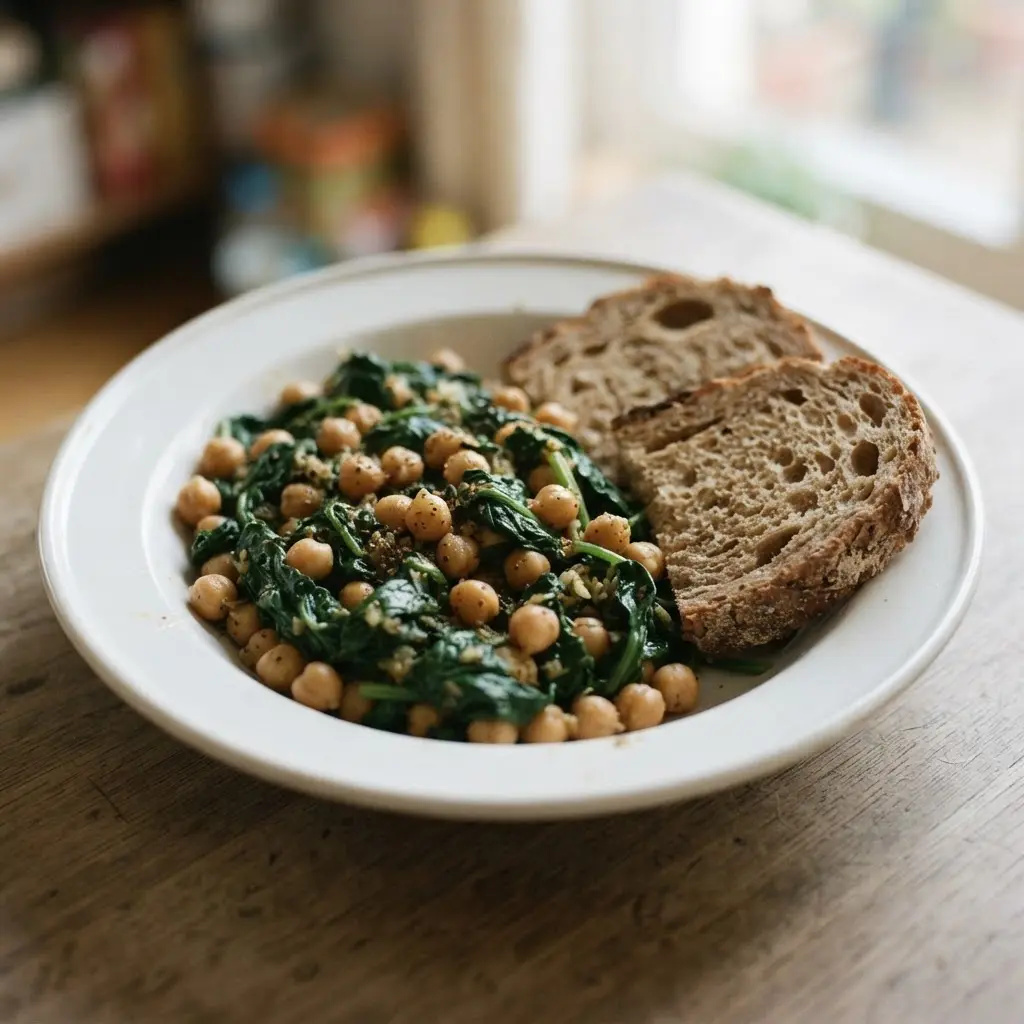
Myth: all fiber works the same way, and more fiber fixes every bowel problem. Clearing up this myth helps you see the actual health benefits of spinach. The truth is more specific. Spinach supplies fiber, yet digestive effects depend on fiber type, amount, and personal response.
Less-soluble, less-fermentable fibers tend to stay intact longer. This adds stool bulk and supports movement through the intestine. Cereal fibers often raise fecal weight and shorten transit time. Dietary fiber may produce a clearer change in bowel-movement frequency for a person with constipation than for someone with normal bowel function.
Soluble fiber follows a different path. Viscous types form a thicker mixture in the gut and may support laxation while helping with cholesterol and blood sugar control. Highly fermentable fibers, including inulin and fructooligosaccharides, are processed by gut microorganisms. This process produces short-chain fatty acids, which support the gut environment.
Less-fermentable fibers contribute more to stool weight because more of their structure passes through the digestive tract. Digestive patterns explain why the health benefits of spinach vary from person to person. Fiber type therefore matters as much as the amount consumed.
Increase fiber gradually rather than treating a large serving as a guaranteed fix. Build meals and snacks around spinach, beans, whole grains, and wholesome snack options to spread intake across the day. Track stool frequency, firmness, discomfort, and straining for several days.
Stop increasing intake and seek medical advice for severe pain, persistent constipation, or a sudden bowel change. Fiber often improves regularity, yet effects on stool softness and painful bowel movements differ among people. Gradual increases provide a clearer view of personal tolerance. Always consult a healthcare professional before making changes to your health routine.
5. Immune System Stimulation Qualities From Vitamins A and C
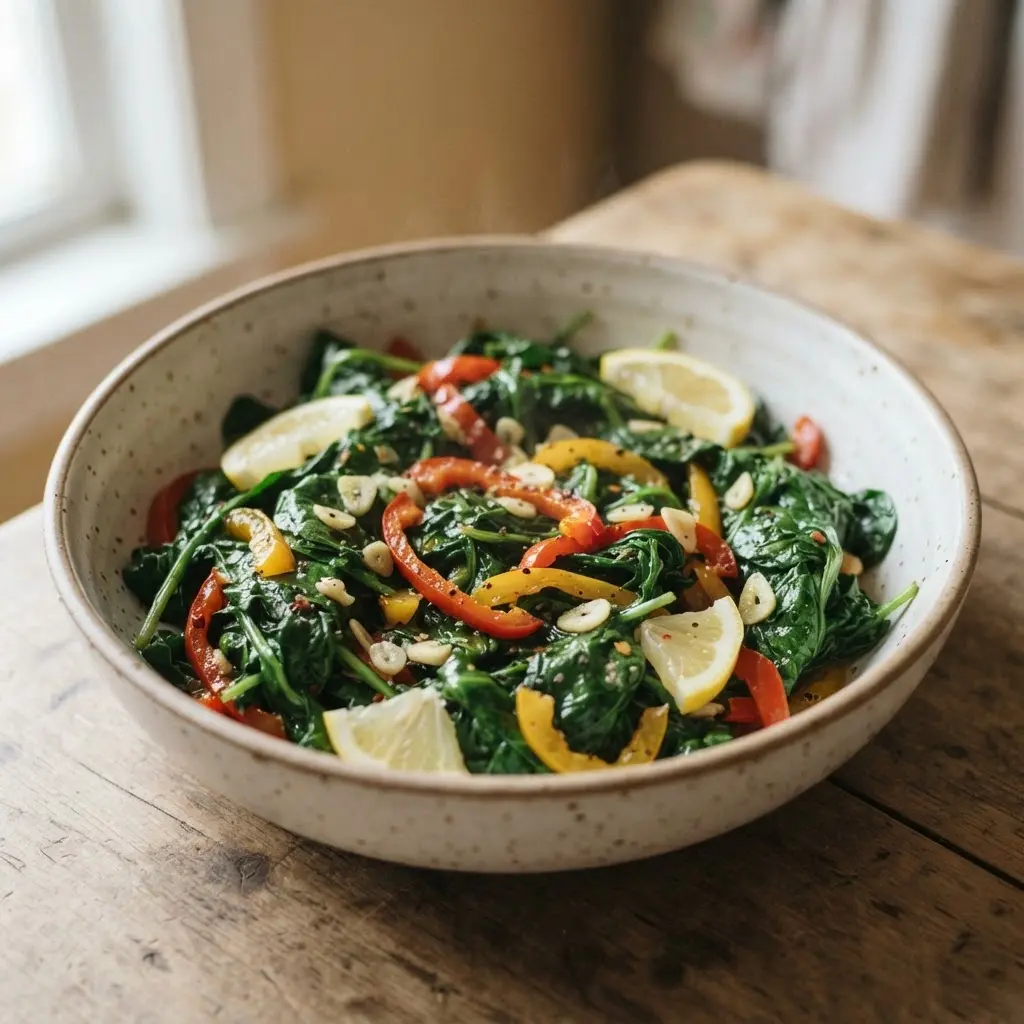
Does spinach natural cardiovascular support? Yes. The broader health benefits of spinach include steady immune support. Spinach supplies provitamin A carotenoids and vitamin C, two nutrients involved in several layers of immune defense. The body converts some carotenoids into active vitamin A.
Conversion differs between people and depends on overall nutrition. Vitamin C levels also change with storage and cooking, so fresh leaves and brief cooking preserve more of this nutrient. Vitamin A supports mucosal barriers in the skin, airways, and digestive tract. These linings form an early defense against germs.
These immune layers represent some of the most practical health benefits of spinach. Vitamin C supports collagen production, which helps maintain skin and other epithelial tissues. Vitamin C also protects cells from oxidative stress created during normal immune activity.
Inside the body, vitamin A helps regulate macrophages and neutrophils. Vitamin C supports neutrophil movement toward infection sites, microbe engulfing, and microbial killing. The nutrient also supports macrophage clearance of spent neutrophils, helping limit unnecessary tissue irritation. These actions work alongside the broader role of innate immune defenses.
Vitamin A metabolites influence T-cell development and activity. Vitamin C supports B-cell and T-cell growth and specialization. Research links low levels of either nutrient with weaker normal immune function, while adequate intake supports ordinary defense rather than guaranteed protection from infection. Choose spinach as part of a varied diet, and use short cooking times with little water to retain more vitamin C.
Do not use high-dose vitamin A or vitamin C supplements for immune purposes without medical guidance. Always consult a healthcare professional before making changes to your health routine.
6. Nutrient Absorption Optimization Strategies With Healthy Fats

Spinach with a little fat is a better choice for nutrient absorption than a completely fat-free salad. Healthy fats clearly unlock the full health benefits of spinach. Drizzle olive oil over raw spinach, or sauté the leaves in a modest amount of oil. Dietary fat supports the absorption of vitamin K and carotenoids, which are fat-soluble nutrients found in leafy greens.
Build meals around varied unsaturated fat sources. Fat pairing also improves how you absorb the health benefits of spinach. Add avocado to a spinach salad, sprinkle walnuts or pumpkin seeds over cooked leaves, or mix chia seeds into a meal. Fat slows digestion and gives the body time to process nutrients from the full dish.
Research suggests cooking spinach with olive oil increases carotenoid bioavailability, making a warm spinach side dish a practical option. Use portions suited to the meal rather than adding large amounts of oil. A drizzle over a salad, a small serving of avocado, or a spoonful of seeds provides a balanced approach. Rotate monounsaturated fats, such as olive oil and almonds, with polyunsaturated fats from walnuts, flaxseeds, chia seeds, or oily fish.
Many people find spinach more satisfying when paired with fat and protein. This makes regular intake easier while supporting the health benefits of spinach through a varied diet. Healthy fats do not correct an unbalanced eating pattern, and individual responses differ. Always consult a healthcare professional before making changes to your health routine.
7. Iron and Energy Metabolism With Vitamin C
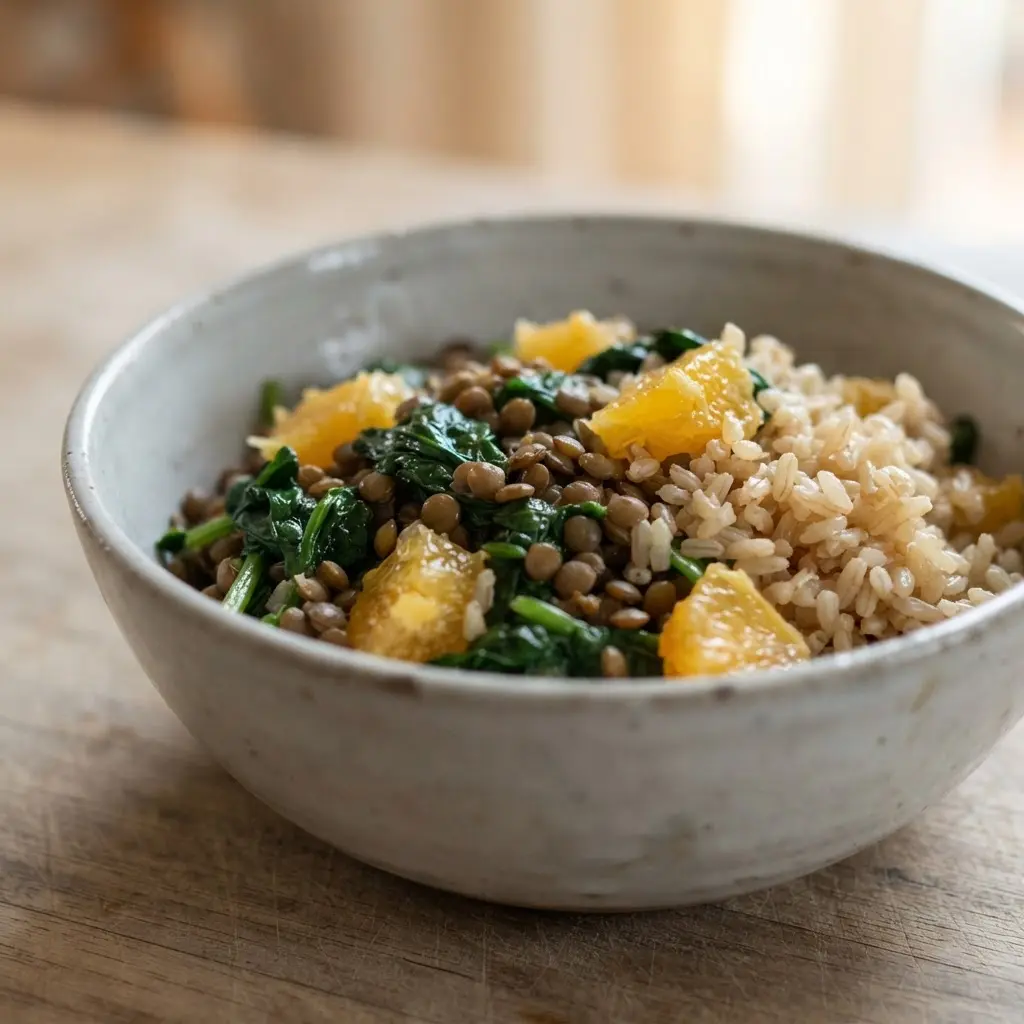
A common mistake is assuming spinach’s iron enters the body as easily as iron from meat. Recognizing the health benefits of spinach means understanding its iron form. Spinach contains non-heme iron, which the body absorbs less readily. Pair spinach with a vitamin C food, such as citrus, tomatoes, or bell peppers.
Vitamin C interacts with ferric iron and forms a soluble compound. This step ensures you capture the health benefits of spinach without overcomplicating recipes. This compound stays available in the alkaline environment of the duodenum, where much iron absorption occurs.
Build meals with plant-based iron sources, then add a vitamin C ingredient to the same plate. Include spinach with black beans and chopped bell pepper, or serve a spinach salad with orange segments. This pairing supports iron absorption by helping keep non-heme iron soluble.
Vitamin C also lessens the effect of some dietary substances that limit absorption. After absorption, iron enters cell pathways linked with transferrin, a protein involved in iron transport. Iron then supports erythropoiesis, the production of red blood cells. Vitamin C influences ferritin, the protein cells use to store iron.
Research suggests vitamin C supplementation can improve iron absorption and some iron-status markers over time, although oral iron alone has improved hemoglobin just as well as iron paired with vitamin C in some anemia studies. Use food pairings as a practical nutrition step, not as a guaranteed anemia treatment. Persistent fatigue or suspected deficiency requires testing and medical guidance.
Pair spinach with vitamin C at meals, and follow prescribed treatment when a clinician identifies iron-deficiency anemia. Always consult a healthcare professional before making changes to your health routine.
Medication And Kidney Health Precautions
People taking warfarin should keep their spinach intake consistent and follow advice from their clinician before making large diet changes. Spinach contains a high amount of vitamin K, a nutrient involved in normal blood clotting, so sudden changes in intake affect warfarin management.
Do not stop prescribed medicine or remove leafy greens on your own. People prone to calcium oxalate kidney stones also need personal guidance about frequent or large servings. Oxalates in spinach bind calcium and contribute to stone formation in some people.
Cooking lowers oxalate levels, yet it does not remove them completely. A clinician or registered dietitian should review stone history, medicines, and overall diet before suggesting a serving pattern.
Conclusion
Small food choices often shape how easy healthy eating feels. Spinach fits into many meals, so you do not need a major food change to enjoy its value. The health benefits of spinach include support for eye health, bones, heart function, digestion, immune health, and energy metabolism. Pair cooked leaves with eggs, olive oil, avocado, or beans for a filling meal.
Add lemon, tomatoes, or peppers to plant-based spinach dishes for vitamin C. Store fresh leaves dry in a paper towel-lined container, then use them within several days for better freshness. Choose one meal today and add a small handful of fresh or cooked spinach. Keep the idea simple, repeat it often, and let your meals grow more nourishing through choices that fit your real routine.
FAQs
Q: Is raw or cooked spinach healthier?
A: Fresh and cooked spinach both contain useful nutrients. Cooking reduces volume, so a larger amount fits into one serving, while raw leaves work well in salads and smoothies.
Q: How much spinach should I eat?
A: Start with a small handful in one meal and increase the amount based on taste and comfort. Add it to eggs, soup, beans, pasta, or a sandwich.
Q: Does spinach help with iron intake?
A: Spinach contains plant-based iron, though the body absorbs less of it than iron from many animal foods. Pairing spinach with lemon, tomatoes, or peppers supports better iron uptake.
Q: Should people taking warfarin limit spinach?
A: Spinach is high in vitamin K, which affects warfarin treatment. Keep intake steady and ask your prescriber before making a large change.
Q: How should I store fresh spinach?
A: Keep leaves dry in a container lined with a paper towel and place it in the refrigerator. Remove wilted leaves and replace the towel when it becomes damp.