Some mushrooms exposed to light also contain vitamin D. Research is promising, though results differ by mushroom type and product. Knowing the health benefits of mushrooms makes cooking simpler.
Freshness, Storage, And Cooking Variables
Store fresh mushrooms in a paper bag in the refrigerator, where airflow slows spoilage without trapping excess moisture. Whole mushrooms keep a firmer texture when you leave them unwashed until cooking, since water on the surface encourages softening. The health benefits of mushrooms last longer with proper storage.
Button, cremini, shiitake, oyster, and maitake mushrooms each release different amounts of water in a hot pan. Sautéing over medium-high heat gives sliced mushrooms room to brown, while crowding makes them steam. Roasting concentrates flavor and produces a drier bite, whereas simmering leaves a softer texture for soups. Grilling suits thick caps and stems, which hold their shape better than delicate oyster mushrooms. Cooked portions cool fastest in shallow containers, reducing the time they spend warm. Many cooks study the health benefits of mushrooms to pick the best methods.
Reading Vitamin D And Supplement Claims
Check the package for vitamin D2 before treating mushrooms as a reliable source of this nutrient. Checking labels reveals the health benefits of mushrooms clearly. Ultraviolet-treated varieties receive light after harvest, and their vitamin D level often exceeds that of untreated caps. Labels still matter because levels vary by species, growing conditions, serving size, and processing. Vitamin D supports calcium absorption and normal bone health, yet one serving does not replace a varied diet or medical guidance for a diagnosed deficiency. The health benefits of mushrooms also change with preparation.
A mushroom extract is not the same as a cooked whole mushroom. Extracts often concentrate selected compounds, while supplement formulas combine mushroom material with other ingredients. Research on a capsule does not prove an equal result from food, especially when studies use doses far above normal meals. Read serving directions, review claims, and tell a health professional about supplements if you take medicines or manage a health condition.
1. Nutritional Profile of Edible Mushrooms for Daily Meals

A common mistake is assuming every edible mushroom has the same nutrient profile. The health benefits of mushrooms vary by species. Choose varied mushroom types because amounts differ by species and growing conditions. An 84 g serving of white, crimini, and portabella mushrooms provides about 18.5 calories, 2.16 g of protein, and 0.81 g of fiber. The same serving of oyster mushrooms provides 27.7 calories, 2.78 g of protein, and 1.93 g of fiber.
Mushrooms provide protein, including essential amino acids, along with dietary fiber and B vitamins such as riboflavin, niacin, folate, and vitamin B6. They also supply potassium, phosphorus, copper, selenium, and zinc. UV-exposed mushrooms provide vitamin D, though the amount varies by product and growing conditions. Tracking the health benefits of mushrooms requires looking at whole foods.
Polysaccharides, polyphenols, carotenoids, ergothioneine, and glutathione add antioxidant compounds. Use chopped mushrooms in omelets, salads, soups, chilis, pasta sauces, stir-fries, and cooked grains. Replace part of the meat in a recipe with chopped mushrooms to add savory flavor while reducing the recipe’s overall fat and calorie content. You can see the health benefits of mushrooms in simple daily swaps.
Glutamate creates umami, which gives meals a fuller taste and might reduce reliance on added salt. Quick high-heat cooking preserves texture, while simmering keeps nutrients in the dish. Boiling or microwaving might move water-soluble nutrients into cooking water. Research suggests these nutrients make mushrooms a practical addition to balanced daily meals, not a complete replacement for other protein foods. Select firm mushrooms, refrigerate them, and use them within one week. Store them in a brown paper bag and wash them shortly before cooking. Nutrient content changes with storage, preparation, and variety. The health benefits of mushrooms stay strong when handled correctly.
2. Immune System Support Mechanisms in Beta-Glucans

Choose whole mushrooms as a food, rather than treating them as medicine. To understand the health benefits of mushrooms, pick whole food over pills. Their beta-glucans are complex chains of glucose. Immune cells recognise these chains through pattern-recognition receptors, including Dectin-1, complement receptor 3, scavenger receptors, and lactosylceramide. The response varies with the beta-glucan structure, molecular weight, and preparation.
Receptor binding starts a signal inside the immune cell. The health benefits of mushrooms rely on cellular signals. Macrophages, monocytes, dendritic cells, natural killer cells, and neutrophils then alter their activity. Dectin-1 is especially linked with macrophage responses. CR3 has an important role in neutrophil activity and cytotoxic responses against targets coated with the complement fragment iC3b.
Expect immune modulation, not guaranteed protection from illness. Beta-glucan signalling supports phagocytosis, where immune cells engulf foreign material. The same signalling can increase reactive oxygen species and cytokine production. These substances support the innate immune response and help coordinate activity between immune cells. Research also links particulate beta-glucans with trained immunity, where monocytes respond more strongly to later challenges after epigenetic and metabolic changes.
Research on these mechanisms is mainly immunological and experimental. Molecular structure, physical form, and the type of immune cell involved all shape the response. Trained immunity is not permanent immunity or the same as pathogen-specific adaptive immunity. Dietary mushrooms are foods, not substitutes for medical treatment, vaccination, or professional advice. Always consult a healthcare professional before making changes to your health routine.
3. Cognitive Enhancement and Neuroprotection From Edible Varieties

At 3 p.m., a bowl of sautéed mushrooms might seem like a sensible choice for staying focused through the rest of the workday. People often ask about the health benefits of mushrooms for mental focus. Current research does not show mushroom-specific evidence for sharper memory, faster reactions, or protection of nerve cells. Treat edible mushrooms as nourishing foods, not proven cognitive enhancers. Edible mushroom servings have not been linked to a clinically validated brain benefit in the supplied research.
Studies on other substances describe several possible pathways. Antioxidant activity may counter chemical stress in nerve cells. Anti-inflammatory effects may limit processes linked with neuronal damage. Some extracts also support synaptic plasticity, which refers to the nervous system changing connections between neurons. These findings come from plant extracts, beverages, or animal models, not ordinary mushroom meals.
Separate evidence involving coffee, tea, Bacopa monnieri, and other plants cannot support claims about mushrooms. Real health benefits of mushrooms come from meals, not lab extracts. Caffeine from coffee and tea might improve attention and reaction time for a short period, yet high intake may cause tremor, poor sleep, and later difficulty concentrating. A concentrated supplement also differs from a whole food in dose, preparation, and chemical strength. Whole food versus extract is a key distinction when judging brain-health claims.
Choose mushrooms for their taste and wider nutritional value, while keeping claims about memory or neuroprotection within the evidence. Do not use mushroom products to self-treat memory concerns, anxiety, sleep problems, or neurological conditions. Always consult a healthcare professional before making changes to your health routine. Check the evidence source before trusting a product claim, and look for human research on the exact species and preparation.
4. Antioxidant and Anti-inflammatory Properties of Mushroom Compounds

All mushrooms have the same antioxidant strength is a common belief. Researchers measure the health benefits of mushrooms across different growing conditions. The truth is more specific. Species, growing conditions, cooking methods, and extraction techniques change the compounds present and the activity measured in research. Compare mushroom varieties rather than treating one result as universal.
Mushrooms contain polysaccharides, phenolic compounds, ergothioneine, ergosterol, fatty acids, carotenoids, vitamins, and biometals. Some of these compounds help neutralize reactive molecules before they damage cells. Others support antioxidant enzymes such as superoxide dismutase, catalase, and glutathione peroxidase. Polysaccharides have been studied for their influence on the Keap1/Nrf2/ARE pathway, which regulates cellular antioxidant defenses.
Anti-inflammatory activity follows a different path. The health benefits of mushrooms depend on separating lab results from daily meals. Certain mushroom compounds influence NF-κB, a signaling pathway involved in inflammatory gene expression. Ergosterol has been linked with possible effects on COX-2, an enzyme involved in inflammation, while mycosteroids have shown anti-inflammatory activity in laboratory research. Separate antioxidant effects from anti-inflammatory effects when comparing studies.
Research on some Pleurotus species, including Pleurotus flabellatus, has reported high antioxidant activity, partly linked to ergothioneine. These findings help explain why mushrooms are studied as functional foods, yet laboratory results do not prove disease prevention or treatment in people. Choose ordinary edible mushrooms as part of a varied diet, and treat concentrated supplements with caution because preparations and doses differ.
5. Metabolic and Blood Sugar Regulation With Mushroom Fiber
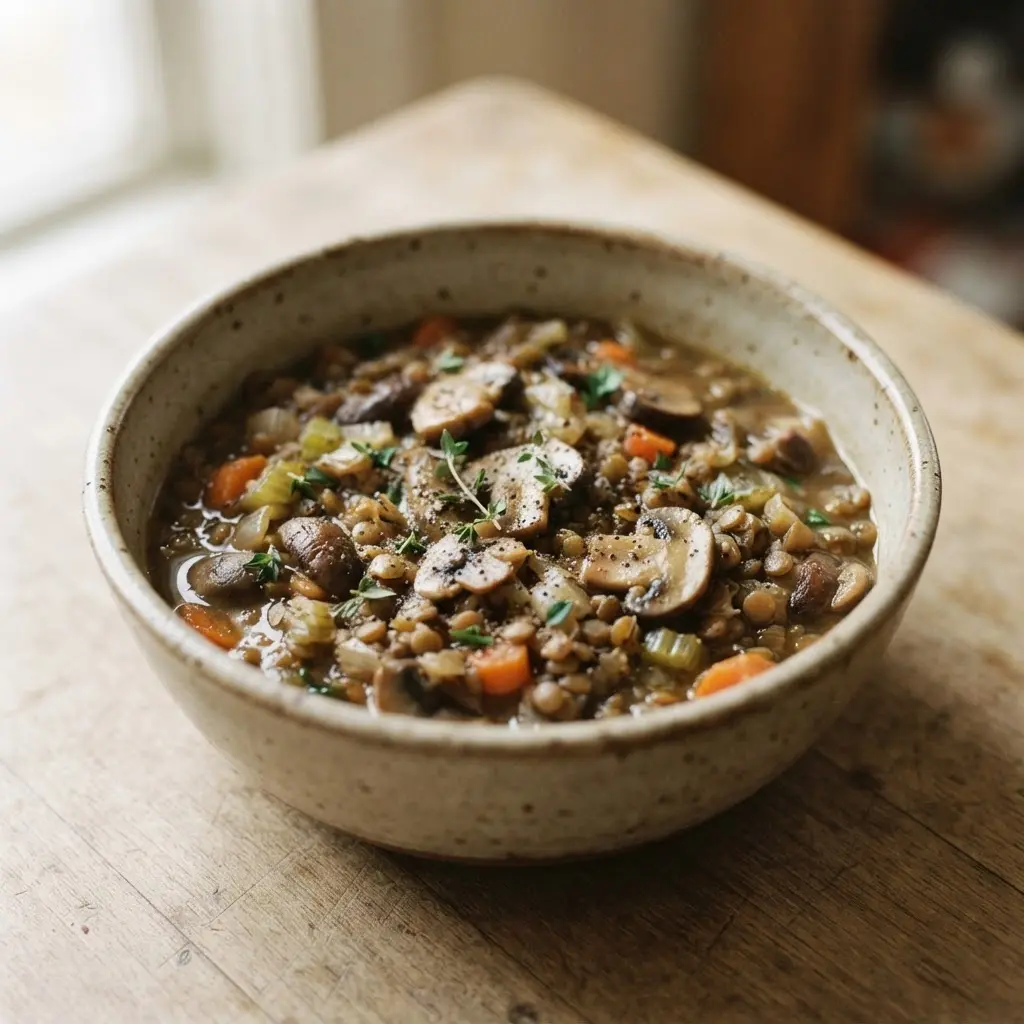
Does mushroom fiber support steadier blood sugar after a meal? The health benefits of mushrooms include gentle digestive support. Research suggests a possible role, but current evidence describes a promising dietary effect rather than a treatment. Insoluble dietary fiber and beta-glucans influence how food moves through digestion and how quickly sugars become available.
Mushroom fiber holds water and swells during digestion. This changes the food mixture in the gut and may slow carbohydrate breakdown. Laboratory tests also show glucose adsorption by some mushroom fibers. These findings do not confirm the same response in people.
Studies have examined oyster mushrooms and white button mushrooms, with different fiber properties across species and preparations. Research involving adults with impaired glucose tolerance found oyster mushroom powder changed post-meal GLP-1 and hunger sensations. The study did not show direct changes in glucose, insulin, or triglyceride levels.
These findings matter because a meal containing fiber-rich mushrooms provides polysaccharides without relying only on an isolated supplement. The health benefits of mushrooms show up with consistent fiber intake. Appetite signals, insulin resistance, and the gut environment remain active areas of metabolic research.
Use whole mushrooms or mushroom powder as part of a balanced meal, and account for serving size, preparation, and the meal’s total carbohydrate content. Do not treat mushroom fiber as a replacement for diabetes care. Always consult a healthcare professional before making changes to your health routine.
6. Cardiovascular Health Advantages of Edible Mushrooms

Compared with heavily processed side dishes, mushrooms offer a low-calorie way to add nutrients and bioactive compounds to meals. Many heart guides note the health benefits of mushrooms. Choose varied mushroom intake as one part of a balanced diet. Research has examined changes in LDL cholesterol, HDL cholesterol, triglycerides, blood pressure, inflammation, and oxidative stress. Results differ across mushroom species, serving sizes, and study designs.
Some mushrooms contain lovastatin-like compounds. These compounds may slow cholesterol production in the liver. Other mushroom compounds show ACE-inhibiting activity, which affects a pathway involved in blood-pressure control. L-ergothioneine and other antioxidants may reduce oxidative stress and limit adhesion molecules linked with atherosclerosis.
Research suggests possible reductions in serum triglycerides, mean blood pressure, and C-reactive protein, yet the evidence is not conclusive. Many studies use mushroom amounts higher than ordinary portions, so the intake needed for a measurable cardiovascular effect is uncertain. This matters because changes seen in laboratory studies do not always occur with typical meals.
Build meals around a heart-conscious eating pattern that includes vegetables, beans, whole grains, and suitable sources of unsaturated fat. Use mushrooms in place of some processed or fatty ingredients, but do not expect immediate changes in cholesterol or blood pressure. Species and cooking methods affect nutrient content, so no single mushroom carries a guaranteed benefit.
Never replace prescribed treatment with food. People with high blood pressure, high cholesterol, or diagnosed heart disease should follow individualized medical advice. Always consult a healthcare professional before making changes to your health routine.
7. Vitamin D Precursor Content in Light-Exposed Mushrooms
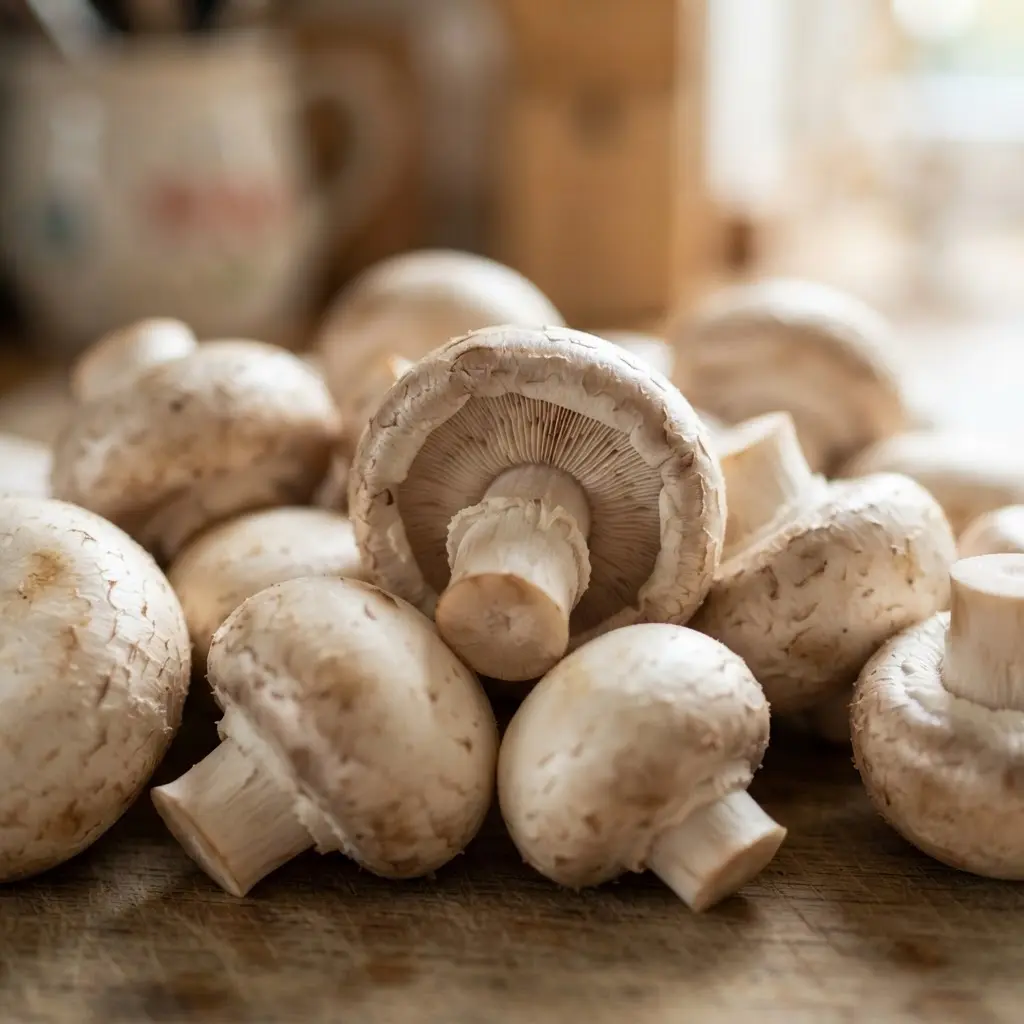
A common mistake is assuming every fresh mushroom contains a meaningful amount of vitamin D. The health benefits of mushrooms often focus on vitamin D. Cultivated mushrooms often grow in darkness, so their vitamin D2 level is negligible before treatment. These mushrooms still contain ergosterol, or provitamin D2. UVB light changes ergosterol into previtamin D2, then vitamin D2. UVB exposure starts this conversion.
Apply ultraviolet treatment during growth or after harvest. Post-harvest treatment generally produces higher vitamin D2 levels than exposure during growth. Direct sunlight exposure for less than 30 minutes has been reported as sufficient to meet the recommended dietary allowance for vitamin D without major changes to colour or texture. Enokitake mushrooms showed the highest vitamin D2 levels among varieties evaluated after UV-B irradiation. Sunlight exposure offers a practical home method, although results vary by mushroom type and treatment conditions.
Following UV treatment, vitamin D2 stays relatively stable during storage. Cooking does not erase the benefit. Reported vitamin D2 retention after cooking ranges from 53% to 89%, with stir-frying producing the highest retention among tested methods. Mushroom vitamin D2 has shown bioavailability comparable to vitamin D2 from supplements, raising and helping maintain blood levels of 25-hydroxyvitamin D.
Light-treated mushrooms provide a useful dietary source of vitamin D2 for people whose cultivated mushrooms were grown in darkness. Product vitamin D levels vary, so check package information rather than assuming every treated batch offers the same amount. Vitamin D needs vary by person, and mushrooms do not replace personalised medical advice or prescribed supplementation. Always consult a healthcare professional before making changes to your health routine.
8. Gut Microbiome and Digestive Health From Mushroom Fiber

Choose cooked edible mushrooms as part of a varied meal. Shiitake, reishi, and lion’s mane contain dietary fiber and polysaccharides, which are complex carbohydrates. Some of these compounds pass through the upper digestive tract without full digestion. Starting with a normal food serving keeps the approach practical and easier to assess.
Once mushroom fiber reaches the intestine, gut microorganisms ferment portions of the fiber. This process produces short-chain fatty acids, which support the gut lining and take part in immune and inflammatory processes. Research suggests mushroom fiber also influences bacterial populations, including groups such as Bacteroides and Bifidobacterium. These effects explain the potential prebiotic role of mushroom fiber, but they do not make mushroom fiber a probiotic. Probiotics contain live microorganisms, while fiber provides material microbes use.
Increase fiber gradually, especially when your usual diet contains little fiber. A sudden change can lead to gas, bloating, or altered bowel habits. Increase fiber gradually and drink enough fluid throughout the day. Mushroom fiber absorbs water, adds stool bulk, and supports intestinal movement. These actions support regular bowel movements, though changes in digestion often depend on the full diet and existing gut microbiome.
Use whole edible mushrooms when possible, since species and preparation methods affect fiber content. Concentrated products have different compositions and should not be treated as identical to food. People with digestive disorders, significant food sensitivities, persistent constipation, abdominal pain, or prolonged bloating should seek medical advice rather than rely on mushroom fiber alone. Always consult a healthcare professional before making changes to your health routine.
Safe Foraging Boundaries And Supplement Cautions
Never eat a wild mushroom unless a trained local expert confirms its identity. Color, cap shape, smell, and growing location do not prove safety, since edible and toxic species often look alike. Cooking, drying, or freezing does not reliably remove every toxin. Keep unidentified specimens away from children and pets, and seek urgent poison-control guidance after a suspected exposure, especially when vomiting, confusion, trouble breathing, or severe stomach pain appears. Supplement labels deserve the same caution. Look for the exact species, extract type, amount per serving, and independent quality testing rather than relying on a broad wellness promise. Some formulas interact with medicines or contain ingredients missing from the label, so a pharmacist or doctor should review them when you use regular treatment. Food safety starts with known species and clear labeling, not a higher dose.
Conclusion
Mushrooms fit well into real-life eating because they add savory flavor, useful nutrients, and variety without making meals feel strict. The health benefits of mushrooms work best alongside other whole foods. The health benefits of mushrooms are strongest as part of an overall eating pattern with vegetables, beans, whole grains, and other nourishing foods.
For your next meal, choose one familiar variety, clean it gently, and cook it before adding it to eggs, pasta, soup, or a grain bowl. If you are considering a mushroom extract, check the label and ask a pharmacist or health professional about medicine interactions, especially if you manage an ongoing condition. Food and supplements are not the same, so treat concentrated products with care. Start with mushrooms from a trusted grocery source, notice how your body responds, and build from there. A small serving at one meal is a simple step toward more varied, satisfying food choices.
FAQs
Q: Are mushrooms healthy to eat every day?
A: Most people fit ordinary edible mushrooms into a balanced eating pattern. Rotate varieties and serve them with other vegetables, beans, grains, or protein foods.
Q: Do mushrooms contain vitamin D?
A: Some mushrooms exposed to ultraviolet light contain vitamin D. Check the package label because levels differ between products and growing methods.
Q: Are mushroom supplements safe with medicines?
A: Some mushroom extracts interact with medicines or affect bleeding and blood sugar. Ask a pharmacist or health professional before using a concentrated product.
Q: Which edible mushrooms have the most nutrients?
A: Shiitake, oyster, cremini, and white mushrooms each bring different nutrients. Variety often gives meals a broader mix of fiber, minerals, and protective plant compounds.
Q: Are cooked mushrooms easier to digest?
A: Cooking softens mushrooms and often makes them easier to chew and digest. Start with a small serving if your stomach reacts to high-fiber foods.