
Wondering why quick diet plans often leave you tired, hungry, or back where you started? The reasons you should avoid fad diets include missing nutrients, loss of muscle, repeated weight changes, and stress around food. These plans often promise fast results but make steady eating harder to maintain.
Recognizing Rapid-Loss Marketing Claims
Treat any plan promising rapid weight loss with caution when its proof rests on before-and-after photos rather than measured health outcomes. Keep your eyes open, since reasons you should avoid fad diets become obvious when marketers use dramatic images instead of data. Fad diet marketing often pairs dramatic images with strict food rules, detox drinks, branded supplements, or meal replacements.
A large early drop on the scale often reflects water and stored carbohydrate, not equal fat loss. Look for details about study length, participant numbers, dropout rates, and weight regain after the plan ends. Testimonials tell personal stories, yet they do not show whether a diet supports energy, muscle, blood pressure, or nutrient intake across months.
A credible claim explains limits and gives realistic progress markers. Before-and-after photos should never carry more weight than clear evidence, full food details, and honest discussion of risks.
Evaluating Diet Safety And Credibility
A diet removing entire food groups deserves medical review before you follow it, especially if it also limits calories or fluids. Missing foods often reduce vitamin D, vitamin E, magnesium, potassium, or protein, while severe restriction often brings fatigue, weakness, dehydration, and muscle loss.
Check whether the source explains electrolyte needs, supplement risks, medication concerns, and conditions such as diabetes or kidney disease. Remember why experts agree, since reasons you should avoid fad diets align with safety checks that protect your organs and daily energy. Credible guidance cites several strong studies, states who should avoid the plan, and separates short-term scale change from improved health.
A registered dietitian offers a safer credibility check than a testimonial or sales page because training supports individualized nutrition review. Be wary when one branded plan claims universal results or treats ordinary foods as harmful without sound evidence.
1. Nutritional Deficiencies and Malnutrition From Restrictive Plans
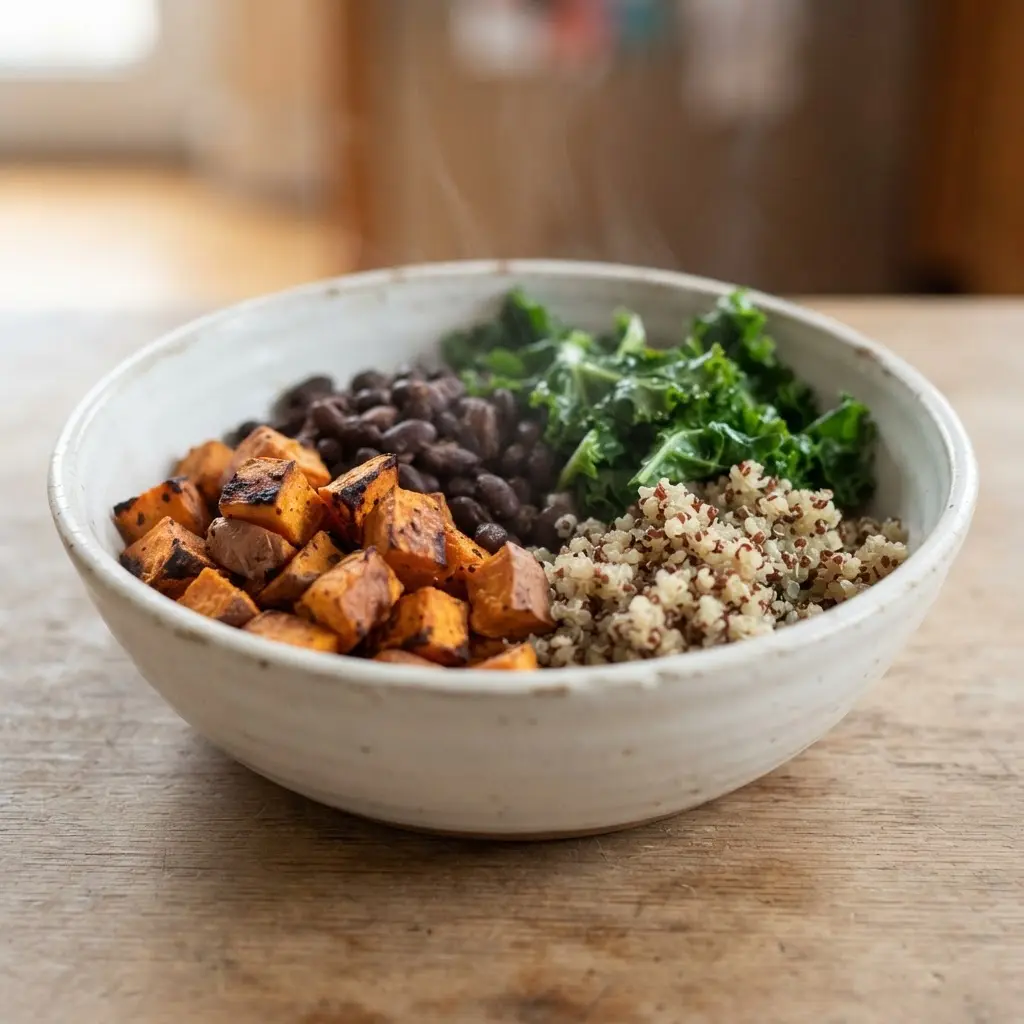
Excluding processed foods does not guarantee a complete diet. Removing dairy, grains, meat, legumes, or several food groups can remove calcium, iron, iodine, protein, and B vitamins. Replacing fortified grain foods with refined, non-fortified gluten-free products creates further gaps in iron, folate, and other B vitamins.
Track total energy and protein during strict restriction, because reasons you should avoid fad diets include hidden hunger that drains your strength over time. Low intake over weeks or months can reduce body reserves, impair growth, and affect blood-cell production. Plant-based build sustainable eating habits sources of vitamin B12 and iron. Elimination diets often need suitable sources of calcium, vitamin D, iodine, and protein.
Malnutrition does not always cause obvious hunger or weight loss. Signs include anemia, low bone density, poor growth, delayed puberty, low energy, and abnormal blood-cell counts. Research suggests children and adolescents face added risks because inadequate nutrition can disrupt linear growth and hormone function.
Use individual nutrition monitoring based on age, health conditions, excluded foods, restriction length, supplements, and symptoms. Severe malnutrition needs medical oversight during nutritional recovery because refeeding syndrome causes dangerous fluid and electrolyte shifts. Always consult a healthcare professional before making changes to your health routine.
2. Metabolic Impact of Muscle Loss During Rapid Weight Change

Avoid severe calorie cuts and choose a steady eating plan with enough food, protein, and regular movement. Fast weight loss often includes water, fat, and lean tissue. Muscle tissue uses energy at rest, so losing lean tissue reduces the amount of energy the body uses each day. A lower energy need can make weight maintenance harder after the diet ends.
During a crash diet lasting several weeks, low food intake and limited protein leave the body with fewer materials for muscle repair. Note how reasons you should avoid fad diets connect to tissue breakdown, since rapid drops often burn muscle instead of pure fat. Reduced strength training adds to the problem. The scale might drop quickly, while part of the change comes from lean mass rather than body fat. A falling scale does not show which tissue was lost.
Protect muscle with adequate protein intake, resistance exercise, and enough sleep. Spread protein across meals instead of saving most of it for one sitting. Use basic strength exercises suited to your fitness level, such as squats, rows, presses, or resistance-band movements. Clinical guidance generally supports gradual weight reduction over extreme restriction because gradual plans are easier to maintain and provide more room for balanced nutrition.
Judge progress by more than body weight. Track strength, energy, meal consistency, and how well the plan fits daily life. Stop a restrictive plan if you develop concerning symptoms or feel unable to eat enough. Always consult a healthcare professional before making changes to your health routine.
3. Cycle of Yo-Yo Dieting and Repeated Weight Changes
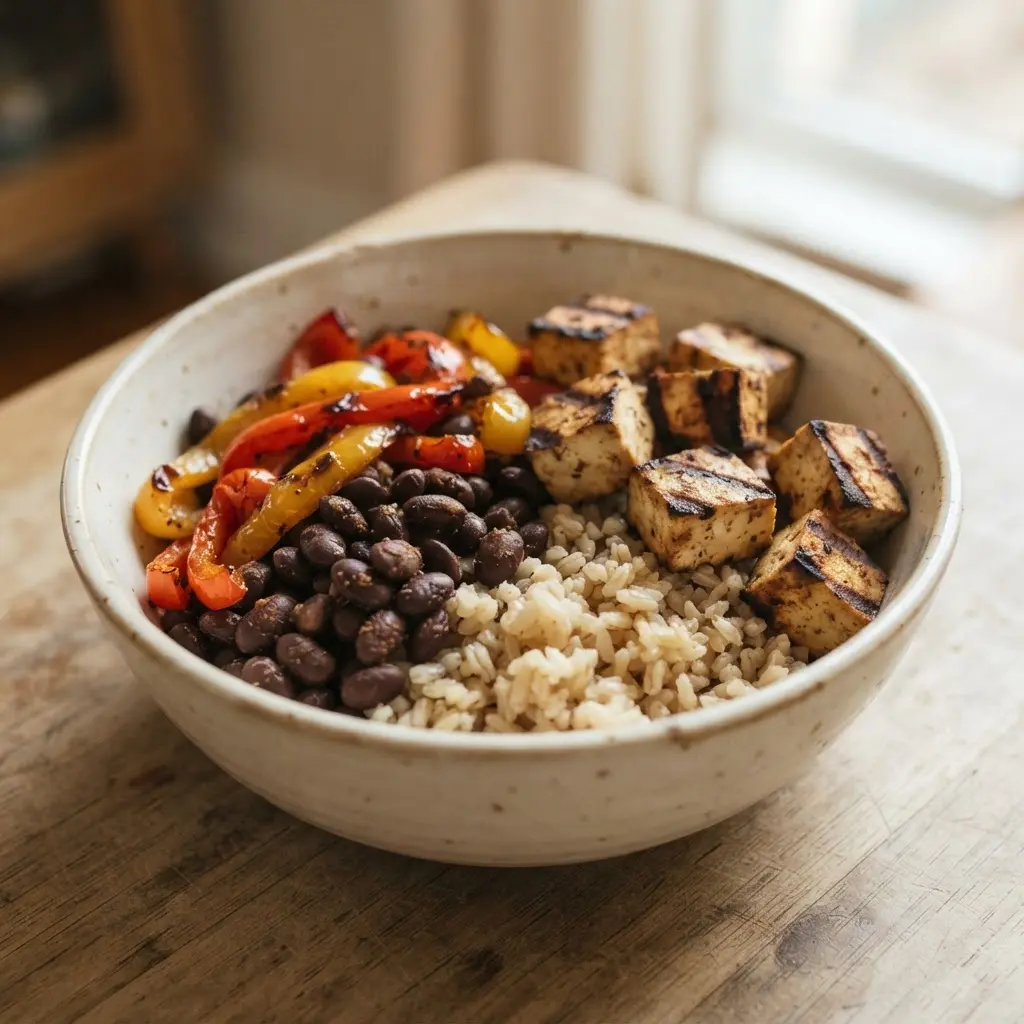
At 7 a.m. on a Monday, the scale shows a regain after three strict weeks of dieting. The person responds by cutting meals again. This pattern forms weight cycling: losing weight, regaining some or all of it, then starting another restrictive plan. Rapid loss often includes muscle tissue along with body fat, especially when food intake drops sharply.
Choose gradual habit changes instead of severe restriction, remembering that reasons you should avoid fad diets include the heavy toll this cycle takes on your routine. A difficult plan eventually leads many people back to earlier eating patterns. Regain follows, and another rapid-loss attempt begins. Repeated dieting also affects hunger signals.
Changes in leptin and ghrelin influence fullness and appetite after weight loss. Lower muscle mass reduces daily energy use, which makes later loss harder for some people. Research suggests repeated cycles affect mental well-being and the relationship with food.
Persistent difficulty after repeated cycles often reflects hidden weight loss barriers, not personal failure. Studies have linked weight cycling with high blood pressure, cardiovascular disease, and type 2 diabetes, although these connections are debated. Initial body size and other health factors might explain part of the risk.
Track eating patterns, activity, sleep, stress, and strength rather than relying only on the scale. Build meals and movement routines you can maintain for months, not days. Address emotional eating with a registered dietitian, therapist, or healthcare provider. Always consult a healthcare professional before making changes to your health routine.
4. Psychological Risks of Restrictive Eating and Food Rules

Strict food rules do not always create control and motivation. The common belief is false. Restriction often increases mental strain around eating. A rule banning bread, sweets, or evening snacks turns an ordinary meal into a test of willpower.
Tracking every bite also keeps food on your mind throughout the day. Over time, eating becomes tied to guilt instead of hunger, comfort, or shared meals. Repeated restriction often creates a cycle. Eating too little increases physical hunger.
Hunger makes rigid rules harder to follow. Breaking one rule then brings shame, followed by renewed restriction. This pattern differs from a steady eating routine. Rigid food rules also leave little room for birthdays, travel, work meals, or changes in appetite, which highlights reasons you should avoid fad diets when planning your social calendar.
Food rules also affect daily choices and social life. A person might skip a restaurant meal, avoid eating with friends, or spend long periods planning the next meal. Some people begin to label foods as good or bad, then judge themselves by each choice. Clinical guidance recognizes these patterns as reasons to seek support, especially when worry about food interferes with work, sleep, relationships, or regular meals.
Replace punishment with regular nourishment and flexible choices. Eat at consistent times, include a range of foods, and notice hunger and fullness without assigning moral value to either response.
Speak with a registered dietitian, physician, or mental-health professional when food thoughts feel difficult to control or eating rules cause distress. Professional support is especially important when restriction leads to skipped meals, secrecy, binge eating, or fear of ordinary foods. Always consult a healthcare professional before making changes to your health routine.
Personalizing Sustainable Support With A Dietitian
Ask a registered dietitian to match your eating plan with your health history, budget, culture, schedule, and food preferences before making major changes. A food diary gives useful detail about meals, hunger, energy, digestion, and fluid intake without turning eating into a scorecard. Keep these points in mind as reasons you should avoid fad diets while reviewing your own nutrition habits. Share past dieting patterns, weight loss and regain, medical diagnoses, medicines, allergies, and signs of disordered eating during the visit.
The plan should include enough calories, protein, fiber, vitamins, minerals, and fluids, with room for familiar foods and social meals. Regular follow-up helps your dietitian adjust portions, meal timing, supplements, and goals as your needs change.
If restriction causes fear around food, binge eating, purging, or strong distress, ask for eating-disorder support alongside nutrition care. Understand that reasons you should avoid fad diets go hand in hand with finding a safe, steady path forward.
Conclusion
Food choices often carry emotions as well as hunger. A strict plan might seem like proof of commitment, but food rules do not measure your worth. Your earlier diet struggles do not define your discipline. Fad plans often make eating harder by cutting out needed foods and setting goals few people sustain.
Use the reasons you should avoid fad diets as a reason to choose steadier habits. Start today with one filling meal built from vegetables, fruit, whole grains, protein, and a source of healthy fat. Eat at a pace you enjoy and notice how your energy and hunger respond. Keep changes small enough to fit your real schedule.
If food worries feel strong or eating feels unsafe, speak with a registered dietitian or doctor. You deserve support rooted in care, not punishment. Let’s make your next meal a calm step toward lasting health.
FAQs
Q: Why do fad diets lead to nutrient gaps?
A: They remove foods or food groups needed for a balanced intake. This raises the risk of low fiber, protein, vitamins, or minerals.
Q: How does rapid weight loss affect muscle?
A: Rapid weight loss often includes water and muscle, along with body fat. Eating enough protein and choosing a slower pace supports muscle health.
Q: Why does weight return after a fad diet?
A: Strict plans are hard to follow over time. Returning to usual eating after heavy restriction often leads to repeated weight changes.
Q: Do restrictive diets affect mental health?
A: Strict food rules often increase guilt, worry, and stress around meals. Flexible eating supports a calmer relationship with food.
Q: What is a safer alternative to a fad diet?
A: A balanced eating pattern includes vegetables, fruit, whole grains, protein foods, and healthy fats. Small changes built around your routine are easier to sustain.