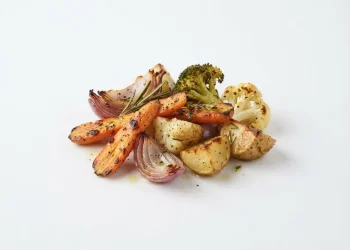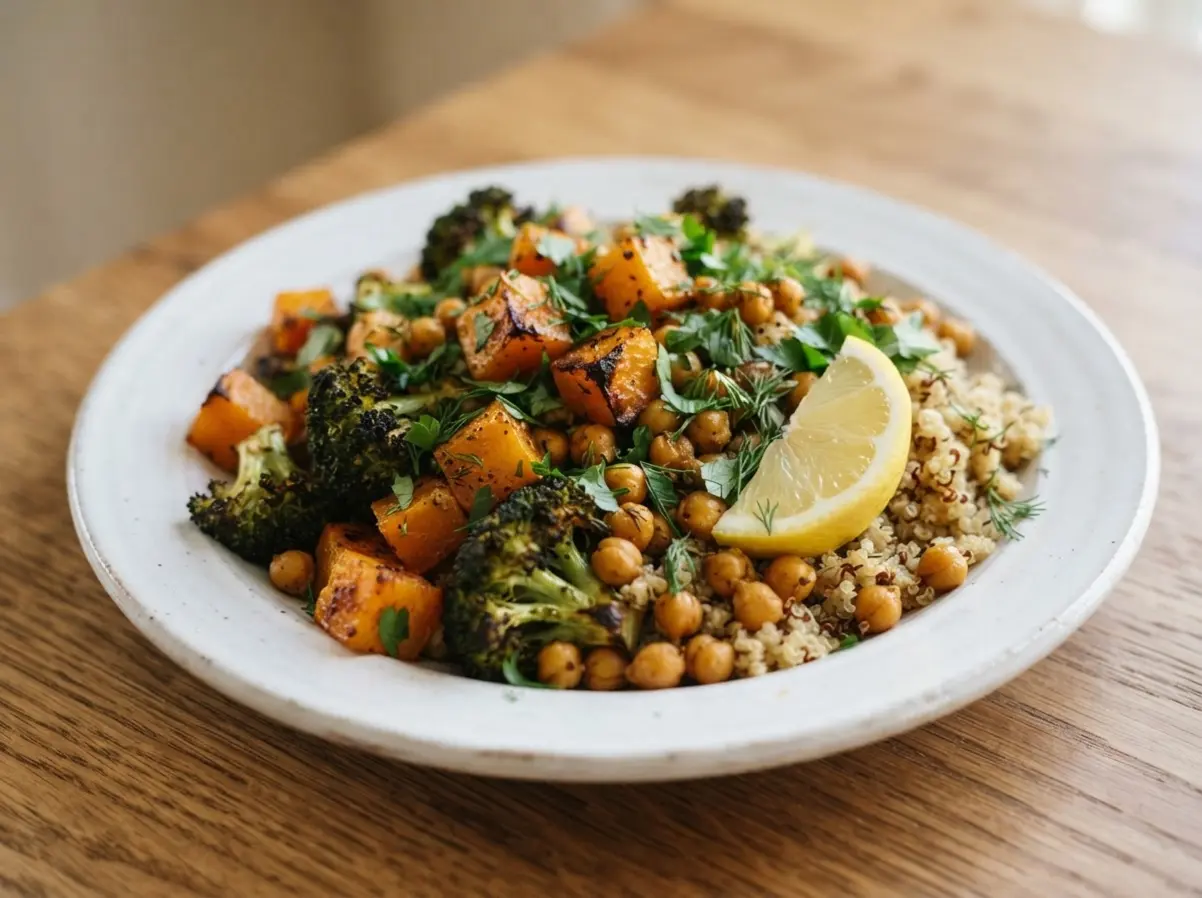
Want meals with good nutrition and great flavor? Tips on how to eat healthy but tasty start with fresh ingredients, bold seasonings, and simple cooking methods. Build each plate with colorful vegetables, filling protein, whole grains, and a sauce or topping you enjoy. Then adjust salt, acidity, herbs, and spices until the meal tastes right to you.
Healthy eating does not need to feel strict or dull. A few pantry staples, a hot pan, or a roasting tray can change how vegetables, grains, and proteins taste. I know busy days also make cooking feel like extra work, so consider tips on how to eat healthy but tasty when planning your week. These ideas focus on easy choices and useful habits.
Smart Grocery Pairings For Balanced Meals
Build each shopping trip around a protein, a whole grain, and two colorful vegetables for easy balanced meals. A carton of eggs, cooked lentils, or cooked chickpeas gives meals a filling center without much work. Pair brown rice or oats with frozen broccoli and peppers when fresh produce costs more or spoils quickly. Apply tips on how to eat healthy but tasty when selecting items at the store.
Add nuts, seeds, or avocado for unsaturated fats, which support a satisfying texture and flavor. Choose vegetables in different colors because each one brings distinct taste and useful nutrients. Keep plain yogurt, citrus, garlic, and low-sodium beans nearby for quick pairings. Check labels on sauces and seasoned grains, since salty additions often add more sodium than expected.
Safe Preparation For Fresh Ingredients
Keep raw poultry on a separate cutting board to limit germs moving onto salad ingredients. Wash hands with soap for 20 seconds before handling food and after touching raw meat, eggs, or seafood. Follow tips on how to eat healthy but tasty during kitchen prep to avoid cross contamination. Give knives, counters, and boards a hot, soapy wash, then let them dry fully.
Store raw animal foods below ready-to-eat ingredients in the refrigerator, using a sealed container to catch leaks. Refrigerate cooked food within two hours, or within one hour when the room feels hot. Keep the refrigerator at 40°F (4°C) or colder, and eat refrigerated leftovers within three to four days. Rinse produce under running water before cutting it, even when peeling follows. Do not wash raw chicken, since splashing spreads germs across nearby surfaces.
1. Prepare Your Pantry Flavor Essentials for Tasty Meals
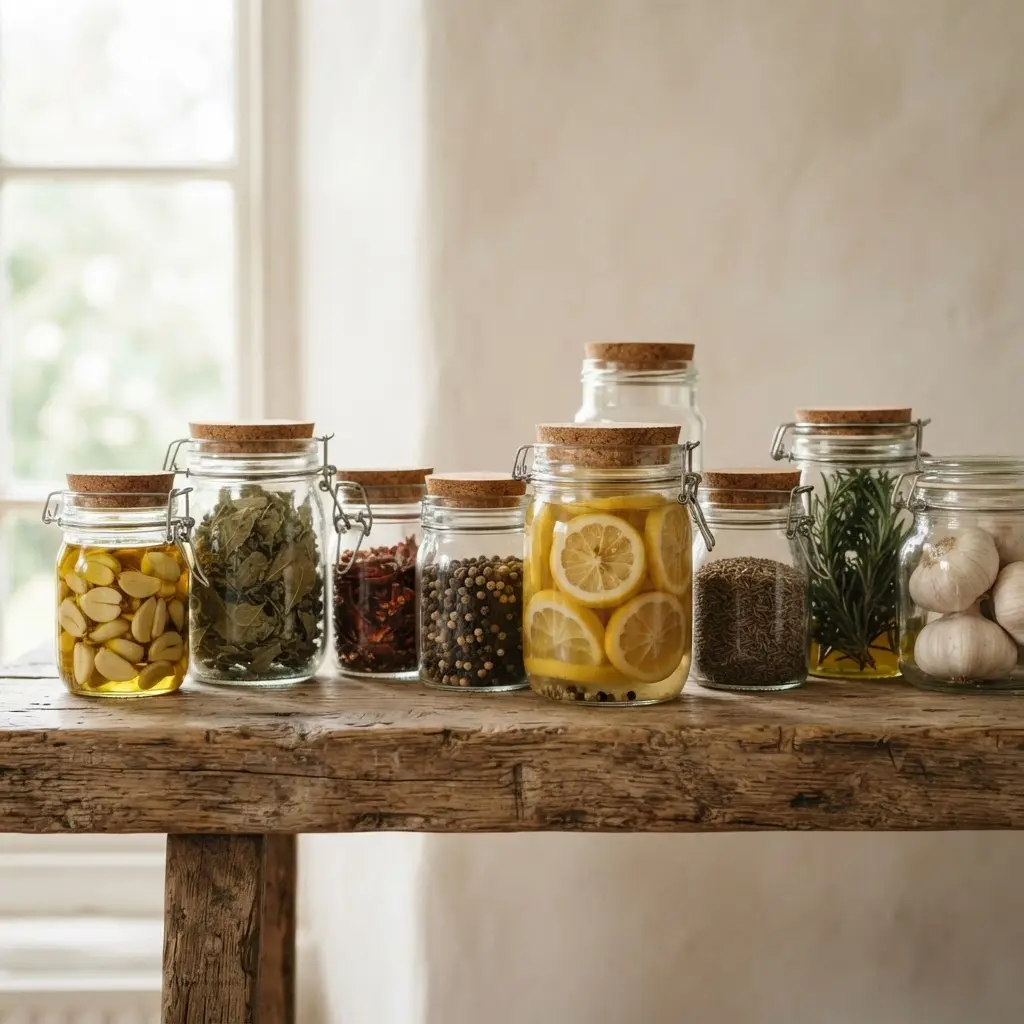
Do not treat salt as the only fix for bland food. Flat food often needs acid, fat, umami, or aromatics. Start with the big five: kosher salt, whole black peppercorns, garlic powder, a good vinegar, and soy sauce. Many cooks review tips on how to eat healthy but tasty before organizing their spice shelves.
Keep acids ready for quick balance. Use red wine vinegar with beans, rice vinegar in stir-fries, or lemon juice over roasted vegetables. Vinegar-based hot sauce supplies acidity and heat in one step. Acid brightens rich foods and keeps savory dishes from tasting heavy. Store lemons and limes where they are easy to reach, so finishing a meal takes seconds.
Stock fats suited to different cooking temperatures. Use extra virgin olive oil for finishing and low-heat cooking. Choose avocado oil or another neutral oil for high-heat searing. Add butter for richness in sauces, grains, and cooked vegetables. Building your fat selection aligns with tips on how to eat healthy but tasty.
Build savory depth with soy sauce, tamari, tomato paste, miso, or a small amount of fish sauce. Add concentrated ingredients slowly, since excess salt or umami can overpower a dish. Keep gochujang for fermented chili flavor with sweetness. Buy ground spices in small amounts and replace them as their aroma fades. Round out the pantry with oregano, thyme, bay leaves, cumin, coriander, chili flakes, and cayenne. These staples match tips on how to eat healthy but tasty.
2. Build a Sautéed Aromatic Foundation Base for Better Flavor
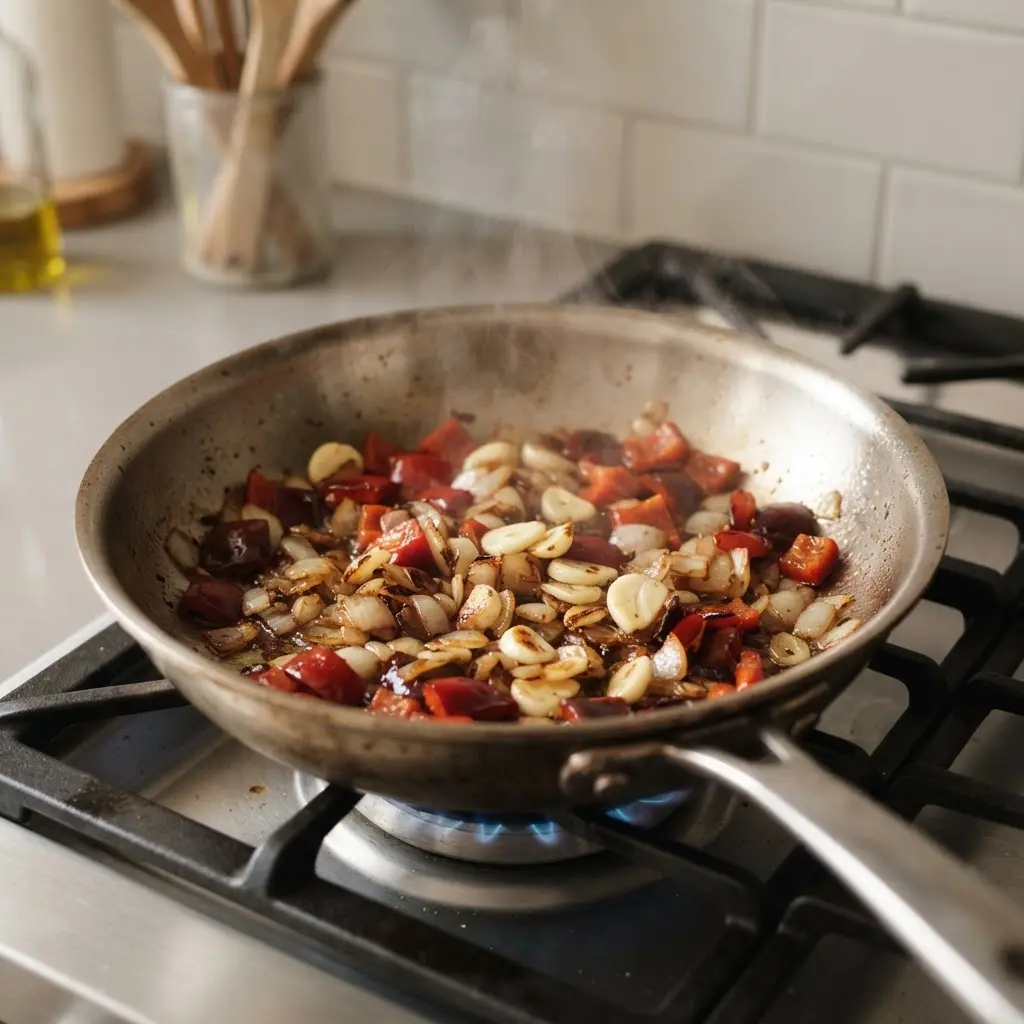
Start with medium heat and a small amount of olive oil, canola oil, or a mix of oil and butter. Add carrots or celery first, then cook for 3 to 5 minutes. Stir in onions or shallots and cook for another 5 to 7 minutes, until soft and translucent. Longer cooking brings out more natural sweetness without relying on a heavy sauce, which follows tips on how to eat healthy but tasty.
Use uniformly chopped pieces so the vegetables soften at a similar pace. Add bell peppers, mushrooms, or leeks after the firmer vegetables begin cooking. Wash leeks well and use only the white and light-green parts. Keep the pan roomy. Crowded vegetables release moisture and steam instead of developing a lightly browned surface. This technique matches tips on how to eat healthy but tasty.
Add garlic in the final minutes because garlic cooks quickly and burns easily. Stir it in during the last 1 to 2 minutes, then season with salt and pepper. Salt draws moisture from the vegetables as they cook, while the fat carries their aromas through the dish. Research suggests that building flavor from vegetables first makes nutritious meals more satisfying and easier to enjoy with less reliance on excess salt or rich toppings. Applying tips on how to eat healthy but tasty here makes the process easier.
Release browned bits with deglazing liquid such as broth, wine, or water. Scrape the pan gently and stir the liquid into soup, stew, pasta sauce, or grains. Adjust the heat whenever the vegetables darken too quickly. This base works across many meals, from a quick breakfast skillet to an evening vegetable dish.
3. Choose High-Quality Lean Proteins for Satisfying Meals
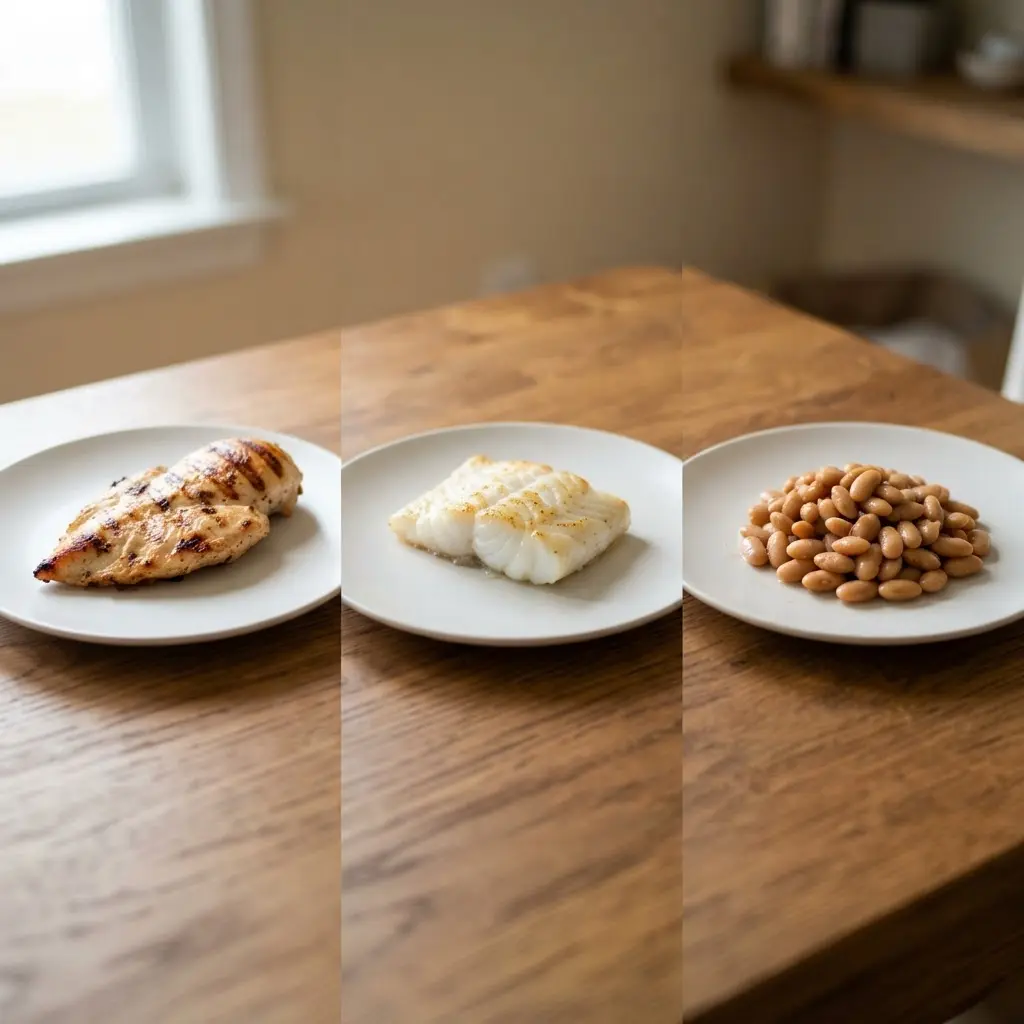
At 7 p.m., a plate of vegetables and rice can leave you searching the kitchen again before bedtime. Add a lean protein source, such as skinless chicken, baked fish, tofu, eggs, or lentils. Protein supports tissue building and repair. Protein-rich foods also help meals feel filling without relying on deep-frying or heavy sauces, which aligns with tips on how to eat healthy but tasty.
Build meals around nutrient-dense protein sources and vary choices through the week. Serve salmon, mackerel, or sardines for protein and omega-3 fatty acids. Use beans, lentils, or peas when you want protein with fiber. Choose Greek yogurt, cottage cheese, or skim milk for a simple dairy option. Research suggests protein and fiber together support fullness after meals, following tips on how to eat healthy but tasty.
Prepare protein with lower-fat cooking methods such as grilling, baking, broiling, steaming, or stir-frying with minimal oil. Season chicken with garlic, paprika, and lemon. Add herbs, ginger, salsa, or a small amount of olive oil to fish, tofu, or lean meat. Remove poultry skin before cooking, and select ground beef labeled 90% lean or higher. This approach reflects tips on how to eat healthy but tasty.
Keep red meat in rotation without making it the only choice. Select sirloin, tenderloin, round steak, pork tenderloin, or loin chops in moderate portions. Pair each serving with vegetables, whole grains, or beans for a balanced plate. Eggs provide protein in both the whites and yolks, so do not discard the yolk automatically. Individual protein needs vary with medical conditions, allergies, dietary restrictions, and nutrition goals. Choose foods and portions suited to your needs, keeping in mind tips on how to eat healthy but tasty.
4. Incorporate Diverse Whole-Grain Textures Into Meals
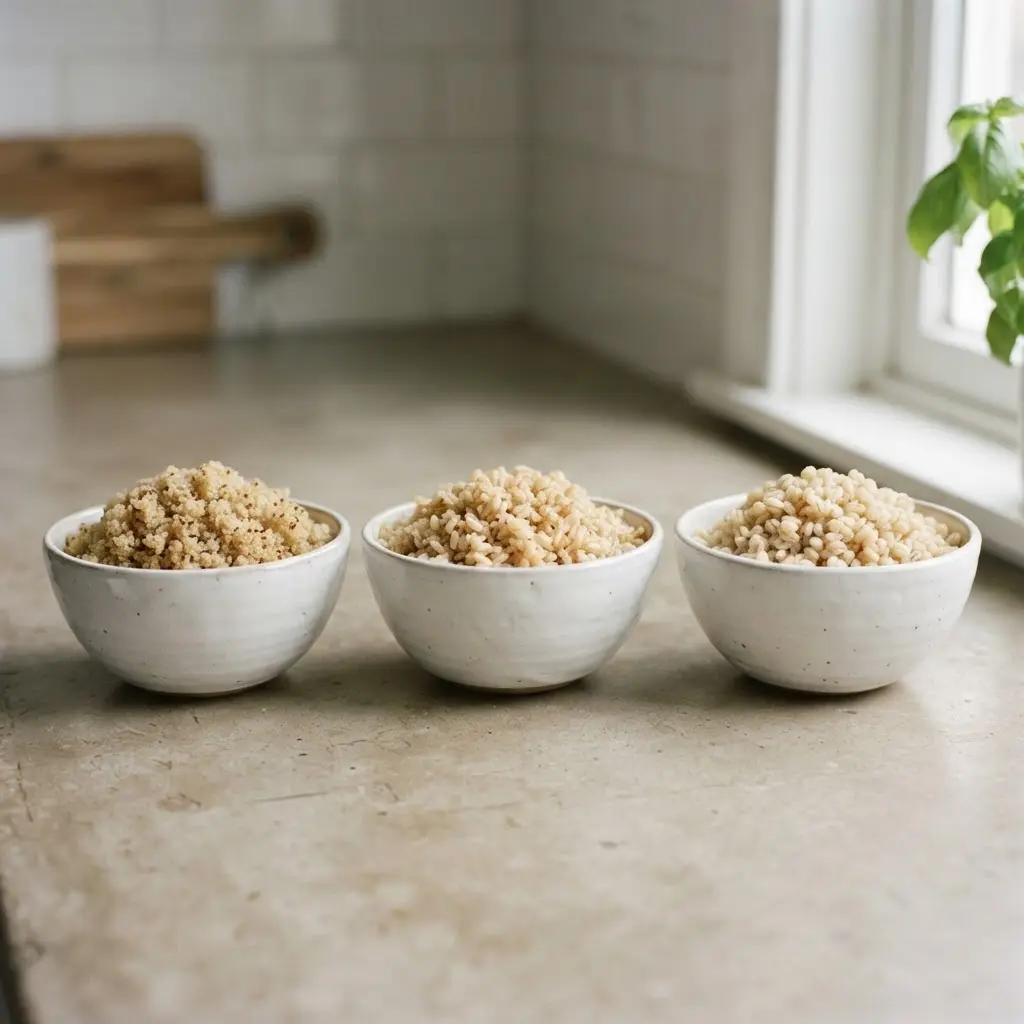
Healthy meals do not need to have a soft or plain texture. The common belief that whole grains make food dull misses the range of bites available. Choose texture contrast by pairing chewy farro or barley with crisp vegetables, seeds, or toasted grains. Cook grains according to package directions, since extra cooking time often creates a mushy result. Applying tips on how to eat healthy but tasty here improves the overall dish.
Start with familiar meals. Use steel-cut oats for a chewy breakfast, or choose rolled oats for a softer bowl. Prepare quinoa, millet, or amaranth with milk or water, then add fruit, nuts, and seeds. At lunch, add barley, wheat berries, or brown rice to soup, salad, or a grain bowl. Select bread labelled 100% whole grain. Simple swaps support tips on how to eat healthy but tasty.
Build dinner around more than one bite. Use wild rice, bulgur, or quinoa in a pilaf. Fill peppers or zucchini with cooked farro and vegetables. Add brown rice to a stir-fry, or mix bulgur into a meatloaf mixture. For snacks, choose popcorn or whole-grain crackers with cheese or a dip. Toasted or puffed grains add crunch to soft yogurt, porridge, and casseroles. These combinations follow tips on how to eat healthy but tasty.
Research suggests that varied textures improve meal satisfaction for many people, while gradual additions make whole grains easier to include. Rotate chewy, fluffy, hearty, and crunchy options across the week. Check labels rather than relying on brown color, and begin with a small portion mixed into a familiar dish. Steady progress matches tips on how to eat healthy but tasty.
5. Roast Vegetables for Natural Caramelization
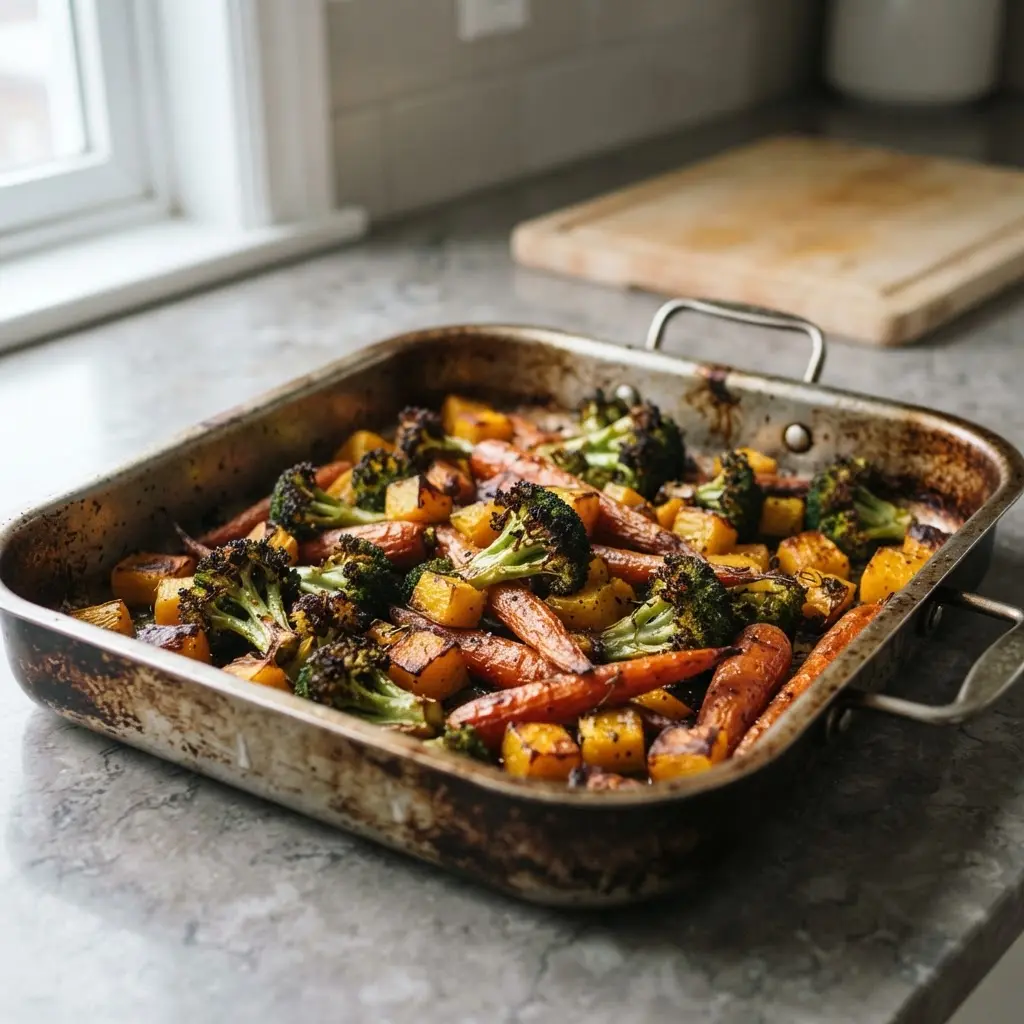
Why do roasted vegetables taste sweeter than steamed ones? High oven heat browns natural sugars and dries the surface, creating deeper flavor and crisp, golden edges. Browning also develops savory toasted notes through the Maillard reaction. This simple method makes vegetables more satisfying without heavy sauces.
Wash and dry carrots, parsnips, sweet potatoes, broccoli, cauliflower, Brussels sprouts, peppers, zucchini, asparagus, or mushrooms. Cut pieces into similar, bite-sized shapes so smaller pieces do not burn before larger pieces soften. Coat the vegetables with olive oil, avocado oil, or melted coconut oil. Add salt, rosemary, thyme, paprika, garlic powder, or onion powder.
Spread the pieces on a sturdy sheet in a single layer. Leave space between them because trapped moisture creates steam and limits browning. Roast at 400 to 425°F, or 200 to 220°C, for about 20 to 45 minutes. Turn the pieces halfway through cooking. Test thick pieces with a fork, then continue roasting until the centers are tender and the edges are deeply browned. Proper spacing follows tips on how to eat healthy but tasty.
Research suggests that browning improves the sensory appeal of vegetables, which supports greater enjoyment of balanced meals. Add maple syrup or honey during the final 10 to 15 minutes only. Early sweeteners often burn before the vegetables finish cooking. Serve roasted vegetables beside a protein, over grains, or mixed into a salad.
6. Balance Dish Acidity and Umami for Full Flavor
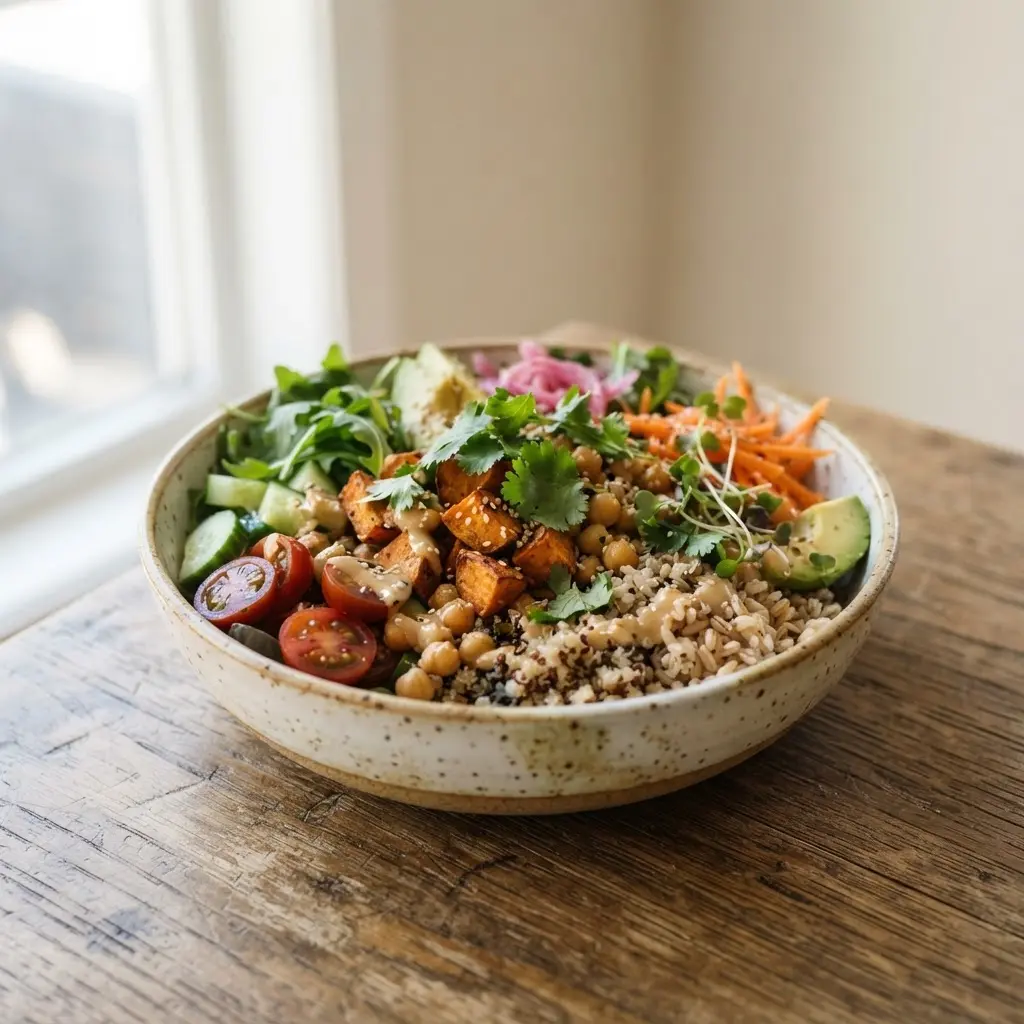
A dish with only soy sauce tastes heavy, while one with only lemon tastes sharp. Build a savory umami foundation with mushrooms, tomato paste, miso, Parmesan, or a small amount of soy sauce. These ingredients give vegetables, grains, beans, and sauces deeper flavor without requiring large amounts of added fat or sugar. Start with one main umami source, then add another in a smaller amount for more depth.
Concentrate savory ingredients before adding acid. Roast mushrooms until their edges brown, caramelize onions, or cook tomato paste for two to three minutes. Heat removes water and intensifies flavor. A mushroom and soy sauce base, finished with a little Parmesan, gives a simple grain bowl a more complete taste. Many people find balanced savory meals more satisfying because several flavor layers make modest portions feel substantial. This layering matches tips on how to eat healthy but tasty.
Add acidity gradually after the savory base tastes full. Use lemon or lime juice for a clean, sharp lift. Choose balsamic vinegar for sweetness and depth, or rice wine vinegar for a lighter note. Stir in one teaspoon at a time, taste after each addition, and stop when the dish tastes lively rather than sour.
Reserve some acid for a finishing squeeze. Long cooking softens fresh citrus flavor, while a small squeeze added at the table keeps the meal bright. Pair a creamy mushroom sauce with lemon, or top a rich lentil dish with tomatoes and herbs. Add a crisp acidic garnish when the texture feels soft or heavy.
7. Practice Mindful Portion Plate Control at Each Meal
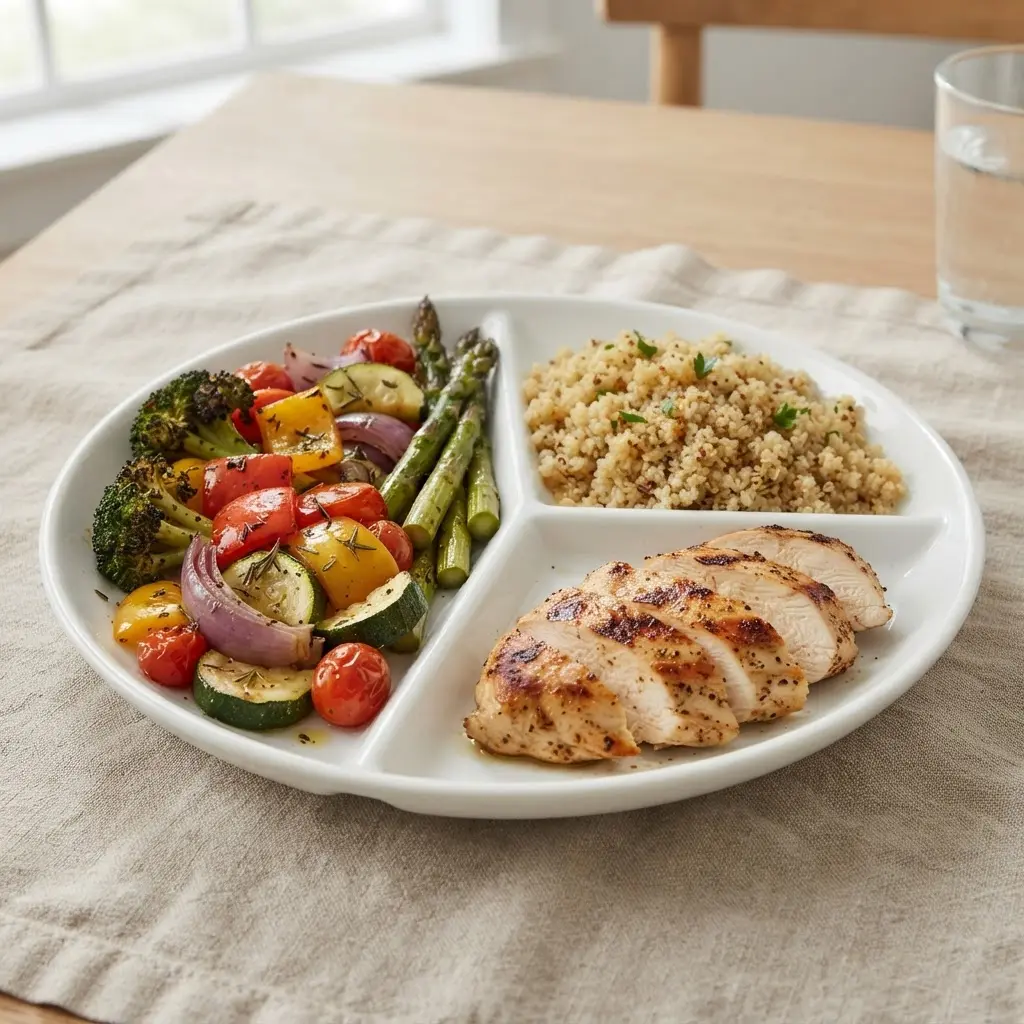
A common mistake is treating portion control as a rule to eat less of every food. Correct the habit by using visual plate sections to create balance instead. Fill about half a standard dinner plate with non-starchy vegetables, one quarter with protein, and one quarter with whole grains or starchy vegetables. This layout follows tips on how to eat healthy but tasty.
Start with leafy greens, broccoli, peppers, tomatoes, or zucchini. Add chicken, fish, eggs, tofu, beans, or lentils for protein. Choose brown rice, quinoa, whole-wheat pasta, potatoes, or sweet potatoes for carbohydrates. Use filling low-calorie foods to make the vegetable section more satisfying without crowding out protein or carbohydrates.
Eat slowly after serving the meal. Put the fork down between bites, notice flavour and texture, and pause during the meal to check your hunger level. Research suggests mindful eating supports better awareness of fullness and reduces automatic overeating, especially during meals eaten away from televisions, phones, or work. Staying present matches tips on how to eat healthy but tasty.
Stop at comfortable satisfaction rather than eating until the plate is empty. Drink water before or during the meal, since thirst sometimes feels like hunger. Treat the half-quarter-quarter layout as a flexible guide, not a fixed target for every meal. Portion needs vary with age, activity, health conditions, medicines, and dietary requirements.
8. Savor Meals Without Digital Distractions
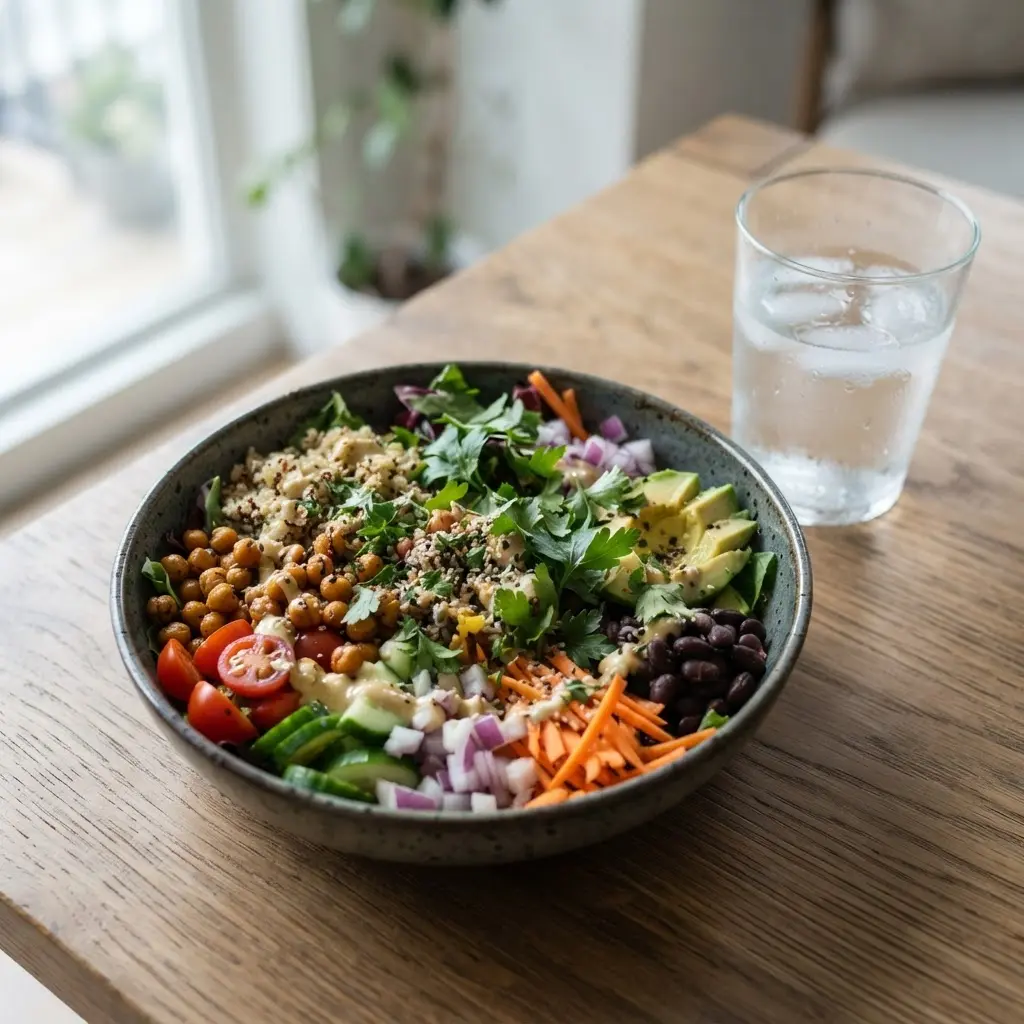
Put away your phone, television, and computer before you eat. Place your phone in another room or inside a drawer rather than leaving it beside your plate. A silent screen still pulls attention away from the meal. Begin with a device-free eating area so your first few minutes stay focused on food.
Pause for about 10 seconds before the first bite. Notice the meal’s colors and aroma, then pay attention to its texture as you chew. Eat slowly enough to identify salty, sweet, sour, bitter, or savory notes. Each bite offers information about flavor and fullness, so avoid rushing through the plate.
Research suggests mindful eating practices support greater awareness of hunger and fullness signals. Slower eating also gives the body more time to respond during a meal, which may help you stop when satisfied rather than continuing from habit.
Create a pleasant setting without turning the meal into a strict routine. Use soft lighting, a tidy table, or gentle music if those details make sitting down easier. During shared meals, keep attention on the conversation and the people around you. Take a brief pause halfway through dinner and assess your hunger before continuing. Stop when your body feels comfortably full, even when food remains on the plate.
Creative Leftover Combinations For Tomorrow
Turn leftover roasted vegetables and cooked brown rice into a bowl with flaked salmon, tofu, or an egg. Add a spoonful of beans when the first meal lacked enough protein or fiber. Fold cold vegetables into whole-grain pasta with olive oil, lemon juice, and lemon zest for fresh flavor without a heavy sauce.
Stuff leftovers into a whole-wheat pita with greens and plain yogurt, or spoon them over a baked potato. Chop cooked chicken into a bean salad with tomatoes, cucumber, and herbs. Keep textures varied by pairing soft grains with crisp cabbage, toasted seeds, or sliced radishes. Store the combination in a shallow container so it cools quickly, then label the date before refrigeration. Reheat only the portion you plan to eat, since repeated warming dries food and weakens its texture.
Conclusion
Healthy food feels more satisfying when it fits your tastes, schedule, and daily routine. You do not need perfect meals or strict rules. Small choices, such as adding herbs, roasting vegetables, or mixing a bright dressing, give simple foods more appeal.
Choose one meal this week and give it a fresh flavor focus. Add lemon and herbs, bring in a crunchy topping, or pair a familiar protein with a new whole grain. Tips on how to eat healthy but tasty work best when you use them often and keep the process easy. Sit down for a few quiet minutes and notice the taste, smell, and fullness of the meal.
FAQs
Q: How do I make vegetables taste better without heavy sauces?
A: Roast or sauté vegetables with olive oil, garlic, herbs, spices, or lemon. A small amount of grated cheese, toasted seeds, or yogurt sauce adds more flavor and texture.
Q: What seasonings make healthy food taste less bland?
A: Use garlic, onion, paprika, cumin, black pepper, herbs, citrus, vinegar, or chili flakes. Add salt in small amounts while cooking, then taste before adding more.
Q: How do I build a filling healthy plate?
A: Fill about half the plate with vegetables, then add a serving of protein and a portion of whole grains or starchy vegetables. Include a small amount of healthy fat, such as avocado, nuts, seeds, or olive oil.
Q: How do I eat healthy when I have little time to cook?
A: Keep frozen vegetables, canned beans, eggs, quick-cooking grains, and cooked proteins on hand. Use one-pan meals, grain bowls, or simple soups for faster preparation.
Q: How do I control portions without weighing food?
A: Use your plate as a guide and serve food in the kitchen instead of placing a large dish on the table. Eat slowly and pause before choosing a second serving.