
I know it feels frustrating to work hard while results stay slow. Many gym problems come from small habits, not a lack of effort. A short warmup prepares your body for movement. Controlled reps keep your muscles doing the work.
Rest gives your body time to recover. Food and water support each session. I will walk you through ten common trouble spots, with simple changes for safer training and more useful workouts.
Let’s check your form, plan your week, and choose one habit to improve today. If you notice the most common mistakes you make in the gym during your first month, pause and adjust your routine right away. Join me and get started.
Movement Readiness Before Resistance Training
Spend five to eight minutes raising your temperature, then match the warm-up to the joints and muscles your session will use. A movement-specific warm-up prepares squats with bodyweight squats, hip hinges, and gentle ankle work rather than random stretching. It also gives you a quick form check before resistance makes errors harder to control, which covers the most common mistakes you make in the gym.
Keep the effort easy enough for normal conversation, since fatigue before lifting reduces attention and stability. Move through the same range you plan to train, while avoiding sharp pain or forced positions. Tightness often eases as you move, but pain deserves a pause and, if it continues, guidance from a qualified trainer or physical therapist.
Proper shoes with secure grip also help your feet stay planted during lower-body work. Reviewing your routine early helps you spot the most common mistakes you make in the gym before heavy lifting begins.
Load Selection For Controlled Repetitions
Choose a weight you control for every repetition, with the final two repetitions feeling difficult but still smooth. A manageable training load keeps your joints aligned and your movement path consistent, while excessive weight forces swinging, shortened range, or breath holding. Start lighter when an exercise feels new, since unfamiliar setup changes your balance and grip.
Add small plates only after your target repetitions look alike from the first rep to the last. Ask a gym partner or trainer to check bar position and joint alignment when you feel unsure. Stop the set when form breaks, not when momentum hides fatigue.
Keep a simple log of weight, repetitions, and control quality, so progress reflects stronger movement rather than a heavier number alone. Tracking your lifts helps you avoid the most common mistakes you make in the gym during heavy training blocks.
1. Improper Lifting Technique for Safer Strength Training

Using momentum to force a heavy weight upward is a common gym mistake. Replace rushed movement with controlled repetitions from start to finish, and you will quickly fix the most common mistakes you make in the gym. Jerking shifts work away from the target muscles and places extra stress on joints. Lower each weight with the same control used during the lifting phase.
Keep a neutral spine instead of rounding the back or leaning too far backward. Brace the abdominal muscles before each repetition, then lift from the hips and legs during squats, deadlifts, and floor pickups. Keep the neck aligned with the spine and choose a grip that keeps the wrists steady, which prevents the most common mistakes you make in the gym during complex lifts.
Research supports controlled exercise technique as a way to reduce unnecessary strain and improve muscle control. Stop immediately if sharp or persistent pain appears. Muscle fatigue and a normal burning feeling differ from joint or warning pain. Always consult a healthcare professional before making changes to your health routine.
2. Omitted Warmup Routines Before Every Workout

Start every workout with a gradual warmup. Use the first five to ten minutes for easy movement, such as brisk walking, gentle cycling, or light rowing. Raise effort slowly instead of moving straight from rest into heavy lifting, and you will avoid the most common mistakes you make in the gym.
Match the warmup to the session ahead. Before squats, perform bodyweight squats and controlled leg movements. Before upper-body training, use arm circles, light resistance work, and a few easy repetitions of the first exercise. Keep the effort low enough for smooth breathing and steady control.
Evidence generally supports gradual preparation because increased blood flow and movement practice improve physical readiness. Skipping this step leaves the body moving from a resting state into demanding exercise with less preparation.
Build the routine into your arrival at the gym, then increase the load in stages. Stop or adjust the plan if pain, dizziness, or unusual shortness of breath appears, since ignoring these signals worsens the most common mistakes you make in the gym.
3. Inadequate Rest and Recovery for Steady Progress

At 6 a.m., you finish a hard workout after sleeping five hours, then plan another intense session for the evening. Schedule planned rest days instead, because rest days directly counter the most common mistakes you make in the gym. Exercise stresses muscle tissue, while sleep gives the body time to repair and restore energy.
Establish a regular sleep and wake time, aiming for 7–9 hours of quality sleep each night. Use walking, gentle stretching, or yoga as active recovery on easier days. Maintain adequate food and fluids around training, and manage daily stress with deep breathing or quiet time. Research suggests consistent recovery supports steadier training progress than repeated high effort without breaks.
Track energy, soreness, motivation, and workout performance across the week. Reduce training demands when exhaustion continues or performance declines. Treat persistent pain as a warning rather than a challenge to overcome, and you will sidestep the most common mistakes you make in the gym.
4. Lack of Structured Training Plans for Gym Progress
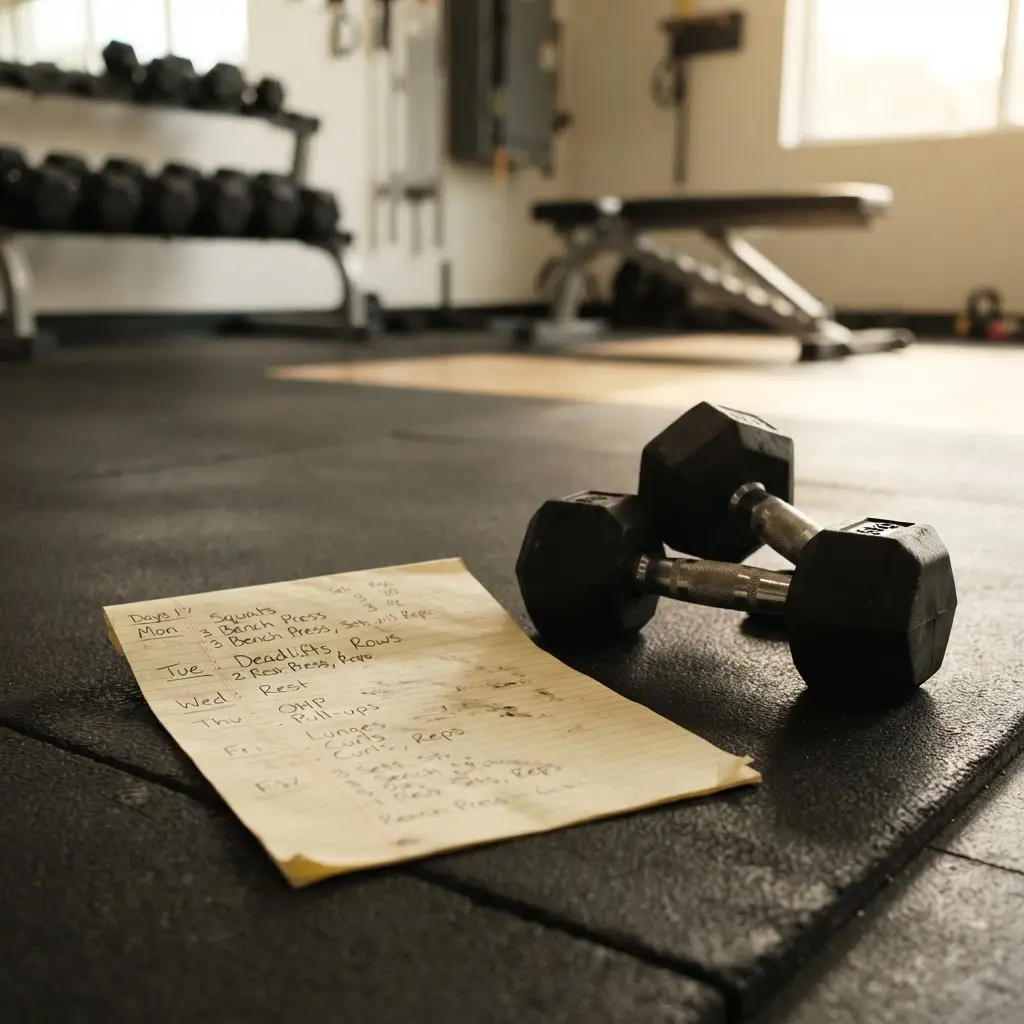
Many people believe gym progress comes from changing exercises each session. Consistent training with a structured plan gives you repeatable targets for load, repetitions, and recovery. Random workouts make progress hard to measure.
Choose a routine such as a four-day upper/lower split, then follow it for several weeks. Organize training into three-to-five-week blocks focused on muscle growth or strength. Apply double progression by adding repetitions within a set range, then increasing weight after good form reaches the top of that range, which fixes one of the most common mistakes you make in the gym.
Record each exercise, set, repetition, load, and effort level after every workout. Research suggests consistent tracking makes changes easier to judge because performance records remove guesswork from future sessions. Planned recovery also reduces pressure to train maximally every time.
Schedule rest days and keep weight steady during periods of poor sleep, high stress, or lingering soreness. Reduce volume during a deload week when fatigue builds. Prioritize sound technique over heavier loads. People with injuries, medical conditions, or persistent pain should seek guidance from a qualified healthcare or fitness professional.
5. Excessive Training Intensity and Muscle Fatigue

Must every workout be maximal? No. Planned recovery gives muscles time to repair and adapt after hard training. Repeating heavy sessions while soreness and fatigue remain often reduces strength, coordination, and reaction speed.
Schedule easier sessions between demanding workouts. Vary weight, repetitions, and session length across the week through periodized training. Prioritize sleep and regular meals to increase gym energy levels before adding more sessions, which prevents the most common mistakes you make in the gym.
Stop treating pain or extreme fatigue as a discipline test. Persistent fatigue, declining performance, recurring illness, disrupted sleep, or pain warrants professional assessment rather than another hard workout. Always consult a healthcare professional before making changes to your health routine.
Use a lighter session or rest day when recovery signals worsen, and return to harder training gradually. Tracking your daily energy helps you spot the most common mistakes you make in the gym before they cause setbacks.
6. Neglected Strength Training Workouts During Weight Loss

Choose resistance training over cardio-only routines during weight loss. Calorie restriction without a muscle stimulus raises the share of weight lost from lean tissue. Schedule two strength sessions weekly and train the major muscle groups with weights, machines, bands, or body weight.
Start with a moderate calorie deficit rather than severe restriction. A deficit near 500 kcal per day and a loss of about 1 to 2 pounds weekly support a steadier pace. Increase resistance, repetitions, sets, or exercise difficulty as your body adapts. Pair this plan with adequate protein, since muscle repair needs amino acids.
Relying on cardio alone often reduces body weight without protecting body composition. Resistance training provides the signal muscles need to stay active while energy intake falls, and preserving muscle supports resting energy use. Use exercise over dieting as a reminder to pair food changes with regular training, not extreme restriction.
Always consult a healthcare professional before making changes to your health routine. Maintain gradual training progress while monitoring recovery, because rushing results fuels the most common mistakes you make in the gym.
7. Poor Posture and Core Stability During Exercise

A common mistake is adding weight while your back rounds or your head shifts forward. Correct this by choosing lighter resistance and keeping your ribs stacked over your hips, which directly addresses the most common mistakes you make in the gym. Poor alignment forces other muscles to take over and reduces control.
During a squat, press, or row, keep your trunk steady while your arms or legs move. Brace gently without holding your breath. Practise planks, bird-dogs, dead bugs, or Pallof presses for 10 to 20 seconds per set. Stop and reset once your posture starts to change.
Research on movement mechanics links poor posture with extra stress on joints, muscle imbalances, and less efficient force transfer. Many people also feel strain in the lower back, neck, shoulders, or hips after repeated poor form.
Use a mirror or trainer feedback to check alignment during unfamiliar exercises. Strengthen weak trunk muscles and stretch tight chest or hip muscles. Stop and reassess rather than pushing through discomfort, since ignoring form cues repeats the most common mistakes you make in the gym.
8. Poor Nutrition and Hydration Strategies for Training

Set a basic fueling plan before changing your diet or fluid intake, as this simple step blocks the most common mistakes you make in the gym. Record your meals, drinks, workout length, and training intensity for seven days. This record gives a qualified professional useful details about your routine and personal circumstances.
A fixed food or water routine does not suit every person. Needs vary with training intensity, health status, body size, medications, and daily conditions. Avoid copying a gym partner’s plan or following advice from a supplement label without checking whether the approach fits your health needs.
Drink and eat according to a plan created for your training demands, rather than reacting to fatigue or thirst after a session. Research does not support one universal strategy for training nutrition and hydration. Many people find that professional review identifies gaps or risks that are hard to spot alone.
Book an appointment with a healthcare professional, registered dietitian, or certified sports nutritionist before making major changes. Always consult a healthcare professional before making changes to your health routine, because guessing your needs causes the most common mistakes you make in the gym.
9. Inconsistent Gym Attendance Frequency and Results
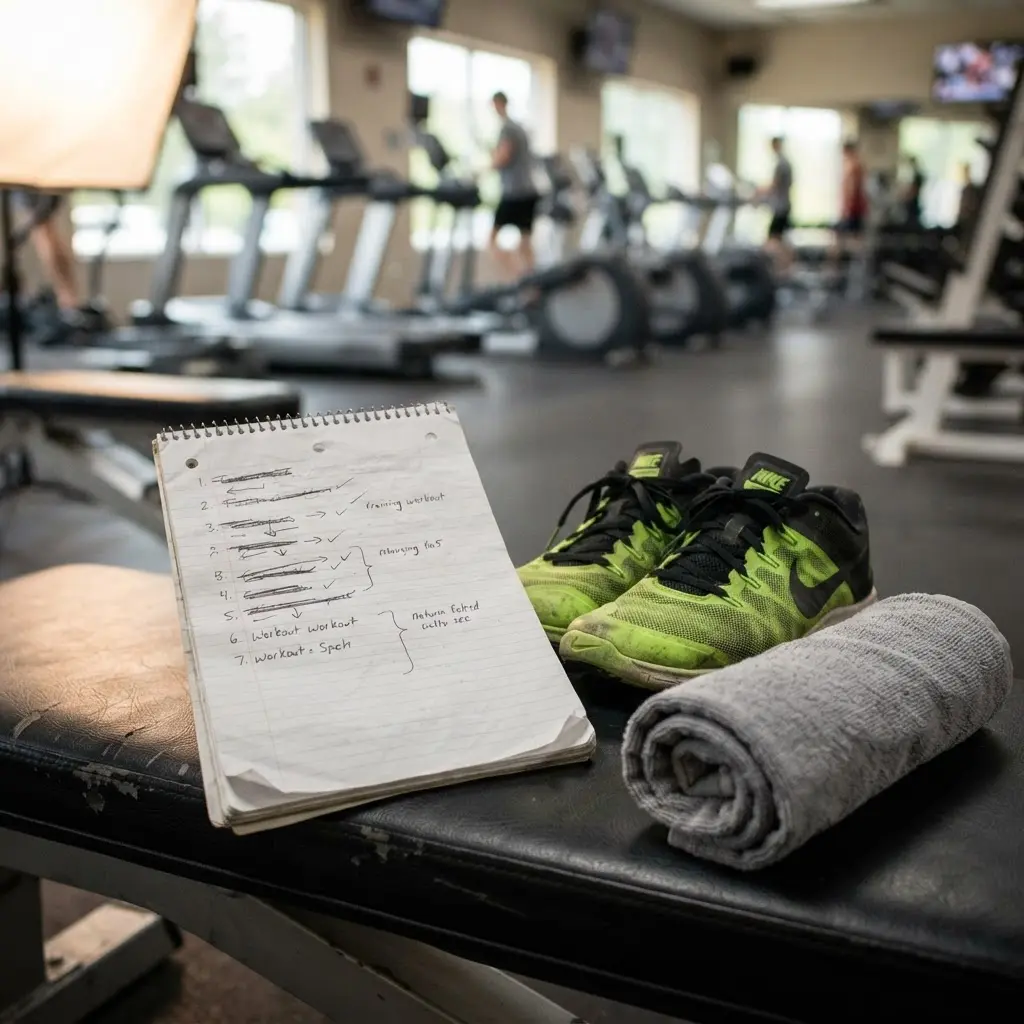
At 6 p.m. on Monday, you arrive after a long workday, train hard, then miss the next ten days. Sporadic effort does not create a stable exercise routine. Establish two weekly sessions on set days, even when each workout is brief, which eliminates one of the most common mistakes you make in the gym.
Regular sessions support cardiovascular progress. Attending at least twice each week is linked with a higher VO₂ max, which measures aerobic capacity. Repeated gaps interrupt these changes and can lead to detraining, or a gradual loss of fitness. Use a session tracker to record workouts and spot missed weeks early.
Research suggests enjoyment, self-efficacy, and support from friends or family improve long-term adherence. Choose a manageable weekly schedule and select workouts you will repeat. Avoid trying to repay missed sessions with exhausting training, since excessive difficulty often creates another reason to skip the gym.
People with medical conditions or concerns about exercise tolerance should seek advice from an appropriately qualified healthcare professional. Staying consistent helps you avoid the most common mistakes you make in the gym during busy months.
10. Overreliance on Exercise Momentum During Lifts

Heavy weight does not prove better progress. Controlled repetitions keep the target muscles working through each part of a lift. Swinging your torso during curls, jerking a dumbbell from the floor, or bouncing through the first inch gives the load extra force.
The intended muscles then face less demand during those positions. Choose a weight you control without changing your posture. Brace your trunk, align your joints, and begin each repetition from the same position, which directly corrects the most common mistakes you make in the gym. Lift with steady acceleration, pause briefly at peak contraction, then lower across about two seconds.
Stop the set once your body must swing or twist to finish. Research suggests moderate, deliberate momentum at the start of some advanced lifts may support heavier loading, but uncontrolled movement shifts stress toward unrelated muscles and joints.
End the set when control breaks down. Excessive momentum increases strain on the joints and spine while reducing the work placed on the intended muscles. Always consult a healthcare professional before making changes to your health routine, since ignoring these signals repeats the most common mistakes you make in the gym.
Progress Measures Beyond Body Weight
Track waist circumference once each week under similar conditions, since body weight alone misses changes in fat, muscle, and water. A waist measurement gives another clear signal when your training supports fat loss but the scale stays steady. Record workout attendance, repetition quality, and clothing fit beside the number, because stronger sessions and looser clothes show progress too.
Weighing at the same time, preferably after using the bathroom, reduces noise from meals, fluids, and clothing. Look at trends across several weeks rather than reacting to one morning’s result. Slow changes still count, especially when your energy, sleep, and daily movement improve. If progress stays unclear, a qualified dietitian or fitness professional offers a review of your food intake, training plan, and recovery without relying on body weight alone, which helps you bypass the most common mistakes you make in the gym.
Conclusion
Your time in the gym matters because it supports more than a number on a scale. It gives you a regular chance to care for your body, build strength, and feel more capable in daily life. The most common mistakes you make in the gym often come from rushing, copying routines without a plan, or treating rest as wasted time.
Start with one simple change this week. Lower the weight if your form slips, add a short warmup, or mark rest days on your calendar. Pair workouts with regular meals, enough water, and sleep. Progress grows from habits you repeat, not from one exhausting session.
If pain feels sharp or does not settle, stop the exercise and seek help from a qualified health professional. Keep your next workout calm and focused. Show up, use controlled movements, and give your body time to recover. Small choices today support stronger, steadier training in the weeks ahead, because avoiding the most common mistakes you make in the gym keeps you on track.
FAQs
Q: How do I know if my lifting form is unsafe?
A: Stop when your back rounds, joints hurt, or you need to swing the weight. Lower the load and use a slower pace. Ask a qualified trainer to check your position.
Q: How long should I rest between gym workouts?
A: Most muscles need about 48 hours after hard strength work. Use lighter movement, walking, or stretching on other days. Rest longer when soreness affects your form.
Q: Should I warm up before every workout?
A: A five to ten minute warmup raises body temperature and prepares your joints for movement. Follow it with easy versions of your first exercise. Stop if pain appears.
Q: How do I lose weight while lifting weights?
A: Pair strength training with regular meals, enough protein, water, sleep, and a modest calorie deficit. Track strength, energy, and waist changes along with scale weight.
Q: What should I do when gym progress stops?
A: Review your sleep, food, training schedule, and exercise form. Change one factor at a time and record your sets, reps, and loads. Seek qualified guidance when progress stays stalled.