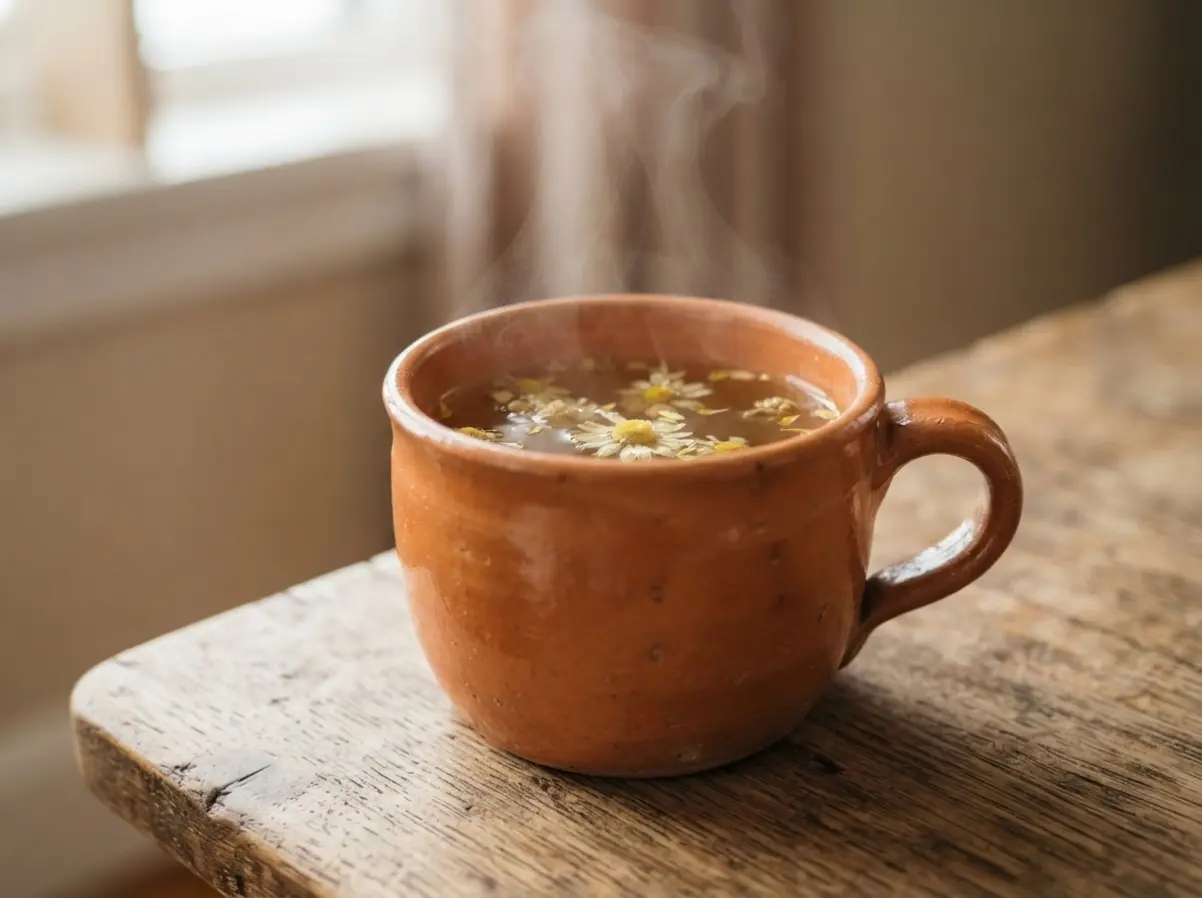
Health benefits of drinking herbal teas often include better hydration, helpful plant compounds, and gentle support for digestion or relaxation. Results depend on the herb, serving size, and your health needs. Herbal infusions are also different from true tea, which comes from the Camellia sinensis plant.
I know choosing among ginger, chamomile, hibiscus, and other blends gets confusing. Each herb has its own flavor, traditional use, and safety points, especially when you explore Health benefits of drinking herbal teas. Research also varies, so a warm cup should support healthy habits rather than replace medical care. Let’s look at what each variety is known for, where evidence is limited, and when medication or health conditions call for extra care. Pick a blend that suits your taste, then keep reading for simple, balanced guidance.
Comparing Infusions With Concentrated Herbal Extracts
An ordinary cup of herbal tea usually contains fewer concentrated compounds than a capsule or drop made from the same plant. A brewed infusion draws soluble substances from leaves, flowers, roots, seeds, bark, or fruit while an standardized herbal extract concentrates selected compounds into capsules, drops, or oils, and you should note the Health benefits of drinking herbal teas when comparing these forms. Research on concentrated peppermint oil, for example, does not prove equal effects from peppermint tea. The same gap appears with ginger, chamomile, and hibiscus research. Tea strength also changes with plant part, steeping time, and water temperature, so a study dose rarely matches a kitchen mug. Treat an herbal infusion mainly as a flavorful drink and fluid source, not as a liquid version of a supplement. This distinction helps you judge wellness claims with greater care.
Reading Herbal Tea Evidence Without Overclaiming
Clinical evidence for an herbal tea should match the exact plant preparation studied, not a related capsule or essential oil. Traditional use offers useful history while early lab or small human studies suggest questions for further testing. Stronger support comes from repeated human clinical trials using a clearly measured tea, which helps clarify the Health benefits of drinking herbal teas, a suitable comparison drink, and meaningful health outcomes. Even then, results often concern symptom support rather than disease treatment. Antioxidant activity in a test tube does not guarantee disease prevention after digestion. Look for details about dose, preparation, study size, and side effects before accepting a claim. A calming tradition, pleasant flavor, or hydration benefit still has value, but each benefit needs honest wording.
1. Antioxidant Polyphenols in Herbal Infusions for Cell Protection
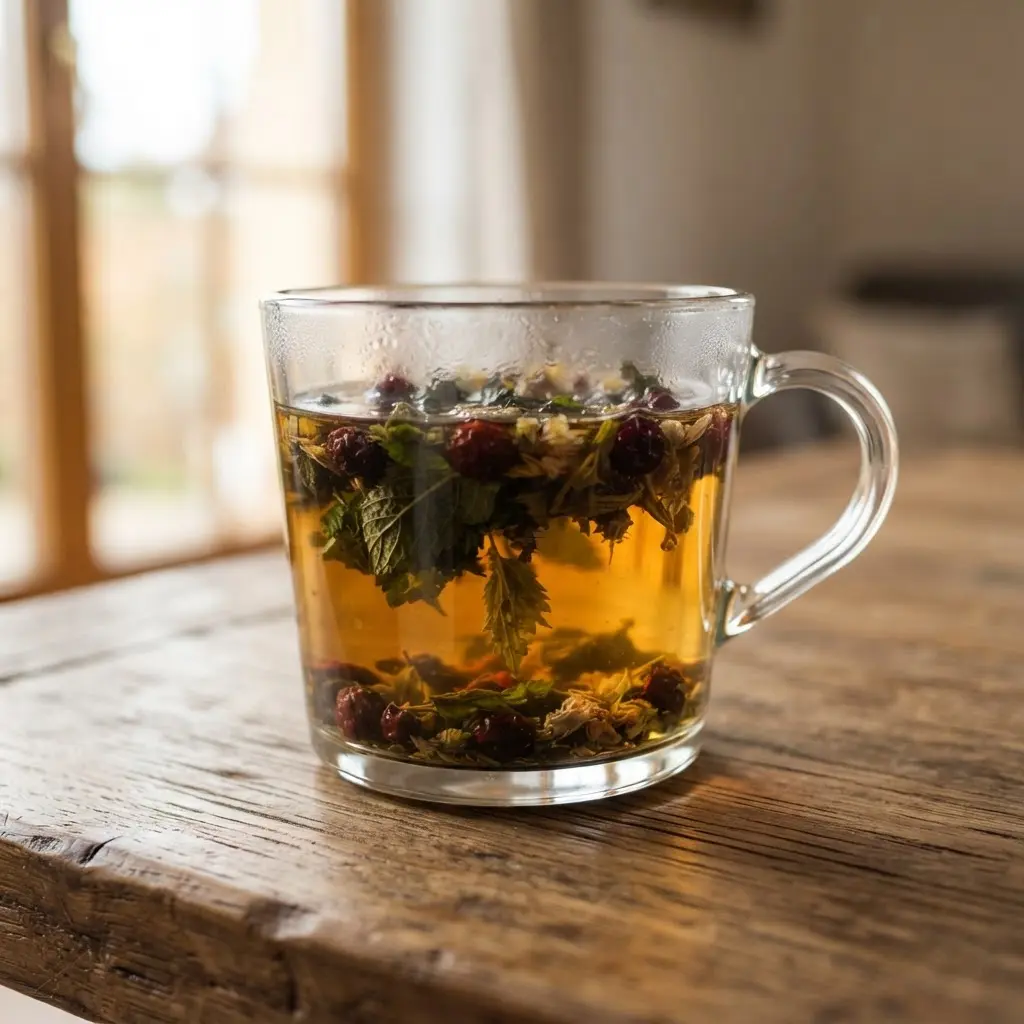
A common mistake is treating the word antioxidant as proof of disease prevention. Herbal infusions contain plant polyphenols, including rosmarinic acid, caffeic acid, and chlorogenic acid. These compounds help neutralize free radicals and reduce oxidative stress linked with cellular damage and aging, highlighting clear Health benefits of drinking herbal teas.
During infusion, hot water draws soluble polyphenols from plant material. After consumption, these compounds contribute antioxidant activity by neutralizing free radicals and limiting oxidation of lipids, including fats vulnerable to damage. The plant species and preparation determine the final polyphenol profile, so understanding the Health benefits of drinking herbal teas requires noting the specific ingredients used.
Laboratory studies of some infusions have reported improved cell viability and fewer damage markers under oxidative stress. Such findings show antioxidant potential, not guaranteed cell protection in people, though many still study the Health benefits of drinking herbal teas. Choose a traditional infusion as a plant-based beverage rather than treating concentrated extracts as equivalent. Herbal products vary in composition and safety, and some extracts have shown cytotoxic effects in research. Keep claims modest and follow product-specific safety guidance.
2. Cardiovascular Health and Tea Consumption Patterns
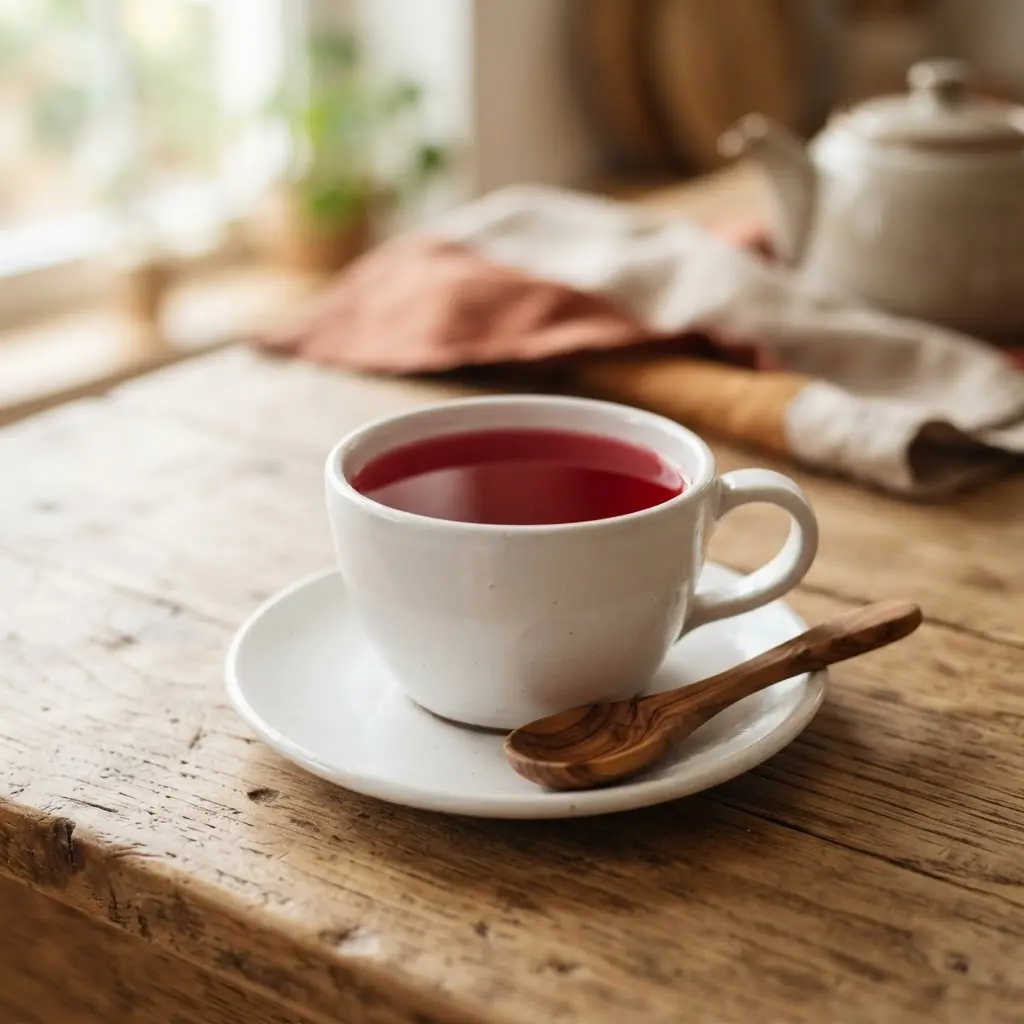
Do not change your tea routine to treat heart disease. No verified research findings were available for this chapter, so no claim about herbal tea, blood pressure, cholesterol, or cardiovascular disease prevention is supported here, even when people discuss the Health benefits of drinking herbal teas. Treating a beverage as therapy carries a risk of delayed proper care.
Record the tea name and amount if you want to discuss your routine with a clinician, because tracking habits helps clarify the Health benefits of drinking herbal teas. Note the herbal ingredients, serving size, and time of day for seven days. This record shows a clear consumption pattern, but it does not measure blood pressure, cholesterol, heart rhythm, or other cardiovascular markers. Research findings were not supplied for links between those measures and herbal tea intake.
Review the full ingredient list before using a product alongside heart medicines. Herbal ingredients differ widely, and medication effects depend on the specific product and dose. Ask a qualified healthcare professional about possible interactions, especially after a heart diagnosis or medication change. Always consult a healthcare professional before making changes to your health routine, regardless of what you read about the Health benefits of drinking herbal teas.
3. Digestive Support From Ginger Tea for Nausea
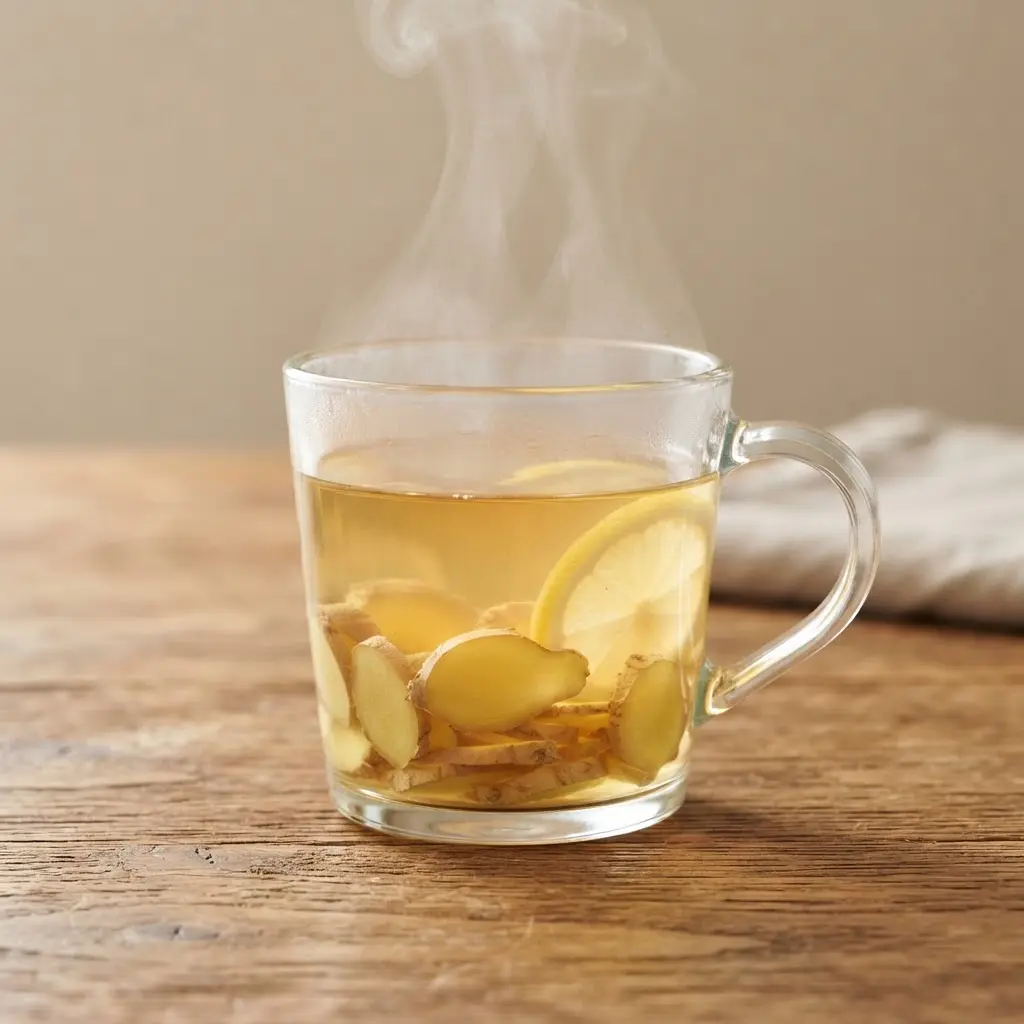
At the first wave of nausea in the morning, sip ginger tea slowly instead of drinking it quickly. Fresh ginger slices release gingerols and shogaols, compounds linked with digestive support, which explains why many people study the Health benefits of drinking herbal teas. Ginger may support gastrointestinal motility, meaning the movement of food through the digestive tract. More efficient movement and gastric emptying help limit food lingering in the stomach, which might ease nausea. Research reports meaningful relief from morning sickness compared with placebo, while findings for chemotherapy-related nausea suggest possible benefit and postoperative results are mixed.
Steep for 10 minutes by placing sliced fresh ginger in hot water. Use a commercial tea bag when fresh root is unavailable. Drink the tea slowly, especially during active nausea. Research information reviewed recommends up to four cups daily for digestive support. Fresh ginger and commercial tea bags offer comparable benefits according to the reviewed material, so the Health benefits of drinking herbal teas remain consistent across formats.
Evidence supports ginger tea as complementary support, not a guaranteed remedy or replacement for clinician-recommended care. Use extra care during pregnancy, chemotherapy, or recovery after surgery, while remembering to balance the Health benefits of drinking herbal teas with professional advice. Always consult a healthcare professional before making changes to your health routine.
4. Chamomile Tea for Stress Relief and Sleep
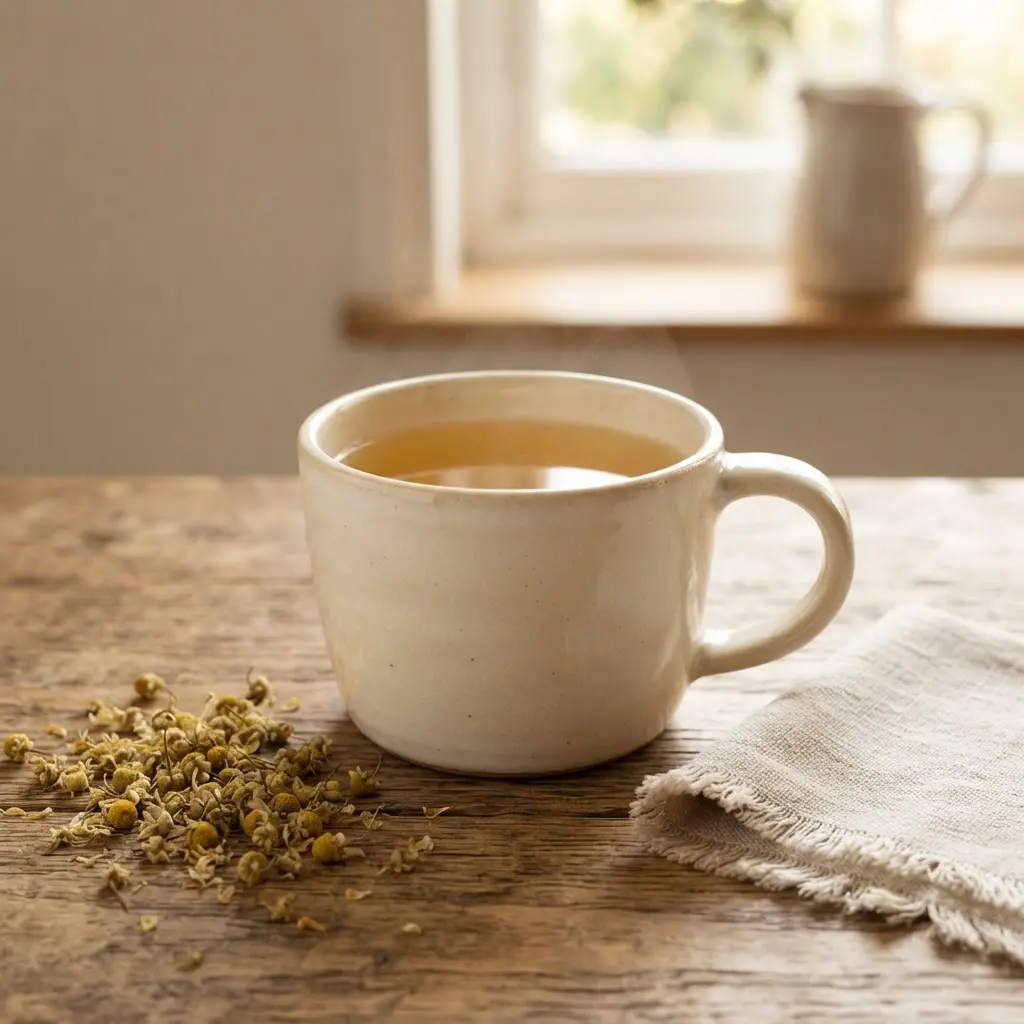
Chamomile tea is not a guaranteed sedative. Pure chamomile is naturally caffeine-free, and apigenin, a plant compound, appears to interact with brain pathways linked to relaxation and sleep. Research suggests possible gains in sleep quality and anxiety symptoms, but results vary, and many readers explore the Health benefits of drinking herbal teas for evening wind-downs. Treat chamomile tea as a calming routine, not a cure for insomnia.
Prepare chamomile tea according to the product label. Drink the infusion 45–60 minutes before bed, then use the quiet period to reduce light and settle into sleep. Build a broader bedtime routine around ideal pre-sleep food choices and a caffeine-free drink, keeping the Health benefits of drinking herbal teas in mind. Many people find steady routines more useful than relying on one beverage. Choose pure chamomile, since blended products sometimes contain caffeinated tea.
Check with a healthcare professional before regular use if you take warfarin, birth-control pills, or other medicines, because safety matters alongside the Health benefits of drinking herbal teas. People allergic to ragweed, daisies, or related plants face a higher allergy risk. Safety information during pregnancy and breastfeeding is limited. Always consult a healthcare professional before making changes to your health routine.
5. Hibiscus Tea for Blood Pressure Support
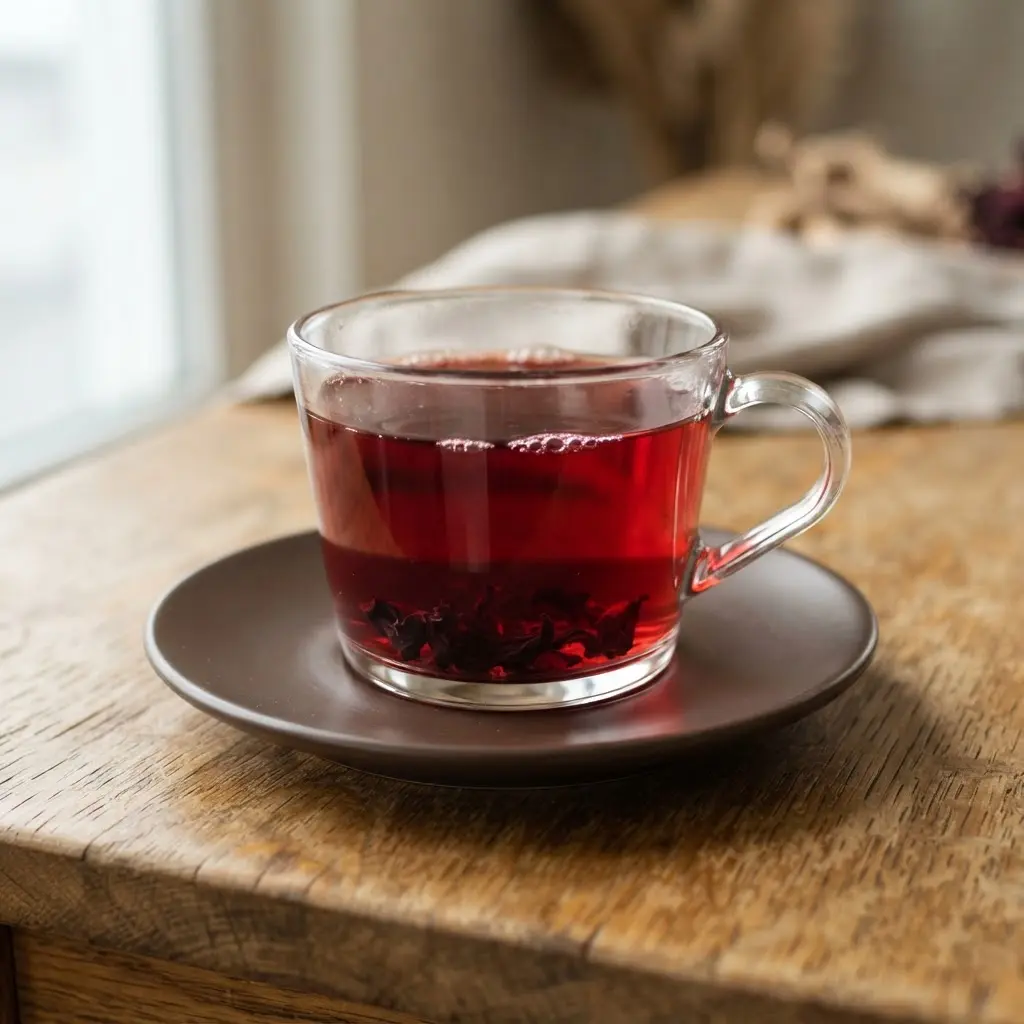
Does hibiscus tea support healthy blood pressure? Yes, research suggests regular brewed hibiscus tea produces a modest reduction in systolic and diastolic pressure, which highlights specific Health benefits of drinking herbal teas. Anthocyanins and hibiscus acid provide antioxidant activity linked to this effect, especially in adults with prehypertension or mild hypertension.
Choose brewed hibiscus tea over an unstandardised powder or concentrated extract. Some studies used about 1 gram of hibiscus material daily, although the best serving size and treatment period are still uncertain. A warm, caffeine-free cup fits a broader plan involving balanced meals, movement, and routine blood pressure checks, proving the Health benefits of drinking herbal teas extend to daily habits.
Why does this matter? Research suggests hibiscus tea offers a modest dietary contribution, not a guaranteed result or a replacement for treatment, so weigh the actual Health benefits of drinking herbal teas carefully. Some comparisons found less effect than lisinopril, a prescribed blood-pressure medicine. Do not increase the strength or number of servings to chase a faster change. Monitor blood pressure as directed by your healthcare professional.
Never stop or change prescribed medicine because of hibiscus tea. Regular use alongside blood-pressure medicines might lower readings too far, so discuss the drink with a healthcare professional before making it a daily habit to safely enjoy the Health benefits of drinking herbal teas. Always consult a healthcare professional before making changes to your health routine.
6. Immune System Benefits of Herbs in Tea
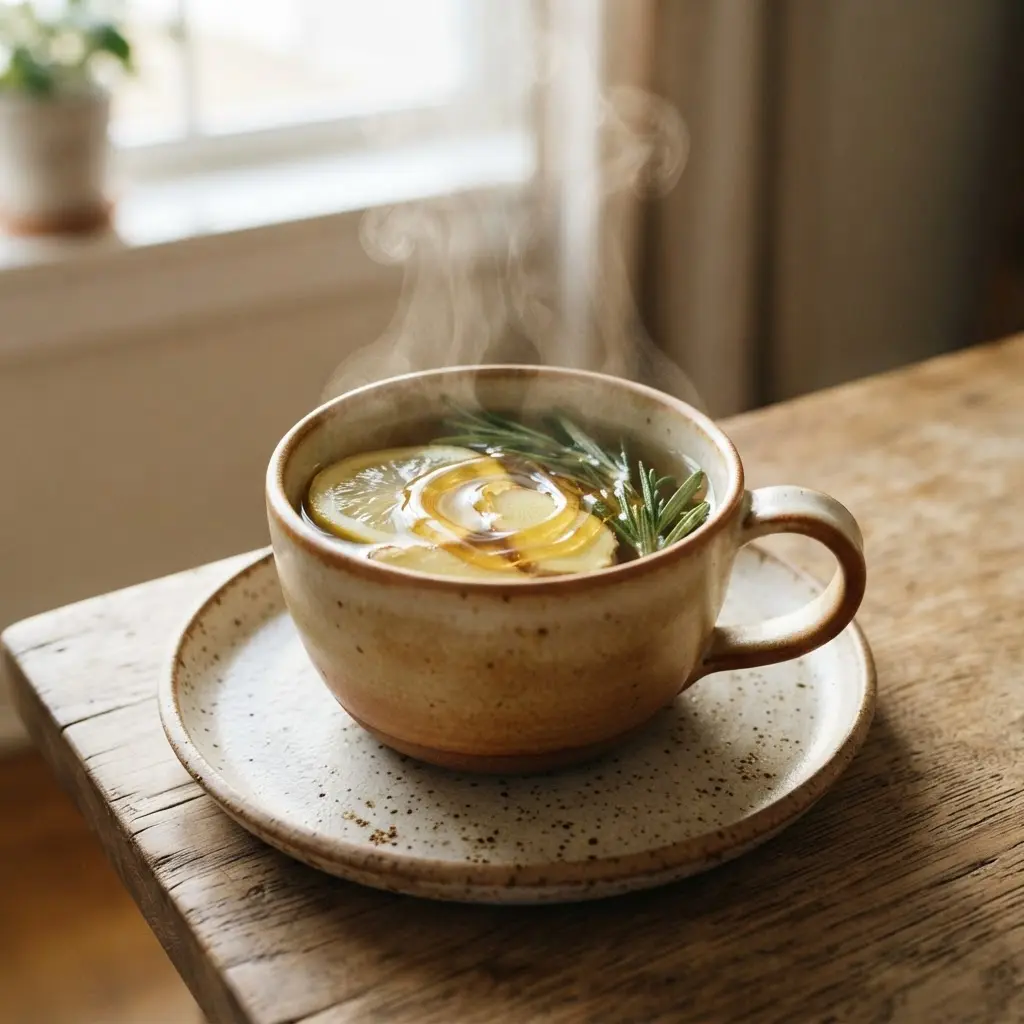
Green tea offers studied immune compounds, while chamomile provides a caffeine-free option. Choose green tea leaves for polyphenols such as EGCG and ECG, plus L-theanine, and remember the wider Health benefits of drinking herbal teas. Research suggests L-theanine affects immune-cell activity, including γδT-cell function and interferon-γ release. Green tea contains caffeine unless the product is decaffeinated, so serving time matters for sensitive drinkers.
Ginger tea brings a different group of plant compounds. Brew fresh ginger root or use dried ginger to obtain gingerol, which has antioxidant and inflammation-related activity. Research has examined ginger in relation to Th1-cell responses and antibodies such as IgG and IgA, adding data to the Health benefits of drinking herbal teas. Chamomile flowers provide flavonoids linked with antioxidant activity. These findings describe possible support for normal immune regulation, not guaranteed protection from colds or influenza.
Tea strength varies across blends, and some research uses L-theanine supplements rather than ordinary brewed tea. Treat these drinks as part of a balanced routine, not as substitutes for vaccination, sleep, nutrition, or medical care, while keeping realistic expectations for the Health benefits of drinking herbal teas. Always consult a healthcare professional before making changes to your health routine.
7. Anti-Inflammatory Properties of Herbal Teas

A common mistake is treating every herbal tea as an anti-inflammatory remedy. Different plants contain different phenolic compounds, and laboratory findings do not prove an ordinary cup will treat inflammation, though the Health benefits of drinking herbal teas still matter for general wellness.
Choose named plant species when reading research. Honeysuckle (Lonicera japonica) and wild mint (Mentha arvensis) showed protection against oxidative DNA damage, adding depth to the known Health benefits of drinking herbal teas. Chrysanthemum (Chrysanthemum morifolium) reduced nitric oxide production and NF-κB signaling in stimulated cells. Green and black tea (Camellia sinensis) inhibited protein denaturation in laboratory tests, with green tea showing stronger activity in the cited research. These effects relate to antioxidant and phenolic content.
Research suggests these actions explain why some teas receive attention for inflammation-related benefits, yet results vary with concentration, preparation, and study type. Rooibos has shown both inflammation-limiting and inflammation-promoting effects in different experimental settings. Yerba mate has shown potential to limit nitric oxide production, which adds another layer to the Health benefits of drinking herbal teas.
Use tea as a beverage, not as a replacement for prescribed care. Green tea, black tea, and yerba mate contain caffeine, so check caffeine safety with a healthcare professional before using concentrated products or making health changes to safely enjoy the Health benefits of drinking herbal teas.
8. Menstrual Symptom Relief With Chamomile Tea

Drink a warm cup of chamomile tea when menstrual discomfort begins. The caffeine-free beverage offers a calming routine, while research suggests chamomile might reduce pain linked with primary dysmenorrhea, which supports the Health benefits of drinking herbal teas for comfort. No standard tea strength, serving size, or schedule has been established, so follow package directions rather than treating one recipe as a medical dose.
Clinical studies report lower abdominal pain, back pain, stomachache, body pain, irritability, appetite loss, and sleep-related daytime problems. Chamomile compounds, including chamazulene, alpha-bisabolol, apigenin, quercetin, and luteolin, are linked with possible anti-inflammatory effects and muscle relaxation, a clear reason to track the Health benefits of drinking herbal teas. Better sleep and less anxiety might make symptoms easier to manage, but chamomile tea is supportive care, not a proven cure. One study used chamomile with L-theanine, so results do not prove chamomile alone caused every benefit, yet the Health benefits of drinking herbal teas remain worth considering for mild relief.
A systematic review also reported possible reductions in menstrual bleeding, though differing preparations and doses limit confidence. Seek medical evaluation for unusually heavy bleeding, fainting, severe or worsening pain, or symptoms interfering with daily life, keeping in mind the limits of the Health benefits of drinking herbal teas. Always consult a healthcare professional before making changes to your health routine.
9. Bone Density Support in Tea Drinkers

At 7 a.m., a warm cup of tea can become part of a steady routine for bone health. Research links regular tea intake with higher bone mineral density and lower osteoporosis and fracture risk, especially among postmenopausal and older women. These findings describe an association, not proof tea caused stronger bones.
Tea contains flavonoids, plant compounds linked with bone mineral status. Studies have examined bone mineral density at the lumbar spine, total hip, femoral neck, and greater trochanter. People reporting tea use for more than 10 years tended to show higher measurements at several sites. Some research also links tea drinking with preserved hip structure in elderly women.
Use tea as one part of a broader bone-health routine, not as a substitute for calcium guidance, suitable exercise, or medical care. Research concerns tea consumption broadly, so every herbal variety does not have an established connection with bone density. Schedule clinical bone assessment when osteoporosis or fracture risk is a concern. Always consult a healthcare professional before making changes to your health routine.
10. Herbal Tea Antimicrobial Activity Levels
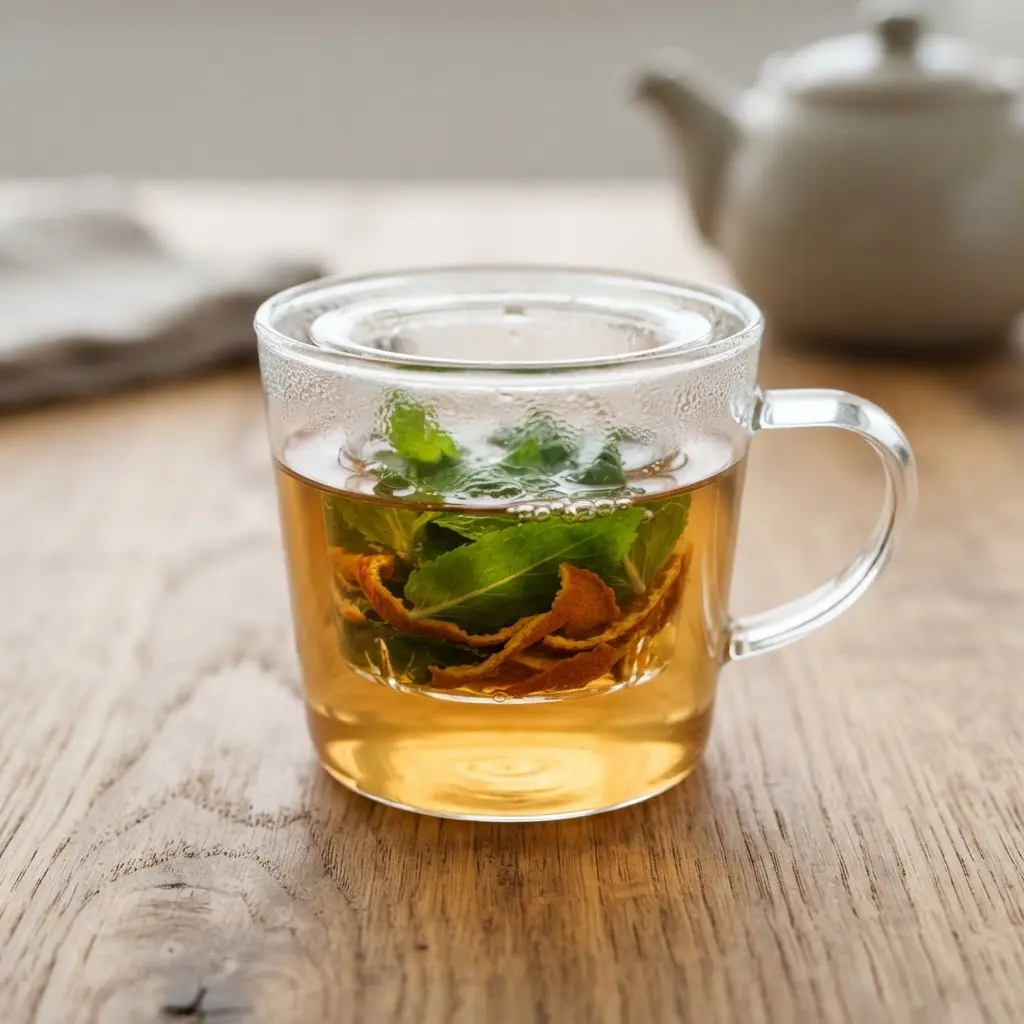
A common belief holds that any herbal tea kills harmful germs. The available source provides no verified evidence for this claim. Antimicrobial activity differs among plants and products, so a brewed drink should not be treated as a tested remedy for infection.
No source-verified details were provided about plant compounds, concentration, steeping time, water temperature, or laboratory methods. Those factors affect how researchers assess antimicrobial action. A result from a concentrated extract does not prove the same effect from one ordinary cup of tea. Research findings also cannot be assumed to apply across every herb or blend.
Use herbal tea as a beverage, not as a substitute for medical treatment. Claims about preventing or treating infections need support from recognised clinical or microbiological authorities. Always consult a healthcare professional before making changes to your health routine.
11. Cholesterol Management Through Hibiscus Tea
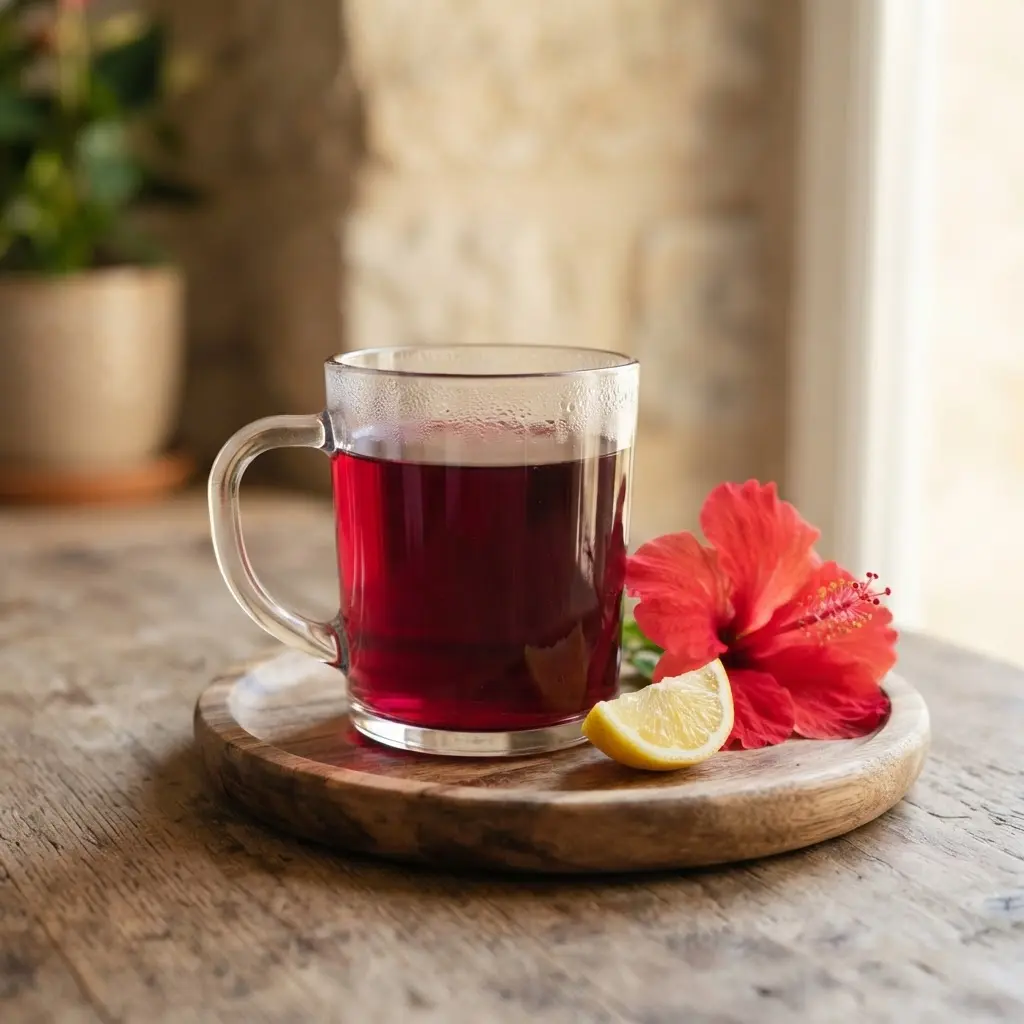
Could hibiscus tea help manage cholesterol? Research suggests a possible benefit, with the clearest focus on LDL cholesterol, often called “bad” cholesterol. Lower LDL levels relate to better heart health, but tea does not provide a guaranteed result.
Studies have linked regular hibiscus consumption with lower LDL cholesterol compared with other teas or a placebo. A review found a similar LDL effect but no significant change in total cholesterol. Results differ between studies and preparations. One study using 1 gram per day of Hibiscus sabdariffa leaf extract found no extra lipid benefit beyond dietary and lifestyle guidance. Changes in food intake and physical activity might have influenced the findings.
Choose brewed hibiscus tea over powders or concentrated extracts for a practical, lower-cost option. Research has not established one reliable serving size or treatment period. Use cholesterol testing to track results rather than judging progress by symptoms. Hibiscus tea should complement prescribed care, not replace medication, dietary advice, or medical monitoring. Always consult a healthcare professional before making changes to your health routine.
12. Safety and Potential Medicinal Interactions

Checking a tea’s ingredients is safer than assuming a natural drink fits every medicine. Some herbs act like supplements and change drug effects, raise medicine levels, or add to side effects. A pharmacist should review the full list, including prescriptions, over-the-counter drugs, vitamins, and other herbal products. List every product before starting a new tea.
Interactions follow two main paths. One herb can add to a medicine’s effects, such as increasing drowsiness or bleeding risk. Another substance can change absorption, liver breakdown, or removal through the kidneys. Grapefruit juice changes the blood levels of some oral medicines. St. John’s wort and goldenseal cause clinically important interactions with some drugs. Check active ingredients in combination products to prevent duplicate use.
Read medicine labels each time, and ask a doctor or pharmacist about a specific tea. Ask which symptoms need monitoring and whether the combination is contraindicated, requires close monitoring, or calls for an alternative. Take extra care during pregnancy or breastfeeding, and do not stop prescribed medicine without guidance. Always consult a healthcare professional before making changes to your health routine.
Tracking Personal Tolerance After New Infusions
Keep a symptom diary for several days after adding a new herbal infusion, especially if you take medicines or have a long-term health condition. Record the plant, serving size, steeping time, and time of day, then note stomach upset, headache, itching, breathing changes, sleep changes, or unusual bleeding. A mild response might settle after stopping the drink, while trouble breathing, facial swelling, faintness, or severe vomiting needs urgent medical care.
Check with a pharmacist or clinician about interactions when using licorice root, ginger, ginkgo, or concentrated blends. Pregnancy, breastfeeding, allergies, and chronic illness call for extra caution. Your notes help separate a reaction from another food, supplement, or illness and give a clinician clearer information.
Conclusion
A cup of herbal tea offers more than flavor. It also gives you a simple way to drink more fluids and add variety to your routine. Ginger might suit a queasy stomach, chamomile fits a quiet evening, and hibiscus brings a tart taste to the table. The health benefits of drinking herbal teas depend on the herb and your personal needs, so keep expectations realistic.
Choose one caffeine-free blend and enjoy a moderate serving with a meal or during a calm break. Read the label for mixed ingredients, especially if you take medicine, are pregnant, or manage a long-term condition. A pharmacist or health professional is the right person to ask about possible interactions. Start with a flavor you enjoy, keep a note of how it suits you, and let your tea habit stay simple, pleasant, and supportive.
FAQs
Q: Are herbal teas safe to drink every day?
A: Many people enjoy moderate servings each day. Safety depends on the herb, serving size, health history, and medicines. Read the label and ask a pharmacist about regular use.
Q: Which herbal tea helps with an upset stomach?
A: Ginger tea has traditional use for nausea and digestive discomfort. A small serving with food suits many people. Severe or lasting symptoms need medical attention.
Q: Does herbal tea contain caffeine?
A: Most herbal infusions contain no caffeine because they do not use tea leaves. Blends with green tea, black tea, yerba mate, or guarana contain caffeine. Check the ingredient list before bedtime.
Q: Do herbal teas interact with medicines?
A: Some herbs affect medicine levels, blood pressure, blood clotting, or blood sugar. Share the full ingredient list with a pharmacist before regular use, especially when taking prescription medicine.
Q: Which herbal teas need extra care during pregnancy?
A: Pregnancy safety differs by herb and serving size. Ask a maternity care professional before drinking concentrated blends or unfamiliar herbs. Avoid products with unclear ingredient labels.