
Are you unsure what belongs on a healthy plate? Things a healthy diet consists of include vegetables, fruits, whole grains, protein foods, healthy fats, and enough water. Together, these food groups supply energy, fiber, vitamins, minerals, and nutrients for daily health. Healthy eating does not mean giving up foods you enjoy or following strict rules.
It means building meals with variety and choosing nourishing options often. A colorful plate with half vegetables and fruit, one quarter whole grains, and one quarter protein is a simple place to start. Add a small amount of unsaturated fat and water through the day. I know food advice often feels confusing, so this guide keeps it practical.
You will see what each group does, which foods fit, and easy ways to combine them. Let’s make balanced eating feel clear and doable today.
Balancing Portions Across Different Food Groups
Make half your plate vegetables at most meals to anchor portions with fiber and vitamins. Use a quarter plate for beans, eggs, fish, poultry, tofu, or yogurt, then reserve another quarter for brown rice, oats, whole wheat bread, or potatoes. Add a small spoonful of olive oil, a few nuts, or sliced avocado, since unsaturated fats supply energy without taking over the meal. Planning meals this way keeps things simple and grounded.
Fruit fits beside breakfast or as a snack, while water supports hydration without added sugar. Portions still need adjustment for hunger, activity, age, and medical needs, so a fixed plate ratio should guide you rather than control every meal. A larger training day often calls for more grains or fruit, while a lighter day often feels comfortable with less.
Reading Labels For Added Sugars And Sodium
Check the Nutrition Facts label before judging a package, because the numbers often describe less food than you plan to eat. Read added sugars and sodium separately, since a food low in sugar still holds a high sodium load. Compare similar breads, cereals, sauces, and snacks by serving size rather than front-package claims. Things a healthy diet consists of rarely hide behind flashy packaging.
Ingredients appear by weight, so whole grains, beans, nuts, or fruit near the beginning usually signal more nourishing content. Look for fiber when choosing cereal, bread, or crackers because fiber supports fullness and regular digestion. Keep an eye on sodium in soups and frozen meals, especially when you eat them often. A short ingredient list helps, yet length alone does not prove better nutrition.
1. Fiber-Rich Whole Grains for Steady Energy and Fullness
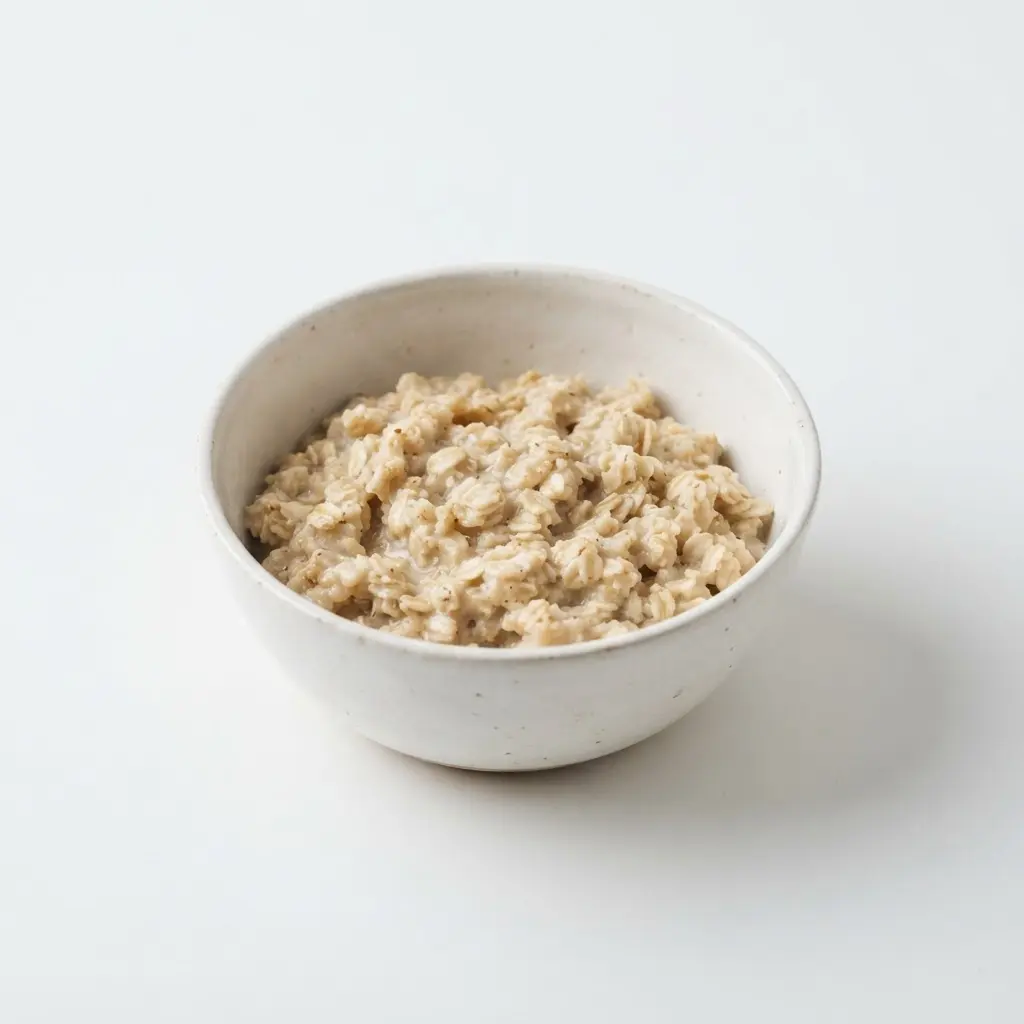
A common mistake is treating every wheat or grain product as whole grain. Check the ingredient list for whole wheat or another intact grain, then compare the Nutrition Facts label. Choose intact whole grains because bran, germ, and endosperm stay together. The bran supplies much of the fiber, while the germ adds vitamins and minerals.
Fiber adds bulk to a meal and slows carbohydrate digestion. This process supports steadier energy and longer-lasting fullness than a similar meal built mainly from refined grains. Barley supplies about 5 to 9 grams of fiber per cooked cup, while brown rice supplies about 3 grams per cooked cup. Tracking daily intake helps you meet those steady energy goals.
Compare equal serving sizes because some labels list dry portions and others list cooked portions. Build meals with oatmeal at breakfast, whole-wheat bread at lunch, and barley, bulgur, quinoa, farro, or brown rice as a side dish. Air-popped popcorn provides about 3.5 grams of fiber per three cups and is a practical snack. Increase fiber gradually and drink enough fluids to support comfortable digestion.
Use a range of grains instead of relying on one choice. Select old-fashioned oatmeal, whole-wheat pasta, or cooked bulgur during the week. Read labels before buying packaged products because fiber levels differ widely. Whole grains support a balanced eating pattern, but they are one part of overall dietary variety.
2. Diverse Fruit and Vegetable Varieties for Daily Nutrients
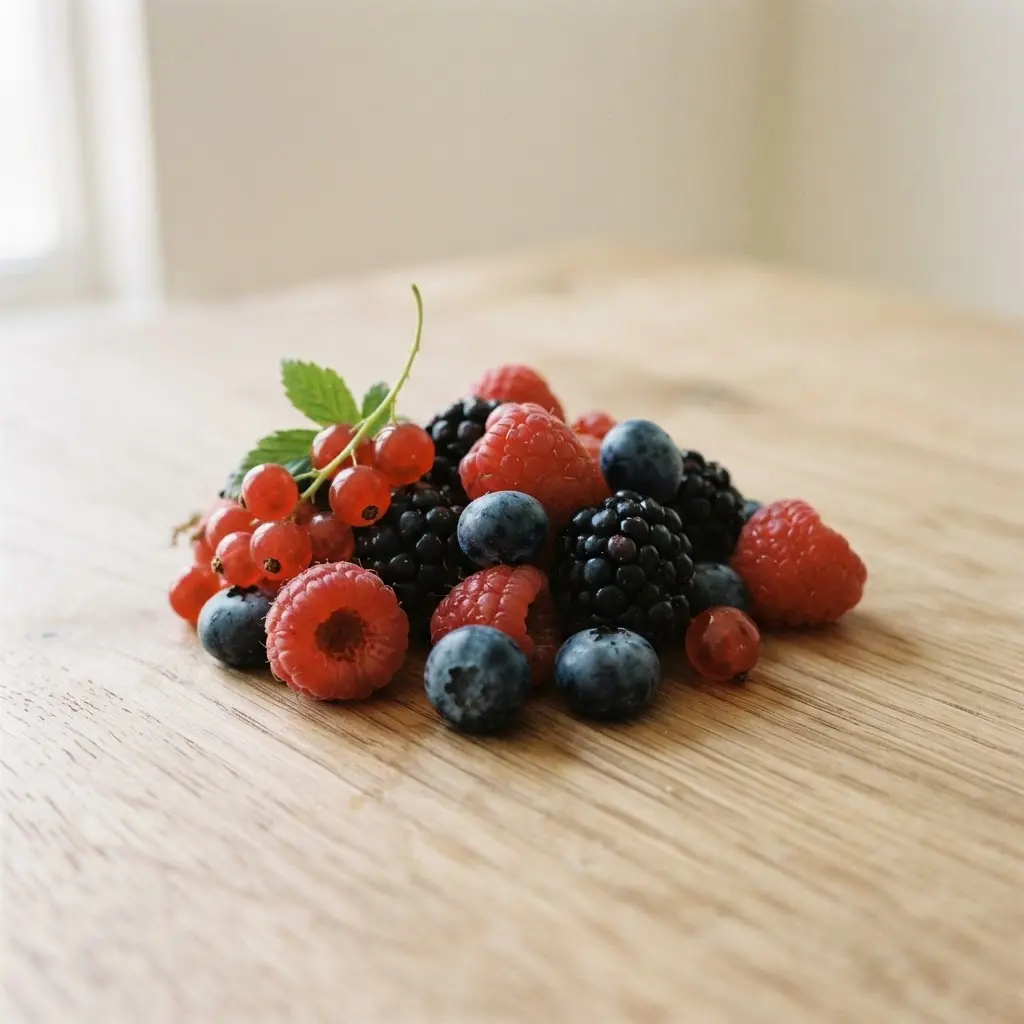
Rotate produce colors across meals each day. Pair red tomatoes or peppers with green spinach, broccoli, or beans. Add orange carrots or sweet potatoes, blue or purple berries, and white onions or cauliflower. Different colors often signal different plant compounds, including lycopene, lutein, zeaxanthin, anthocyanins, and beta-carotene.
Build meals around several produce groups rather than one repeated vegetable. Combine leafy greens, cruciferous vegetables, roots, berries, and citrus fruits during the week. Use nutrient-rich salad recipes to bring greens, tomatoes, peppers, carrots, and chickpeas into one meal. Research suggests broad produce variety supports intake of vitamins, minerals, fiber, and naturally occurring plant compounds.
Include legumes such as lentils, chickpeas, kidney beans, black beans, peas, or tofu. Legumes add fiber, folate, iron, magnesium, and protein to plant-based meals. Serve lentils with leafy greens, add chickpeas to salads, or mix beans into a vegetable soup. Seasonal produce offers another practical way to rotate foods and flavors.
Follow general guidance of at least five vegetable servings and two fruit servings each day, while treating those figures as broad advice rather than a precise rule for every person. Serving needs differ with age, body size, activity, and health status. Always consult a healthcare professional before making changes to your health routine.
Introduce unfamiliar produce through roasted dishes, soups, stir-fries, or blended snacks. Both fruit and vegetables belong in a varied eating pattern because their nutrient profiles differ.
3. Lean Protein and Plant Sources for Strong Meals

At 7 a.m., build breakfast around Greek yogurt, berries, nuts, and seeds instead of eating fruit alone. The yogurt supplies protein and calcium. Nuts and seeds add fiber and healthy fats. Eggs, cottage cheese, and skim milk provide other quick choices.
Choose a protein base for lunch or dinner, then add vegetables and a whole grain. Pair grilled chicken breast with quinoa salad, salmon with roasted vegetables, or tofu stir-fry with brown rice. Lentil soup with whole-grain bread creates a filling meat-free meal. Research suggests protein-rich foods support muscle repair and help meals feel more satisfying.
Use legumes often. Lentils, black beans, chickpeas, peas, and kidney beans provide protein and fiber in one food. Add canned beans to soup, grain bowls, or scrambled eggs. Edamame works as a snack or as a topping for rice and salads.
Rotate animal and plant sources through the week. Select fish, poultry, eggs, dairy, tofu, tempeh, quinoa, nuts, or seeds. Soy foods and quinoa provide complete protein, while seitan suits people who eat gluten. Avoid seitan with a gluten-free diet. Treat nutritional yeast as a flavoring and source of some protein, not as the main protein in a meal.
Individual protein needs vary with age, activity level, health status, and dietary needs. People with medical conditions affecting protein intake should seek advice from a qualified healthcare professional. Start with one dependable protein source at each meal, then add a plant source when extra healthy sources of fiber suits the dish. Adjusting your weekly plan keeps meals fresh and balanced.
4. Unsaturated Healthy Fats for Heart-Friendly Meal Balance

Many people believe all dietary fat harms the heart. Replacing foods high in saturated or trans fats with unsaturated fats supports a more heart-conscious eating pattern. Monounsaturated fats come from olive oil, avocado, almonds, cashews, and seeds. Polyunsaturated fats come from fatty fish, walnuts, flaxseeds, chia seeds, soybean oil, and canola oil.
Choose salmon, mackerel, herring, or sardines at least two times each week to add omega-3 fatty acids. Omega-3 fats support healthy heart rhythms and form part of a balanced diet. Research suggests replacing saturated fat with unsaturated fat improves cholesterol levels. This change matters more than adding extra oil, nuts, or avocado to meals already high in calories.
Replace butter with extra virgin olive oil for cooking, dressings, or finishing vegetables. Add avocado to a sandwich or salad. Sprinkle ground flaxseeds or chia seeds over oatmeal, yogurt, or a smoothie. Use easy healthy snack options built around nuts or seeds instead of snacks high in saturated fat.
Measure oils, nuts, seeds, and avocado because each food is calorie-dense. Read labels for saturated and trans fat content rather than relying on front-package claims. Grind flaxseeds to support better absorption. Select several sources across the week to provide fiber, protein, minerals, and antioxidants. Always consult a healthcare professional before making changes to your health routine.
5. Adequate Daily Hydration Methods for Everyday Wellness

How much fluid do you need each day? Start with regular drinking rather than a fixed rule. About 8 cups of fluid, or 64 ounces, is a general guide, not a personal requirement for every adult. Activity, climate, health status, diet, and thirst change daily needs.
Keep a reusable water bottle nearby and refill it through the day. Drink before, during, and after meals and snacks. Set phone alarms or smartwatch reminders when busy periods make drinking easy to forget. A marked bottle provides a simple way to track intake.
Use urine colour as a rough hydration cue. Pale yellow urine generally suggests good hydration. Dark yellow urine sometimes suggests dehydration, though urine colour also changes with medicines, foods, exercise, and health conditions. Urine colour is only a general guide and is not a medical diagnosis.
Make fluids more appealing with fruit-infused water using lemon, lime, berries, cucumber, or mint. Include water-rich foods such as watermelon, strawberries, cantaloupe, celery, and lettuce. These foods contribute to daily fluid intake and fit easily beside meals, including simple no-cook lunch ideas.
Balance caffeinated and alcoholic drinks with water. Excessive intake of either beverage can affect fluid balance. Keep water visible at a desk, in a bag, or beside the bed to support a steady routine. Always consult a healthcare professional before making changes to your health routine.
Adapting Balanced Meals To Personal Needs
An allergy requires a safe substitute, not removal of an entire food group without guidance. A registered dietitian helps match replacements to your needs, such as fortified soy milk for calcium or lentils for plant protein. People who train often need more food around activity, while older adults might need extra attention to protein, calcium, and hydration.
Diabetes, kidney disease, pregnancy, and digestive conditions call for advice from a qualified clinician before major changes. Your culture and budget belong in the plan too, since beans, eggs, oats, frozen vegetables, and seasonal fruit often cost less than specialty foods. Food preferences deserve respect, so a balanced plate often includes grains, dairy, fish, tofu, or legumes.
Supplements fill specific gaps when a clinician recommends them, yet they do not replace varied meals. Listening to your body helps you adjust portions over time. Staying flexible with your grocery list prevents unnecessary stress during busy weeks.
Conclusion
Healthy eating works best when it fits your daily life, food preferences, budget, and schedule. You do not need perfect meals or a strict plan. Things a healthy diet consists of become easier to manage when you use a few simple habits.
Fill much of your plate with vegetables or fruit, choose whole grains often, add a protein food, and include a small serving of unsaturated fat. Keep water nearby and change your food choices across the week. A meal of beans, brown rice, roasted vegetables, and avocado is one example.
Eggs, whole-grain toast, berries, and yogurt offer another. Start with one meal today instead of trying to change everything at once. Notice which combinations taste good and keep you satisfied.
Then repeat those meals while adding new colors and flavors over time. Small, steady choices give you a practical way to care for your health each day.
FAQs
Q: How much of my plate should be vegetables and fruit?
A: Aim for about half your plate from vegetables and fruit. Use different colors across meals for a wider range of nutrients.
Q: Are whole grains better than refined grains?
A: Whole grains keep more of the grain and often contain more fiber. Choose oats, brown rice, whole-wheat bread, barley, or quinoa more often.
Q: What protein foods fit a healthy diet?
A: Beans, lentils, fish, eggs, poultry, tofu, yogurt, nuts, and seeds all fit. Vary your choices across the week to bring different nutrients to meals.
Q: How much water should I drink each day?
A: Water needs differ with body size, activity, weather, and health needs. Drink regularly through the day, and choose water with meals and after physical activity.
Q: Do healthy fats belong in everyday meals?
A: Yes, small portions of olive oil, avocado, nuts, seeds, and oily fish fit a balanced eating pattern. These foods add flavor and useful unsaturated fats.