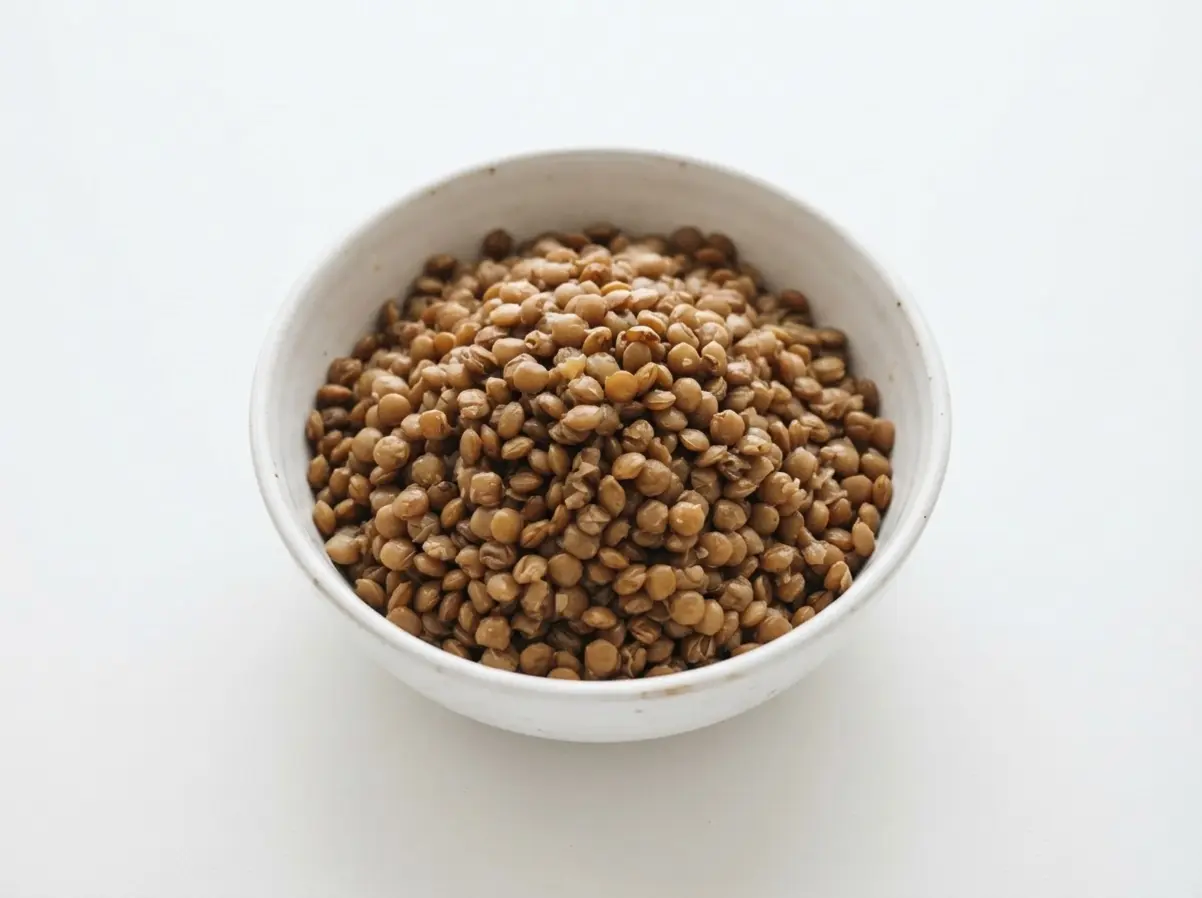
What makes an excellent diet program easier to follow for months, not days? Things that make an excellent diet program include balanced meals, enough protein and fiber, a wide range of foods, flexible choices, and a fit with your budget, culture, schedule, and health goals. A good plan supports steady habits without strict rules or guilt. It leaves room for favorite foods and real-life changes. Meals should taste good, keep you satisfied, and supply key nutrients from vegetables, fruits, beans, grains, nuts, dairy, eggs, fish, or other protein foods. Regular movement also supports overall health.
You do not need a perfect plan to eat well. You need a pattern you feel ready to repeat. Let’s look at four signs of a diet program built for everyday life, noting Things that make an excellent diet program, then choose one small change to start today.
Individual Health Needs And Dietary Constraints
A medical nutrition review should check your energy needs, protein target, allergies, medications, pregnancy status, and diagnosed conditions before you follow a diet program. A meal plan for diabetes, kidney disease, or food allergy needs clinical guidance rather than broad weight-loss rules. Your age, activity level, body size, and usual foods affect nutrient needs, so identical portions suit neither every person nor every day. Cultural staples deserve space because familiar meals improve consistency and reduce wasted ingredients, which highlights Things that make an excellent diet program. Ask how medicines affect appetite, blood sugar, or nutrient absorption. During pregnancy, breastfeeding, or chronic illness, use guidance from a qualified clinician before changing intake sharply. Keep a written list of allergies and symptoms for appointments, helping your clinician suggest safer food choices and suitable substitutions.
Evidence Quality And Food Safety Checks
Use a food thermometer to confirm poultry reaches 165°F before serving, since color alone does not prove safe cooking. Check diet claims against national public health agencies, registered dietitians, and peer-reviewed research rather than testimonials or dramatic promises. A sound program explains its evidence and avoids banning whole food groups without a medical reason. Follow package dates with judgment, keeping Things that make an excellent diet program in focus before making purchases, since opened foods often spoil sooner. Read labels for allergens, added sugars, sodium, and supplement ingredients, especially when medicines are part of your routine. Refrigerate perishable foods within two hours, keep raw meat separate, and wash produce under running water. When advice conflicts, ask a qualified health professional to assess the source, your health history, and the risk of following it.
1. Macronutrient Balance for Balanced Everyday Meals

A common mistake is treating a diet ratio as a food-quality rule. A 40/30/30 split does not make refined sugar equal to whole grains, or saturated fat equal to unsaturated fat. Build meals around whole-food choices instead. Include carbohydrates, protein, and fat rather than removing one group without medical guidance. Keep Things that make an excellent diet program in mind when adjusting your weekly grocery list.
Use the plate method to assemble an everyday meal. Fill half the plate with colorful non-starchy vegetables or fruit. Fill one quarter with fish, poultry, beans, or nuts. Fill the final quarter with oats, barley, quinoa, brown rice, or another whole grain. Add a moderate amount of plant oil through cooking or dressing.
Choose water, coffee, or tea as primary drinks. Limit sugary beverages and keep juice to a small glass per day. Milk or other dairy foods fit within one to two servings daily. Research suggests a meal pattern built from varied produce, whole grains, and lean protein supports better nutrient variety than a plan focused only on calculated percentages. This aligns with Things that make an excellent diet program, which prioritize whole foods over strict math.
Use portion awareness for high-fat daily essential foods foods, even when individual ingredients have nutritional value. Vary fruit and vegetable colors across the week. Macronutrient needs vary with age, activity level, health status, dietary needs, and medical conditions, so general ratios are not personal prescriptions.
2. Sustainable Satiety Strategies: Protein and Fiber at Meals

Build each meal around a protein-and-fiber pairing. Choose high-protein superfoods for one meal component, then add vegetables, fruit, beans, or whole grains. Protein often supports fullness for longer periods. Fiber adds food volume and slows digestion, especially soluble fiber, proving that Things that make an excellent diet program rely on combined nutrients. Use a recognizable source at breakfast, lunch, and dinner rather than relying on one snack to meet your needs.
Eggs, yogurt, fish, tofu, lentils, and poultry provide protein. Oats, berries, vegetables, chickpeas, and whole-grain bread provide fiber. A bean and vegetable bowl with brown rice offers all four major meal elements: protein, carbohydrates, fat, and fiber.
Research suggests meals with protein and fiber support short-term satiety, which refers to fullness and a lower desire to eat after a meal. Longer-lasting satisfaction can reduce constant snacking and make balanced eating easier to follow. Understanding Things that make an excellent diet program means adjusting fiber gradually and drinking enough fluid. Fiber responses differ between people, so increase fiber gradually and drink enough fluid.
Do not treat either nutrient as a guaranteed appetite-control solution. Satiety also depends on meal timing, food texture, sensory cues, thoughts, and body signals. One study found soy protein and soluble corn fiber supported fullness separately without producing an extra combined effect. Build balanced meals consistently, then adjust portions and food choices according to your own hunger pattern.
3. Flexible Behavioral Customization: Habits for Real Life
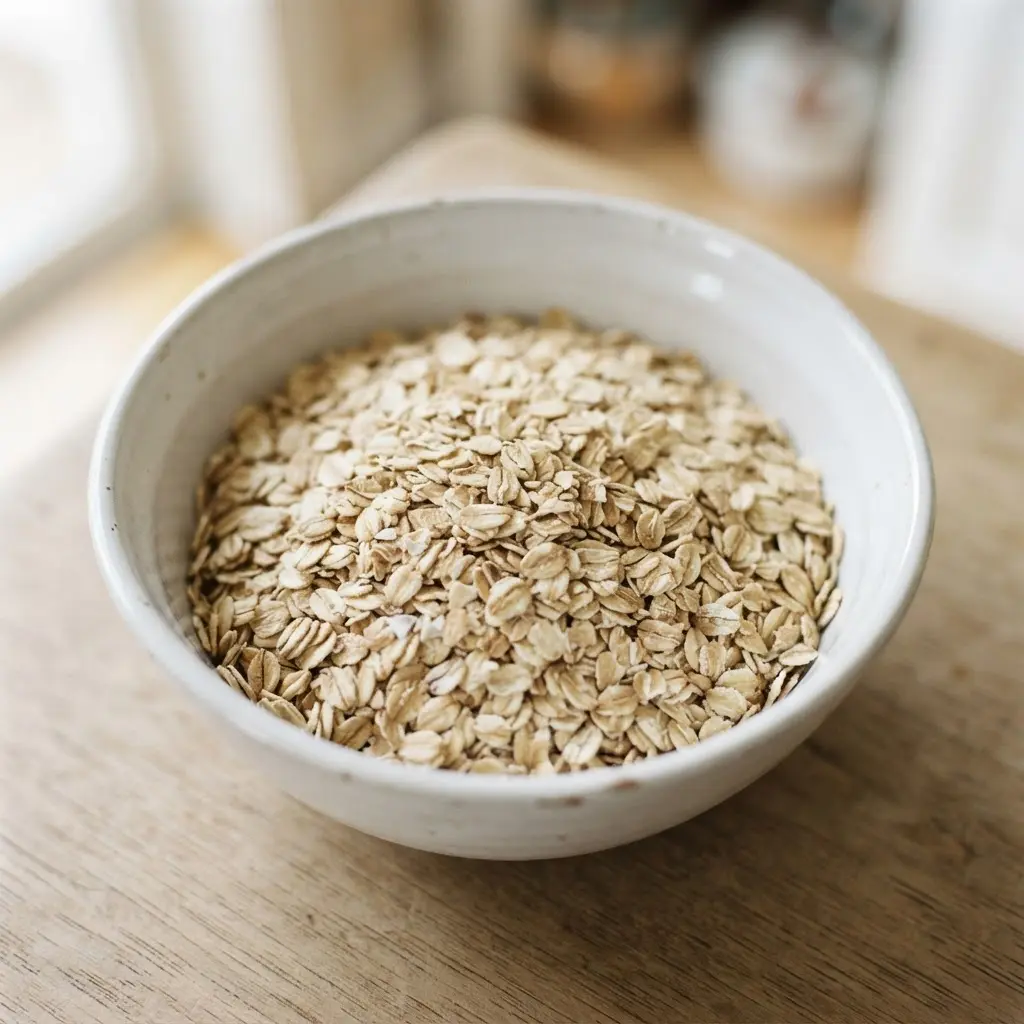
At 7:30 on a Tuesday morning, a delayed train leaves little time for cooking. A useful eating plan includes a backup breakfast, such as plain yogurt with fruit or a whole-grain sandwich, rather than relying on one fixed meal. Keep the same nutrition goal while changing the food, timing, or portion to fit the day, which reflects Things that make an excellent diet program. Pack a meal for long workdays, keep simple foods available for low-energy evenings, and set a basic option for travel.
Build two or three choices for common disruptions. Keep simple foods available for low-energy evenings, and set a basic option for travel. Use smart food swaps when a preferred item is unavailable. A swap should serve a similar purpose, such as replacing one protein source with another, rather than removing key food groups.
Research does not establish a specific health benefit for flexible behavioral customization. Recognizing Things that make an excellent diet program shows why adaptable routines matter more than fixed plans. Research on behavior change does support matching routines with daily conditions, so an adaptable plan deserves more careful study than a rigid set of identical meals.
Review the plan once each week. Identify one situation, such as a late meeting or a family meal, and write one suitable response. Keep flexibility within clear nutrition goals. Avoid treating every change as failure, while also avoiding a routine with no structure. Individual needs differ. People with diabetes, food allergies, eating disorders, kidney disease, gastrointestinal conditions, or other medical concerns should seek guidance from a qualified healthcare professional before making significant dietary changes. Always consult a healthcare professional before making changes to your health routine.
4. High Micronutrient Density Goals Through Food Variety

Eating many foods does not automatically create a nutritious diet. Choose nutrient-dense foods first, then build variety around them. Micronutrient density describes how many vitamins and minerals a food provides for its calories. Liver, eggs, dairy, pulses, leafy greens, fruit, nuts, seeds, and whole grains each contribute different nutrients.
Combine several food groups across the day. Pair lentils with dark leafy greens, add yogurt or eggs when suitable, and include fruit with meals or snacks. Build a weekly pattern from daily essential foods, then rotate colors, textures, and plant sources. This approach reduces dependence on processed foods with few vitamins and minerals.
Account for bioavailability, meaning how well the body absorbs and uses a nutrient. Animal foods often provide more readily absorbed forms of iron and zinc. Plant sources still matter, especially pulses, vegetables, nuts, seeds, and whole grains. Include vitamin C-rich fruit or vegetables with plant sources of iron to support absorption. Small portions of concentrated foods, such as liver, provide several micronutrients, but no single food should carry the whole diet.
Research on dietary diversity suggests a broader food pattern makes meeting nutrient needs more likely. Give extra attention to iron for young children and to folate, vitamin A, iron, and other nutrients during pregnancy and breastfeeding. Affordable pulses and seasonal produce keep variety practical. Individual needs differ with age, health, pregnancy, lactation, and dietary pattern, so seek guidance from a qualified health professional for a known deficiency or increased need. Remember that Things that make an excellent diet program always prioritize daily consistency.
Progress Monitoring Without All Or Nothing Rules
Record body weight once or twice weekly on a weekly tracking sheet, using the same conditions each time so normal fluid changes do not drive hasty decisions. Add hunger, fullness, energy, sleep, digestion, and meal satisfaction, since these signs show whether the program fits daily life. A missed meal or festive dinner does not erase progress, so return to your usual pattern at the next meal instead of compensating with severe restriction. Review the record every two to four weeks and adjust portions, meal timing, or food choices when hunger stays high or energy falls. Set one small behavior goal, such as adding vegetables at lunch, then judge consistency rather than perfection. Contact a clinician when weight change involves pregnancy, illness, medication shifts, or troubling symptoms.
Conclusion
Your eating plan should fit your real life, including busy days, family meals, favorite foods, and your food budget. Things that make an excellent diet program are not strict rules or quick promises. They are balanced meals, enough food for steady energy, room for choice, and foods you enjoy. Start by checking one usual meal. Add a protein food, a fiber-rich choice, and one fruit or vegetable if those pieces are missing. Then keep the change small enough to repeat during a busy week. A written meal outline, a short shopping list, or a ready-to-eat snack might help. Give yourself time to notice what feels satisfying and easy to maintain. Healthy eating grows from repeated choices, not perfect days. Pick one step today, keep it simple, and let your plan fit the life you live.
FAQs
Q: What makes a diet program healthy?
A: A healthy program includes varied foods, balanced meals, enough protein and fiber, and room for personal needs. It also fits your budget, culture, schedule, and food preferences.
Q: How much protein and fiber should meals include?
A: Needs differ by age, body size, activity, and health status. Include a protein food and a fiber-rich food at most meals, then ask a qualified health professional for personal guidance.
Q: Is a diet program still healthy if it includes treats?
A: Yes. A flexible eating pattern includes favorite foods in sensible portions. This approach supports enjoyment and helps reduce rigid food rules.
Q: How do I choose an affordable diet program?
A: Build meals around beans, lentils, eggs, oats, rice, potatoes, frozen vegetables, and seasonal produce. Plan a few meals before shopping and use leftovers to reduce waste.
Q: Should exercise be part of a diet program?
A: Regular movement supports heart health, strength, mood, and daily function. Choose activities you enjoy and increase them at a comfortable pace.