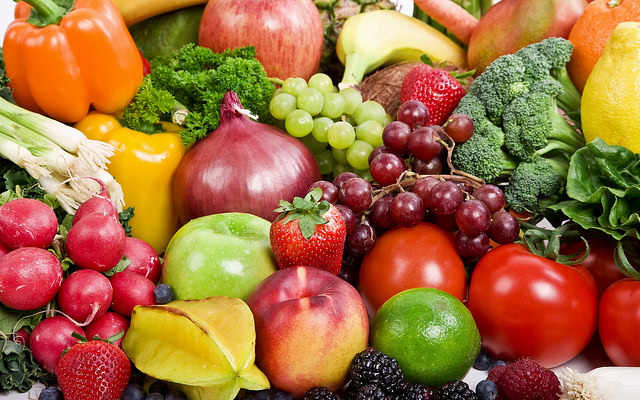
Careful food choices, fortified foods, and suitable supplements support better nutrition. Choosing plant foods often starts with health, animal care, or environmental values. Those reasons matter, and a vegan diet also includes many nourishing foods.
Reading Fortification Labels On Vegan Staples
Check the Nutrition Facts panel for added vitamin B12, calcium, vitamin D, and iodine before choosing a vegan staple. Recognizing the Dangers of being a vegan means reading those labels carefully. A fortified soy milk often supplies protein and calcium, while some almond, oat, and rice drinks provide little protein unless the label says otherwise.
Compare serving sizes because nutrient amounts look higher in larger cups. Check cereal labels for B12, iron, and vitamin D, then pair cereal with fruit or another vitamin C source to support iron absorption. Choose iodized salt for home meals, since sea salt usually lacks reliable iodine. Store plant beverages according to label directions, and shake cartons before pouring when minerals settle.
A weekly label check helps expose gaps before symptoms appear. Understanding these details keeps your pantry stocked with the right options.
Recognizing Symptoms Requiring Clinical Assessment
Seek clinical assessment for new numbness, balance trouble, unusual weakness, or lasting fatigue, especially when B12 intake has been unreliable. Spotting the Dangers of being a vegan means tracking these early signs. These signs overlap with many conditions, so symptoms alone do not identify a nutrient gap.
A blood test panel helps clinicians check B12, blood counts, and iron status. Low hemoglobin points toward anemia, while nerve symptoms deserve prompt review even when the blood count looks normal. Tingling, balance changes, or memory problems warrant attention because prolonged B12 deficiency harms nerve function.
Severe tiredness, pale skin, headaches, or breathlessness fit possible iron deficiency and need assessment rather than self-treatment. Pregnancy, adolescence, restrictive eating, and digestive disease raise the need for professional review. Bring a three-day food record and supplement labels to the appointment.
1. Vitamin B12 Deficiency Risks in Vegan Nutrition
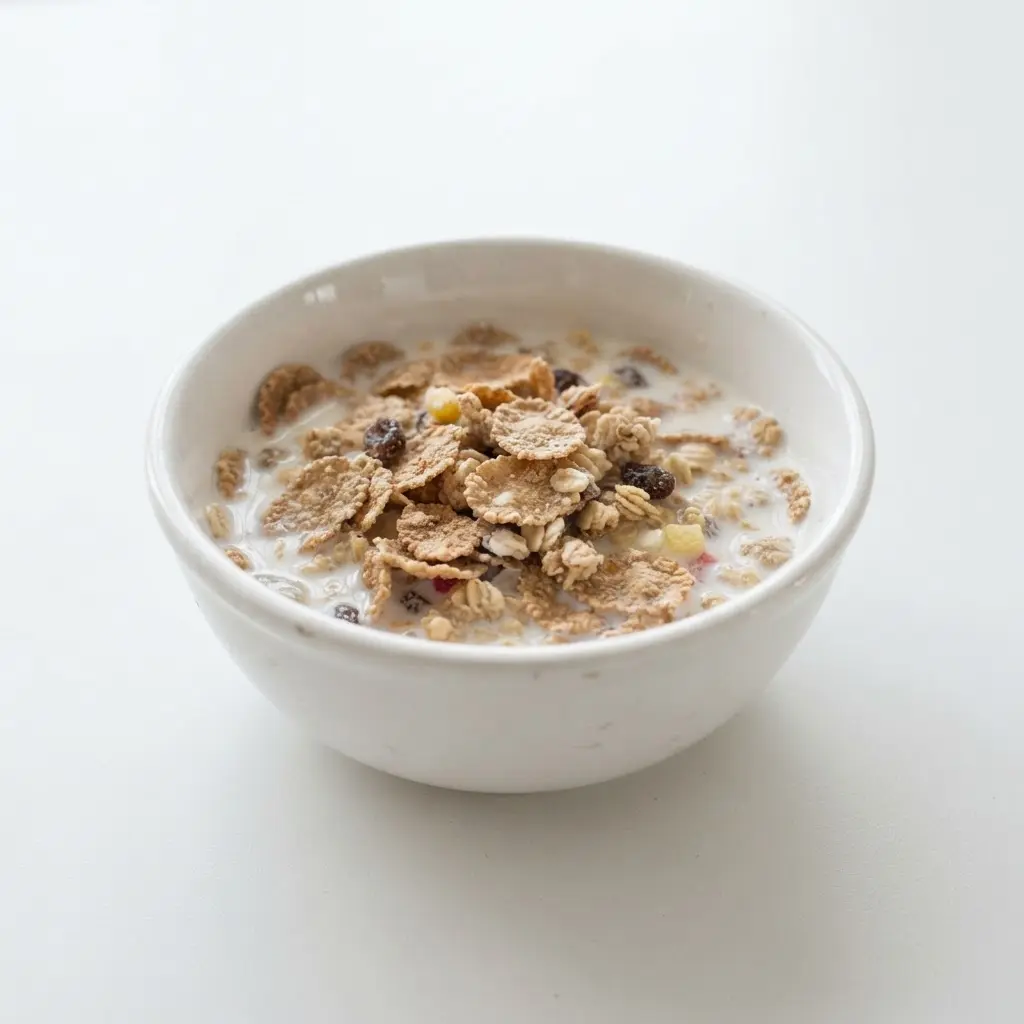
A common mistake is assuming a varied vegan diet supplies every needed nutrient, which connects directly to the Dangers of being a vegan. Vitamin B12 does not come reliably from ordinary plant foods. Build a dependable source through regular B12 supplementation or fortified foods. Fortified breakfast cereals, plant milks, and nutritional yeast vary in their B12 content, so check product labels.
Vitamin B12 supports red blood cell formation and normal nerve function. Without enough B12, deficiency can develop before clear symptoms appear. Reported prevalence among vegans ranges from 5% to 52%, since studies use different groups and testing definitions. Reviewing these numbers highlights the Dangers of being a vegan.
Fatigue, pale skin, heart palpitations, numbness, and tingling require medical attention. Research links untreated deficiency with megaloblastic anemia and neurological changes. Nerve problems can become long-lasting after delayed care. Pregnancy and breastfeeding increase the need for careful planning. Infants whose mothers have low B12 status face risks including anemia, poor growth, developmental delays, and irreversible neurological damage.
Track B12 intake rather than waiting for symptoms. Noticing the Dangers of being a vegan early keeps you safe. Schedule blood testing with a qualified healthcare professional, especially during pregnancy, breastfeeding, older adulthood, or infancy. Always consult a healthcare professional before making changes to your health routine.
2. Non-Heme Iron Absorption Challenges With Plant Foods
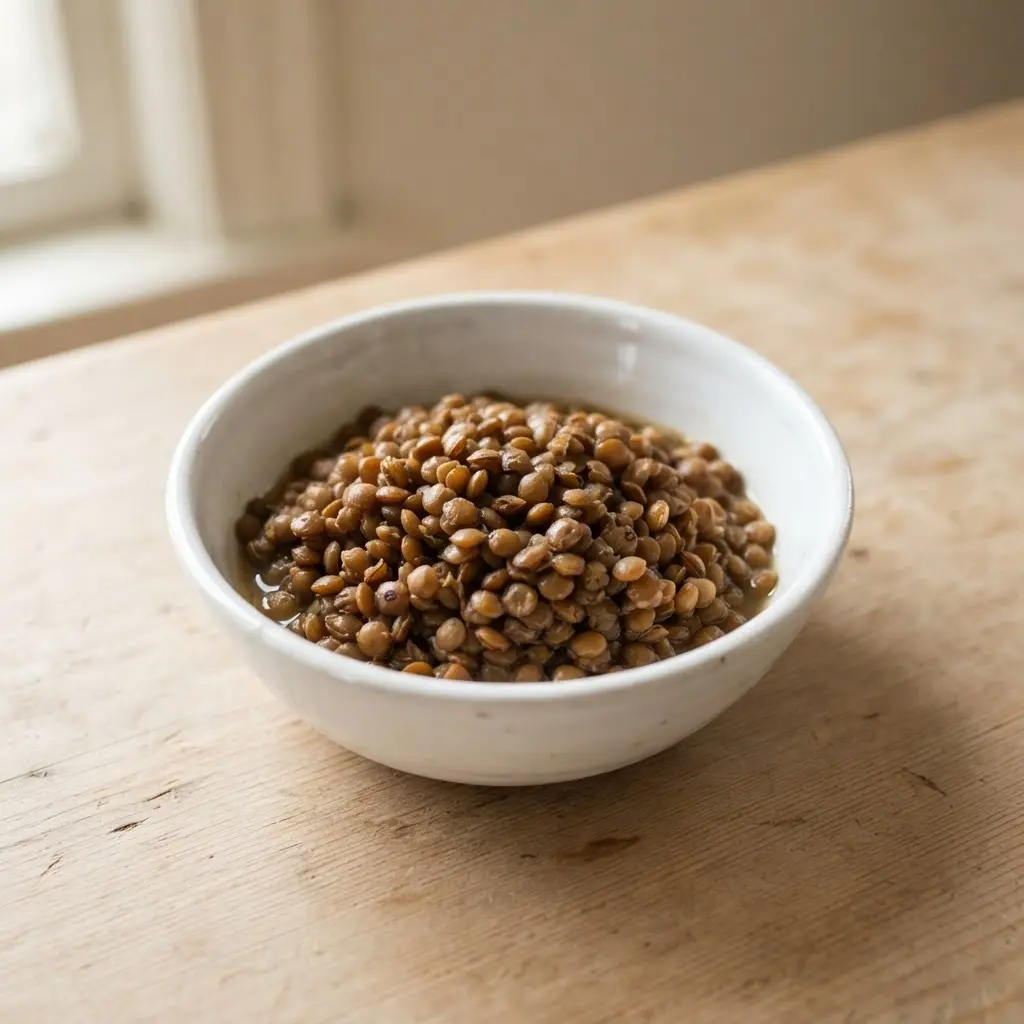
Pair iron-rich plant foods with a vitamin C-rich side at the same meal. Non-heme iron, found mainly in legumes and grains, absorbs less efficiently than heme iron from animal foods. Reported absorption ranges are about 1% to 15% for non-heme iron and 15% to 40% for heme iron. Non-heme iron must stay in an absorbable form before passing into intestinal cells.
Build meals with attention to iron blockers. Phytic acid in beans and grains binds iron. Polyphenols in some beverages and plant foods can reduce absorption. Use soaking and cooking to lower phytic acid.
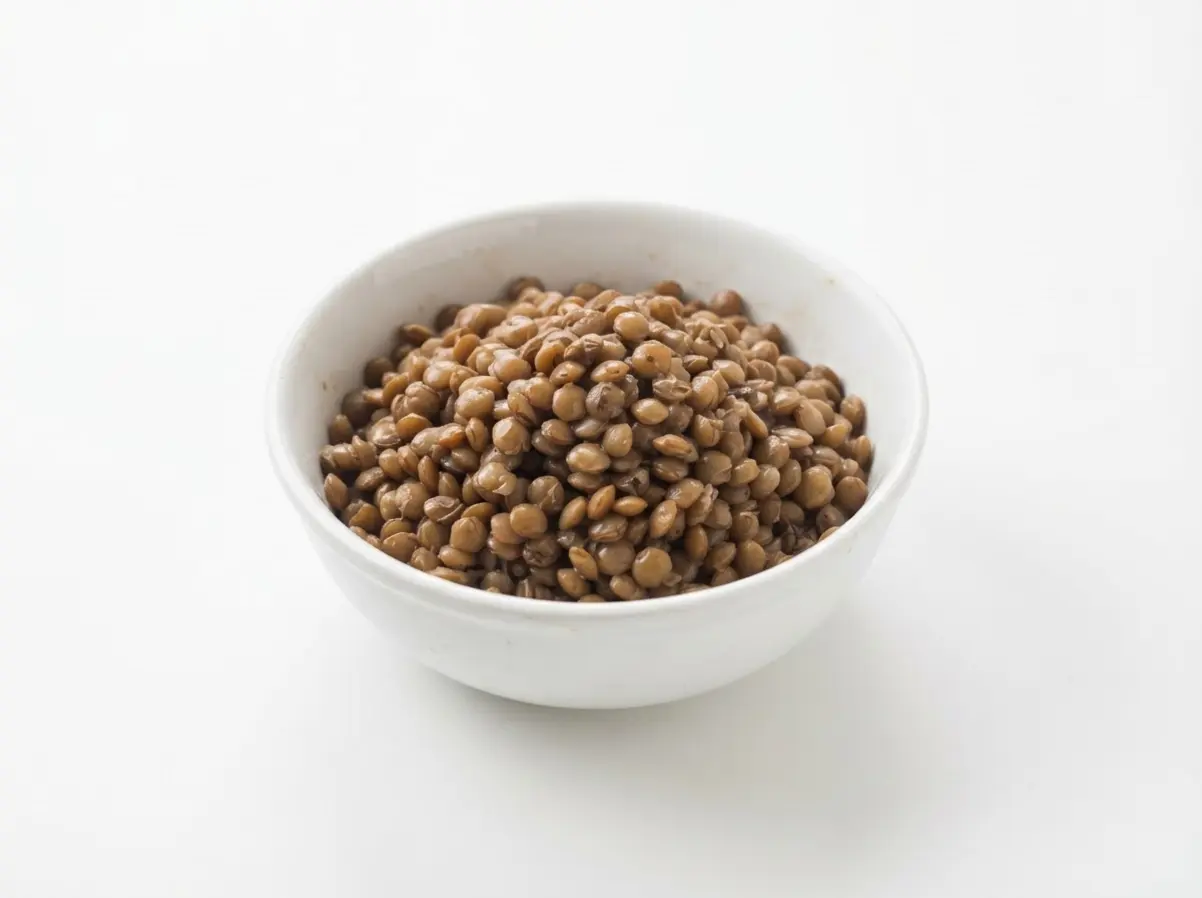
Sprouting activates enzymes that break down phytate, while fermentation often lowers phytic acid levels in legumes. These steps support better iron availability without removing nutritious foods. Choose lentils with citrus, beans with bell peppers, or iron-containing grains with tomatoes. Noting these interactions clarifies the Dangers of being a vegan.
Vitamin C supports iron absorption by helping maintain iron in its ferrous form and forming soluble complexes for passage into enterocytes. For practical guidance on vitamin interactions in diet, focus on how foods work together within the same meal. Research suggests meal composition strongly affects how much iron the body receives. Plant-based diets often provide higher total iron intake, which partly offsets lower average absorption.
Individual needs and iron status differ. Understanding the Dangers of being a vegan means checking your iron levels regularly. Symptoms or concerns about deficiency require discussion with a qualified healthcare professional and appropriate testing. Always consult a healthcare professional before making changes to your health routine.
3. Calcium and Bone Density Concerns in Vegan Diets
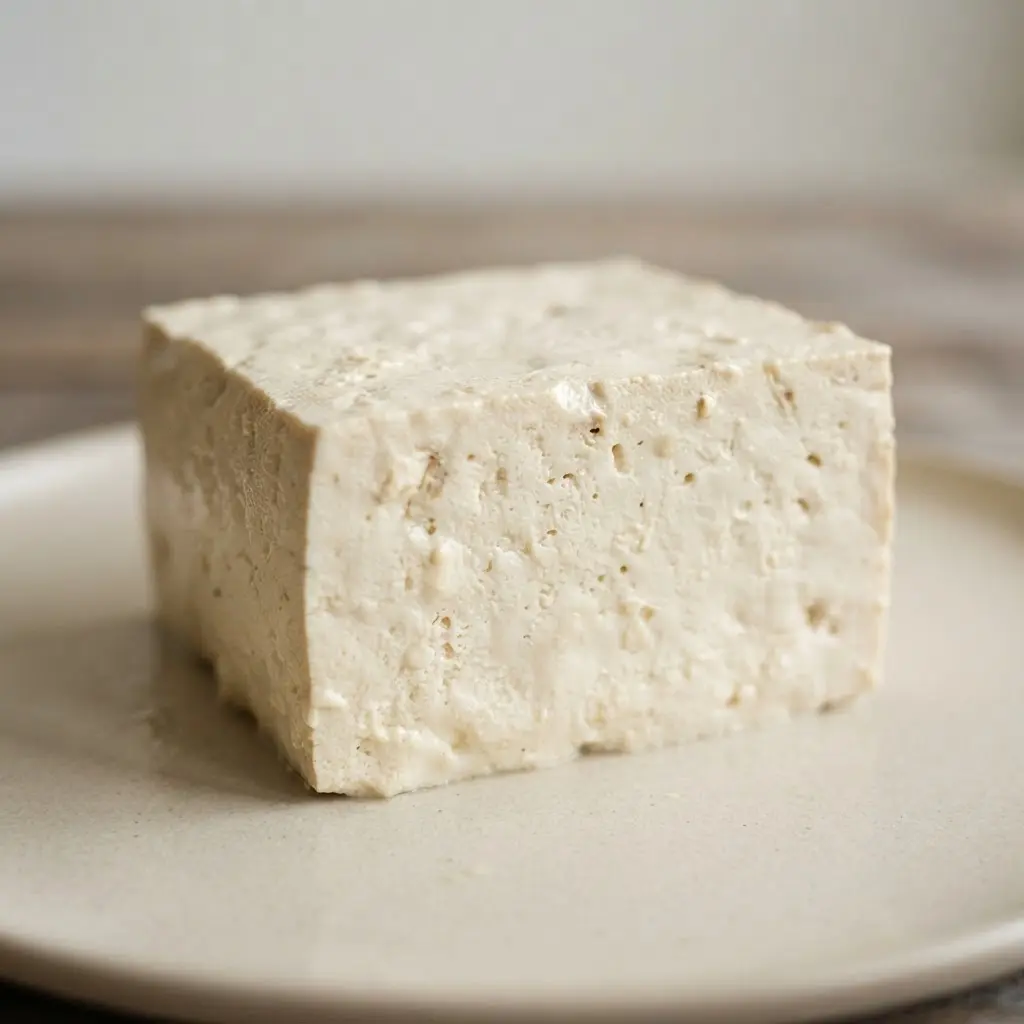
At 7 a.m., a breakfast of oats, fruit, and coffee might look balanced while providing little calcium. Spotting the Dangers of being a vegan starts with tracking calcium sources. Add a regular source such as calcium-fortified soy milk, fortified yogurt, calcium-set tofu, or leafy greens.
Calcium supports bones, teeth, muscle movement, and normal nerve function. Bone health also depends on vitamin D, protein, and steady food intake over time. Bone mineral density measures the mineral content of bone. Lower density often signals weaker bones and a higher fracture risk.
Research on vegan diets is mixed. Some studies report lower density at the lumbar spine and femoral neck, higher fracture rates, or increased bone-turnover markers among vegans. These findings do not show inevitable harm from vegan eating. Build meals around reliable calcium sources rather than assuming variety covers every nutrient.
Fortified foods raise calcium and vitamin D intake. Protein supplies materials for bone structure, while vitamin D supports calcium absorption. Vitamin B12 also needs attention because low intake often occurs without fortified foods or a suitable supplement. Review the full diet, not calcium alone.
Track calcium-rich foods across several days. Use food labels to check calcium and vitamin D amounts, especially in plant milks and yogurt alternatives. Recognizing the Dangers of being a vegan supports steady bone care. Seek dietary assessment when intake stays low or fracture risk causes concern. Research suggests bone health is better supported when calcium and vitamin D intake is adequate. Always consult a healthcare professional before making changes to your health routine.
4. Omega-3 Fatty Acid Conversion Limitations in Plant Sources
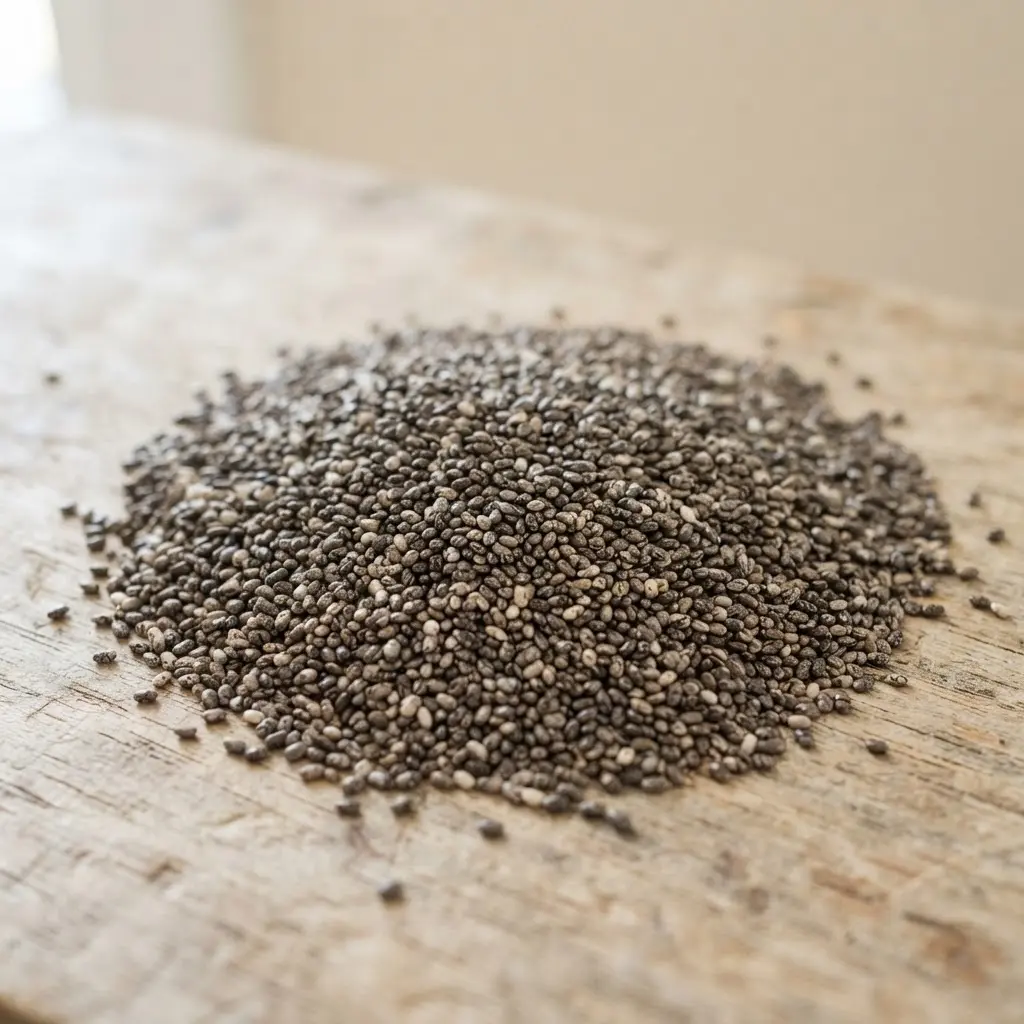
Myth: eating plenty of flaxseed or walnuts guarantees adequate EPA and DHA. The body must first convert plant-based ALA into these longer-chain omega-3 fatty acids. Typical estimates place ALA-to-EPA conversion below 5–10%, while ALA-to-DHA conversion sits near 2–5% or lower. Reported rates vary by study design, diet, health status, and individual biology. Many people overlook the Dangers of being a vegan when planning omega-3 meals.
ALA-rich foods, including nutrient-dense healing foods, still contribute useful omega-3 intake, but they do not provide the same direct EPA and DHA exposure. After ALA enters the body, desaturase and elongase enzymes change its structure. ALA first moves toward EPA, followed by additional steps toward DHA. Omega-6 fatty acids use some of the same enzyme pathways.
A diet high in omega-6 relative to omega-3 can increase competition for the delta-6-desaturase enzyme. Age, sex, genetics, smoking, and overall dietary pattern also affect conversion efficiency. Research suggests high ALA intake alone does not reliably raise the blood omega-3 index, which measures EPA and DHA status.
Some studies have found no increase after high doses of ALA from selected plant oils, with occasional decreases reported. This matters most for people whose entire omega-3 plan depends on plant foods without a direct EPA or DHA source. Build meals around flaxseed, chia seeds, walnuts, and suitable plant oils for ALA.
Add microalgal oil for direct EPA, DHA, or both without relying on conversion. Review the product label and your health needs with a qualified professional. Always consult a healthcare professional before making changes to your health routine.
5. Zinc Bioavailability and Phytate Inhibition in Vegan Meals
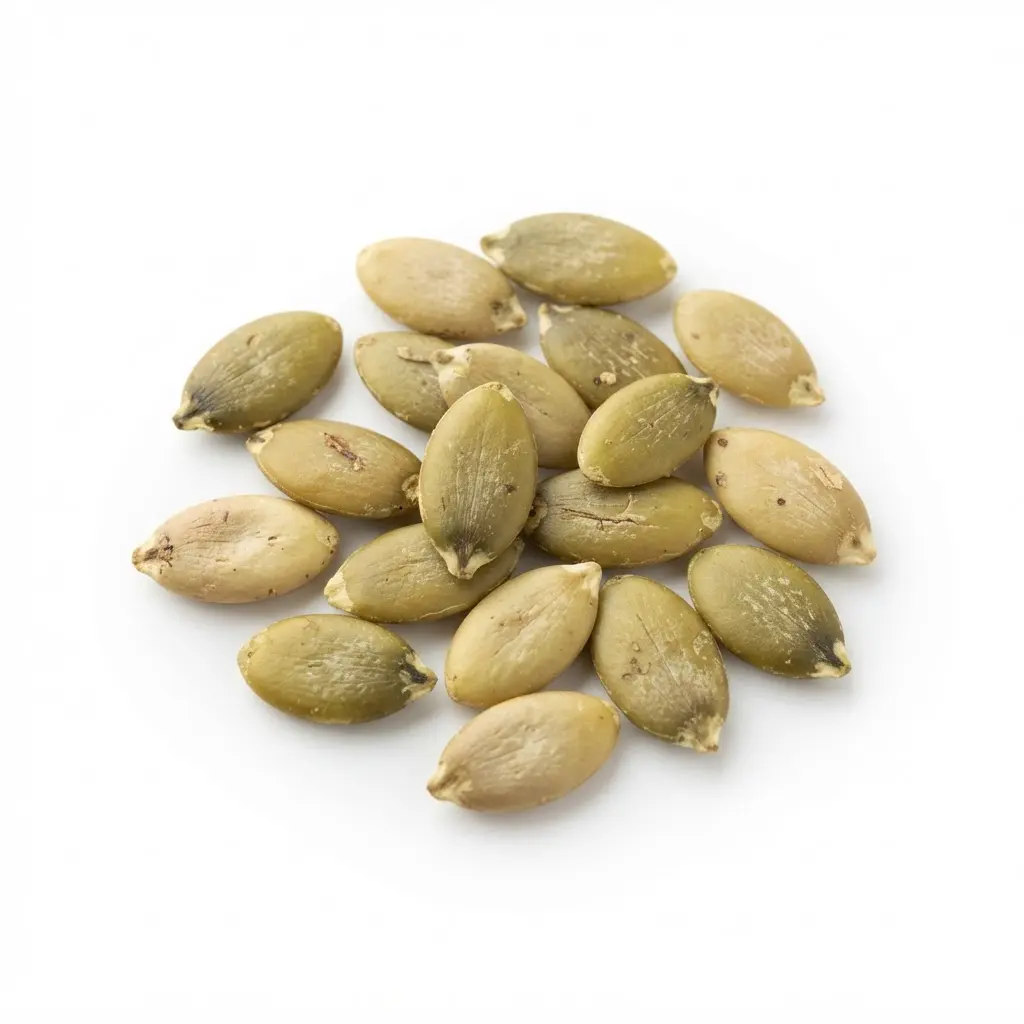
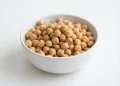
Does a essential vegan diet tips enough zinc? Yes, a well-planned meal pattern can provide zinc, but absorption depends on food choices and preparation. Choose zinc-rich plant foods such as beans, lentils, tofu, oats, pumpkin seeds, nuts, and whole grains. Include several sources across the day instead of relying on one food.
Phytate is a natural compound found in many plant foods. Phytate binds to zinc in the digestive tract. This binding reduces the amount of zinc available for absorption. Meals built almost entirely from unprepared whole grains, beans, nuts, and seeds create a higher phytate load.
Plant foods still offer valuable nutrients, so removing them is not the answer. Use overnight soaking for dried beans, lentils, and some grains. Drain and rinse soaked foods before cooking. Sprouting, fermenting, and using yeast-leavened bread also reduce phytate levels. These steps improve mineral access without requiring major changes to a vegan eating pattern.
Evidence from nutrition research indicates that zinc intake and zinc absorption both matter, especially when most meals rely on plant foods. Choose varied meals and include tofu, legumes, seeds, and fortified foods through the week. Pairing different preparation methods with regular zinc sources offers a practical way to reduce the effect of phytate inhibition. Follow medical advice if blood tests or symptoms raise concerns about zinc status.
Monitoring Nutrient Status With Healthcare Support
Ask a clinician to set a lab schedule for B12, ferritin, vitamin D, and thyroid function when your vegan diet includes few fortified foods. A registered dietitian helps match supplements to your meals, health history, and lab results. Repeat testing after a supplement change gives a clearer picture than guessing from symptoms.
Serum B12 results need context because some people show normal levels while nerve symptoms continue. Ferritin reflects stored iron, while a complete blood count checks anemia. Vitamin D follow-up matters during winter or when fortified foods appear rarely. Ask about iodine intake too, especially if you avoid iodized salt. Pregnancy, breastfeeding, adolescence, digestive disease, and medicines deserve closer monitoring.
Share every supplement, including dose and brand, with your healthcare team. Keeping a log of your nutrient intake helps you navigate the Dangers of being a vegan safely. Keep copies of lab reports so future visits show trends over time.
Conclusion
Plant-based eating often reflects personal values, health goals, and a wish to choose food with care. Those reasons deserve respect. The Dangers of being a vegan often relate to missing nutrients or lower absorption, rather than plant foods themselves. A few steady habits support a stronger plan.
Review your regular meals and look for reliable sources of vitamin B12, iron, calcium, omega-3 fats, and zinc. Pair iron-rich foods with vitamin C foods, include fortified choices, and ask a qualified health professional whether testing or supplements fit your needs. Keep a simple food record for several days before making changes.
It gives you a clearer view of your usual intake and makes a health visit more useful. You do not need to change everything at once. Start with one nutrient gap today, then build meals with care and confidence over time.
FAQs
Q: Which nutrients need extra attention on a vegan diet?
A: Vitamin B12, iron, calcium, vitamin D, omega-3 fats, iodine, and zinc deserve regular attention. Fortified foods, varied meals, and suitable supplements support intake.
Q: How do vegans improve iron absorption?
A: Pair beans, lentils, tofu, or leafy greens with vitamin C foods such as citrus, berries, peppers, or tomatoes. Soaking, sprouting, and cooking beans also support easier digestion.
Q: Does a vegan diet affect bone health?
A: Bone health depends on enough calcium, vitamin D, protein, and regular weight-bearing activity. Fortified plant drinks, calcium-set tofu, beans, and leafy greens support a balanced eating pattern.
Q: Are algae-based omega-3 supplements useful for vegans?
A: Algae-based products supply DHA and often EPA without fish. Ask a qualified health professional about the right type and amount for your health needs.
Q: How do vegans get enough zinc?
A: Beans, lentils, tofu, seeds, nuts, and whole grains supply zinc. Soaking, sprouting, fermenting, and cooking these foods reduce phytate effects and support zinc absorption.