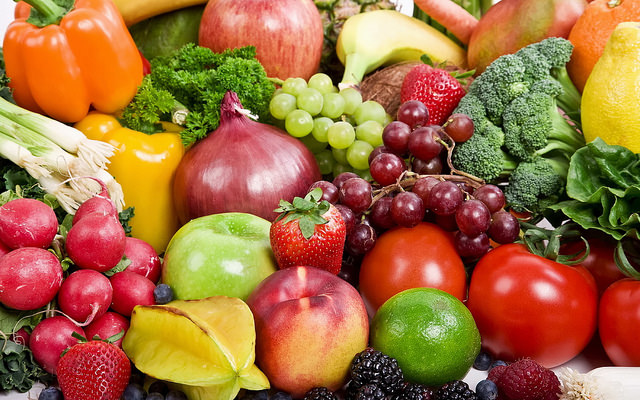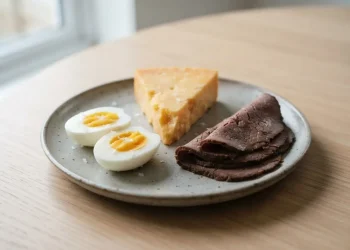
If Paleo eating feels confusing at first, you are in good company. Grocery aisles contain many foods with hidden grains, sweeteners, and modern oils. I like to start with a short list of foods you know will work. Let’s sort the basics into five easy groups, from pasture-raised proteins to cooking fats.
Reading Labels On Packaged Paleo Ingredients
Check every ingredient label on deli meat, bottled sauce, and jerky, since wheat, soy, sugar, and seed oils often hide inside foods marketed as Paleo. A short ingredient list helps, yet packaged food still needs a close read because flavor packets and marinades add unexpected grains or sweeteners, so reviewing the Main foods you can eat on the paleo diet keeps your cart focused. Look for plain cuts of beef, chicken, turkey, fish, or shellfish when you want a quick protein option without extra fillers. Tinned fish packed in water or olive oil often works well, while smoked varieties deserve closer attention for added sugar. Frozen vegetables and fruit usually need only one listed ingredient. For snacks, choose nuts, seeds, or unsweetened coconut rather than assuming a Paleo label guarantees a fit. Store-bought mayonnaise, sausage, and salad dressing deserve the same check.
Understanding Dairy, Legume, And Sweetener Variations
Ghee fits some Paleo plans, while strict versions leave out all dairy, so checking the Main foods you can eat on the paleo diet rules helps clarify your daily staples. Many followers skip milk, cheese, and yogurt because dairy sits outside the strictest interpretation, while others include clarified butter or grass-fed butter. Legumes such as beans, lentils, peanuts, and soy also stay off most Paleo menus, even though they provide plant protein and fiber. Honey and maple syrup often appear in small amounts on flexible plans, yet strict followers avoid added sweeteners altogether. Read the ingredient panel on coconut yogurt, protein bars, and dairy-free cheese, since these foods often contain legumes, grains, or refined starches. Your chosen version should match your goals, preferences, and response to specific foods.
1. Pasture-Raised Proteins and Seafood for Everyday Meals
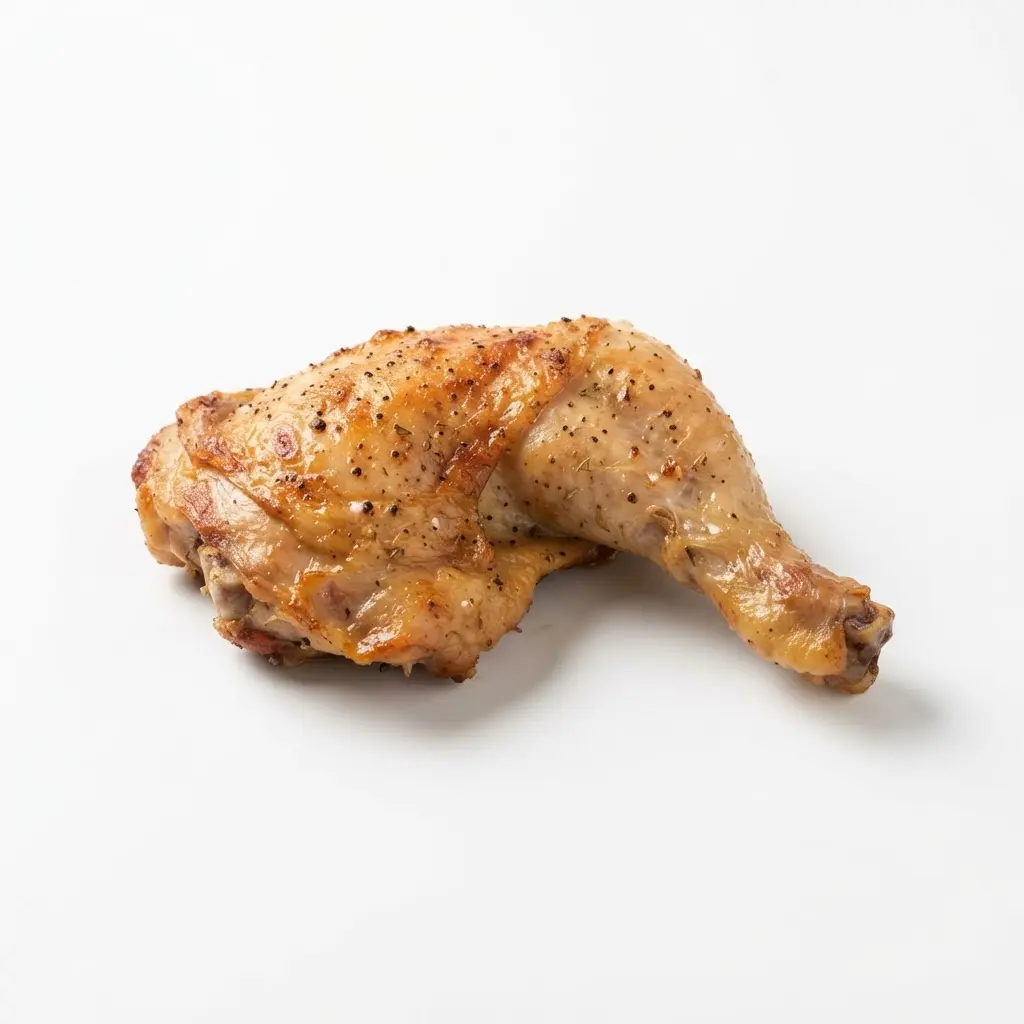
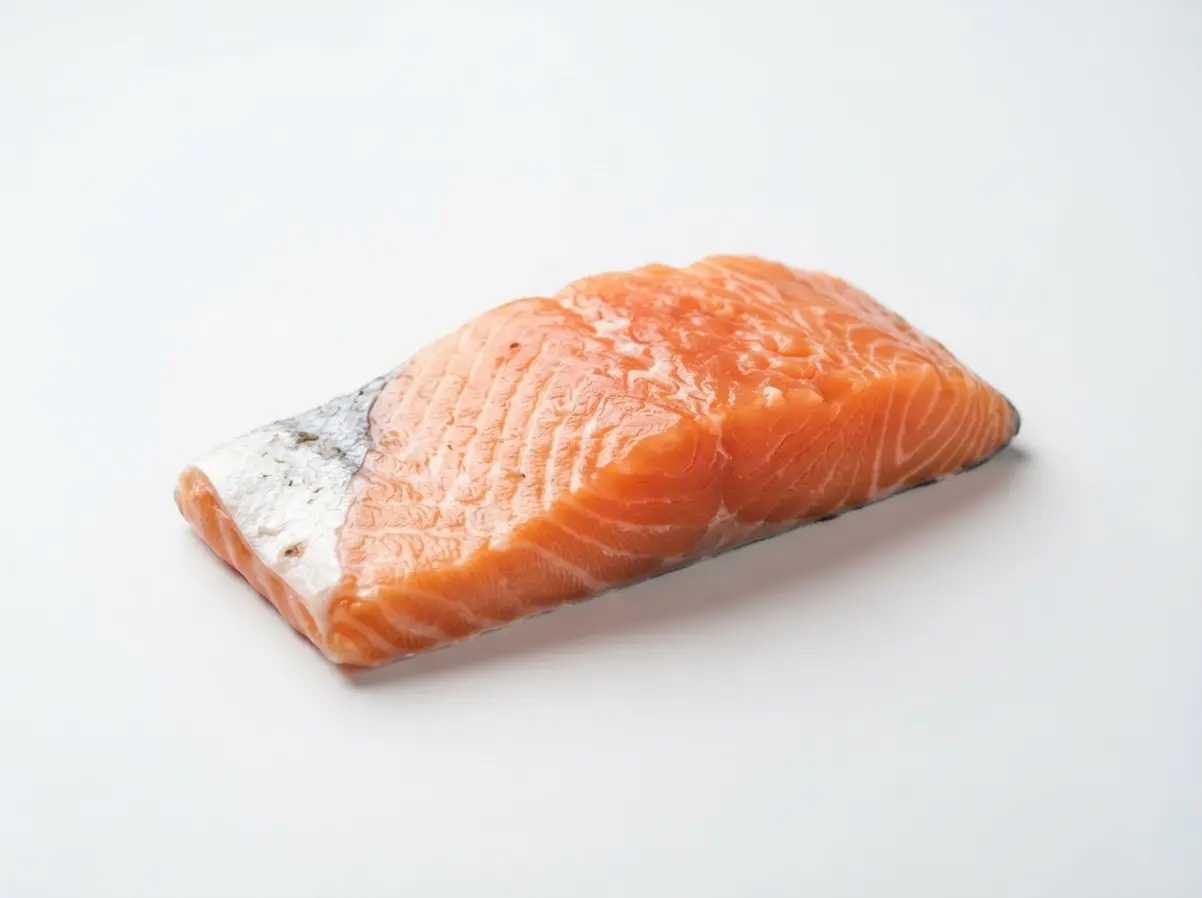
A common mistake is treating every protein box as interchangeable. Product contents differ, so inspect the package list before ordering, especially since the Main foods you can eat on the paleo diet emphasize quality sourcing. Choose individual protein portions such as grass-fed beef, pasture-raised chicken, turkey, pork, or bacon. Select fish separately when you want cod, salmon, halibut, or black cod.
Thaw frozen meat safely before cooking, then plan different proteins across breakfast, lunch, and dinner. A mixed selection of about 10 pounds might include beef, ground poultry, chicken breasts, pork, bacon, wild Alaska cod, and chicken broth. Keep enough freezer space for deliveries, since pasture-raised meats often arrive frozen.
Seafood boxes provide a wider range of fish without requiring one large purchase of a single variety. A 15-pound Alaska seafood selection might contain Pacific cod, keta salmon, halibut pieces, and black cod. A salmon box might contain 24 portions of king and keta salmon. Research suggests that eating varied seafood and other protein sources supports a balanced meal pattern, while stocking the Main foods you can eat on the paleo diet simplifies planning.
Keep chicken broth available for soups, stews, and pan sauces. Read package quantities before buying, because a mixed meat box, seafood box, and salmon box serve different planning needs. Build meals around one thawed protein at a time, then add vegetables, fruit, or other metabolism-boosting Paleo foods-friendly foods according to your routine.
2. Non-Starchy Seasonal Vegetables for Colorful Plates
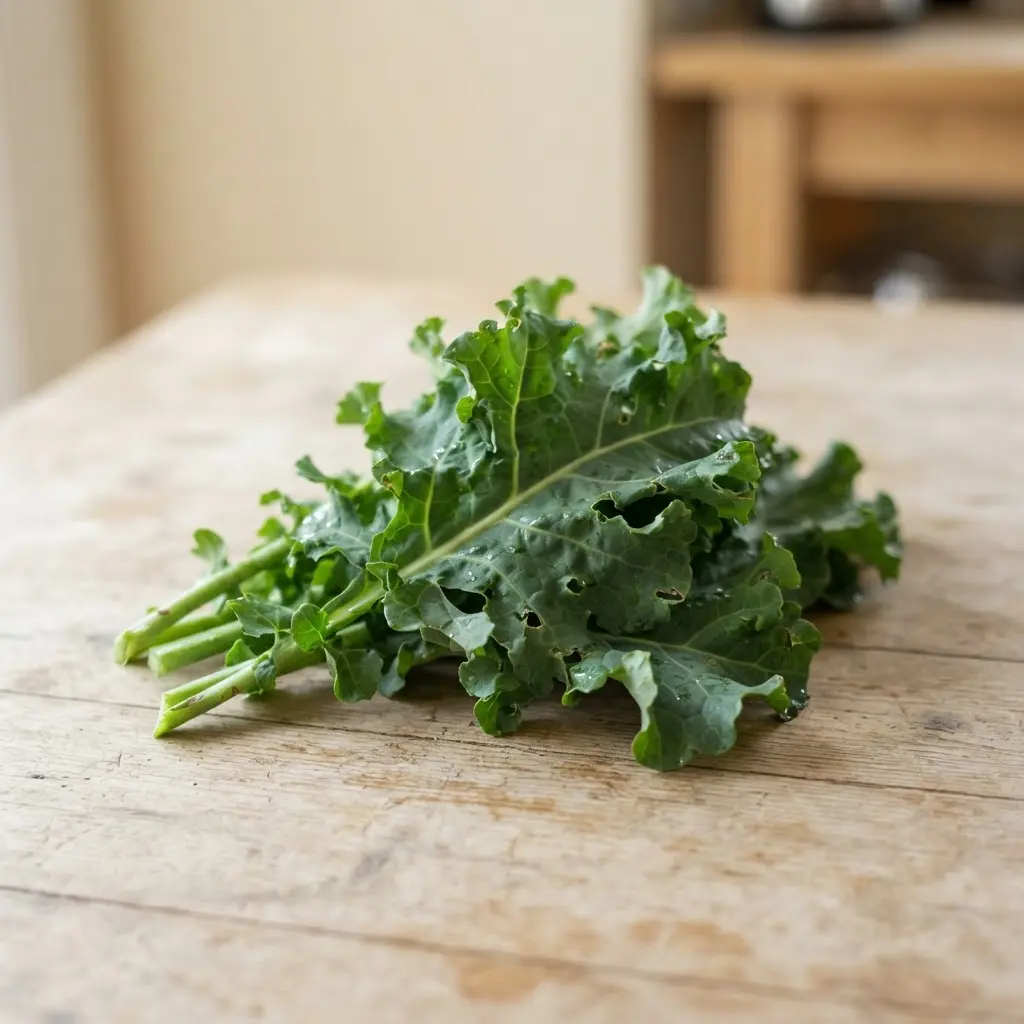
Start each Paleo plate with three vegetable colors. Combine leafy greens with a red, orange, purple, or white vegetable. Spring plates suit asparagus, spinach, arugula, radishes, and spring onions, which perfectly matches the Main foods you can eat on the paleo diet guidelines.
Summer brings bell peppers, tomatoes, zucchini, cucumbers, green beans, and eggplant. Seasonal choices keep flavor and texture changing across the year.
Build contrast with soft greens, crisp radishes, cucumbers, green beans, or bell peppers. Add broccoli, kale, or Brussels sprouts for deeper green tones. Raw tomatoes, peppers, and spring onions suit fresh salads.
Roast cauliflower, beets, carrots, or Brussels sprouts to develop a richer taste and tender texture. Colorful Paleo plates feel less repetitive when each serving includes several plant types.
Separate leafy vegetables from more starch-forward produce. Winter squash, parsnips, turnips, carrots, and beets provide a denser vegetable portion than spinach, cucumber, peppers, or summer squash, and tracking the Main foods you can eat on the paleo diet prevents plate overcrowding. Use acorn, butternut, or spaghetti squash beside protein and leafy greens rather than letting squash fill the entire plate.
Research suggests a varied intake of vegetables supports broader nutrient exposure, though color alone does not measure nutrition.
Use overlooked parts for extra contrast. Swiss chard stems bring red, yellow, or white lines beneath green leaves. Beet greens, leek stalks, spring onion bulbs, and Napa cabbage add pale or deep tones.
Arrange roasted vegetables beside a raw component to create different textures in one meal. Choose produce from the current season, then adjust the mix as spring greens give way to summer peppers and winter cabbage.
3. Fresh Low-Glycemic Fruits for Simple Sweetness
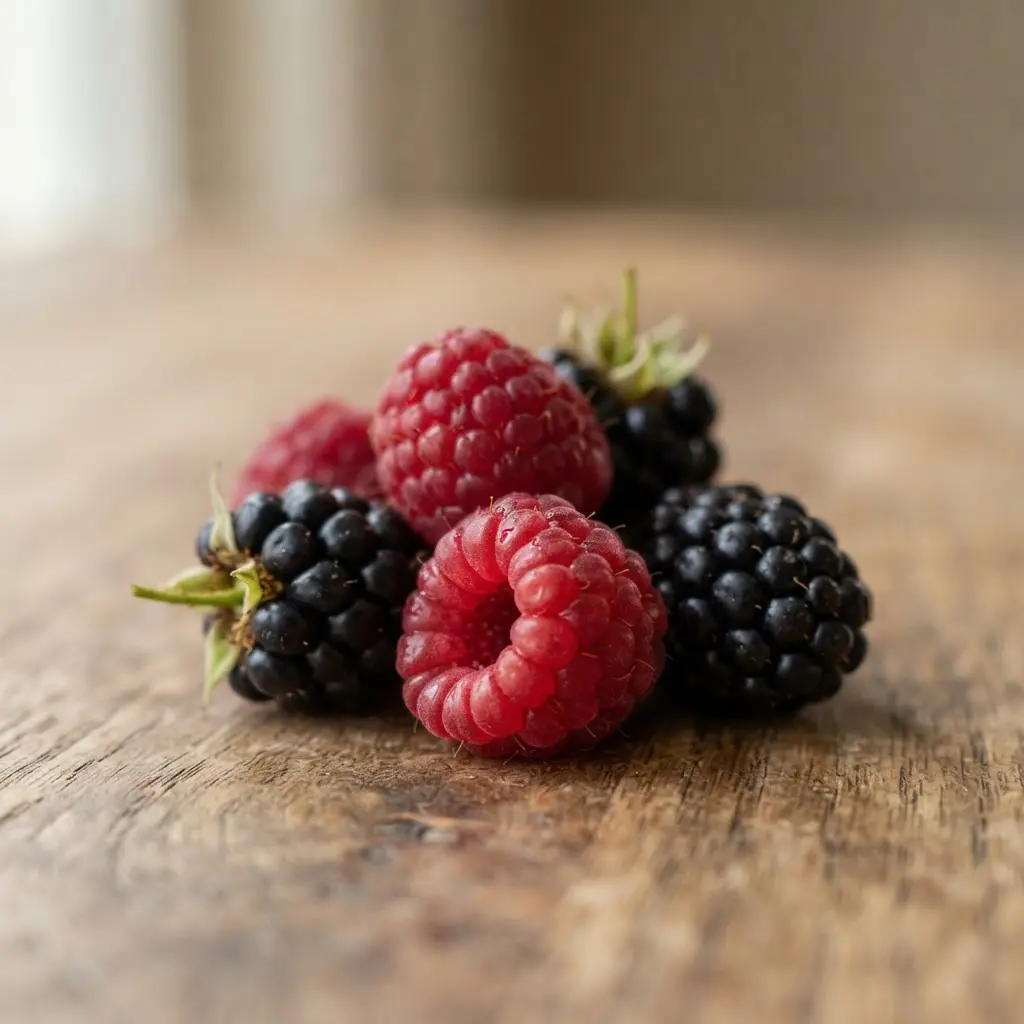
At midmorning, reach for a bowl of whole fresh fruit instead of a refined sweet snack. Berries, cherries, grapefruit, plums, apples, pears, peaches, nectarines, and oranges fit a Paleo eating pattern, so choosing the Main foods you can eat on the paleo diet balances your daily sugar intake. Choose the fruit according to your preferred balance of sweetness and tartness.
Start with berries when fiber and a less sugary taste matter most. Strawberries, blueberries, raspberries, and blackberries provide fiber and antioxidants. Apples, pears, and plums add fiber alongside natural sweetness. Grapefruit offers a particularly tart flavor and a very low glycemic effect. Peaches and nectarines have a moderate glycemic impact.
Keep servings moderate, even with lower-glycemic fruit. A large bowl still supplies a sizeable amount of naturally occurring sugar and might affect blood glucose. Pair a small serving with a handful of nuts when you need more staying power, especially when prioritizing the Main foods you can eat on the paleo diet for steady energy. Nuts provide healthy fat and suit many strict Paleo patterns.
Choose grapefruit, raspberries, blackberries, tart cherries, or plums for a sharper flavor. Select strawberries, blueberries, sweet cherries, apples, pears, peaches, nectarines, or oranges for simple sweetness. Oranges provide vitamin C, though berries often contain less sugar per serving.
Research suggests fiber-rich fruit supports a more substantial snack, while glycemic response varies by portion and by person. People managing diabetes or monitoring blood glucose should track individual responses and follow guidance from a qualified healthcare professional. Always consult a healthcare professional before making changes to your health routine.
4. Raw Nuts and Seeds for Convenient Snacks
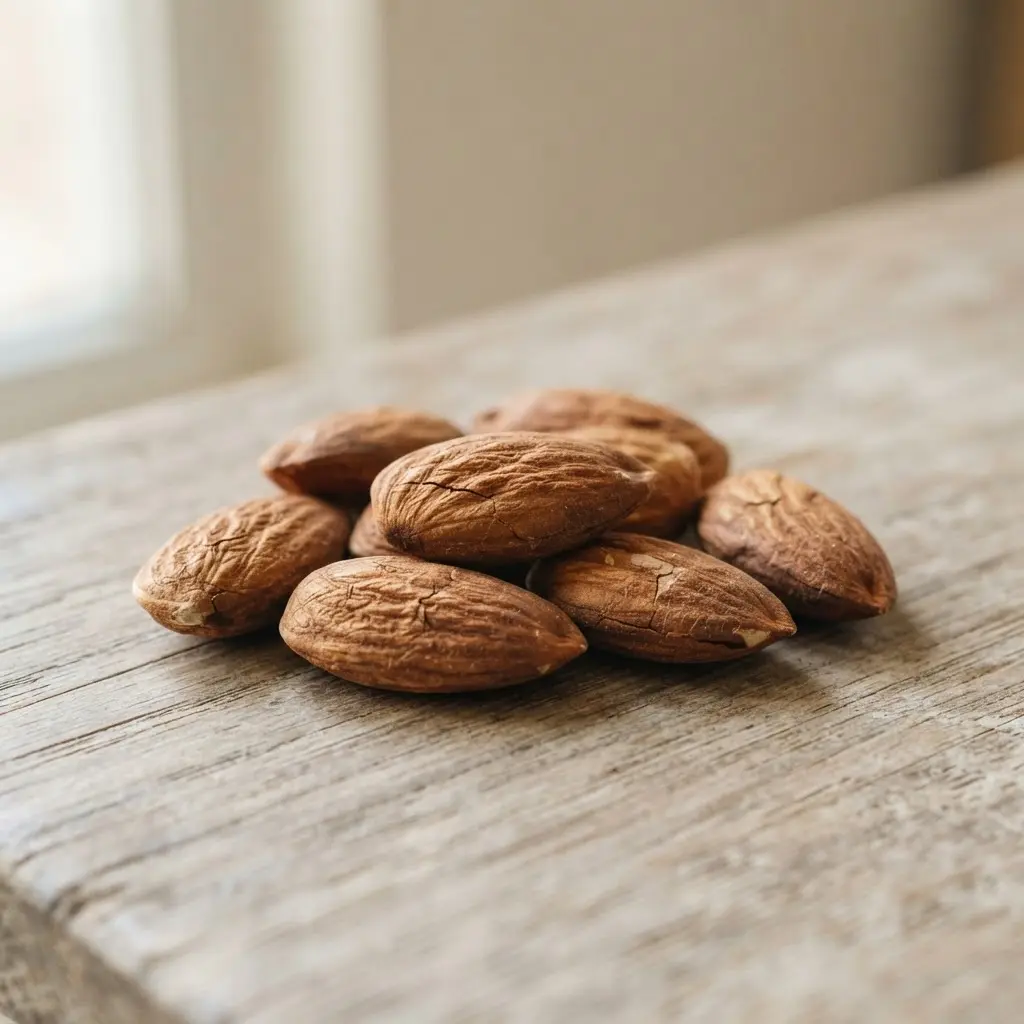
Many people believe all nuts and seeds fit every Paleo plan, but the details matter. Choose raw, unsalted nuts and seeds to avoid added sugar, excess sodium, and extra oils. Almonds provide vitamin E, magnesium, and monounsaturated fats. Walnuts offer omega-3 fatty acids and antioxidants, and verifying the Main foods you can eat on the paleo diet keeps your snacks aligned with your goals. Cashews add copper, magnesium, and zinc, while pistachios provide protein, fiber, vitamin B6, and potassium.
Build small snack portions with pumpkin seeds, sunflower seeds, or a mixture of several varieties. Pumpkin seeds supply magnesium, zinc, iron, and protein. Sunflower seeds provide vitamin E, selenium, and magnesium. Research suggests that foods containing protein, fats, and fiber tend to support fullness, which makes these snacks useful between meals.
Use small airtight containers for work, travel, or busy afternoons. A serving measured before eating is easier to manage than repeated handfuls from a large bag, and storing the Main foods you can eat on the paleo diet correctly maintains their freshness. Keep nuts and seeds in a cool, dark cupboard, and refrigerate or freeze larger supplies for longer storage. Heat and air speed the loss of freshness and produce a stale or rancid taste. Nutrient-dense snack ideas fit the same preparation plan when portable food needs to stay simple. Separate peanuts from true nuts on your food list.
Peanuts are legumes, even though shops group them with nuts and people eat them in similar ways. Check ingredient labels on seasoned mixes, then choose plain single-ingredient options whenever possible.
5. Natural Healthy Cooking Fats for Balanced Meals
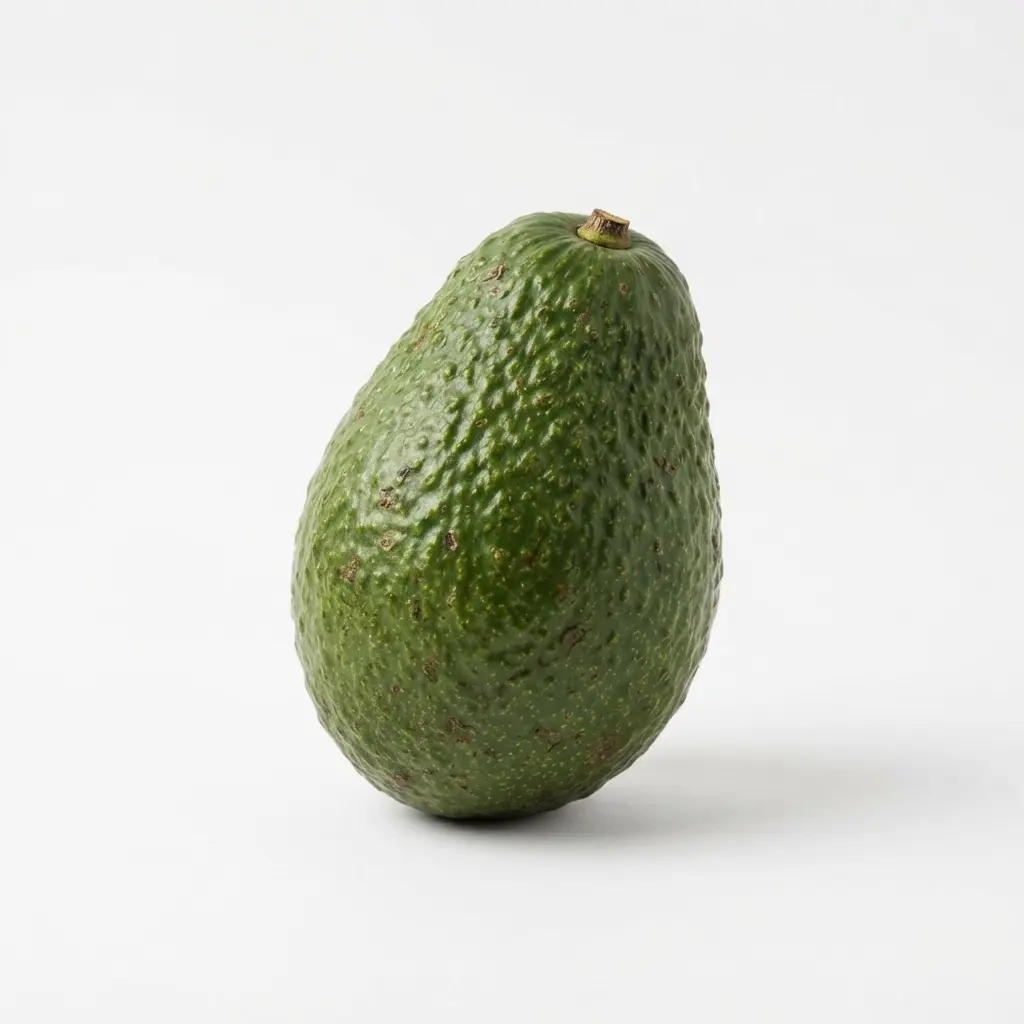
Which cooking fat belongs in a Paleo meal? Choose the fat according to the heat, texture, and flavor required. Use extra-virgin olive oil for dressings, sautéing, and gentle roasting. Its monounsaturated fats and antioxidants add flavor while helping the body absorb fat-soluble nutrients.
Use avocado oil for searing or frying because its high smoke point suits higher temperatures. Choose coconut oil for baking or stir-frying when its distinct flavor fits the dish. Coconut oil contains medium-chain triglycerides, which the body processes differently from many other fats. Limit portions rather than treating a natural label as permission for unlimited use.
Use ghee when you want clarified butter with a higher smoke point. Ghee is lactose-free, while regular butter provides rich flavor alongside saturated fat. Keep butter portions modest and rotate fats across meals. Research suggests replacing some saturated fat with unsaturated sources supports a more balanced eating pattern.
Reserve walnut oil and flaxseed oil for dressings or finishing. Their delicate flavors and lower smoke points suit cold use, not high-heat cooking. These oils provide fatty acids, while remembering the Main foods you can eat on the paleo diet ensures you match each oil to the right cooking method. Use each fat thoughtfully as part of a varied meal pattern.
Match the fat to the pan and meal. Use avocado oil for high heat, olive oil for everyday cooking, and walnut or flaxseed oil over finished food.
Building Balanced Meals From Paleo Staples
Fill at least half your plate with vegetables before adding meat. Leafy greens, broccoli, peppers, and roasted roots bring fiber and variety to a meal built from Paleo staples. Add eggs, fish, poultry, or red meat in a portion suited to your hunger, rather than letting protein crowd out plants.
Avocado, olives, coconut, or a spoonful of olive oil supplies fat and helps vegetables feel satisfying. Fruit works well beside breakfast or as a snack, while nuts and seeds add crunch and calories in modest handfuls. Rotate colors across the week to cover different nutrients and keep meals appealing. A plate with protein, several vegetables, and a measured fat source usually feels more complete than meat alone, which aligns with the Main foods you can eat on the paleo diet framework.
Conclusion
Paleo meals feel easier when your kitchen holds foods you enjoy and know how to use. You do not need a long recipe list or costly specialty products. Start with one protein, two vegetables, and a natural fat for your next meal. Add fruit, nuts, or seeds when you want a small snack.
The Main foods you can eat on the paleo diet naturally guide your weekly choices. Shop the outer sections of the store first, read ingredient lists, and choose foods with little processing. If strict Paleo feels hard, write down which meals leave you feeling satisfied and which foods create problems. Use those notes to shape your next grocery list. Small changes often make meal planning feel more comfortable, so pick one meal to prepare today and build from there.
FAQs
Q: Are potatoes part of a Paleo diet?
A: White and sweet potatoes appear in many Paleo plans. Choose a type that fits your personal approach and pair it with protein and vegetables.
Q: Are eggs suitable for Paleo meals?
A: Eggs fit many Paleo eating plans. They work well at breakfast, in salads, or alongside cooked vegetables.
Q: Which oils fit a Paleo kitchen?
A: Olive oil, avocado oil, coconut oil, and animal fats appear in many Paleo kitchens. Store oils away from heat and light to help protect their quality.
Q: Are legumes included in Paleo eating?
A: Traditional Paleo plans leave out beans, lentils, peanuts, and soy. These foods belong to the legume group, which many Paleo followers avoid.
Q: How do I build a balanced Paleo plate?
A: Start with a serving of meat, seafood, or eggs. Add two types of vegetables, then include fruit, nuts, seeds, or a natural fat based on hunger and meal size.