
Identifying Reliable Sources for Modern Nutritional Data
The best place to find trustworthy food science is a registered dietitian or a peer-reviewed journal, not a social media influencer with a product to sell. You already know it is tempting to follow a popular voice, which often spreads the biggest lies about food, but real nutrition research is built on clinical trials, not personal stories.
You want to look for sources that talk about metabolic regulation and bioavailability, which describe how your body actually uses food. These terms come from biochemistry, not marketing departments. Trust me on this, a reliable source will explain the nuance, like how different carbohydrates affect your endocrine system in unique ways. They will never give you a simple good versus bad list because human digestion is more complex than that.
Distinguishing Between Marketing Rhetoric and Clinical Research
A food product labeled ‘natural’ or ‘boosted’ often hides its true nutrient density, which is the measure of vitamins and minerals per calorie. Marketing uses emotional words to make you buy, feeding you the biggest lies about food, while clinical research uses precise measurements.
You will notice science discusses specific pathways, like how your liver processes different types of fat. A company selling a miracle food will not mention individual metabolic variability, which means your friend might feel great on a diet that makes you feel terrible. The good news is you can spot the difference by looking for cited studies instead of bold claims. Focus on the actual evidence about food quality, not the catchy slogan on the package.
1. Calorie Quality Inequality — Not All Calories Are Equal

A common mistake is believing that as long as you stay within your calorie count, the source of those calories does not matter. This is one of the biggest lies about food. The body processes calories from different foods in distinct ways.
For example, protein has a high thermic effect of food. Your body uses 20 to 30 percent of those calories just to digest them. Refined carbohydrates cause rapid insulin spikes that promote fat storage and can increase hunger soon after eating.
Nutrient-dense foods provide essential vitamins and minerals that support metabolic health, exposing the biggest lies about food. Processed foods often lack these beneficial micronutrients and fiber. Research suggests that focusing on calorie quality leads to better satiety and more sustainable weight management than simply counting calories. Prioritize whole foods like vegetables, lean proteins, and whole grains for your health.
2. Dietary Fat Misconceptions — The Good, the Bad, and the Essential
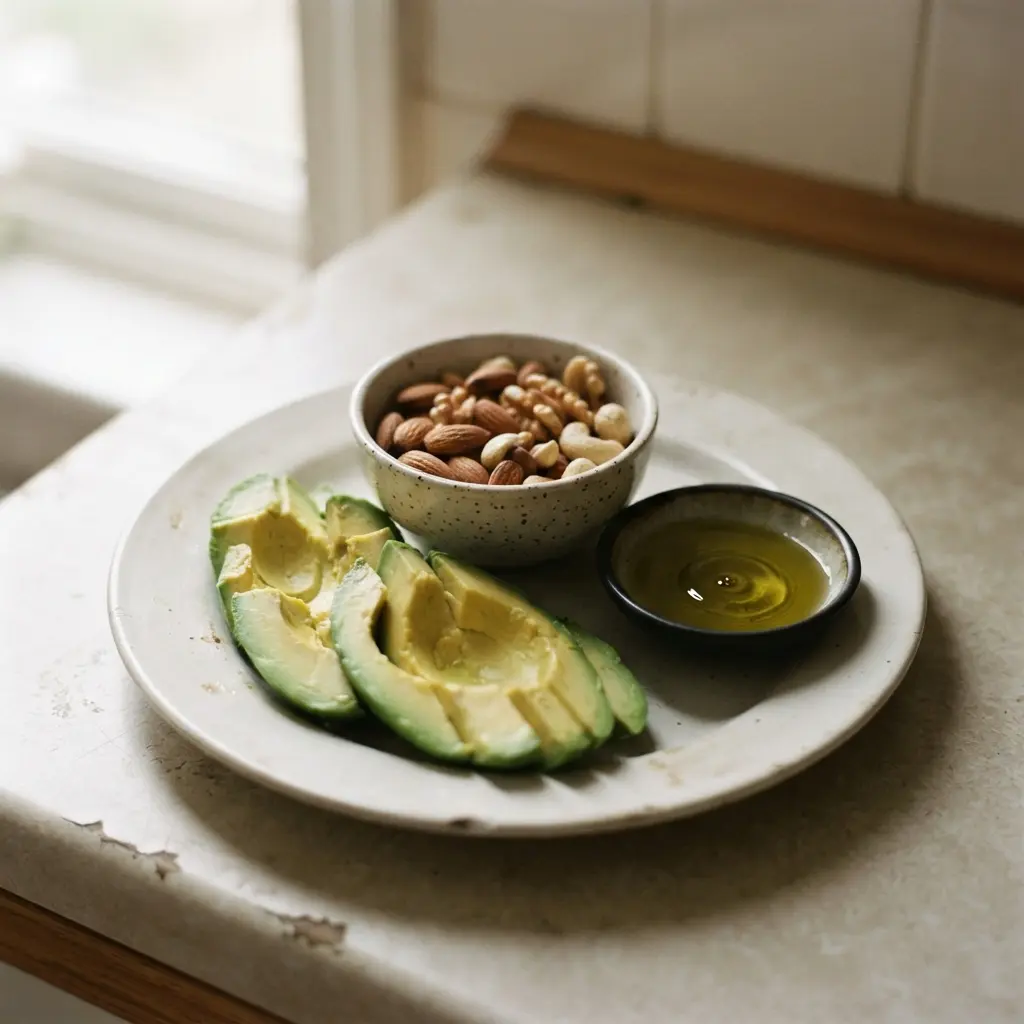
Stop avoiding dietary fat, even when the biggest lies about food tell you to cut it out completely. The body needs it for energy, hormone production, and vitamin absorption. The real distinction lies in the type of fat you consume.
Focus on incorporating monounsaturated fats like olive oil and avocados. These fats support heart health by improving cholesterol levels. You should also include polyunsaturated fats from walnuts and fatty fish. These provide essential omega-3 and omega-6 fatty acids the body cannot make on its own.
Limit saturated fats from red meat and full-fat dairy, ignoring the biggest lies about food that demonize all fat sources. Avoid artificial trans fats completely. These are found in some fried foods and packaged baked goods. Research consistently links trans fats to an increased risk of heart disease.
Many packaged items marketed as healthy still contain these harmful fats. Learn how to identify questionable healthy foods by reading ingredient lists for partially hydrogenated oils.
3. Meal Frequency Myths — You Don’t Need to Eat Six Times a Day
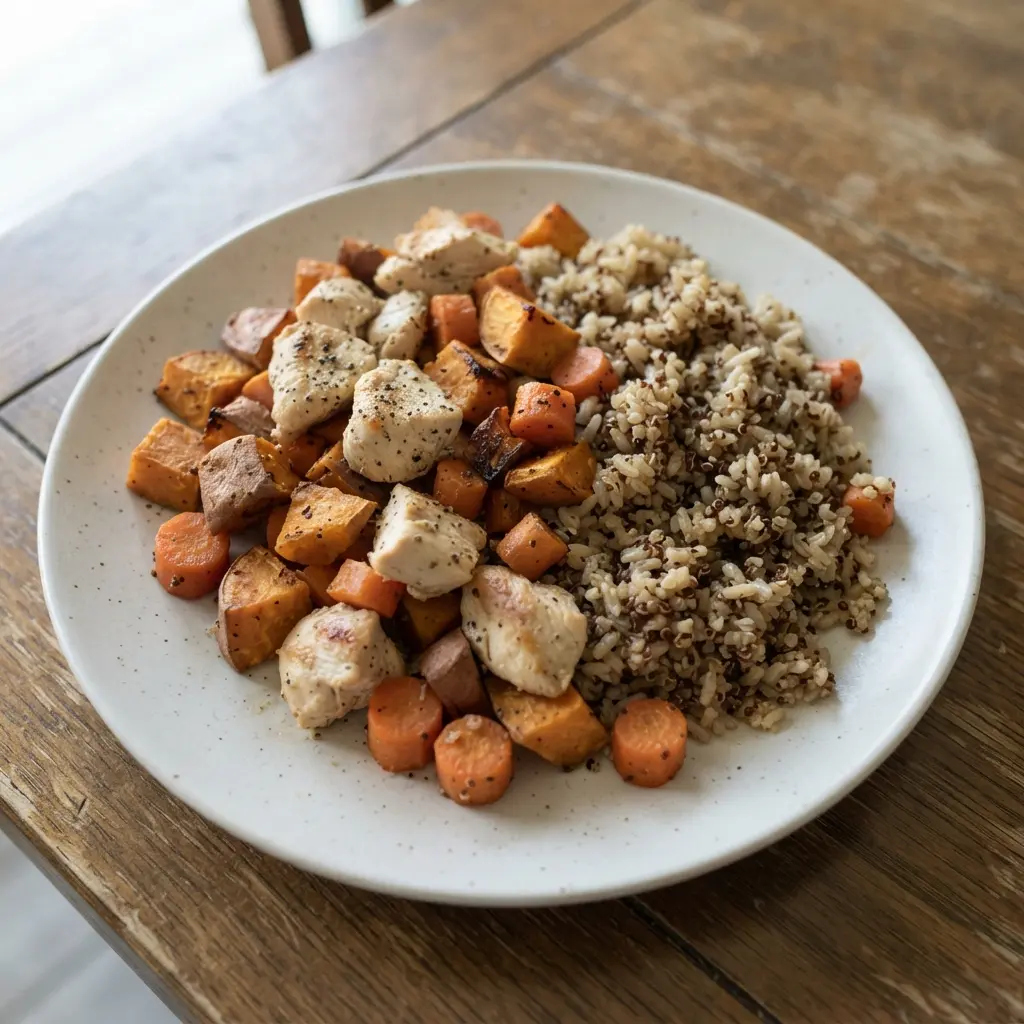
You are preparing your third small meal of the day, already thinking about the next one in two hours. This rigid schedule feels necessary for weight management, but it is just one of the biggest lies about food. Scientific evidence shows total daily caloric intake and macronutrient balance are the primary drivers of body composition, not meal frequency.
The thermic effect of food is proportional to your total calories, whether you eat two meals or six. Each meal does stimulate protein synthesis, but the body maintains an amino acid pool for hours afterward. Muscle mass depends on sufficient total daily protein, which clears up the biggest lies about food, not constant feeding.
A balanced meal with protein, fiber, and healthy fats can maintain stable blood sugar and control hunger for many hours. This flexibility allows you to choose an eating pattern that fits your lifestyle, not a prescribed timetable. Focus on the quality and balance of your foods to include daily rather than the clock. This approach is more effective for long-term health and weight goals.
4. Carbohydrate Classification Errors — Carbs Are Not the Enemy

The biggest lies about food claim that all carbohydrates are bad. The truth is that your body requires specific types of carbohydrates for energy and health. Carbohydrates exist on a spectrum from simple to complex.
Simple sugars cause rapid blood sugar spikes. Complex carbohydrates, rich in dietary fiber, are digested slowly for sustained energy. Fiber also supports gut health and cholesterol management. Equating a sugary drink with a bowl of oatmeal is a fundamental classification error.
Research consistently shows that diets rich in whole carbohydrates are linked to better long-term health outcomes, which debunks the biggest lies about food. For sustainable results, focus on whole food sources like fruits and whole grains instead of restrictive plans. Understanding why to avoid fad diets is key to avoiding these oversimplified carb myths.
5. Red Meat Safety Levels — Understanding Moderation and Preparation

Is red meat always bad for your health? You can ignore the biggest lies about food when you ask this question. The answer depends entirely on how much you eat and how you cook it. The key is to distinguish between unprocessed and processed red meats.
Nutritional benefits of red meat include high-quality protein and essential nutrients like heme iron and vitamin B12. Health concerns are linked to high consumption and certain cooking methods. High-temperature cooking, such as grilling or pan-frying, can form harmful compounds like heterocyclic amines.
Processed red meats contain additives that also increase health risks, a fact often hidden by the biggest lies about food. Research suggests that moderate consumption of unprocessed red meat, prepared safely, can be part of a balanced diet. A practical step is to uncover lesser-known eating tips for building a healthier overall pattern. Focus on lean cuts, limit portion sizes, and use gentler cooking methods like stewing or baking.
6. Gluten Sensitivity Reality — Who Really Needs to Avoid It

Non-Celiac Gluten Sensitivity is a distinct condition from celiac disease, not a milder version of it. You must separate real diagnoses from the biggest lies about food when considering symptoms. It involves symptoms linked to gluten without the autoimmune damage seen in celiac disease. Diagnosis requires a strict process of elimination under medical guidance.
First, doctors must rule out celiac disease with specific blood tests and possibly a biopsy. They must also rule out a wheat allergy. Only after these are excluded can a gluten elimination and reintroduction trial confirm NCGS.
For those with genuine NCGS, a gluten-free diet can significantly improve their quality of life. This makes proper diagnosis crucial, proving that understanding the biggest lies about food saves you time. Self-diagnosing and starting a gluten-free diet without testing is a major error. It can mask celiac disease, delaying proper treatment for a serious condition.
If you suspect gluten is a problem, consult a healthcare professional and get tested while still eating gluten. For those who do need to avoid it, you can discover smart food replacement hacks to maintain a balanced diet.
7. Detox Diet Fallacies — Your Body Already Has a System

A common mistake is believing the body needs an external cleanse to remove toxins. The biggest lies about food push these expensive programs on daily buyers. The human body possesses a sophisticated and constant natural detoxification system. Your liver processes substances for excretion. Your kidneys filter blood daily to produce urine. Your lungs expel carbon dioxide.
Your gastrointestinal tract and skin also eliminate waste. For a healthy individual, these organs work efficiently without special diets. The term toxin in detox marketing is often vague and unspecified. Scientific evidence does not support claims of unique cleansing benefits, which exposes the biggest lies about food once again.
Any short term weight loss or energy change typically comes from caloric restriction, not toxin removal. Restrictive detox protocols can lead to nutrient deficiencies and electrolyte imbalances. The practical takeaway is to support your body’s innate systems with consistent, balanced nutrition. You can focus on long term strategies to improve your eating habits instead of temporary cleanses.
Integrating Evidence Based Adjustments Into Personal Diets
Start by swapping one highly processed item for a whole food alternative and notice how your energy levels change over a week. This is not about a total diet overhaul but about applying the evidence you now understand. For example, choose complex carbohydrates like oats instead of sugary cereals to support a steadier insulin response.
Your personal adjustment should be based on your own body’s signals, not a generic plan. The key is to think about macronutrient quality, making sure each meal has a balance of protein, healthy fats, and fiber. This approach respects your individual needs while using clear physiological principles as your guide.
Conclusion
Understanding the truth behind food myths can change how you shop, cook, and feel. The biggest lies about food often make eating seem more complicated than it needs to be. Your body thrives on consistency and nutrient-rich choices, not extreme rules or quick fixes.
A great next step is to pick one myth you believed and try a new approach this week, like adding a healthy fat to your lunch or enjoying a satisfying meal without snacking. Trusting real science over trends helps you build a peaceful, sustainable relationship with food that supports your health for years.
FAQs
Q: Is eating fat really bad for my heart?
A: No, this is a common myth. Your body needs healthy fats from foods like avocados, nuts, and olive oil. These fats support your heart, brain, and hormone health. The type of fat matters more than avoiding all fat.
Q: Do I need to cut out all carbs to lose weight?
A: You do not need to eliminate carbohydrates. Your body uses carbs for energy. Focus on choosing whole, fiber-rich carbs like vegetables, fruits, and whole grains. These keep you full and provide essential nutrients.
Q: Are detox diets or cleanses necessary?
A: No, they are not necessary. Your liver and kidneys naturally detoxify your body every day. Eating a balanced diet with plenty of water, fiber, and whole foods supports this system better than any short-term cleanse.
Q: Is gluten unhealthy for everyone?
A: Gluten is only a problem for people with celiac disease or a diagnosed sensitivity. For most people, whole grains containing gluten are a healthy part of a balanced diet. There is no health benefit to avoiding gluten without a medical reason.
Q: Should I avoid red meat completely?
A: You do not need to avoid red meat completely. Lean cuts of red meat can be part of a healthy diet. The key is moderation, choosing lean options, and balancing it with plenty of vegetables and other protein sources.