Identifying Non Negotiable Physiological Requirements
Your body needs a set amount of protein and fiber every day, regardless of calorie count, to function well. Think of protein as your body’s repair crew, keeping muscles strong and hunger at bay. Fiber, the stuff in plants, keeps your digestion smooth and helps you feel full longer. The good news is, once you hit these daily targets, you have flexibility with other foods, which means you can identify the rules you can break while on a diet without any trouble.
Focusing on these core needs means your diet supports your health first, which makes everything else easier. It shifts your focus from restriction to nourishment, which is a much better place to start. Remember that tracking the rules you can break while on a diet keeps your nutrition goals on track.
Psychological Impact of Rigid Dietary Structures
Labeling foods as ‘good’ or ‘bad’ creates a mental battle you cannot win. This all-or-nothing mindset often leads to a binge-purge cycle, where one slip feels like total failure. We tend to skip this step of building psychological satisfaction into our plan. Trust me on this, allowing yourself planned enjoyment prevents the feeling of deprivation that derails most diets, so look closely at the rules you can break while on a diet before you panic. It is about balancing nutrient-dense foods with foods you simply love, so you can stick with your healthy habits for the long run.
1. Rigid Clean Eating Guidelines – Finding Balance

A common mistake is believing that eliminating entire food groups like dairy or gluten is always the best path to health. This rigid approach can create nutritional gaps and immense stress around food. The underlying mechanism is an “all or nothing” mentality that categorizes foods as strictly good or bad. This moralistic framework often leads to ignoring your natural hunger and fullness cues, yet knowing the rules you can break while on a diet stops this trap.
You can find a healthier balance by focusing on whole, unprocessed foods without imposing strict, universal bans. For example, you can enjoy a piece of birthday cake at a party without viewing it as a failure. Research suggests that a flexible approach supports both physical and mental well-being. A practical takeaway is to apply a principle like understanding the 80/20 diet rule to maintain nutritional adequacy while allowing for life’s social and enjoyable moments, and you will easily see which rules you can break while on a diet.
2. Arbitrary Carbohydrate Cutoff Times

Disregard the rule to stop eating carbohydrates after a specific time in the evening. This practice is based on the unproven idea that your body cannot process them effectively at night. Your total daily calorie and macronutrient intake determines weight management far more than the timing of your meals. The body does not inherently store carbohydrates as fat more readily in the evening. A strict carbohydrate curfew often leads to unnecessary deprivation and can disrupt your relationship with food, especially if you ignore the rules you can break while on a diet.
If you feel hungry in the evening, eating a balanced snack containing complex carbohydrates, like a small apple with nut butter, is perfectly acceptable. This approach supports stable energy and can even promote better sleep for some individuals. Research consistently shows that overall daily intake is the primary factor for body composition. Understanding these reasons to avoid fad diets helps you focus on sustainable habits instead of arbitrary restrictions, and you will notice the rules you can break while on a diet more clearly.
3. Extreme Low Fat Requirements

Picture yourself in the supermarket aisle, meticulously checking every label for fat content, aiming for the lowest number possible. This pursuit of near-zero fat intake is a rule many believe is essential for health, but it is one you can safely break. The human body requires dietary fat to function properly. Fat provides essential fatty acids and aids in the absorption of fat-soluble vitamins, which highlights why knowing the rules you can break while on a diet matters.
Research shows that consuming less than ten percent of daily calories from fat can lead to deficiencies in nutrients like vitamins A, D, E, and K. These vitamins need fat to be absorbed by the body. A diet too low in fat may also disrupt hormone production, as cholesterol from dietary fat is a building block for hormones like estrogen and testosterone. Such extreme restriction is generally only prescribed for specific medical conditions like pancreatitis, proving that the rules you can break while on a diet are often backed by science.
Understanding common fallacies helps you make informed choices. Focus on incorporating healthy fats from sources like avocados, nuts, and olive oil instead of eliminating fat entirely. This approach supports long-term health and sustainable weight management.
4. Mandatory Cheat Meal Days

A common belief is that a cheat day is a license for an uncontrolled binge. This is not true. A planned refeed day is a controlled, strategic tool, so you should remember the rules you can break while on a diet.
Incorporate it once every week or every ten to fourteen days. The focus should be on a single meal or a full day of mindful indulgence. For the best metabolic effect, choose higher-carbohydrate foods like pasta or rice. This approach replenishes glycogen stores, and you will quickly see which rules you can break while on a diet fit your schedule.
Many people find this strategy prevents burnout and improves long-term diet adherence. It also provides social flexibility for events. Keeping track of the rules you can break while on a diet keeps stress levels down.
Limit fats during these planned meals and avoid letting one meal extend into multiple days.
5. Strict Calorie Counting Accuracy

Do you need to count every single calorie with perfect accuracy? Not really. The numbers on food labels and in tracking apps are estimates. They can be legally off by up to twenty percent due to rounding and measurement systems. Your own body’s metabolism and digestive efficiency also vary, making your personal energy expenditure difficult to pin down, which shows you why you must know the rules you can break while on a diet.
This matters because fixating on precise numbers often leads to unnecessary stress. A more sustainable approach focuses on consistent, high-quality food choices. For a clearer picture, reading about exposing common food lies can help you identify which numbers are most important to track, and you will understand the rules you can break while on a diet better.
6. Elimination of Favorite Foods

Complete elimination is often less sustainable than a flexible approach. Strict removal of favorite foods can lead to feelings of deprivation. Instead, focus on portion control. Enjoy a small serving of your favorite treat rather than banning it entirely. Many find this fits the rules you can break while on a diet perfectly.
Many people find this method prevents the intense cravings that follow total restriction. This is a key principle in developing a healthy relationship with food. Understanding foods to avoid despite a ‘healthy’ label helps you make smarter choices about what to moderate, just like knowing the rules you can break while on a diet. Always consult a healthcare professional before making changes to your health routine.
7. Constant Daily Weight Tracking

A common mistake is obsessing over the exact daily number. This practice is not about fixating on single data points. It is about observing the long-term trend, and you must remember the rules you can break while on a diet.
Step on a scale at the same time each morning, after using the bathroom and before eating. Record the number. Over a week or two, you will see a pattern emerge from the daily fluctuations. This data provides immediate feedback on your habits, which aligns with the rules you can break while on a diet.
Many people find this tracking increases accountability and helps them stay mindful. The real benefit is catching a slow upward trend early, allowing for a small course correction instead of a major overhaul.
Understanding your personal weight fluctuations reduces anxiety about normal water retention. For a sustainable approach, learn the keys to being a happy dieter rather than becoming a slave to the scale, keeping in mind the rules you can break while on a diet.
8. Total Avoidance of Restaurants

Do not feel obligated to eat out. Preparing all your meals at home provides complete control over ingredients and portion sizes. This practice requires dedicated meal planning and regular grocery shopping. You will need to pack your own food for workdays or social outings. Still, knowing the rules you can break while on a diet lets you handle dinner parties easily.
Many people find this approach saves significant money and reduces anxiety about hidden calories or allergens. It is a practical strategy for anyone with specific health goals. For further guidance on structuring your eating schedule, read these tips for healthy fasting. Applying the rules you can break while on a diet makes social events much less stressful.
This method does not mean social isolation. You can host dinners or suggest picnics as alternative ways to share food.
9. All or Nothing Exercise

You skip a planned workout, thinking the entire day is ruined for fitness. The biological All or Nothing principle does not apply to your overall routine. Your body builds strength through cumulative effort, not single perfect sessions. Missing one workout does not erase prior progress or future potential. The key is consistency over time, not perfection in every moment. This mindset helps you spot the rules you can break while on a diet.
This means you can adjust your plan without failing completely, just like following the rules you can break while on a diet.
10. Universal Food Timing Rules

A common belief is that you must eat at specific times to manage weight. The truth is these are flexible principles, not rigid laws. You should always remember the rules you can break while on a diet.
Prioritize breakfast within one to two hours of waking to stabilize blood sugar and energy. Do not skip meals, especially lunch, to avoid excessive hunger and poor food choices. Finish your last large meal two to three hours before bedtime so your body can focus on rest, not digestion. This timing aligns with your natural metabolic rhythms. Reviewing the rules you can break while on a diet keeps this balance intact.
Research suggests this approach supports consistent energy and weight management. For a sustainable approach, learn how to eat healthy but tasty so your meals are satisfying.
11. Perfect Nutrient Ratio Targets
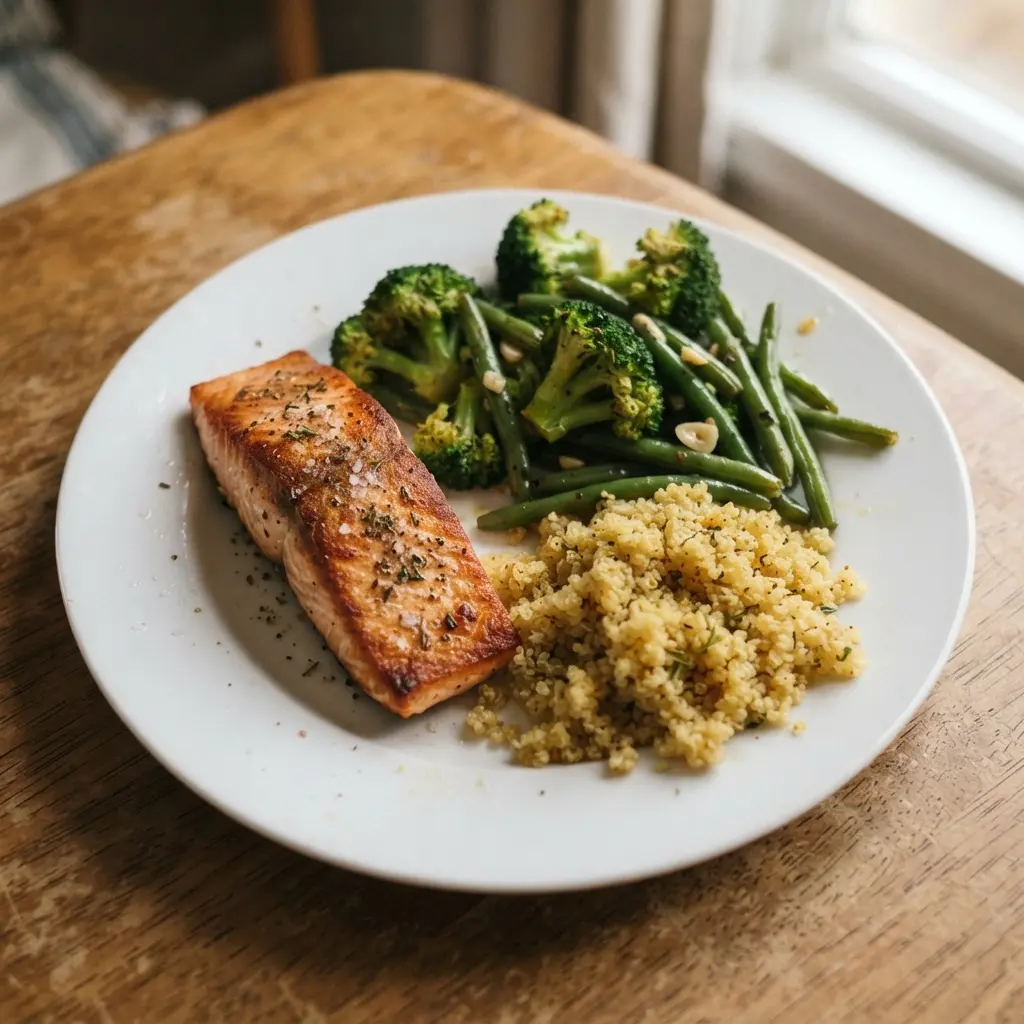
Must you adhere to strict macronutrient percentages to see results? The short answer is no. The Acceptable Macronutrient Distribution Ranges (AMDRs) are intentionally broad, spanning 45-65% for carbohydrates and 10-35% for protein. Your ideal ratio depends entirely on your individual goals and body. For weight loss, a higher protein intake within that range supports satiety. For endurance training, a higher carbohydrate ratio fuels performance. The quality of your food choices within any ratio matters far more than hitting a precise percentage, which proves the rules you can break while on a diet are highly flexible.
Focus first on whole foods and consistent protein intake. Chasing a perfect number can distract from these foundational habits. For a sustainable approach that builds lean mass, learn about prioritizing workouts over starvation, keeping in mind the rules you can break while on a diet.
Cultivating Intuitive Eating Habits Post Restriction
Start by pausing halfway through your meal to check in with your stomach, not the clock. This simple act helps you reconnect with your natural satiety cues, which rigid diet rules often override. You will notice that some days you need more food, and other days you need less, and that is perfectly normal.
The goal is to let your body’s signals, not a tracking app, guide your portions. This practice builds the metabolic flexibility that makes healthy eating feel effortless over time, especially when you apply the rules you can break while on a diet daily.
Conclusion
Your relationship with food should support your life, not control it. Holding onto every strict rule can make healthy eating feel like a chore you want to quit. Remember, knowing which rules you can break while on a diet is a sign of a smart, adaptable approach. Focus on the big picture—eating mostly nutritious foods, moving your body in ways you enjoy, and listening to what makes you feel good. Progress is rarely a straight line, and your needs will change from day to day. Give yourself permission to find what works uniquely for you. A sustainable path is built on flexibility, not perfection, and that is how you make lasting change. As you practice, you will see how the rules you can break while on a diet actually lead to better long-term health.
FAQs
Q: Won’t breaking diet rules make me gain weight?
A: Not necessarily. Sustainable weight management comes from long-term habits, not perfect short-term rules. Flexible approaches are often easier to maintain, leading to better results over time.
Q: Is it okay to eat after 8 PM?
A: Yes. Weight gain is about total daily calories, not when you eat them. If you are hungry in the evening, a light, nutritious snack is a better choice than going to bed hungry.
Q: Do I need to cut out all sugar?
A: No. A small amount of sugar can be part of a balanced diet. The goal is to limit added sugars found in processed foods and drinks, not to eliminate natural sugars from fruit or occasional treats.
Q: Should I force myself to eat breakfast?
A: Only if you are hungry. Listen to your body’s hunger cues. If you are not hungry in the morning, it is fine to wait until lunch. Forcing food when you are not hungry does not benefit your metabolism.
Q: Can I still see results if I skip a workout?
A: Absolutely. Consistency over weeks and months matters more than a single missed session. Rest is important for recovery. Focus on getting back to your routine the next day without guilt.