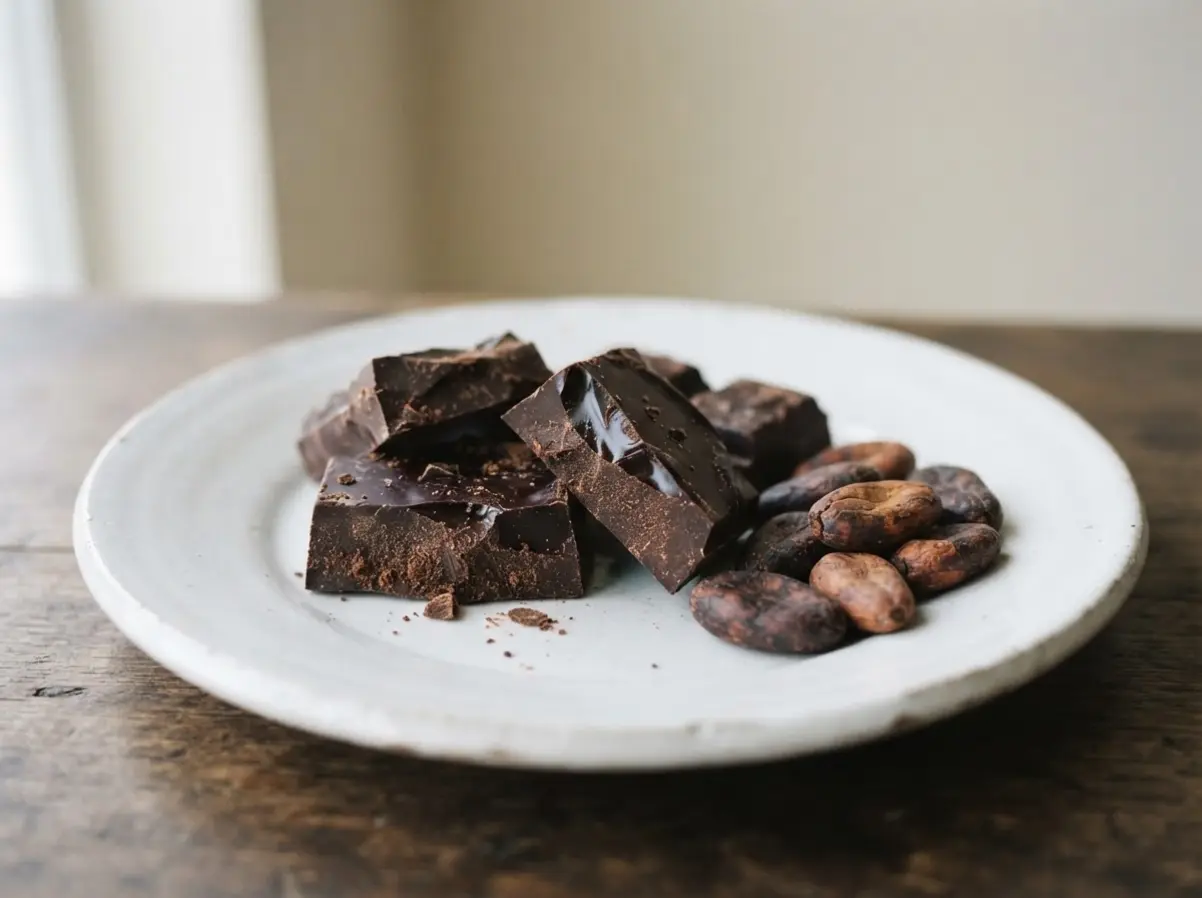
Want a simple way to add more flavanols to your eating pattern? The reasons you should take more dark chocolate include support for blood flow, brain function, steadier blood sugar, stress balance, and skin defense from UV exposure. These possible benefits link to cocoa flavanols and other plant compounds, especially in bars with at least 70 percent cocoa. A small portion still matters because dark chocolate contains calories and added sugar.
I know chocolate feels like a treat, so it is fair to ask whether it fits a healthy routine. Research points to possible gains, yet results depend on the type, portion, and the rest of your meals. This guide explains six reasons to consider dark chocolate, what the evidence says, and where limits matter. As you read, keep the reasons you should take more dark chocolate in mind for daily planning. You will also learn how to read a label and choose a portion you enjoy.
Cocoa Percentage Versus Flavanol Content
A bar labeled 85% cocoa contains more cocoa solids and less sugar than a 50% bar, but the percentage does not tell you its flavanol dose. Processing, especially alkalizing, often reduces flavanols, the plant compounds linked with nitric oxide production and healthier blood vessel function. Look for cocoa percentage as a quick comparison, then read the ingredient panel for cocoa solids, cocoa butter, and added sugar. Knowing the reasons you should take more dark chocolate helps you interpret those details accurately. Some labels include flavanol testing or sourcing details, though many bars provide no measured amount.
Portion Size Caffeine And Added Sugar
A 20-gram square often supplies roughly 10 to 25 milligrams of caffeine, so portion size matters for sleep and stimulant sensitivity. Dark chocolate also contains theobromine, another stimulant, and understanding the reasons you should take more dark chocolate guides evening routines. Its effects linger longer for some people. Check the serving size against the amount you eat, since a full bar often contains several servings.
Added sugar raises the calorie total and makes a higher-cocoa bar less appealing for daily use when sugar intake already runs high. Cocoa butter also brings saturated fat, so balance the portion with the rest of your meals. If caffeine triggers headaches, sleep trouble, or a racing heartbeat, skip the bar or ask a clinician about a safer amount. People with diabetes should count its carbohydrates within their eating plan.
1. Cardiovascular Function and Blood Flow With Cocoa Flavanols
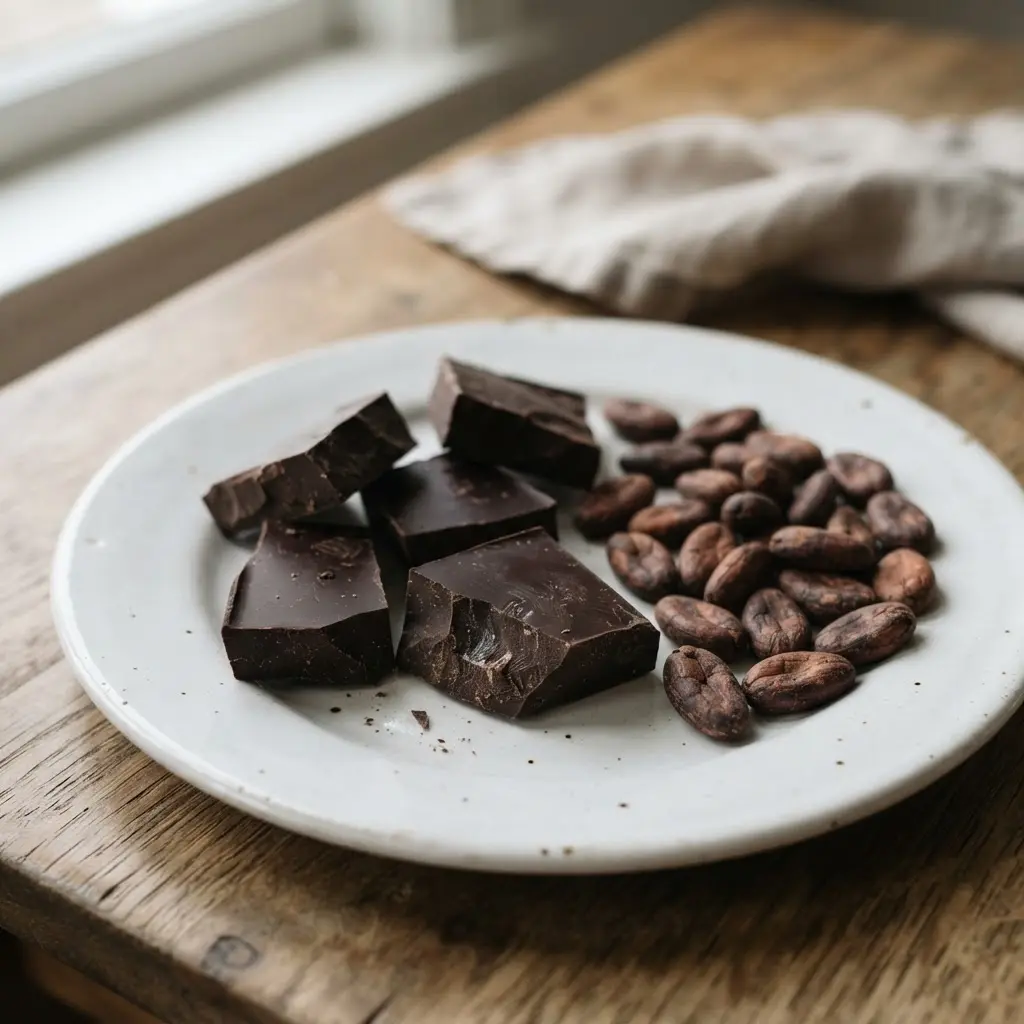
A common mistake is treating all chocolate as equally helpful for the heart. The research focuses on cocoa flavanols, especially a compound called (-)-epicatechin. Cocoa content and processing affect how many flavanols a product provides, so a chocolate label alone does not guarantee a useful amount. Many readers explore the reasons you should take more dark chocolate for heart support.
The inner lining of blood vessels is called the endothelium. Cocoa flavanols may increase nitric oxide species. Nitric oxide signals the surrounding muscle to relax. This process supports vasodilation, which widens blood vessels and improves blood flow. Researchers often measure this response through flow-mediated vasodilation, or FMD.
Studies have linked cocoa flavanol intake with better endothelial function, lower systolic and diastolic blood pressure, and improved blood-flow regulation. These results show why the reasons you should take more dark chocolate matter for daily habits. Some research also reports better microvascular responses after one serving in healthy adults. Other findings suggest possible changes in total cholesterol, LDL cholesterol, HDL cholesterol, and Framingham Risk Score.
Choose dark chocolate carefully by checking cocoa content, serving size, added sugar, and saturated fat. Review the reasons you should take more dark chocolate alongside your doctor before making changes. A short-term improvement after one serving does not prove long-term protection from heart disease or stroke. Keep portions moderate, and use cocoa-containing foods as part of a balanced eating pattern rather than as treatment.
Always consult a healthcare professional before making changes to your health routine. Cocoa flavanol intake should not replace prescribed medicine, medical monitoring, regular activity, or other established heart-health measures.
2. Cognitive and Brain Health Benefits From Cocoa Compounds

Choose measured dark chocolate portions with a high cocoa content, then check the label for flavanol information when available. Cocoa flavanols, including epicatechin, support blood flow to the brain in several proposed pathways. Better circulation supports oxygen and nutrient delivery. Tracking intake reveals the reasons you should take more dark chocolate for focus. Cocoa compounds also influence nerve-cell signalling and might increase brain-derived neurotrophic factor, or BDNF, which supports nerve-cell growth and maintenance.
Research findings are more encouraging when people consume about 500 mg or more of cocoa flavanols each day for at least eight weeks. One square or one drink does not provide evidence of a lasting cognitive change. Flavanol amounts differ widely among dark chocolate bars, cocoa powders, extracts, and processed products.
Build the rest of your eating pattern around daily beneficial foods rather than relying on chocolate alone. Studies back the reasons you should take more dark chocolate when balanced with meals. Studies have reported support for executive function, attention, processing speed, language, and some memory tasks. Research findings for working memory and verbal memory remain inconsistent, and cocoa intake has not consistently improved Mini-Mental State Examination scores.
The COSMOS-Mind trial found a significant global cognition benefit from a multivitamin-mineral supplement, while its cocoa extract intervention did not produce the same result. Treat cocoa flavanols as a possible dietary support, not dementia prevention or treatment. Always consult a healthcare professional before making changes to your health routine.
3. Insulin Sensitivity and Glucose Control in Daily Eating

At 9 p.m., a large meal feels different from breakfast, even when both meals contain similar calories. The body follows an internal clock, and insulin sensitivity tends to be lower later in the circadian day. Lower sensitivity means cells respond less effectively to insulin, which makes blood glucose control more difficult. Earlier calorie intake gives more of the day’s energy to a period when glucose handling often works better.
Track the time of your first meal, last eating occasions, and circadian midpoint of calorie intake. The midpoint is reached once half of daily calories have been eaten. Check your timing, since the reasons you should take more dark chocolate shift with your schedule. Research links a later midpoint with poorer insulin sensitivity and higher insulin resistance, even after factors such as age, sex, total calories, and sleep duration are considered. A late final meal has also been linked with greater glucose variability in some groups.
Use meal timing alongside food quality and portion awareness. Higher carbohydrate intake can produce larger glucose swings, so timing alone does not determine the response. Shorter eating windows, including windows under 10 hours, have supported better glycemic control in some people with type 2 diabetes, but results depend on the time of day and personal health factors. The eating window must suit your daily schedule and treatment plan.
Move a greater share of calories earlier rather than saving the largest meal for late evening. Keep changes gradual, especially with diabetes or glucose-lowering medicine. Genetic factors and individual circadian patterns affect results. Always consult a healthcare professional before making changes to your health routine.
4. Antioxidant Polyphenol Content Density in Dark Chocolate
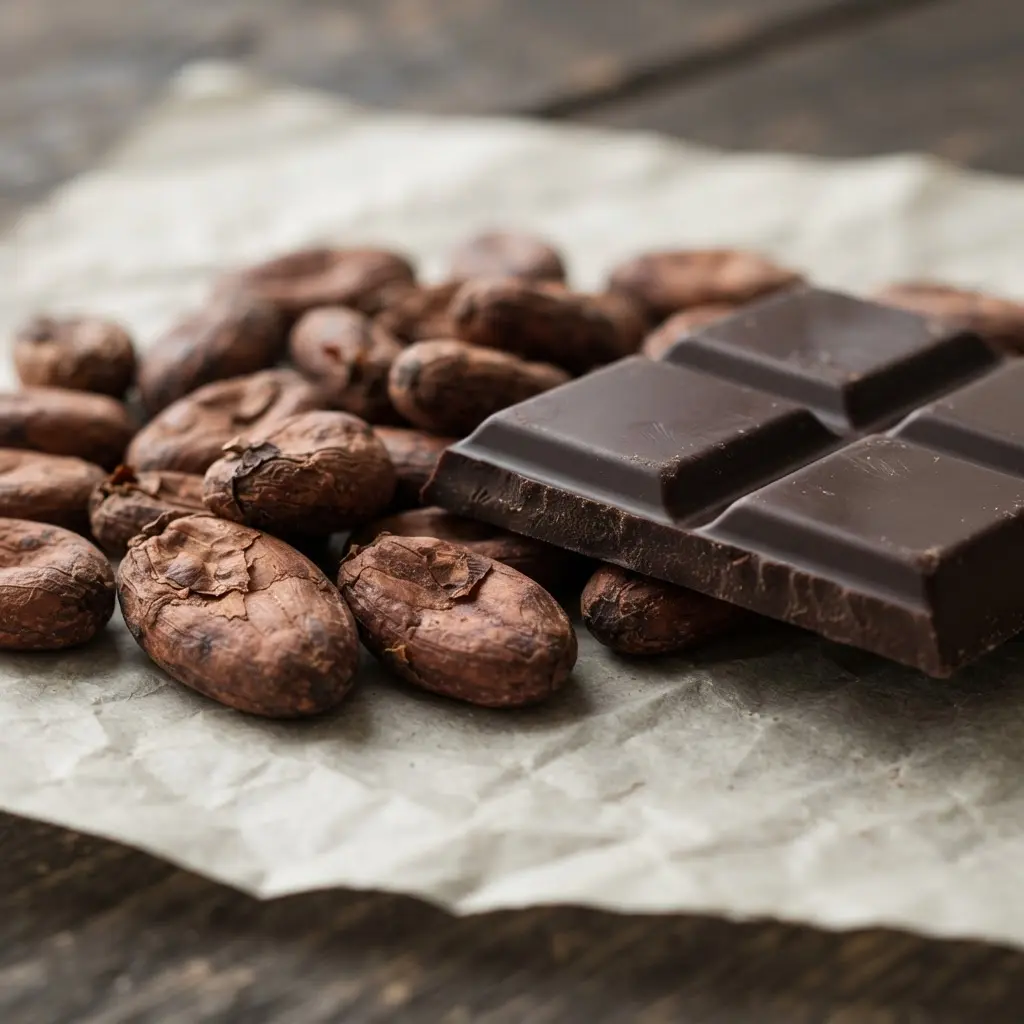
Many people believe every dark chocolate bar contains the same amount of antioxidants. The truth is more specific: cocoa mass percentage usually predicts polyphenol density, while bean type and processing also affect the final amount. Dark chocolate generally provides more cocoa-derived polyphenols than milk chocolate. White chocolate contains little or no cocoa mass, so the cocoa polyphenol level is much lower.
Cocoa beans contain plant compounds called polyphenols. Compare the numbers, and you will find the reasons you should take more dark chocolate. Catechin and epicatechin are key flavonoids in this group, with epicatechin often present in the greatest amount. One study measured 19.49 milligrams per gram in 60% cocoa chocolate, 22.09 milligrams per gram in 70% chocolate, and 29.95 milligrams per gram in 80% chocolate. Reported values vary widely because studies use different products and laboratory tests.
Research suggests dark chocolate is polyphenol-rich compared with other chocolate types. One comparison found 578.64 milligrams of catechin equivalents per 100 grams in dark chocolate, compared with 160.46 milligrams in milk chocolate. These figures describe laboratory measurements, not guaranteed changes in health. Antioxidant content alone does not prove treatment value or a specific clinical outcome.
Choose a bar with a higher cocoa percentage when comparing products, but treat the label as a guide rather than an exact measurement. Measure servings carefully, keeping the reasons you should take more dark chocolate in mind. Fermentation, roasting, cocoa bean type, sugar content, and serving size all affect intake. Check whether results use catechin equivalents or gallic acid equivalents, since those measures are not interchangeable.
5. Cortisol Levels and Stress Reduction Through Mindful Portions

Could a small portion of dark chocolate support calmer eating? Yes, when you use a deliberate portion as a pause for awareness rather than as a guaranteed cortisol treatment. Serve a measured amount on a plate instead of eating from the package. Notice whether physical hunger, stress, or a craving is driving the urge. Cortisol follows a daily pattern, including a rise after waking, called the cortisol awakening response.
Pause before eating. Take two slow breaths and name the reason for eating. Taste the chocolate slowly, noticing its smell, texture, and bitterness. Pair this habit with rest, noting the reasons you should take more dark chocolate for balance. Pair this practice with tasty yet healthy eating so mindful choices feel satisfying rather than restrictive. Mindful portions do not mean severe restriction or a fixed serving size for every person.
Research on mindfulness programs links mindfulness meditation with lower stress eating, emotional eating, food cravings, and eating triggered by outside cues. Studies involving overweight and obese women also reported reductions in the cortisol awakening response after stress-eating training. Greater gains in mindfulness and lower chronic stress were linked with less abdominal fat in some research. Results for weight and body fat vary, so treat mindfulness as a behavioral support rather than a promised outcome.
Use stress-management practice when the urge to eat feels mainly emotional. Notice fullness before taking another piece. Track these steps, because the reasons you should take more dark chocolate grow clearer. These steps help interrupt automatic eating and provide a clearer measure of success than cortisol alone. Mindfulness supports awareness, but persistent anxiety, compulsive eating, or serious distress needs professional care.
6. Skin Protection From UV Exposure and Cocoa Flavanols

Unlike sunscreen, which works directly on the skin, high-flavanol cocoa may support the body’s own response to UV exposure. Cocoa flavanols have antioxidant and anti-inflammatory actions. These compounds may also improve blood flow in the skin. In one study, a high-flavanol cocoa drink reduced UV-related redness by 15% after six weeks and 25% after 12 weeks.
Researchers measured the minimal erythema dose, or MED. MED is the smallest amount of UV radiation needed to cause visible redness. A higher MED means more exposure was needed before redness appeared. After 12 weeks, one high-flavanol chocolate group had more than double its MED. The same participants showed better skin hydration and density, along with less roughness and scaling.
These findings suggest a possible dietary role for flavanol-rich cocoa in supporting skin condition and resistance to UV-related redness. The results do not apply equally to every chocolate product. Low-flavanol cocoa did not produce the same changes in one study, and another randomized trial found no significant MED advantage over low-flavanol chocolate. Choose products with clear flavanol information when available, and allow about 12 weeks before judging any skin-related effect.
Use standard sun protection every day, including sunscreen, protective clothing, and shade. Cocoa is not a substitute for these measures. Always consult a healthcare professional before making changes to your health routine.
Choosing Reputable Chocolate And Varying Sources
A reputable bar lists its ingredients clearly and shares lead and cadmium testing information when available. These metals occur in some cocoa-growing regions, and testing gives you more useful information than a cocoa percentage alone. Look for cocoa, cocoa butter, and sugar near the top of the ingredient list, while avoiding bars with a long line of added sweeteners. Varying brands and cocoa origins reduces repeated exposure from one source, especially when you eat chocolate often. Keep portions modest because calories and saturated fat still count, even in a carefully tested bar. Dark chocolate is optional, not a supplement, and water, fruit, nuts, and unsweetened cocoa offer other ways to enjoy cocoa flavor. People with allergies or medication concerns should ask a healthcare professional before making it a habit.
Conclusion
Chocolate often has a place in real life, whether it marks a quiet break or follows a meal. The goal is not to label it good or bad. The reasons you should take more dark chocolate matter most when the choice fits your wider eating pattern.
Start with a bar near 70 percent cocoa, read the serving size, and set aside a few squares instead of eating from the package. Pair it with fruit, nuts, or plain yogurt if you want a more filling snack. Keep an eye on sugar and calories, since a higher cocoa percentage does not remove either one.
Small, steady choices support a balanced approach to food. Pay attention to how the portion tastes and how it fits your day. Weigh your options carefully, remembering the reasons you should take more dark chocolate. Then keep the amount you enjoy without crowding out vegetables, whole grains, beans, and other nourishing foods. Your next step is simple: check one label today and choose a portion with care.
FAQs
Q: Is dark chocolate healthy every day?
A: A small portion fits many balanced eating patterns. Choose a bar with a high cocoa percentage and check its sugar and calorie content.
Q: How much dark chocolate should I eat?
A: A common portion is about one ounce, or a few small squares. Your needs differ with your eating pattern, so use the label and keep the serving modest.
Q: Is 70 percent cocoa dark chocolate a good choice?
A: Bars near 70 percent cocoa contain more cocoa solids than milk chocolate. Higher cocoa levels often mean less sugar, though labels still deserve a close look.
Q: Does dark chocolate help blood pressure?
A: Cocoa flavanols support nitric oxide activity, which relates to blood vessel function. Research findings differ, so dark chocolate does not replace care from a health professional.
Q: Does dark chocolate contain too much sugar?
A: Some bars contain a large amount of added sugar. Compare serving size, sugar, and calories, then choose a portion suited to your routine.