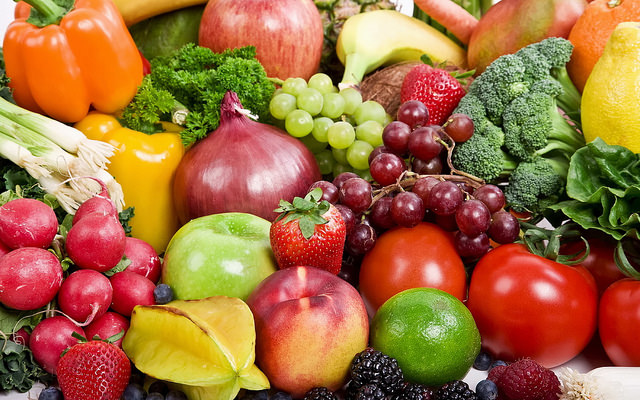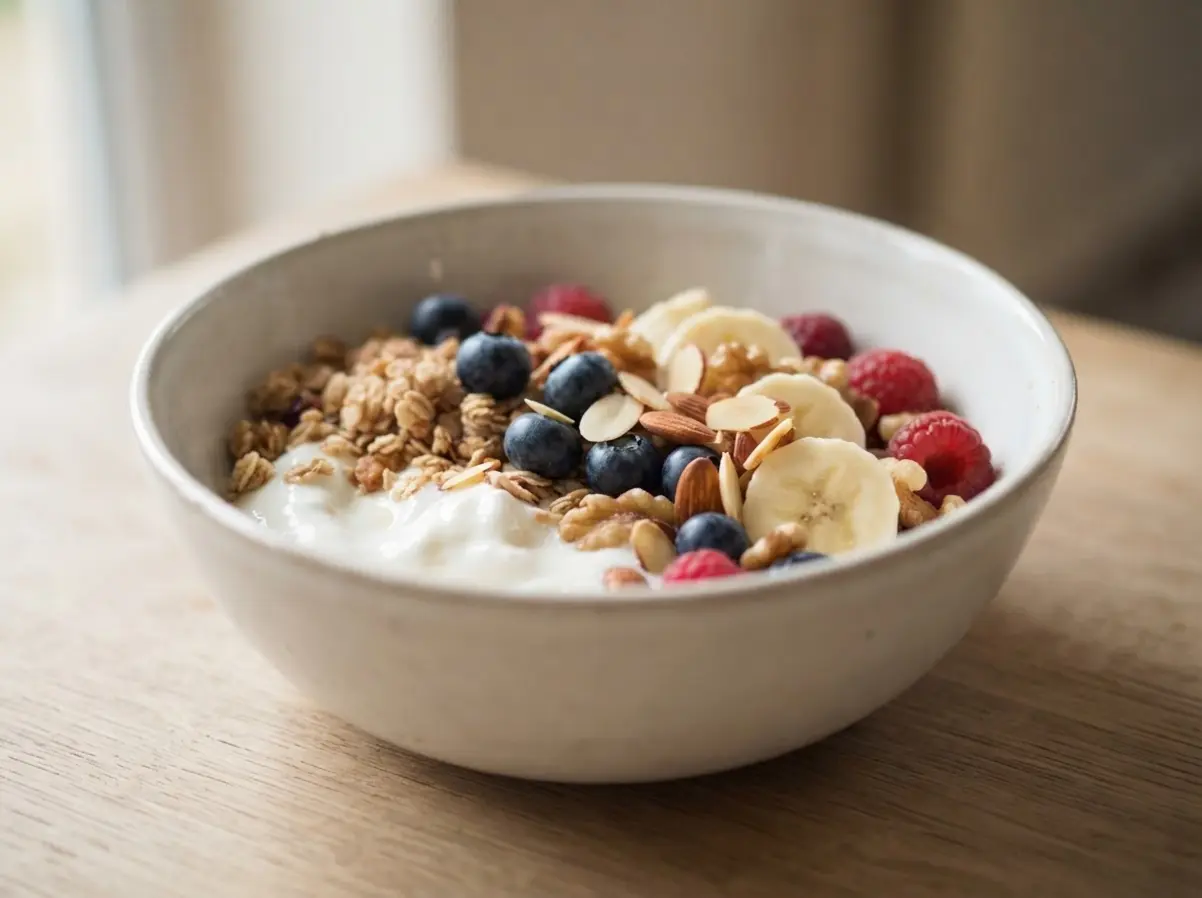
Want a breakfast bowl with more flavor and lasting fullness? The best ways to make your cereal more healthy and interesting include adding protein, fruit, fiber-rich seeds, healthy fats, warm spices, and a creamy topping. These simple changes add taste, variety, and helpful nutrients without turning breakfast into a long recipe. Cereal often feels repetitive, especially on busy mornings. You can find ways to make your cereal more healthy and interesting with a few pantry staples. Greek yogurt, milk, nuts, berries, and seeds each bring a different mix of flavor and nourishment. You also get more texture from crunchy toppings and fresh fruit. I’ll share six practical ideas for building a bowl you look forward to eating. Let’s make your next serving colorful, filling, and suited to your taste. Start with one small change, then build your favorite combination.
Portion Awareness For Granola And Clusters
Check the serving size printed on granola before pouring, since dense clusters often pack more calories into a smaller volume than flaked cereal. Exploring ways to make your cereal more healthy and interesting starts with measuring first. A half-cup measure gives you a clearer starting point when clusters contain nuts, seeds, or dried fruit. Serving size information also helps you compare two boxes fairly, since one brand might list a smaller amount. Add fresh berries or plain yogurt after measuring, rather than letting sweet toppings turn a modest bowl into a large one. Granola with added sugar deserves the same label check as frosted cereal. If you eat from a wide bowl, portion the cereal in a measuring cup first, then add milk. This keeps the crunchy texture while making the amount easier to see and adjust.
Allergen Checks For Custom Toppings
Read the allergen label before adding nuts, seeds, yogurt, or flavored toppings to a shared breakfast bowl. Finding ways to make your cereal more healthy and interesting means checking those boxes first. Allergen label checks matter for peanuts, tree nuts, milk, soy, wheat, and sesame, which often appear in cereal or granola ingredients. Cross-contact warnings deserve attention when someone has a serious allergy, especially on packages made with shared equipment. Check cereal, plant-based milk, protein powders, and dried fruit separately because one safe-looking ingredient does not confirm the whole bowl. Choose plain toppings with short ingredient lists when labels feel unclear. Keep serving spoons separate between nut-containing and nut-free foods. Tell children which toppings need adult label checks, especially when packaging changes.
1. Protein Boosting Additives: Fuller Breakfast Options
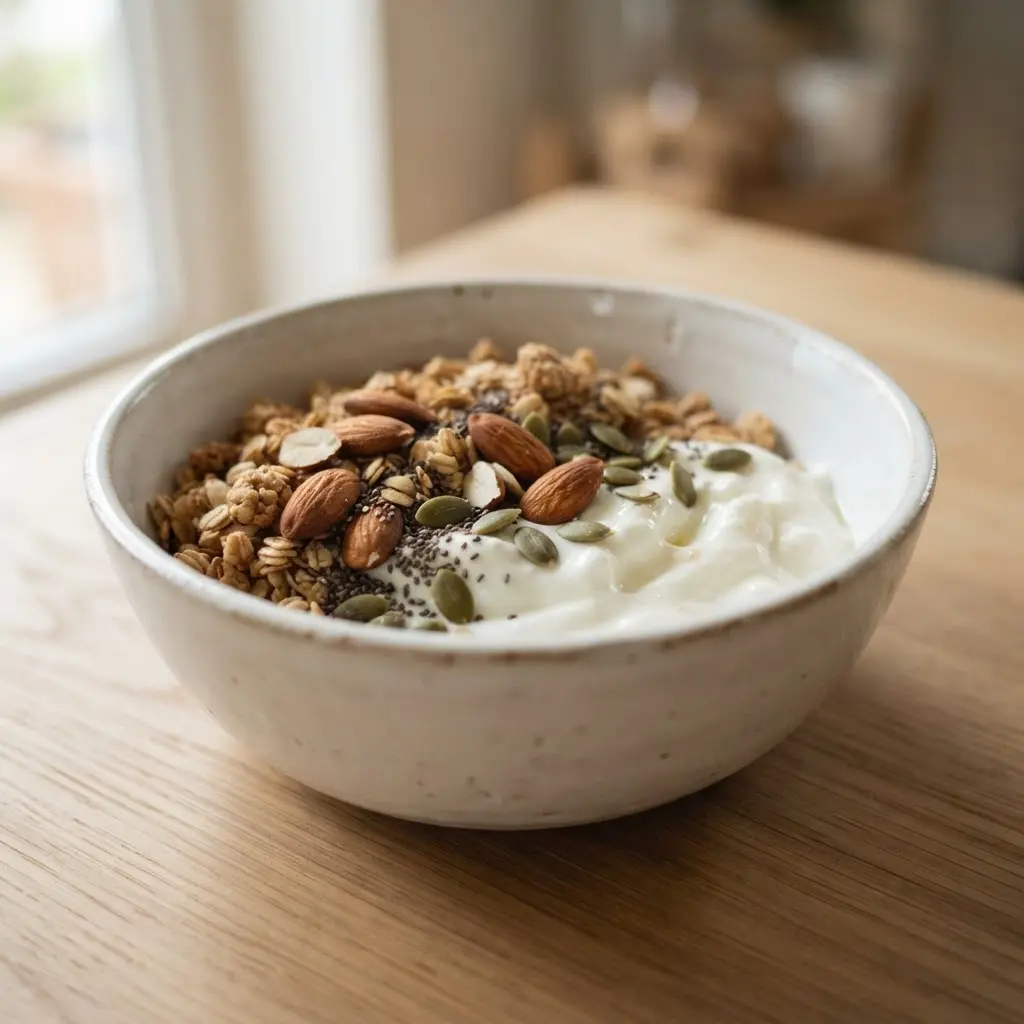
A common mistake is treating cereal as a complete protein-rich meal. Correct this by pairing cereal with a Greek yogurt topping or a glass of milk. Protein adds substance to the meal, and learning ways to make your cereal more healthy and interesting will keep you full. Many people find a breakfast with about 20–30 grams of protein more filling, but personal needs differ.
Stir protein powder into oatmeal, overnight oats, or a smoothie rather than sprinkling a large amount over dry cereal. Mix the powder with a small amount of milk first to reduce clumps. Choose a product suited to your dietary needs, and check the label for added sugar and serving size.
Add nuts or seeds for crunch and extra protein. Using these ways to make your cereal more healthy and interesting gives you lasting energy. Almonds, walnuts, pumpkin seeds, and chia seeds work well over cereal or oats. Use measured portions because these foods are energy-dense. Prepare oatmeal with milk instead of water to raise its protein content, then add fruit for flavor and fiber.
Build a broader meal with egg whites, eggs, tofu, cottage cheese, or a quinoa bowl. Research suggests protein-rich breakfasts often provide greater fullness than cereal alone, though fullness and blood-sugar effects are not guaranteed. Aim for a balanced portion rather than chasing one fixed number. Always consult a healthcare professional before making changes to your health routine.
2. High Fiber Fruit Toppings for Cereal Bowls
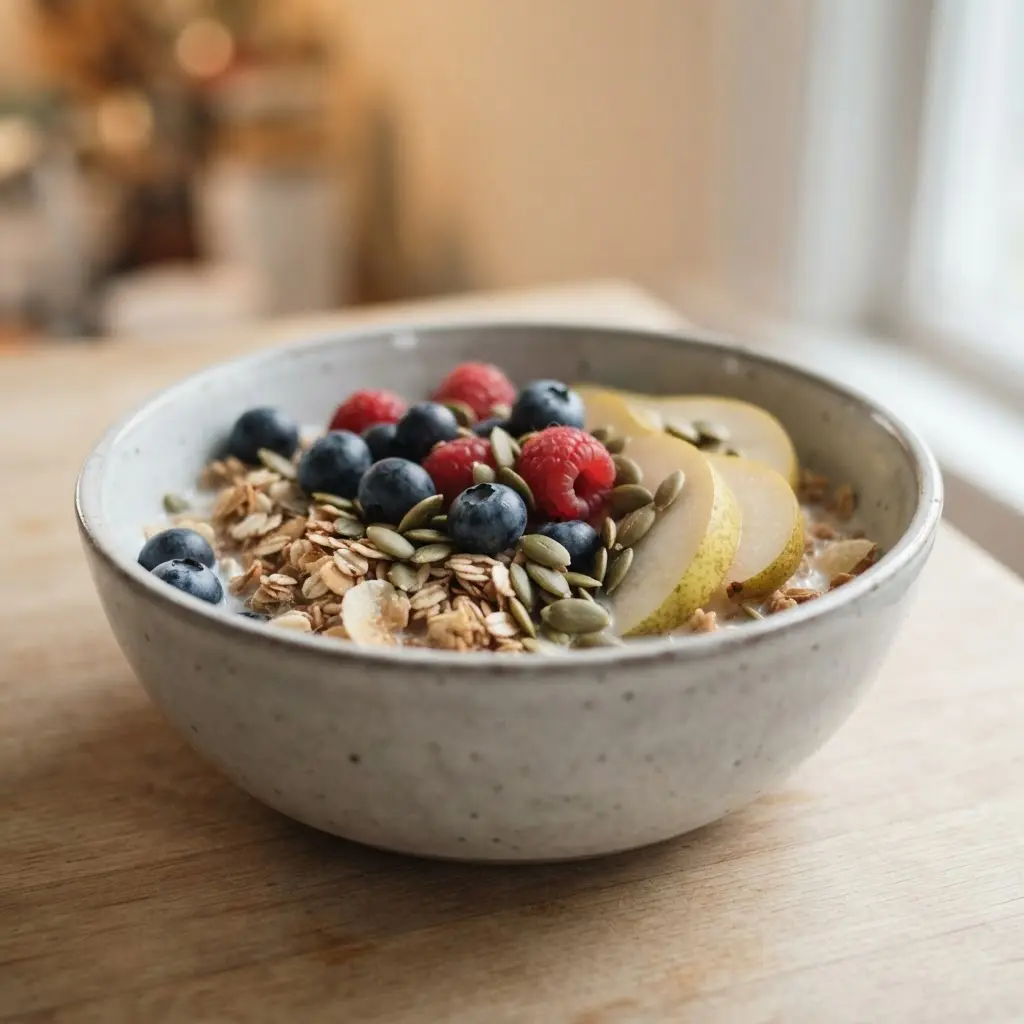
Start with fresh berries when you want more fiber, natural sweetness, and a juicy texture. You will notice these ways to make your cereal more healthy and interesting right away. Add raspberries, blackberries, blueberries, or strawberries directly to your cereal bowl after washing them. Raspberries and blackberries provide more fiber than bananas, while berries also add vitamin C or antioxidant compounds. Use a handful of one berry or combine several for varied flavor.
Choose edible fruit skins on apples and pears to retain more fiber. Slice the fruit into bite-sized pieces before adding it to cold cereal or warm oats. Gala, Fuji, and Honeycrisp apples provide a crisp, sweet topping. Pears offer a softer texture and gentle sweetness. Kiwifruit adds a tangy flavor along with fiber, vitamin C, and vitamin K.
Create mixed fruit textures by combining crisp apple, soft banana, and juicy berries. Trying these ways to make your cereal more healthy and interesting helps you skip the sugar shaker. This approach makes each spoonful different without relying on extra sugar. Figs add a rich, soft bite, while bananas bring creaminess and moderate fiber. Research supports choosing varied plant foods to increase fiber and nutrient intake across meals.
Use dried figs or prunes for a concentrated topping when fresh fruit is unavailable. Chop one or two pieces into small portions before mixing them through the cereal. Dried fruit contains less water, so its sweetness and fiber are more concentrated. Increase dried fruit gradually if your usual diet contains little fiber, since digestive responses differ between people.
3. Healthy Fat Enhancements: Seeds, Nuts, and Nut Butter
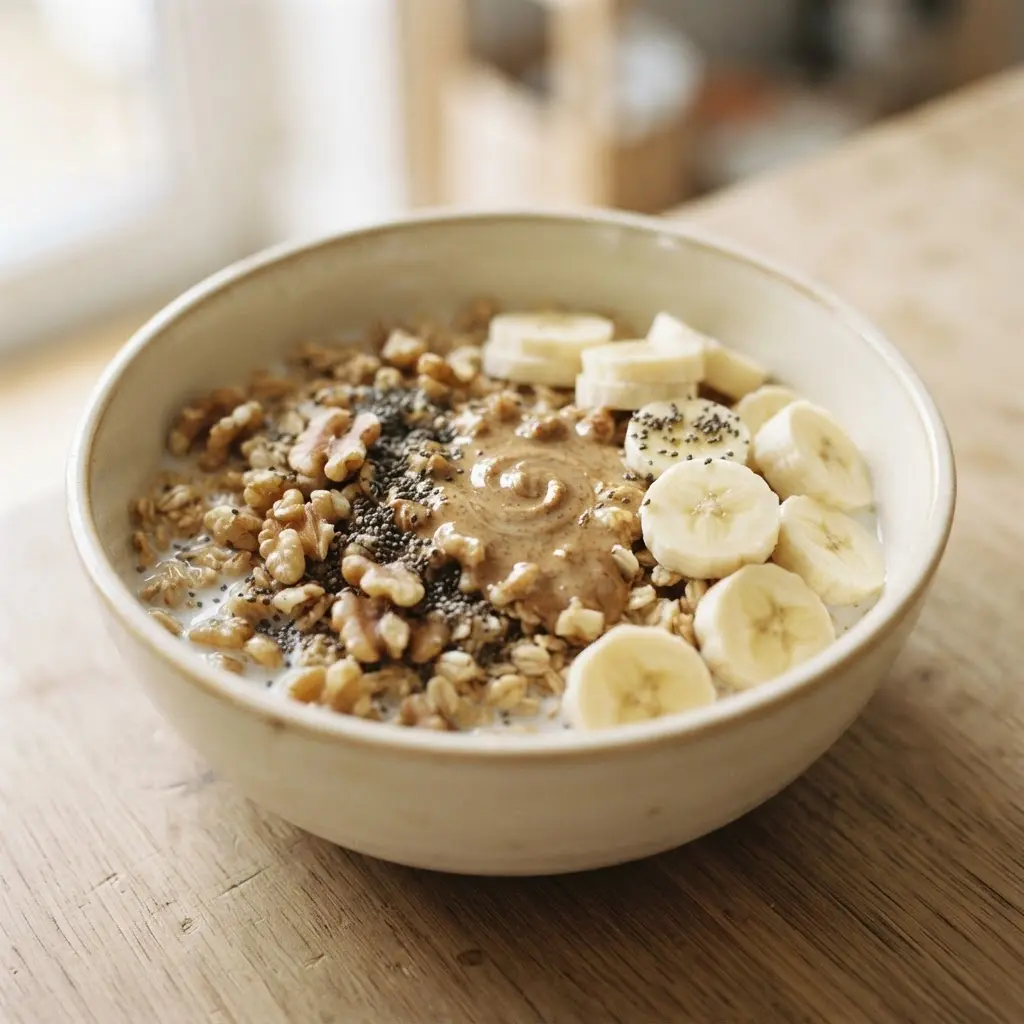
At 7 a.m., a plain bowl of cereal often needs more texture and staying power. Sprinkle ground flaxseed over the bowl, or add chia benefits of walnuts and seeds, omega-3 fatty acids, and a mild nutty taste. Testing ways to make your cereal more healthy and interesting adds that crunch you crave. Grinding flaxseed supports better nutrient absorption than using whole seeds.
Build crunch with chopped almonds, walnuts, pistachios, cashews, pumpkin seeds, or sunflower seeds. These simple ways to make your cereal more healthy and interesting support your daily routine. Walnuts provide alpha-linolenic acid, an omega-3 fat, while pumpkin seeds supply magnesium and zinc. Research suggests these additions make breakfast more satisfying by adding healthy fats, fiber, protein, and useful minerals.
Stir natural peanut butter into warm oatmeal, or drizzle almond butter over cold cereal and fruit. Select a jar with nuts and perhaps a small amount of salt on the ingredient list. Avoid products with added sugar or hydrogenated oils. Hemp seeds add protein, while cashew butter gives cereal a smooth, mild flavor.
Match the topping to the texture you want. Use chia or ground flaxseed for a softer bowl, chopped nuts for crunch, and nut butter for creaminess. Check labels carefully for allergy warnings and cross-contact information. People with nut or seed allergies should avoid the relevant ingredient. Sunflower seed butter offers a nut-free alternative, though individual allergies vary.
4. Natural Flavor Spices for Warmer Cereal Bowls
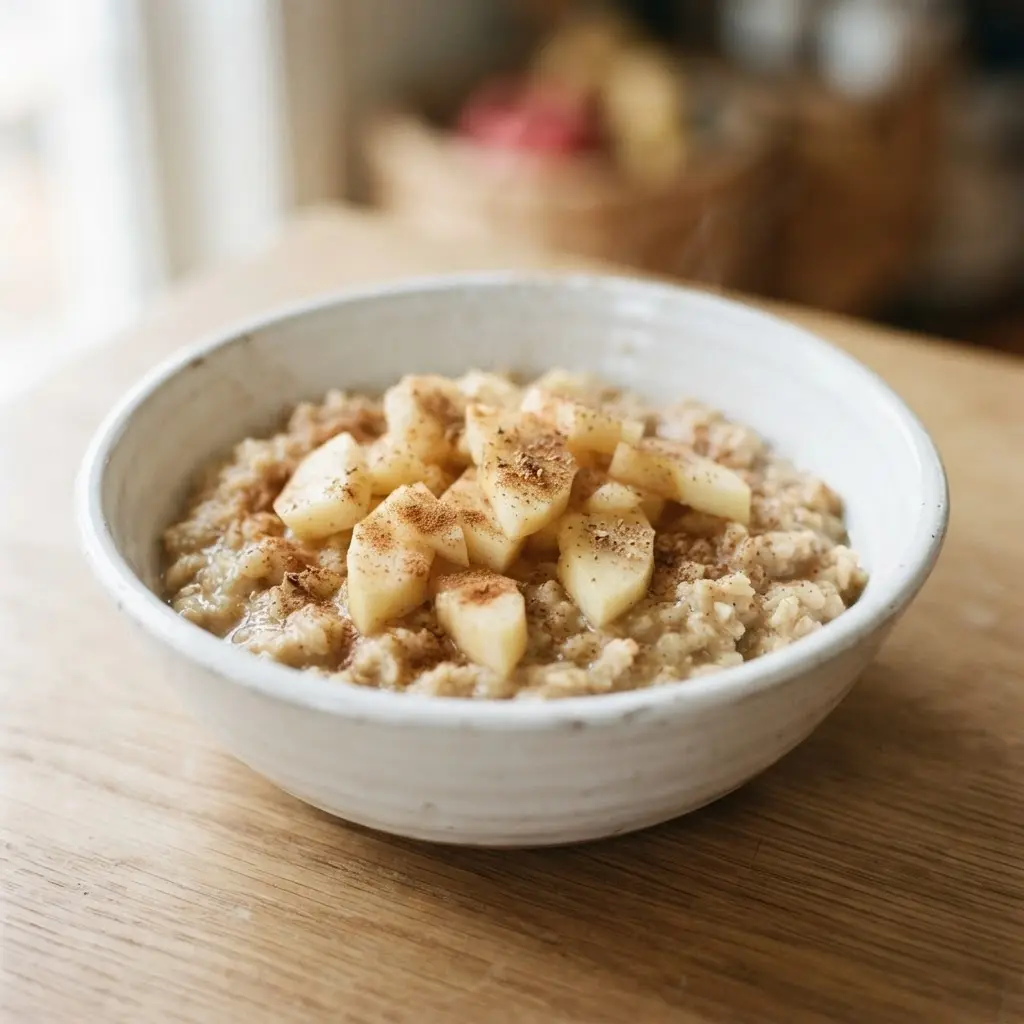
A common belief is that plain warming spices for cereal or syrup to taste satisfying. Cinnamon proves otherwise by adding warmth and a lightly sweet aroma without turning the bowl into a dessert. Sprinkle a small amount over Cheerios, Life, Corn Flakes, or Chex before adding milk.
Start with about 1/8 teaspoon for one bowl, then taste before adding more. Picking natural spices is one of the easiest ways to make your cereal more healthy and interesting on cool mornings. Choose cardamom for a floral, aromatic flavor. Use nutmeg for gentle nutty sweetness, ginger for mild heat, or clove for a stronger, pungent note. Strong spices need restraint because their flavors quickly dominate mild cereal.
Use pumpkin pie spice when you want several warm flavors in one step. The blend usually contains cinnamon, nutmeg, ginger, and cloves. Add a splash of vanilla extract to the cereal milk for extra aroma. A pinch of sea salt suits sweeter cereals and keeps the flavor from becoming one-note.
Flavor research suggests aroma shapes how people experience food, so spices add depth before the first bite. Freshly ground whole spices often provide a stronger scent and flavor than pre-ground versions. Grind only what you need, then store the rest in a sealed container. Keep the bowl mild at first, especially with clove, nutmeg, and cardamom.
5. Creamy Dairy Alternatives: Smooth and Filling Options
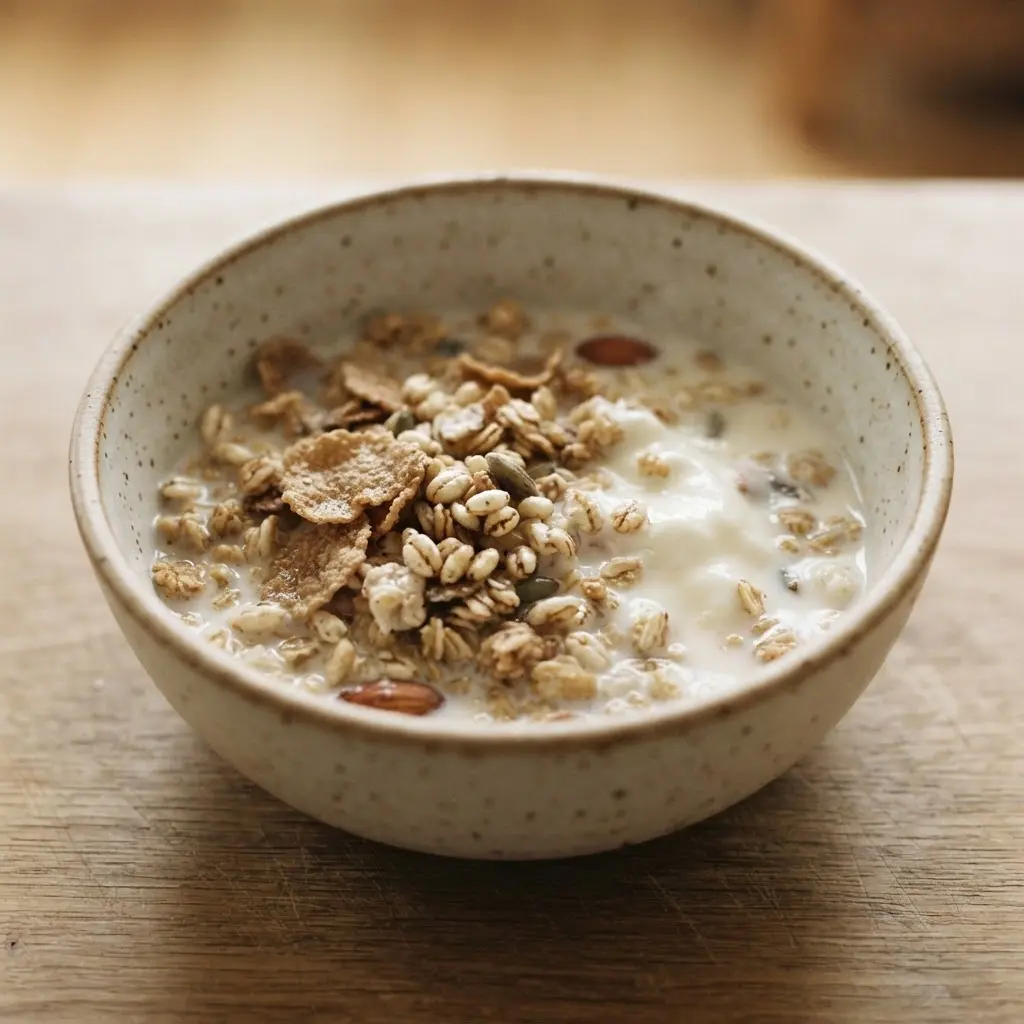
Which plant-based milk makes cereal creamy without adding much sugar? Choose an unsweetened dairy alternative. Oat milk gives cereal a smooth texture and mild sweetness, while unsweetened cashew milk has a neutral taste. Soy milk offers a creamy texture and relatively good protein content, which supports a more filling breakfast.
Pour the milk over dry cereal immediately before eating. You will quickly learn ways to make your cereal more healthy and interesting by adjusting your pour. Start with a small amount, then add more until the texture feels right. Select a barista-style milk or full-fat variety for a thicker coating. Stir once so the milk spreads evenly across the cereal.
Compare the best plant-based milk options by checking sweetness, protein, flavor, and texture. Oat milk tastes mildly sweet. Cashew milk stays relatively neutral. Coconut milk beverage adds a light coconut note. Blended nut milks often feel smooth because thickeners or emulsifiers support their texture.
Read the ingredient list for substances such as gellan gum or sunflower lecithin. These ingredients help maintain a consistent mouthfeel, though they are not required for every product. Use carton-based coconut milk beverage for everyday cereal rather than full-fat coconut milk from a tin, which is much richer.
Research suggests protein-rich choices support fullness better than lower-protein drinks. Check the nutrition panel instead of assuming every plant-based milk has the same value. Keep one neutral option and one richer option available so cereal stays varied without relying on added sugar.
6. Savory Cereal Variations With Vegetables and Eggs
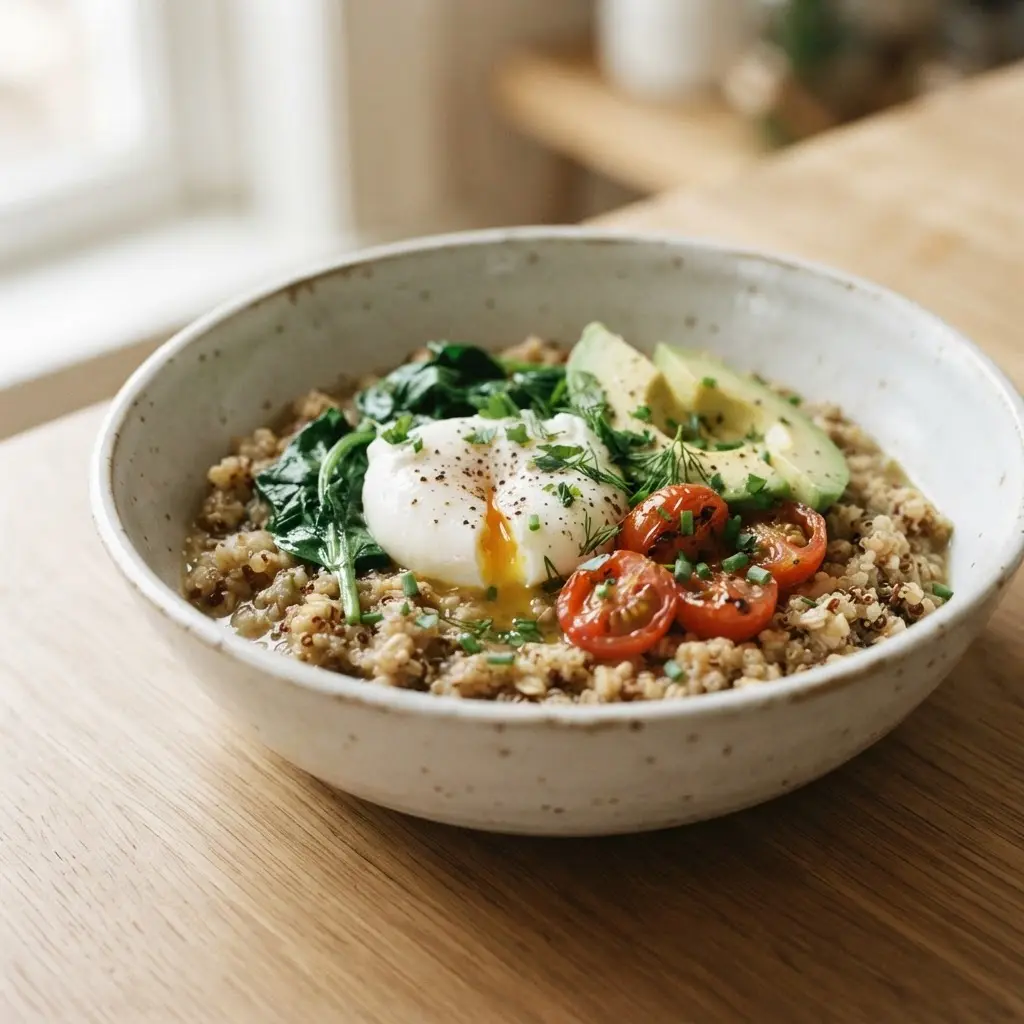
Sweet warming spices for cereal fruit or sugar for flavor, while savory cereal builds taste from vegetables, herbs, and eggs. Choosing a savory grain bowl when you want breakfast to feel more like a complete meal is a smart move. Trying savory swaps shows clear ways to make your cereal more healthy and interesting for lunch. Quinoa, polenta, rolled oats, farro, and millet each provide a different texture and flavor.
Cook the grain in vegetable broth instead of water to give the base more depth. Sauté spinach, mushrooms, bok choy, peppers, or tomatoes while the cereal cooks. Roasted broccoli and sweet potato add firmer texture and a slightly browned flavor. Keep the vegetables seasoned with salt, pepper, herbs, or spices before combining them with the grain.
Top the bowl with a soft-boiled egg for a tender white and a rich yolk. Use scrambled or hard-boiled eggs when you prefer a firmer texture. Try quinoa with spinach, cherry tomatoes, olives, feta, and oregano. Pair polenta with black beans, corn, peppers, salsa, cheddar, and cilantro. Savory oats suit mushrooms, bok choy, carrots, tamari, sesame oil, and green onions.
Build contrast instead of combining only soft ingredients. Add roasted vegetables, crunchy seeds, fresh tomatoes, or a fried egg with crisp edges. Curried millet with kale, peas, sweet potato, turmeric, yogurt, and sliced egg offers another direction. Many people find varied textures and savory seasonings make familiar grains easier to enjoy regularly. Add salt-based toppings, such as soy sauce, feta, or everything-bagel seasoning, in small amounts so the bowl does not become overly salty.
Safe Storage For Opened Cereal And Toppings
Store opened cereal and dry toppings in airtight containers kept in a cool, dry cupboard. Knowing proper storage is one of the smartest ways to make your cereal more healthy and interesting all week. Cereal loses its crunch quickly when humidity enters a folded bag, while nuts and seeds pick up stale flavors faster than dry flakes. Write the opening date on each container so older ingredients get used first. Keep dried fruit away from heat, and refrigerate items such as ground flaxseed or chopped nuts when package directions call for it. Fresh berries and sliced banana belong in the refrigerator, separate from dry cereal, until breakfast. Clean containers fully before refilling them, since crumbs from an older batch attract pantry pests. A tight lid also protects ingredients from kitchen odors. Check for rancid smells, damp clumps, or insects before serving any stored topping.
Conclusion
A good breakfast should fit your morning and taste like something you want to eat. Small additions give a familiar bowl more flavor, color, protein, fiber, and satisfying fats. You do not need a long recipe or a crowded list of ingredients. Start with your favorite cereal, then choose one item from two groups, such as fruit and yogurt or seeds and spices.
The ways to make your cereal more healthy and interesting work best when they match your hunger and taste. Keeping a few easy toppings nearby means breakfast stays simple on busy days. For your next bowl, add one protein food, one fruit, and one topping with healthy fat. Notice which mix keeps you satisfied and tastes good, then repeat it when you need a dependable breakfast.
FAQs
Q: What protein additions work well with cereal?
A: Greek yogurt, milk, cottage cheese, nuts, seeds, and nut butter pair well with cereal. Choose one or two based on your taste and hunger.
Q: How do I add sweetness without much added sugar?
A: Use berries, sliced banana, grated apple, or chopped dates for natural sweetness. Cinnamon and vanilla add flavor without extra sugar.
Q: Which fruit toppings add the most fiber?
A: Berries, pears, apples with skin, kiwi, and raspberries add fiber to a cereal bowl. Fresh or frozen fruit works well.
Q: Which milk works best for a more filling cereal bowl?
A: Dairy milk and fortified soy milk contain protein for a fuller breakfast. Oat, almond, and coconut drinks bring different flavors, so check the label for added sugar and protein.
Q: Is savory cereal a healthy breakfast choice?
A: Yes, savory cereal works well with vegetables, eggs, beans, herbs, or avocado. Choose a plain cereal base and keep salty sauces and processed toppings small.