Cooking myths often turn simple kitchen choices into fixed rules, and reviewing cooking myths reveals the truth. Many are wrong or incomplete. Rinsing meat does not make it safer, a rolling boil does not heat food faster, and alcohol does not vanish at once. Safe temperatures, dry surfaces, and careful storage matter more than old kitchen sayings.
I know how easy it is to follow advice heard from family, cooking shows, or a recipe note. Some rules help, while others waste time or create false confidence. The goal is not perfect cooking. It is knowing which details affect flavor, texture, and safety. In this guide, I will sort five common claims about meat, boiling water, food handling, alcohol, and oven heat. You will get plain reasons behind each answer, plus a safer step to use at home. Let’s question the rules, test your habits, and cook with more confidence today.
Reading Heat And Moisture Evidence
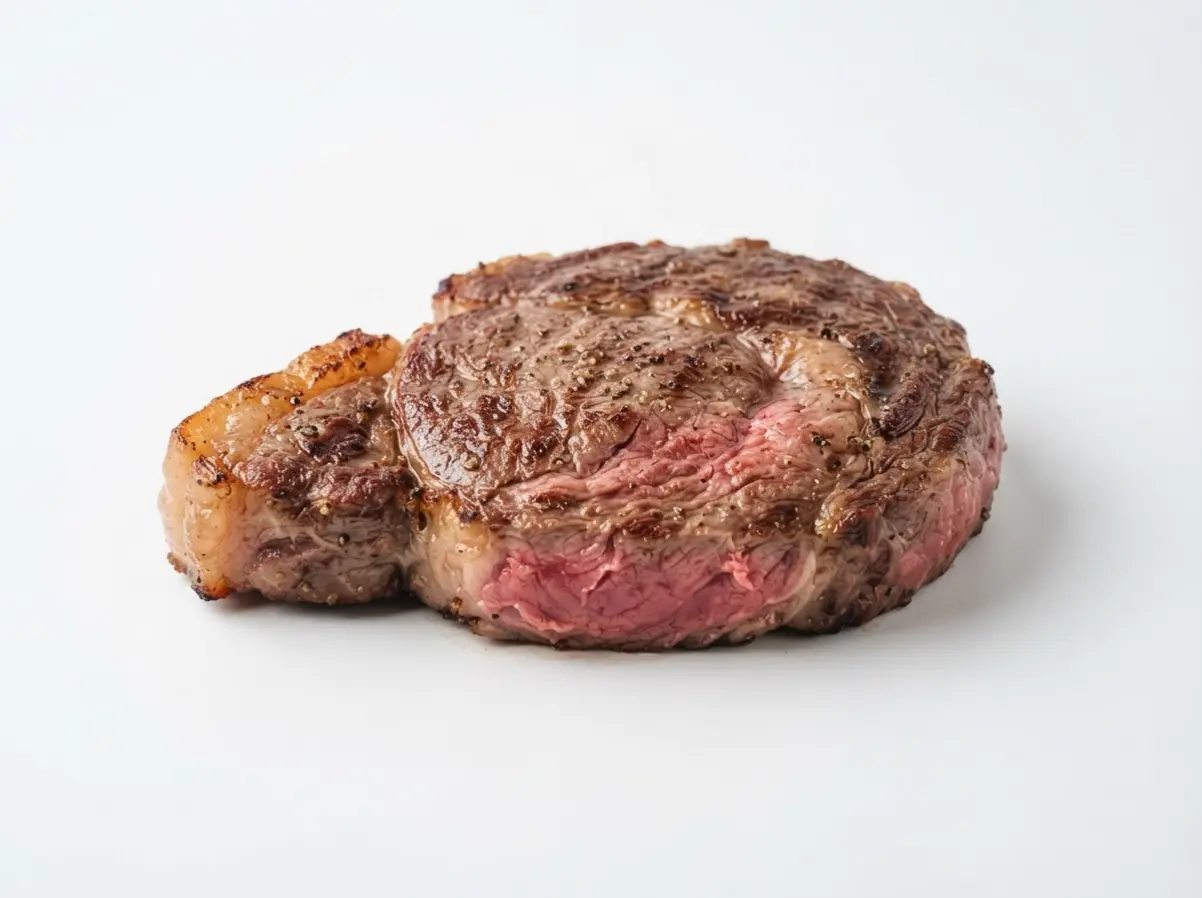
Browned meat proves surface moisture has evaporated and heat reached the crust, not sealed juices inside. The Maillard reaction creates the brown color and roasted aroma when dry proteins and sugars meet high heat. A wet steak first spends energy turning surface water into steam, so the exterior browns later than a patted-dry steak. Watch the pan, not only the clock, since crowded meat releases moisture and lowers contact heat.
Boiling pasta water offers another clue: vigorous bubbles show heat transfer, while gentle simmering still cooks noodles with less movement. Stirring keeps pieces apart because starch rinsed from their surfaces turns sticky as it heats. Use internal temperature readings when safety matters, since color alone gives incomplete evidence, and ignoring cooking myths keeps your pans clean.
Preventing Cross-Contamination During Testing
Raw chicken should never go under running water, because splashes spread bacteria across sinks, handles, and nearby utensils. A separate cutting board gives raw poultry its own work surface and reduces contact with salad ingredients or cooked food. Keep a clean plate ready for cooked pieces, since returning them to a plate holding raw chicken transfers contamination. Soap and warm water remove residue from hands, while dropping cooking myths proves kitchen disinfectant suits hard surfaces after washing.
Test cooking methods with poultry in its thickest section, placing the probe from the side for a reliable reading. The center needs 165°F or 74°C, even when the outside looks white and firm. Wash leafy greens away from raw-meat areas, and change damp towels often because they spread germs.
1. Moisture Retention and Meat Preparation: Surface Dryness and Browning
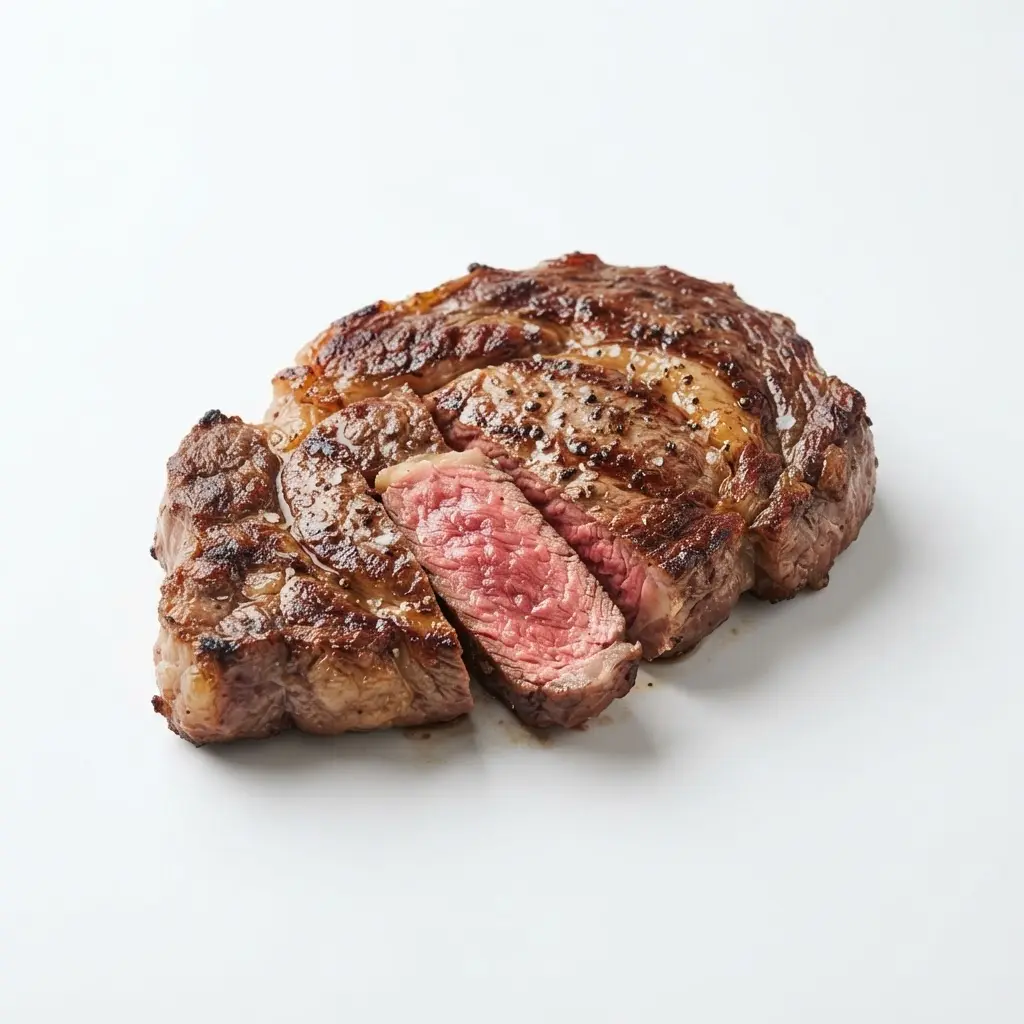
Placing wet meat into a hot pan is a common mistake. High heat does not brown a damp surface at once. First, heat turns surface water into steam. Browning starts after enough moisture has evaporated, allowing the surface temperature to rise above about 300°F (150°C). Checking cooking myths shows why moisture blocks crust formation.
Salt meat either immediately before cooking or at least 45 minutes ahead. Salting during the intervening period draws water toward the exterior, which can slow browning. An uncovered overnight rest on a rack in the refrigerator promotes air flow and dries the outside further, while reviewing cooking myths confirms this timing trick. Time the salting to support a dry surface.
Preheat a pan, grill, or griddle before adding the meat. Once surface water leaves, the Maillard reaction creates deeper color and savory flavor. A crust usually develops as the exterior reaches about 350°F to 480°F (175°C to 250°C). Cooking myths suggest turning meat often, but waiting builds better crust. Use a hot cooking surface and allow the meat to brown before turning it. The interior may retain moisture beneath a dry crust, but excessive cooking still dries the meat.
Research on heat transfer shows moisture loss depends on meat composition, air movement, piece size, shape, and practical healthy cooking tips. Smaller pieces often take longer to brown and lose more moisture than larger pieces under similar conditions, while ignoring cooking myths leads to burnt edges. Browning improves flavor, yet heavy charring produces compounds such as heterocyclic aromatic amines, which may raise health concerns. Paper towels help avoid heavy charring while developing a well-browned crust.
2. Thermal Dynamics of Boiling Water: Heat and Cooking Time
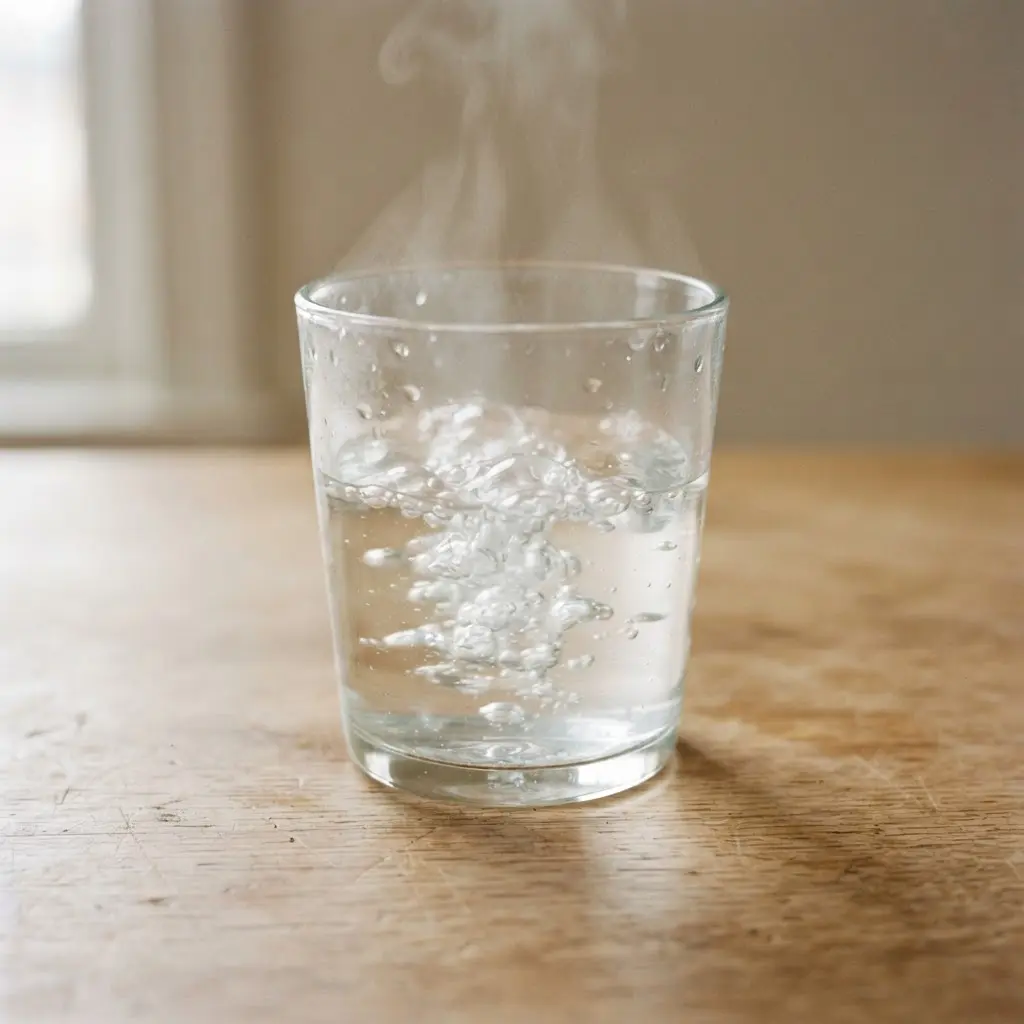
Use a lid on the pot before turning up the heat. A covered pot loses less energy to the room, so water reaches boiling sooner. Studying cooking myths reveals covers cut wait time. Heating time ends when water boils. Cooking time begins after boiling, once food enters the water. These stages need separate timing.
Match the water volume to the food. Two litres require more energy than one litre, so a larger amount takes longer to heat. A standard pot might need about 420 seconds, or seven minutes, to boil two litres, though stove power, pot shape, and room conditions change the result. Checking cooking myths confirms volume changes heating speed. Use an efficient heat source to reduce wasted energy. Induction systems have shown efficiency near 83.6 percent, while cooking-pot efficiency often ranges from about 30 percent to above 50 percent.
Choose good pot insulation and a suitable shape. Heat leaves through conduction, convection, and radiation. A compact pot with a suitable height-to-width ratio exposes less surface to the room. Cooking myths ignore pot geometry, which changes heat loss. Fins also improve heat movement from the source into the water. Research has found boiling times near 30 percent shorter with fins under comparable conditions.
Cooking myths claim high flames speed up food. Lower the heat after boiling begins. Extra burner power usually changes the heating stage, not the time food needs to cook. Keep the heat high enough to maintain a steady boil, then follow the food’s required cooking time. At very low power, heat loss can match the supplied energy, leaving water below boiling temperature.
3. Food Safety and Contamination Risks: Clean Handling Basics
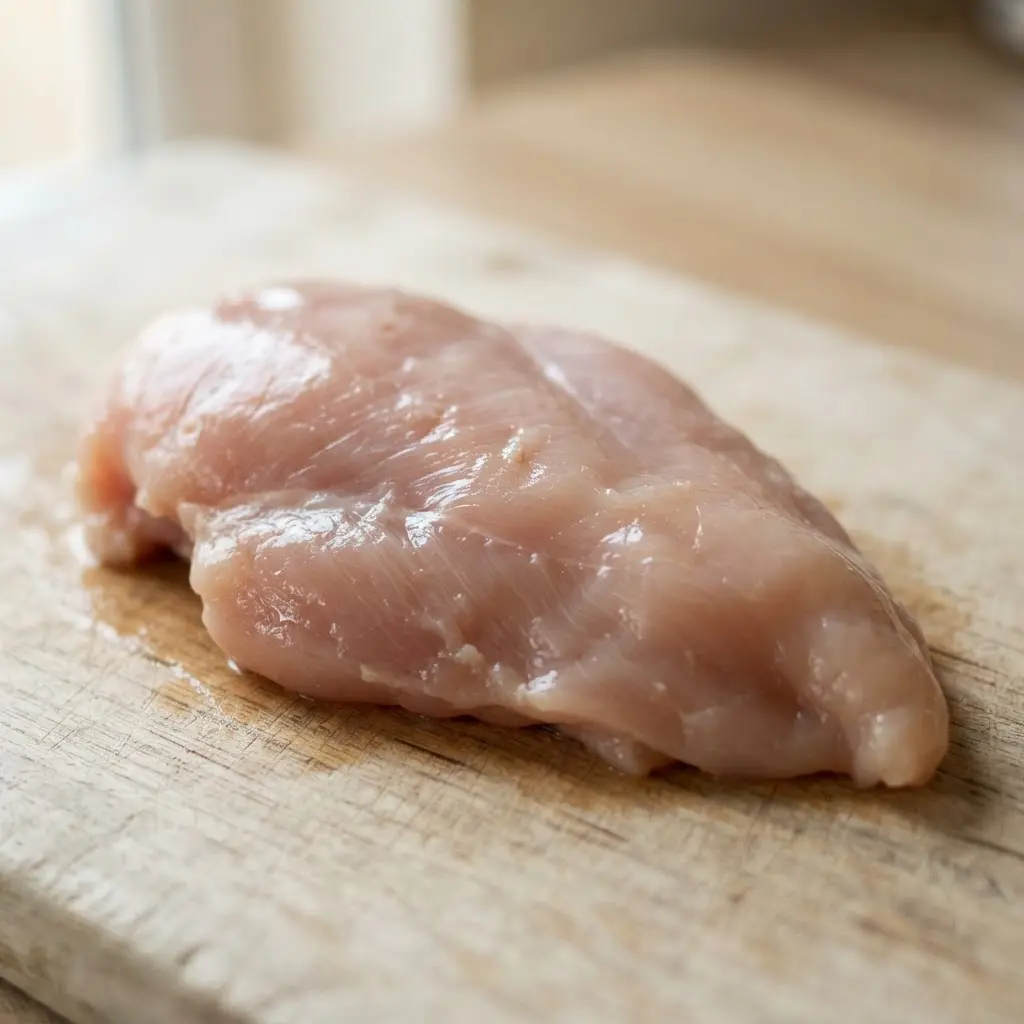
At 6 p.m., raw chicken rests beside a bowl of salad while dinner comes together. Keep raw meat separate from ready-to-eat foods. Use one cutting board for meat and another for produce, or wash the board with hot, soapy water before changing tasks. Testing cooking myths proves this board rule works. Juices from raw poultry, meat, or seafood may carry germs onto foods served without further cooking.
Wash your hands with soap and running water before cooking, after touching raw meat, and after handling rubbish. Scrub all hand surfaces for at least 20 seconds, then dry with a clean towel. Foodborne illness often begins with small handling errors, such as touching a cupboard handle with contaminated hands and using the same handle while preparing salad.
Do not rinse raw poultry in the sink. Splashing water spreads germs across nearby surfaces. Clean the sink, tap, and worktop after contact with raw meat. Reviewing cooking myths stops sink splashing habits. Use separate utensils for raw and cooked foods, and never place cooked food back onto a plate used for raw ingredients.
Refrigerate perishable leftovers within two hours of serving. Divide large amounts into shallow containers so food cools more evenly. Keep the refrigerator cold, check for leaks in food packaging, and discard food with an unusual smell, appearance, or texture. Public health guidance links clean hands, separate equipment, safe storage, and thorough cooking with lower contamination risk. Tracking cooking myths clarifies these storage rules. These steps address common kitchen rumors without relying on smell alone to judge safety.
4. Alcohol Reduction During Cooking Processes: Time and Heat
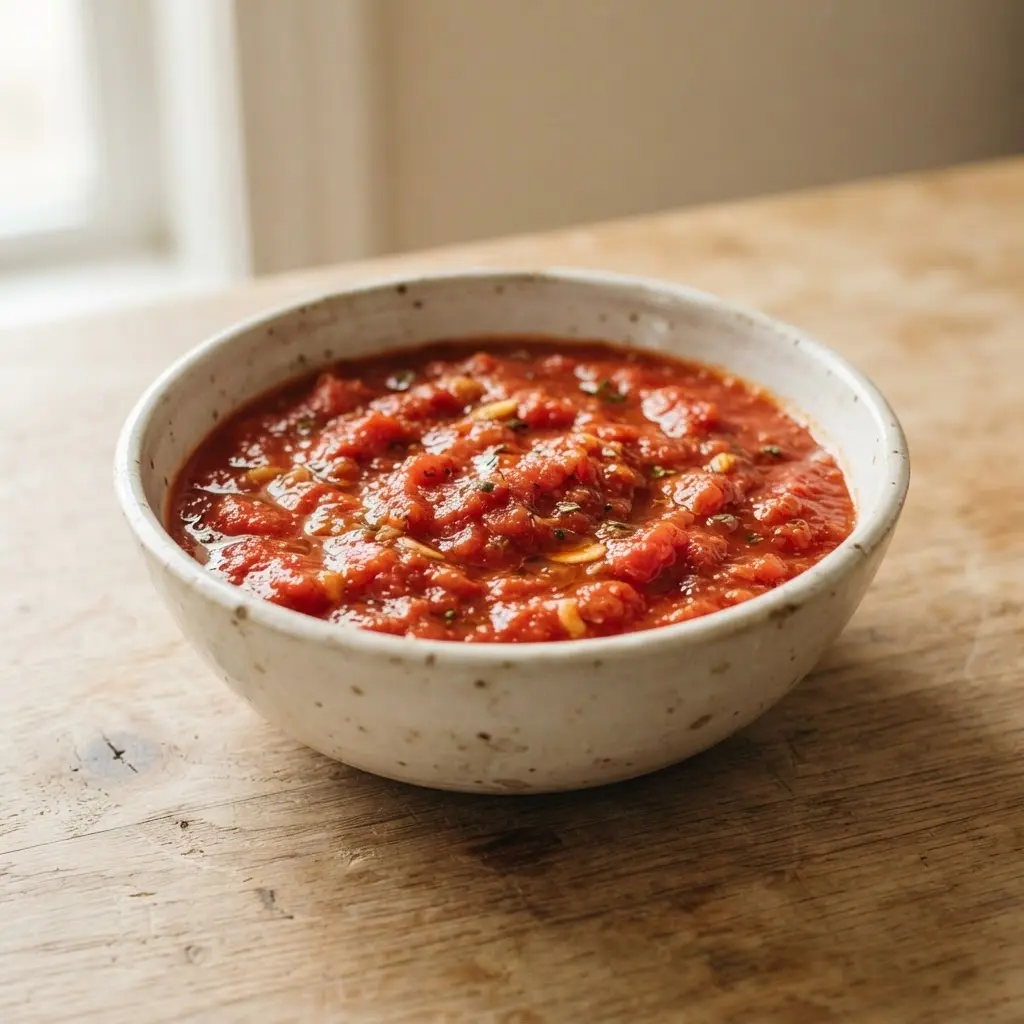
A common myth says alcohol disappears as soon as a dish catches fire. The truth is less dramatic. Flaming often removes less alcohol than simmering or baking, because the heat does not last long enough for steady evaporation.
Alcohol leaves food gradually during heating. A study found simmering for 15 minutes removed about 60% of the alcohol, leaving some behind. Brief cooking, quick pan sauces, and dishes served soon after alcohol is added retain more. Cooking for around three hours is needed for most alcohol to be removed.
Cooking time is only one part of the process. Heat intensity, the cooking method, and the exposed surface area all affect the final amount. A wide vessel exposes more liquid to air and supports greater evaporation. A small, deep vessel limits exposed surface area and retains more alcohol. Research findings show retention ranging from about 4% to 85%, depending on preparation.
Choose simmering or baking when greater alcohol reduction is needed. Maintain heat for an extended period rather than relying on a short burst or visible flames. Use a wider pan when the recipe allows, and keep the dish uncovered unless the recipe requires a lid. These steps reduce alcohol more effectively, but cooking does not guarantee complete removal. Prepare common food myths exposed when serving people who need to avoid it entirely. Clearing up cooking myths ensures you serve safe dishes.
5. Oven Temperature and Batter Stability: Rise and Set
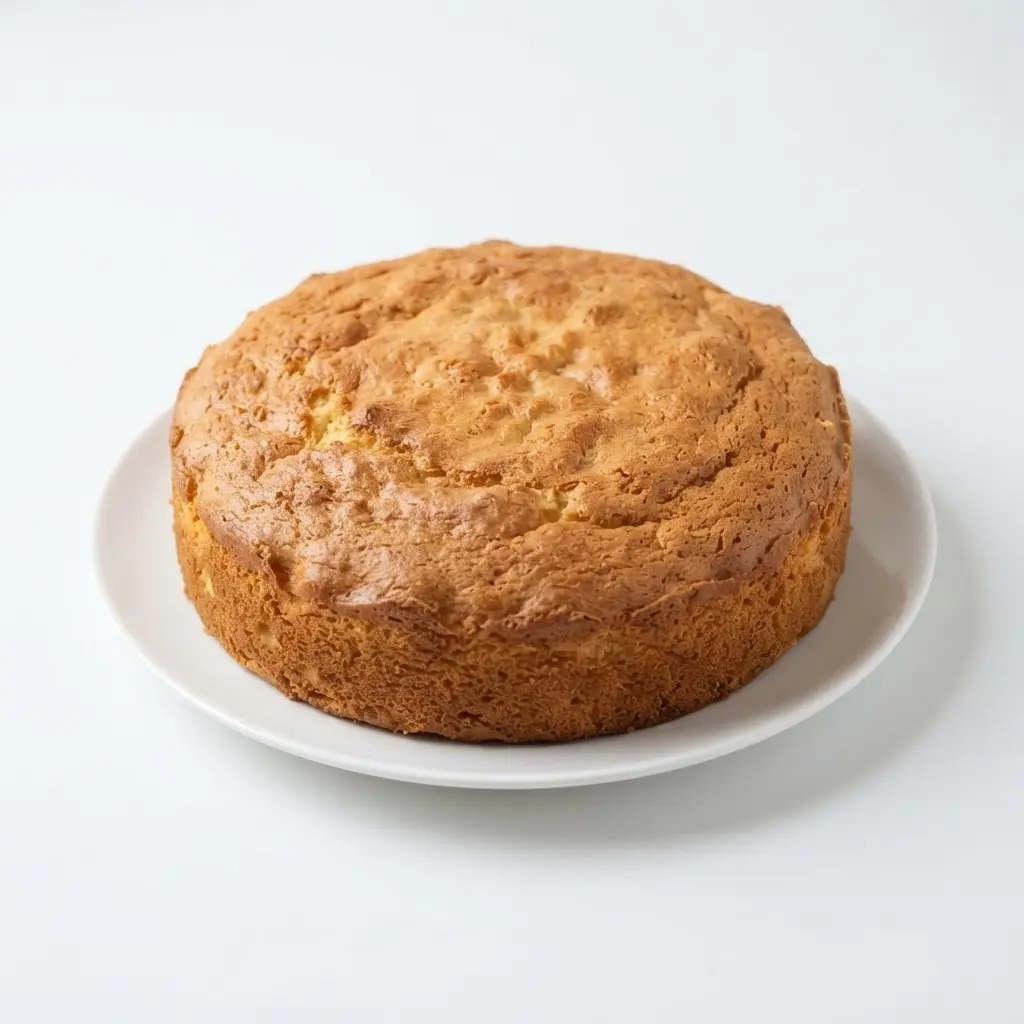
Why does a cake rise well in one oven but sink in another? The answer is often stable oven heat. Batter needs steady heat to expand, set, and hold its shape. A cold oven delays the structure-building process. An overheated oven sets the outside before the center has finished rising.
Air bubbles from beaten eggs, baking powder, or baking soda expand as batter warms. Heat then firms the flour, eggs, and other ingredients around those bubbles. This sequence creates a lighter crumb. Opening the oven door during the first part of baking releases heat and slows the rise. Keep the door closed until the batter looks set around the edges and the center no longer moves.
Start with a fully preheated oven. Use the temperature listed in a trusted recipe, since batter type, pan size, and oven design affect results. Position the pan near the center, where heat circulates more evenly. Check the oven with a separate thermometer if baked goods often brown too soon or remain wet in the middle. Small temperature differences change the timing and surface color.
A higher setting does not always produce a better rise. Excess heat forms a firm crust early, trapping an unstable center beneath the surface. A lower setting gives the batter more time to expand, yet too little heat leaves the structure weak. Follow the recipe temperature, avoid frequent door opening, and test doneness with a clean skewer near the stated baking time. Consistent heat supports both rise and set.
Refrigerating Perishable Leftovers Promptly
Refrigerate cooked meat, rice, eggs, and other perishable leftovers within two hours, or within one hour when the room exceeds 90°F. Shallow storage containers let heat escape faster than deep pots, so food reaches refrigerator temperature sooner. Divide a large batch before chilling, since a dense center stays warm while the surface cools.
Keep the refrigerator at 40°F or colder and leave space around containers for air movement. Mark containers with the date, then use refrigerated leftovers within three to four days for best safety. Reheat soups, sauces, and casseroles until they reach 165°F throughout, stirring dense food so cold pockets do not remain. If food sat out overnight, discard it even when its smell and appearance seem normal, because dangerous bacteria often leave no visible clue.
Conclusion
Your daily cooking habits often come from family advice, old recipes, and rushed meals. It feels natural to repeat rules, especially when they sound confident. Cooking myths become easier to question once you know what heat, moisture, time, and clean handling do in real kitchen situations.
Use one idea from this article today. Dry a steak before browning it, use a thermometer for meat, or clean tools after raw food. Pick the step tied to your biggest kitchen worry, then notice the result. Keep the rules that help and leave behind advice with no sound reason.
You do not need perfect meals to cook well. A few informed choices bring more control to everyday food, while small safety habits protect everyone at the table. Debunking cooking myths gives you better control. Keep asking why a method works, and let each meal give you useful feedback for the next one.
FAQs
Q: Should I wash raw chicken before cooking?
A: No. Washing raw chicken spreads droplets around the sink and nearby surfaces. Cook it to a safe internal temperature instead.
Q: Does searing meat seal in its juices?
A: No. Searing adds browning and flavor. Juices stay inside through gentle cooking and a short rest before slicing.
Q: Does salted water boil faster?
A: No. Salted water reaches a boil at a slightly higher temperature. The difference is small, so salt water for flavor rather than speed.
Q: How much alcohol stays in cooked food?
A: Some alcohol often stays after cooking. The amount depends on heat, cooking time, pan size, and how the dish is prepared.
Q: Why does a cake sink after baking?
A: A cake often sinks when the center has not set or the oven door opens too early. Check the oven temperature and wait until the center looks firm before removing it.