Are afternoon slumps and sudden hunger making your day harder, and have you tried healthy energy foods you can eat at any time to help balance your routine? Healthy energy foods you can eat at any time include oats, eggs, beans, fruit, nuts, seeds, yogurt, leafy greens, whole grain bread, and unsweetened tea. Pairing carbs with protein, fiber, or healthy fat helps keep energy steadier and supports fewer hunger swings during a busy day. Energy needs differ from person to person, so there is no single perfect eating schedule.
A balanced mix of foods often works better than relying on sweet snacks for quick fuel. Water, regular meals, and sensible portions also support alertness. I have gathered ten easy choices for meals, snacks, and drinks. Each section explains how the food supports steady energy and shares simple serving ideas. Let’s make your next meal more satisfying and your busy days easier to manage.
Protein And Fiber Pairing For Longer Satiety
Pairing 20 to 30 grams of protein with a fiber-rich carbohydrate at a meal often keeps hunger quieter for several hours, especially when you choose healthy energy foods you can eat at any time. Greek yogurt with oats, berries, and chia seeds gives you protein, slow-digesting carbohydrates, fiber, and unsaturated fat in one bowl. Beans with brown rice and chopped vegetables offer a similar balance, with plant protein and fiber supporting steady fullness.
Eggs on whole-grain toast work well when you need a savory option, while peanut butter on apple slices suits a quick snack. Choose plain yogurt or unsweetened nut butter to limit added sugar, then adjust the serving size to your hunger and activity. If a snack contains fruit or crackers alone, add nuts, seeds, cheese, or a boiled egg so its energy lasts longer.
Hydration Timing Around Meals And Snacks
Drink a glass of water with meals and keep a filled water bottle beside snacks so you notice thirst before reaching for food, making it easier to enjoy healthy energy foods you can eat at any time. Small, regular sips through the morning and afternoon often feel easier than waiting until you feel parched. Water supports normal body function, while fluid-rich foods such as oranges, cucumbers, soups, and plain yogurt add moisture at meals.
Unsweetened tea provides another low-sugar option, though caffeinated drinks work best alongside food rather than in place of it. Milk and fortified soy drinks provide fluid plus protein, yet sweetened versions bring extra added sugar. During exercise, heat, or long periods outdoors, increase fluids and pay attention to thirst, dry mouth, and dark urine. Aim to drink steadily, since large amounts right before bed often interrupt sleep.
1. Slow-Digesting Complex Carbohydrates for Steadier Energy
A common mistake is treating all carbohydrates as equal. Instant oats, sweetened cereal, and fruit juice digest quickly, while slow-digesting carbohydrates break down more gradually. Choose steel-cut or old-fashioned oats, quinoa, barley, beans, lentils, sweet potatoes, and whole fruit, because healthy energy foods you can eat at any time often rely on this slow breakdown. Fiber slows digestion and adds fullness.
Pair carbohydrates with protein or fat to create a steadier meal. Add nuts to oats, serve quinoa with cheese or eggs, or spread unsweetened nut butter on whole-grain toast. Choose a whole apple instead of juice because the intact fruit contains fiber, which highlights healthy energy foods you can eat at any time in your daily plan. Use these choices at breakfast, lunch, or as an afternoon snack.
Research suggests slower carbohydrate absorption supports a more gradual blood sugar response, which may reduce sharp energy swings for some people. Build quick healthy breakfasts with oats, fruit, or whole-grain toast. Individual blood sugar responses vary, so follow qualified medical advice when managing diabetes or another blood sugar condition.
2. Protein-Rich Sustained Fuel Sources for Busy Days
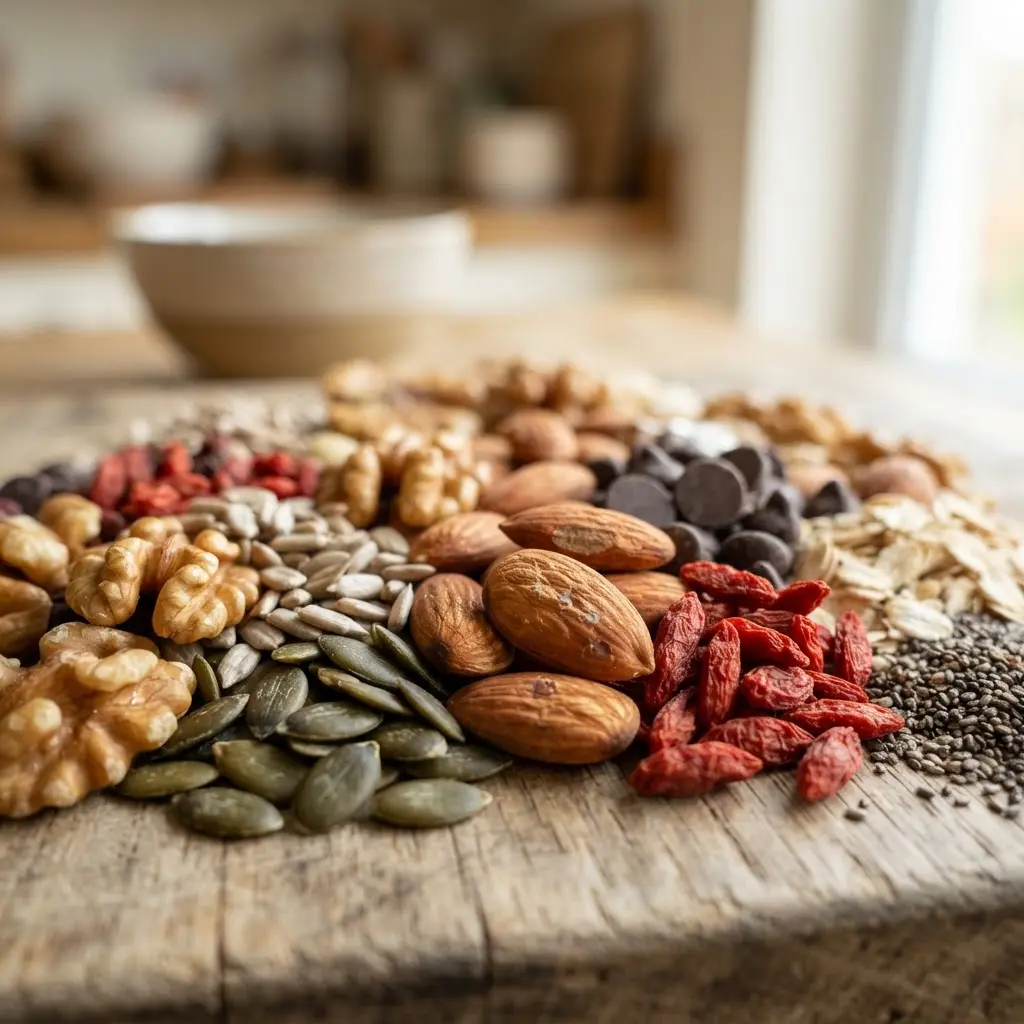
Pack two protein-rich options before leaving home, which makes finding healthy energy foods you can eat at any time much simpler on busy mornings. Prepare portable proteins such as hard-boiled eggs, portioned nuts, edamame, or single-serving Greek yogurt. Advance preparation turns rushed mornings, commutes, and work breaks into easier meal decisions.
Pair protein with fiber, healthy fats, or complex carbohydrates. Combine Greek yogurt with fruit and nuts, cottage cheese with vegetables, or chicken slices with whole-grain crackers. Mix tuna or salmon with Greek yogurt or avocado for a quick mini-meal, and remember that healthy energy foods you can eat at any time work best when paired correctly.
Research supports pairing protein with other filling nutrients for a more satisfying snack or small meal. Choose unsalted nuts and seeds when possible. Check jerky and deli-style poultry labels for sodium, and select protein bars with protein, fiber, minimal added sugar, and a short ingredient list. Keep individual portions in a work bag or refrigerator. Lean jerky, fish packets, and bars suit days with no cooking access, while eggs, salads, and portioned nuts work best when prepared the night before.
3. Healthy Fat Energy Boosters from Nuts and Avocado
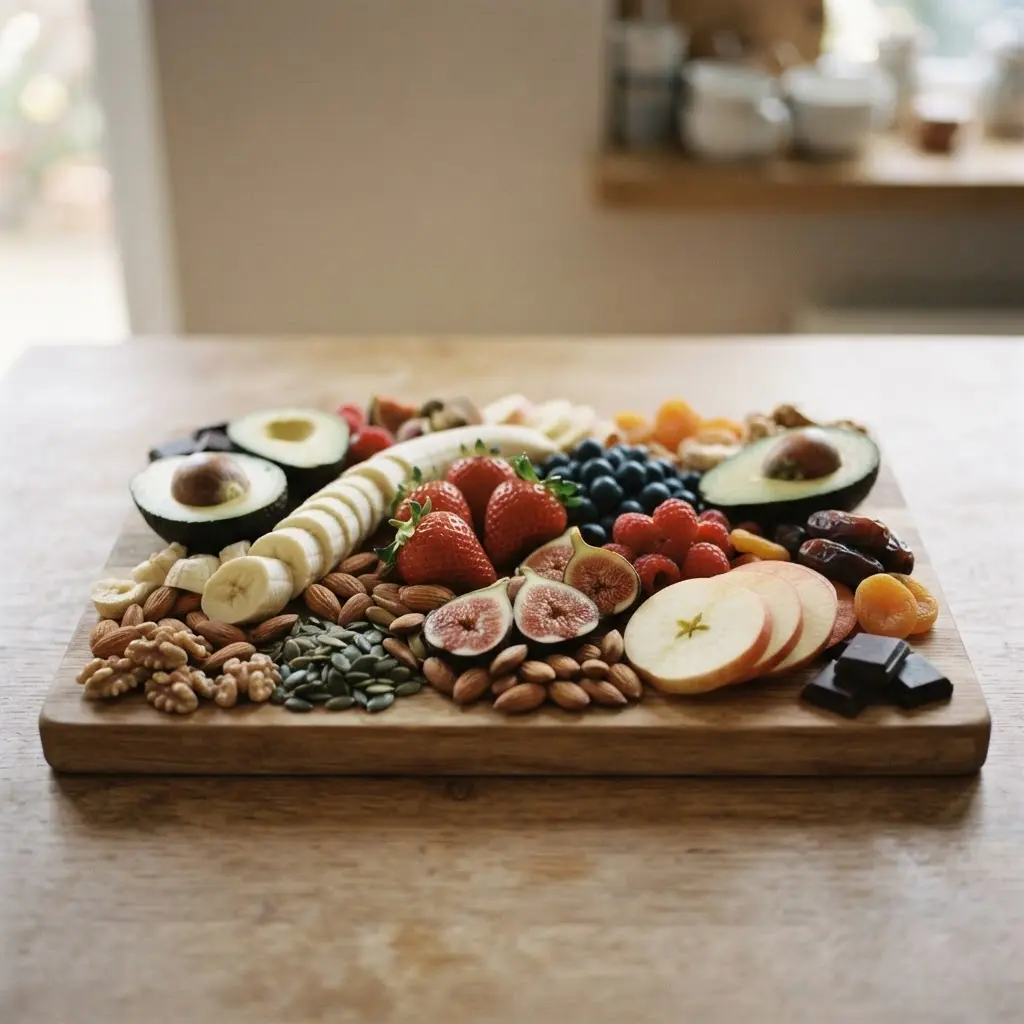
At 3 p.m., replace a sweet snack with mixed nuts and plain yogurt. Nuts provide fat, fiber, and varying amounts of protein and carbohydrates, proving that healthy energy foods you can eat at any time do not need to be overly sweet. These nutrients slow digestion and help the snack feel filling for longer than a food based mainly on quickly digested sugar.
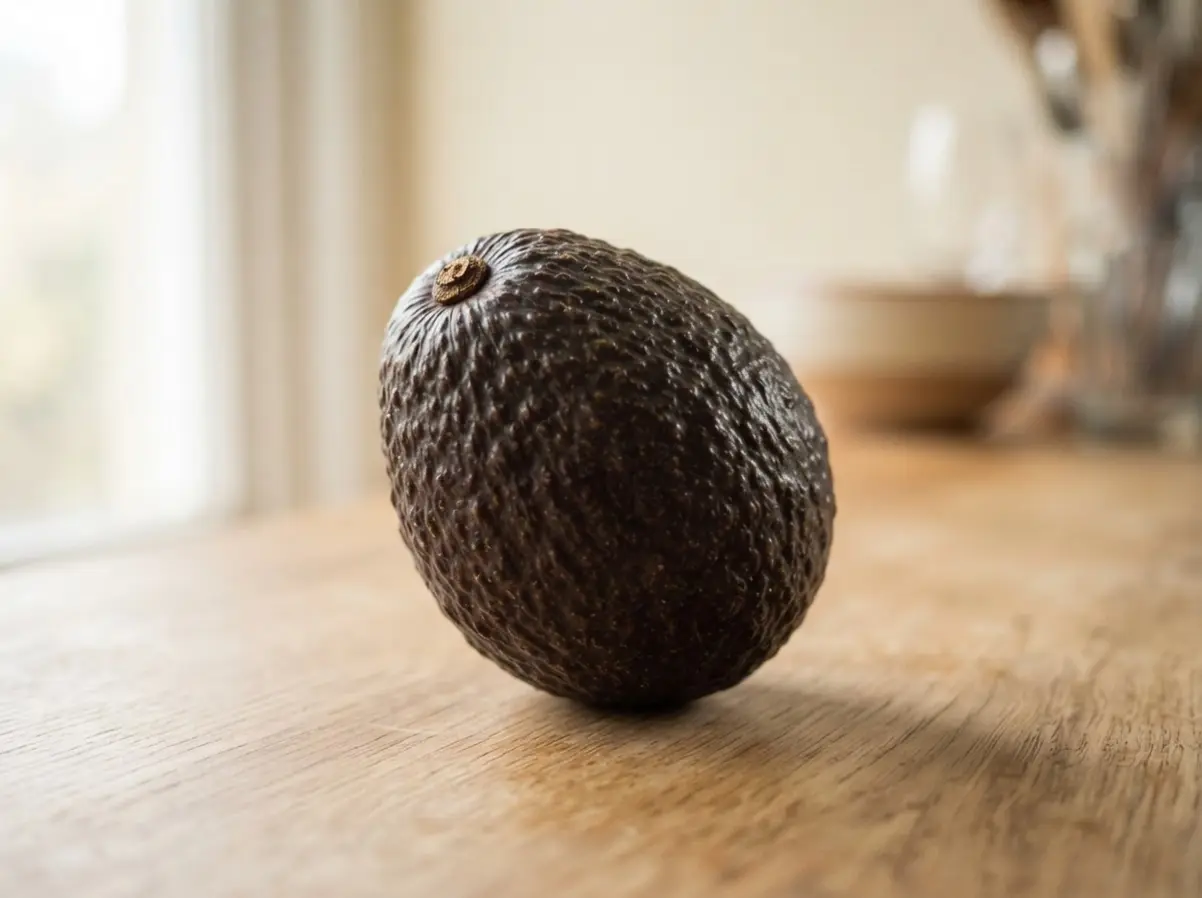
Use avocado slices on toast, in a salad, or inside a sandwich. Avocado supplies monounsaturated fat, fiber, potassium, and vitamin K. Almonds provide magnesium, protein, and fiber. Walnuts contain omega-3 fatty acids, while pistachios provide protein, fiber, and antioxidants. Cashews add carbohydrates and iron, and Brazil nuts supply selenium, which shows why healthy energy foods you can eat at any time are worth keeping stocked.
Research suggests that combining fat, fiber, and protein supports a steadier release of energy. Keep portions measured because nuts and avocado are energy-dense foods. Add chopped nuts to oatmeal or yogurt, blend avocado into a smoothie, or prepare guacamole as a dip. Pairing these foods with other nourishing ingredients creates a satisfying snack or meal.
4. Fiber-Dense Seed Varieties for Balanced Snacks
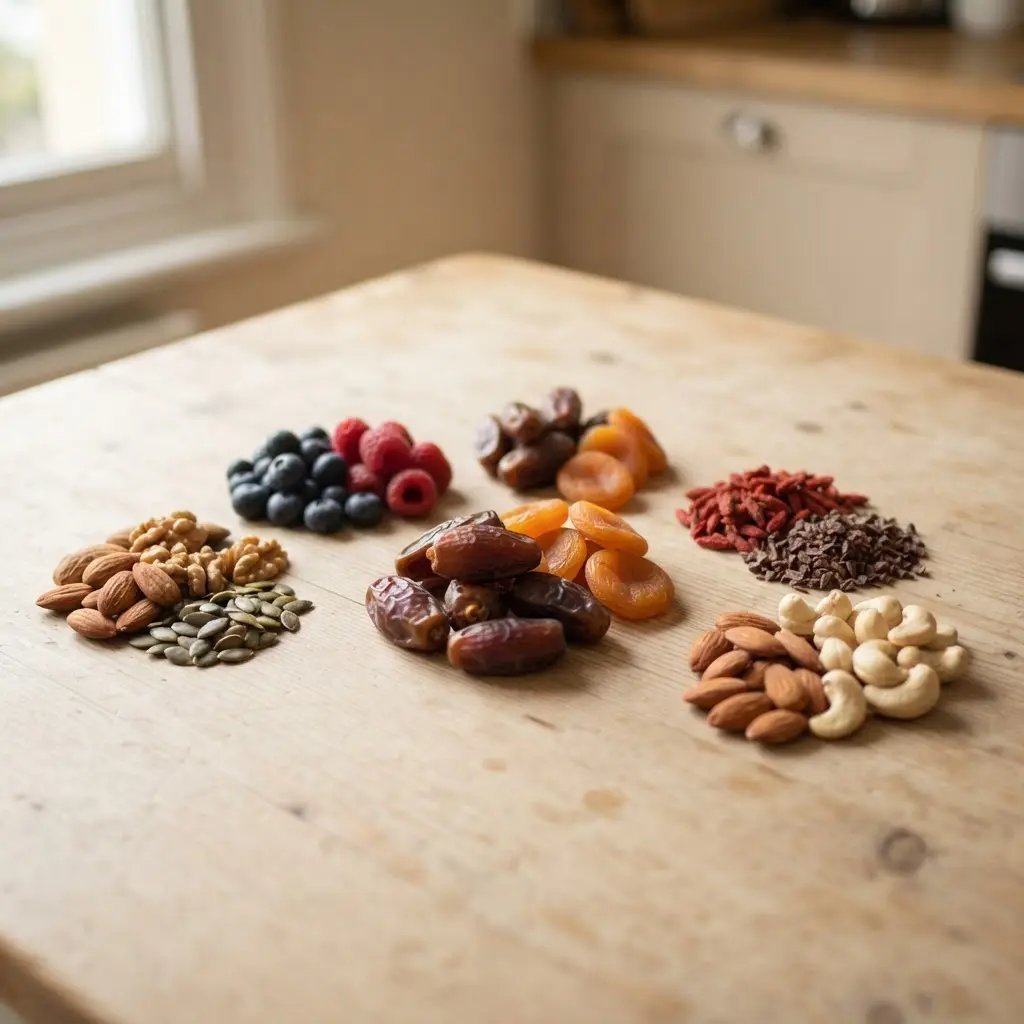
Seeds are not all interchangeable, and a small sprinkle does not provide the same fiber across varieties. Chia seeds offer approximately 10 grams of fiber in two tablespoons, while flaxseeds provide about 27 grams per 100 grams. Serving sizes differ, so compare like measurements before judging one seed against another, especially when planning healthy energy foods you can eat at any time.
Choose ground flaxseed for oatmeal, yogurt, or smoothies. Add chia seeds to moist foods or drinks, where the seeds soften. Sprinkle pumpkin, sunflower, or sesame seeds over a salad or snack bowl. Hemp seeds add protein and healthy fats to yogurt, oatmeal, or blended drinks, showing how versatile healthy energy foods you can eat at any time really are.
Pair seeds with another food group rather than treating a handful as a complete snack. Yogurt with chia, fruit with pumpkin seeds, or oatmeal with flaxseed supplies a broader mix of nutrients and often provides steadier fullness. Research suggests fiber-rich foods support digestive health and help make snacks more satisfying.
Check the package label before buying. Pumpkin-seed products may list 8 grams or 10 grams of fiber per serving, depending on the product and serving size. Use healthy snack ideas as a guide for combining seeds with other foods, and keep salted or roasted varieties within the listed serving.
5. Electrolyte-Balanced Whole Fruits for Daily Hydration
Which fruits support hydration during an ordinary day? Choose water-rich whole fruits, including watermelon, strawberries, cantaloupe, peaches, tomatoes, and cucumbers. These foods provide fluid alongside potassium, magnesium, calcium, fiber, vitamins, and antioxidants. Eating fruit whole supplies fiber missing from most juices, which aligns well with picking healthy energy foods you can eat at any time.
Build variety across the day. Pair a high-water choice with a potassium-rich option, such as an orange, mango, avocado, or banana. One medium banana provides around 450 mg of potassium and also contributes magnesium. Different fruits provide different minerals, so rotating choices gives broader nutritional support than relying on one fruit, and trying new healthy energy foods you can eat at any time keeps your routine fresh.
Whole fruit suits ordinary daytime hydration, yet fruit contains very little sodium. Sodium is the primary electrolyte lost through heavy sweating, so fruit does not serve as a complete electrolyte replacement after prolonged exercise or profuse sweating. Choose a suitable electrolyte drink during those situations, guided by a qualified healthcare professional. Always consult a healthcare professional before making changes to your health routine.
6. Legume-Based Energy Stabilizers with Plant Protein

Compared with a sweet pastry or sugary drink, lentils, chickpeas, and black beans provide a steadier base for a meal or snack, making them classic examples of healthy energy foods you can eat at any time. Choose legume-based foods with vegetables, whole-grain toast, or plain yogurt. Protein and fiber slow the movement of food through digestion, which supports a more gradual release of energy.
Measure a half-cup serving of lentils, chickpeas, or black beans into soup, salad, or a grain bowl. Prepare portions ahead for a busy afternoon. Use black beans nutritional perks when comparing a familiar legume with lentils or chickpeas. Keep added sugar low in packaged legume snacks, since sweet coatings shift the food toward a dessert-like option.
Research suggests meals containing protein and fiber support steadier fullness and energy than sugary snacks eaten alone. Pair legumes with a balanced snack, such as hummus with vegetables or roasted chickpeas with fruit. Add water when increasing fiber intake, especially when beans are not part of your usual meals. A simple serving of legumes fits breakfast, lunch, dinner, or a planned snack.
7. Nutrient-Dense Leafy Greens in Simple Meals
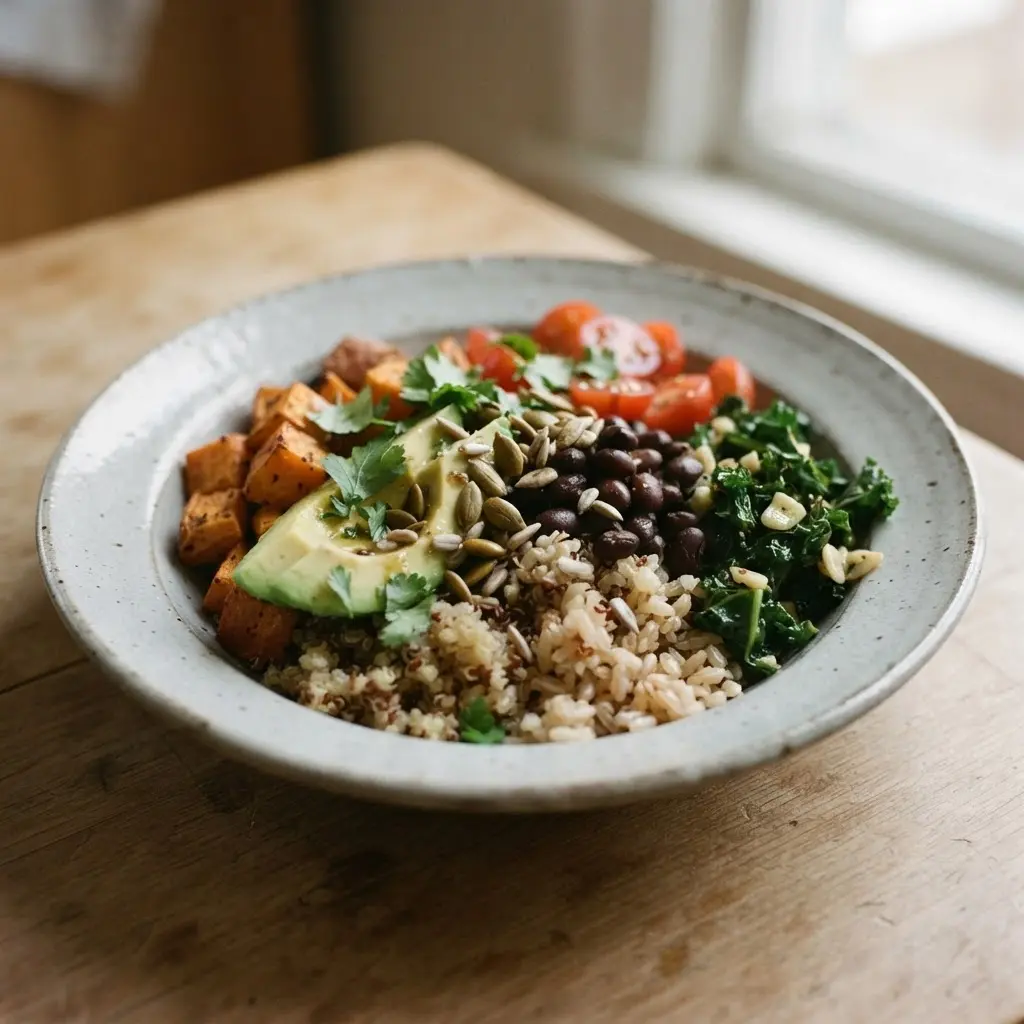
A common mistake is treating every leafy green as a salad ingredient. Choose raw tender greens such as spinach or arugula for salads and wraps, but cook kale, collards, Swiss chard, or bok choy to soften their texture. Blanch tougher leaves for two to three minutes, then drain them before adding them to meals, as healthy energy foods you can eat at any time often include cooked vegetables.
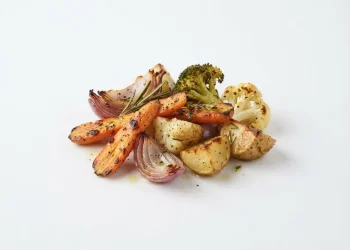
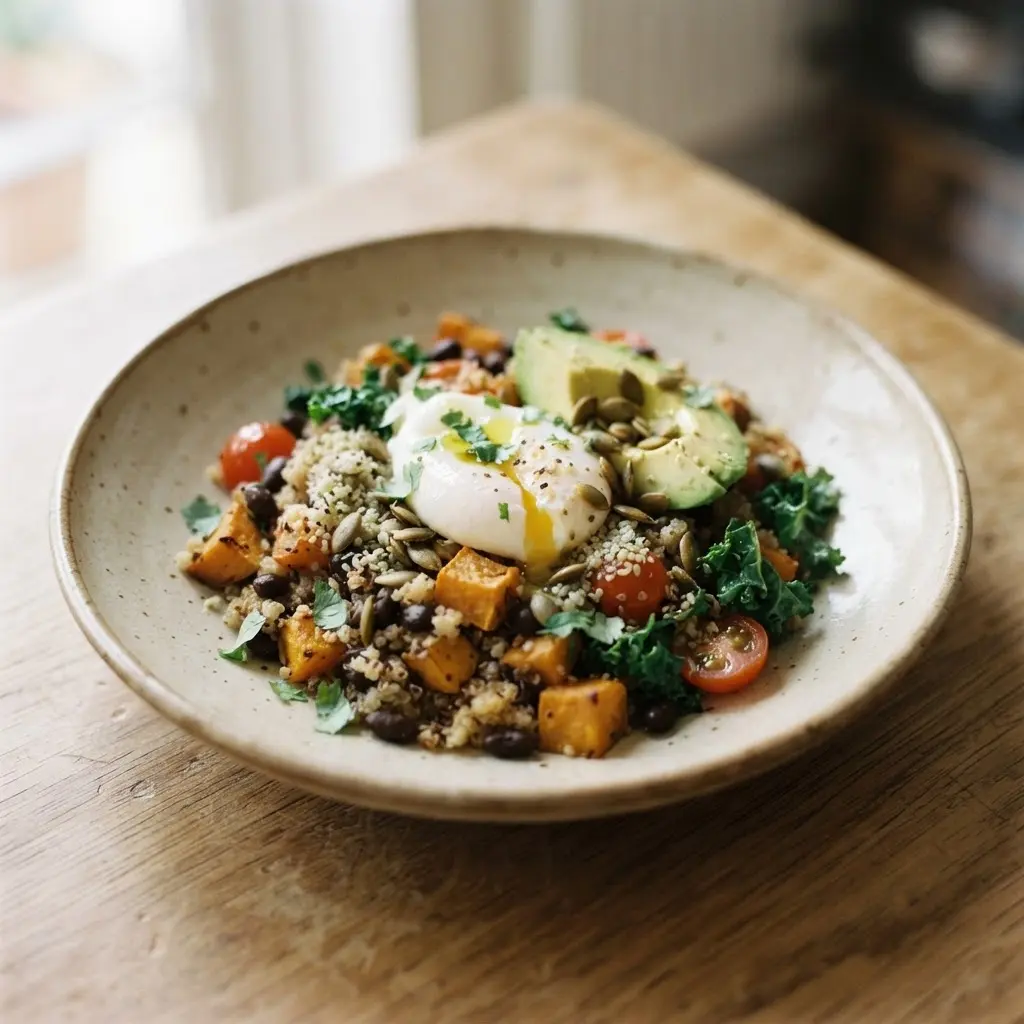
Add greens to familiar foods rather than serving them alone. Wilt a handful into eggs, soup, pasta, or a frittata. Build a grain bowl with quinoa, beans, greens, and citrus dressing. Use olive oil, avocado, nuts, or seeds with greens, which shows how healthy energy foods you can eat at any time blend into different dishes. Dietary fat supports absorption of fat-soluble nutrients, including lutein and beta-carotene.
Research suggests leafy greens supply vitamins A, C, E, and K, along with calcium, magnesium, potassium, fiber, and antioxidants. These nutrients support normal immune, bone, and heart functions while adding few calories relative to their nutrient content. Prepare blanched greens in advance and refrigerate them for quick meals. Garlic, lemon juice, onions, capers, or red pepper flakes reduce bitterness without complex cooking. Keep cooked greens lightly tender rather than soft and watery.
8. Hydration-Focused Energy Maintenance Throughout the Day
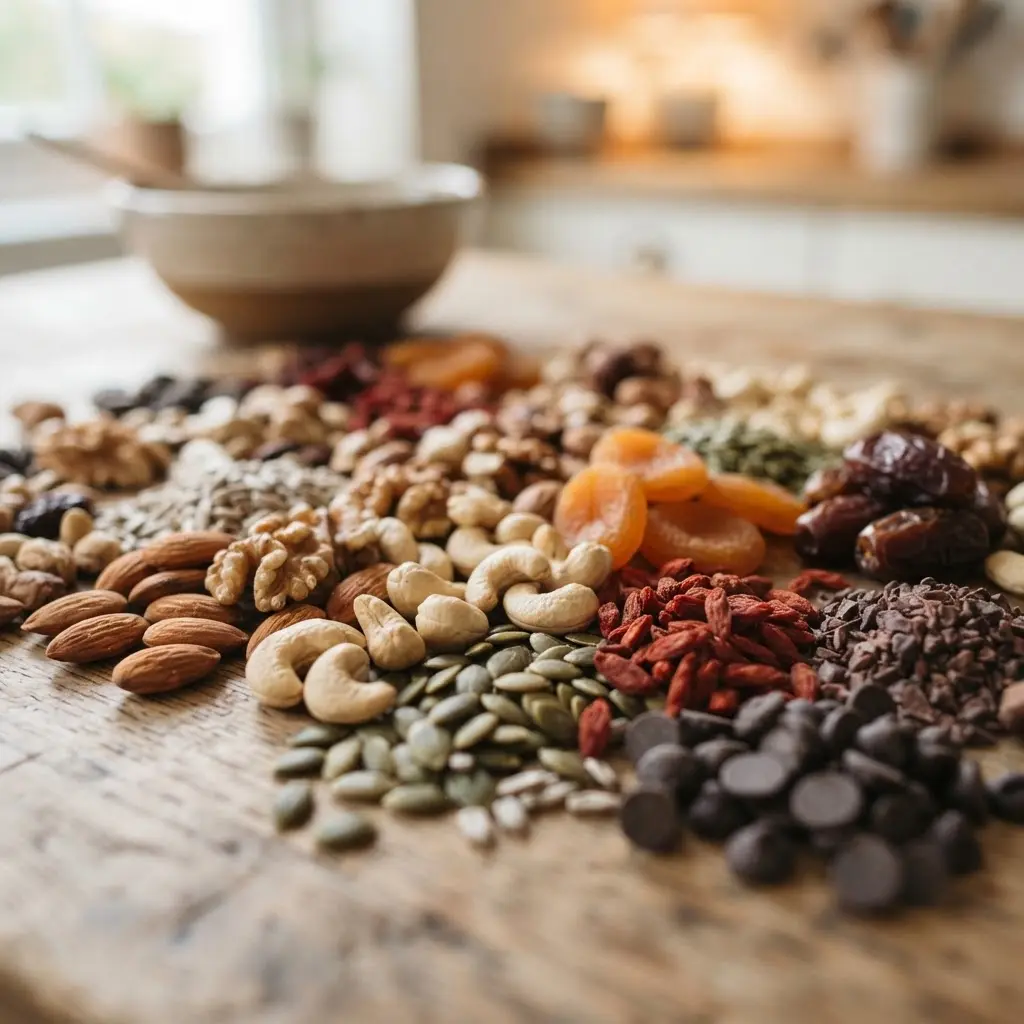
Start with water after waking, then keep a bottle within reach and take small sips through the day. Regular intake helps replace fluid lost during sleep and reduces the chance of waiting until strong thirst, dry mouth, headache, or fatigue appears. This simple habit pairs perfectly with choosing healthy energy foods you can eat at any time.
Pair fluids with water-rich affordable healthy daily foods oranges, strawberries, watermelon, cucumbers, celery, and spinach. Add bananas or spinach to meals after heavy sweating because these foods contribute minerals. During prolonged exercise or intense heat, use a properly formulated electrolyte drink and drink before, during, and after activity. Fluid needs change with temperature, altitude, exercise, and sweat loss, so a fixed daily amount does not suit every person, which is why flexible healthy energy foods you can eat at any time work so well.
Build meals with complex carbohydrates, protein, and healthy fats so hydration supports steady energy rather than standing in for food. Set reminders if work keeps you focused for long periods, and check urine output as one useful sign of fluid status. Limit excessive caffeine and alcohol. People with conditions requiring fluid or sodium limits need personalised medical advice before increasing fluids or electrolytes. Always consult a healthcare professional before making changes to your health routine.
9. Antioxidant-Rich Tea Selections Without Added Sugar
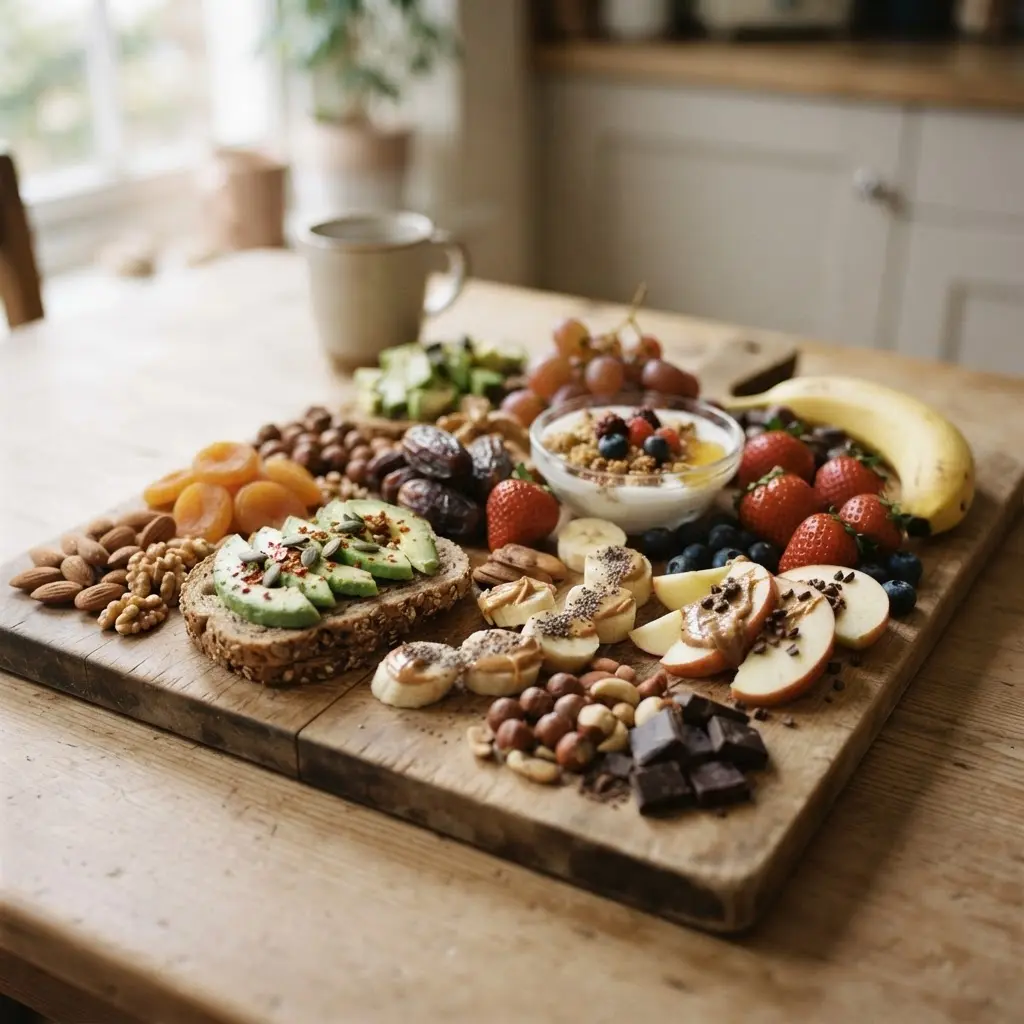
At 3 p.m., replace a sweetened soda with a cup of plain green tea. Sencha, matcha, and Gyokuro contain catechins, including EGCG. White tea, oolong tea, and black tea provide different plant compounds because each style receives different processing. Traditional tea leaves also contain caffeine, so check your preferred serving time, keeping in mind that healthy energy foods you can eat at any time extend beyond solid meals.
Choose rooibos, hibiscus, peppermint, chamomile, ginger, or turmeric for herbal infusions. Rooibos, peppermint, and chamomile are naturally caffeine-free. Hibiscus has a tart flavor, while ginger and turmeric bring warm spice. These drinks contain plant compounds such as anthocyanins, rosmarinic acid, apigenin, and curcumin. Sipping on healthy energy foods you can eat at any time, like herbal tea, adds hydration without extra sugar.
Read the ingredient list on bottled drinks, tea bags, and flavored blends. Sugar, syrup, artificial sweeteners, and added flavorings sometimes appear in products labeled by tea type. For a cold option, use sugar-free iced tea recipes and serve the finished drink without sweetener.
Research suggests unsweetened tea offers a flavorful alternative to sugar-sweetened beverages while supplying naturally occurring plant compounds. Antioxidant content does not guarantee a specific health result. Select a tea based on flavor, caffeine preference, and the ingredient list.
10. Macronutrient Balancing for Steady Daily Energy
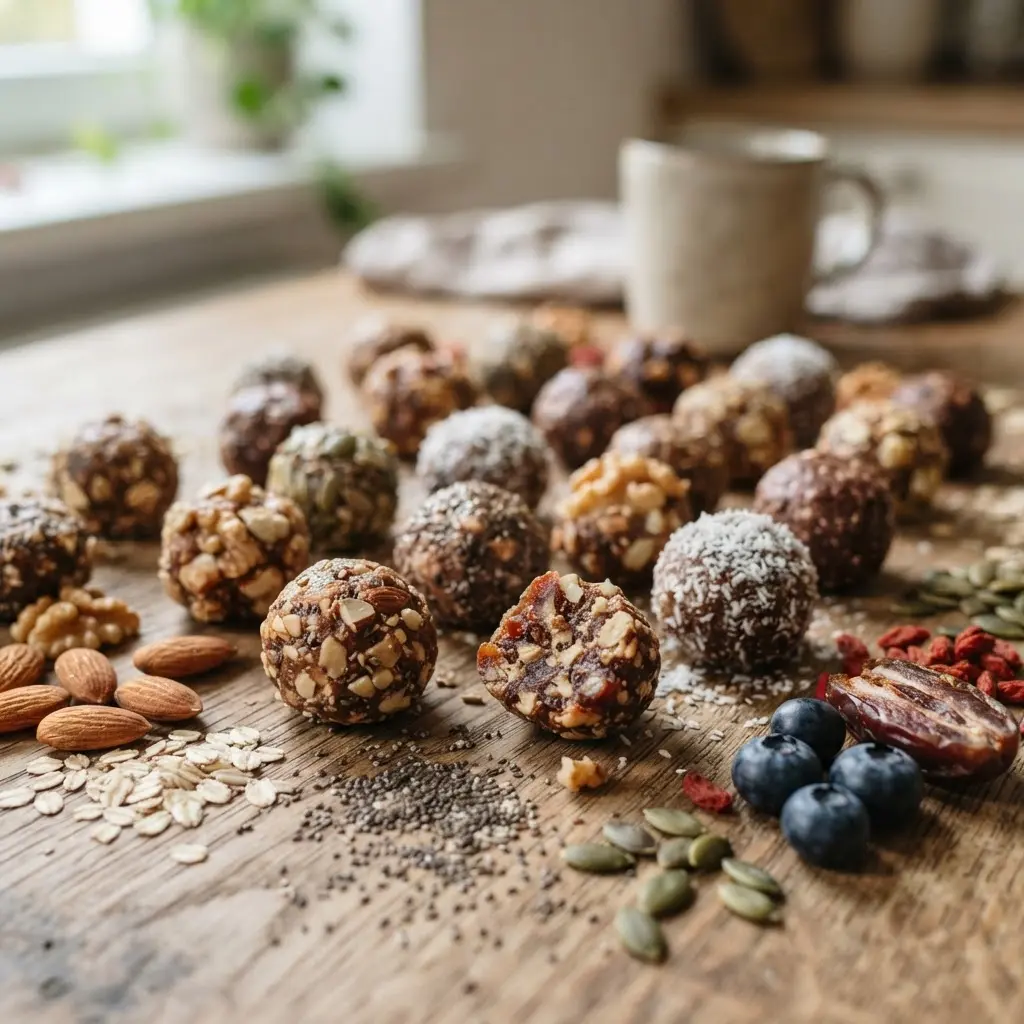
A common myth says carbohydrates should be avoided for steady energy. The truth is that complex carbohydrates provide glucose for daily activity, especially when paired with protein and fat. Choose oats, brown rice, beans, fruit, vegetables, and whole-grain bread more often than sugary drinks or white bread, as healthy energy foods you can eat at any time rely heavily on this balance.
Add a recognizable protein source to each main meal. Eggs, yogurt, fish, chicken, tofu, and beans support tissue repair and help meals feel satisfying. Include unsaturated fats from avocado, nuts, seeds, or olive oil. Fat also supports nutrient absorption and hormone production. When you explore healthy energy foods you can eat at any time, focus on this mix.
Use regular meals and snacks to avoid long gaps between eating occasions. Pair an apple with peanut butter, or serve oatmeal with berries and nuts. Drink water throughout the day, since dehydration contributes to fatigue. A broad starting range is 40–50% carbohydrates, 25–35% protein, and 20–30% fat, but personal needs vary.
Research suggests balanced meals support steadier energy than meals dominated by rapidly digested carbohydrates. Track hunger, energy, and concentration for several days to identify portions and timing suited to your routine. People with diabetes, metabolic conditions, gastrointestinal disorders, or prescribed dietary restrictions should seek individualized guidance from a qualified healthcare professional.
Safe Storage For Portable Prepared Foods
Keep an insulated lunch bag with two ice packs beside you when carrying yogurt, eggs, cut fruit, beans, or cooked grains. Perishable food needs refrigeration within two hours, or within one hour when outdoor temperatures reach 90°F (32°C). An ice pack keeps the food cold during short trips, but check its condition rather than trusting the bag alone, especially when storing healthy energy foods you can eat at any time. Store nuts, seeds, whole fruit, and sealed whole-grain crackers separately, since these foods handle room temperature better.
Use a clean container with a tight lid to prevent leaks and keep raw ingredients away from ready-to-eat snacks. Discard food left warm beyond the safe window, even if it still looks or smells fine. Wash reusable containers after each use, and dry them fully before packing another snack.
Conclusion
Your food choices affect how steady and comfortable your day feels. Meals built with a carbohydrate, protein, fiber, and healthy fat often support longer-lasting fullness and smoother energy. Healthy energy foods you can eat at any time fit into breakfast, lunch, snacks, or dinner without strict rules.
Start with one small change today. Add nuts to fruit, beans to a grain bowl, or yogurt to breakfast. Keep water nearby and notice how different meals affect your hunger and focus. You do not need to change everything at once. A few repeatable choices are easier to maintain than a strict plan. Use these ideas as a starting point, adjust portions to your needs, and choose foods you enjoy eating, focusing on healthy energy foods you can eat at any time for long-term habits. With practice, steady energy can become a natural part of your daily routine.
FAQs
Q: What foods help prevent an afternoon energy slump?
A: Choose a snack with protein, fiber, and a carbohydrate, such as yogurt with berries or hummus with whole grain crackers. Eat it before strong hunger arrives.
Q: Is fruit a good choice for steady energy?
A: Yes. Pair fruit with nuts, seeds, or plain yogurt for a more filling snack. Whole fruit also supplies water and fiber.
Q: How often should I eat for steady energy?
A: A regular meal pattern works well for many people. Eat when hunger starts, and include enough protein and fiber to support fullness.
Q: What should I drink for daytime energy?
A: Water is a strong first choice throughout the day. Milk, sparkling water, and unsweetened tea also fit into a balanced routine.
Q: Do healthy fats cause low energy?
A: Healthy fats support fullness when portions fit your needs. Choose foods such as nuts, avocado, seeds, olive oil, and fatty fish.