Transitioning Beyond Standard Dietary Substitution
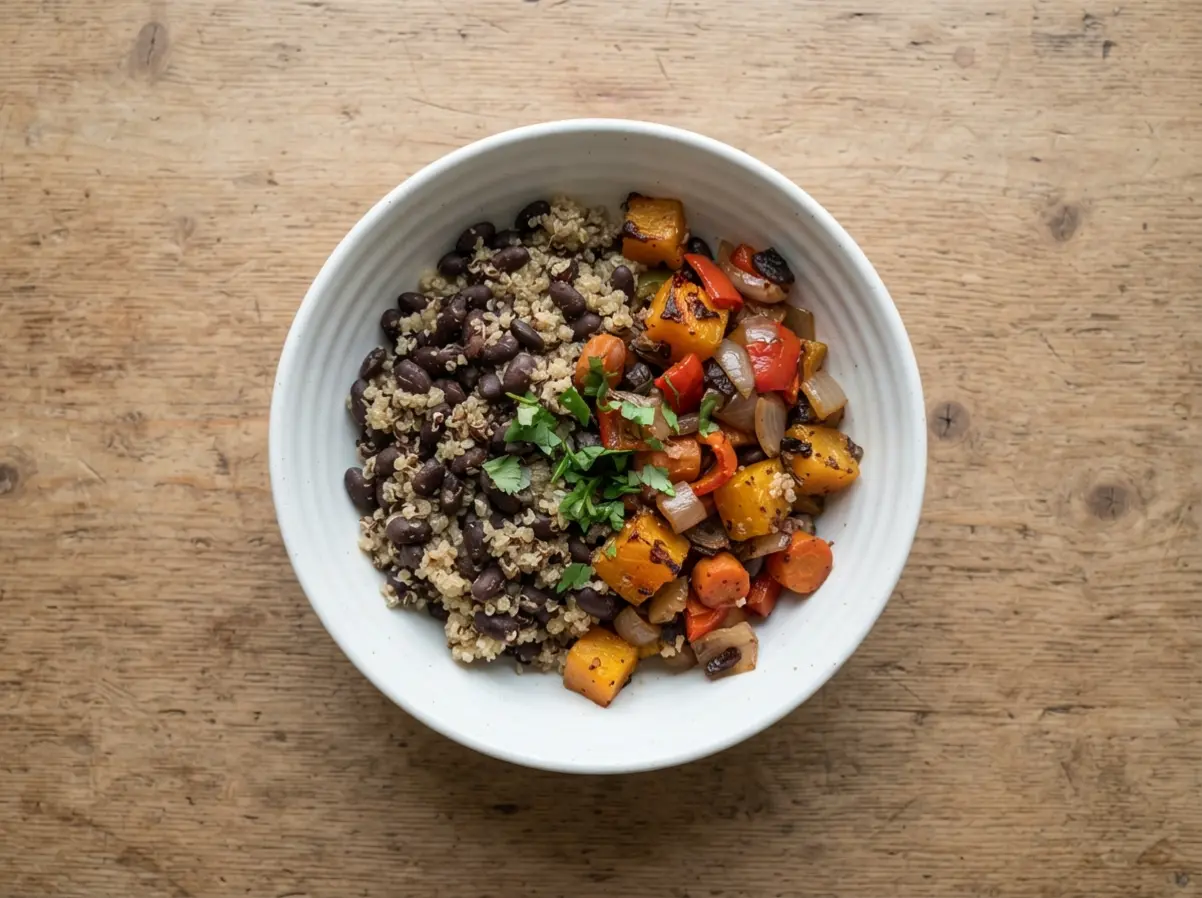
The biggest mistake beginners make is swapping chicken for a processed vegan patty and calling it a day. You need to think in terms of nutrient density, not just like-for-like food swaps. Reviewing your pantry choices first highlights things you need to know before you choose vegan diet. This means your plate should focus on whole, minimally processed foods like lentils, chickpeas, and cruciferous vegetables. These foods provide the complex carbohydrates, fiber, and protein your body needs to feel full and energized. Trust me, skipping this step and relying on mock meats can leave you feeling tired and unsatisfied. Remembering that balance aligns with things you need to know before you choose vegan diet. The good news is, a meal built around black beans and quinoa with a side of steamed broccoli gives you a far better nutritional profile than any packaged alternative.
This approach ensures you get the bioavailable nutrient density required for a successful change.
Assessing Personal Health Goals and Baseline Requirements
Before you change your first meal, you must understand your own body’s baseline needs, especially for iron and Vitamin B12. Plant-based iron, called non-heme iron, is harder for your body to absorb than the heme iron found in meat. The trick is to always pair iron-rich foods like spinach or lentils with a source of Vitamin C, like bell peppers or citrus, to boost absorption significantly. Tracking that pairing strategy is one of the things you need to know before you choose vegan diet. For B12, the reality is that unfortified plant foods do not provide enough, so a reliable supplement is non-negotiable for long-term health. You also want to consider your sources of omega-3 fatty acids, which are crucial for brain function. Adding ground flaxseed to your morning oatmeal or considering an algae-based supplement covers this essential base. Planning with these specific nutrient profiles in mind prevents the fatigue many new vegans experience, which sits at the core of things you need to know before you choose vegan diet.
1. Essential B12 Supplementation — A Non-Negotiable Protocol
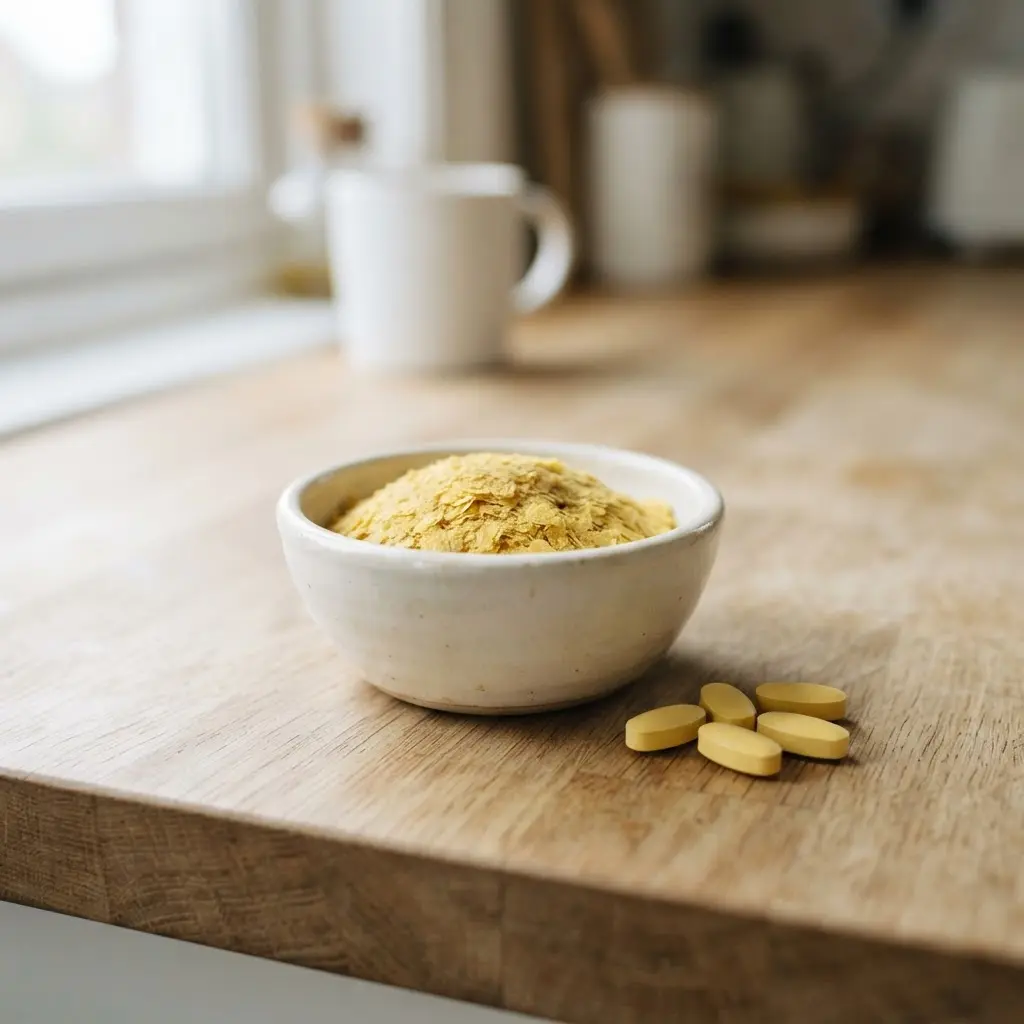
A common mistake is believing fermented foods or spirulina provide sufficient B12. These sources contain inactive analogues that do not work in the human body and can block real B12 absorption. Spotting those false claims matches things you need to know before you choose vegan diet. Vitamin B12 is critical for nerve function, red blood cell formation, and DNA synthesis.
It is found almost exclusively in animal products. A strict plant-based diet provides none without fortified foods or a dedicated B12 supplement. Deficiency develops slowly over years but can cause permanent nerve damage and anemia. Logging your intake early covers things you need to know before you choose vegan diet. This matters because B12 supports your energy levels, cognitive health, and long-term cardiovascular function.
Always consult a healthcare professional before making changes to your health routine. Planning your intake carefully matters, as you will need to understand essential vegan dairy substitutes which are often fortified with this nutrient. Checking those labels supports things you need to know before you choose vegan diet.
2. Plant-Based Iron Absorption — Pairing for Better Uptake
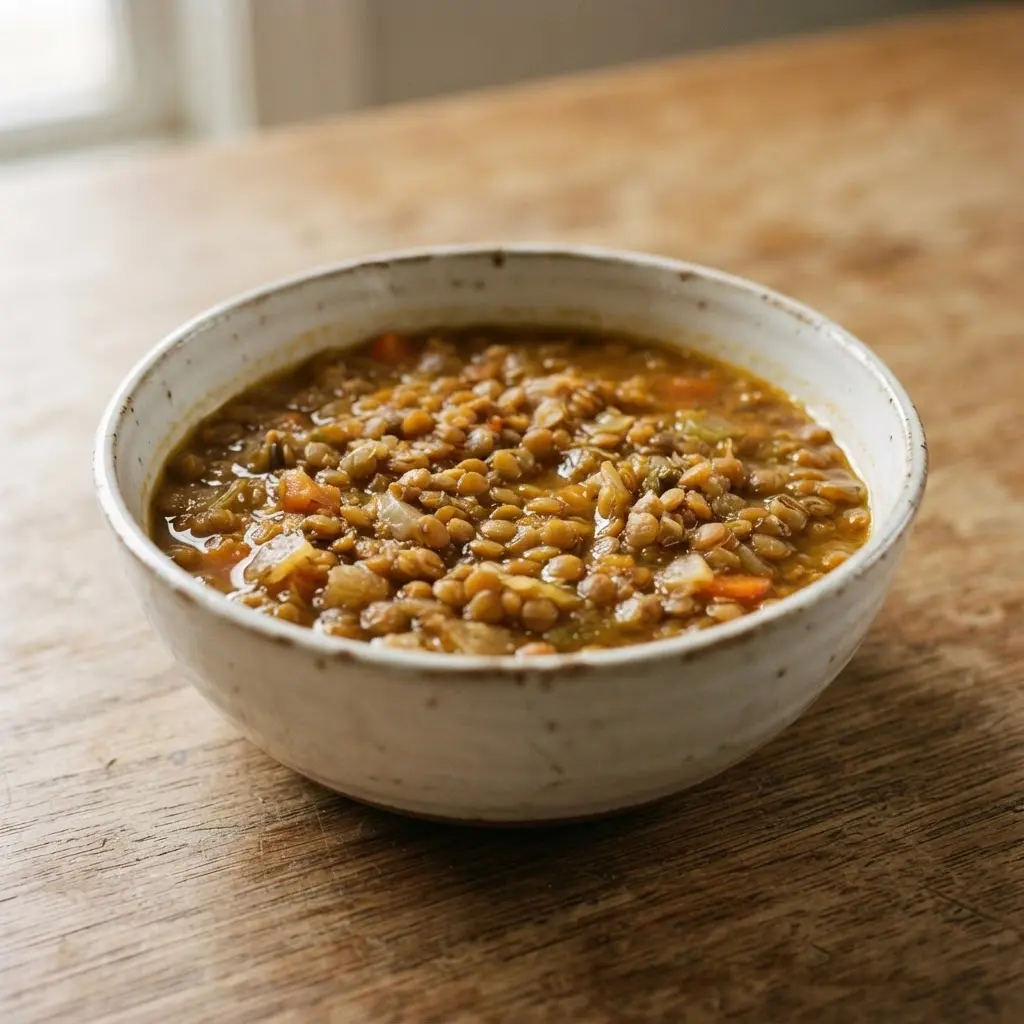
Pair your iron-rich plant foods with a source of vitamin C at every meal. Non-heme iron from plants is less readily absorbed than the iron from animal products. Mastering that daily combination reflects things you need to know before you choose vegan diet. Vitamin C converts it into a form your body can use much more efficiently.
Add bell peppers to a lentil stew or squeeze lemon juice over a spinach salad. You can also incorporate foods high in beta-carotene, like sweet potatoes or carrots. These strategies directly counteract natural inhibitors found in grains and legumes. Trying those recipes early aligns with things you need to know before you choose vegan diet. Research demonstrates this pairing can increase iron absorption several-fold.
A simple step like including a side of strawberries with your oatmeal makes a significant difference for your energy and overall health. For a morning start, explore some delicious vegan breakfast ideas that naturally combine these nutrients. Scouting those morning bowls covers things you need to know before you choose vegan diet.
3. Complete Protein Sources — Building Blocks from Plants
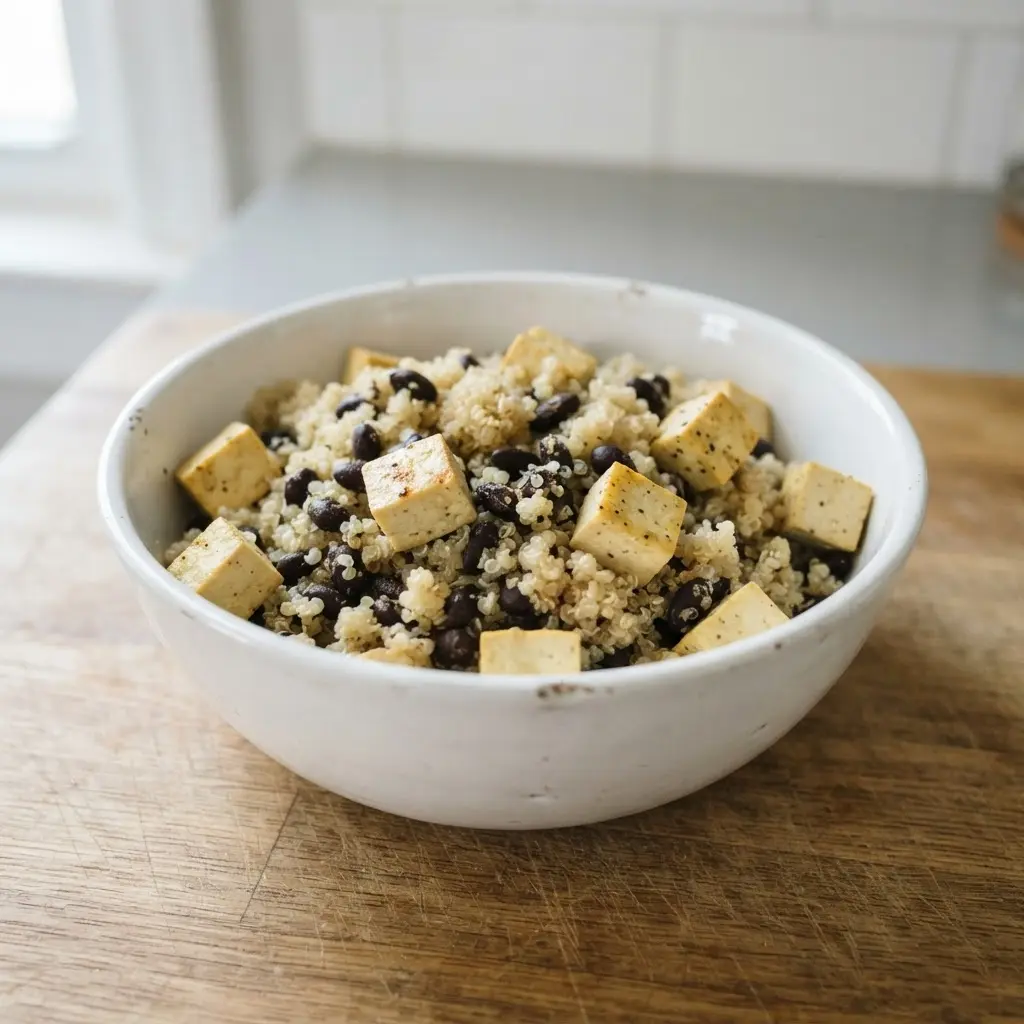
You are preparing a lunch of rice and vegetables, and you wonder if you are missing a key nutrient. Plant-based complete proteins exist, and they provide all nine essential amino acids your body cannot make. Checking protein scores hits things you need to know before you choose vegan diet. Quinoa is a notable example, offering around eight grams of protein per cooked cup. Soy foods like tofu and tempeh are also reliable sources.
A varied plant-based diet consumed over the course of a day supplies the full spectrum of essential amino acids. Your body maintains an amino acid pool, drawing from different meals. This fact corrects the outdated idea that you must combine specific foods, such as rice and beans, at every meal. Tracking that daily pool touches on things you need to know before you choose vegan diet. Consuming these proteins supports muscle repair, immune function, and healthy skin.
You can easily incorporate these foods into your daily meals for balanced nutrition. A good first step is learning about finding healthy meat substitutes to expand your cooking options. Adding those swaps fits inside things you need to know before you choose vegan diet.
4. High Fiber Transition — Gentle Adjustments for Your Gut
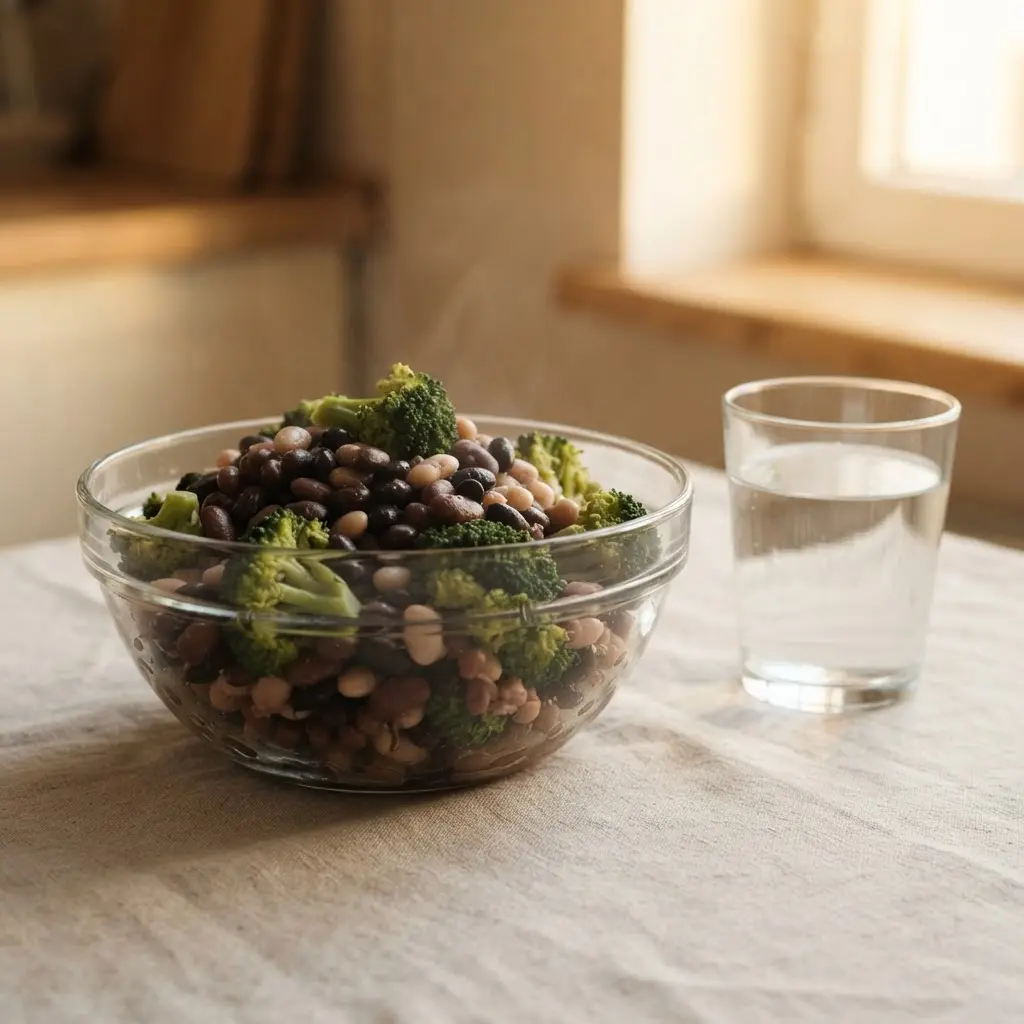
A common belief is that any digestive discomfort means a high-fiber diet is not for you. The truth is that discomfort usually signals an increase that is too rapid. Giving that transition time ranks high among things you need to know before you choose vegan diet. Your gut microbiome needs time to adapt to the new fiber load.
Start by adding only three to five grams of fiber per day for the first two weeks. Measuring that slow increase matches things you need to know before you choose vegan diet. Increase your water intake by two or three extra glasses daily. Fiber absorbs water, and insufficient fluid can worsen constipation.
Spread your fiber intake evenly across meals instead of consuming a large amount at once. Research suggests this gradual method prevents gas and bloating, making long-term dietary change more sustainable. Lightly cooking vegetables like broccoli or carrots can also ease initial digestion for some individuals. To support your protein intake as you adjust, learn how to incorporate high-protein superfoods into your meals, which connects back to things you need to know before you choose vegan diet.
5. Optimal Omega-3 Sources — Focusing on Algae

How do you get the important EPA and DHA Omega-3s directly from plants? Finding direct oil sources sits within things you need to know before you choose vegan diet. The answer is algae.
Algae produce these long-chain fatty acids naturally. This bypasses the body’s inefficient conversion from ALA found in flax or chia seeds. The most practical way to include them is through algae oil supplements. For general health, a daily dose of 250 to 500 mg of combined EPA and DHA is a common target. This direct source matters because it ensures reliable intake of these essential nutrients without relying on fish, which fulfills things you need to know before you choose vegan diet.
It also avoids potential contaminants like mercury. To ensure purity and correct dosage, look for products with third-party certifications. Always consult a healthcare professional before making changes to your health routine. For foundational support, build your diet around a list of healthy foods to eat daily, keeping in mind things you need to know before you choose vegan diet.
6. Calcium-Rich Plant Foods — Beyond Dairy

You do not need essential vegan dairy substitutes your calcium needs. Meeting that mineral goal sits inside things you need to know before you choose vegan diet. Many plant-based foods provide excellent amounts of this essential mineral, often with added fiber and other nutrients. Building that daily foundation covers things you need to know before you choose vegan diet.
To build a strong foundation, include a variety of these foods daily. For example, one cup of cooked collard greens offers about 268 milligrams of calcium. A half-cup of calcium-set tofu can provide 200 to 400 milligrams. Checking those portions matches things you need to know before you choose vegan diet. When selecting fortified plant milks or juices, shake the container well before pouring, as the calcium can settle.
Always read the labels to confirm the actual calcium content, as fortification levels vary widely. Research confirms that a diverse plant-based diet supports bone health effectively. A practical takeaway is to rotate your sources, such as having tahini one day and fortified almond milk the next, to ensure consistent intake, which reflects things you need to know before you choose vegan diet.
7. Caloric Density Management — Ensuring Enough Energy
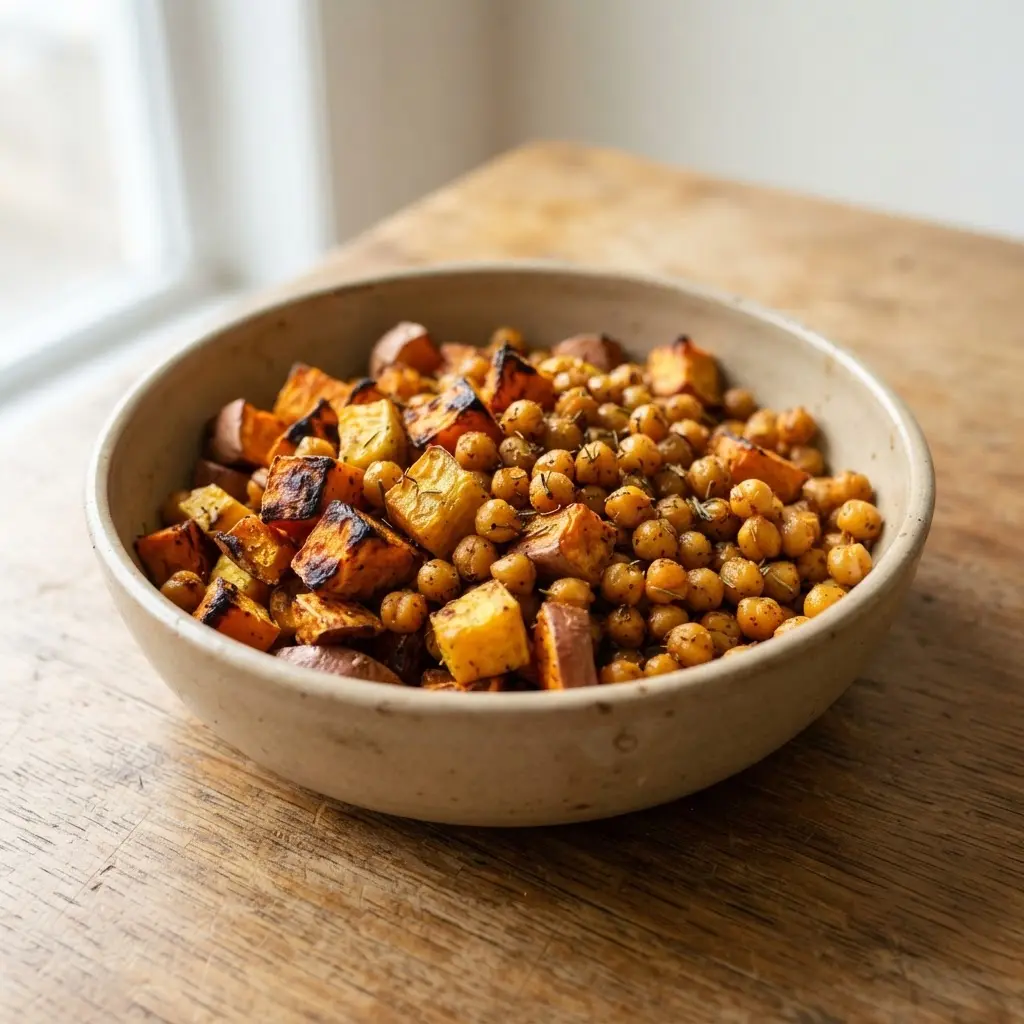
A common mistake is thinking all high-calorie foods are unhealthy. Many, like nuts and seeds, are nutrient-dense powerhouses essential vegan dairy substitutes balanced vegan diet. Tracking those energy numbers covers things you need to know before you choose vegan diet. Caloric density management means selecting foods based on their calorie concentration to meet your energy needs. Adjusting your portions aligns with things you need to know before you choose vegan diet. For weight management or increased satiety, prioritize low-calorie-dense foods like non-starchy vegetables and fruits.
These foods have high water and fiber content, allowing for larger, filling portions with fewer calories. For weight gain or high energy demands, incorporate more healthy fats and dense carbohydrates. Research suggests this strategy is crucial for preventing unintended weight loss and ensuring adequate energy on a vegan diet. Watching your daily totals is one of the things you need to know before you choose vegan diet. Always consult a healthcare professional before making changes to your health routine.
8. Vitamin D Status — Sunlight and Supplement Monitoring

Get an annual blood test to check your 25‑hydroxyvitamin D levels. Logging those results tracks things you need to know before you choose vegan diet. This is the only reliable way to know your status, as dietary sources are limited. The target range for most people is between 20 and 50 ng/mL.
Sunlight exposure is not a consistent source for everyone. Latitude, skin tone, and sunscreen use all affect production. Aim for 10 to 30 minutes of midday sun a few times weekly during summer if possible, but do not rely on it. Securing that daily dose supports things you need to know before you choose vegan diet. For reliable intake, use a lichen‑derived D3 supplement. Research suggests D3 is more effective than plant‑based D2 at raising blood levels.
Adequate vitamin D is non‑negotiable for bone health and immune function. Always consult a healthcare professional before making changes to your health routine. For dietary support, learn about the benefits of including spinach and other fortified foods, which adds to things you need to know before you choose vegan diet.
9. Healthy Carbohydrate Choices — Whole Grains and Starchy Veggies
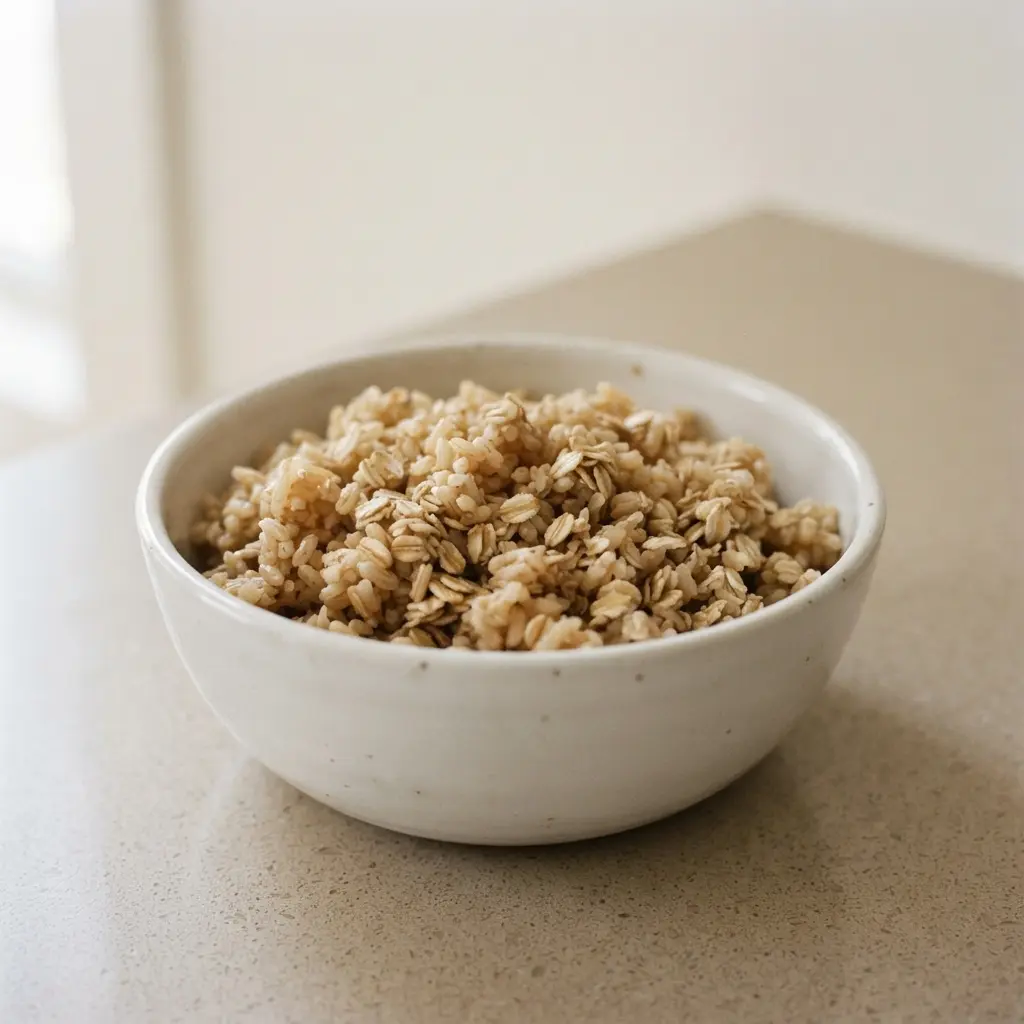
You finish a bowl of white pasta and feel a burst of energy, only to be tired and hungry again an hour later. The problem is not carbohydrates themselves, but the type you choose. Whole grains and starchy vegetables are complex carbohydrates. Watching how they digest touches on things you need to know before you choose vegan diet. They break down slowly, providing steady fuel and keeping you full for hours.
Always look for 100% whole wheat or whole grain as the first ingredient on bread and pasta. For sustained energy, swap white rice for brown rice or quinoa. Include sweet potatoes or peas with your meals. These foods are rich in fiber and essential B vitamins, which support energy metabolism and digestive health.
Research consistently links these foods to better blood sugar control and a lower risk of heart disease. A diet rich in varied whole grains also supports a healthy gut microbiome. For a nutrient-dense addition to your meals, learn about the health benefits of mushrooms. Do not fear these carbohydrates. Embracing those grains fulfills things you need to know before you choose vegan diet.
They are a foundational part of a balanced vegan diet.
10. Vegan Label Reading — Key Skills for Smart Shopping

A common belief is that a product labeled “plant-based” is automatically vegan. This is not always true. The most reliable source of information is the ingredient list. Scanning every package highlights things you need to know before you choose vegan diet. You must learn to scan it for both obvious and hidden animal products.
Obvious items include milk, eggs, honey, and gelatin. More hidden ones are ingredients like casein, whey, and carmine. Many people find that lactic acid or mono- and diglycerides can be ambiguous unless specified as plant-derived. This skill matters because it ensures your food purchases align with your dietary restrictions. A practical takeaway is to prioritize products with a certified vegan label from a recognized organization, as these are independently verified. For instance, when choosing a protein source like beans, knowing the benefits of black beans can help you make a nutritious, plant-based selection with confidence.
11. Practical Batch Cooking — Simple Strategies for Busy Weeks
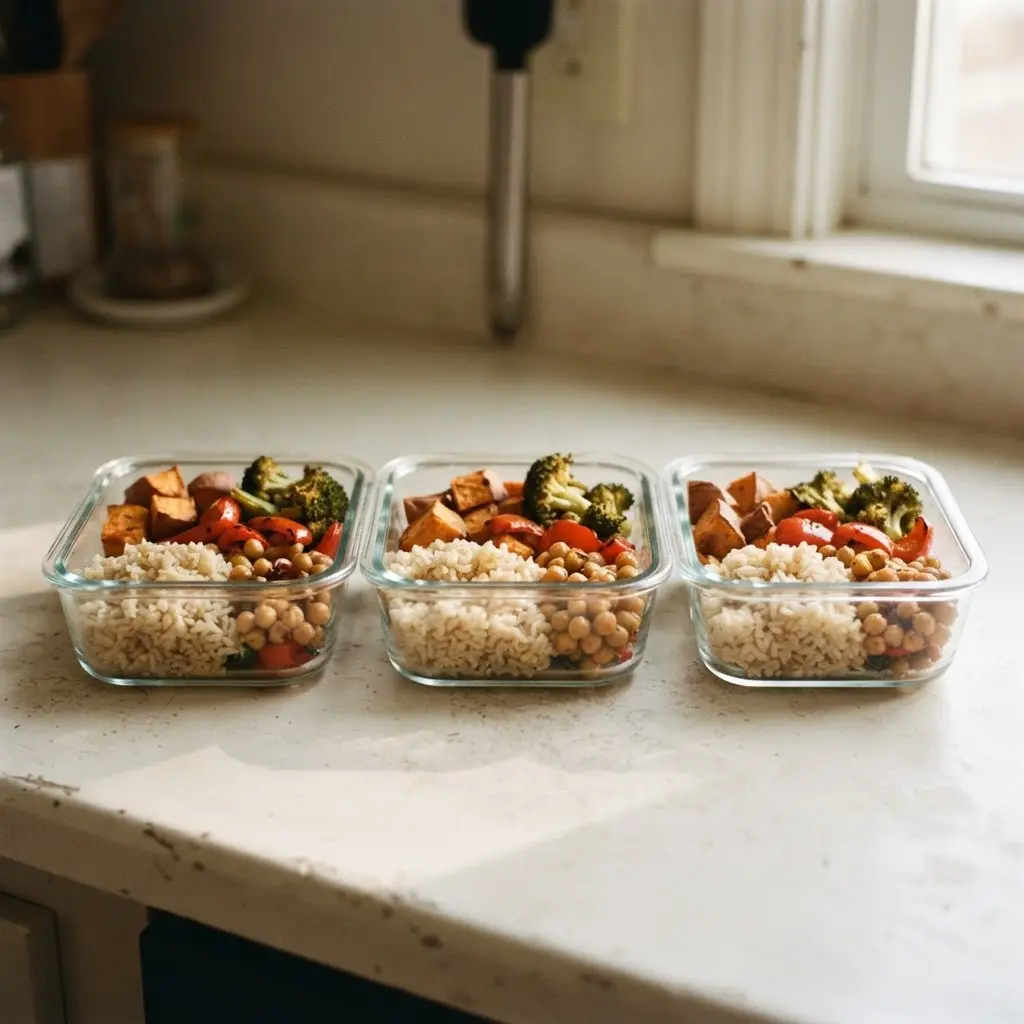
How do you avoid the daily scramble to prepare a healthy vegan meal? A dedicated batch cooking session is the answer. Planning those sessions matches things you need to know before you choose vegan diet. Block out a specific two to four hour period each week to prepare large quantities of versatile components like grains, legumes, and roasted vegetables.
Portion them into airtight glass containers for storage in your refrigerator or freezer. This approach saves you significant time on busy weeknights. It also supports healthier eating by giving you full control over ingredients and portion sizes. Many people find this method reduces the stress of daily meal decisions. For optimal nutrition, incorporate ingredients with specific health advantages into your weekly prep. Learn about the benefits of eating walnuts as a versatile topping or snack ingredient to enhance your meals. Adding those nuts quickly covers things you need to know before you choose vegan diet.
12. Sustainable Sourcing — Finding Local and Seasonal Produce
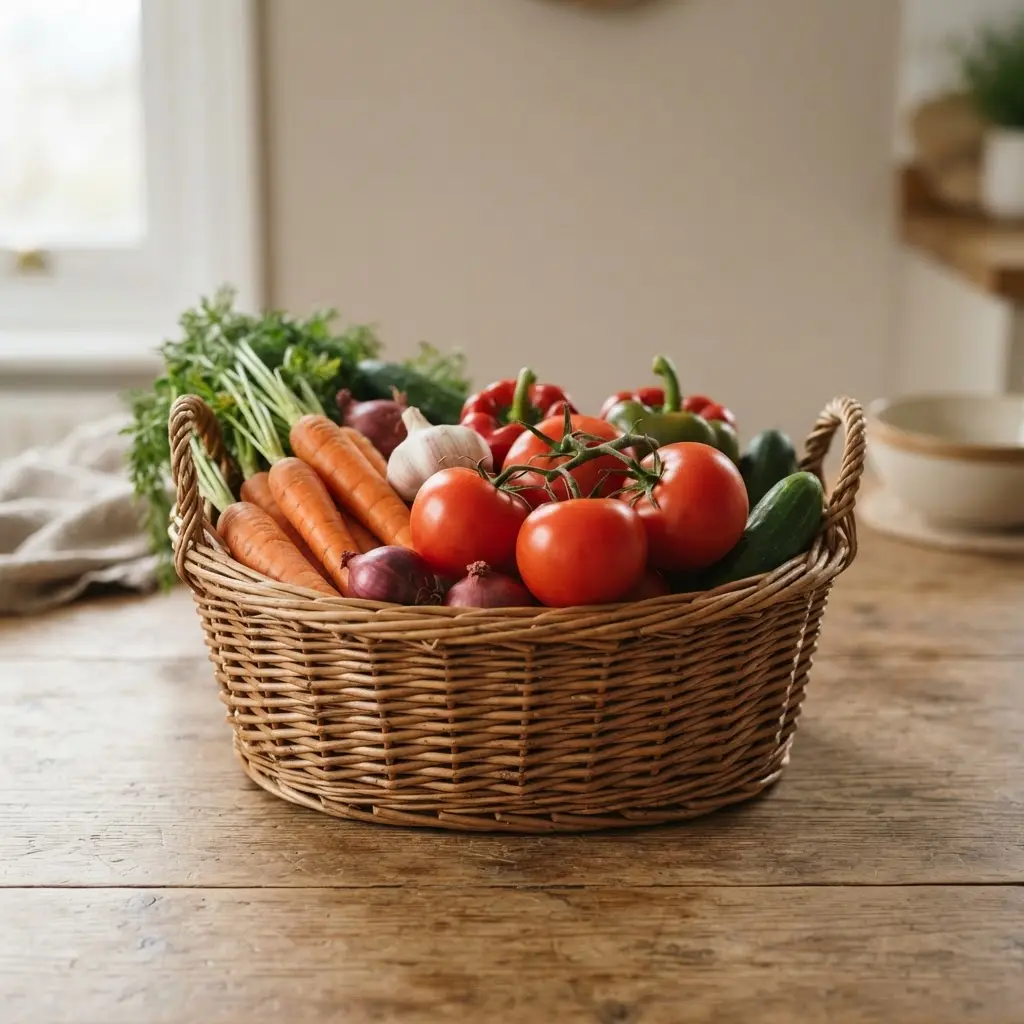
Choosing produce grown nearby during its natural season is better than buying the same item shipped across the globe. This approach drastically reduces food miles and the associated carbon emissions. Tracking those distances matters to things you need to know before you choose vegan diet. It also supports local farmers who are more likely to use sustainable methods like crop rotation. These practices build soil health and protect biodiversity.
Seasonal fruits and vegetables are harvested at peak ripeness. This results in superior flavor and a higher concentration of nutrients compared to produce picked early for transport. Many people find this food simply tastes fresher and more satisfying. To start, visit a farmers market and ask what is currently in season. Understanding the local growing calendar is essential for making these choices consistently. For instance, learning about the health benefits of garlic can motivate you to seek out fresh, locally grown bulbs when they are harvested.
Establishing Long Term Nutritional Monitoring Protocols
Think of going vegan not as a temporary diet but as a systematic change that requires a new way of monitoring your health. You will want to get a blood test about six months after starting to check your levels for key nutrients like B12, iron, and Vitamin D. This gives you concrete data instead of guessing how you feel. Keep a simple food journal for a week every few months to spot any gaps in your eating patterns, like consistently skipping a protein source at lunch. Learning to read nutrition labels becomes second nature, helping you choose fortified plant milks or cereals that support your goals. This proactive habit ensures you maintain macronutrient balance and energy over years, not just weeks. Regular check-ins are your best tool for making this a sustainable, healthy lifestyle change.
Conclusion
Starting a vegan diet is a meaningful step, and getting your nutrition right from the beginning sets you up for long-term energy and health. Remember, it is about adding in nutrient-rich foods, not just taking things out. Take it one step at a time, perhaps beginning with one fully plant-based day a week while you learn new recipes and shopping habits. Review your notes, as they hold things you need to know before you choose vegan diet. Listen to your body and consider talking to a healthcare provider about a blood test to check your levels after a few months. Choosing a vegan diet is a personal journey, and having this foundation makes it a joyful and sustainable one. Your plate can be colorful, satisfying, and full of everything you need to thrive.
FAQs
Q: Do I need to take a B12 supplement on a vegan diet?
A: Yes, a B12 supplement is necessary. This vitamin is not reliably found in plant foods. A daily supplement or fortified foods help prevent deficiency and support nerve and blood health.
Q: How can I get enough protein without meat?
A: Protein comes from many plant sources. Eat a variety of foods like lentils, tofu, tempeh, beans, nuts, and whole grains throughout the day. Combining different sources helps you get all the essential amino acids.
Q: Will I get enough iron from plants?
A: Plants contain iron, but your body absorbs it better with vitamin C. Pair foods like spinach or lentils with citrus fruits, tomatoes, or bell peppers. Cooking in a cast-iron pan can also add some iron to your food.
Q: Is a vegan diet more expensive?
A: It does not have to be. Focus on whole foods like beans, lentils, grains, and seasonal produce. These staples are often affordable. Planning meals and buying in bulk can help keep costs down.
Q: What is the hardest part about starting a vegan diet?
A: For many people, the initial planning and learning new recipes is the biggest step. Start slowly, find a few meals you enjoy, and focus on adding nutritious foods. Your tastes and cooking confidence will grow with time.