If meal planning feels tiring or food choices feel confusing, you are in the right place. I will walk you through simple ways to fill your plate, plan a few meals, enjoy treats, drink more water, and eat with greater awareness, because Easy to follow healthy dieting tips simplify daily choices. You will also see how sleep, movement, and support from others fit into daily health, making Easy to follow healthy dieting tips a natural part of your week. Lets keep the steps practical, flexible, and friendly to your real life. Start with one idea today, then build from there.
Budget-Friendly Ingredient Planning
Frozen vegetables cost less than many fresh options and still provide useful fiber and vitamins. Use a weekly meal plan built around beans, lentils, eggs, oats, brown rice, and seasonal produce to lower grocery costs without losing balance, which aligns with Easy to follow healthy dieting tips.
Compare the price per serving, not the package price, since larger bags often reduce waste when your household eats them regularly. Store carrots, cabbage, apples, and onions because they last longer than delicate greens, a habit that fits Easy to follow healthy dieting tips.
A short grocery list keeps impulse snacks from filling your cart. Choose store-brand plain yogurt, tomatoes packed without added sugar, and dried beans when cooking time allows. Keep one flexible low-cost meal for busy nights so takeout does not erase your food budget, reflecting Easy to follow healthy dieting tips.
Handling Social Meals And Setbacks
Checking a restaurant menu before leaving home helps you choose a balanced meal without ordering from hunger, a tactic that matches Easy to follow healthy dieting tips. When friends share dishes, place vegetables, protein, and whole grains on your plate before taking richer foods.
Ask for sauces on the side, then taste your meal before adding more salt or dressing. At gatherings, one dessert portion fits better when you eat slowly and keep water beside your plate, following Easy to follow healthy dieting tips.
A missed meal or snack does not cancel your progress, so return to your pattern at the next meal instead of restricting food. Tell hosts about allergies or medical needs early, since hidden ingredients and cross-contact create risks, though Easy to follow healthy dieting tips still guide your choices. Social eating works smoothly when you focus on conversation, pause between servings, and accept a celebration has little effect on long-term habits.
1. Whole Food Selection Principles for Everyday Meals
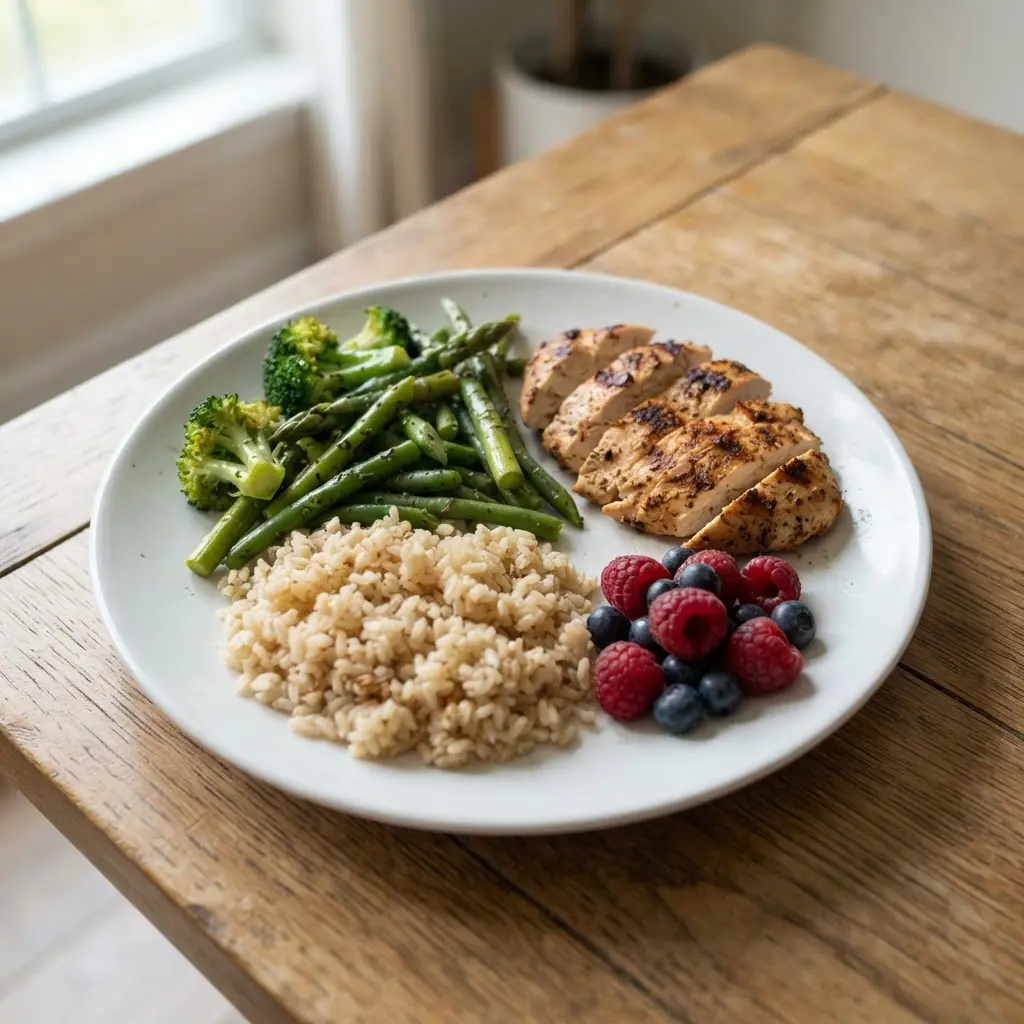
Many people mistake packaged food for unhealthy food and reject frozen vegetables. Choose plain frozen produce instead. Frozen fruit and vegetables without sauces or added sugar retain a useful place in everyday meals, and Easy to follow healthy dieting tips confirm this approach.
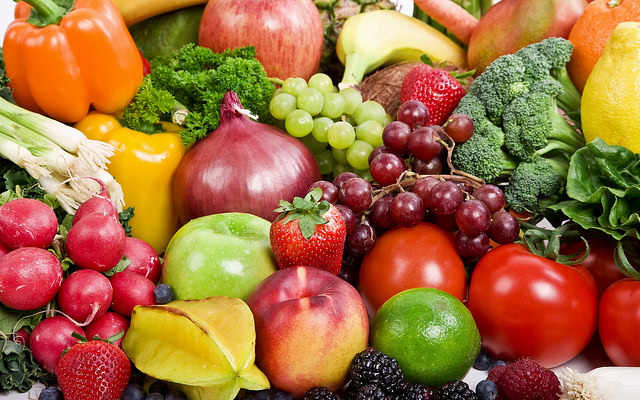
Build each plate in a simple order. Start with colorful produce, then add brown rice, quinoa, oats, or whole-wheat bread. Include fish, poultry, beans, lentils, tofu, or tempeh for protein. Finish with avocado, nuts, seeds, or olive oil. Research suggests a varied mix of nutrient-dense foods makes balanced eating easier and broadens nutrient intake. Use water as the usual beverage, especially in place of soda or sweetened juice, which reflects Easy to follow healthy dieting tips.
Read labels on bread, cereal, canned goods, sauces, and dressings. Check for whole grain as the first ingredient, then compare added sugar and sodium. Limit processed meats. Meal planning and advance preparation make affordable healthy food choices easier to keep ready during busy days. Choose seasonal produce when price and flavor matter. A practical plate does not need costly specialty foods, proving that Easy to follow healthy dieting tips rely on smart habits rather than expensive buys.
2. Consistent Hydration Strategies for Steady Daily Intake
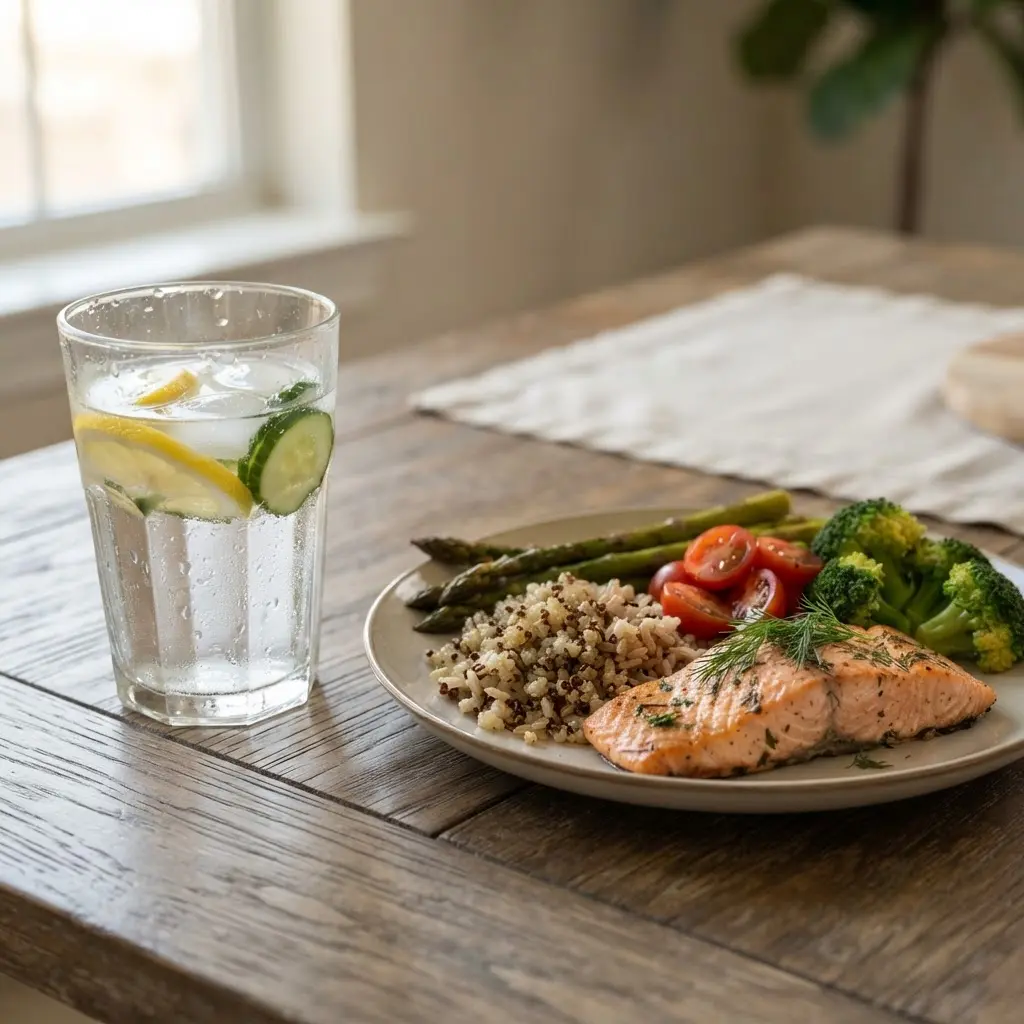
Start each morning with a glass of water before coffee or tea. Link another glass to breakfast, lunch, and dinner, then drink before, during, and after exercise. Regular cues spread fluid intake across the day instead of leaving you to drink a large amount at once, matching Easy to follow healthy dieting tips.
Keep a reusable bottle beside your desk and set an alarm every two to three hours. Marked bottles and a simple log make progress easier to see. Add lemon, cucumber, berries, or mint when plain water feels unappealing. Include water-rich foods such as watermelon, strawberries, cucumber, and celery. Research suggests routine cues make regular drinking easier for many people, and these Easy to follow healthy dieting tips support daily hydration.
Respond to thirst and adjust intake for heat, activity, diet, and health status. Increase intake gradually when your current routine is low. Avoid a large drink before bed because night-time bathroom trips often interrupt sleep. A small glass suits some people. Always consult a healthcare professional before making changes to your health routine, while keeping Easy to follow healthy dieting tips in mind.
3. Mindful Eating Practices for Greater Meal Awareness
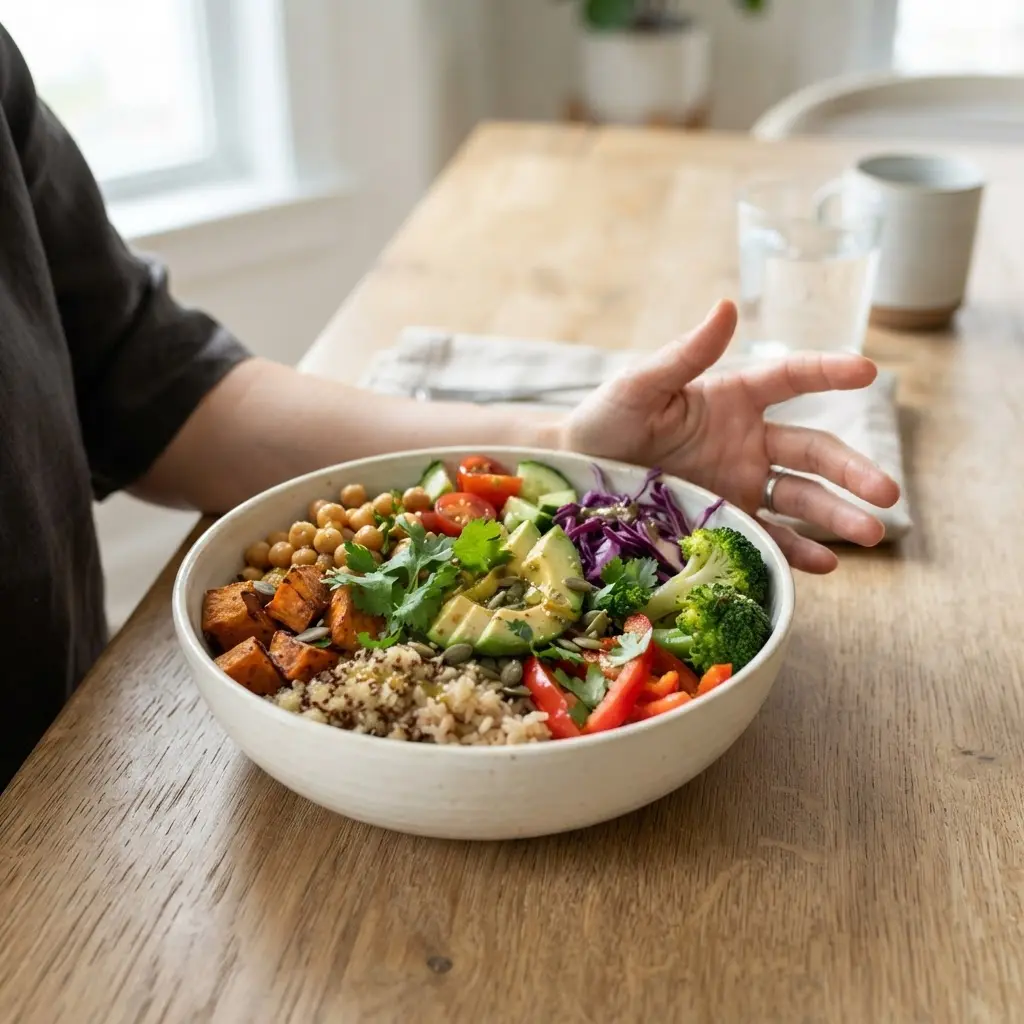
At 7:30 p.m., pause before eating dinner, especially after a rushed workday. Put your phone away and set one clear intention, such as noticing flavor or checking physical hunger. A brief pause interrupts automatic eating, and Easy to follow healthy dieting tips encourage this quiet moment.
Eat at a calm table and focus on one activity. Notice the food’s color, aroma, texture, and flavor. Take smaller bites, chew thoroughly, and place your fork down between bites. Name the tastes as they change, including sweet, sour, salty, bitter, or umami. Remove distractions before the first bite, which matches Easy to follow healthy dieting tips.
Check your body during the meal, not only at the end. Ask whether hunger, boredom, stress, or routine is guiding each bite. Continue while physical hunger remains, then pause when your stomach feels comfortably full. Do not treat unfinished food as a failure, and remember Easy to follow healthy dieting tips support gentle habits.
Notice fullness cues without judgment. Research suggests mindful eating increases awareness of eating patterns and helps separate emotional eating from physical hunger, which makes Easy to follow healthy dieting tips highly effective. Greater attention also gives flavor and nourishment more space during meals. Practice with one meal each day, then extend the habit as focusing becomes easier. Repeat the practice without expecting perfect attention every time.
4. Visual Portion Control Methods Using the Plate Method
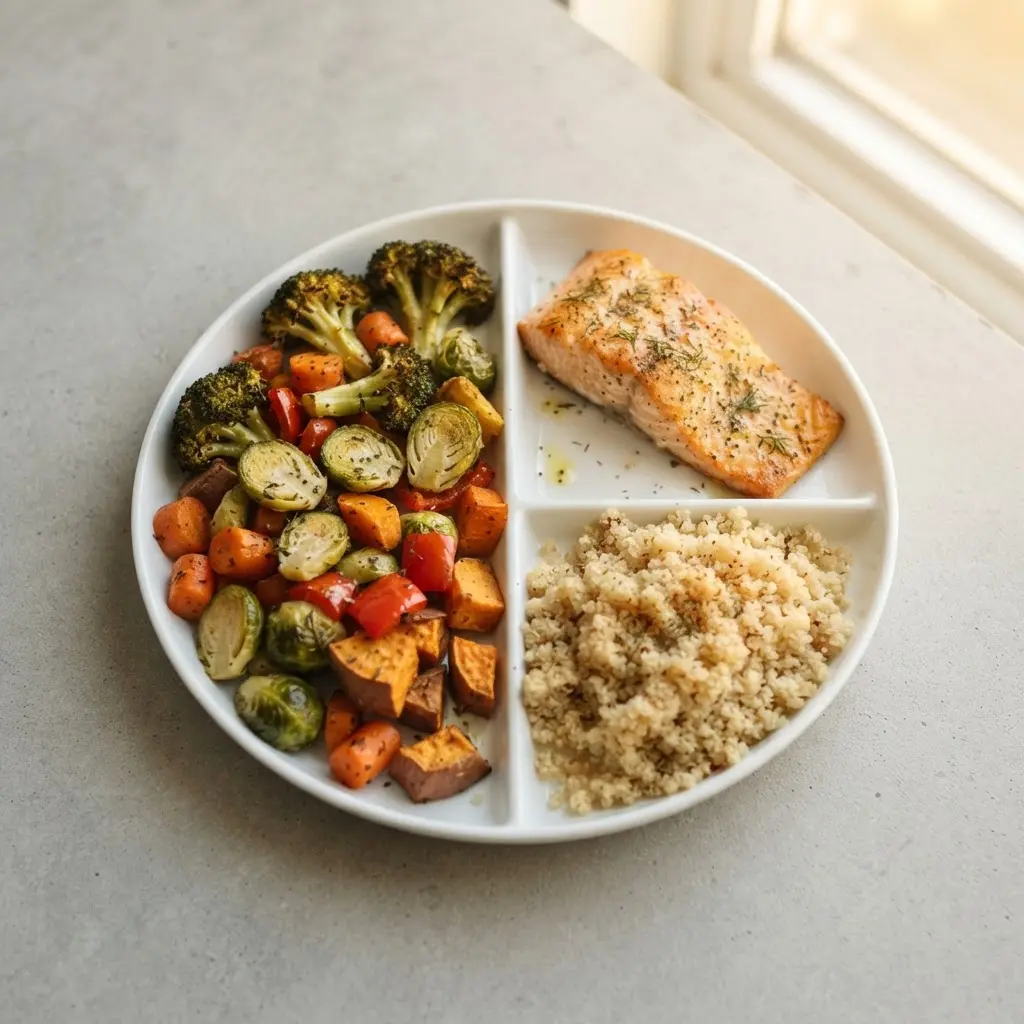
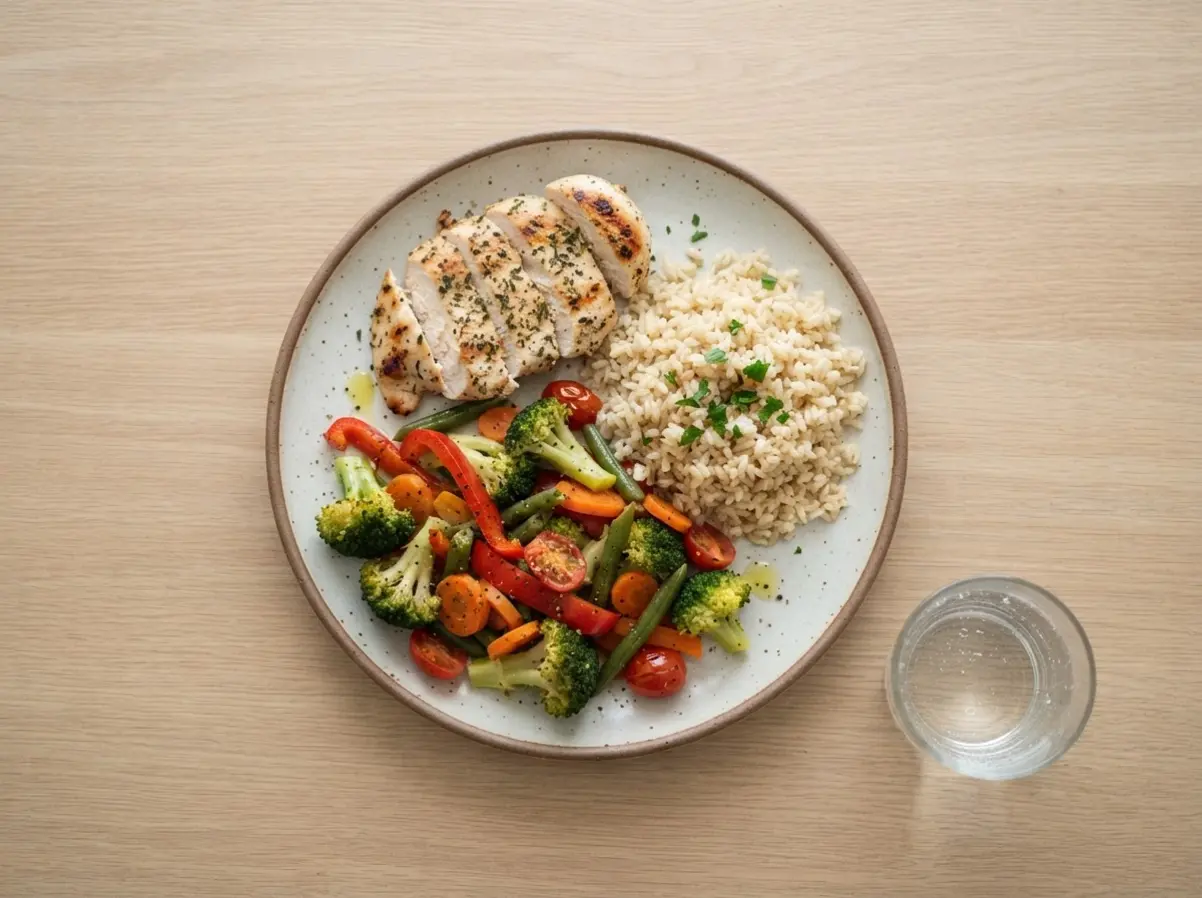
Healthy meals do not require weighing every ingredient or counting each calorie. The Plate Method uses a standard 9-inch plate to set visual proportions. Fill half with non-starchy vegetables, such as broccoli, spinach, carrots, or peppers, applying Easy to follow healthy dieting tips. Divide the remaining half into two quarters.
Place lean protein in one quarter and brown rice, quinoa, sweet potato, or whole-wheat pasta in the other. Start with a standard 9-inch plate to create a consistent guide at home or while eating out. This method embodies Easy to follow healthy dieting tips for visual tracking.
Build each meal by choosing several vegetable colours first. Add chicken breast, fish, beans, or tofu for protein. Protein supports fullness and muscle maintenance. Complex carbohydrates provide energy, while vegetables add fibre, vitamins, and minerals. Add a small amount of healthy fat and drink water with the meal, a step that reinforces Easy to follow healthy dieting tips. Many people find visual portion guides easier to follow than detailed food records because the meal structure appears at a glance.
Prioritise vegetable variety across meals rather than relying on one type. Do not treat any section as unlimited. Carbohydrate foods still need portion awareness, and the largest section belongs to vegetables, not pasta, rice, or potatoes, keeping Easy to follow healthy dieting tips in focus. Keep the protein quarter in place rather than building a meal around starch alone. Adapt the guide to cultural foods and dietary preferences while keeping the same visual balance. Check the plate before eating to correct oversized starch portions or missing protein.
5. Weekly Meal Planning Logistics for Busy Households
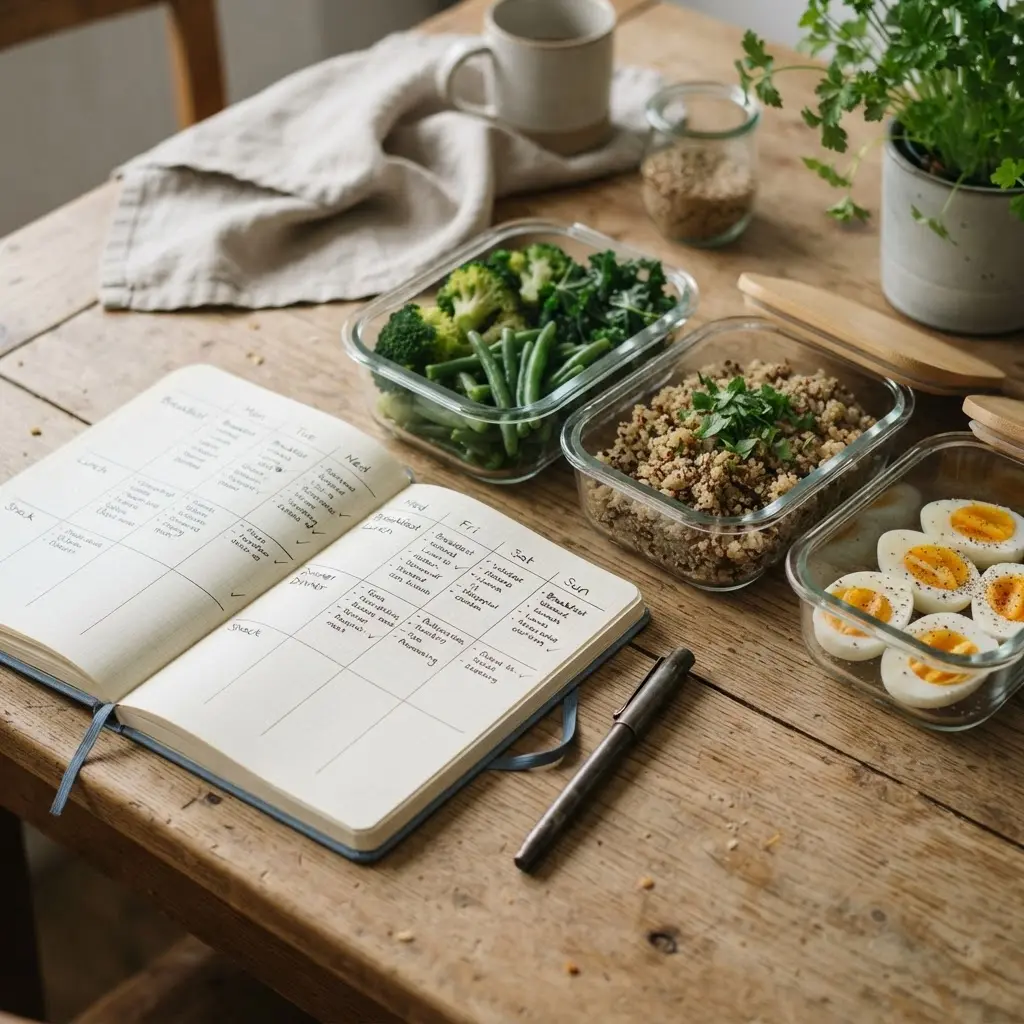
How do you plan healthy meals when every evening feels full? Schedule a weekly planning session for 20 to 30 minutes, then match each meal to the household calendar, following Easy to follow healthy dieting tips. Place quick meals on late activity nights and reserve longer cooking for a less crowded evening.
Check the pantry, refrigerator, and freezer before writing a categorized grocery list. Choose a few simple meals with shared ingredients, such as roasted vegetables for dinner and grain bowls for lunch. Assign leftovers to a specific day, and prepare useful parts, including chopped produce, cooked grains, or portioned proteins, during one calmer period. A shared digital calendar also shows who shops, cooks, or handles cleanup.
Keep one backup meal ready for schedule changes, because Easy to follow healthy dieting tips always include a fallback option. Eggs on toast, soup from the freezer, or a no-cook bean salad prevents a missed meal from turning into an unplanned choice. Research suggests meal planning reduces daily decisions and supports more consistent home-prepared eating. Review fresh foods mid-week and adjust the plan rather than forcing a meal after ingredients have spoiled.
6. Processed Food Reduction Techniques for Simple Swaps
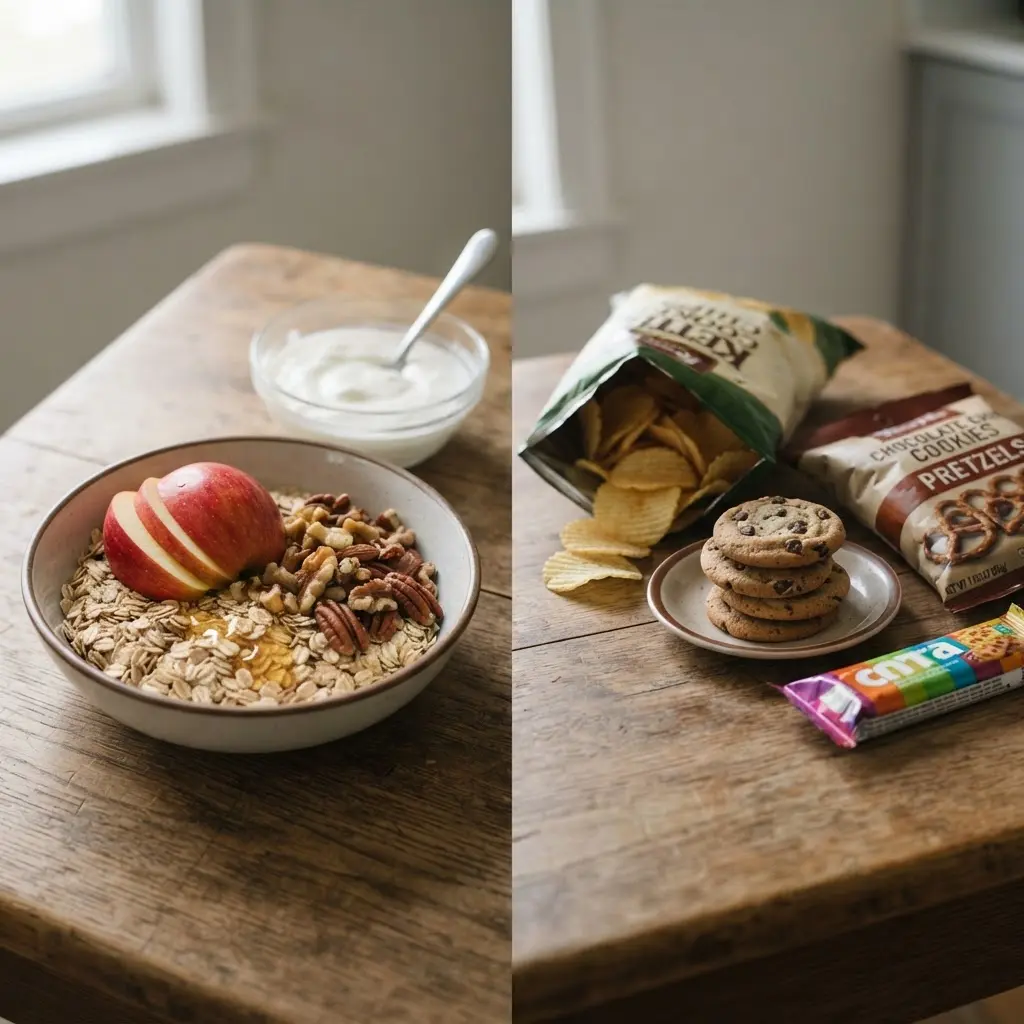
Choose whole-wheat toast over white bread, and fruit over a sugary snack. These small changes reduce refined grains and added sugars without requiring a complete meal overhaul, proving Easy to follow healthy dieting tips work for busy schedules. Start with one category, such as breakfast foods or drinks, and repeat the swap for one week.
Build meals around whole grains to add fiber, vitamins, and minerals. Replace chips with almonds, seeds, avocado, or olives. Use Greek yogurt with berries, fruit, or vegetables with hummus for snacks combining fiber and protein. Replace soda and fruit juice with water, sparkling water with fruit, or unsweetened herbal tea. Many people find nutrient-dense snacks more filling between meals, a core part of Easy to follow healthy dieting tips.
Read ingredient lists and nutrition labels before buying packaged food. Select products with less added sugar and sodium, then prepare homemade dressings when time allows, aligning with Easy to follow healthy dieting tips. Choose fresh or frozen vegetables without added sauces or salt. Frozen produce offers a practical option for busy days.
Replace deli meats and sausages with grilled chicken, fish, beans, lentils, or tofu. Keep fruit, yogurt, nuts, hummus, and frozen vegetables ready for hungry moments. Research suggests gradual swaps support better diet quality than strict restriction. Honey and maple syrup still count as sweeteners, so use them in small amounts, as recommended by Easy to follow healthy dieting tips.
7. Balanced Nutrient Plate Composition for Complete Meals
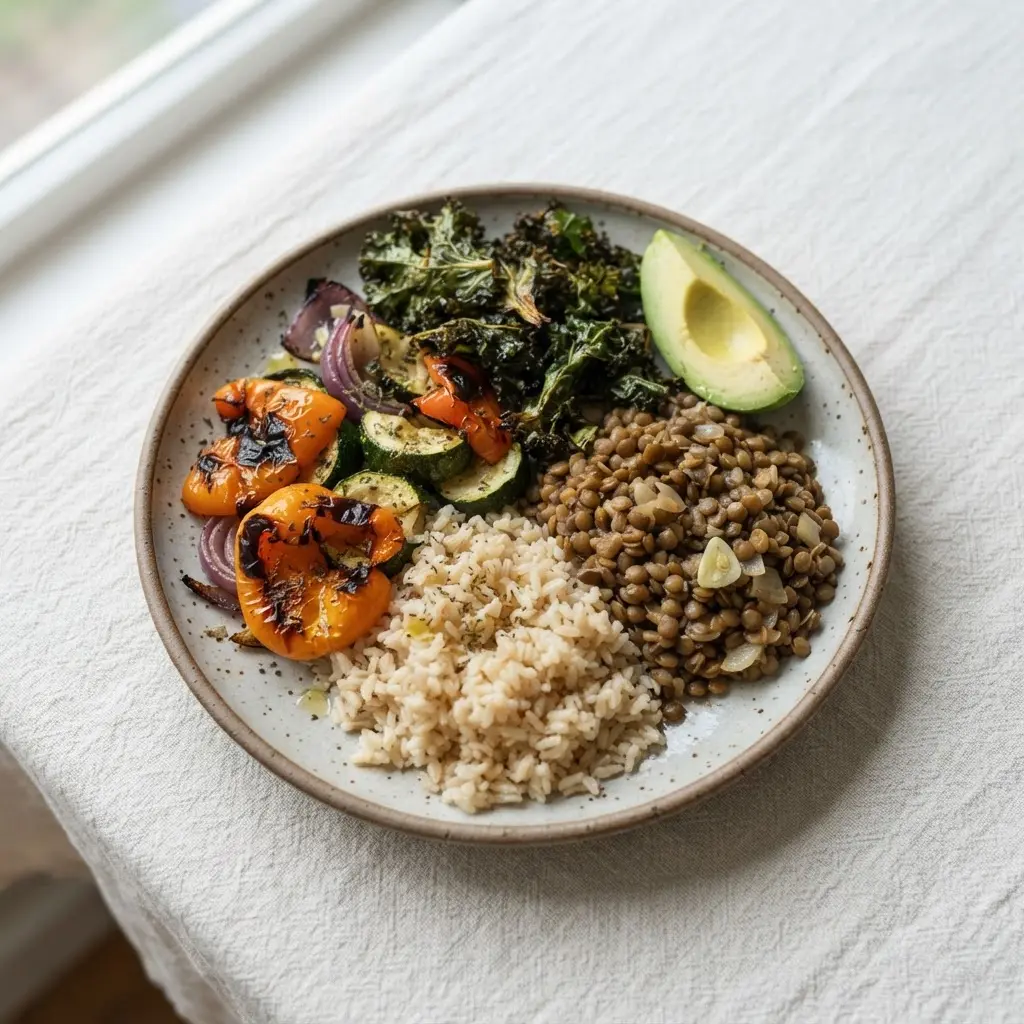
A common mistake is treating the whole plate as rice, pasta, or bread. Correct this by filling about half with non-starchy vegetables, then reserve one quarter for lean protein and one quarter for whole grains or starchy vegetables. This layout gives each food group a clear place.
Choose chicken, fish, eggs, beans, lentils, tofu, or tempeh for protein. Add brown rice, quinoa, oats, whole-wheat pasta, potatoes, or sweet potatoes for energy and fiber. Finish with a modest serving of avocado, nuts, seeds, or olive oil. Drink water with the meal.
Use color and variety across meals. Pair leafy greens with grilled chicken and brown rice, or serve broccoli with tofu and quinoa. Build a routine around daily nutrient-rich foods so vegetables, protein, and whole grains appear regularly. Different vegetable colors often signal different plant compounds.
Prioritize vegetable variety rather than repeating one produce choice. Research supports dietary patterns rich in vegetables, fiber, and varied plant foods, while many people find a balanced plate more satisfying than a meal built mostly from refined carbohydrates. Treat the proportions as a visual guide, not a demand for exact measuring. Keep portions suited to your hunger, health needs, and activity level.
8. Sustainable Treat Moderation Rules Without Strict Restrictions
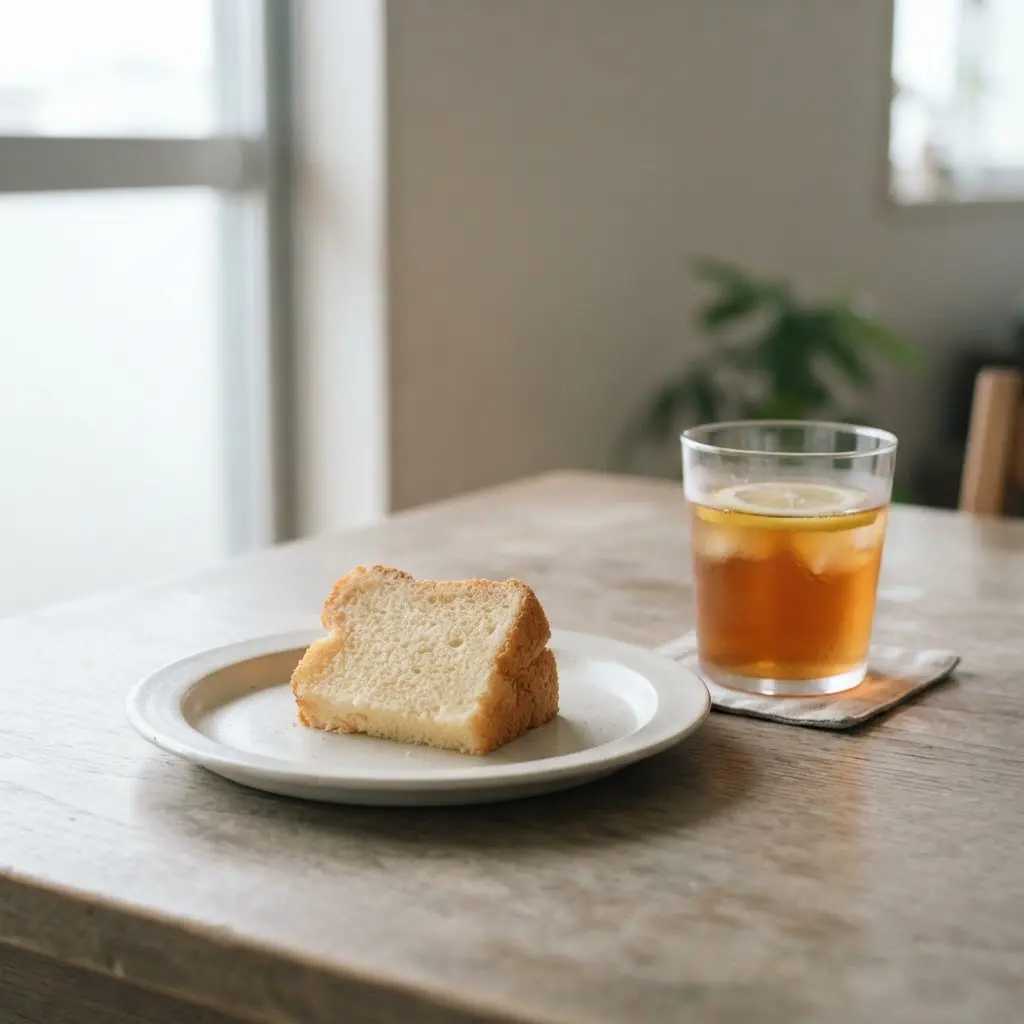
Set a planned treat portion before eating, rather than banning desserts. Choose one serving, place it on a plate, and eat it away from a large package. A planned portion gives the treat a clear stopping point and prevents repeated handfuls during the evening.
Keep treats visible only in single-serving portions. Store biscuits, chocolate, or crisps in small containers instead of open bags. Use natural sweetener alternatives in homemade treats to reduce added sugar while keeping the recipe enjoyable. Schedule treats after a balanced meal, such as dinner with vegetables, protein, and whole grains.
Hunger is lower after a meal, so dessert is less likely to turn into a full snack session. Research suggests flexible eating rules support long-term adherence better than rigid bans for many people. Practice mindful eating by slowing down, noticing flavor, and stopping once satisfaction arrives. A treat does not undo a balanced pattern. Return to regular meals at the next eating time without skipping food to compensate. Keep the rule simple: planned amount, seated eating, and no guilt.
9. Sleep Hygiene Appetite Regulation Through Restful Routines
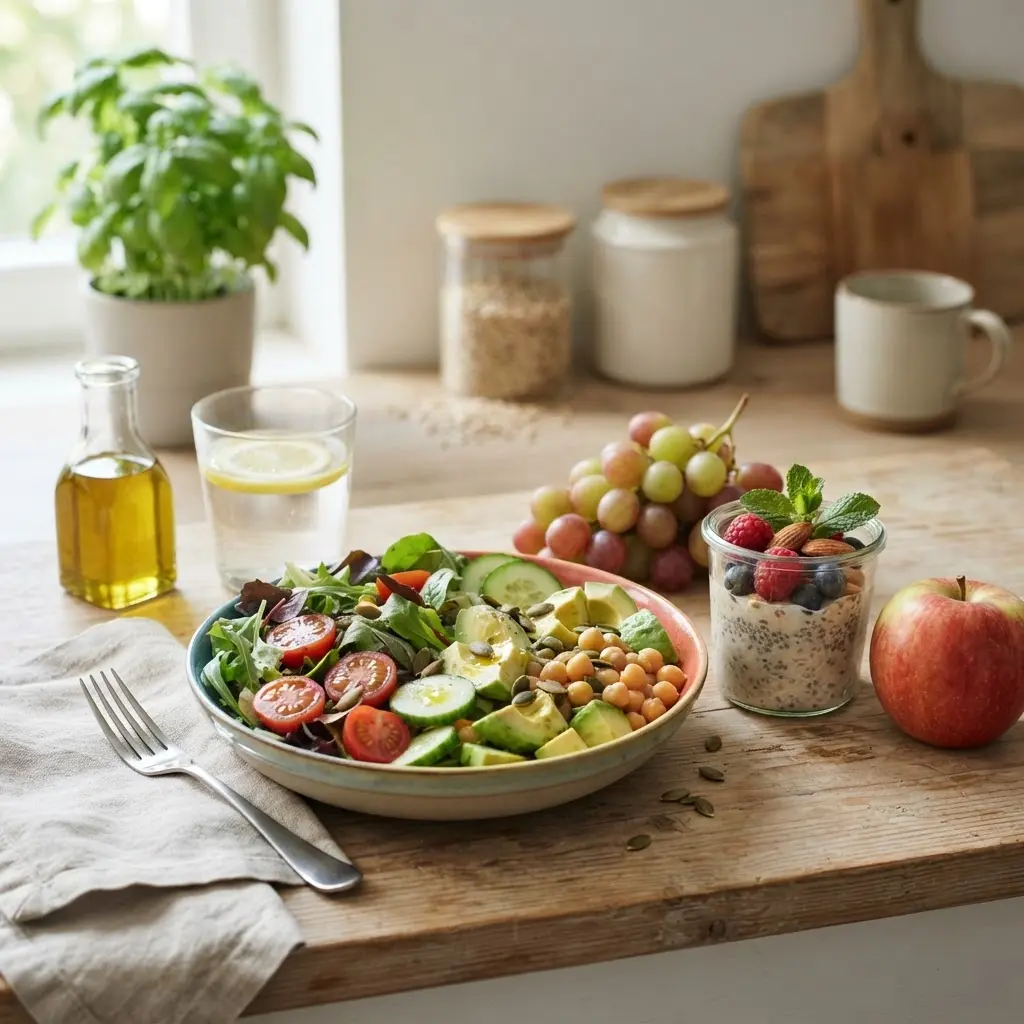
At 10:30 p.m., a late snack feels tempting after a long day. Set a regular sleep schedule with a fixed wake time and enough room for 7–9 hours of sleep. Consistent timing creates a clearer boundary between meals, evening activity, and bed. Short sleep is linked with higher energy intake and greater free-sugar intake.
Reserve a one-hour wind-down before bed. Choose reading, gentle stretching, calming music, or guided relaxation. Keep the bedroom dark, quiet, and cool, with 65–68°F often comfortable for sleep. Finish dinner about three hours before bedtime when practical. Avoid evening caffeine and alcohol, and keep naps to 30 minutes or less.
Research suggests restful sleep routines support healthier eating patterns, although results differ between people. Studies of sleep extension lasting roughly 20–70 extra minutes per night reported lower free-sugar and calorie intake in some intervention settings. Sleep hygiene does not guarantee appetite control or weight loss. Start with small, repeatable changes, such as a fixed wake time and earlier dinner, rather than changing every habit at once.
10. Daily Physical Activity Integration Into Regular Routines

Exercise does not count only inside a gym. Build movement into routines through walking, stair climbing, gardening, cleaning, or active play. Several short sessions still add to daily activity. Beginners should start with manageable periods and increase duration slowly.
Schedule a five-minute stretch after waking. Walk during phone calls, take stairs during work breaks, and use lunch for a brisk walk. Keep comfortable shoes near the door, and block activity on the calendar.
Fuel active days with sustained energy food picks when meals need planning. Rest between harder sessions and drink water before, during, and after movement. Research suggests regular movement becomes easier to maintain when familiar cues support the habit.
Choose enjoyable activities and involve a friend, family member, child, or pet for added accountability. Stop after pain, dizziness, chest discomfort, or unusual shortness of breath. Always consult a healthcare professional before making changes to your health routine.
11. Support Systems and Accountability for Lasting Habits

What keeps a healthy eating habit going after motivation fades? A clear accountability partner gives you a steady check-in and a practical reason to stay on track. Choose someone reliable and nonjudgmental, then schedule a brief review each week.
Discuss the action completed, the obstacle faced, and the next adjustment. Use a habit tracker, paper calendar, or phone note to record meals, planned snacks, or water intake. Keep preferred foods visible and tempting choices less convenient.
Environmental design reduces the effort needed for a healthier choice. A support group or mentor adds shared experience and useful ideas. Research suggests regular support and structured review make it easier to notice problems early and continue after setbacks.
Treat one missed day as information, not failure. Identify the trigger, change the plan, and resume at the next meal. Choose a small non-food reward for a milestone, such as a new water bottle. Seek guidance from a registered dietitian or other qualified health professional for needs requiring individualized care.
Monitoring Progress Without Rigid Rules
Record your waist measurement once a month, alongside energy, hunger, sleep, and meal consistency, instead of weighing yourself every day. A food journal with brief notes helps you spot patterns, such as afternoon hunger after a small breakfast or thirst mistaken for hunger.
Compare trends over four weeks rather than judging one restaurant meal or busy weekend. Notice how your clothes fit, your digestion feels, and your focus changes, since these signs add context to the number on a scale. Set one gentle target, such as eating breakfast on workdays or filling half your plate with vegetables.
If a target feels too strict, revise it without treating the change as failure. A steady routine matters more than a perfect record.
Conclusion
Healthy eating should support your daily life, including busy mornings, shared meals, changing plans, and foods you enjoy. Easy to follow healthy dieting tips work best when they feel flexible enough for real routines. You do not need a perfect menu or strict rules to care for yourself.
Choose one small step for today. Add a fruit or vegetable to one meal, fill a water bottle, or place a reasonable portion on your plate before eating. Notice how the choice feels, then repeat it when it fits. Keep treats part of your life without letting one meal decide how the whole day went. Ask a trusted person to share meals or check in when support would help. Your next step does not need to be large. Pick one habit, practice it this week, and let your routine grow at a steady pace.
FAQs
Q: How do I start eating healthier without changing everything?
A: Choose one meal each day to improve first. Add produce, include a protein source, and switch one refined grain for a whole-grain option when it fits.
Q: How much food should I put on my plate?
A: Use the plate method as a simple guide. Fill half with vegetables or fruit, one quarter with protein, and one quarter with whole grains or starchy foods.
Q: How much water should I drink each day?
A: Keep water nearby and drink with meals and between meals. Thirst, heat, activity, and health needs affect fluid needs, so personal guidance from a health professional is useful when concerns exist.
Q: How do I stop eating so quickly?
A: Put down your fork between bites and pause midway through a meal. Notice hunger, fullness, taste, and pace without judging yourself.
Q: How do I include treats in a healthy eating plan?
A: Choose a portion you expect to enjoy and eat it with attention. Return to your usual meals afterward instead of skipping food or using strict compensation.