Want to lose weight without strict food rules? Ways to lose weight without dieting include eating slowly, choosing filling whole foods, drinking enough water, sleeping well, easing stress, and adding movement to daily life. These habits help you notice hunger, feel satisfied, and build steady routines without cutting out favorite foods.
When exploring ways to lose weight without dieting, a healthy routine should fit your real schedule, food preferences, and energy level. Small changes often feel easier to keep than strict plans. This guide shares simple ideas for meals, movement, sleep, stress, and your home food setup. You will also see how plate size, protein, fiber, and support from others fit into daily life. Pick one idea for this week, then add another when it feels comfortable. Let’s get started with habits that feel practical and kind to your body.
Energy Balance Without Rigid Food Rules
Reducing one high-calorie drink each day often creates a small energy deficit without banning favorite foods. An energy deficit means your body uses more energy than food and drinks provide over time, so gradual changes in portions, snacks, walking, or sugary beverages often add up. A balanced plate with vegetables, fruit, protein, and whole grains helps you feel fed while keeping portions practical. Mindful eating, such as slowing down and checking hunger halfway through a meal, helps you notice fullness before reaching for more. Food records work best as neutral notes about meals, drinks, hunger, and movement, not as a scorecard. Use weekly patterns rather than one weigh-in to judge progress, since body weight shifts with fluid, sodium, digestion, and menstrual cycles. Finding ways to lose weight without dieting helps build a steady routine.
Medical Factors Affecting Weight Changes
Before trying ways to lose weight without dieting, a sudden weight change of several pounds within days warrants a medical review, especially with swelling, breathlessness, or unusual fatigue. Prescription drugs for diabetes, mood, seizures, allergies, and inflammation sometimes affect appetite, fluid balance, or energy levels. Thyroid disease, polycystic ovary syndrome, menopause, sleep problems, and chronic pain also influence eating patterns and movement. Ask your prescriber whether a new symptom or medication change fits the timing of your weight change. Never stop a prescription on your own, since abrupt changes bring their own risks. Bring a short record of meals, sleep, symptoms, activity, and medication dates to the appointment. This detail helps separate a routine plateau from a health issue needing treatment.
1. Mindful Eating Practices for Better Hunger Awareness

Do not treat every urge to eat as physical hunger. Stress, boredom, and habit often create eating urges without stomach growling or emptiness. Begin with a body check-in: rate hunger from 1 to 10, then note whether nourishment, pleasure, comfort, or another need is driving the urge. Start eating near 3 or 4 when possible, without treating the scale as a strict rule. Practicing ways to lose weight without dieting starts here.
Remove phones and television before the first bite. Discovering ways to lose weight without dieting takes patience. Observe the food’s color, aroma, texture, and flavor. Chew thoroughly, then place the fork down between bites. These pauses create time to notice satisfaction as it develops. The brain may need about 20 minutes to register fullness signals from the stomach, so a slower pace supports better awareness.
After eating, rate fullness again. Aim to notice satisfaction around 6 or 7 rather than waiting for discomfort at 10. Reflect on taste, body sensations, and emotions after the meal. Research suggests mindful eating supports hunger awareness, reduces automatic overeating, and helps identify emotional eating triggers. Trying different ways to lose weight without dieting reveals what works for you. Keep a brief written record when patterns are difficult to spot.
2. Hydration and Metabolic Health Throughout the Day

When searching for ways to lose weight without dieting, start with water as your main drink during the day. Drink with meals and keep a glass nearby between meals. Regular fluid intake supports normal body functions, while replacing sweet drinks with water reduces liquid calories without imposing a strict food plan.
Use hydration as one part of weight management, not as a treatment for slow ways to boost metabolism sugar problems. Research guidance for a universal daily water target was not provided here, and needs differ with body size, activity, climate, food intake, and medical conditions. Tracking ways to lose weight without dieting builds good daily habits. Choose unsweetened drinks more often than soda, sweet tea, or energy drinks.
Follow steady drinking habits rather than forcing large amounts at once. A simple routine might include water after waking, with lunch, and during physical activity. Research suggests beverage choices influence daily calorie intake, but hydration alone has not been shown here to produce a specific weight-loss result. Always consult a healthcare professional before making changes to your health routine, especially when kidney, heart, or blood sugar conditions affect fluid needs. Remember that gentle ways to lose weight without dieting take time.
3. Sleep Quality and Appetite Regulation at Night
At 10:30 p.m., a delayed bedtime can leave you awake after dinner, reaching for a snack despite eating enough earlier. Exploring ways to lose weight without dieting means noticing how evening snacks happen. Establish a consistent sleep schedule with similar bedtimes and wake times each day. Late-night sleep loss is linked with higher ghrelin, a hormone associated with hunger and food desire.
Focusing on ways to lose weight without dieting shows how sleep restriction affects the hours available for eating. Longer evening wakefulness creates more chances to snack, including high-carbohydrate foods. Earlier sleep and meal timing have been associated with lower overnight ghrelin, higher overnight leptin, and stronger GLP-1 responses after a meal. Research suggests sleep timing influences appetite, not only total sleep duration.
Create a clear gap between dinner and bedtime. Track sleep timing, nighttime hunger, and after-dinner snacks for several days. Use best foods before bed as a reference when a planned evening snack fits your routine. Persistent insomnia, loud snoring, excessive daytime sleepiness, or severe nighttime eating requires discussion with a qualified healthcare professional. Steady ways to lose weight without dieting rely on good rest.
4. Protein-Rich Whole Food Choices for Fullness

Learning practical ways to lose weight without dieting shows that many people believe meat is the only meaningful protein source. Eggs, plain Greek yogurt, lentils, tofu, fish, beans, and chicken all provide useful protein. Choose a protein-rich whole food at meals or snacks to support satisfaction without strict food rules.
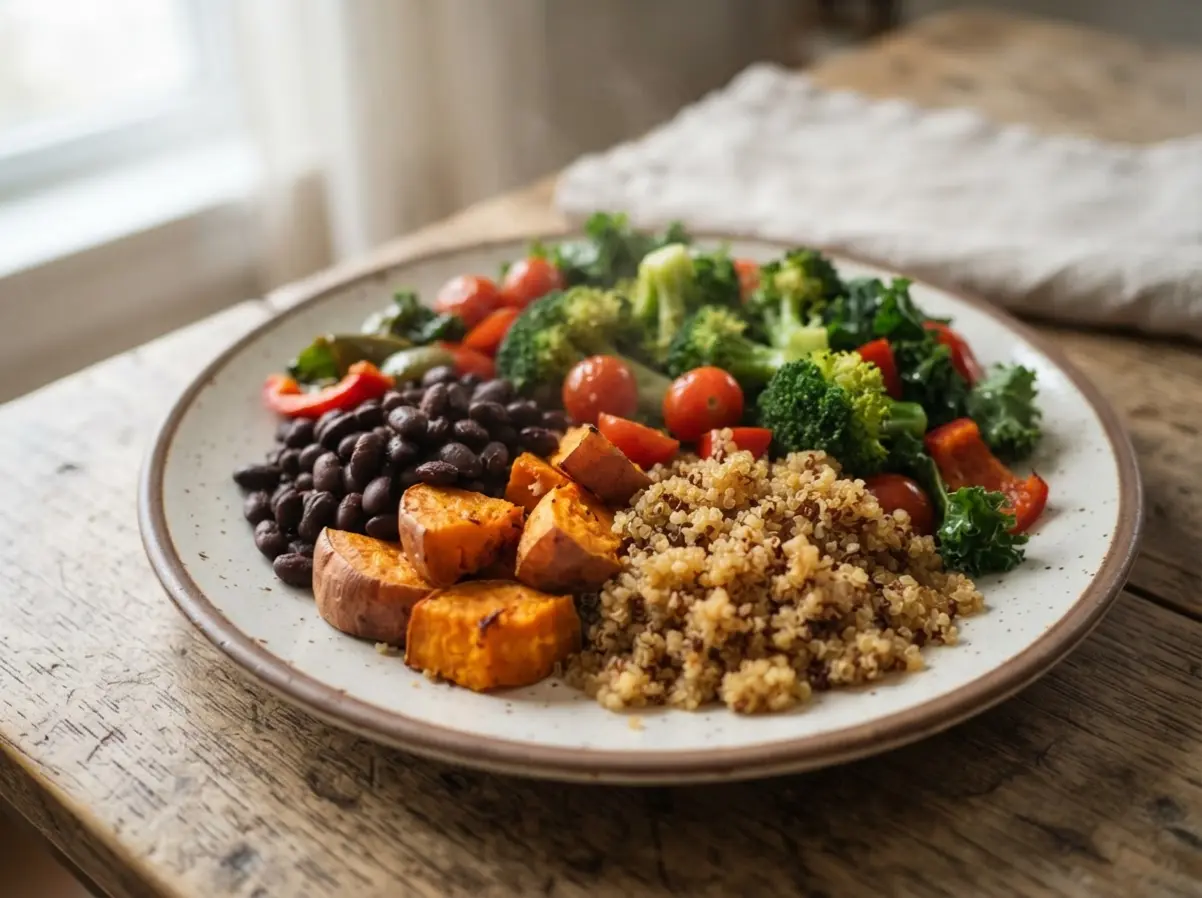
Pair protein with fiber from vegetables, fruit, legumes, or quinoa. Add healthy fats from seeds, nuts, or oily fish when they fit the meal. For breakfast, combine plain Greek yogurt with chia seeds and berries. For lunch, serve lentils with spinach and quinoa. For dinner, pair salmon or tofu with broccoli. Research suggests meals containing protein and fiber support fullness better than meals built mostly from refined carbohydrates. Finding ways to lose weight without dieting means plain dairy limits added sugar, while nuts and seeds need measured portions because they are calorie-dense.
When looking for ways to lose weight without dieting, people with kidney disease, pregnancy-related nutrition needs, or other medical conditions should seek guidance from a qualified healthcare professional before making major best sources of dietary fiber.
5. Stress Management and Cortisol Levels in Daily Life

Does managing stress support weight goals without strict dieting? Yes. Research suggests lower perceived stress makes regular meals, sleep, and daily movement easier to maintain. Finding ways to lose weight without dieting starts here.
Stress activates the HPA axis, which regulates cortisol. The SAM axis supports fast stress responses. Cortisol is not a universal stress score, and one stressful moment does not explain your overall stress pattern. Exploring ways to lose weight without dieting means tracking these responses.
Practice mindfulness for five minutes during a demanding part of the day. Notice thoughts, feelings, and body sensations without judging them. Daily-life studies link mindfulness with lower perceived stress and lower salivary alpha-amylase, a marker of autonomic arousal. Trying simple ways to lose weight without dieting builds calm.
Cortisol changes have been less consistent. Address future-focused negative thoughts before stressful events. Write down the demand, separate facts from predictions, and choose one practical next step. Discovering gentle ways to lose weight without dieting supports steady coping.
Cognitive-behavioral stress management has reduced or softened cortisol responses during acute stress in research studies. These tools support coping and physiological calm, not guaranteed weight loss. Always consult a healthcare professional before making changes to your health routine.
6. Daily Non-Exercise Movement Habits at Home

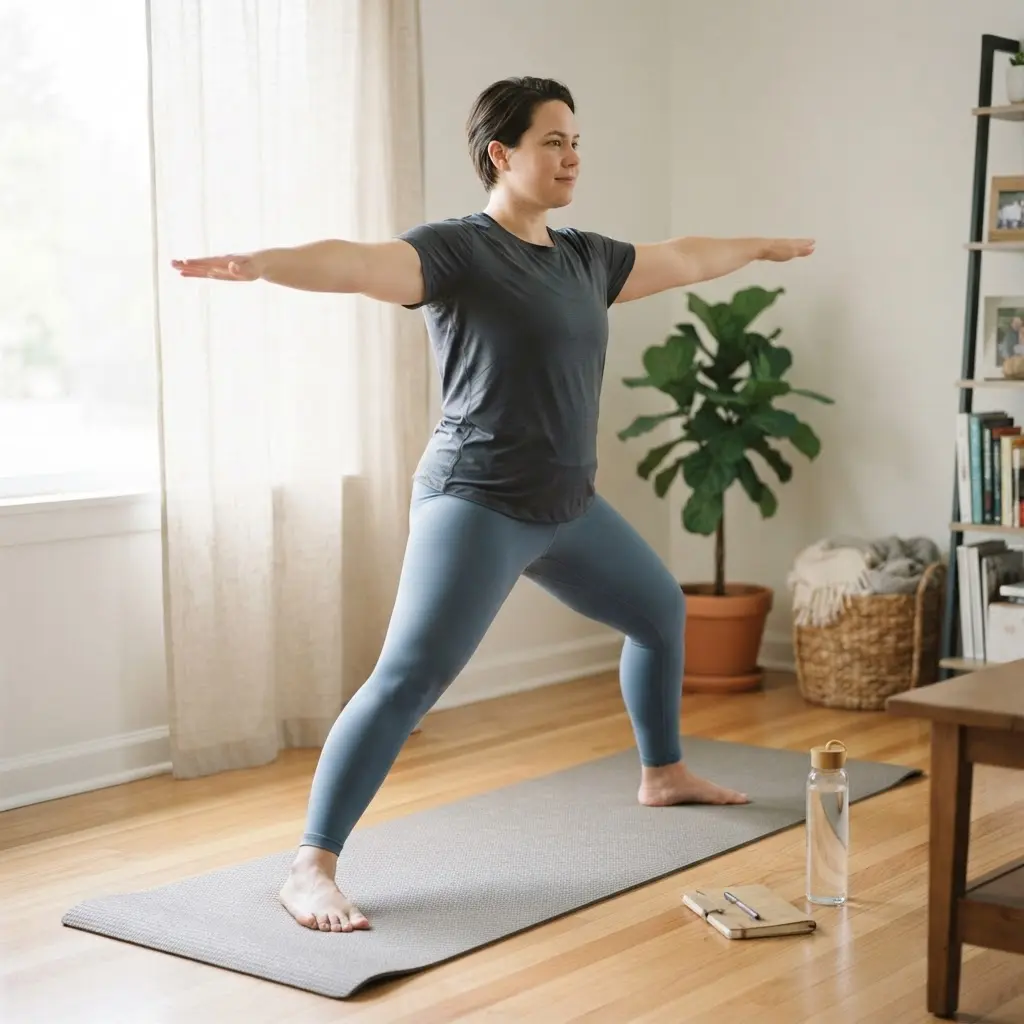
Short movement breaks are easier to sustain than waiting for a full workout block. Stand every 30 to 60 minutes, then walk around the room, stretch, or perform gentle calf raises before returning to work. Use phone calls, cooking pauses, and household chores as regular movement cues. Practicing ways to lose weight without dieting keeps short breaks sustainable.
Finding ways to lose weight without dieting works best when you keep a timer nearby to interrupt long periods of sedentary time. Pace during calls, march in place while water boils, or walk briskly between rooms while tidying. Add a five-minute dance, yoga, or bodyweight session when your schedule allows. Begin with one or two habits rather than changing the whole day at once.
Research suggests breaking up long sitting periods supports more active daily routines. Regular low-level movement increases the time spent standing, walking, and changing position without requiring gym equipment or a long exercise session. Exploring ways to lose weight without dieting shows movement matters more than gym time.
When learning ways to lose weight without dieting, protect your footing during chores and cooking. Use clear floor space for stretching or dancing, and keep exercises away from hot pans, sharp tools, wet floors, and clutter. Modify movements for comfort and balance. Always consult a healthcare professional before making changes to your health routine.
7. Environmental Food Cues Management in the Kitchen

A common mistake is blaming food alone for unplanned eating. Change the kitchen setup, not only the shopping list. Keep biscuits, sweets, and sugary drinks in closed containers or a cupboard. Place fruit, water, and ready-to-eat vegetables at eye level. Greater visibility and easier access make preferred choices more noticeable. Trying ways to lose weight without dieting changes the kitchen setup first.
Review the wider kitchenscape too. Strong smells, bright lighting, background sound, and room temperature shape attention and food appeal. Use a visible reminder on the refrigerator, such as “Pause and choose,” to bring your eating intention forward. Serve meals on smaller plates, and keep extra portions away from the table. Discovering ways to lose weight without dieting means adjusting your environment. Pair these changes with strategies to quit junk food to address both the kitchen and the eating habit.
Exploring ways to lose weight without dieting reduces reliance on moment-to-moment willpower, though responses differ by person and situation. Manage the tablescape by limiting the variety and abundance of snack foods within reach. Treat this as environmental support, not strict restriction. A single reminder will not control every eating decision, so adjust the setup when routines or circumstances change.
8. Portion Control Through Plate Size and Meal Balance
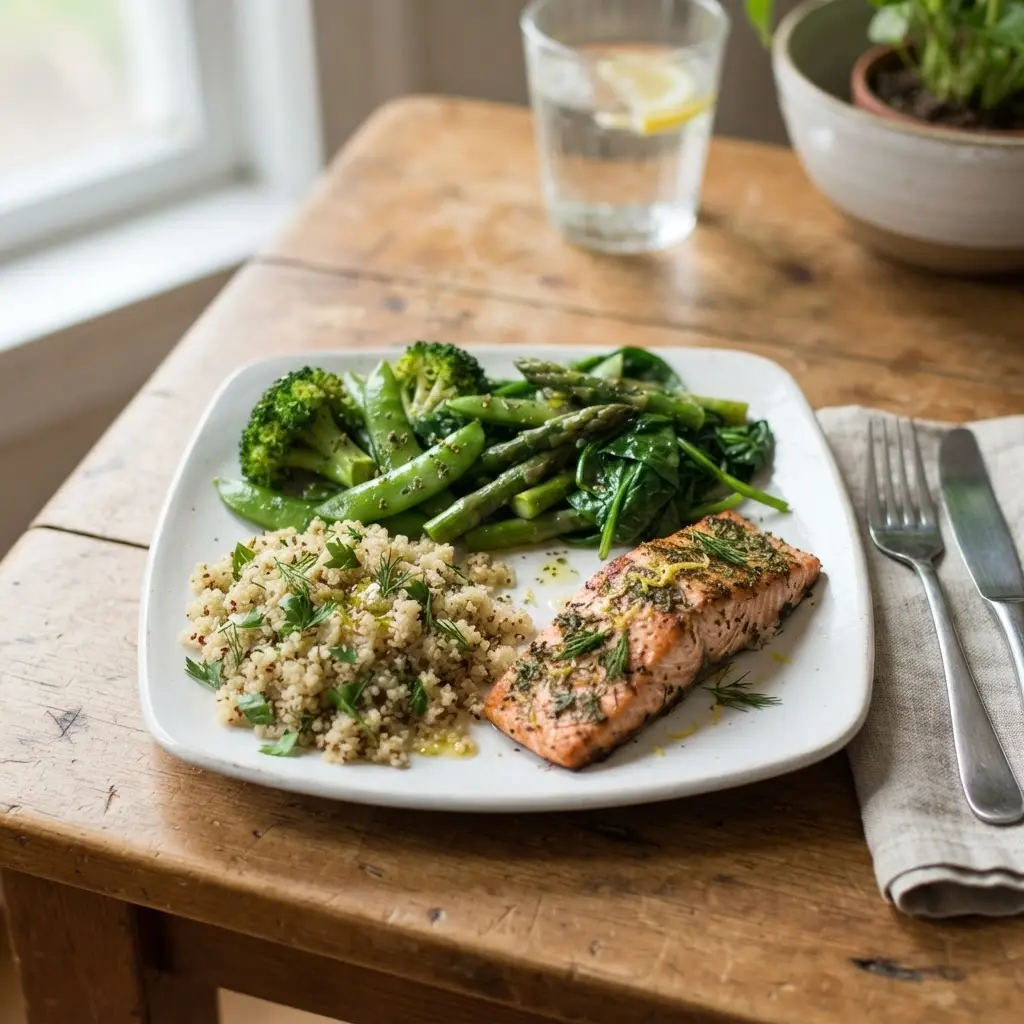
Use a smaller plate before serving your meal. Older dinner plates often measured 8 to 9 inches, while modern plates commonly measure 10 to 12 inches. A smaller surface makes a moderate serving look more satisfying without weighing food. Apply the same rule to bowls used for cereal or soup. Using ways to lose weight without dieting includes plate adjustments.
Build meals with a simple plate balance: fill one-half with non-starchy vegetables, one-quarter with protein, and one-quarter with carbohydrates or starches. Choose broccoli, leafy greens, carrots, or zucchini for the vegetable portion. Add fish, chicken, or lean meat for protein. Use brown rice, potatoes, beans, or whole-wheat pasta for the remaining quarter. Whole-grain choices often provide steadier satisfaction than refined options.
Research suggests portion-control plates support smaller self-selected servings and healthier eating habits, especially within a broader lifestyle plan. Replace sugary drinks with water or low-fat milk, and choose fresh fruit for dessert. Keep nutritious foods present. Portion control means balanced servings, not excessive restriction.
9. Resistance Training for Steady Metabolism Support

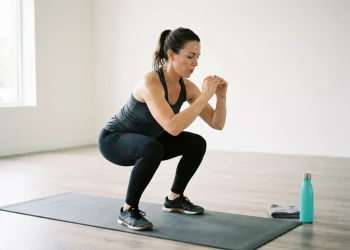
At 6:30 in the morning, start with two sets of chair squats before work. Resistance training challenges muscles against weight, bands, machines, or body weight. Begin with a level of resistance that allows controlled movement and steady breathing.
Train all major muscle groups across the week, including the legs, back, chest, shoulders, and arms. Add resistance gradually as your strength improves. Allow recovery between demanding sessions so muscles can adapt without unnecessary strain.
Research suggests resistance training supports lean mass, muscle strength, insulin sensitivity, and body composition. Preserving lean mass during weight loss supports a steadier resting metabolic rate, even when scale weight changes slowly. Muscle tissue also uses energy during daily activity.
Use controlled movement rather than rushing through repetitions. Track strength, waist measurements, and how easily you move, not only body weight. Always consult a healthcare professional before changing your exercise routine, especially with diabetes, arthritis, heart disease, osteoporosis, or another health concern.
10. Fiber Intake for Satiety Support and Regularity

Many people believe all fiber produces the same results. Fiber type changes how strongly food affects fullness and bowel function. Soluble, fermentable fibers such as oat beta-glucan may support satiety, while less-fermentable fibers often add more stool weight and water. Choose oats, rye, whole-grain cereals, fruits, and vegetables across meals.
Research suggests cereal fiber supports appetite control in some settings, though acute studies do not consistently show lower food intake. Fiber also softens stools and shortens transit time, especially when movement through the bowel takes 48 hours or longer. When transit already falls within 24 to 48 hours, extra fiber might not change the timing. Increase fiber gradually and drink enough fluid to limit digestive discomfort.
Psyllium has supported stool frequency and consistency for chronic constipation at doses above 10 grams daily for at least four weeks. Gas and bloating remain possible side effects, and responses vary by dose, fiber type, and health status. Use psyllium carefully rather than treating fiber as a guaranteed solution. Always consult a healthcare professional before making changes to your health routine.
11. Social Support and Accountability Networks for Consistency

How does social support improve consistency? A supportive accountability network turns a private goal into a shared routine. Choose people who respect steady lifestyle changes and avoid shame or extreme food rules. Agree on one specific action, such as a 20-minute walk three times each week. Schedule a brief check-in by text or phone on the same day each week.
Use check-ins to discuss what went well, what caused difficulty, and what practical help would make the next week easier. Friends might walk with you, family members might support regular meal routines, and a qualified professional might offer individualized guidance. Research suggests social support can strengthen follow-through by providing encouragement, feedback, and problem-solving during setbacks. Recognize repeated behaviors, such as planned movement or improved sleep, rather than judging progress by body weight alone.
Keep accountability without pressure. Protect privacy, respect boundaries, and speak openly about missed goals. Adjust an unrealistic commitment instead of hiding a setback. Social support does not guarantee weight loss or replace medical advice. Always consult a healthcare professional before making changes to your health routine.
When To Seek Clinician Or Dietitian Guidance
Seek a registered dietitian when weight changes persist despite steady habits, hunger feels hard to manage, or health conditions complicate food choices. A dietitian reviews your usual meals, budget, culture, schedule, symptoms, and goals before suggesting changes. Ask your primary care clinician for help with diabetes, blood pressure, sleep apnea, digestive symptoms, or unexplained weight loss. Pregnancy, breastfeeding, and plans for pregnancy also call for individualized advice rather than a calorie target copied from a general guide. If you have binge eating, purging, severe food rules, or past eating disorder treatment, seek an eating-disorder-informed professional before pursuing weight loss. Good care protects nutrition and mental health while addressing weight-related concerns with respect.
Conclusion
Weight management does not need to take over your day or remove foods you enjoy. Ways to lose weight without dieting begin with small choices you feel ready to repeat. Eat at a slower pace, add a short walk, keep filling foods nearby, or set a regular bedtime. Pick one step today and give it time before adding more. Notice how your hunger, energy, mood, and routine respond. If progress feels difficult or your health needs are complex, speak with a qualified health professional for personal guidance. Your goal is not perfection. Your goal is a routine you feel comfortable living with over time. Start with the habit that feels easiest, write it on your calendar, and return to it tomorrow. A steady approach gives you room to learn what supports your body and your everyday life.
FAQs
Q: Is it possible to lose weight without counting calories?
A: Yes, many people focus on hunger cues, balanced meals, smaller plates, and regular movement instead. Progress also depends on sleep, stress, health conditions, and personal routines.
Q: How does sleep affect weight management?
A: Short or poor sleep often increases hunger and cravings the next day. A regular bedtime, a cool dark room, and less evening screen time support better rest.
Q: What foods help with fullness without strict dieting?
A: Protein-rich foods, vegetables, fruit, beans, oats, and other high-fiber choices help meals feel satisfying. Pairing these foods with enough water supports comfortable fullness.
Q: Does walking help with weight management?
A: Regular walking adds movement without formal workouts. Short walks after meals, active household tasks, and walking during breaks all count toward daily activity.
Q: How do I stay consistent with healthy habits?
A: Choose one small habit linked to an existing routine. Track how often you follow it, plan for busy days, and ask a trusted person for encouragement.