Physiological Role of Natural Detoxification Pathways
Your liver uses two distinct enzyme pathways to process waste and unwanted compounds, which highlights many of the benefits of a detox diet. Phase I breaks things down, and then Phase II packages them up for safe removal. The whole system depends on specific nutrients to work well. Cruciferous vegetables like broccoli provide sulfur compounds that directly fuel this process. Staying hydrated supports your kidneys, which filter your blood constantly. Think of these pathways like a factory line that needs the right raw materials to run smoothly. A diet rich in whole foods supplies those materials. This is why a short-term juice fast is not the answer. Your body needs steady, consistent support from foods you eat every day to maintain this efficient internal cleanup.
These natural processes rely heavily on the foods you choose, showing another clear reason why the benefits of a detox diet matter so much. Trust the slow, steady pace of natural cleanup. It protects your organs without the shock of extreme fasting. Stick to whole foods and let your body do what it was built to do.
Distinguishing Evidence Based Nutrition from Fads
The good news is you do not need to buy special teas or extreme plans to support your body, especially when you understand the true benefits of a detox diet. Real nutritional support comes from crowding out processed foods with better choices. Many popular cleanses mistake severe calorie restriction for a benefit, but this can slow your metabolism. The real goal is to reduce your overall metabolic stress.
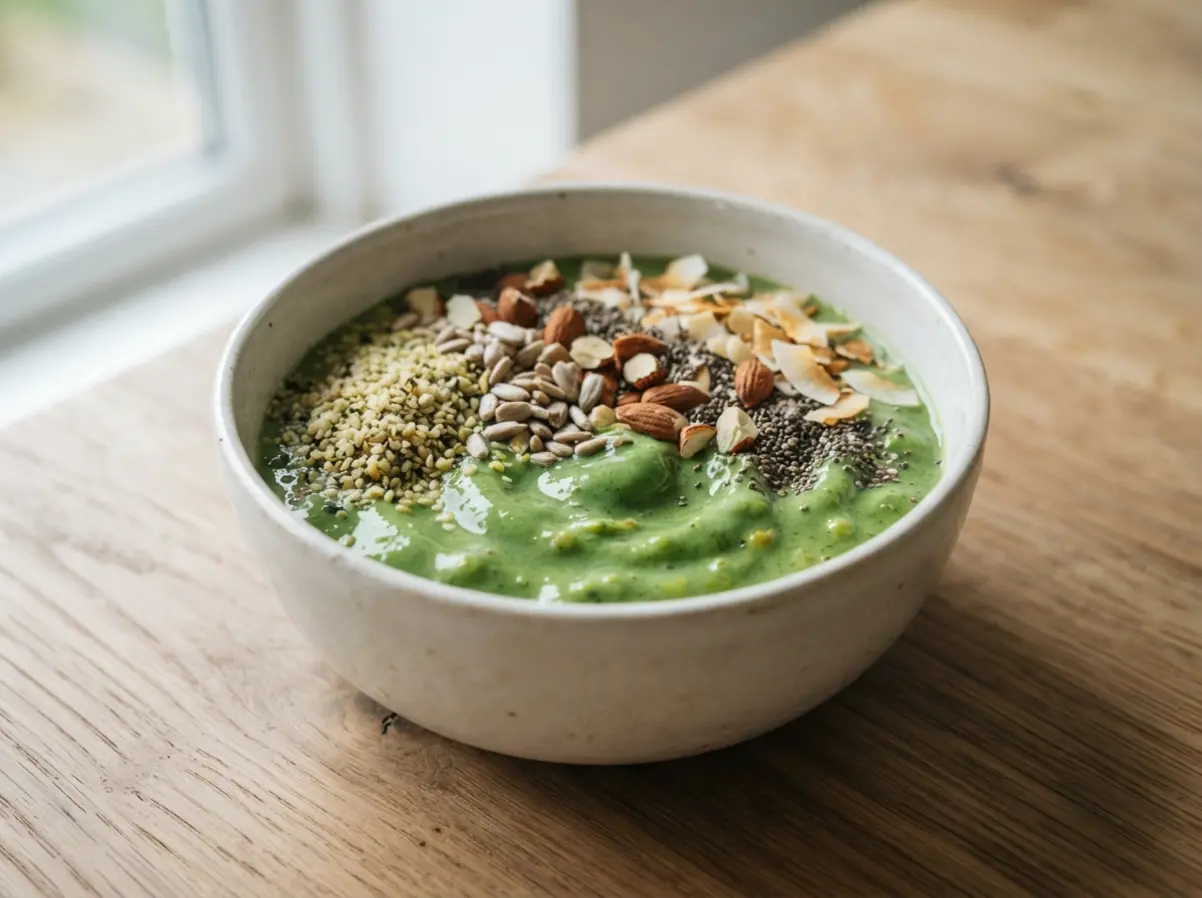
You do this by eating anti-inflammatory foods consistently. Focus on adding things in, like leafy greens and berries, rather than taking everything away. This shift improves your digestive efficiency without the fatigue of a crash diet. Trust me, your body knows how to handle normal metabolic waste when you give it the right tools, and that is exactly how you unlock the daily benefits of a detox diet.
1. Natural Liver Support Functions
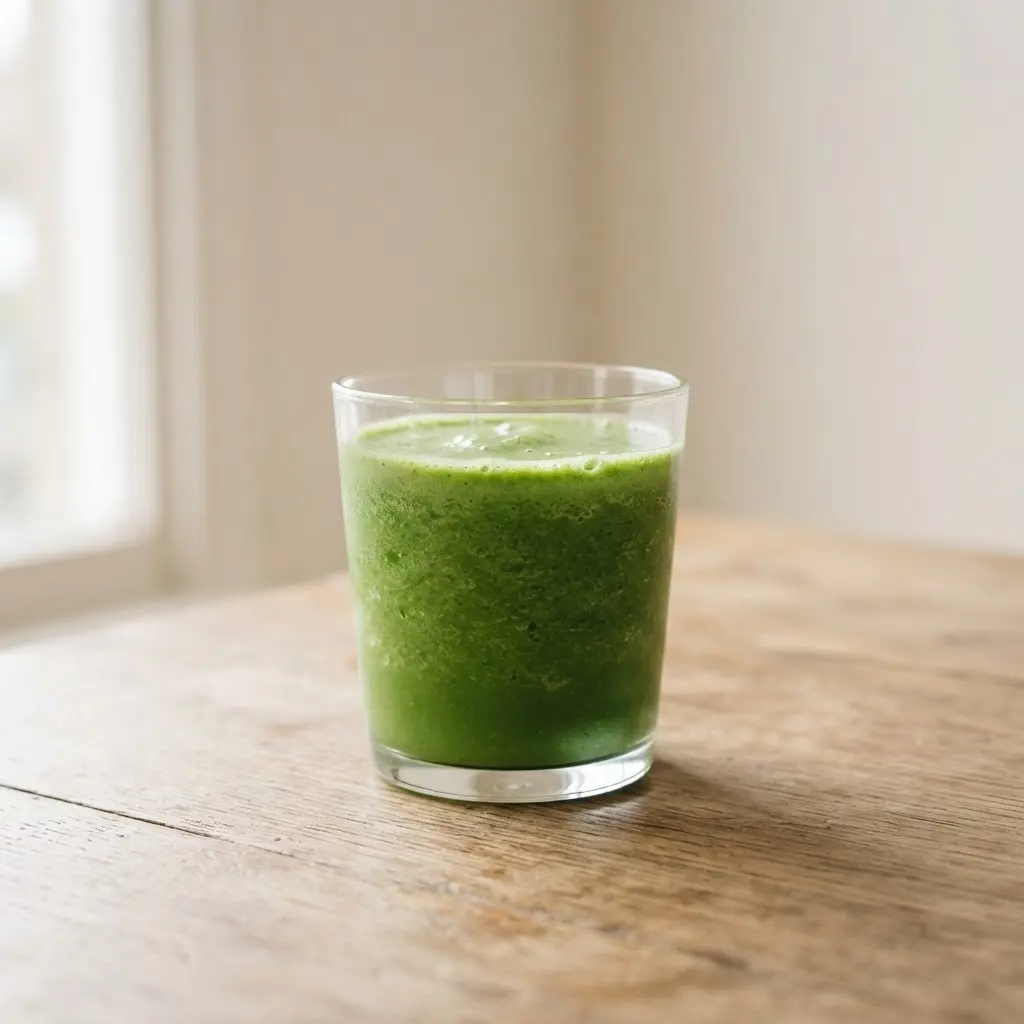
A common mistake is believing include fat-burning foods in your diet extreme cleanses to function, yet steady nutrition always wins over quick fixes. Your liver performs its natural detoxification work every single day. It manages this through a precise two-phase process, which is central to realizing the full benefits of a detox diet. The first phase uses enzymes to modify toxins. The second phase makes those toxins water-soluble for excretion through bile or urine.
These processes rely on specific nutrients. Key support for Phase I includes B vitamins and antioxidants like glutathione. Phase II requires amino acids and sulfur-containing compounds. A balanced diet provides these building blocks far more effectively than any short-term restrictive plan. Supporting your liver’s natural work can improve your energy and digestion, making the benefits of a detox diet highly practical for your routine.
Focus on consistent nourishment. For instance, you can help regulate fat metabolism by choosing healthy fats over refined oils. This approach supports the liver without the need for drastic measures.
2. Hydration and Kidney Efficiency

Drink water consistently throughout the day, as proper fluid intake directly supports the core benefits of a detox diet. Water acts as the primary solvent for waste products. It allows these substances to be transported to your kidneys for filtration. Your kidneys filter approximately 120 to 150 quarts of blood daily. Adequate hydration maintains the necessary blood volume and pressure for this process.
This constant flow keeps minerals like calcium and oxalate diluted. Dilution prevents these minerals from crystallizing and forming painful kidney stones. Water also helps the kidneys excrete excess electrolytes and retain necessary ones. This balance is critical for cellular function and nerve signaling, which explains why hydration remains a key pillar of the benefits of a detox diet.
Regular urination, a direct result of good hydration, flushes bacteria out of the urinary tract. This reduces the risk of urinary tract infections. Research indicates that proper hydration is a cornerstone of kidney health. It prevents acute kidney injury and supports the organ’s long-term efficiency.
Always consult a healthcare professional before making changes to your health routine. This is especially important if you are exploring structured eating plans, as it is wise to understand why to avoid fad diets that make extreme promises.
3. Dietary Fiber for Digestion
You finish a meal and feel that familiar, uncomfortable fullness, but you know it will pass smoothly in a few hours because you included plenty of plant foods. Dietary fiber, the indigestible part of plants, works in two distinct ways, and this is one of the clearest benefits of a detox diet. Soluble fiber dissolves into a gel that slows digestion and feeds your beneficial gut bacteria. Insoluble fiber adds bulk to stool, speeding its passage and promoting regularity.
These two types work together to prevent constipation and support a healthy gut microbiome. A consistent intake of fiber helps manage blood sugar and contributes to a feeling of satiety. This is a foundational element of a healthy eating pattern. For a sustainable approach, focus on incorporating a variety of fiber-rich foods into your daily meals to see lasting results.
4. Antioxidant Rich Food Sources

A common mistake is believing a single superfood can supply all your antioxidant needs, but understanding the real benefits of a detox diet helps you avoid that trap. The truth is you need a varied diet to obtain the full spectrum of protective compounds. Different antioxidants work in different pathways within the body to neutralize free radicals and prevent cellular damage.
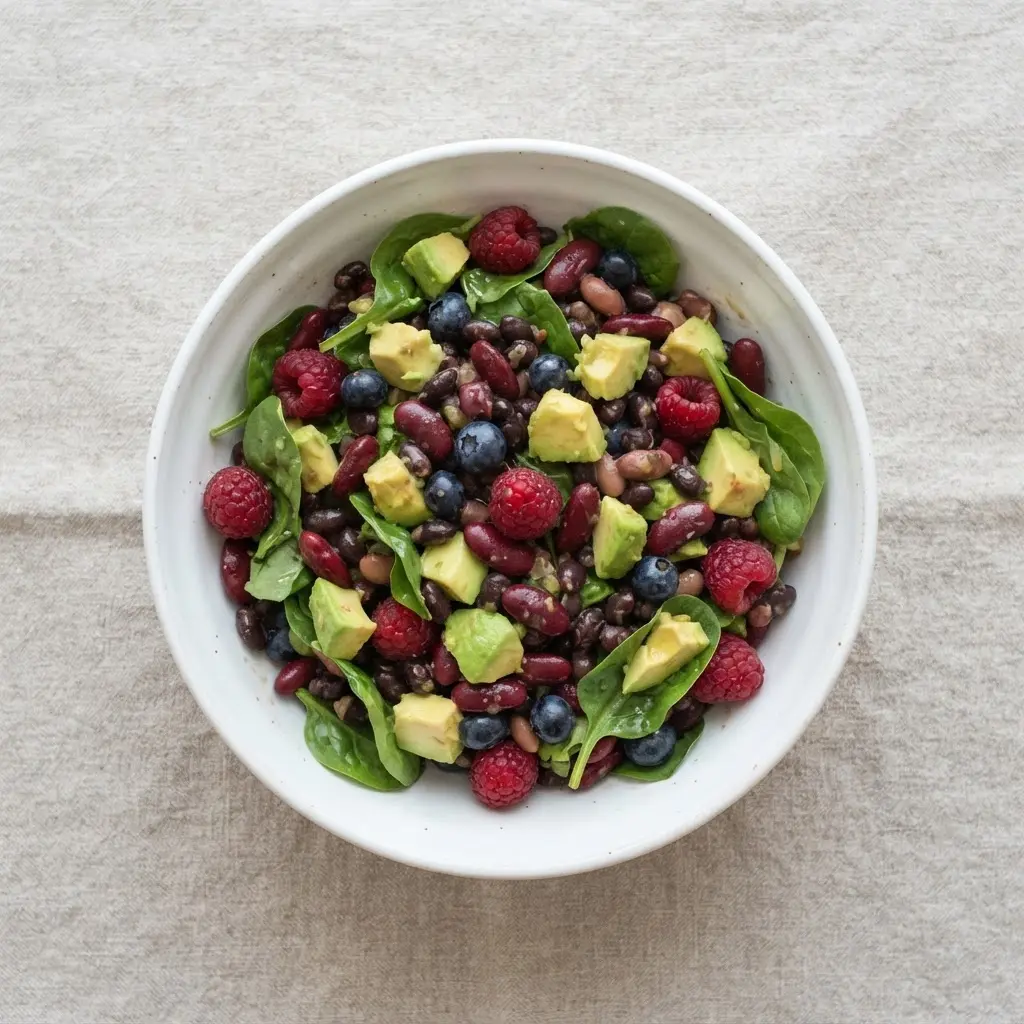
Focus on consuming a rainbow of fruits and vegetables. For example, blueberries contain anthocyanins and quercetin, while spinach is rich in lutein and zeaxanthin. Broccoli provides sulforaphane, and tomatoes are an excellent source of lycopene. This variety ensures you support your body’s natural detoxification processes by combating oxidative stress from multiple angles, amplifying the daily benefits of a detox diet.
Research consistently links a high intake of these foods to a reduced risk of chronic disease. A practical step is to include at least one deeply colored fruit or vegetable with every meal. For more practical healthy fasting tips that incorporate these principles, consult a trusted resource. Remember that whole foods are superior to supplements, as they deliver a complex matrix of nutrients fiber and phytochemicals.
5. Reducing Systemic Inflammation Pathways

Why does a simple headache sometimes feel like a full-body event? Chronic, low-grade inflammation can affect your entire system, not just one isolated area. This continuous state can contribute to issues like heart disease, diabetes, and autoimmune conditions over time. A strategic detox approach directly targets this underlying problem, revealing the core benefits of a detox diet.
Focus on consuming an anti-inflammatory diet rich in whole foods. Prioritize omega-3 fatty acids from sources like salmon and walnuts, and include spices like turmeric. Simultaneously, limit refined sugars and processed meats which can fuel inflammation. Regular, moderate exercise and consistent sleep patterns are also essential to lower inflammatory markers and experience the broader benefits of a detox diet.
Research confirms that reducing systemic inflammation is a cornerstone for long-term health and disease prevention. A key part of this process involves understanding the specific healing properties of foods you choose to include.
Always consult a healthcare professional before making changes to your health routine.
6. Whole Food Macronutrient Balance

Think of macronutrient balance less like strict math and more like choosing a complete meal over a processed snack. A plate with lean protein, complex carbohydrates, and healthy fats from whole foods delivers energy and nutrients far more effectively than one focused on a single macro. This approach stabilizes your blood sugar to prevent midday energy crashes and provides the fiber and protein needed for lasting satiety, showcasing the steady benefits of a detox diet.
Research consistently links this balanced, whole-food pattern to a reduced risk of chronic diseases. A practical step is to ensure each meal contains at least one source of each macronutrient, such as grilled chicken, quinoa, and avocado. Many people find that learning to incorporate more raw foods like vegetables and nuts naturally improves this balance.
7. Sustainable Habitual Eating Patterns
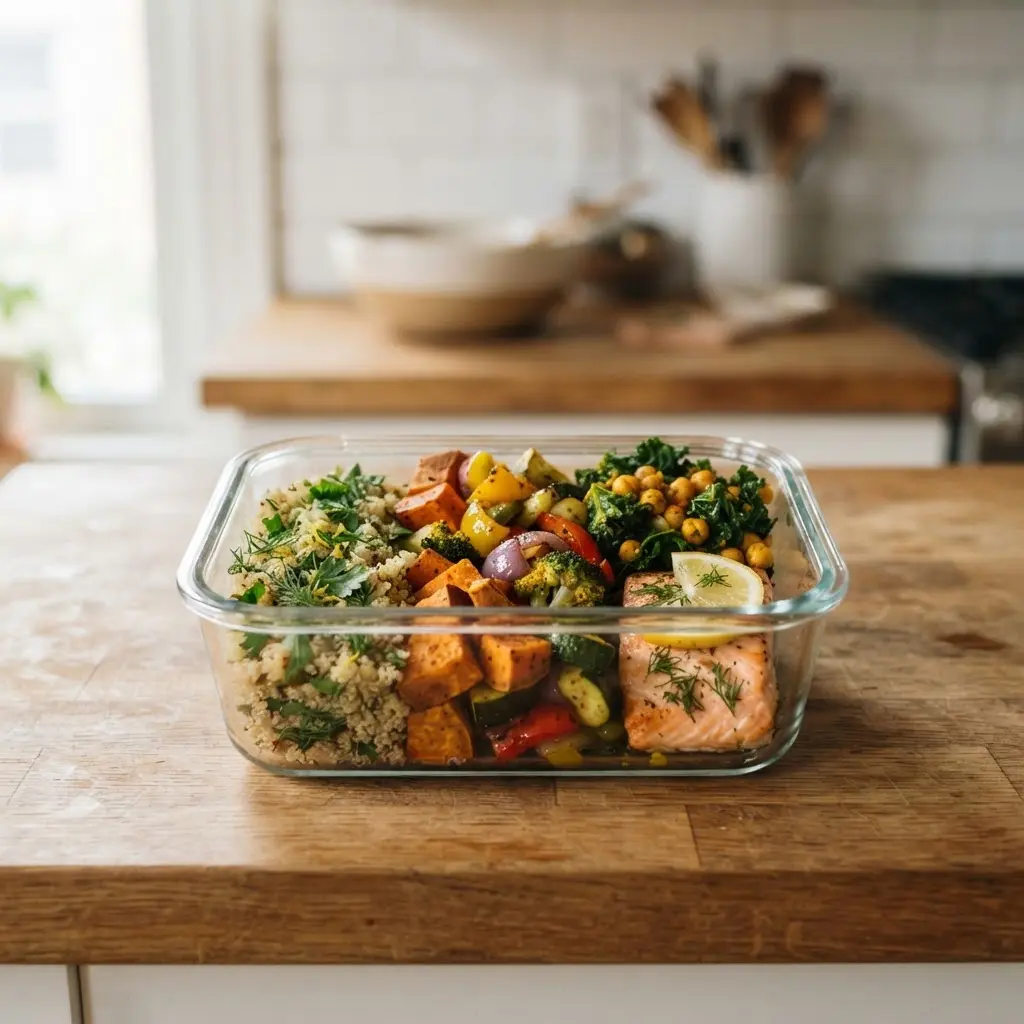
A common mistake is viewing sustainable eating as another restrictive diet. This mindset leads to short term changes and eventual burnout. Sustainable habitual eating patterns are a lifestyle shift built on gradual, consistent habit formation.
Begin by prioritizing whole, unprocessed foods. Plan meals around fruits, vegetables, legumes, and lean proteins for most of your weekly meals. This requires basic meal planning and a focused grocery list. Practice mindful eating by turning off screens during meals and paying attention to your body’s satiety signals.
This helps prevent overeating and enhances your enjoyment of food. Research suggests these ingrained habits support long term metabolic health and stable energy levels. For lasting variety and flavor, learn to incorporate a wider range of herbs and discover healthy spices into your home cooking.
Aim for consistency, not perfection, allowing for flexibility and occasional treats without guilt. This relaxed approach makes the long term benefits of a detox diet feel natural instead of forced.
Integrating Sustained Nutrient Dense Dietary Habits
The fastest way to see lasting change is to make one better swap at your next meal. Choose a side of steamed greens instead of fries, or drink water instead of soda. These small wins add up to a big difference in your nutrient intake over weeks and months. Building a pattern of whole-food meals is the true secret. It creates a foundation of systemic metabolic support that no short-term cleanse can match. Keep colorful vegetables and lean proteins as your plate’s main focus. This simple habit ensures you get the fiber and antioxidants your body uses every day. You will notice more energy and better digestion when you make this your normal way of eating.
Conclusion
Thinking about your health as a daily practice, rather than a single cleanse, makes all the difference. The real benefits of a detox diet come from the lasting habits you build. Start by adding one more vegetable to your dinner or swapping a sugary drink for water. Listen to how your body feels when you fuel it with whole foods. This approach is not about restriction, but about giving your body the simple, good things it needs to thrive every day. You have the power to make small choices that add up to a big feeling of wellness.
FAQs
Q: What foods are typically included in a detox diet?
A: A detox diet focuses on whole, unprocessed foods. This includes plenty of fruits, vegetables, lean proteins like fish and chicken, nuts, seeds, and lots of water. It avoids added sugars, refined grains, and heavily processed items.
Q: How long should you follow a detox diet?
A: Most short-term detox plans last from three to seven days. They are not meant for long-term use. The goal is to reset your eating habits and then transition to a balanced, sustainable way of eating.
Q: Will a detox diet help with weight loss?
A: You might lose some weight initially, often from water loss. The main benefit is reducing bloating and feeling lighter by eating fewer processed foods. Lasting weight management comes from consistent healthy habits.
Q: Are there any risks to trying a detox diet?
A: Very restrictive plans can lead to fatigue, nutrient deficiencies, or headaches. It is wise to avoid extreme juice-only cleanses. Always talk to your doctor before starting any new diet, especially if you have health conditions.
Q: What is the best way to start a detox diet?
A: Begin by cutting out processed snacks and sugary drinks. Fill half your plate with vegetables at each meal. Drink a glass of water when you wake up. These small steps make the transition easier and more effective.