Metabolic Impact of Protein Density on Recovery
The leucine in a high-quality protein is the specific signal that tells your muscles to start repairing themselves after a workout. This essential amino acid directly triggers the process of protein synthesis, which is how you build stronger muscle tissue. Research suggests that foods rich in this nutrient help you recover faster and more completely from exercise. That is why high-protein superfoods matter so much. This is why the nutrient density of your protein source matters just as much as the grams you count.
A food like beef offers leucine along with creatine for energy and zinc for immune support, giving you a complete package for muscle growth. Trust me, focusing on these whole-food sources makes your post-workout meal work harder for you. Relying on high-protein superfoods simplifies this recovery step.
Bioavailability Differences Between Animal and Plant Sources
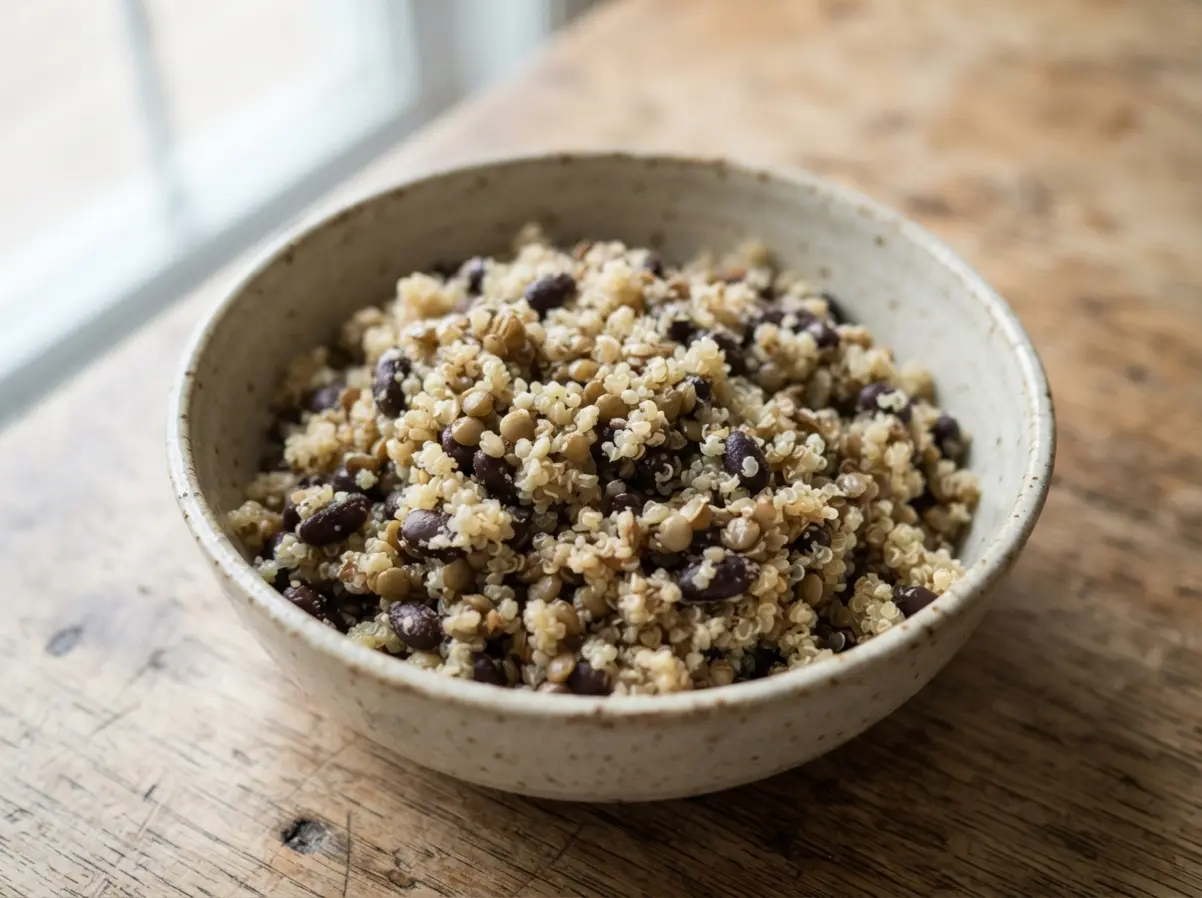
Your body absorbs about 90% of the protein from an egg, but only around 70% from many beans and lentils. This measure, called bioavailability, is a key reason animal proteins are so efficient for muscle building. They provide a complete amino acid profile and nutrients like heme iron that your body uses easily. Relying on high-protein superfoods simplifies this pairing. Plant proteins are fantastic for your health, but their amino acid spectrum is often incomplete. The good news is you can fix this by pairing foods like rice and beans or hummus and whole wheat pita.
This strategic combination ensures you get all the essential building blocks for muscle repair and energy from your plant-based meals. Tracking your intake of high-protein superfoods keeps you on the right path.
1. Grass-Fed Sirloin Beef: A Lean Protein Powerhouse
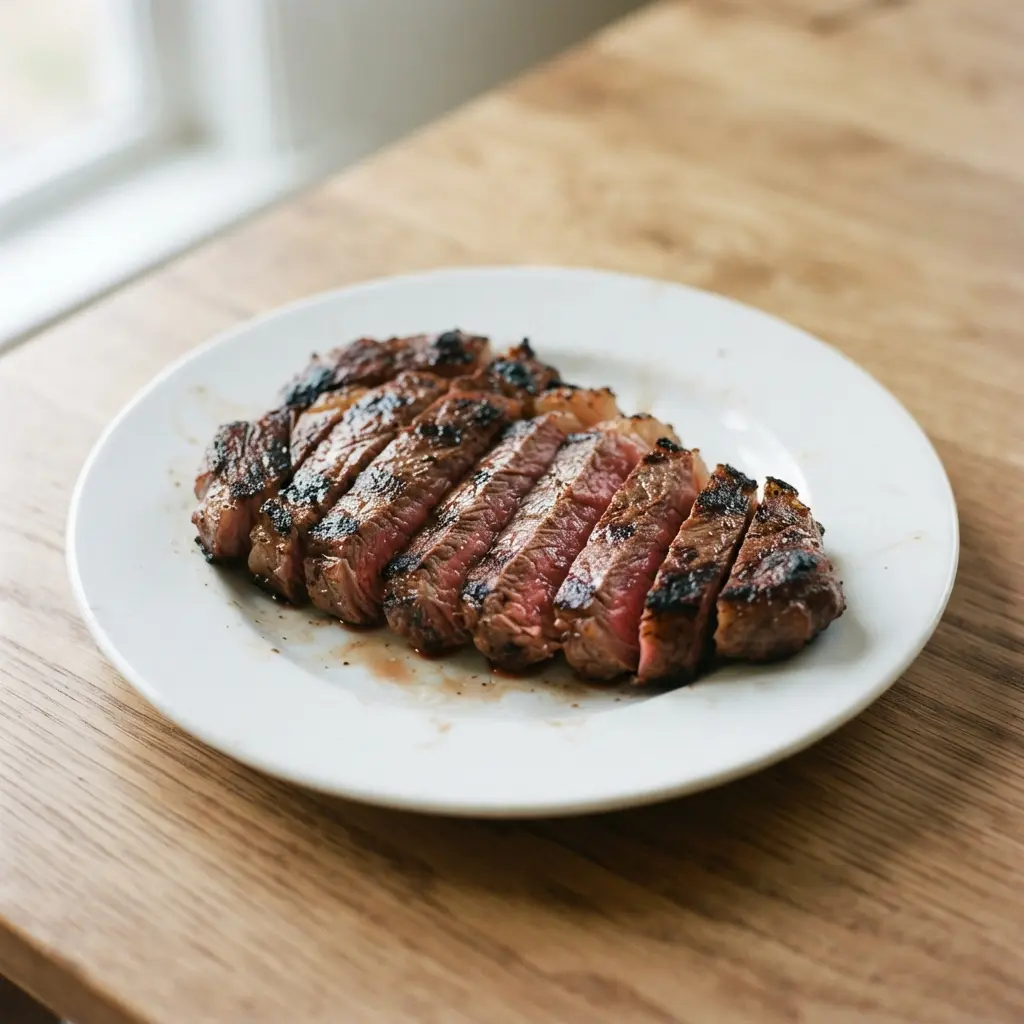
A common mistake is assuming all sirloin is nutritionally identical. The grass-fed designation is crucial. Grass-fed cattle produce beef with a different fat profile and nutrient density compared to grain-fed beef. This is exactly what defines top high-protein superfoods.
Top sirloin steak is the most common and tender cut from this area. It is a complete, highly bioavailable protein source essential for muscle repair and growth. Selecting these high-protein superfoods builds a solid routine. This makes it a core component of many muscle-building and energy-focused diets.
Research suggests the favorable Omega-3 to Omega-6 ratio and higher levels of Conjugated Linoleic Acid in grass-fed beef support heart health and an anti-inflammatory diet. You can build a solid nutritional foundation by incorporating healthy eating tips alongside your protein choices. Tracking your intake of high-protein superfoods keeps you on path.
Always look for clear grass-fed labeling when you shop. Finding true high-protein superfoods requires reading those labels.
2. Wild-Caught Atlantic Salmon: Rich in Omega-3s
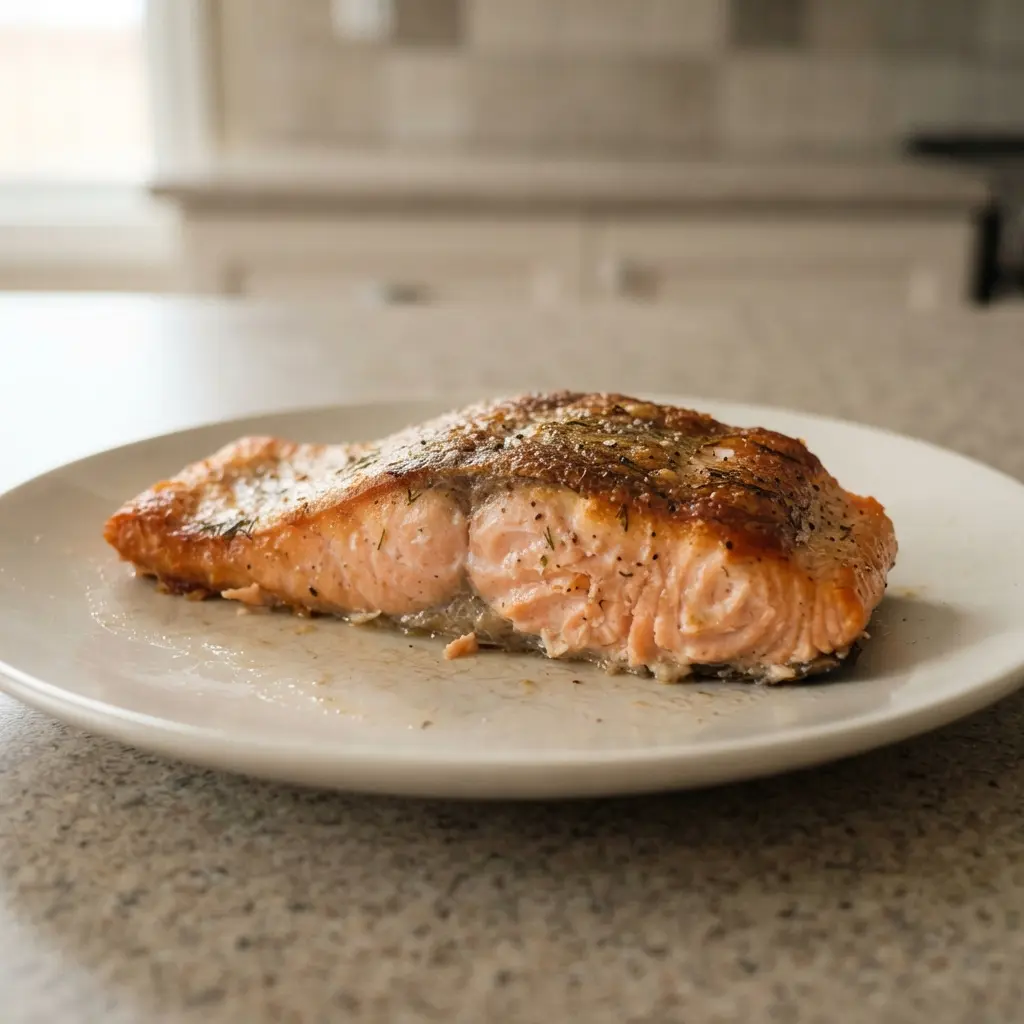
Make wild-caught Atlantic salmon a regular part of your weekly meal plan. A single 3.5-ounce serving delivers over 1,500 mg of combined EPA and DHA. This amount far exceeds the daily omega-3 intake many health organizations recommend. This quality separates premium high-protein superfoods from the rest.
The wild-caught distinction is important because these fish accumulate these fats from their natural marine diet. Research consistently links these specific fatty acids to improved cardiovascular and cognitive function. Always look for the ‘wild-caught’ label to ensure you are getting this nutrient profile. These fish rank among the best high-protein superfoods you can buy. Its high protein and healthy fat content makes it one of the most effective foods that keep you full. This supports sustained energy and can aid in managing a healthy weight. Choose fresh or frozen fillets with firm flesh and a clean ocean scent for the best quality.
3. Pasture-Raised Whole Eggs: The Complete Protein

You crack open a pasture-raised egg for breakfast, its yolk a deep orange. This single food provides a complete protein, containing all nine essential amino acids your body cannot make. A large egg delivers six to seven grams of this high-quality protein, which has a biological value of one hundred for optimal absorption. Eggs remain a classic choice among high-protein superfoods.
The pasture-raised method means hens forage on grasses and insects. This diverse diet enriches the eggs with higher levels of Vitamin D and omega-3 fatty acids compared to conventional eggs. Pasture methods elevate high-protein superfoods to a higher standard. These specific nutrients support muscle function, brain health, and reduced inflammation. Including these eggs in your plan works synergistically with the power of fat-burning foods for sustained energy and satiety.
Choose pasture-raised eggs to maximize this complete nutritional package from a single source. Including such high-protein superfoods boosts your daily totals.
4. Plain Greek Yogurt Bowls: Creamy and Versatile

A common mistake is reaching for a flavored yogurt to avoid the tang. This defeats the purpose. Plain Greek yogurt provides a clean, high-protein base you control. Yogurt bowls easily join the list of high-protein superfoods. Its straining process concentrates protein, delivering about 15 to 20 grams per serving. This makes it a powerful foundation for a satisfying meal.
Start with a plain Greek yogurt base. Choose non-fat, low-fat, or full-fat based on your preference for creaminess. Then customize with toppings. Add fresh berries for vitamins and fiber. Building bowls around high-protein superfoods gives you control. Sprinkle nuts and seeds for healthy fats and crunch. A drizzle of honey or maple syrup can balance the natural tartness.
This high-protein combination promotes lasting fullness and steady energy. Mixing fresh toppings with high-protein superfoods creates balance. For a balanced approach that complements this protein focus, review the facts about Mediterranean diet principles. They emphasize whole foods and healthy fats, which align perfectly with building nutritious bowls. Always select plain yogurt to avoid hidden added sugars that undermine your health goals. Picking plain options from high-protein superfoods avoids hidden sugars.
5. Slow-Digesting Cottage Cheese: The Satiety Star
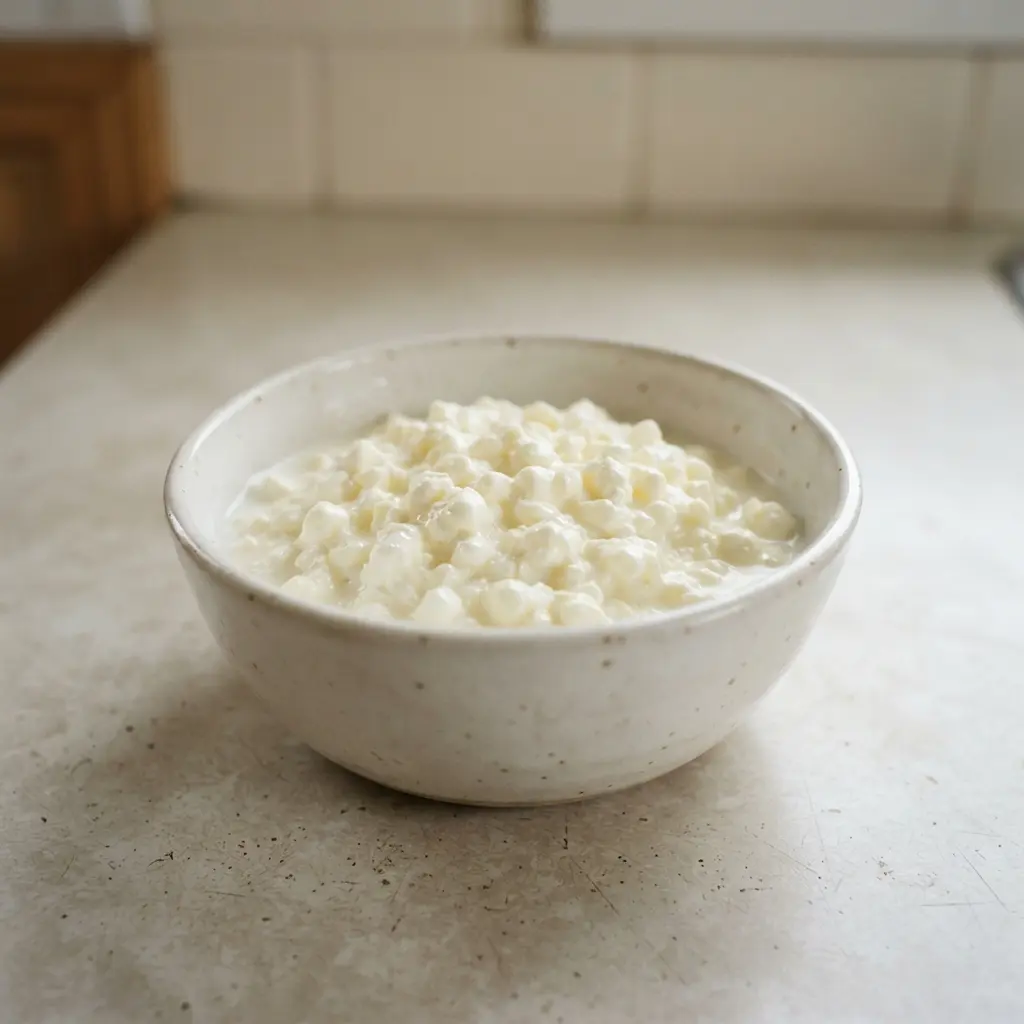
Why do some foods keep you full for hours while others leave you hungry again in ninety minutes? The answer often lies in the type of protein. Cottage cheese is a prime example, packed with a specific protein called casein. This protein forms a gel in your stomach, slowing digestion and providing a steady release of amino acids for up to five hours. Casein makes cottage cheese a top pick among high-protein superfoods.
This sustained release stabilizes blood sugar and curbs cravings. Research suggests this slow-digesting mechanism helps regulate appetite hormones. Checking your pantry for high-protein superfoods ensures easy access. A half-cup serving offers 12 to 15 grams of protein, making it a powerful tool for managing hunger. Check labels for low-sodium varieties if you are watching your salt intake. For a balanced approach, pair it with other foods that help you heal and support your overall wellness.
6. Icelandic Skyr Dairy Products: Thick and Tangy

Think of it as yogurt’s more concentrated cousin, but Skyr is actually a strained fresh cheese. This traditional process removes most of the whey, leaving behind a thick, creamy texture and an exceptionally high protein content. A single 100-gram serving provides 10 to 12 grams of protein, which is a significant amount for a dairy product. Skyr easily stands out among traditional high-protein superfoods.
This high protein content makes it a satiating food choice that supports muscle maintenance. It is also naturally low in fat and sugar, assuming you choose plain varieties. Adding Skyr shows how dense high-protein superfoods truly are. Many people find that including a protein-rich food like Skyr in a meal helps them feel full for longer, which can support weight management goals.
For another excellent source of high-quality protein and healthy fats, learn about the health benefits of salmon. Explore more options beyond standard high-protein superfoods for variety. Always consult a healthcare professional before making changes to your health routine.
7. Fast-Absorbing Whey Protein: Post-Workout Fuel

A common mistake is rushing to consume protein within a strict 30-minute window after exercise. While immediate intake is beneficial, the body remains receptive to nutrient uptake for several hours. The true advantage of fast-absorbing whey lies in its rapid delivery of essential amino acids to repair muscle tissue. This speed highlights why whey ranks with high-protein superfoods.
Whey protein contains a high proportion of small peptides and branched-chain amino acids. These require less digestion than complex proteins. Fast delivery makes this one of the fastest high-protein superfoods. This allows amino acids to enter the bloodstream quickly, stimulating muscle protein synthesis. Timing this correctly maximizes all high-protein superfoods in your diet.
This matters because research consistently shows that rapid amino acid delivery optimizes the initial stages of muscle repair and growth. Consuming a shake within two hours of your workout capitalizes on this efficient process. For a straightforward choice, select a whey protein isolate for its high protein purity and low lactose content. Pair your whey with a simple carbohydrate, like a banana, to further enhance glycogen replenishment.
Choosing isolate fits the purest high-protein superfoods category. Always consult a healthcare professional before making changes to your health routine.
8. Slow-Releasing Casein Protein: Overnight Support
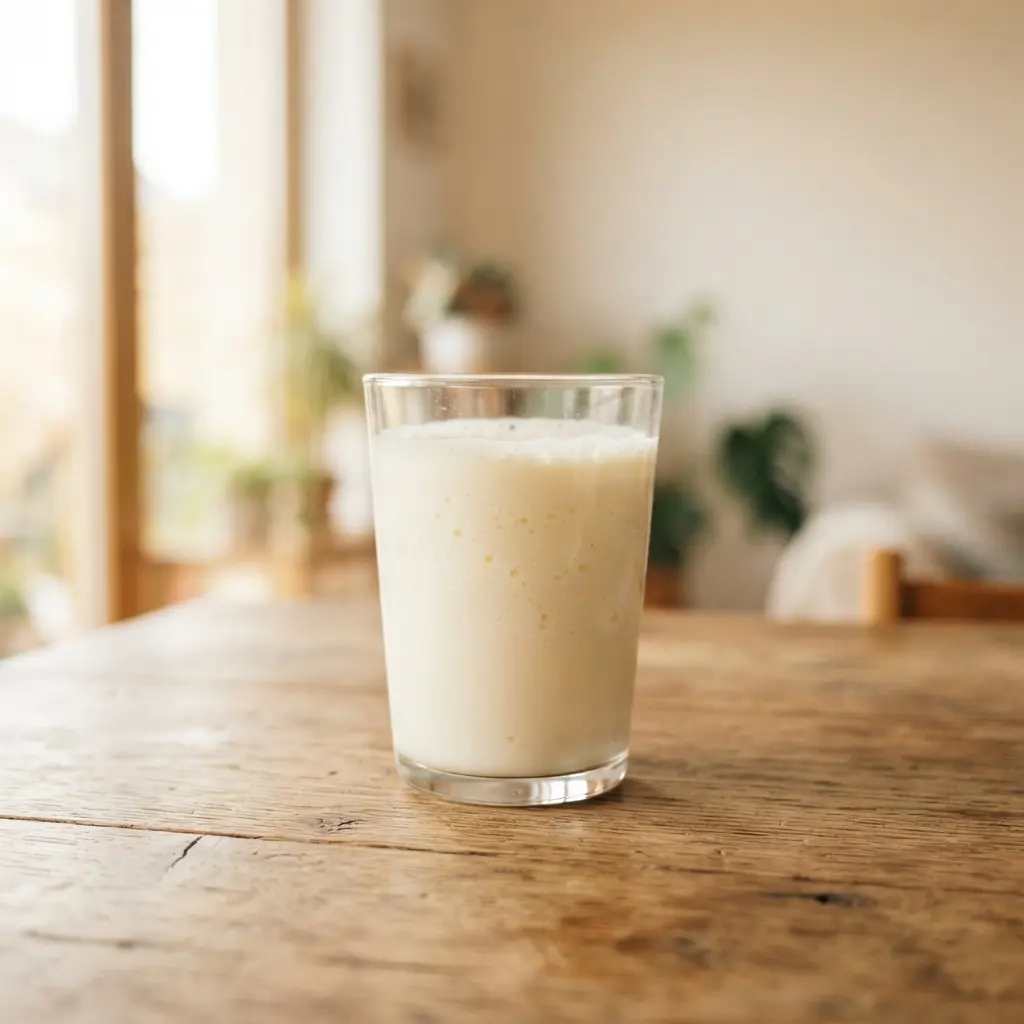
Take a serving of micellar casein before bed. This milk protein forms a gel in your stomach. It digests slowly over many hours. This slow release proves casein matches slow high-protein superfoods. This provides a steady stream of amino acids to your muscles while you sleep. Research suggests this sustained release prevents muscle breakdown overnight.
It supports muscle repair and growth during this long fasting period. The slow digestion also promotes a feeling of fullness. Planning ahead keeps your supply of high-protein superfoods steady. A consistent overnight protein supply is a key part of a muscle-supporting diet, alongside choosing foods to keep your brain healthy. Always consult a healthcare professional before making changes to your health routine.
9. Cooked Brown Lentil Legumes: A Fiber-Filled Base

You finish a heavy lunch and feel that familiar afternoon energy crash. A meal built on a cup of cooked brown lentils provides a different experience. The complex carbohydrates and 15 grams of fiber in that serving release energy slowly. Lentils show why legumes belong with high-protein superfoods. You avoid the blood sugar spike and subsequent slump.
This steady fuel supports digestive health directly. The insoluble fiber adds bulk to promote regularity. Combining healthy fats and high-protein superfoods locks in satisfaction. Soluble fiber acts as a prebiotic for beneficial gut bacteria. These mechanisms also help manage cholesterol levels. For sustained energy and digestive support, make lentils a weekly staple. Their high protein and fiber content also make them excellent for satiety.
Pair them with a healthy fat source like walnuts to create a complete, satisfying meal. Exploring more about these high-protein superfoods improves your meals. The health benefits of walnuts complement the nutritional profile of lentils perfectly.
10. Organic Black Bean Varieties: Hearty and Affordable

A common belief is that all black beans are the same. In reality, the term usually refers to the black turtle bean, a different plant from the black soybean. Knowing the difference helps you sort true high-protein superfoods. Choose dried organic black beans for the most affordable and controlled option.
Soak them overnight and cook for one to two hours. Soaking and rinsing prepare these high-protein superfoods for cooking. This process removes compounds that cause digestive discomfort. For a quicker meal, use canned organic beans and rinse them thoroughly to reduce sodium. This legume provides sustained energy from its protein and complex carbohydrates. Its high fiber content also supports digestive health.
This steady fuel highlights how affordable high-protein superfoods can be. For a complete meal, combine them with another protein source like the health benefits of spinach to create a nutrient-dense dish. Pairing ingredients expands your menu of high-protein superfoods.
11. Roasted Chickpea Snack Portions: Crispy and Savory

Need a crunchy snack that actually fills you up? Roasted chickpeas are the answer. The process is simple but demands one crucial step. Following exact steps guarantees crispy high-protein superfoods every time. You must dry the chickpeas completely after rinsing them. Any remaining moisture will steam them instead of roasting them.
Spread the dried chickpeas in a single layer on a parchment-lined baking sheet and roast at 400°F for 20 to 30 minutes. Stir them every 10 minutes for even color. Snacking right proves high-protein superfoods curb cravings. This method creates a high-protein, high-fiber snack that is naturally vegan and gluten-free. Many people find they stay satisfied for hours after a small portion.
For a savory alternative to processed snacks, roasted chickpeas are a practical choice. They also work well as a topping for salads or as a component in a dish with healthy meat substitutes.
12. Steamed Edamame Soy Beans: The Perfect Appetizer
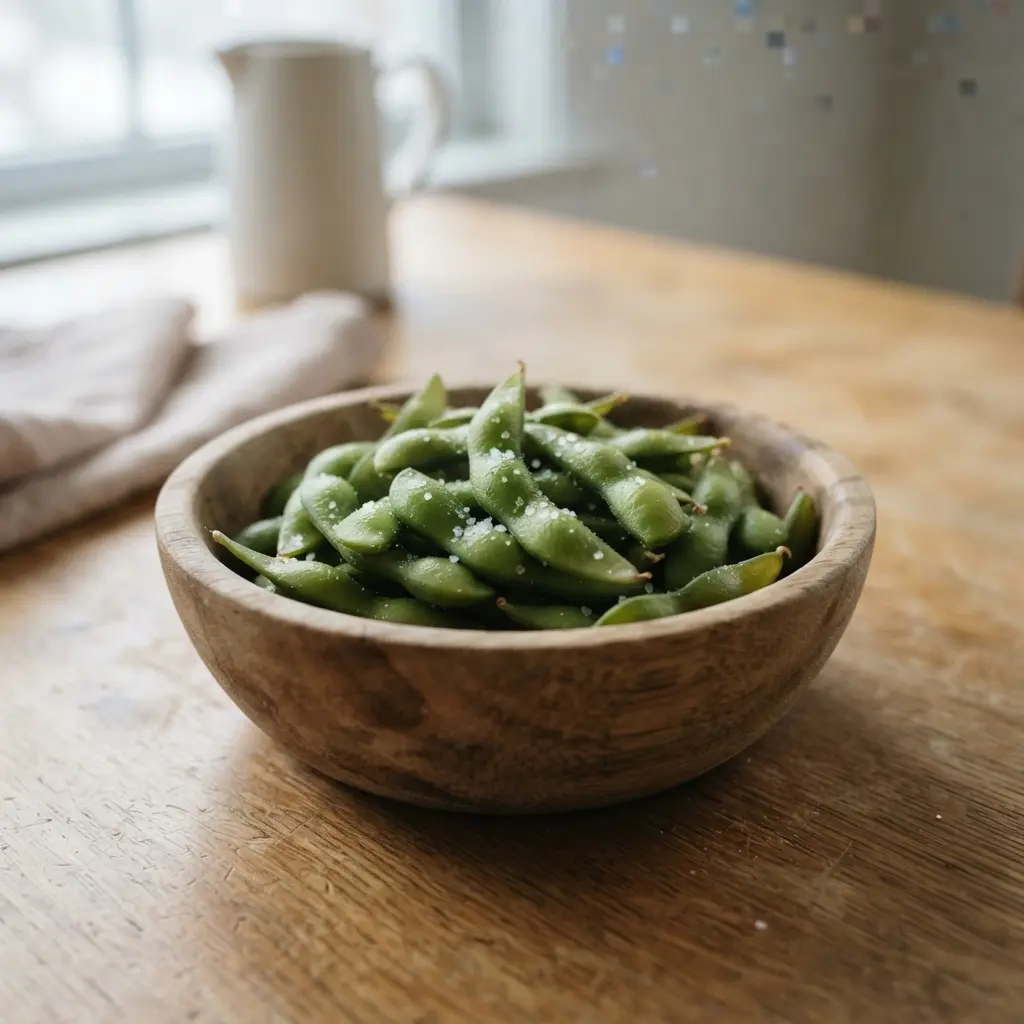
For a plant-based protein that is more satisfying and nutritious than many common starters, turn to steamed edamame. It is a complete protein source, containing all nine essential amino acids your body requires. Steaming pods keeps edamame among the freshest high-protein superfoods. Steaming frozen pods for five to seven minutes yields a tender-crisp texture and bright green color.
After draining, toss the warm pods generously with coarse salt for the best flavor. This cooking method preserves the beans’ high fiber content and essential nutrients like folate and manganese. Many people find the interactive experience of popping the beans from the pod makes it a fun, crowd-pleasing option. This easy serving method makes edamame one of the simplest high-protein superfoods. Always discard the inedible pod after eating the beans inside.
13. Complete Protein Quinoa Grains: The Ancient Seed
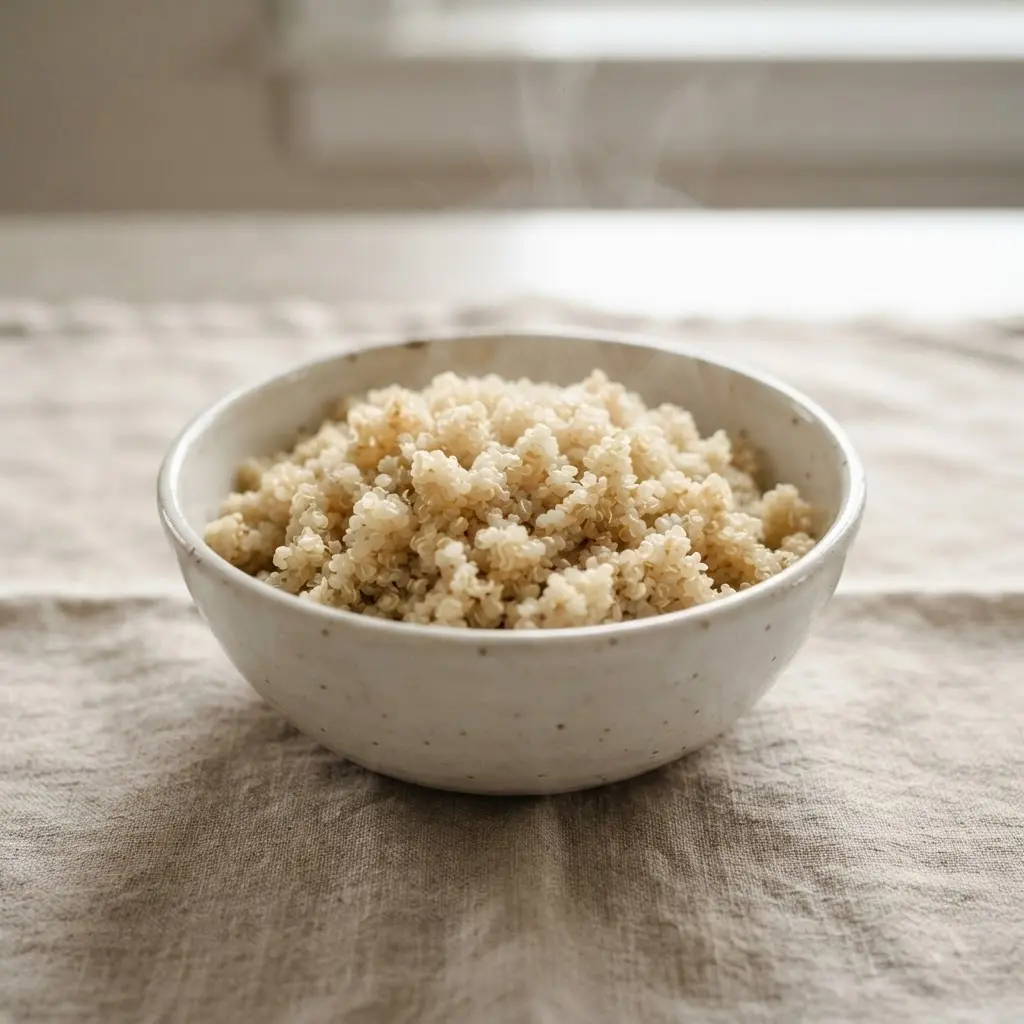
A common mistake is forgetting to rinse quinoa before cooking. Rinsing properly protects the quality of all high-protein superfoods. This leaves a bitter taste from the natural saponin coating on the seeds. Proper rinsing removes this coating and ensures a clean, nutty flavor. Quinoa is not a true grain but a seed.
It provides a complete protein source with all nine essential amino acids. Its seed structure places quinoa with ancient high-protein superfoods. One cup of cooked quinoa offers about eight grams of protein. It also delivers fiber and minerals like magnesium and iron. This nutritional profile makes it a foundational food for plant-based diets and blood sugar management.
Include quinoa in meals where you would normally use rice or couscous. Pairing it with other foods for sustained energy creates a balanced plate. Swapping grains opens doors to diverse high-protein superfoods.
14. Nutrient-Dense Buckwheat Seeds: Gluten-Free Goodness

Add buckwheat groats to your next grain bowl or salad. Groat texture makes buckwheat a versatile member of high-protein superfoods. This is a complete plant-based protein, containing all nine essential amino acids. One cup of cooked groats provides about six grams of protein and five grams of fiber.
The fiber and antioxidants like rutin help regulate blood sugar and support heart health. Checking labels confirms buckwheat joins safe high-protein superfoods. Research suggests its balanced nutrient profile promotes sustained energy and muscle repair. For a balanced diet rich in complete proteins, you can learn about the health benefits of various fish. Buckwheat is a versatile and safe option for anyone following a gluten-free diet.
15. Hemp Seed Protein Boosters: Nutty and Earthy

You stir a scoop of protein powder into your morning smoothie, expecting a neutral base. Instead, you get a pleasant, grounding flavor of toasted seeds and fresh earth. This is the signature taste of hemp seed protein. That bold taste defines raw high-protein superfoods perfectly. The powder is made by pressing hemp seeds to remove oil, then grinding the remaining cake. This process concentrates a complete plant protein and dietary fiber.
This nutty and earthy profile works best in recipes that complement those flavors. Think banana bread, oatmeal, or a smoothie with cacao and almond butter. The distinct taste is a feature, not a flaw. It means you are using a less processed, whole-food ingredient. Research suggests the fiber and omega fatty acids in hemp protein support digestive and heart health. Always store hemp protein in a cool, dark place to prevent the oils from turning rancid. A stale product develops a strong bitterness. Storing correctly preserves expensive high-protein superfoods.
For individuals managing carbohydrate intake, this protein’s high fiber content pairs well with the principles of low-carb eating. The fiber helps moderate blood sugar response.
16. Raw Pumpkin Seed Kernels: A Crunchy Topping

A common belief is that all pumpkin seeds are the same. In reality, raw pepitas are the specific, shell-less green kernels, distinct from the white seeds inside a carving pumpkin. Sealing containers locks in freshness for dry high-protein superfoods. These kernels are a significant source of plant-based protein and magnesium. Sprinkle them over salads, yogurt, or soups for a satisfying crunch.
Their high content of healthy fats and fiber supports steady energy and digestion. Store pepitas in an airtight container in the refrigerator to prevent their oils from going rancid. This preserves their subtle nutty flavor and nutritional value for your meals. For more ideas for healthy snacks, a simple search can provide many options.
17. Sprouted Chia Seed Gels: The Hydrating Helper
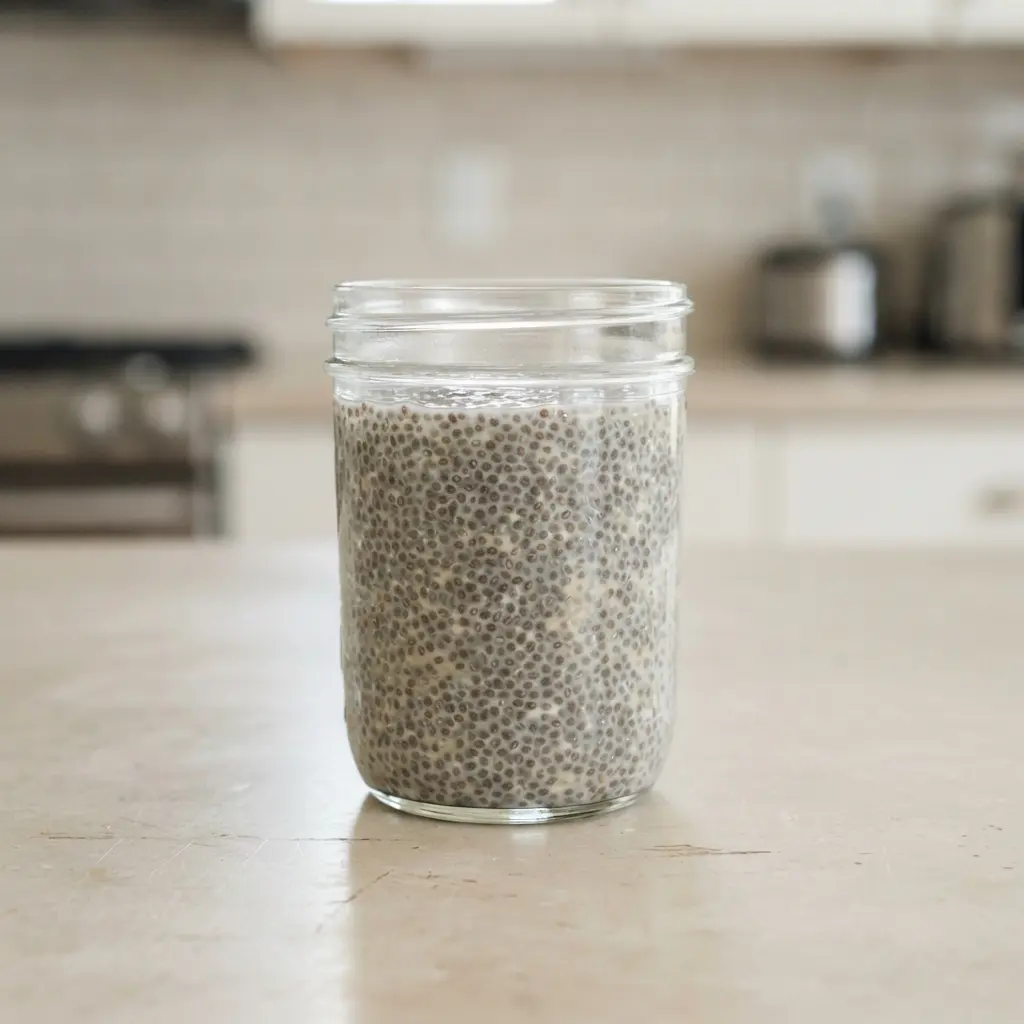
Do you struggle with staying hydrated, even when you drink plenty of water? Sprouted chia seed gels address this by forming a water-retaining matrix. This gel releases hydration slowly, which is more effective than drinking water alone. It can retain up to twelve times its weight in liquid. Choosing gelly options ranks among smart high-protein superfoods picks.
The sprouting process increases nutrient bioavailability. It breaks down anti-nutrients, making the protein, omega-3s, and minerals easier for your body to absorb. This makes the gel a superior source of sustained energy and essential fatty acids. For a complete morning meal, incorporate this gel into delicious vegan breakfast ideas like puddings or smoothie bowls. Always consult a healthcare professional before making changes to your health routine.
18. Dried Nutritional Yease Flakes: A Cheesy Vegan Option

Unlike active baking yeast that makes bread rise, nutritional yeast is deactivated and will not leaven your food. It provides a savory, cheesy flavor that is perfect for plant-based cooking. The flakes are a complete protein source and contain all nine essential amino acids. Many brands fortify their yeast with Vitamin B12, a crucial nutrient for vegans. Adding fortified yeast boosts your list of high-protein superfoods.
This makes it a convenient way to support energy levels and nervous system health. A single tablespoon can offer around two grams of protein and a significant amount of B vitamins. You can sprinkle it on popcorn, stir it into soups, or use it to create dairy-free cheese sauces. This versatility makes it easy to add to your quick and healthy breakfast ideas. Always check the label to confirm B12 fortification for maximum benefit. Picking versatile flakes expands your high-protein superfoods shelf.
19. Tempeh Fermented Soy Blocks: Firm and Flavorful
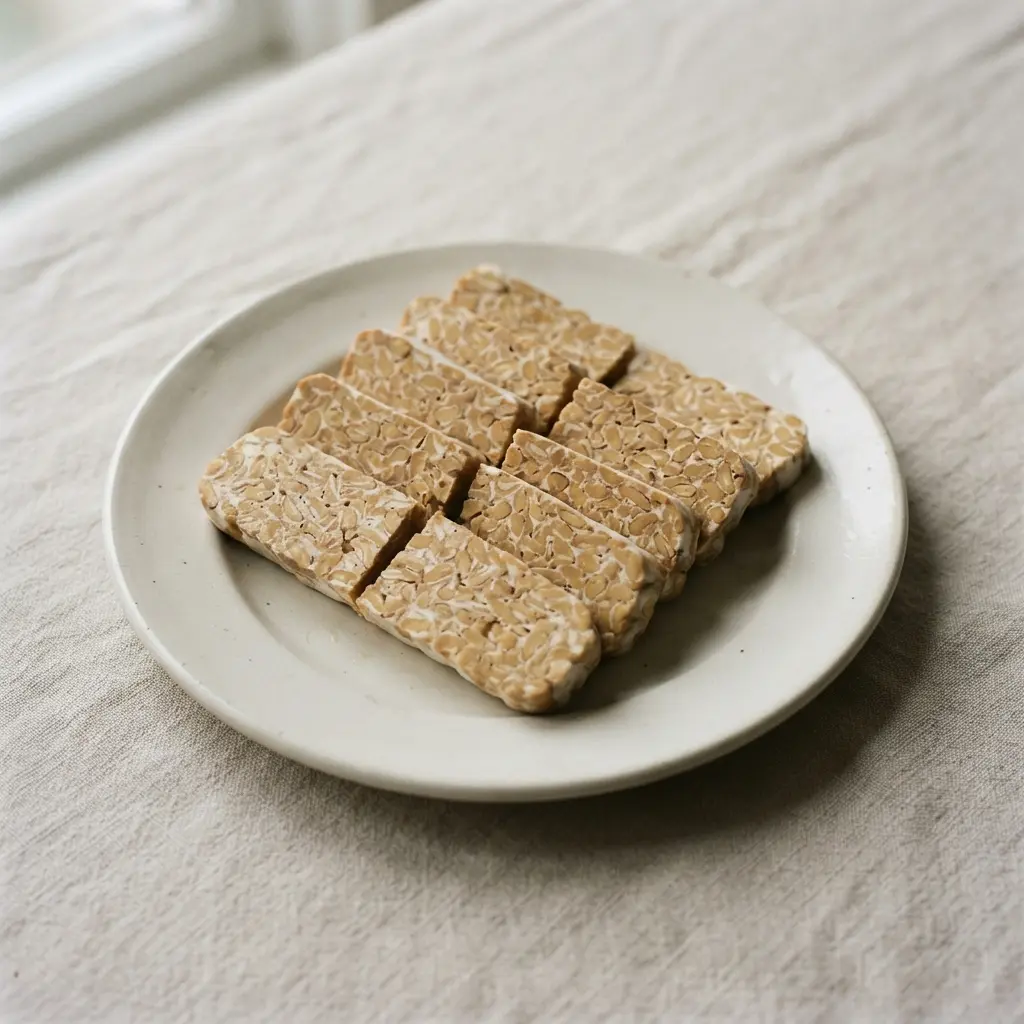
A common mistake is thinking tempeh is just another form of tofu. It is not. Tempeh is made from whole fermented soybeans bound by a white mycelium, resulting in a firm, chewy block with a distinct nutty and earthy flavor. Fermentation sets these apart from standard high-protein superfoods. The fermentation process takes 24 to 48 hours and uses a specific starter culture.
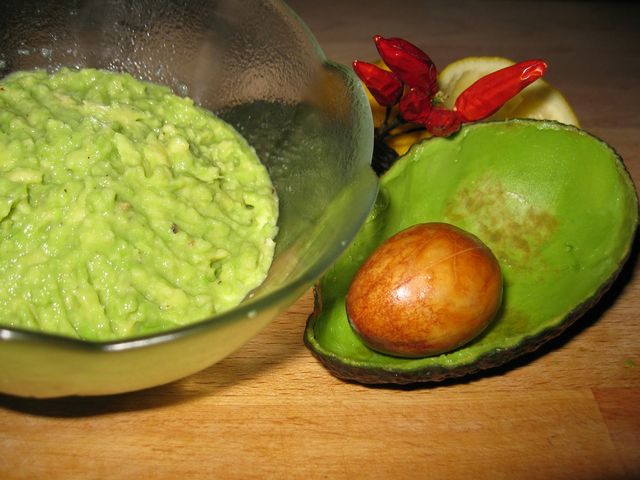
This method makes the nutrients in the soybeans more accessible. Tempeh is a complete plant protein, providing all essential amino acids for muscle support. Its firm texture holds up well to marinating and cooking methods like baking or grilling. Research suggests the fermentation can aid digestion and increase nutrient absorption. For a satisfying meal, slice it thinly and pan-fry until golden, or crumble it into a chili. If you are pairing it with other fresh ingredients, learn some how to prepare avocado techniques to add creamy contrast. Adding firm blocks rounds out your high-protein superfoods rotation.
Optimising Intake Timing for Maximum Muscle Growth
Eating 20 to 40 grams of high-quality protein within two hours after your workout significantly boosts muscle repair. This window is when your muscles are most receptive to those rebuilding signals. A quick, digestible option like a whey protein shake or Greek yogurt can be perfect here. For the rest of the day, aim to include a protein source with each meal to keep amino acids available. This steady supply supports ongoing recovery and helps prevent muscle breakdown. Pairing your protein with a carbohydrate after training also helps replenish energy stores, making your overall nutrition strategy more effective for growth. Timing meals around high-protein superfoods maximizes your gains.
Conclusion
Adding these high-protein superfoods to your routine can really change how you feel. They help build strength, keep you energized, and support your overall health. The best part is you do not need to try them all at once. Start with one or two that sound good to you. Maybe mix some hemp seeds into your morning yogurt or try roasted chickpeas as an afternoon snack. Listen to your body and see what makes you feel full and strong. Eating well is a personal journey, and these foods are great companions along the way. Here is to finding the high-protein superfoods that work best for you. Sticking with these choices builds lifelong eating habits.
FAQs
Q: What is the difference between complete and incomplete proteins?
A: Complete proteins have all the essential amino acids your body needs. Animal products like eggs and meat are complete. Incomplete proteins, found in many plants, lack some of these acids. You can combine different plant foods, like rice and beans, to get a complete protein profile.
Q: How much protein do I need each day?
A: Protein needs vary based on your weight and activity level. A common guideline is about 0.8 grams of protein per kilogram of body weight. People who are very active or looking to build muscle may need more. It is best to talk to a doctor or dietitian for personal advice.
Q: Can I get enough protein on a plant-based diet?
A: Yes, you can get enough protein from plants. Focus on foods like lentils, beans, tofu, tempeh, quinoa, and nuts. Eating a variety of these foods throughout the day helps you get all the necessary amino acids.
Q: Do high-protein foods help with weight management?
A: Protein can help you feel full longer, which may help with managing portions. Foods high in protein often take more energy to digest. This can support a balanced approach to eating and maintaining a healthy weight.
Q: Are protein powders necessary for good health?
A: Protein powders are not necessary if you eat enough protein from whole foods. They can be a convenient option for busy people or after a workout. Whole foods also provide other important nutrients like fiber and vitamins that powders may lack.