Really good avocado smoothies use a ripe avocado, a sweet or tangy fruit, a liquid, and a protein source. Blend until smooth, then add greens or seeds as needed. The avocado brings creaminess, while fruit keeps the flavor fresh and balanced.
I know a creamy drink feels more inviting when it tastes fresh, not heavy. These blends make avocado easy to enjoy with fruit, vegetables, protein, dairy, or plant-based milk. Let’s look at simple combinations for breakfast, a snack, or a post-workout drink. You’ll also get tips for choosing a soft avocado, balancing rich flavor with lime or berries, and keeping each glass smooth. Start with the pairing that matches your mood, then adjust sweetness, thickness, and protein to suit your routine. Grab a ripe avocado and your favorite ingredients. Let’s blend a smooth, filling drink you’ll want to make again.
Balancing Acidity Against Avocado Richness
Use one teaspoon of fresh lime juice for each cup of avocado smoothie when the blend tastes heavy or flat. Lime brings acidity, which means a bright sour note, and it cuts through avocado’s creamy richness without hiding its mild flavor. Berry, green apple, pineapple, and citrus blends already carry tartness, so start with less juice and taste before adding more.
Banana, dates, cocoa, and nut butter need more contrast, though too much lime makes chocolate or nut flavors taste sharp. Greek yogurt adds both tang and body, while plain milk softens the flavor and leaves more room for fruit. Keep this balance in mind, since really good avocado smoothies often rely on simple acid adjustments to shine. Skip vinegar or bottled sweet-and-sour mixes because their strong flavor distracts from the avocado.
Liquid Choices For Desired Smoothie Texture
Use about one cup of liquid for a smoothie containing half an avocado and one cup of frozen fruit. Add less for a spoon-thick bowl texture, or add a splash more when the blender struggles with frozen ingredients. Oat milk gives a soft, creamy finish with mild sweetness, while almond milk keeps the flavor lighter and nuttier.
Soy milk brings protein and a fuller body, while coconut milk adds a clear tropical note. Water keeps fruit flavors sharp but produces a thinner drink, and coconut water adds gentle sweetness with a lighter mouthfeel. When tracking thickness, really good avocado smoothies adjust best when liquid ratios are measured before pouring.
Pour liquid into the blender before avocado, soft fruit, frozen pieces, oats, or seeds so the blades catch ingredients evenly. Check the texture after blending, since chia, flax, and oats continue absorbing liquid for several minutes.
1. Nutritional Benefits of Avocado Smoothies for Balanced Blends
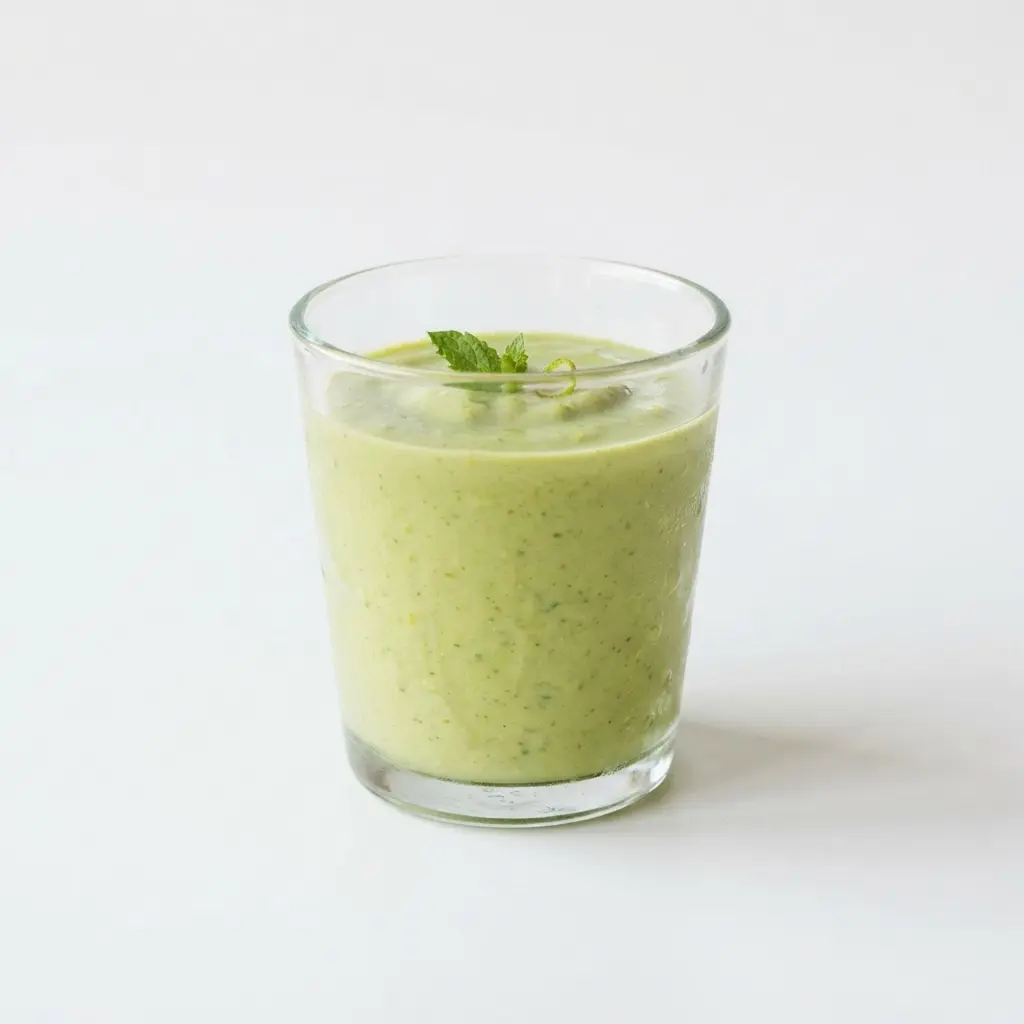
People often assume every avocado smoothie is automatically low in calories and sugar. The mistake is overlooking the full recipe. Avocado contains little sugar, yet banana, sweetened yogurt, flavored milk, syrup, and nut butter can change the total quickly. Check the portion size and every added ingredient before judging the blend.
If you monitor daily intake, really good avocado smoothies require a quick look at each sweetener first. Avocado adds a thick texture along with mostly monounsaturated fat. Those fats support absorption of fat-soluble vitamins A, D, E, and K from other foods in the drink.
Avocado also supplies potassium, folate, B vitamins, and other nutrients. Choose unsaturated fats as part of a balanced meal pattern, while keeping serving size in view. For steady energy, really good avocado smoothies pair well with other whole-food ingredients.
Fiber gives an avocado smoothie more staying power than a drink built mainly from fruit juice. Use avocado with spinach, banana, plant-based milk, or yogurt to adjust the balance. Use healthy sources of fiber to support regular digestion and fullness.
Add peanut butter, yogurt, or protein powder when the drink needs more protein. Research suggests fiber-rich meals support fullness, though the result depends on the whole recipe and serving size. A reported avocado-and-banana smoothie provides about 338 calories, 18 grams of fat, 48 grams of carbohydrates, and 3 grams of protein per serving.
Fiber in one version reaches up to 39% of the daily value. Treat these figures as estimates, not fixed results. Measure calorie-dense ingredients and choose unsweetened milk or yogurt when reducing added sugar.
2. Creamy Fruit and Avocado Pairings for Fresh Flavor
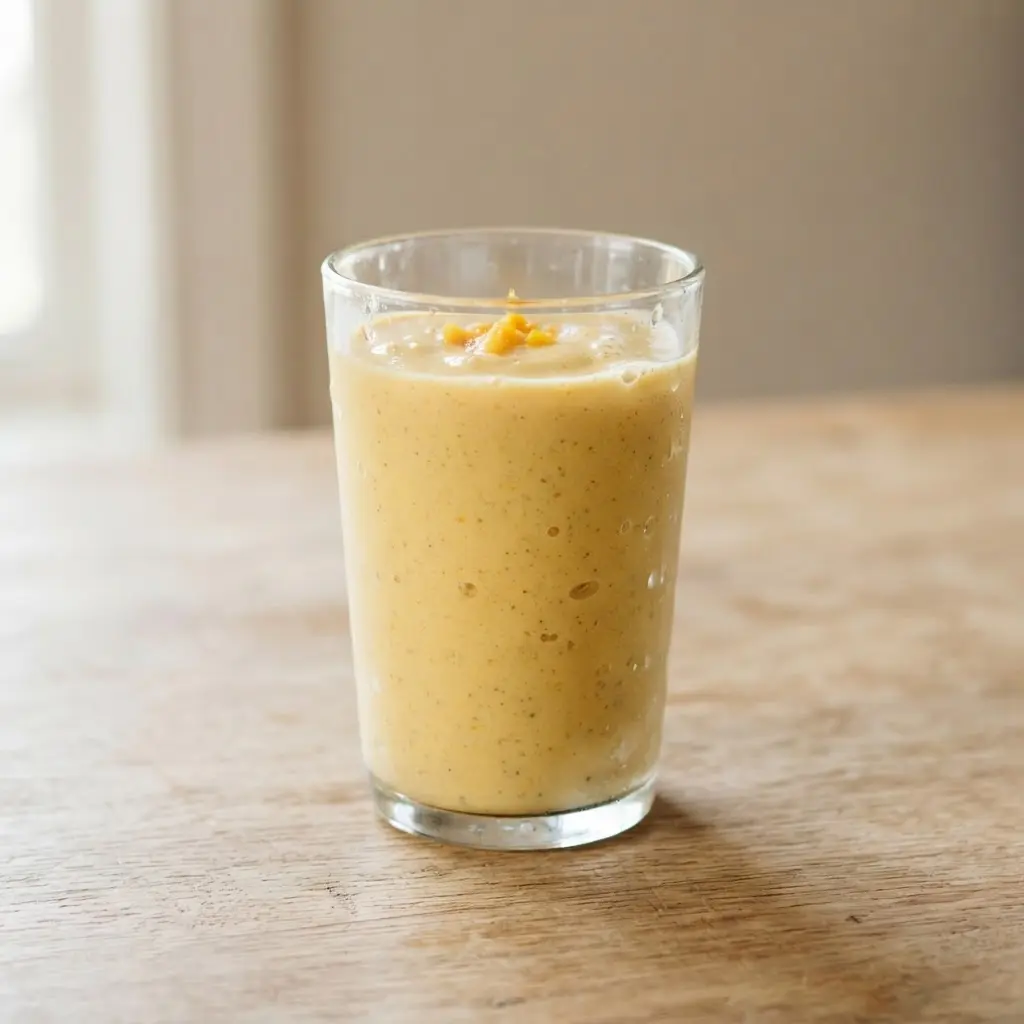
Start with ripe avocado and mango for a smooth tropical blend. Add one tablespoon of lime juice before blending. Mango brings soft sweetness, while lime cuts through the avocado’s rich texture. Blend until no green or fruit pieces remain, then taste before adding honey or maple syrup.
For a brighter finish, really good avocado smoothies respond well to a squeeze of citrus. Choose banana as a mild base when berries or citrus should lead the flavor. Banana and avocado create a creamy texture without a strong taste, so strawberries, blueberries, or raspberries stay noticeable.
Use fresh or frozen berries, then blend with milk, unsweetened plant milk, or water until smooth. This pairing suits a quick breakfast when a thick drink is preferred. Use pineapple and avocado for a sharper tropical profile. Pineapple supplies juice and acidity, which keeps the smoothie from tasting heavy.
Add a small amount of coconut cream for a richer dairy-free blend, or add mint for a fresher finish. Limit extra sweetener because pineapple and banana often provide enough natural sweetness. Keep citrus and melon in mind for lighter combinations. Orange or grapefruit adds bright acidity, while cantaloupe and honeydew provide watery sweetness.
Blend the fruit with avocado first, then adjust the flavor with lemon or lime juice. Research suggests acidic ingredients improve the balance of rich fruit blends, and lime juice also slows browning after cutting. Balance the final mixture before serving. Add sweetener in small amounts only after blending, and use a pinch of chili or a few basil leaves when the fruit needs more contrast.
Avocado should support the texture rather than overpower the chosen fruit. Keep this rule in mind, since really good avocado smoothies shine when fruit leads the flavor.
3. Green Vegetable Smoothie Additions for Smooth Texture
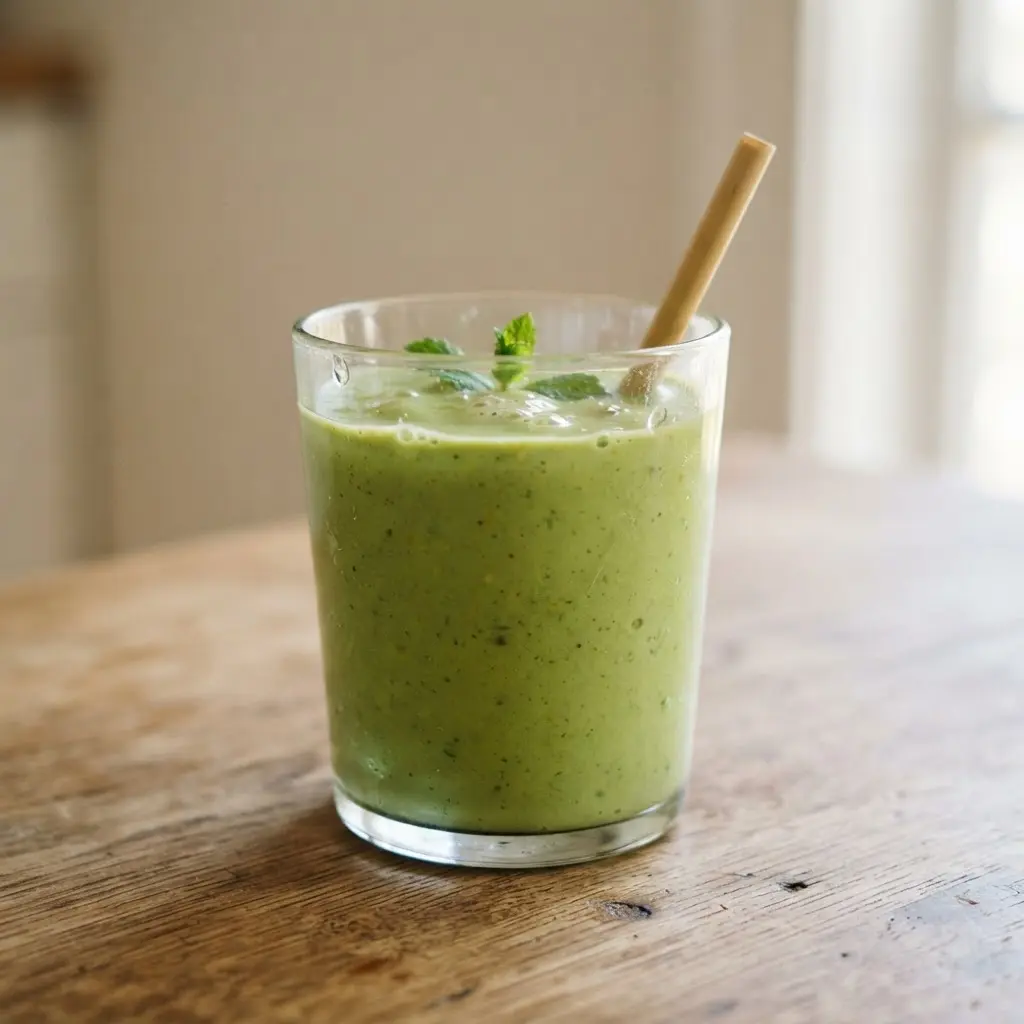
At 7 a.m., a handful of spinach and kale can leave a blender full of rough fibers. Add ripe avocado for a creamy body and mild flavor. To fix this, really good avocado smoothies often rely on this creamy base to soften harsh greens. Avocado also adds healthy fats without turning the drink noticeably sweet.
Pour in water, plant-based milk, or coconut water so the blades move freely. Choose a frozen banana when you want a thicker base with natural sweetness. Frozen mango, pineapple, or peaches add coldness and smooth body while softening the strong taste of leafy vegetables.
Dairy or non-dairy yogurt brings creaminess and a light tang. Silken tofu offers a neutral flavor and smooth protein source. For extra thickness, soak chia seeds or flax seeds before blending. Soaking gives the seeds a gel-like texture, which thickens the mixture more reliably than using dry seeds.
Start with a small amount, then add more liquid if the drink becomes too dense. Many people find this approach useful when leafy greens produce a thin, fibrous texture. Use cooked and cooled sweet potato or pumpkin for subtle sweetness and a soft finish.
Never add these vegetables while hot. Blend the vegetables and creamy ingredients until fully incorporated, then adjust the liquid in small amounts. Research suggests whole-food ingredients support a varied diet, while texture-focused additions make vegetable smoothies easier to drink regularly.
4. Protein and Seed Boosters for Filling Smoothies
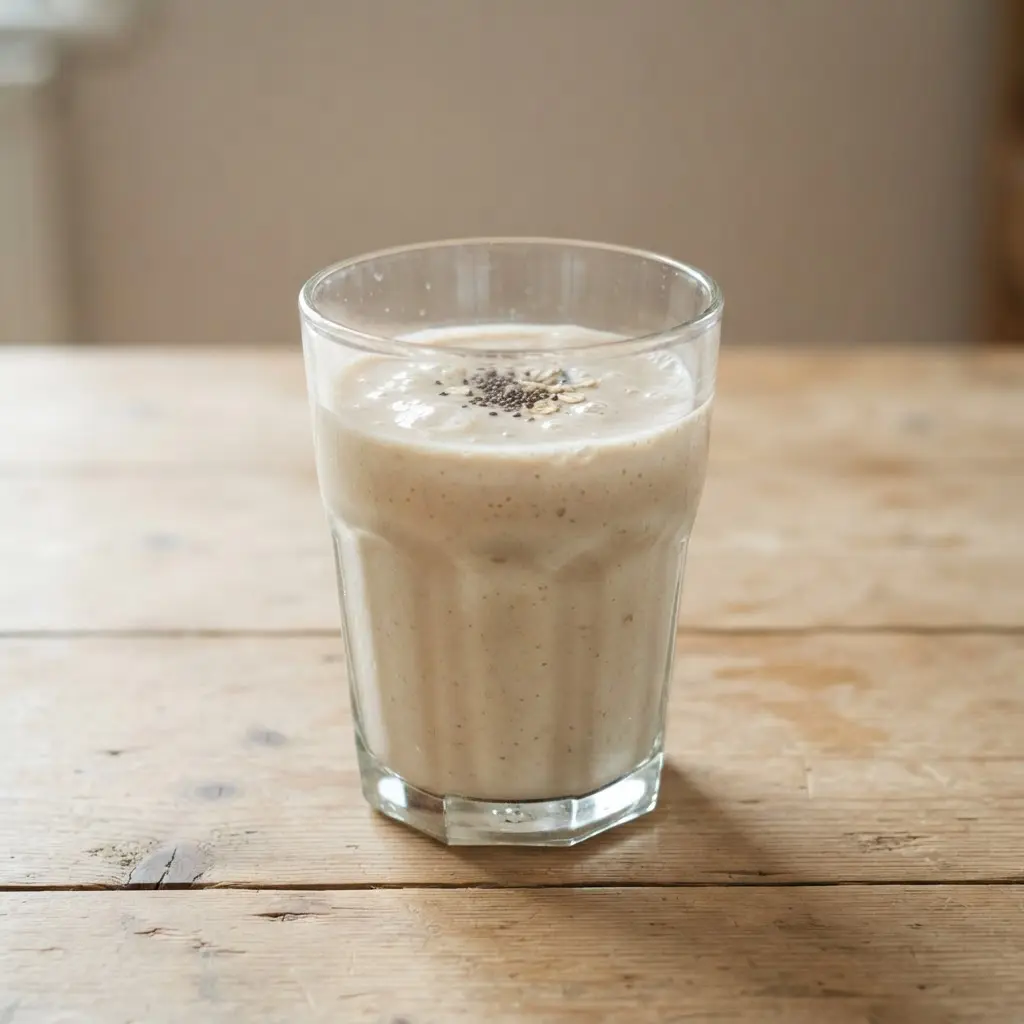
A common belief says avocado alone makes a smoothie filling. Avocado adds creaminess and healthy fats, but a balanced drink also needs protein and fiber. Choose a protein base such as Greek yogurt, cottage cheese, silken tofu, protein powder, or nut butter.
Use high-protein superfoods for smoothies to make an avocado drink more filling. Greek yogurt and cottage cheese create a thick, creamy texture with dairy protein. Silken tofu offers a mild plant-based option. Pea, soy, hemp, and brown rice powders suit different dietary needs.
Nut butters add protein, healthy fats, and a clear peanut, almond, or cashew flavor. Select one main source first, then adjust the liquid after blending. Seeds bring fiber, fats, protein, and texture. Chia seeds absorb liquid and thicken the drink as they sit.
Ground flax blends more smoothly than whole flax. Hemp hearts offer a mild nutty taste, while pumpkin and sunflower seeds add minerals and a firmer texture. Research suggests combining protein with fiber supports fullness between meals. Start with a seed booster, then add more only after tasting the result.
When tracking satiety, really good avocado smoothies deliver a steady boost. Thick ingredients work quickly. Protein powder, chia, nut butter, frozen fruit, and avocado together can produce a spoon-thick mixture. Add unsweetened almond milk, soy milk, or water in small amounts until the texture loosens.
Blend until smooth, but stop once the ingredients combine to avoid a thinner drink. Keep extra liquid nearby for chia-based smoothies, since the mixture thickens during the first several minutes.
Fresh Serving And Refrigerated Storage Timing
Refrigerate an avocado smoothie within two hours and drink it within 24 hours for the freshest flavor and texture. Store it in a sealed glass jar with little air space, since exposed avocado darkens and develops a dull flavor. Fresh lemon or lime slows browning, but it does not keep dairy or plant milk fresh indefinitely.
Refrigerated smoothies taste best within 24 hours, especially those containing banana, yogurt, or fresh greens. Shake or stir before drinking because chia, flax, oats, and pulp settle during storage. If the smell turns sour, the texture becomes fizzy, or the liquid separates unusually, discard the drink rather than tasting it.
Freeze extra portions in silicone molds for later blending, though thawed avocado often loses some of its smooth, fresh texture.
Conclusion
Your smoothie routine should feel easy and satisfying, not like a strict food rule. Avocado gives each drink a creamy base, while fruit, greens, protein, and seeds let you change the flavor to fit your day. Really good avocado smoothies start with a ripe avocado and a liquid measured in small amounts.
Add more liquid only after blending, so the drink stays thick. Taste before adding extra sweetener, then use lime, lemon, berries, or pineapple when the flavor feels too rich. For your next glass, choose one fruit, one protein source, and one seed.
Keep the recipe simple until you find a mix you enjoy. A few small changes help you build a smoothie routine suited to your appetite and schedule. Put your favorite pairing on repeat, then give the next combination a place in your breakfast rotation.
FAQs
Q: Are avocado smoothies good for breakfast?
A: Avocado smoothies contain fiber and healthy fats, while protein helps keep the drink satisfying. Pair one with a balanced meal if hunger returns soon.
Q: What fruit tastes best with avocado in a smoothie?
A: Mango, berries, pineapple, and citrus add sweetness or acidity to avocado. Lime or lemon keeps the flavor fresh when the drink feels too rich.
Q: How do I keep an avocado smoothie smooth?
A: Use a fully ripe avocado and blend it with enough liquid. Add ice after the other ingredients, and blend until no pieces remain.
Q: What protein works well in an avocado smoothie?
A: Greek yogurt, milk, soy milk, and protein powder pair well with avocado. Choose one protein source, then adjust the liquid for the thickness you prefer.
Q: Are avocado smoothies high in calories?
A: Avocado contains more calories than many fruits because it has healthy fats. Use half an avocado, fruit, and an unsweetened liquid for a lighter drink.