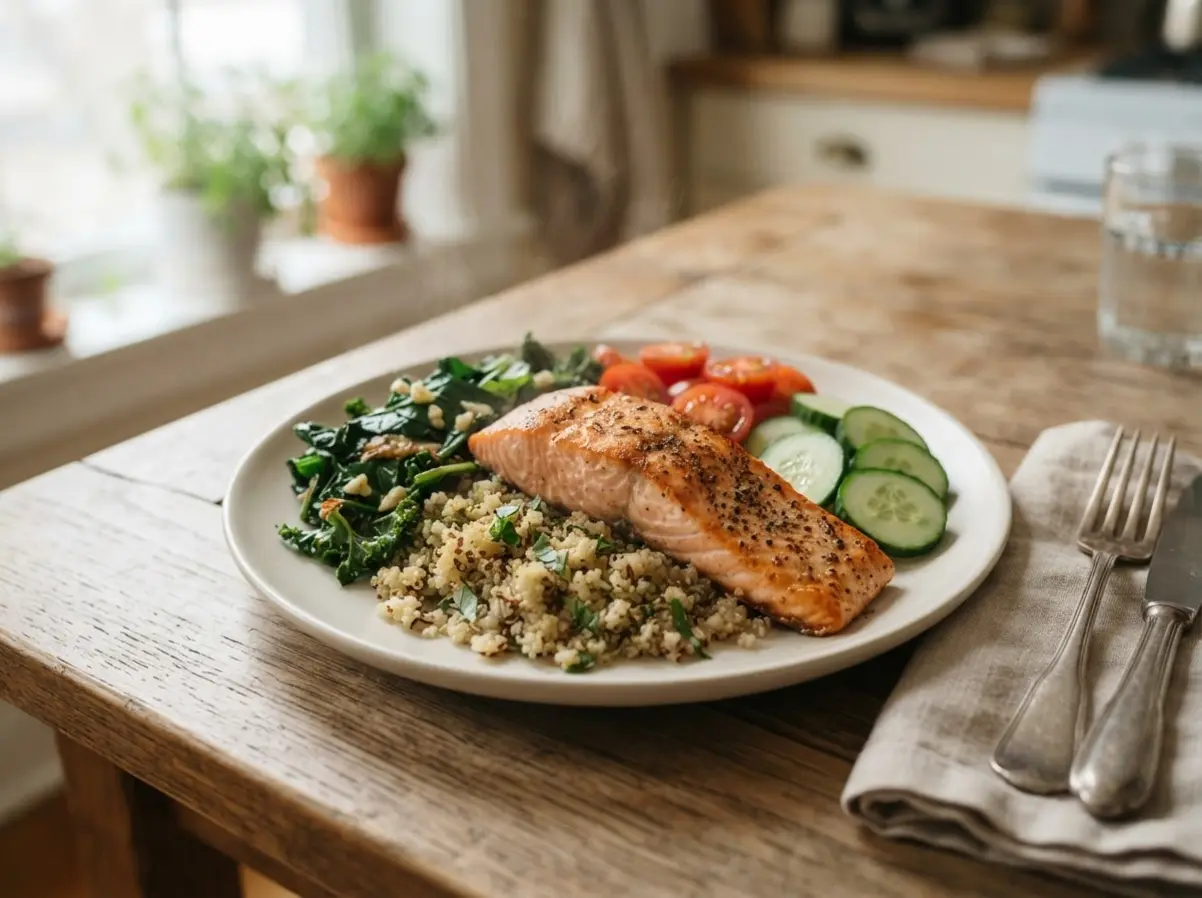
What are the most important habits for eating healthy and losing weight? Build meals around whole foods, watch portions, drink water regularly, reduce sugary foods and refined grains, move often, sleep well, manage stress, and plan meals ahead. Exploring the Most important habits for eating healthy and losing weight helps you build realistic routines. Small steps repeated each day support steady progress without strict rules.
I know healthy eating often feels harder when work, family, and busy evenings shape your choices. You do not need a perfect menu or a strict plan. Start with one change, such as adding produce to lunch or planning tomorrow’s dinner before bedtime. Notice your hunger, energy, sleep, and mood as you build routines.
Let’s make progress practical and kind. The sections below break the process into ten daily habits, with ideas for meals, portions, water, movement, rest, stress, and planning. Use the suggestions as general information, then choose the steps suited to your life. Pick one habit today and put it into practice.
Return to it often, even after an off day, because consistency grows through repetition. This steady pace connects directly to the Most important habits for eating healthy and losing weight.
Setting A Safe Personal Weight Goal
Set a modest weekly loss target, such as 0.5 to 1 pound, instead of chasing rapid change. A calorie range based on your age, body size, activity, and health needs gives meals a practical boundary without demanding exact perfection. Ask a registered dietitian or clinician for a personal estimate when diabetes, kidney disease, pregnancy, or weight-related medication enters the picture. This approach aligns with the Most important habits for eating healthy and losing weight.
Use hunger, energy, sleep, and exercise comfort as weekly feedback because a goal leaving you tired or preoccupied with food needs adjustment. Keep favorite cultural foods within the plan, and focus on portions and meal balance rather than banning entire food groups. A steady pace supports habits you still recognize months later, while short-term scale changes often reflect water, digestion, or sodium.
Adapting Habits To Medical Needs
A medication review with your clinician should come before changing food intake if you use insulin, blood pressure medicine, or appetite-related medication. Kidney disease often involves attention to sodium, potassium, protein, or fluid, while diabetes care often involves carbohydrate timing and blood sugar checks. Pregnancy calls for medical guidance rather than a weight-loss target, and a history of disordered eating deserves care from a qualified therapist or dietitian.
Medication side effects, food allergies, and digestive symptoms also deserve discussion, since sudden restriction often affects treatment or daily comfort. Bring a short record of meals, drinks, symptoms, sleep, and activity to appointments so your clinician sees patterns instead of one isolated day. Following medical advice connects to the Most important habits for eating healthy and losing weight.
Your plan should fit medical advice, cultural foods, budget, and energy needs, not force a fixed menu.
1. Whole Foods Consumption Strategies for Balanced Daily Meals

A common mistake is treating healthy eating as a plate of vegetables alone. Build each meal around whole-food meal planning: pair vegetables or fruit with protein, a whole grain or starchy food, and a suitable source of healthy fat. This structure supports variety without requiring complicated recipes.
Choose oats with fruit and nuts for breakfast, a quinoa salad with vegetables and beans for lunch, and salmon with broccoli and sweet potato for dinner. Make at least half your lunch and dinner plate non-starchy vegetables. Add protein from eggs, fish, poultry, lentils, Greek yogurt, tofu, or tempeh. These simple swaps highlight the Most important habits for eating healthy and losing weight.
Replace refined grains with brown rice, barley, farro, or bread listing 100% whole wheat as the first ingredient. Research suggests protein-containing foods support satiety and muscle maintenance, while whole-food choices reduce reliance on products high in added sugar and refined grains. Schedule weekly meal preparation by cooking grains, chopping vegetables, and portioning nuts or fruit before busy weekdays begin.
Keep water available throughout the day, and adapt these choices with a qualified healthcare professional when medical conditions, allergies, or prescribed dietary restrictions apply. Planning ahead reinforces the Most important habits for eating healthy and losing weight.
2. Portion Control Techniques for Satisfying Meals

Start by filling half your plate with non-starchy vegetables. Add a palm-sized serving of protein, a fist-sized portion of whole grain, and a small amount of healthy fat. This balance adds volume, fiber, and protein without making the meal sparse.
Use smaller plates or bowls to make measured servings look fuller. Measure rice, oil, nuts, or cereal for one to two weeks, then shift toward visual estimates if weighing food creates stress. Visual cues match the Most important habits for eating healthy and losing weight.
Keep water nearby. Eat without television or a phone, chew slowly, and pause for ten minutes before adding more. Research suggests slower, attentive eating improves awareness of hunger and fullness cues. Meals built around fiber-rich foods and lean protein often feel more satisfying than meals centered on refined foods.
Pause before taking seconds, one of the effective ways to prevent overeating. Portions should reflect personal needs, medical conditions, and dietary requirements. Tracking cues reflects the Most important habits for eating healthy and losing weight.
3. Optimal Daily Hydration Habits for Better Routine Support

At 7 a.m., reach for a glass of water before coffee or breakfast. Drink water after waking to replace fluid lost during sleep. Keep a reusable bottle beside your work bag, desk, or exercise clothes so the next drink stays within reach. Staying hydrated matches the Most important habits for eating healthy and losing weight.
Sip small amounts through the day rather than saving fluids for evening. Set an hourly phone reminder when a busy workday leads to forgotten drinks. Drink before exercise, take regular sips during activity, and drink afterward. Regular sips align with the Most important habits for eating healthy and losing weight.
Increase attention to fluids during hot weather, strenuous training, or illness. Watermelon, cucumbers, oranges, and strawberries provide water through food. Use water-rich produce to add variety without relying on sweetened beverages.
Choose water more often, since the dangers of sugary beverages matter when selecting daily drinks. Limit excessive alcohol and caffeine, which often contribute to fluid loss. Avoid large bedtime amounts because nighttime urination often interrupts sleep. Research suggests regular access and planned sipping support more consistent intake than waiting for thirst alone. Avoiding sweet drinks matches the Most important habits for eating healthy and losing weight. Always consult a healthcare professional before making changes to your health routine.
4. Mindful Eating Practices for Slower, More Focused Meals

Mindful eating does not require strict rules or perfect chewing. The goal is slower, focused meals with attention on flavor, texture, aroma, and body signals. Turn off the television, put away the phone, and eat at a calm table. Begin by looking at and smelling the food before taking the first bite.
Use smaller bites and chew each one thoroughly. A count of 20 to 30 chews offers a useful pace, but no fixed number suits every food. Slowing down supports the Most important habits for eating healthy and losing weight.
Put your fork down between bites. Notice changes in temperature, taste, and mouthfeel as you eat. Pause briefly to check whether hunger has eased and comfortable fullness has arrived. Pausing aligns with the Most important habits for eating healthy and losing weight. A short moment of gratitude for the food and its preparation can set a focused tone.
Research suggests mindful eating supports greater awareness of food choices and fullness cues. This awareness matters because distracted or rushed eating makes satisfaction harder to notice. Stop before feeling stuffed, and allow enough time for the meal instead of treating it as a task to finish quickly.
5. Sugar Intake Reduction Strategies for Everyday Foods

How do you reduce sugar without changing every meal? Start with drinks. Replace soda, sweetened coffee, and sweet tea with water, sparkling water, or unsweetened tea. Cutting back matches the Most important habits for eating healthy and losing weight. Choose water as your main drink.
Read the label before placing packaged food in your cart. Check the serving size, number of servings, and Added Sugars line. Scan ingredients for sucrose, corn syrup, dextrose, maltose, or fruit juice concentrate. Label reading fits the Most important habits for eating healthy and losing weight.
A package with two servings doubles the listed amount when you eat the whole package. Build meals around whole foods, including oats, beans, vegetables, eggs, fish, nuts, and plain yogurt with fruit. Use natural alternatives to sugar sparingly in recipes, since honey and maple syrup still count as sweeteners. Whole choices match the Most important habits for eating healthy and losing weight.
Choose lower-sugar ketchup, dressings, and sauces. Reduce sweetness in stages. Remove one teaspoon from coffee or tea, then adjust again after several days. Gradual steps match the Most important habits for eating healthy and losing weight. Research suggests gradual changes are easier to maintain for people accustomed to sweet flavors. People with diabetes or other medical conditions should seek guidance from a qualified healthcare professional before changing their eating routine.
6. Refined Carbohydrate Management for Balanced Food Choices

Choose oatmeal over sugary cereal, and whole-wheat pasta over pasta made from refined flour. Replace refined grains with oats, quinoa, barley, beans, lentils, potatoes, corn, or peas. Fiber focus matches the Most important habits for eating healthy and losing weight.
Read the first ingredient on bread, pasta, and cereal packages. Look for “whole wheat flour” or “whole grain.” Checking ingredients fits the Most important habits for eating healthy and losing weight. Terms such as “multigrain,” “enriched,” and “unbleached” do not confirm a high-fiber product. Apply this principle to foods to avoid for weight loss by limiting refined grains and sweetened drinks.
Choose whole fruit instead of juice, and replace soda, sweetened tea, or sweetened coffee with water, unsweetened tea, or sparkling water with a splash of juice. Pair carbohydrates with protein, such as fruit with yogurt, whole grains with lean meat, or lentils with nuts. Balanced meals reflect the Most important habits for eating healthy and losing weight.
Research suggests higher-fiber choices support fullness and slower blood-glucose rises. Refined carbohydrates do not require complete avoidance. Focus on food quality and portion balance. Always consult a healthcare professional before making changes to your health routine.
7. Structured Physical Activity Integration Into Daily Routines

A common mistake is treating exercise as worthwhile only when it fills an hour. Replace this all-or-nothing view with short activity bouts linked to daily cues. Climb stairs, walk briskly during a phone call, or perform calf raises while brushing your teeth. Short bursts match the Most important habits for eating healthy and losing weight.
Choose movements with a practical purpose. Rise from a chair, squat while reaching for a low item, or practise stepping over a safe, visible object. Practical movement fits the Most important habits for eating healthy and losing weight. These functional exercises build balance and lower-body strength used for stairs and everyday tasks.
Record planned bouts on an activity calendar, then vary walking, stair use, and balance work to keep the routine manageable. Research suggests frequent movement is easier to repeat when attached to routines, helping create a steadier activity pattern for weight management without requiring long workouts. Use a safe setup with clear floor space and a stable surface during balance work. Physical activity intensity and balance-focused movements must match your fitness, mobility, and health status.
Always consult a healthcare professional before making changes to your health routine. Consistent activity matches the Most important habits for eating healthy and losing weight.
8. Sleep Hygiene and Weight Regulation Through Evening Routines

Set a consistent sleep schedule first. Go to bed and wake up at nearly the same times daily, including weekends. Aim for 7–9 hours each night. Regular timing supports the body clock and steadier appetite patterns.
Finish dinner at least three hours before bedtime when practical. Choose ideal pre-sleep food choices to keep a late snack light and avoid heavy meals near bedtime. Avoid caffeine, nicotine, and alcohol later in the day because each substance can disrupt sleep.
Use the final hour for a calming evening routine. Read, stretch gently, listen to quiet music, or practice guided relaxation. Put away stimulating screens, dim the room, and keep the bedroom dark, quiet, and comfortable. Long or late naps can reduce nighttime sleepiness, so limit necessary naps to 30 minutes or less.
Research links short sleep with higher energy intake, poorer diet quality, and more after-dinner snacking. Better sleep supports weight-management efforts, but sleep hygiene does not guarantee weight loss or replace individualized medical or nutritional care.
9. Stress Management for Eating Habits and Daily Balance

At 4 p.m., after a broken night of sleep and a demanding workday, a sugary snack can seem easier than a balanced meal. Pause for a pre-meal hunger check. Name your feelings, assess physical hunger, and identify whether fatigue, boredom, or stress is driving the urge.
Stress-related eating reflects emotional strain and disrupted routines, not a simple lack of willpower. Eat slowly during meals. Put down your fork between bites and notice taste, texture, and fullness. During a stressful period, take five slow breaths or walk for 10 minutes before reaching for food automatically.
Research suggests mindful eating and stress-reduction practices help separate emotional cravings from physical hunger. Keep daily routines steady. Plan meals with vegetables, fruit, whole grains, and lean protein. Drink enough fluids, maintain a regular sleep schedule, and aim for at least 7 hours of sleep.
Work toward 2.5 hours of moderate activity each week, using walking, dancing, yoga, or tai chi. Choose non-food coping tools such as journaling, music, time outdoors, hobbies, or contact with a trusted person. Limit alcohol and avoid tobacco as stress responses. Start with one repeatable action, such as a fixed bedtime or a short breathing break.
10. Consistent Meal Planning Frameworks for Busy Weeknights

Meal planning does not require cooking seven different recipes every week. A repeatable structure reduces decisions and keeps balanced meals available during busy evenings. Start with a weekly schedule. Mark late meetings, long commutes, and nights with little cooking time.
Assign freezer meals or sheet-pan dinners to those evenings. Choose a short rotation of reliable meals. Theme nights, such as tacos on Tuesday or pasta on Wednesday, create a predictable rhythm. Prepare shared ingredients within one short session.
Cook rice, wash vegetables, mix a dressing, or marinate chicken for later use. Roast chicken can become sandwiches, tacos, or a stir-fry over the next two days. Batch-cooked chili or soup also provides a ready meal for another night.
Research suggests predictable meal routines reduce decision fatigue and support more consistent food choices. Stock pantry and freezer basics, including beans, frozen vegetables, whole grains, eggs, and simple sauces. Keep the plan flexible. Swap meals between days, use leftovers, or choose takeout when schedules change. Consistency matters more than perfect adherence.
Assessing Progress Beyond Body Weight
Track waist measurement, energy, strength, sleep, and daily function alongside body weight, since health progress often appears before the scale changes. Measure your waist under the same conditions each time, such as in the morning before breakfast, and record the date. Notice whether stairs feel easier, walks last longer, or grocery choices feel less stressful.
Clothing fit, resting heart rate, blood pressure, and blood sugar readings add useful context, though home readings do not replace clinical care. Weekly notes about hunger, cravings, sleep quality, and mood reveal patterns behind eating choices and help you adjust routines with care.
One higher-calorie meal does not erase progress, and one lower scale reading does not prove lasting fat loss. Look for trends across several weeks, using compassion and honest records rather than daily judgment.
Conclusion
Healthy eating works best when it fits your real schedule, food preferences, and energy needs. You do not need to change every meal at once. A balanced breakfast, a planned snack, or a short walk after dinner gives you a clear place to begin. The Most important habits for eating healthy and losing weight grow through repeated choices, not perfect days.
Use a small daily check-in. Ask what helped, where hunger felt strong, and which meal needs more planning tomorrow. Keep the answer simple and avoid judging yourself after one difficult choice. If a health condition, medication, or past eating concern affects your goals, seek guidance from a qualified health professional. For today, choose one habit from this list, write it on your calendar, and prepare the first step before your next meal. Small, steady choices give your routine room to grow.
FAQs
Q: How do I control portions without weighing food?
A: Use a smaller plate and fill about half with vegetables or fruit. Eat slowly, pause before taking more, and notice your hunger and fullness cues.
Q: How much water should I drink each day?
A: Use thirst, urine color, weather, and activity as rough cues. Water needs differ across people, so a health professional is the best source for guidance tied to your health.
Q: Is skipping breakfast helpful for weight loss?
A: Skipping breakfast does not suit everyone. Choose a meal pattern that supports steady energy, comfortable hunger, and balanced food choices through the day.
Q: How much sleep supports weight management?
A: Regular sleep supports appetite cues, mood, and daily energy. Keep a steady bedtime, reduce bright screens near bed, and make your room quiet and comfortable.
Q: What should I do after overeating?
A: Return to your next planned meal instead of skipping food or trying to compensate. Drink water, note what led to the choice, and prepare a supportive option for next time.