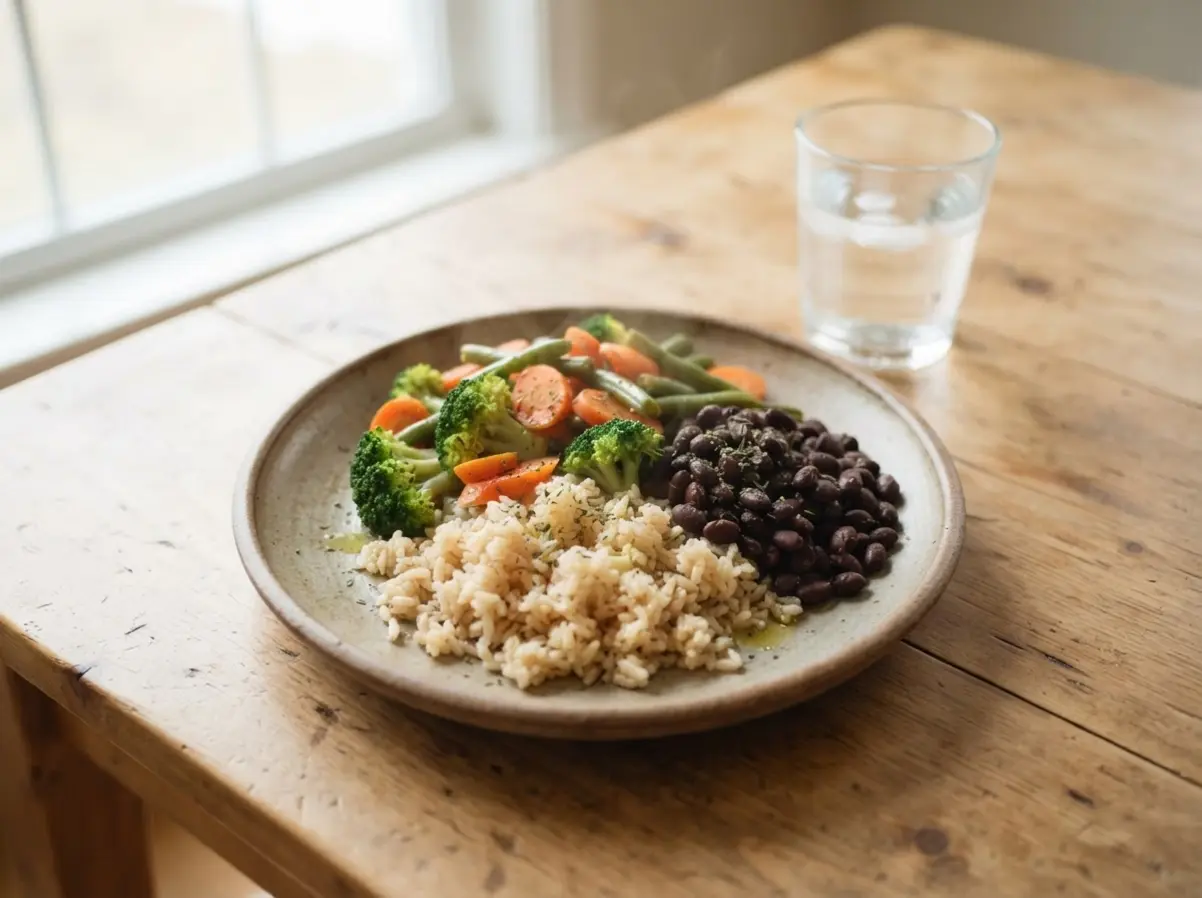
Do you keep eating past comfort and then feel frustrated with yourself? Tips to stop overeating start with simple steps, not strict rules. Begin by checking hunger before eating, serving a modest portion, and pausing halfway through the meal.
Build plates with protein, fiber-rich foods, and water. Keep tempting foods less visible, plan regular meals, and notice emotions linked to eating when your body is not hungry.
This guide focuses on skills for home practice. You will learn mindful eating, portion ideas, hunger cue checks, filling food choices, and ways to handle emotional triggers.
A food note or hunger scale might reveal patterns without turning meals into a test. If overeating feels frequent, distressing, or hard to control, talk with a qualified health professional.
Take one small step today, and let’s make your next meal calmer and more satisfying.
Building Satisfying Meals Without Rigid Rules
Serve meals with a palm-sized protein portion, two handfuls of vegetables, and a fist-sized starch portion to make fullness easier to judge. Pair this plate with water or milk, and leave room for foods you enjoy so one ingredient does not feel forbidden. A divided plate helps separate portions without demanding permanent weighing or calorie tracking. Use food labels to compare serving sizes, then adjust based on your hunger, activity, and satisfaction.
A balanced meal with fiber from beans, oats, fruit, or vegetables often keeps hunger steadier between meals, which aligns with Tips to stop overeating. Keep portions flexible because appetite changes from day to day. If you still feel hungry, add more food without treating the choice as failure. This is portion awareness in practice.
Recognizing Physical And Emotional Eating Triggers
Name the trigger before eating by asking, “Is my stomach empty, or am I seeking relief from stress, boredom, habit, or easy access?” A ten-second hunger check-in helps separate physical hunger from an urge linked to emotion. Physical hunger often builds gradually and welcomes foods, while emotional eating often arrives fast with a strong craving for one item. Neither pattern makes you bad, and food rules often increase guilt after eating.
Sit at a table without a phone or television, guided by Tips to stop overeating, since mindful eating gives you time to notice taste, pace, and fullness. A brief note about mood, hunger, and setting reveals repeated triggers without requiring a food diary. When stress drives the urge, try rest, connection, or an activity before deciding what feels right.
1. Mindful Eating Practices for Better Hunger Awareness
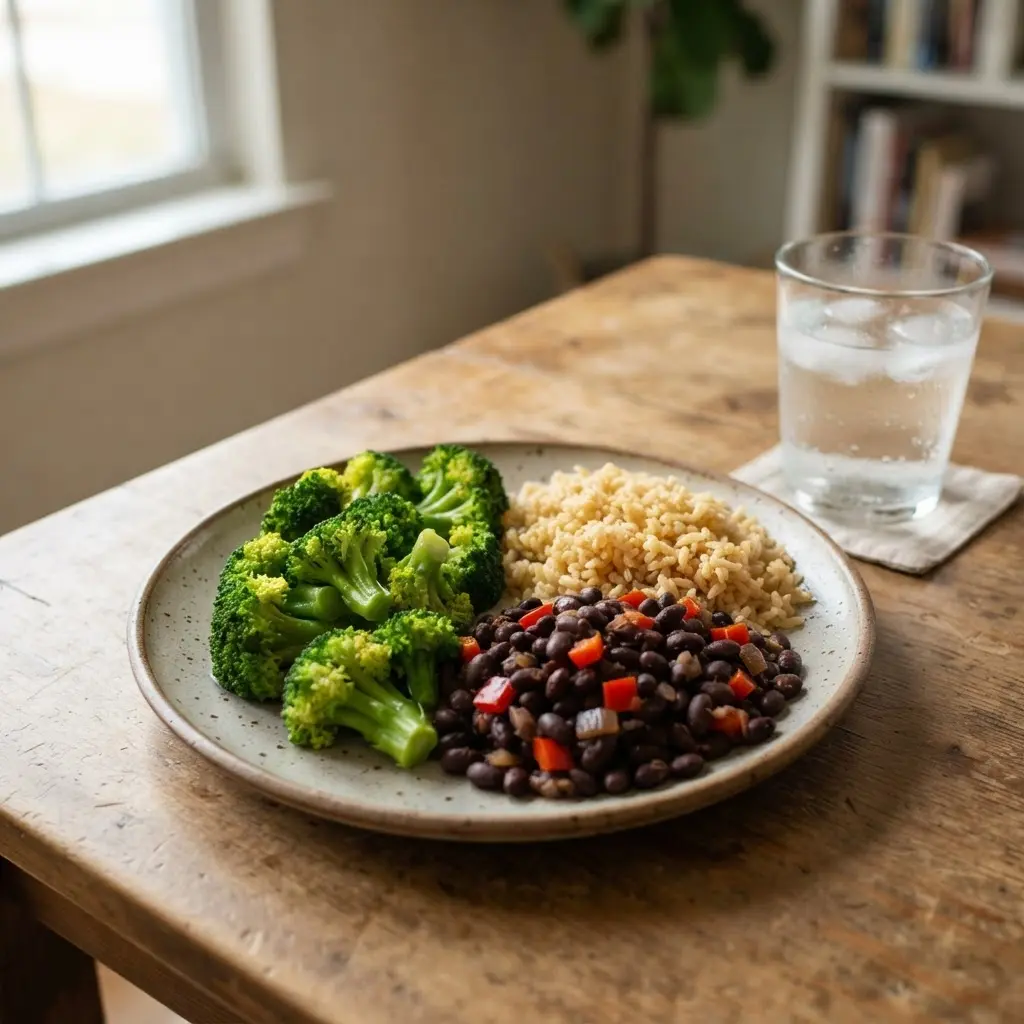
Many people treat every urge to eat as physical hunger, yet reviewing Tips to stop overeating clarifies the difference. Correct this mistake by pausing before reaching for food and checking the source of the urge. Check your hunger level on a scale from 1 to 10.
Begin eating around 3 or 4, rather than waiting until extreme hunger makes deliberate choices harder. Remove distractions before the first bite, applying straightforward Tips to stop overeating. Turn off the television and put your phone away.
Set a brief intention, such as seeking nourishment, satisfaction, or enjoyment. Notice whether stress, boredom, sadness, or an empty stomach prompted the urge. Research suggests mindful eating supports better awareness of hunger and fullness signals, matching proven Tips to stop overeating.
Eat slowly and take smaller bites. Notice the food’s smell, flavour, temperature, texture, and appearance. Place your fork down between bites, then pause for a mid-meal hunger check.
Reassess your body instead of continuing through the meal automatically. Stop around 6 or 7 on the scale, when comfortable satisfaction appears. After eating, identify whether you feel satisfied or uncomfortably full, keeping in mind reliable Tips to stop overeating.
Note what you enjoyed and choose one small adjustment for the next meal. Eating slowly and chewing thoroughly may support digestion, although results vary. Mindful eating does not mean restricting food or labelling foods as forbidden.
Repeat these check-ins during ordinary meals to build the skill over time. Always consult a healthcare professional before making changes to your health routine, especially with recurrent binge eating, significant distress around food, or an eating disorder.
2. Portion Control Techniques for Balanced Meals
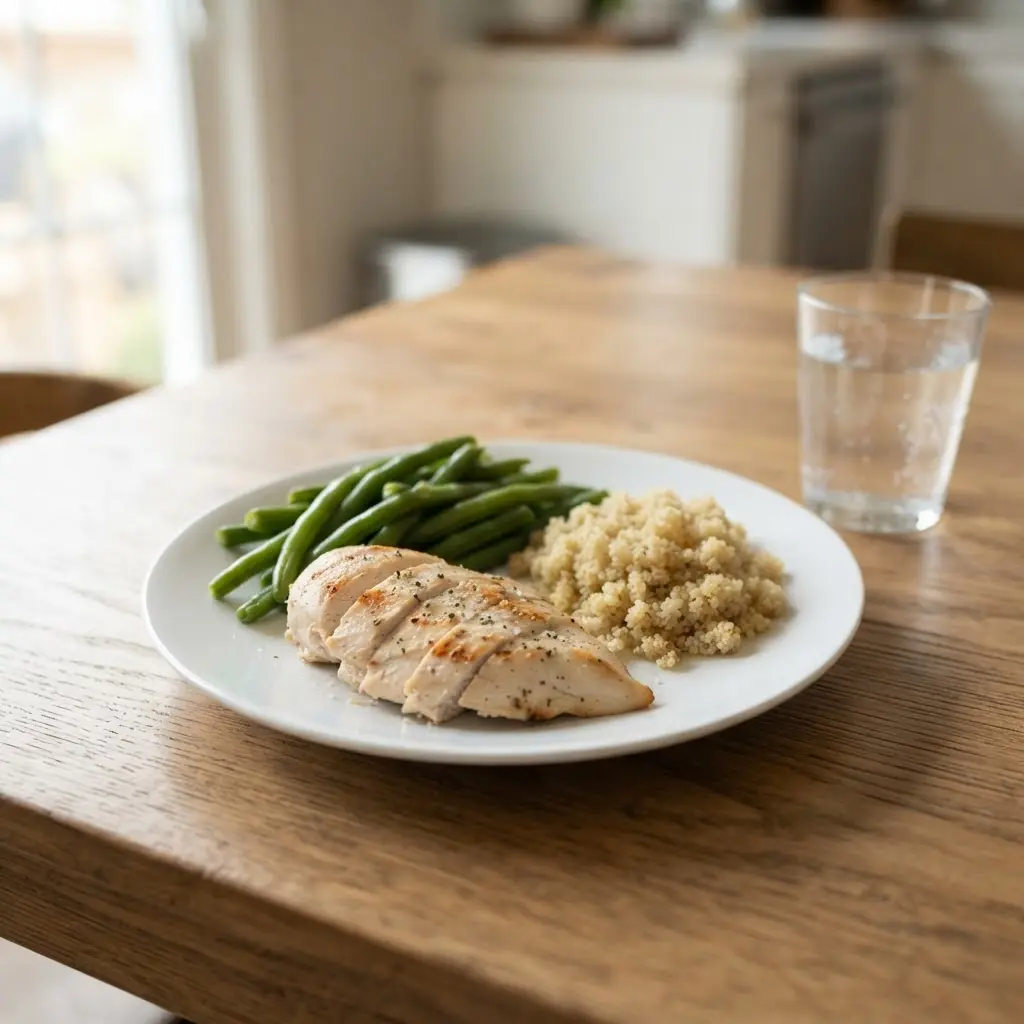
Build every main meal with the plate method before taking a bite. Fill half the plate with non-starchy vegetables, such as broccoli, spinach, carrots, or peppers, following standard Tips to stop overeating.
Reserve one-quarter for lean protein and one-quarter for whole grains or starchy vegetables. This structure keeps one food group from taking over the meal. Serve food on smaller plates or bowls to give moderate portions a fuller appearance.
Measure unfamiliar amounts of pasta, rice, nuts, and protein with cups or spoons until your eyes recognise usual portions. Read nutrition labels carefully, keeping essential Tips to stop overeating in view. A package is not always one serving, and the listed serving size might differ from the amount placed on your plate.
Divide snacks into individual containers instead of eating from a large bag. Eat without screens, slow your pace, and pause when comfortably satisfied. Replace fried sides and creamy sauces with healthier food swaps before serving, so vegetables and protein occupy more of the plate.
At restaurants, order a half portion, share an entrée, or pack part of the meal away at the start. Research suggests slower, less distracted eating makes hunger and fullness signals easier to notice. Portion control is not food restriction, and smaller portions are not always better.
Portion needs vary with age, body size, activity, health conditions, medications, and nutritional needs. People with diabetes, a history of eating disorders, or other medical concerns should seek personalised advice from a qualified healthcare professional.
3. Environmental Hunger Cues and Food Placement
At 8 p.m., a snack bowl sits beside the sofa during a television program. You reach for another handful because the food is visible and easy to grab, highlighting practical Tips to stop overeating. Move tempting snacks farther away from the place where you eat.
Extra distance creates a pause before the next bite. Environmental hunger cues include food visibility, serving bowls, and the setting around an eating occasion. Research has found that children eat more snacks when the serving bowl sits closer to them.
Adults and children both respond to the proximity effect, which means nearby food often receives more attention and is eaten more readily. Physical access matters alongside food visibility, as confirmed by verified Tips to stop overeating. Meal cues also shape eating behavior.
Ceramic plates, bowls, and silverware signal a meal. Paper plates or eating without utensils often signal a snack. These cues can make an eating occasion feel more substantial, especially during hunger.
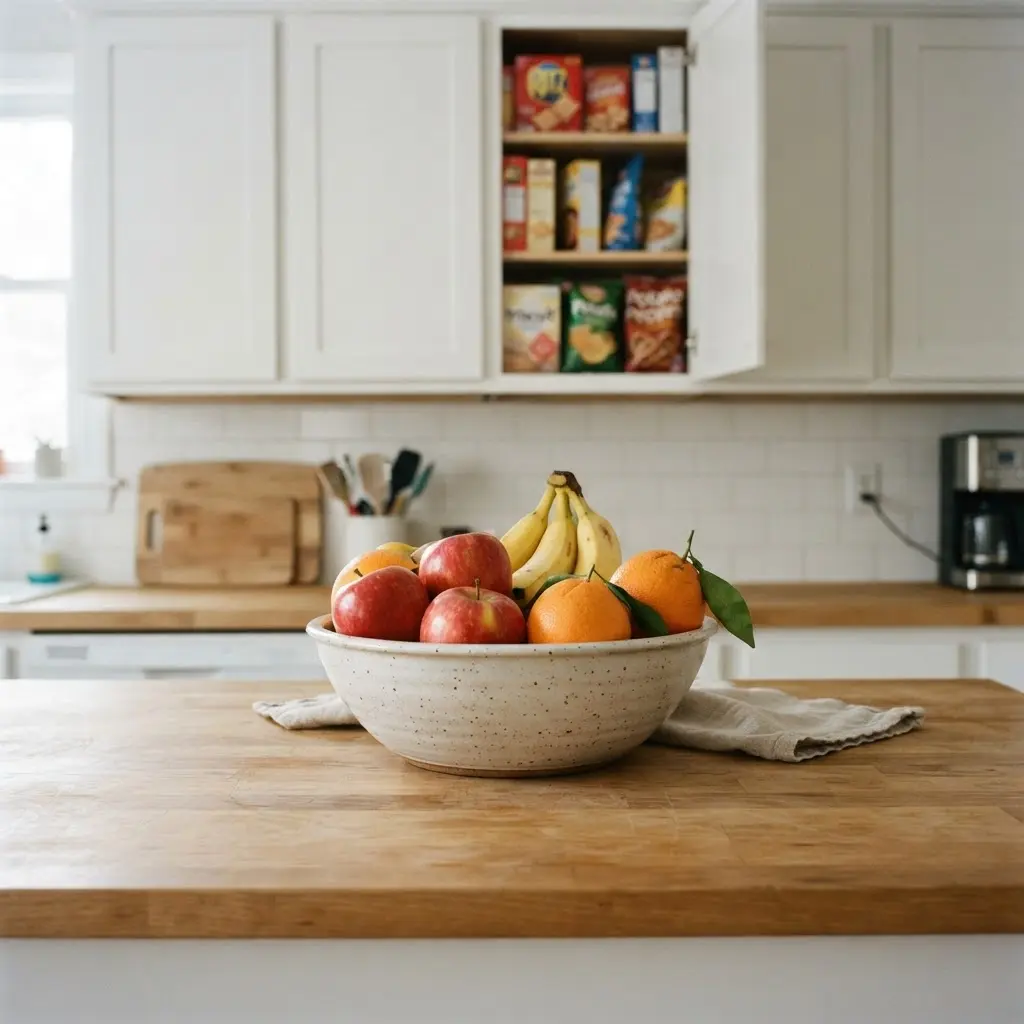
Place snack foods out of reach instead of leaving them beside your plate. Keep less-healthful foods in closed cupboards or on a higher shelf. Avoid leaving snack bowls on desks, coffee tables, or kitchen counters.
Place healthier choices where they are easy to see, but do not expect proximity alone to increase how much you eat. Research suggests distance from highly tempting food has a stronger and more reliable effect than moving healthier food closer. These steps support habit changes, but they do not guarantee prevention of overeating or treat an eating disorder.
Always consult a healthcare professional before making changes to your health routine.
4. Satiety Promoting Food Choices for Fuller Meals
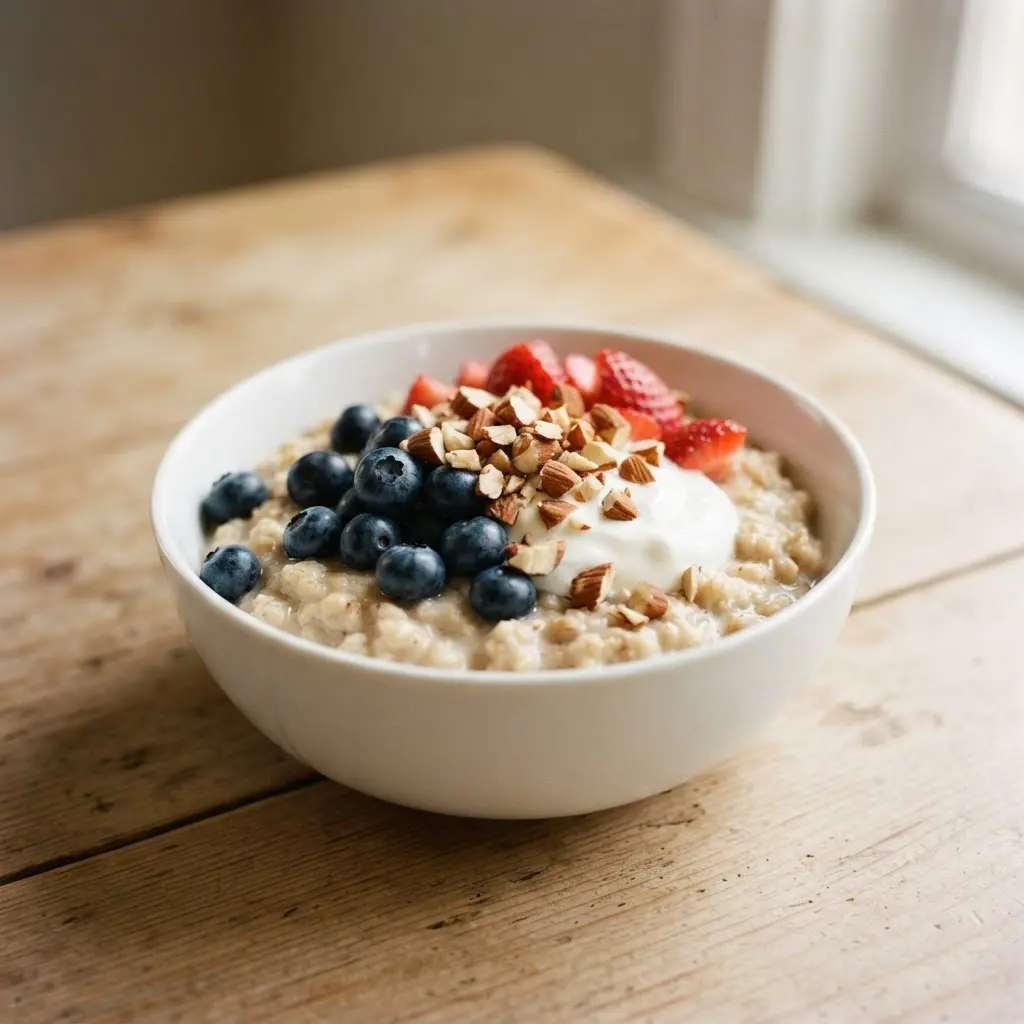
A common myth says fuller meals require oversized portions. Protein, fiber, and water-rich foods create fullness with less reliance on energy-dense choices. Build lunch around chicken, beans, tofu, or eggs, applying simple Tips to stop overeating.
Add vegetables and a whole grain. This combination supports steadier satisfaction than a meal based on one nutrient alone. Start with a protein source, such as Greek yogurt, lentils, salmon, cottage cheese, or tempeh.
Add fiber from oats, berries, pears, broccoli, brown rice, or air-popped popcorn. Fill the remaining space with cucumber, tomatoes, zucchini, leafy greens, or vegetable soup. Research suggests meals combining these qualities help many people stay satisfied between meals, reinforcing practical Tips to stop overeating.
Use low-calorie foods that satisfy when planning meals around volume and nourishment. Choose a baked potato over heavily fried potatoes, whole fruit over juice, and air-popped popcorn over buttered popcorn. A bowl of lentil soup with vegetables and a slice of whole-wheat bread gives the body protein, fiber, fluid, and carbohydrates in one meal.
Do not treat water-rich foods as calorie-free, since dressings, oils, cheese, and toppings add energy quickly. Drink water or unsweetened tea with meals, then pause before deciding whether hunger or thirst is driving another serving. Individual dietary needs vary with allergies, digestive disorders, medical conditions, and prescribed restrictions, reflecting standard Tips to stop overeating.
Always consult a healthcare professional before making changes to your health routine.
5. Emotional Trigger Management During Stressful Moments

Is the urge to eat coming from hunger or stress? Often, stress creates the urge, especially after an argument, criticism, difficult deadline, or upsetting thought. Notice the first sign, such as tense muscles, shallow breathing, a racing heart, anxiety, or frustration. Record the event in a trigger journal before reaching for food, while practicing essential Tips to stop overeating.
Pause for five minutes before acting. Step away from the situation, breathe in slowly through your nose, hold briefly, then breathe out through your mouth. Use your five senses to name what you see, hear, smell, taste, and feel.
This short break separates the emotional response from the next eating decision. Name the thought driving the urge. Replace extreme self-talk with a balanced statement, such as, “This deadline is stressful, but eating will not solve the problem.”
Choose one short-term coping action, such as a brief walk, calming music, or a call to a trusted person. Research suggests stress-management skills support more deliberate responses to emotional discomfort. Review the pattern later, not during the peak of distress.
Note the trigger, body sensations, emotion, urge strength, and action taken. Repeated entries may show a need for clearer boundaries, assertive communication, better sleep, regular movement, or professional support. Emotional urges and physical hunger are different experiences, and persistent loss of control around eating deserves qualified care. Always consult a healthcare professional before making changes to your health routine.
When Professional Eating Support Makes Sense
Loss-of-control episodes with secrecy or marked distress deserve prompt support from a qualified eating-disorder specialist. Tell the clinician how often episodes happen, what you feel beforehand, and whether you eat beyond comfort.
Compensatory behaviors, such as vomiting, fasting, or punishing exercise, need urgent attention rather than stricter food rules. A primary care clinician often connects you with mental health care and nutrition support suited to your needs.
Bring a short record of meal timing, hunger, emotions, and eating episodes if writing feels manageable. Such notes support a clear conversation without requiring calorie counts or perfect detail. Treatment often includes counseling, regular eating support, and help with stress or body image concerns.
Seek emergency help for fainting, severe dehydration, or thoughts of self-harm.
Conclusion
Your eating patterns often connect with your schedule, stress, sleep, and the foods within reach. You do not need perfect meals to make progress. Small changes, such as serving food in the kitchen, eating without screens, or adding protein and fiber, help you notice fullness sooner.
Use one meal today as practice. Check your hunger before eating, rate it in simple words, and pause halfway through your plate. If emotions drive repeated eating or you feel unable to stop, speak with a doctor or mental health professional.
Support is a sensible step, not a failure. Tips to stop overeating work best when they fit your real life. Pick one habit for the next week, track how it feels, and adjust with patience.
Each calm meal gives you useful information about your needs. Start with the next meal and give yourself room to learn.
FAQs
Q: What should I do when I want to eat but feel unsure if I am hungry?
A: Pause for a few minutes and check your body. Notice stomach hunger, energy, and recent meals before choosing food.
Q: How often should I eat to avoid overeating?
A: Choose a regular meal pattern suited to your schedule. Long gaps often lead to intense hunger and rushed eating.
Q: Do smaller plates help with portion control?
A: Smaller plates guide a modest serving without banning favorite foods. Add vegetables, protein, and a satisfying grain to round out the meal.
Q: Why do I overeat when I feel stressed?
A: Stress often shifts attention toward quick comfort. Write down the feeling, pause before eating, and choose another soothing activity first.
Q: When should I seek help for overeating?
A: Talk with a doctor or therapist when eating feels out of control, causes distress, or happens with shame and secrecy. Ask for support sooner if episodes occur often.