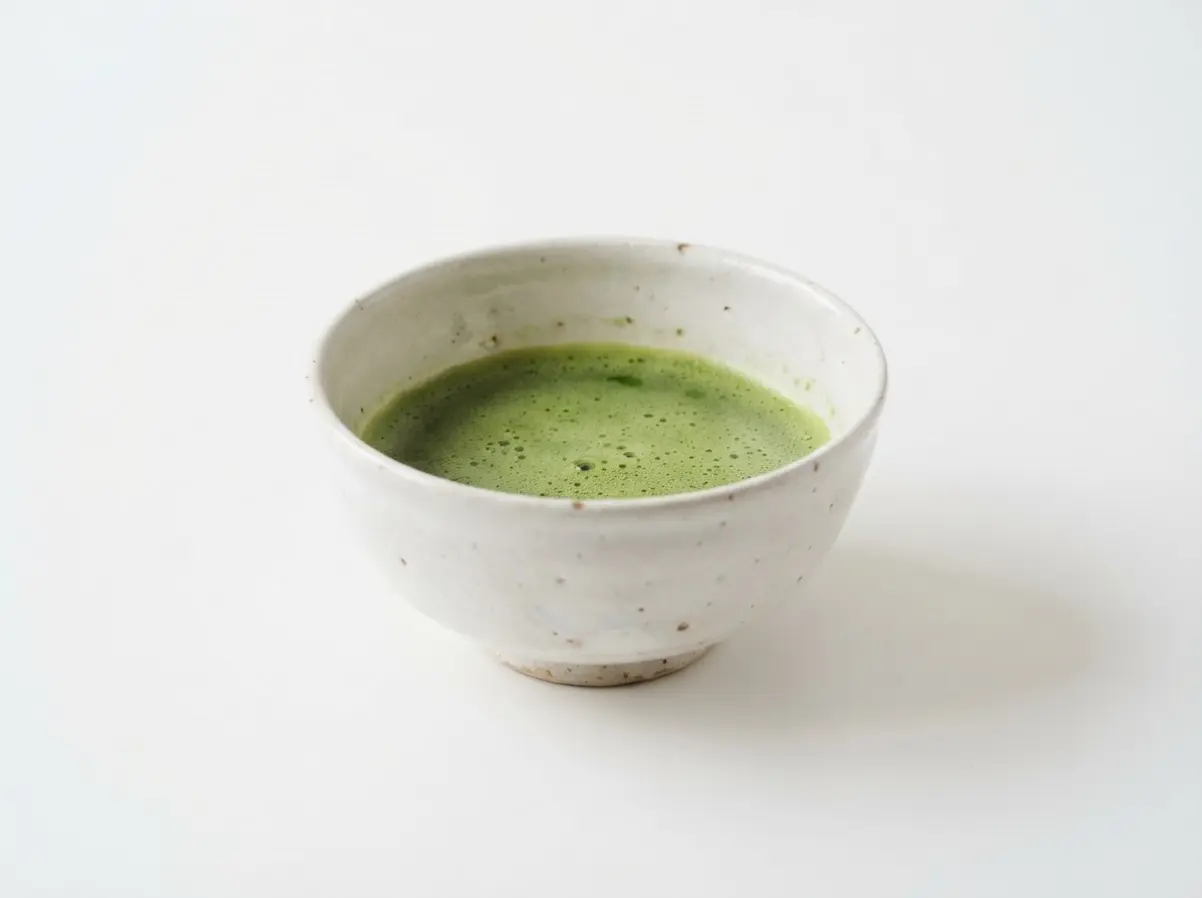
Looking for steady morning energy without coffee jitters or a sharp, acidic taste? Super replacements for morning cup of coffee include matcha, yerba mate, chicory root, golden milk, smoothies, herbal tea, and cacao drinks, and you will find these Super replacements for morning cup of coffee useful when planning your day. Matcha and yerba mate bring caffeine, while chicory, peppermint, lemon water, and golden milk bring warmth without caffeine. Smoothies add fruit, greens, and protein for a fuller start. I know the hardest part is often missing the mug, routine, and first warm sip. This guide keeps those parts in place while helping you choose a drink suited to your flavor and caffeine needs, keeping in mind Super replacements for morning cup of coffee. You will find quick ideas, simple benefits, and notes about ingredients worth using with care. Let’s find a morning drink you look forward to preparing and drinking.
Match Alertness Needs To Caffeine Levels
Choose black tea for a gentler caffeine lift, since an eight-ounce cup often supplies less caffeine than coffee, while keeping in mind Super replacements for morning cup of coffee for different days. Green tea offers a lighter, grassy flavor, while oolong sits between green and black tea in taste and caffeine. Matcha uses powdered leaves, so its serving often feels more concentrated than steeped tea. Steeping time, water temperature, and leaf quantity change the caffeine level, even within one tea type. If caffeine affects your sleep, heart rate, or stomach, choose a smaller serving and drink it earlier, and remember that Super replacements for morning cup of coffee exist for every schedule. Rooibos, peppermint, and chamomile bring familiar warm-drink rituals without caffeine. Check labels on bottled tea, since added sugar turns a low-caffeine drink into a sweet dessert. A splash of milk or unsweetened soy milk softens bitterness without adding much sugar.
Build Smoothies Around Protein And Fiber
Use Greek yogurt or unsweetened soy milk as the protein anchor in a smoothie, because fruit alone rarely keeps hunger away for long, which is why Super replacements for morning cup of coffee matter when you want lasting fullness. Add whole berries, a banana, or leafy greens for fiber, then include chia seeds, ground flax, or nut butter for unsaturated fats. Frozen produce gives thickness without juice or sweetened syrup. Plain yogurt brings protein and a tangy flavor, while soy milk suits dairy-free blends and supplies protein, and exploring Super replacements for morning cup of coffee shows how simple swaps work well. Keep portions moderate when a smoothie accompanies breakfast, since nuts, seeds, and nut butter pack plenty of energy in a small amount. Blend with water or unsweetened milk rather than fruit juice to limit added sugar. A smoothie with protein, fiber, and fat tends to feel fuller than a thin fruit drink, so fewer snack cravings appear before lunch.
1. Roasted Chicory Root Infusion for Gentle Morning Energy
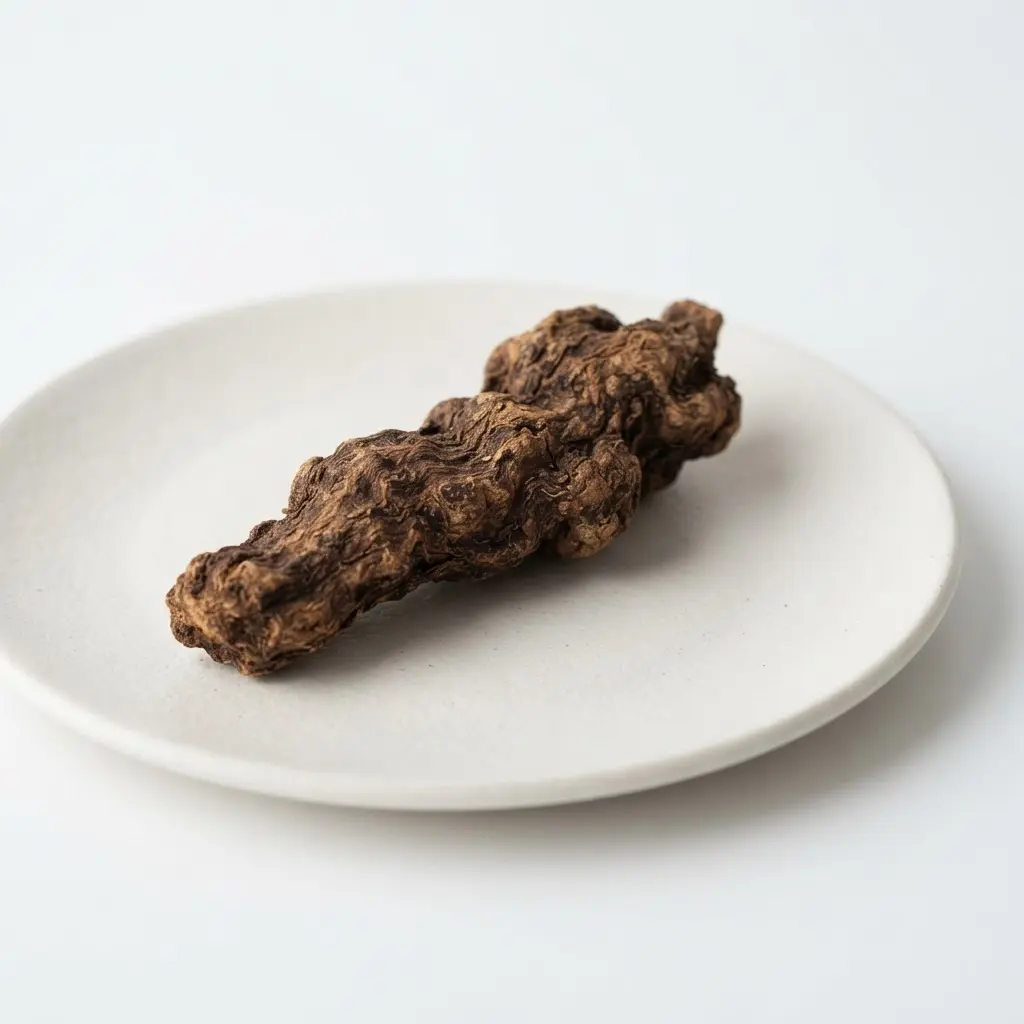
Expecting roasted chicory to deliver coffee-level stimulation is a common mistake. Roasted chicory root contains no natural caffeine, so the drink will not create the rapid alertness associated with coffee, yet it remains a top choice among Super replacements for morning cup of coffee when you want a calm start. Its roasted, earthy, slightly bitter taste suits a caffeine-free alternative for a calmer morning ritual.
Start with 1 teaspoon per cup of water. Simmer powder or coarse root for 5 to 10 minutes, then strain, noting that many guides on Super replacements for morning cup of coffee recommend this exact ratio. A French press works too, with a 10 to 20 minute steep. Add milk, cinnamon, or a small amount of sweetener. Inulin, a prebiotic fiber, supports beneficial gut bacteria, although larger servings may cause gas or bloating.
Research suggests chicory offers prebiotic value, not a guaranteed treatment for fatigue or blood-sugar changes, which is why it stands out in lists of Super replacements for morning cup of coffee that focus on gut health. Check labels carefully because some chicory coffee blends include actual coffee or other caffeinated ingredients. Avoid chicory with ragweed or birch-pollen allergies. Stop use after digestive discomfort or allergic symptoms. Pregnant or breastfeeding individuals should consult a healthcare professional before consuming it. Always consult a healthcare professional before making changes to your health routine.
2. Ceremonial Grade Matcha Tea for Focused Mornings
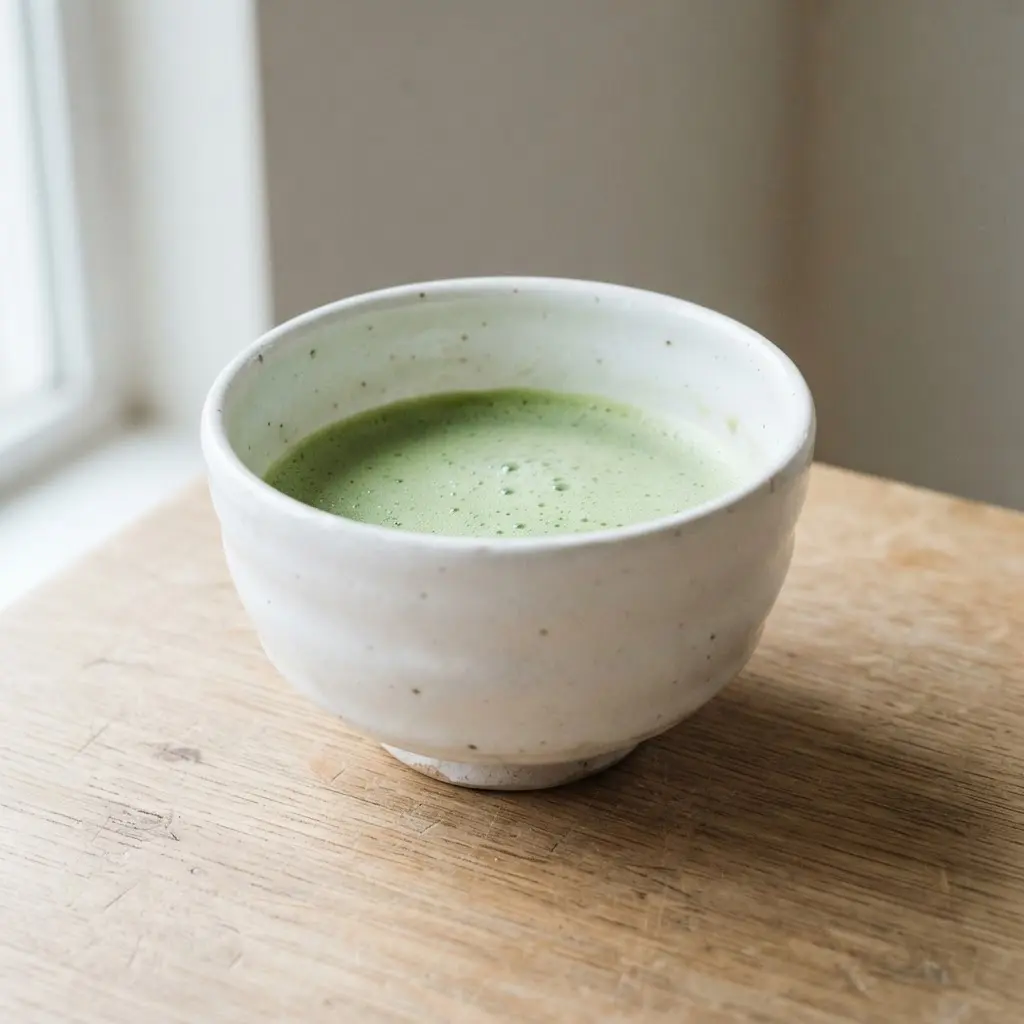
Start with sifted matcha powder and water near 175°F (80°C), keeping track of how different Super replacements for morning cup of coffee respond to heat. Boiling water often produces a harsher taste. Whisk the powder vigorously until the drink looks smooth and develops a light layer of foam. Sifting prevents dry clumps and gritty patches.
Matcha contains caffeine and L-theanine, an amino acid linked with a calmer feeling of alertness. The powder stays suspended in the drink, so you consume the whole tea leaf rather than only a brewed infusion, proving why it ranks high among Super replacements for morning cup of coffee for steady energy. Choose plain matcha to notice its naturally sweet, umami-rich flavor, or use the tea as a latte base.
Research suggests the caffeine and L-theanine combination supports attention and alertness, though responses differ by serving size and personal sensitivity. Fresh matcha often has a bright green color, creamy texture, and clean finish. The term ceremonial grade is not a universal quality standard, so check aroma, freshness, origin, and taste as well, especially when comparing Super replacements for morning cup of coffee.
Matcha still contains caffeine. Always consult a healthcare professional before making changes to your health routine.
3. Traditional Yerba Mate Brew for Steady Caffeine
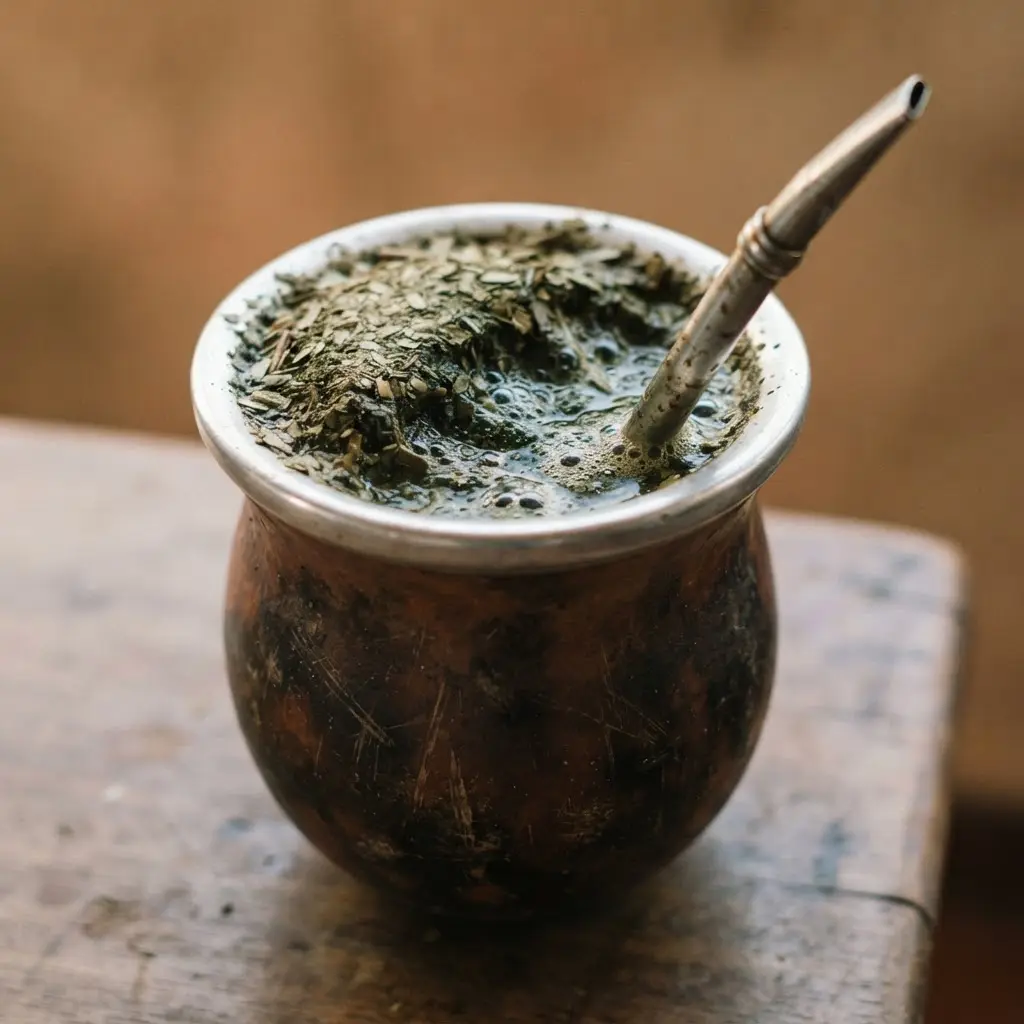
At 7 a.m., fill a mate gourd about two-thirds to three-quarters full with dried yerba mate leaves, which aligns well with methods for preparing Super replacements for morning cup of coffee without wasting ingredients. At a desk or during a slow morning start, pour a small amount of cool water over part of the leaves. Let them soak for about 30 seconds. This first step prepares the leaves for repeated infusions.
Insert the filtered metal straw, called a bombilla, into the moistened area at an angle. Keep the bombilla in place. Add 70–80°C water near the straw instead of saturating all the leaves at once. Sip through the bombilla, then refill with hot water as needed, following the same routine used for many Super replacements for morning cup of coffee that require patience. Avoid boiling water because excessive heat burns the leaves and creates a bitter flavor.
Yerba mate contains caffeine, theobromine, and theophylline. Research supports gradual extraction through repeated refills, but research does not establish universal protection from jitters or an energy crash. The same leaves often provide 10–20 infusions before becoming lavado, or depleted in flavor, making it a standout pick among Super replacements for morning cup of coffee. Always consult a healthcare professional before making changes to your health routine.
4. Turmeric Golden Milk Blend with Warming Spices

Golden milk is not a proven treatment for inflammation or illness. The drink is a spiced milk blend, with turmeric providing its deep golden color, which explains why it appears in guides about Super replacements for morning cup of coffee. Prepare ground turmeric with cinnamon, ginger, black pepper, sea salt, vanilla, and optional maple syrup or honey. Black pepper appears in the recipe because it is identified as important for nutrient absorption, but this does not guarantee a health effect.
Heat ½ cup of unsweetened oat milk until nearly simmering. Whisk in 1½ teaspoons turmeric, the other spices, vanilla, and sweetener before adding the remaining milk. Warm the mixture until steaming, never boiling. Readers seeking more variety in their morning drinks may find warming spice options useful when choosing flavor combinations for Super replacements for morning cup of coffee.
Many people find the creamy texture and adjustable sweetness useful when replacing a morning coffee routine. Serve the blend warm, or chill it over ice for a colder drink. Stir before serving because ground spices often settle. Always consult a healthcare professional before making changes to your health routine, just as you would when testing new Super replacements for morning cup of coffee.
5. Fresh Lemon Hydration Water for a Light Start

Is lemon water a useful morning alternative to coffee? Yes, when the goal is hydration rather than caffeine, which makes it one of the simpler Super replacements for morning cup of coffee on this list. Squeeze half a lemon into 8–12 ounces of room-temperature, warm, or cold water. The drink supplies fluid and a small amount of vitamin C while adding flavor to plain water. Research supports hydration as the main benefit, not detoxification or fat burning.
Prepare the drink shortly before serving, then dilute it if the flavor is too sharp. Mint, ginger, or turmeric add taste without added sugar. The beverage offers fluid and flavor, not a guaranteed energy effect, so assess claims about lemon-based hydration benefits with care when exploring Super replacements for morning cup of coffee. Honey changes the drink’s sugar content, while salt adds sodium without turning the beverage into a formulated electrolyte drink.
Protect your teeth by drinking within a reasonable period instead of sipping continuously. Use a straw or rinse with plain water afterward to reduce acid contact. Wait before brushing, since citric acid temporarily affects enamel. Always consult a healthcare professional before making changes to your health routine.
6. Nutrient Dense Green Smoothies for Morning Fuel
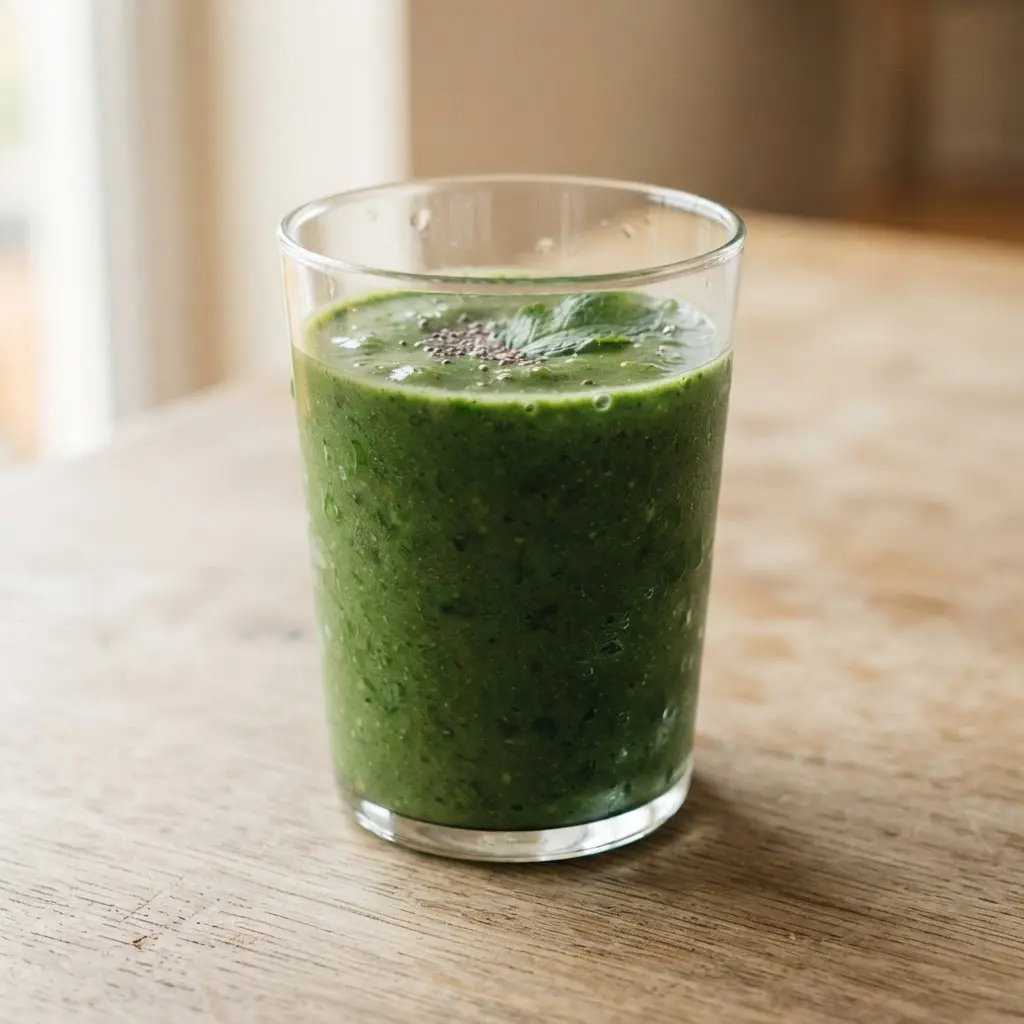
Unlike a plain cup of coffee, a green smoothie combines leafy greens, fruit, seeds, and a liquid base in one drink, which sets it apart from liquid Super replacements for morning cup of coffee. Choose frozen fruit over ice to keep the texture thick and the flavor full. Fruit supplies carbohydrates, while greens provide vitamins A, C, and K, folate, and iron. Seeds, avocado, yogurt, or protein powder add fat or protein for a more filling morning option.
Prepare an energizer blend with 1 cup spinach, ½ cup stemmed kale, ½ frozen banana, ¼ cup pineapple, 1 tablespoon chia seeds, ginger, and 1 cup unsweetened almond milk or water, noting how many recipes for Super replacements for morning cup of coffee follow this exact formula. Add greens and liquid first. Blend until smooth, then adjust the texture with more liquid. Use berries, romaine, avocado, flax seeds, and coconut water for a berry-forward variation.
Research suggests combining produce with fiber, healthy fats, and protein creates a more substantial beverage than fruit alone. Store measured ingredients in freezer bags for faster preparation. Select yogurt, plant milk, spirulina, and protein powders according to allergies and dietary needs. Always consult a healthcare professional before making changes to your health routine.
7. Invigorating Peppermint Herbal Tea for Freshness

Mistaking refreshment for caffeine stimulation is common, but peppermint tea contains no caffeine, making it a reliable pick among caffeine-free Super replacements for morning cup of coffee. The fresh mint flavor and cool aroma create an invigorating sensory experience without caffeine-based stimulation. Choose a hot cup in the morning or pour the chilled infusion over ice when a crisp drink suits the day. Peppermint flavor varies by origin and cultivar, including Black Mitcham, an heirloom type valued for its essential-oil content.
Begin with a 4–6 minute steep using a tea bag or loose leaves and boiling water, a standard practice when preparing Super replacements for morning cup of coffee at home. Extend the steep to about 10 minutes for a stronger infusion. Remove the bag or strain the leaves before serving. Add sweetener only when needed, since peppermint has a naturally crisp taste.
Research suggests peppermint tea offers a refreshing caffeine-free choice, while many people enjoy the drink after meals for digestive comfort. This use should not be treated as a guaranteed remedy. Choose loose-leaf peppermint when you want more control over strength or hope to re-steep the leaves. Always consult a healthcare professional before making changes to your health routine.
8. Masala Chai Spiced Tea with Balanced Caffeine

Choose masala chai when you want morning caffeine with a fuller spice profile than plain coffee, and remember that many Super replacements for morning cup of coffee offer similar comfort. Traditional blends use black tea, often Assam, with cardamom, cinnamon, ginger, cloves, and black pepper. An eight-ounce serving usually contains about 50–100 mg of caffeine. The exact amount depends on the tea type, leaf quantity, and brewing time.
Simmer the spices in water, then add the black tea and brew until the flavor reaches the desired strength, a method shared by most Super replacements for morning cup of coffee. Add milk and sweetener after brewing, then strain the drink. Use less tea or a shorter steep to reduce caffeine. Longer brewing and a higher tea-to-water ratio produce a stronger cup, so two servings prepared from different blends can vary widely.
Research suggests chai offers a satisfying alternative to coffee, while caffeine sensitivity differs from person to person. Select a caffeine-free chai blend for spice flavor without black tea caffeine. Moderate intake if caffeine causes sleep disruption, palpitations, or other unwanted effects. Always consult a healthcare professional before making changes to your health routine.
9. Adaptogenic Mushroom Elixir Drinks for Calm Focus

At 7 a.m., a caffeine-free drink can replace the usual coffee routine without bringing the same sharp stimulation. Choose a labeled mushroom blend with lion’s mane for a focus-oriented formula, reishi for a calmer profile, or cordyceps for stamina support, noting how these align with newer Super replacements for morning cup of coffee. Sparkling cans, powders, and liquid extracts offer different serving styles, so check the label before mixing or drinking.
Read the full ingredient list. Some formulas add L-theanine, GABA, lemon balm, rhodiola, electrolytes, or vitamin C. These additions shape the drink’s intended purpose and affect how your body responds, which matters when evaluating Super replacements for morning cup of coffee. Research on medicinal mushroom benefits remains product-specific because extraction methods, serving sizes, and added ingredients differ.
Check caffeine content before use, since caffeine-free status is not universal. Do not expect coffee-like alertness from every elixir. Research suggests intended effects vary between products and people. Always consult a healthcare professional before making changes to your health routine. Avoid concentrated extracts during pregnancy, medication use, or management of a medical condition unless a qualified professional approves the product.
10. Raw Cacao Energy Tonics with Gentle Stimulation

Raw cacao is not caffeine-free, and its lift is not identical to coffee. Cacao contains theobromine, a mild stimulant associated with a slower, longer-lasting effect, plus a smaller amount of caffeine, making it one of the richer Super replacements for morning cup of coffee. Raw cacao powder gives the drink its deep flavor and primary stimulant content.
Prepare the tonic with warm water or milk rather than boiling liquid. Whisk thoroughly in a mug to reduce clumps and settling. Milk creates a richer texture, while a small amount of sweetener softens cacao’s natural bitterness. Research suggests this format suits people seeking a gentler morning ritual, though each response differs, just like other Super replacements for morning cup of coffee.
Adaptogens such as maca, cordyceps, and Panax ginseng appear in some blends. Spirulina, mesquite, cinnamon, or other spices add flavor and change the drink’s nutritional profile. Check the serving label before combining several powdered products, since stimulant levels vary between formulas.
Do not assume a cacao tonic will improve focus or energy for everyone. Sensitivity, serving size, sleep quality, and added ingredients all shape the result. Start with the package serving, monitor your response, and avoid late use if stimulation affects sleep. Always consult a healthcare professional before making changes to your health routine.
Manage Sweeteners Acidity And Herbal Interactions
Drink lemon water through a reusable straw to reduce acid contact with your front teeth, then rinse with plain water, a habit that pairs well with daily Super replacements for morning cup of coffee. Wait about 30 minutes before brushing, since brushing right after an acidic drink risks wearing softened enamel. Choose unsweetened cocoa powder instead of sugary mixes, and check the label for added sugar before stirring it into milk. Chamomile and ginger deserve extra care if you take medicines, since herbs sometimes affect sedation, bleeding, or other drug effects. Ask a pharmacist about a tea or infusion before making it a daily habit. Keep black, green, and oolong tea away from iron-rich meals when low iron concerns you, since tea compounds reduce absorption of plant-based iron. Chicory drinks suit coffee-like tastes, though inulin, its fermentable fiber, causes gas or bloating for some people.
Conclusion
Your morning cup often marks the start of your day, so changing it is about more than choosing a new flavor. You still deserve warmth, comfort, and a routine suited to your needs. Super replacements for morning cup of coffee give you room to choose between caffeine, calming herbs, fruit, spices, and filling ingredients, ensuring you stay flexible with your habits. Start with one drink for three mornings instead of changing everything at once. Matcha or chai suits a gentle caffeine shift. Chicory, peppermint, or golden milk suits a caffeine-free morning. A smoothie works well when you want food with your drink. Pay attention to taste, comfort, and how your body feels. Keep the recipe simple enough for busy mornings. Pick one option tonight, set out the mug or blender, and give yourself an easy first step tomorrow morning.
FAQs
Q: Which coffee alternative has the most caffeine?
A: Yerba mate, matcha, and chai usually contain caffeine. The amount varies by serving size, tea type, and brewing time.
Q: Is chicory root a good choice for a caffeine-free morning?
A: Chicory root infusion contains no caffeine and has a roasted flavor. Some people notice gas or stomach discomfort from chicory root, especially in larger servings.
Q: What is a gentle coffee replacement for sensitive stomachs?
A: Peppermint tea, warm water with lemon, or golden milk often feels gentler than coffee. Citrus and peppermint still bother some stomachs, so personal comfort matters.
Q: Do smoothies help with morning energy?
A: A smoothie with fruit, greens, protein, and healthy fat creates a more filling drink. Blending whole foods also adds fluid, fiber, and key nutrients.
Q: Who should take care with high-caffeine or herbal drinks?
A: People who are pregnant, take medicines, or have caffeine sensitivity should ask a health professional before using concentrated herbs or high-caffeine drinks.