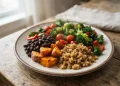
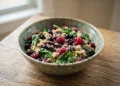
Need food ideas for better energy and a steadier mood? Foods that make you feel better often include fruits, vegetables, whole grains, beans, lean proteins, nuts, seeds, and fermented foods. These choices supply fiber, complex carbohydrates, protein, healthy fats, vitamins, and minerals. They also support steady energy instead of the quick rise and fall linked with sugary foods. A balanced plate does not need to feel strict or complicated. Add a protein source, a fiber-rich carbohydrate, colorful produce, and water to your next meal. I’ll also explain how omega-3 fats, B vitamins, magnesium, iron, probiotics, and prebiotic fiber fit into a healthy eating routine. Comfort matters too, so there is room for berries, dark chocolate, and familiar meals. Let’s build simple food habits that help you feel nourished and satisfied each day.
Building Steady Energy Through Meal Balance
Pairing protein-rich foods with fiber at each meal helps keep hunger and energy steadier than eating refined carbohydrates alone. This matters when exploring Foods that make you feel better, and a bowl of oats with Greek yogurt, berries, and walnuts offers protein, whole-grain fiber, unsaturated fats, and natural sweetness in one serving. Beans, lentils, eggs, fish, tofu, and chicken give meals staying power, while vegetables add volume, folate, and potassium with few calories. Add water or milk alongside meals, since mild dehydration often feels like tiredness or hunger. A balanced plate also leaves room for comfort, such as warm soup with whole-grain toast or roasted vegetables beside salmon. Choose portions based on hunger, activity, and medical needs rather than chasing perfect numbers. This pattern supports regular energy and overall diet quality without promising a cure for low mood.
Personalizing Choices For Allergies And Preferences
Reading ingredient labels every time helps people avoid hidden milk, wheat, egg, soy, peanut, or tree-nut ingredients, even in familiar foods. People with lactose intolerance often tolerate yogurt or hard cheese better than milk, while those with celiac disease need certified gluten-free grains and careful control of cross-contact. A plant-based pattern still needs reliable protein from lentils, beans, tofu, eggs, or fish, based on personal preference. Finding Foods that make you feel better often starts with label reading. Calcium-fortified soy milk supplies calcium and protein for many people, while pea milk offers another option, with labels checked for added sugar and allergens. Nut allergies call for seed spreads, pumpkin seeds, or sunflower seed butter. A registered dietitian helps plan balanced meals when several foods stay off the table.
1. Omega-3 Fatty Acid Sources for Everyday Meals

A common mistake is treating every omega-3 source as interchangeable. Fatty fish provide EPA and DHA, and tracking Foods that make you feel better shows why this distinction matters. The body converts ALA into EPA and DHA only in small amounts. Choose fatty fish when you want direct sources of EPA and DHA.
Build meals around omega-3s from plant sources when seeds, nuts, or oils suit your eating pattern. Add chia seeds or ground flaxseeds to oatmeal and yogurt. One ounce of chia seeds provides about 5.06 grams of ALA, while one ounce of English walnuts provides about 2.57 grams, proving how Foods that make you feel better vary by type.
For seafood meals, serve salmon, mackerel, herring, sardines, anchovies, or trout. Three ounces of farmed Atlantic salmon provide about 1.7 grams of EPA and DHA, while the same amount of mackerel provides about 2.0 grams. Research supports two servings of fatty fish weekly as a practical eating pattern.
Use canola or soybean oil for everyday cooking, a step that matches Foods that make you feel better guidelines. Check labels for fortified eggs, milk, yogurt, juices, and soy beverages. Keep serving sizes in view because fish, seeds, nuts, and oils use different measurements.
2. Complex Carbohydrate Energy Benefits from Whole Grains
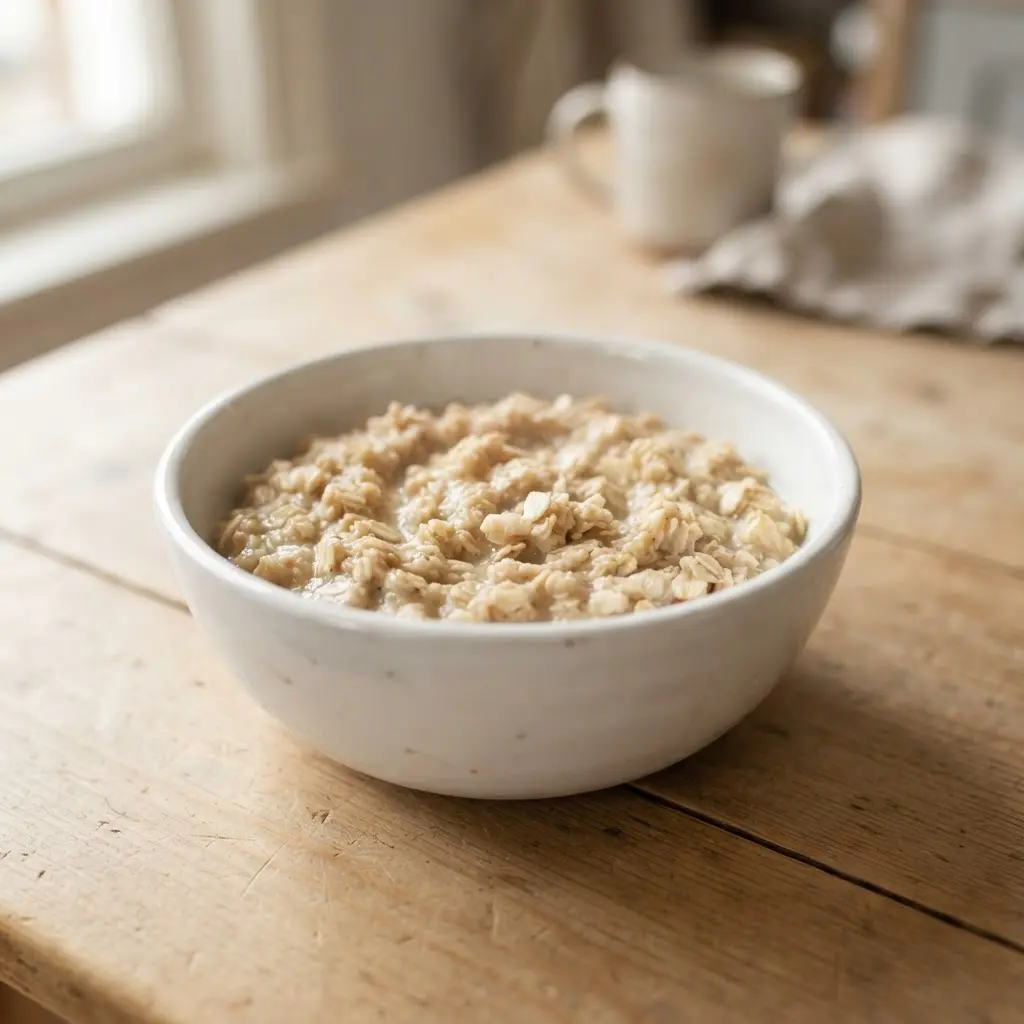
Choose whole-grain carbohydrates for meals built around steady fuel rather than refined grains. Choosing Foods that make you feel better relies on this steady fuel. Whole grains retain natural fiber, vitamins, and minerals. Slower digestion releases glucose into the bloodstream over a longer period, reducing the sharp rise and fall often linked with quickly digested carbohydrate foods. Fiber adds fullness, so hunger often returns less quickly after eating.
Build breakfast with oatmeal, use whole-grain bread in a sandwich, or serve brown rice with vegetables and a protein-rich food at dinner. Select pasta labeled whole-wheat or whole-grain, and picking Foods that make you feel better means checking the label, so read the ingredient list and package label before buying. Brown coloring alone does not prove a product contains whole grains.
Research links higher whole-grain intake with lower rates of cardiovascular disease, type 2 diabetes, certain cancers, and early death. These findings describe population patterns, not guaranteed protection for each person. A balanced overall diet pattern still matters. Use whole grains as one steady source of sustained energy food choices portions and meal choices to your health needs, which points to Foods that make you feel better.
3. Lean Protein Amino Acids for Steady Satisfaction

At 3 p.m., a snack of roasted chickpeas and pumpkin seeds fits a busy workday. Choosing Foods that make you feel better means keeping options simple. Choose a protein-rich snack alongside fruit or whole-grain crackers. Digestion breaks protein into amino acids, the units your body uses to build and repair tissue. Rising amino acid levels stimulate gut hormones linked with fullness. The nine essential amino acids must come from food.
Build meals around protein-rich food options, including beans, peas, nuts, seeds, texturized vegetable protein, or a lean meat meal. This connects to Foods that make you feel better through steady satisfaction. Protein type, digestibility, amino acid makeup, and the rest of the plate shape the response. Some branched-chain and ketogenic amino acids influence blood ketone levels, with possible effects on satiety. Research found a texturized vegetable protein meal produced greater long-term satiety than a similar meat meal, though digestibility and amino acid composition contributed to the result.
Vary beans, peas, nuts, seeds, and other plant proteins across your eating routine. Use a variety of plant proteins rather than relying on one source. This habit builds Foods that make you feel better across your week. Products labeled “Clean Lean Protein” may contain all nine essential amino acids, but marketing does not prove appetite control. People with kidney disease or prescribed dietary restrictions need personalised guidance before substantially changing protein intake. Always consult a healthcare professional before making changes to your health routine.
4. B Vitamin Rich Foods for Daily Nourishment
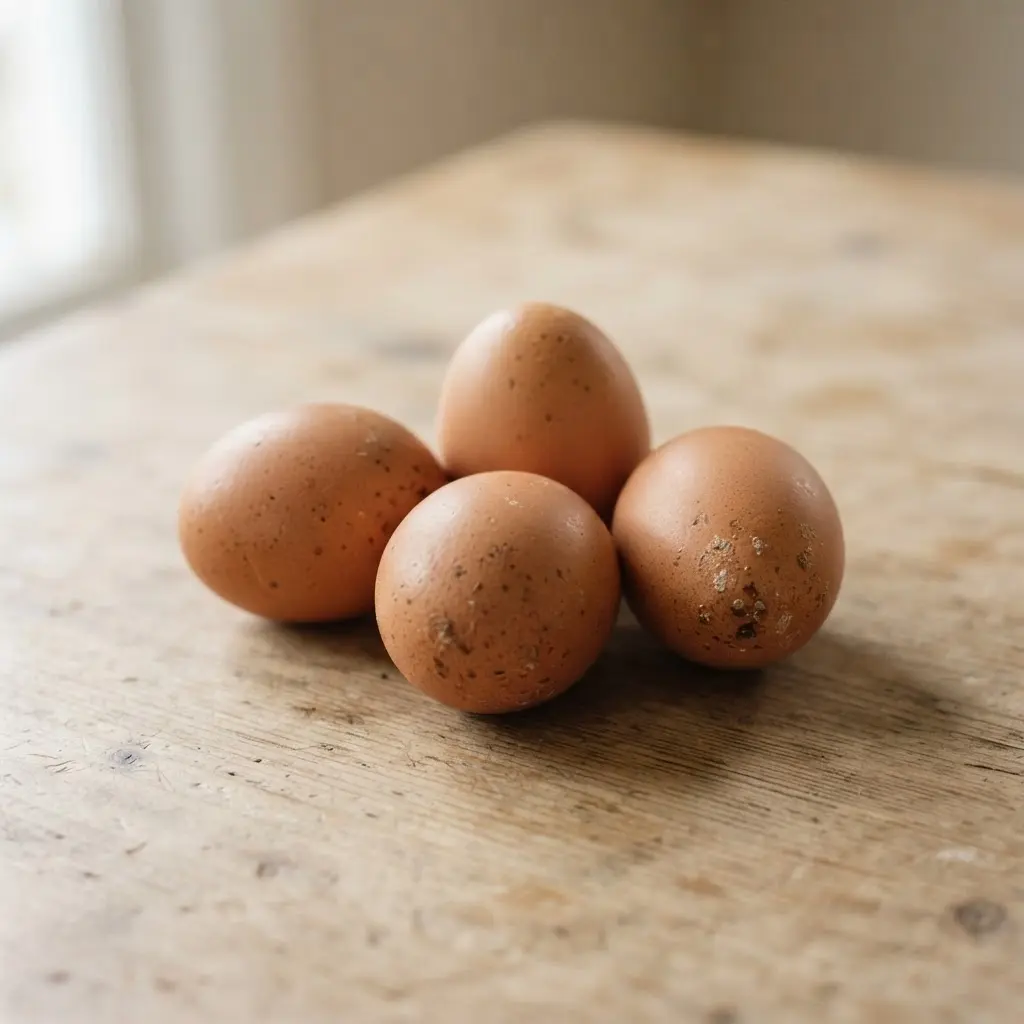
Many people believe B vitamins come mainly from supplements, yet focusing on Foods that make you feel better changes that view. In truth, everyday foods provide a broad mix of these nutrients. Start with whole grains such as oats, brown rice, quinoa, barley, or whole-wheat bread. These foods provide B1, B2, B3, and B6.
Build meals around a protein source as well. Eggs provide B2, B5, B7, and B12, which supports Foods that make you feel better through daily nourishment. Fish, lean meat, dairy products, beans, lentils, and peas supply other B vitamins. Add dark leafy greens such as spinach or kale for folate, especially at lunch or dinner.
Nuts and seeds add B1, B3, and B6, aligning with Foods that make you feel better for daily meals. Fortified cereals, plant-based milks, and nutritional yeast provide useful options for people eating mostly plant foods. B12 is harder to obtain from unfortified plant foods.
Research suggests combining food groups offers broader nutrient coverage, which defines Foods that make you feel better in practice. Pair oats with yogurt and seeds, or serve brown rice with lentils and spinach. Always consult a healthcare professional before making changes to your health routine, especially with a restrictive diet or fortified products.
5. Vitamin D Dietary Options for Balanced Eating

Which foods provide vitamin D without relying on sunlight? Start with fatty fish, including salmon, mackerel, and sardines, since Foods that make you feel better need this nutrient. A serving offers vitamin D along with protein, making fish useful for lunch or dinner. Include these choices regularly in a balanced eating pattern, especially with limited sun exposure.
Check labels on fortified foods such as milk, yogurt, plant-based milk, orange juice, and breakfast cereal, a routine that matches Foods that make you feel better. Fortification levels differ between brands, so read the nutrition panel before buying. Egg yolks provide a smaller amount, while UV-exposed mushrooms offer a plant-based option. A varied eating pattern draws on the healing properties of foods while meeting vitamin D needs through several sources.
Use cod liver oil only according to the product serving guidance, which connects to Foods that make you feel better through careful dosing. The supplement contains vitamin A as well as vitamin D, so taking extra doses can create safety concerns. Research suggests dietary variety offers a practical way to support nutrient intake across different preferences. Always consult a healthcare professional before making changes to your health routine.
6. Magnesium for Mood Regulation Through Whole Foods

Choose a meal built from several magnesium-rich foods rather than relying on a single “superfood,” a tip for Foods that make you feel better. Magnesium supports communication between nerve cells and helps form membrane phospholipids, which maintain cell structure and normal brain function. Combine leafy greens with legumes in soups, salads, or grain bowls.
Build this pattern across the week with nuts or seeds on oats, whole grains at lunch, and fish, oysters, or mussels at dinner, keeping Foods that make you feel better in mind. Organ meats also contain magnesium, though many people eat them less often. Research has found an inverse, dose-dependent association between dietary magnesium intake and depression risk. Higher intake is linked with lower risk in some studies, but this finding does not prove prevention or treatment.
Use variety instead of chasing one ingredient, because Foods that make you feel better rely on balance. Choose several food groups across daily meals. Research on magnesium supplements for mood disorders is inconclusive, with findings drawn mainly from uncontrolled studies. A balanced eating pattern supports nutritional adequacy, yet persistent low mood needs professional assessment. People with depression or other mood symptoms must not replace care with food changes, even when testing Foods that make you feel better. Always consult a healthcare professional before making changes to your health routine.
7. Zinc Containing Foods for Everyday Support

A common mistake is treating vegetables as the richest zinc sources, which shifts how we find Foods that make you feel better. Oysters provide more zinc than most vegetables, while beef, lamb, pork, chicken, and turkey offer dependable animal-based choices. Mushrooms, spinach, and kale still add variety, but these vegetables generally contribute smaller amounts.
Build meals around more than one food group. Pair lentils, chickpeas, or beans with oats, quinoa, or brown rice, and adding Foods that make you feel better requires this mix. Add pumpkin seeds, cashews, or hemp seeds to a meal or snack. Milk and cheese provide moderate amounts. Pair a protein with whole grains to include zinc-containing foods across the day rather than relying on one item.
Research suggests varied food choices provide practical ways to include zinc across different eating patterns. Zinc content differs widely, so one food does not establish whether you meet an individual requirement. Varied food choices support balanced meal planning without placing all focus on a single source, matching Foods that make you feel better. People with concerns about zinc intake should seek advice from a qualified health professional.
8. Iron for Brain Oxygenation and Meal Balance

Start with plant-based iron sources, such as lentils, beans, tofu, spinach, and fortified cereals, which form Foods that make you feel better. Iron supports hemoglobin, the protein carrying oxygen through your blood. Regular meals with iron-rich foods support steady nourishment for the brain and body.
Pair iron-rich foods with vitamin C from oranges, strawberries, tomatoes, or bell peppers, a step that enhances Foods that make you feel better. Vitamin C improves absorption of non-heme iron, the form found in plants. Build a lunch with lentils, chopped tomatoes, and leafy greens, or serve tofu with bell peppers and brown rice. Keep tea and coffee away from iron-focused meals because compounds in these drinks reduce iron absorption.
Research links adequate iron intake with normal oxygen transport and cognitive function, showing why Foods that make you feel better matter. Balanced meals matter more than one isolated food, so combine iron sources with protein, whole grains, vegetables, and healthy fats. Always consult a healthcare professional before making changes to your health routine.
9. Probiotic Gut Health Foods for Daily Meals
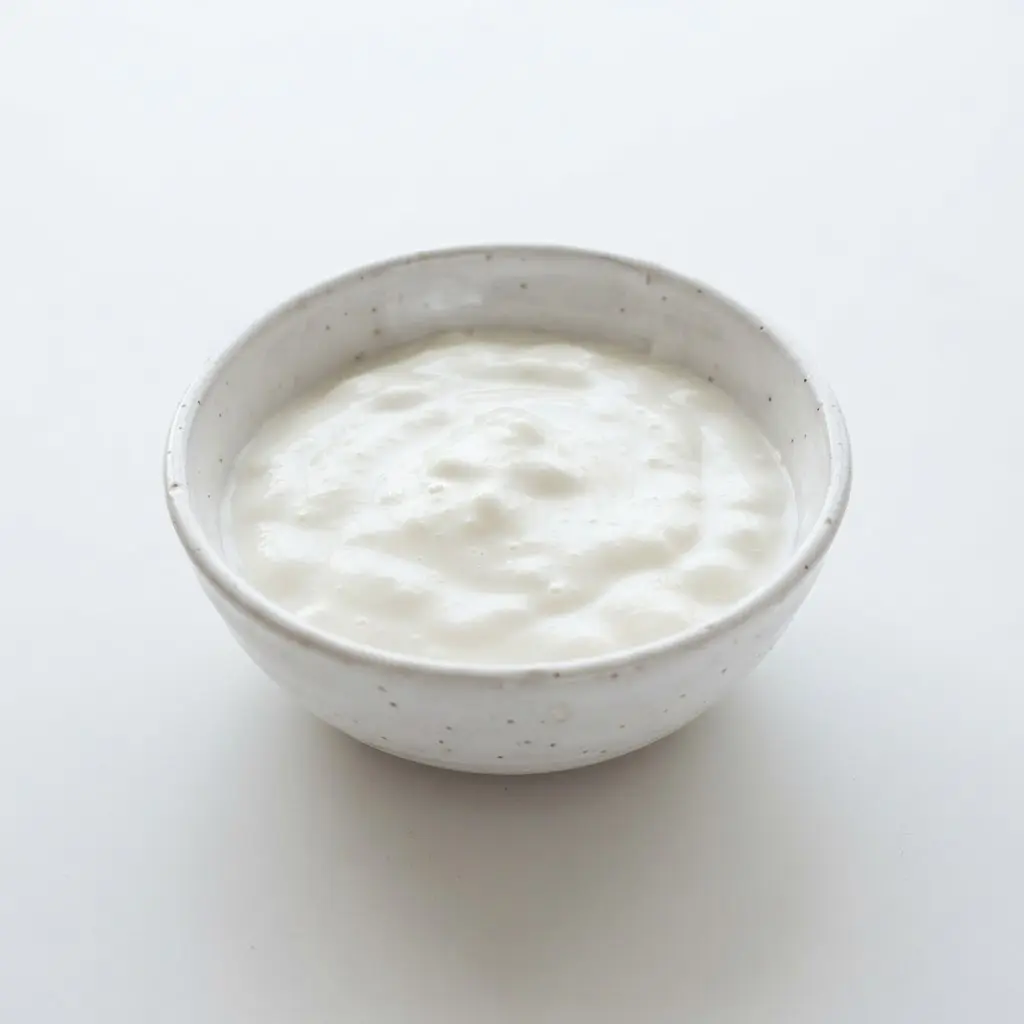
At breakfast, stir plain yogurt into a bowl of berries and nuts instead of reaching for a sweetened snack, creating Foods that make you feel better. Choose yogurt, kefir, sauerkraut, kimchi, or refrigerated pickles marked live active cultures. Fermentation gives these foods their tangy taste, yet pasteurization, canning, and high heat reduce or remove living bacteria.
Use kefir in a smoothie or salad dressing, and add kimchi to eggs after cooking. Stir miso into warm soup without boiling it, or serve tempeh in place of meat at dinner, which highlights Foods that make you feel better. Read about the probiotic benefits of kefir before choosing a fermented milk drink. Select plain or unsweetened yogurt and kefir to limit added sugar.
Pair fermented foods with fiber-rich foods, including beans, whole grains, fruit, vegetables, nuts, and seeds, a combo that defines Foods that make you feel better. These prebiotic foods provide fuel for beneficial gut bacteria. Research suggests a varied eating pattern supports gut health more reliably than relying on one product. Probiotic content differs by brand, processing, and storage, so labels offer useful guidance without guaranteeing a specific result.
10. Prebiotic Fiber Sources for Gut Support

Many people believe gut support requires specialty powders, yet everyday items show how Foods that make you feel better work. Everyday foods often provide prebiotic fiber, including oats, beans, onions, garlic, apples, bananas, and peas. Choose a varied plant-food mix rather than relying on one ingredient.
A practical target is at least 5 grams of prebiotic fiber each day, a goal that matches Foods that make you feel better. Add oats at breakfast, beans to lunch, or cooked onions and asparagus to dinner. Apples, berries, flaxseeds, and almonds provide more options. Use whole food fiber sources to build meals around familiar ingredients.
Research suggests a gradual increase gives the digestive system time to adjust, proving that Foods that make you feel better take patience. Start with small portions, raise serving sizes slowly, and monitor bloating or other discomfort. Drink fluids as part of a balanced eating routine.
Prebiotic ingredients also appear in packaged foods under names such as inulin, wheat dextrin, acacia gum, psyllium, GOS, FOS, and TOS, which reminds us about Foods that make you feel better. Read labels when needed, but do not assume a fortified product is necessary. Always consult a healthcare professional before making changes to your health routine.
11. Antioxidant Rich Berries for Balanced Snacks
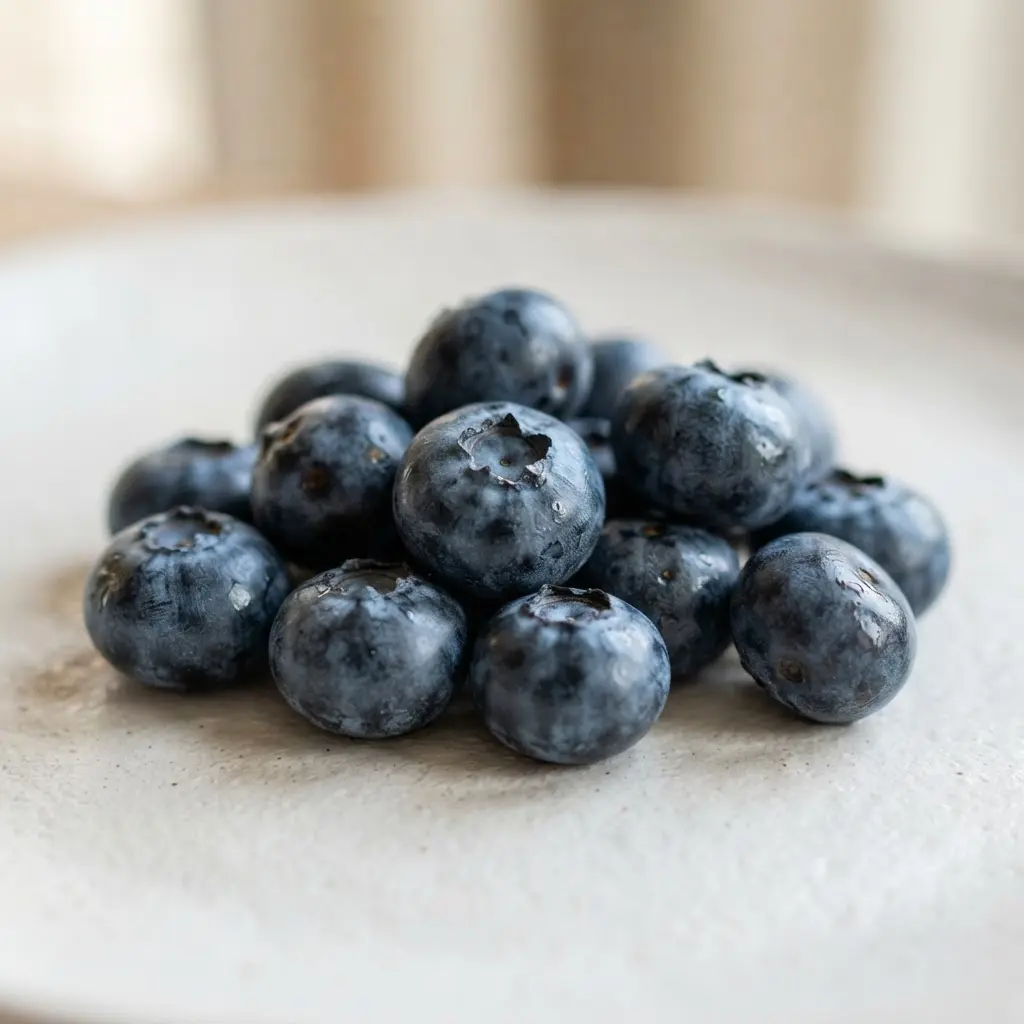
Which berries fit a balanced snack? Choose mixed fresh berries. This focus on Foods that make you feel better guides your pick. Blueberries supply anthocyanins, raspberries contain ellagitannins, and cranberries offer several polyphenols. Berries provide fiber, vitamins, minerals, and plant compounds while adding natural sweetness. Eat a small bowl alone for a light snack, or pair fruit with yogurt or almonds when hunger is stronger.
Pairing makes the snack more filling, linking directly to Foods that make you feel better. Plain yogurt and berries combine fruit carbohydrates with protein, while almonds add healthy fats and fiber. Add fresh or frozen berries to a breakfast bowl, or mix dried berries into trail mix. Measure dried fruit before eating because removing water makes portions easier to overeat.
Research suggests berry polyphenols support antioxidant activity, highlighting why Foods that make you feel better vary in type. Goji berries provide carotenoids, vitamins A and B, and iron, while mulberries contribute potassium. Choose unsweetened dried fruit when selecting trail-mix ingredients, and vary berry colors across the week. Berries support nutritious eating, but they do not replace medical care or prescribed treatment.
12. Dark Chocolate Mood Benefits in Small Portions
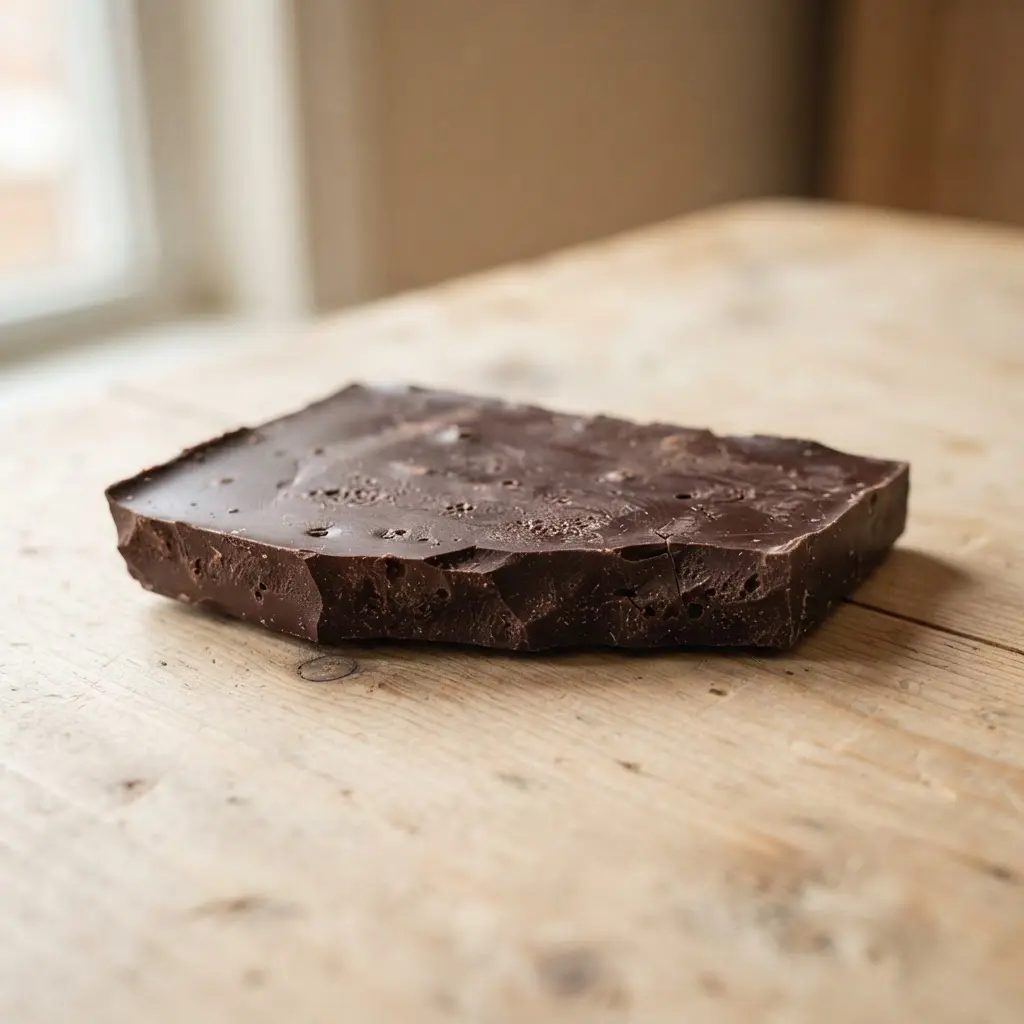
A measured square of dark chocolate is a better choice than unrestricted snacking when mood support is the goal, since Foods that make you feel better require portion control. Choose 85% cocoa dark chocolate and keep the portion near 30 g. In one study, healthy adults ate this amount daily for three weeks and reported less negative affect. A small serving also improved experimentally induced negative mood, though the effect was short-lived.
Cocoa contains polyphenols, plant compounds linked with self-rated calmness and contentedness after daily intake for 30 days, showing how Foods that make you feel better work. Sensory pleasure offers an immediate effect through taste and texture. Changes in gut bacteria, including an increase in Blautia obeum, were linked with mood changes in the three-week study. This finding points to a possible gut-brain connection, not a confirmed cause.
Research suggests small portions could support a balanced eating routine, which explains how Foods that make you feel better fit into habits. Survey findings linked consumption with lower odds of depressive symptoms, yet association does not prove cause. Check the cocoa percentage, added sugar, and calorie content before choosing a product. Always consult a healthcare professional before making changes to your health routine.
13. Processed Food Impacts on Energy and Mood

Mistake: treating every processed food as equally harmful, a view that misses how Foods that make you feel better differ. Processing spans simple changes, such as freezing or cooking, through to ultra-processed foods such as sugary drinks and sweet, high-fat snacks. Research in this area focuses mainly on the heavily processed end of the range.
Sweet, high-fat foods and sugary drinks sometimes create a short emotional lift after eating, contrasting with Foods that make you feel better. The effect often lasts up to one hour and usually fades within two to three hours. UPF meals also produce stronger insulin-related activity and different energy metabolism than nutritionally similar non-UPF meals. These changes might contribute to later energy swings.
Higher UPF intake is linked with symptoms of depression, anxiety, and common mental disorders. This ties into why Foods that make you feel better avoid heavy processing. One meta-analysis reported odds ratios of 1.44 for depressive symptoms, 1.48 for anxiety, and 1.53 for common mental disorder symptoms. Read the evidence on harmful effects of processed foods alongside mood findings, rather than treating a brief lift as proof of lasting benefit.
Choose balanced meals built around minimally processed foods when steady energy matters, a rule for Foods that make you feel better. Treat these findings as associations, not proof of direct cause. Persistent low mood, anxiety, or major energy changes require professional advice. Always consult a healthcare professional before making changes to your health routine.
14. Refined Sugar Mood Cycles and Food Choices

Start by limiting sugary drinks and highly processed snacks, a practical step toward breaking free from sugar dependence and finding Foods that make you feel better. Refined sugar can raise blood glucose quickly. Blood glucose then falls as the body regulates it. Some people notice tiredness, irritability, hunger, or renewed cravings within a few hours. Repeated reliance on quick energy can make regular meals harder to maintain.
Choose balanced meals built around vegetables, fruit, protein-rich foods, and whole grains, matching Foods that make you feel better. Pair carbohydrate foods with protein or fibre to make meals more filling. Research suggests high added sugar and high-GI diets are associated with increased depression risk. High sugar intake has also been associated with anxiety. These findings show association, not proof sugar alone causes a mental-health condition.
Keep a food-and-mood journal for several days, noting patterns in Foods that make you feel better. Record meals, timing, hunger, energy, mood, sleep, and stress. Such notes help separate a repeatable food pattern from changes linked to poor sleep or illness. Added sugar provides calories with few essential nutrients, which clarifies why Foods that make you feel better avoid excess. Glucose remains an essential energy source. Do not eliminate all carbohydrates or fruit. Always consult a healthcare professional before making changes to your health routine.
15. Balanced Hydration Practices for Daily Well-Being

After a morning workout, reach for a reusable water bottle instead of waiting for strong thirst, since Foods that make you feel better need hydration. Sip throughout the day, since fluid needs change with exercise, heat, diet, and health status. Water is the simplest main beverage because it adds fluid without sugar or calories.
Use thirst as your main guide, then check urine color as a general clue, supporting Foods that make you feel better. Pale-yellow urine often fits adequate hydration, while dark-yellow urine signals a need for closer attention. Persistently clear urine can reflect excessive intake in some situations. Spread drinks across the day rather than consuming a large volume at once.
Choose water-rich foods such as watermelon, strawberries, cucumbers, celery, and lettuce, a habit that complements Foods that make you feel better. These foods add fluid along with useful nutrients. Coffee and tea contribute to daily fluids, while alcohol should not serve as a hydration drink.
Increase intake during hot weather or strenuous exercise, aligning your routine with Foods that make you feel better. Drink before activity, sip during longer sessions, and replace fluids afterward. People with heart failure, kidney disease, or another condition requiring fluid limits must follow clinical instructions. Always consult a healthcare professional before making changes to your health routine.
When Persistent Symptoms Need Professional Support
Persistent low mood, fatigue, or appetite changes lasting two weeks deserve a conversation with a healthcare professional, just like tracking Foods that make you feel better. A clinician checks for sleep problems, medication effects, anemia, thyroid conditions, infection, and other causes instead of treating symptoms through food alone. Food supports daily nourishment, yet it does not replace care for depression, anxiety, eating disorders, or ongoing digestive trouble. Seek urgent help for thoughts of self-harm, inability to eat or drink, severe weakness, or confusion. Keep a short note of meals, fluids, sleep, and symptoms before an appointment, so patterns are easier to explain. A clinician or dietitian respects allergies, culture, budget, and appetite while setting realistic nutrition goals. Early support gives persistent symptoms proper attention and protects against restrictive self-treatment.
Conclusion
Food choices often connect with how you feel during a busy day. A nourishing meal gives your body steady fuel, while familiar flavors bring comfort without strict rules. Foods that make you feel better do not need to come from a special plan. Start with one small change, such as adding berries to breakfast, beans to lunch, or leafy greens to dinner. This aligns with Foods that make you feel better, as they just need to fit your life and give you care in a practical form. Pair carbohydrates with protein and healthy fats for longer-lasting satisfaction. Drink water through the day, and notice how your energy responds. If low mood, fatigue, or food concerns continue, speak with a qualified health professional for personal support. Your meals do not need to look perfect. They need to fit your life and give you care in a practical form. Choose one meal for today, add two nourishing food groups, and let steady habits grow from there.
FAQs
Q: What foods help with low energy?
A: Choose meals with whole grains, beans, eggs, fish, lean meat, fruit, or vegetables. Pairing protein with fiber-rich carbohydrates supports steady fuel through the day.
Q: Which foods support a healthy mood?
A: Fatty fish, walnuts, beans, leafy greens, berries, and whole grains fit a mood-supportive eating pattern. Regular meals also help prevent long gaps between meals.
Q: Do gut-friendly foods affect how I feel?
A: Yogurt with live cultures, kefir, sauerkraut, onions, garlic, oats, and beans support gut health. A varied diet supplies both probiotic foods and prebiotic fiber.
Q: Is dark chocolate a healthy comfort food?
A: Dark chocolate fits a balanced routine in a small portion. Choose a product with a high cocoa content and pair it with fruit or nuts for a satisfying snack.
Q: What should I eat when I do not feel like cooking?
A: Try Greek yogurt with berries and oats, whole grain toast with eggs, or a bean and vegetable soup. Keep a few simple staples ready for low-effort meals.