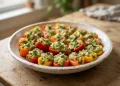
Want fresher flavor and more nutrients from your meals? When planning meals around foods that should not be cooked, you will find they often include delicate berries, leafy greens, garlic, peppers, cultured dairy, nuts, and honey. Raw or gently warmed forms preserve heat-sensitive vitamins, crisp texture, fresh flavor, and live cultures. Still, raw does not always mean safer.
Kitchen advice often conflicts. One recipe praises raw garlic, while another starts with a hot pan. The best choice depends on the ingredient, the heat level, and how it was handled before eating. This guide separates foods best served raw from foods needing safe preparation. You will get simple serving ideas, storage reminders, and clear cautions for each one. Keep foods that should not be cooked clearly organized in your weekly prep. Read on and choose your next ingredient with confidence.
Raw Versus Cooked Nutrient Tradeoffs
Boiling vegetables in a large volume of water transfers some vitamin C and folate into the water, so raw vegetables often retain more of both. Heat still helps with other nutrients, since softened plant cell walls give your body better access to beta-carotene in carrots and lycopene in tomatoes. This explains why foods that should not be cooked often skip heavy boiling. Raw does not automatically mean more nutritious, especially when a cooked portion supplies more vegetables or improves digestion.
Fresh salads preserve crisp texture, bright color, and water content, while brief heating keeps those qualities better than long boiling. Steam, sauté, or stir-fry methods limit water exposure and often preserve more nutrients than simmering. Choose preparation based on the nutrient, texture, and flavor you want from each food.
Temperature Tools For Safer Decisions
Use a food thermometer rather than color or firmness to judge whether meat, poultry, seafood, or eggs have reached a safe temperature. Even when focusing on foods that should not be cooked, checking internal temperatures prevents illness. Cook poultry to 165°F, ground meat to 160°F, and whole cuts of beef, pork, lamb, or veal to 145°F, then let those whole cuts rest for three minutes.
Fish also needs 145°F, while egg dishes need enough heat for safe setting. Raw sprouts, raw flour, and unpasteurized ingredients deserve extra caution because harmful germs might survive without thorough cooking. Pasteurized dairy, juice, and eggs provide safer choices for uncooked recipes.
Check the thickest portion, keep the probe clean, and measure again when food looks underdone or cooking has been uneven. Consistent temperature checks keep your kitchen practices safe and reliable.
1. Heat-Sensitive Fresh Berries: Bright Raw Flavor

Assuming every berry benefits from cooking is a common mistake. When you select foods that should not be cooked, fresh berries top the list. Choose raw or minimally heated berries when fresh acidity, crisp texture, and clean aroma matter most. Cranberries and sea buckthorn berries show this difference clearly.
Raw cranberries stay firm and sharply tart, while sea buckthorn berries keep their sweet-tart taste and vivid color. Extended heat softens berry cells. Cranberries lose the crunch linked to their firm structure. Vitamin C and some antioxidant compounds also decline during cooking.
Heat can dull carotenoid pigments and break down delicate aroma oils. Sugar changes and oil oxidation may produce a softer, jammy, bitter, or cooked flavor instead of a bright raw profile. Use cranberries in fresh relishes, chopped salads, smoothies, or sweet and savory dishes.
Pair their sharp acidity with apples, citrus, herbs, nuts, or a modest amount of sweetener. Serve sea buckthorn berries with little or no heat when color, aroma, and sweet-tart character are central to the dish. Blend or fold them into food after cooking rather than simmering them for a long period.
Research on heat-sensitive nutrients suggests raw or gently handled berries retain more vitamin C and some antioxidants than berries exposed to prolonged cooking. Many people find fresh berries taste brighter and more distinct than cooked products. Knowing which foods that should not be cooked retain their best qualities helps you plan better. Treat intense cranberry tartness as a natural sign of high acidity, not poor quality.
Keep cooking brief whenever the goal is fresh flavor, firm texture, and clear color. Quick preparation methods protect delicate fruit compounds.
2. Raw Leafy Green Nutrients in Fresh Salads
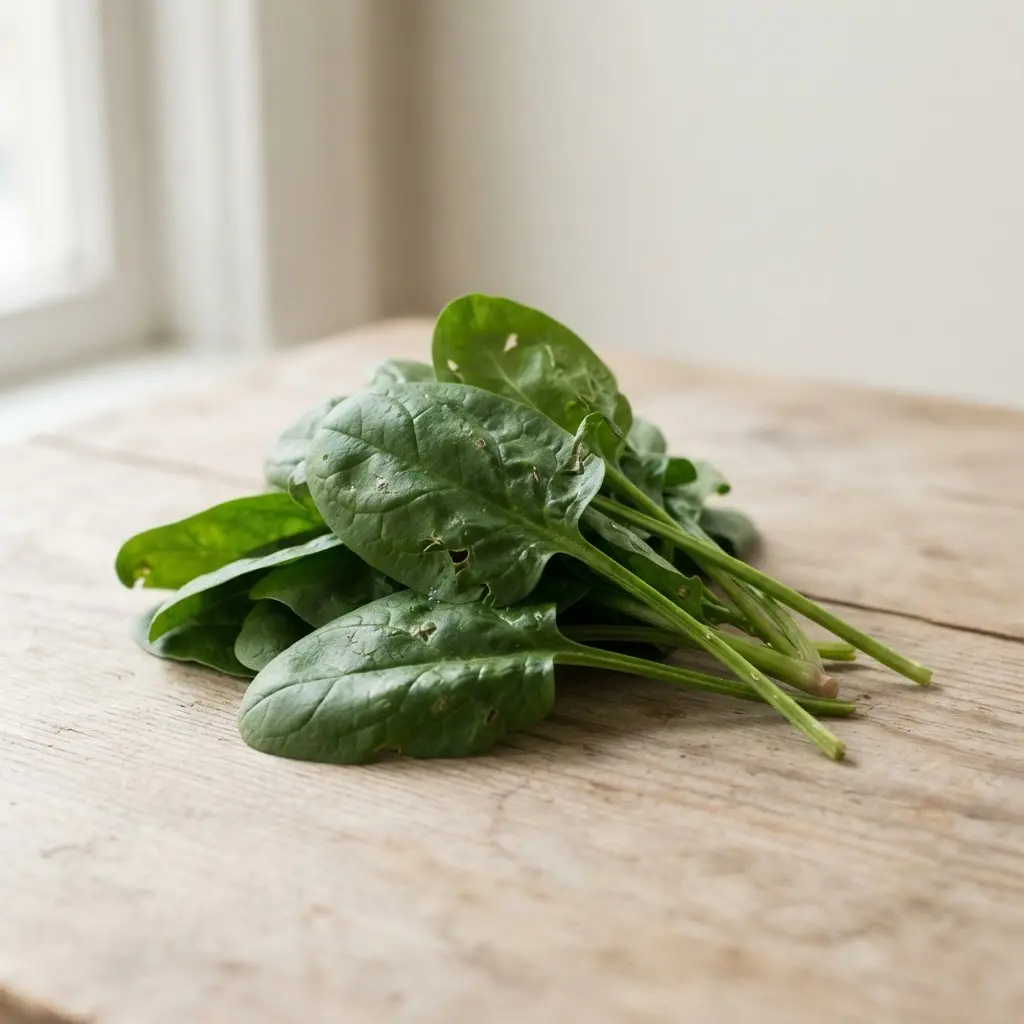
Choose dark leafy greens for fresh salads before reaching for lighter lettuce. Spinach, kale, and romaine provide vitamins A, C, K, B6, and folate, along with calcium, iron, potassium, and magnesium. Raw serving preserves heat-sensitive vitamin C and keeps the greens crisp. Remove damaged leaves, separate them, and rinse each leaf thoroughly before eating.
Build salads with more than one green. Dark green and red leaves generally provide more carotenoids and antioxidant-related plant compounds than pale varieties. Beta-carotene, lutein, and zeaxanthin add to the range of nutrients in a mixed salad. Iceberg lettuce still adds water and crunch, yet spinach, kale, or romaine offers a broader nutrient profile.
Measure portions by volume rather than by leaf count. Leafy greens contain about 95 percent water, so nutrients are spread through a large amount of food. About two cups of greens may provide a nutritional contribution similar to one cup of more concentrated vegetables. Learning how to handle foods that should not be cooked helps you plan better portions. Research suggests greater vegetable variety supports a wider intake of vitamins, minerals, fiber, and phytonutrients.
Use refreshing raw salads to vary ingredients across meals. Keep prepared greens refrigerated until serving. Dry leaves after rinsing to reduce excess moisture and maintain texture. Raw greens are low in calories and sodium and contain no cholesterol, though nutrient content varies by type and portion size. Wash carefully before eating, since poor handling raises food-safety risks.
3. Fresh Garlic Sulfur Compounds in Uncooked Dishes

At 7 p.m., while mixing a vinaigrette, start with crushed garlic rather than an intact clove. Whole garlic stores alliin and alliinase in separate cell areas. Crushing, chopping, or chewing breaks those areas and brings both substances together. This quick prep step matches the needs of foods that should not be cooked.
Alliinase then changes alliin into thiosulfinates, with allicin as the main compound. Allicin forms within seconds and gives uncooked garlic its sharp taste and strong aroma. Allow crushed garlic to stand for about 10 minutes at room temperature before adding it to a dressing, dip, sauce, or marinade. Research found sulfur compounds increased between 30 and 240 minutes after crushing.
Use a 10-minute resting period to control the garlic profile. Allicin breaks down over time into compounds such as diallyl sulfide, diallyl disulfide, and diallyl trisulfide. Oil changes the later transformation of these compounds and supports the formation of ajoene and vinyldithiins. Many people find raw garlic tastes sharper after crushing and resting than after immediate cutting.
Heat creates a different result. Boiling or microwaving inactivates alliinase, limiting fresh allicin formation and changing the sulfur-compound profile. Do not treat cooked garlic as chemically equal to raw garlic. The exact chemistry proves why foods that should not be cooked often skip heavy pans. Research on compound formation does not establish guaranteed health outcomes from eating raw garlic. Always consult a healthcare professional before making changes to your health routine.
4. Vitamin-Rich Raw Peppers for Crisp Meals
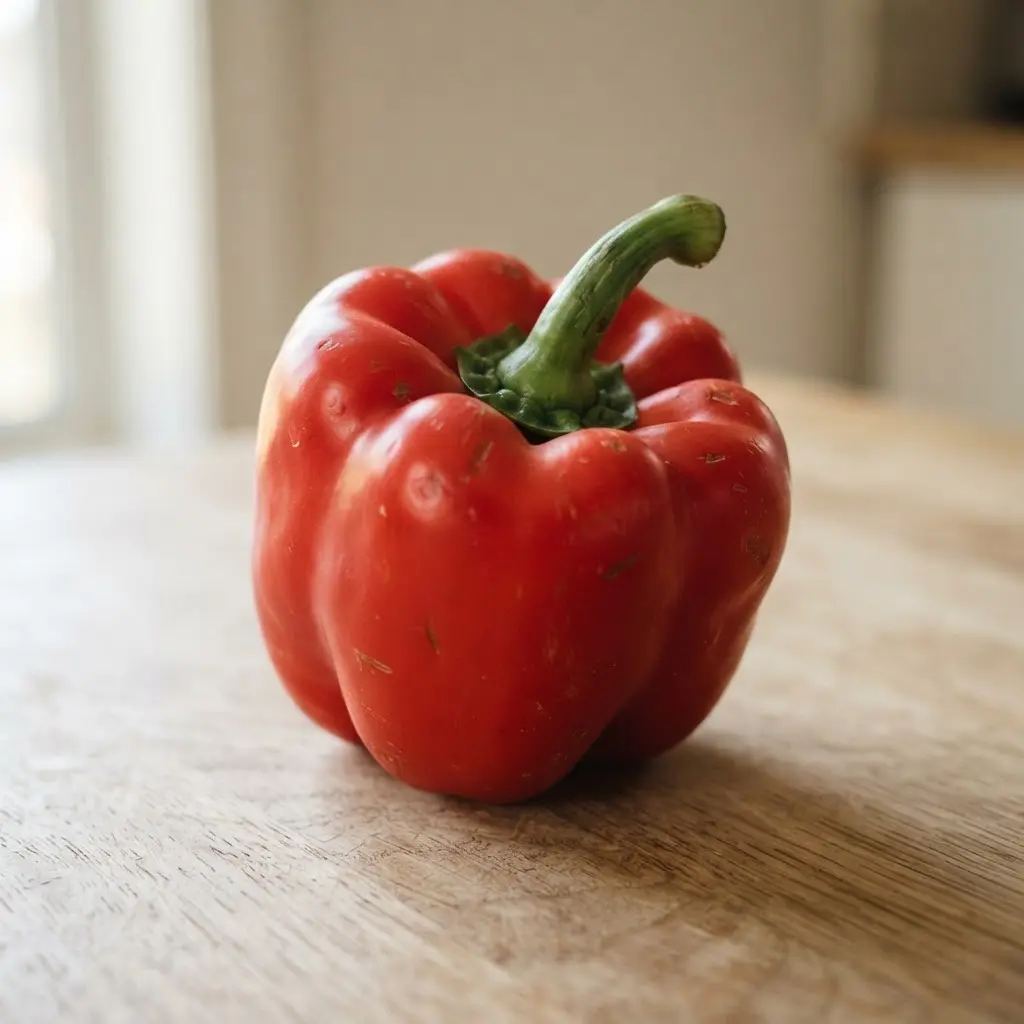
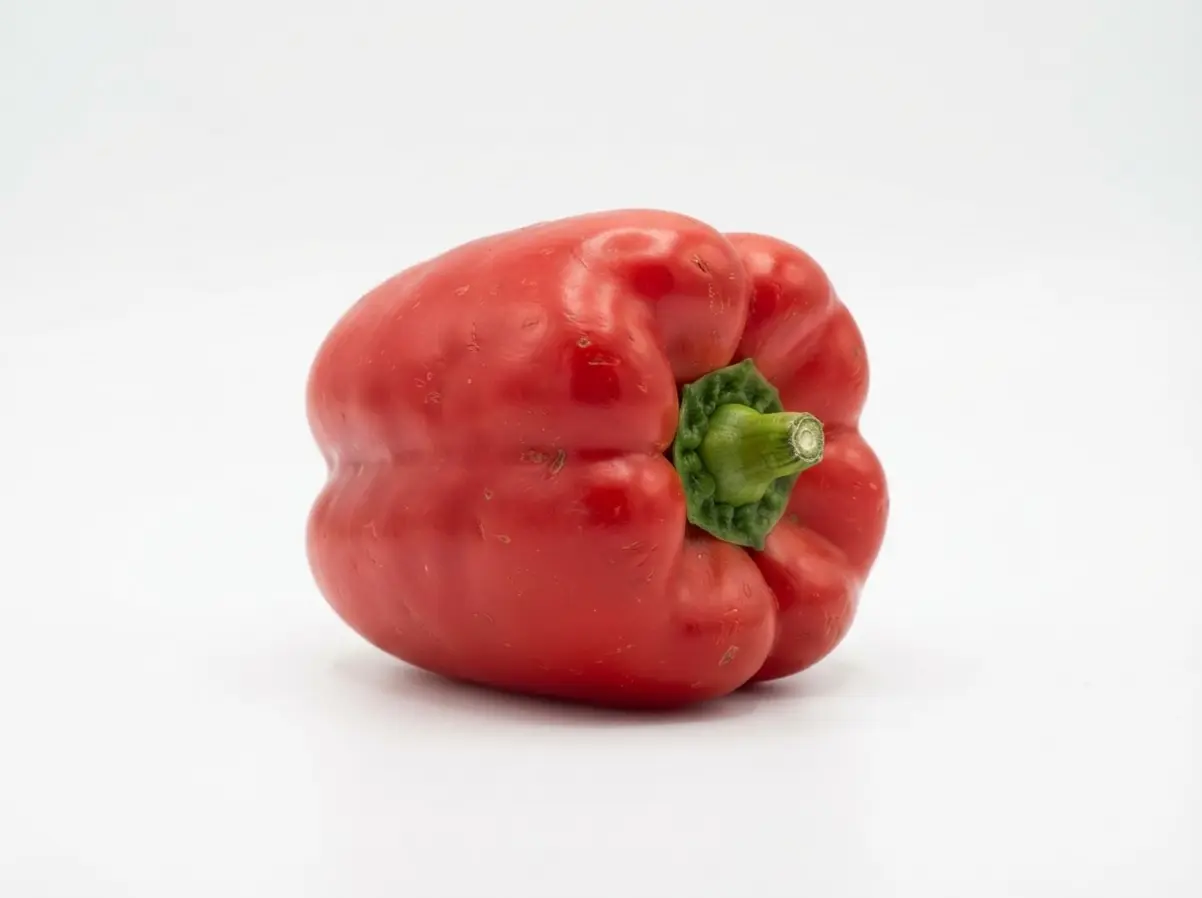
Cooking does not make every pepper more nutritious. Raw bell peppers preserve more vitamin C, a nutrient easily reduced by heat. One cup of chopped raw red pepper provides more than 200% of the daily value for vitamin C. The crisp texture also stays firm in salads, wraps, and snack plates. This is a main reason foods that should not be cooked include fresh peppers.
Choose red peppers for a sweeter taste and more beta-carotene, which contributes to vitamin A intake. Orange and yellow peppers offer mild flavor along with lutein and zeaxanthin. Green peppers are harvested earlier, so they taste more bitter and savory and often contain lower levels of some nutrients than ripe-colored peppers.
Each color brings a different mix of antioxidants. Wash the pepper thoroughly, then remove the top, seeds, and inner membranes. Slice the flesh into strips, rings, or bite-sized pieces. Serve the pieces with hummus, guacamole, sandwiches, or a fresh salad. Research suggests raw preparation serves people seeking maximum vitamin C retention, while roasting and stir-frying can make some carotenoids easier for the body to absorb.
Use an airtight container for cut pepper pieces and refrigerate them for up to three days. Whole, unwashed green peppers keep in the refrigerator for about three to four days. Riper red peppers have a shorter storage window of about one to two days. Choose raw peppers when freshness, bright color, and crunch matter most.
5. Probiotic Dairy Products at Cool Temperatures
Should probiotic yogurt be cooked? No. Keep yogurt and fermented milk chilled to protect their live cultures. Heat can damage or kill beneficial microorganisms, reducing the number of viable bacteria available at serving.
Maintain refrigerator temperatures at or below 4°C (39°F). Cold storage is essential for foods that should not be cooked. Temperatures above 10°C can reduce bacterial activity and metabolic processes. Return dairy products to the refrigerator after serving, and avoid leaving them at room temperature for extended periods. Consistent cold storage supports the product’s labeled probiotic count.
Do not stir probiotic yogurt into boiling sauces or add fermented milk to food straight from the stove. Allow cooked food to cool before adding the dairy. Research supports careful temperature control as a way to preserve probiotic viability from manufacture through consumption, although live cultures do not guarantee a specific health outcome.
Read the label before storing any probiotic product. Some freeze-dried products use room-temperature storage, so refrigeration rules vary. The guaranteed CFU count, meaning colony-forming units and a measure of viable microorganisms, depends on following the manufacturer’s directions. Store standard yogurt and fermented milk in a consistently cold refrigerator, while checking product-specific instructions for exceptions.
6. Raw Nut Enzyme Integrity and Gentle Warming
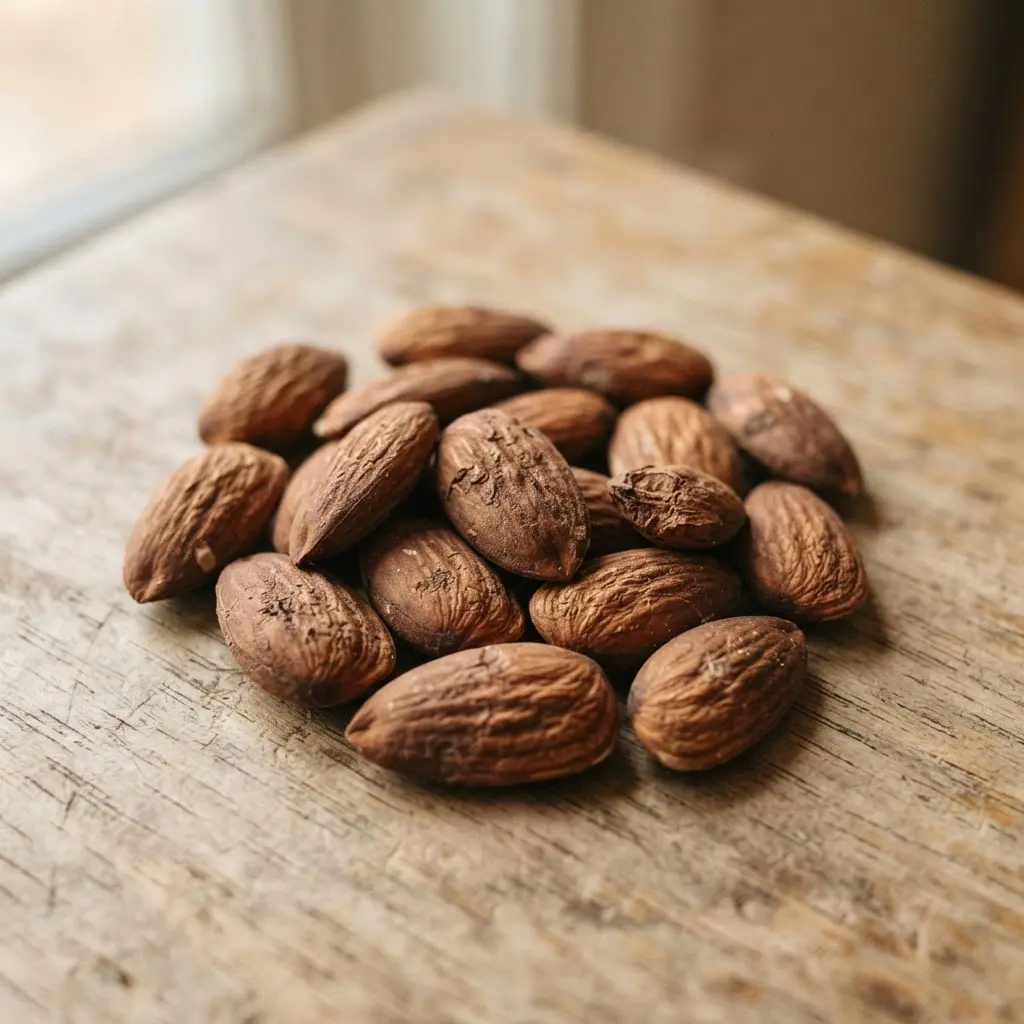
Low-temperature drying keeps nuts closer to a raw preparation than roasting does. Choose gentle warming when the goal is to dry nuts while limiting heat exposure. High heat from roasting, frying, or boiling generally denatures or deactivates naturally occurring enzymes. The exact cutoff remains debated, with cited figures ranging from about 118°F (48°C) for wet heat to 150°F (66°C) for dry heat.
Set a food dehydrator near 110°F (43°C) for a cautious approach. An oven set to its lowest temperature offers another option, but oven dials often fluctuate. Place an oven thermometer inside to check the true temperature. Keep dry heat below the frequently cited upper limit of 150°F (66°C) when preserving raw characteristics matters.
Gentle drying also avoids the added oils found in some commercial roasted nuts. Soaking changes texture and preparation, but do not treat soaking as proof of improved nutrition. Cover nuts with water, let them stand, drain them, then dry them at a low temperature. Research cited for this topic indicates soaking does not significantly reduce phytate concentrations or improve mineral bioavailability.
Claims about better digestibility or awakened enzymes need cautious wording because research does not establish guaranteed benefits. Do not treat 118°F (48°C) as a universal enzyme cutoff. Enzyme stability varies with moisture, enzyme type, and heating method. Understanding this helps you handle foods that should not be cooked correctly. Sprouting after moderate heat exposure does not prove complete enzyme preservation, since some enzymes might already have degraded.
Check the measured temperature rather than trusting the oven display, and avoid ordinary roasting temperatures when keeping nuts as close as possible to raw is the priority. Precise temperature tracking protects natural nut qualities.
7. Raw Honey Enzymatic Properties in Unheated Form

A common mistake is assuming all raw honey has the same enzyme activity. Freshness, storage time, floral source, and processing history change the result. Choose unheated honey when preserving naturally occurring enzymes is a priority. This careful approach aligns with guidelines for foods that should not be cooked.
Invertase breaks sucrose into the simpler sugars glucose and fructose. Activity often reflects limited heat exposure and relative freshness. Research found raw honey had approximately three times higher invertase activity than commercially processed honey. Long storage still lowers activity, even without direct heating.
Glucose oxidase acts on glucose and produces gluconic acid and hydrogen peroxide. Hydrogen peroxide contributes to honey’s antibacterial activity under suitable conditions. This reaction does not guarantee a medical effect, and honey should not replace professional wound care or medical treatment. Enzyme activity is assessed through laboratory testing, not appearance, flavour, or texture.
Keep honey away from high heat during cooking. Heating to around 50°C significantly reduces enzyme activity, while commercial heating and filtration may lower the amount retained. Stir honey into food after cooking or use it in an unheated preparation. Research suggests invertase offers a more useful quality clue than glucose oxidase because glucose-oxidase activity varies among samples. Always consult a healthcare professional before making changes to your health routine.
Gentle Methods For Better Texture
Short steaming preserves crisp texture better than prolonged boiling because the food touches little water and spends less time in high heat. A microwave also heats vegetables quickly with a small amount of water, helping green beans, broccoli, and peppers keep their color. Sautéing and stir-frying add flavor while limiting water loss, though high heat still softens delicate leaves fast.
Cut size affects texture, since thin pieces cook sooner and lose firmness sooner than thick pieces. A covered pan holds steam close to the food, while an uncovered pan lets moisture escape and creates firmer edges. Serve lightly cooked vegetables soon after heating, because holding them warm continues softening and dulls fresh flavor.
These methods suit foods valued for crunch, color, and fresh taste. Quick, gentle heating protects texture without sacrificing safety.
Conclusion
Fresh food choices often begin with a small personal goal, such as keeping a crisp salad, bright pepper, or fresh garlic in its best form. Foods that should not be cooked are useful guides, not strict rules for every meal. Some ingredients taste best raw, while others need heat for safety or easier digestion.
For your next meal, pick one ingredient from this list. Wash produce under running water, keep chilled foods cold, and follow package directions for dairy products. Store nuts and honey carefully, too. Skip raw animal foods and unpasteurized products when safety is uncertain.
A little attention to heat, storage, and handling helps you keep more flavor without taking needless risks. You do not need to change your whole routine. Remember the key principles behind foods that should not be cooked as you plan your next grocery trip. Start with one fresh ingredient today, and build a kitchen routine that feels simple, nourishing, and comfortable.
FAQs
Q: Is raw produce always safer than cooked produce?
A: No. Raw produce needs thorough washing and clean handling. Cooking lowers germs on many foods, while raw serving keeps food safety steps essential.
Q: Which foods retain more nutrients when served raw?
A: Berries, leafy greens, peppers, and garlic often retain heat-sensitive nutrients in raw form. Gentle warming preserves more quality than high heat.
Q: Does cooking garlic reduce its health value?
A: Heat changes garlic sulfur compounds and softens its sharp flavor. Chopping fresh garlic and adding it near the end of cooking preserves more of its fresh character.
Q: Are raw nuts safe for everyone?
A: Raw nuts suit many people, yet allergies and food sensitivities still matter. Store nuts in a cool, dry place and avoid them when allergy concerns exist.
Q: Is raw honey safe for children?
A: Infants under 12 months should not have honey because of botulism risk. Older children and adults still need proper storage and clean serving tools.