Organizing A Weeknight Cooking Workflow
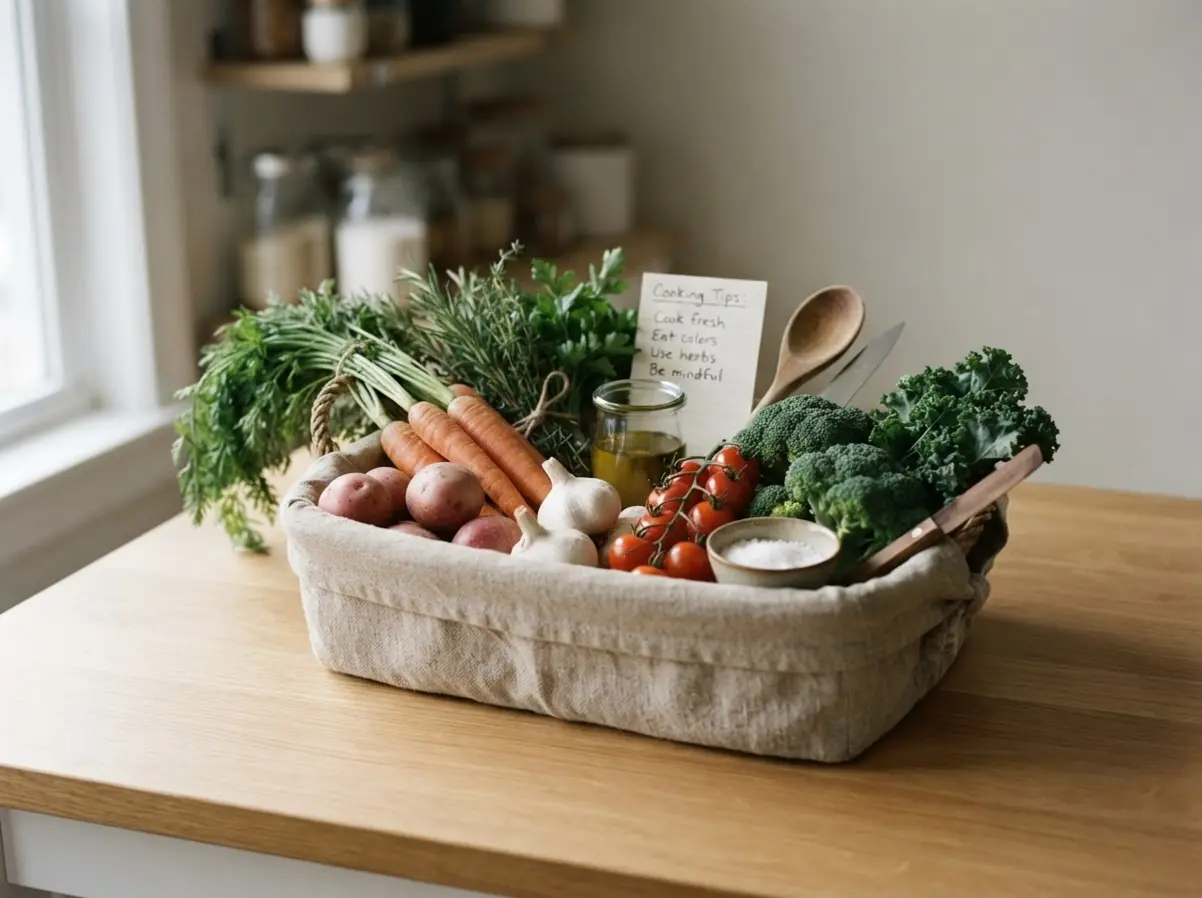
A 45-minute cooking block on Sunday gives busy households cooked grains, roasted vegetables, and one protein for several weeknight meals, following Real life healthy cooking tips closely. Keep the menu small, since three flexible components create less waste than five separate recipes, and Real life healthy cooking tips make this easier to manage. Brown rice, carrots, onions, eggs, and beans stretch a grocery budget while fitting many cuisines. Store ingredients in shallow containers so heat leaves the food quickly, then refrigerate them within two hours. Label each container with its name and date, and use older portions first. A sheet-pan dinner keeps cleanup low when time runs short, while frozen vegetables fill gaps without washing or chopping. Leave room for fresh herbs, lemon, yogurt, or salsa at serving time, since these quick additions prevent repeated meals from feeling dull, which Real life healthy cooking tips always note.
Reading Labels For Added Sodium
A label showing 20% Daily Value for sodium signals a high-sodium food, so compare similar items before placing them in your cart, just as Real life healthy cooking tips advise. The Nutrition Facts panel lists sodium in milligrams, which gives a clearer comparison than front-label claims such as “healthy” or “light.” Check servings per container, since one package often holds two or more servings and the listed amount applies to one serving, a reminder Real life healthy cooking tips share often. Compare tinned tomatoes, broth, beans, and sauces within the same category, then choose the lower number without paying extra for specialty versions. Ingredients such as salt, monosodium glutamate, baking soda, and soy sauce also add sodium. A lower-sodium label does not guarantee low sodium, so read the milligrams and serving size together.
1. Weekly Meal Planning Frameworks for Flexible Family Meals
Treating a weekly meal plan as a fixed schedule is a common mistake, and Real life healthy cooking tips warn against rigid schedules. Choose a meal category for each day instead. Use tacos, pasta, stir-fry, or a meatless meal as a guide, then adjust ingredients according to time, preferences, and supplies. Keep the order movable when school events or work changes the evening.
Build the week around batch cooking, which aligns perfectly with Real life healthy cooking tips. Roast chicken, cook rice, or chop vegetables once, then use portions in salads, wraps, tacos, or soup over the next two or three days. Maintain a simple meal rotation of 10 to 15 family-approved dishes. Add one leftover buffet, pantry night, or freezer meal for extra flexibility, following Real life healthy cooking tips for stress-free prep. Store portions in labeled containers.
Research suggests structured meal planning reduces daily decision pressure and supports more consistent home cooking, matching the core idea behind Real life healthy cooking tips. Give family members choices through a build-your-own taco bar or baked potato bar. Keep pasta with jarred sauce, frozen pizza, or breakfast ingredients ready for difficult evenings. Treat the schedule as a guide, not a rulebook, since Real life healthy cooking tips prioritize flexibility over strict rules.
2. Efficient Grocery Shopping Strategies for Lower Costs
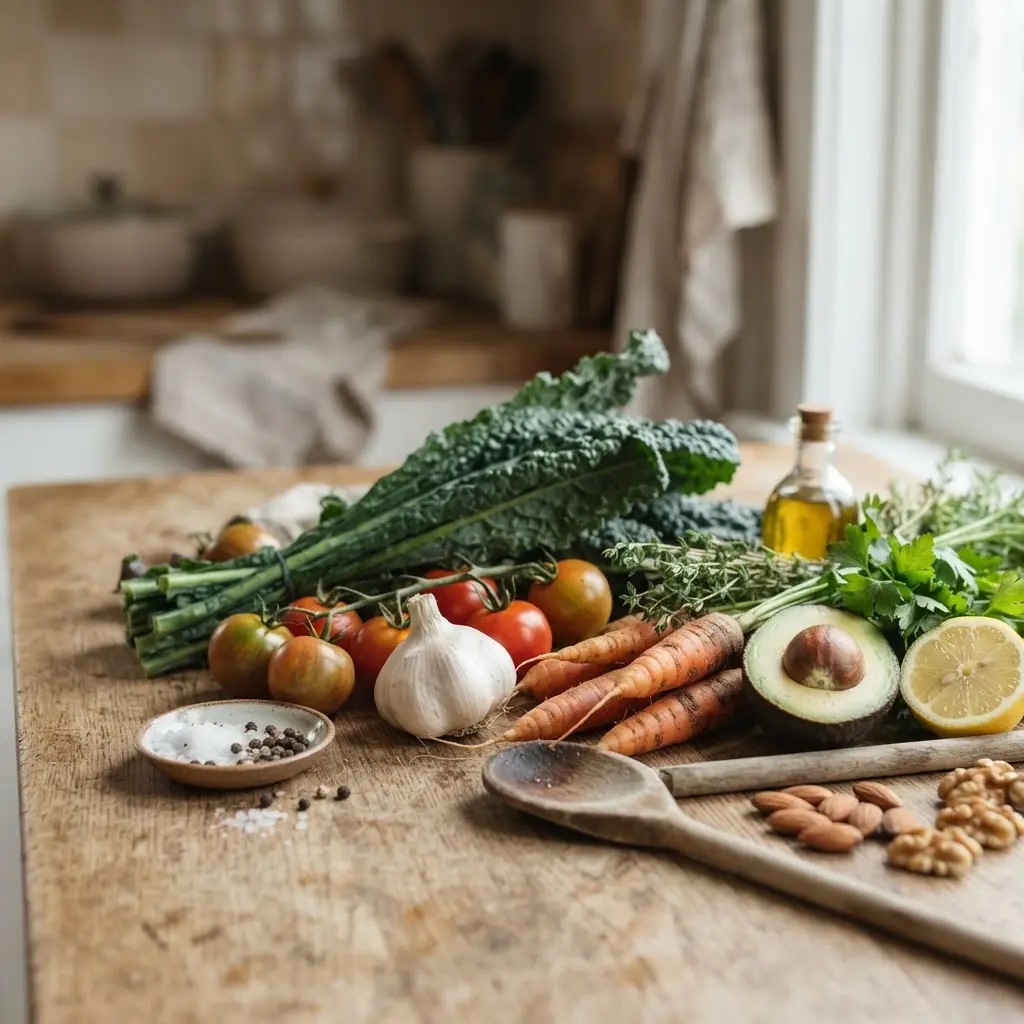
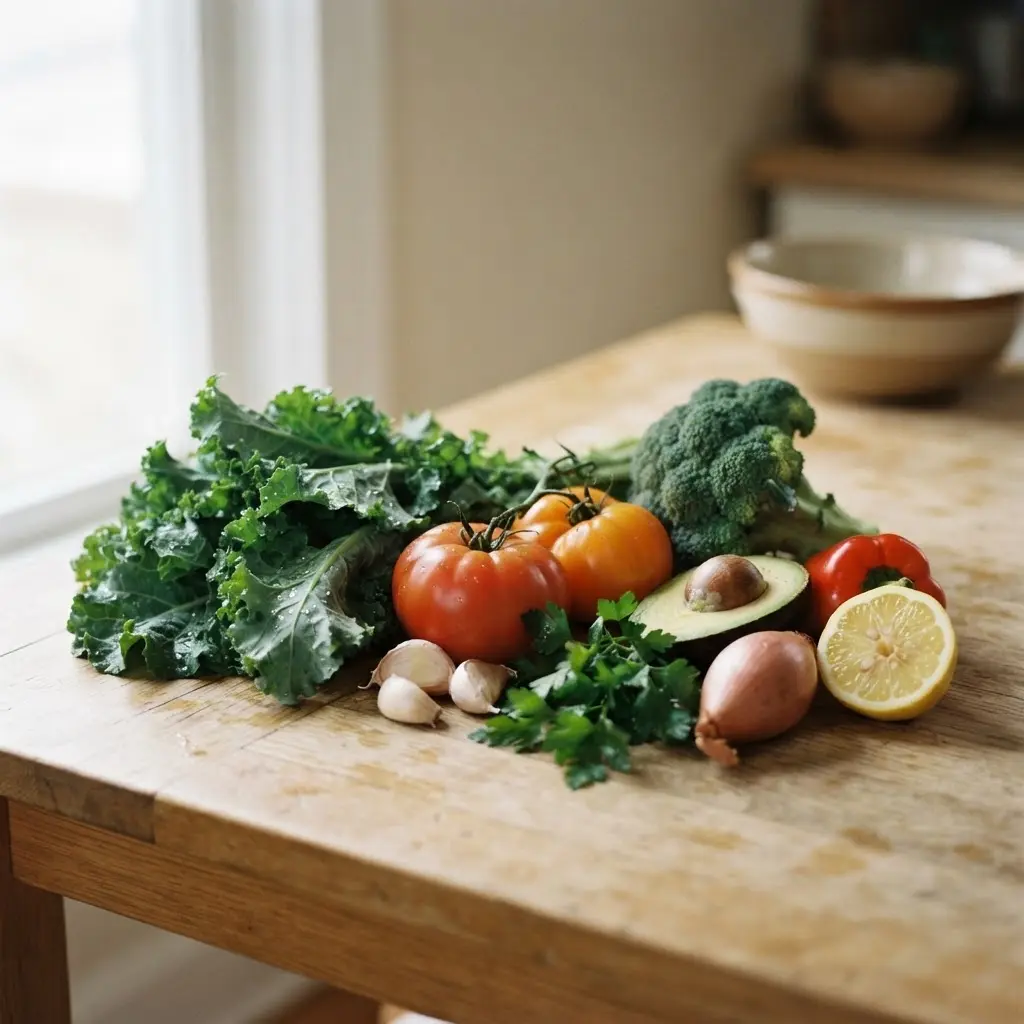
Start by planning meals before shopping. Map out five to seven dinners, then list ingredients shared across recipes. Use the same carrots in soup, a stir-fry, and a salad, keeping Real life healthy cooking tips in mind as you list items. This reduces one-use purchases and keeps preparation simple.
Check the pantry, refrigerator, and freezer before writing the list, a step Real life healthy cooking tips always recommend. Mark foods nearing their use-by date and build those foods into the next few meals. Organize the list by produce, grains, proteins, dairy, and pantry items. Include quantities, then follow the list during the trip.
Compare unit prices, such as price per ounce or pound. A large package is not a saving when storage space is limited or half the food expires. Choose store brands when ingredients and quality match name brands, as Real life healthy cooking tips suggest for budget shoppers. Buy seasonal produce, and reserve bulk purchases for frequently used staples.
Research suggests planning purchases and limiting store visits reduce impulse buying and food waste. After shopping, create an eat-me-first area in the refrigerator. Assign leftovers to another meal within the next few days, such as adding cooked chicken to a salad or grain bowl.
3. Essential Pantry Staple List for Everyday Meals
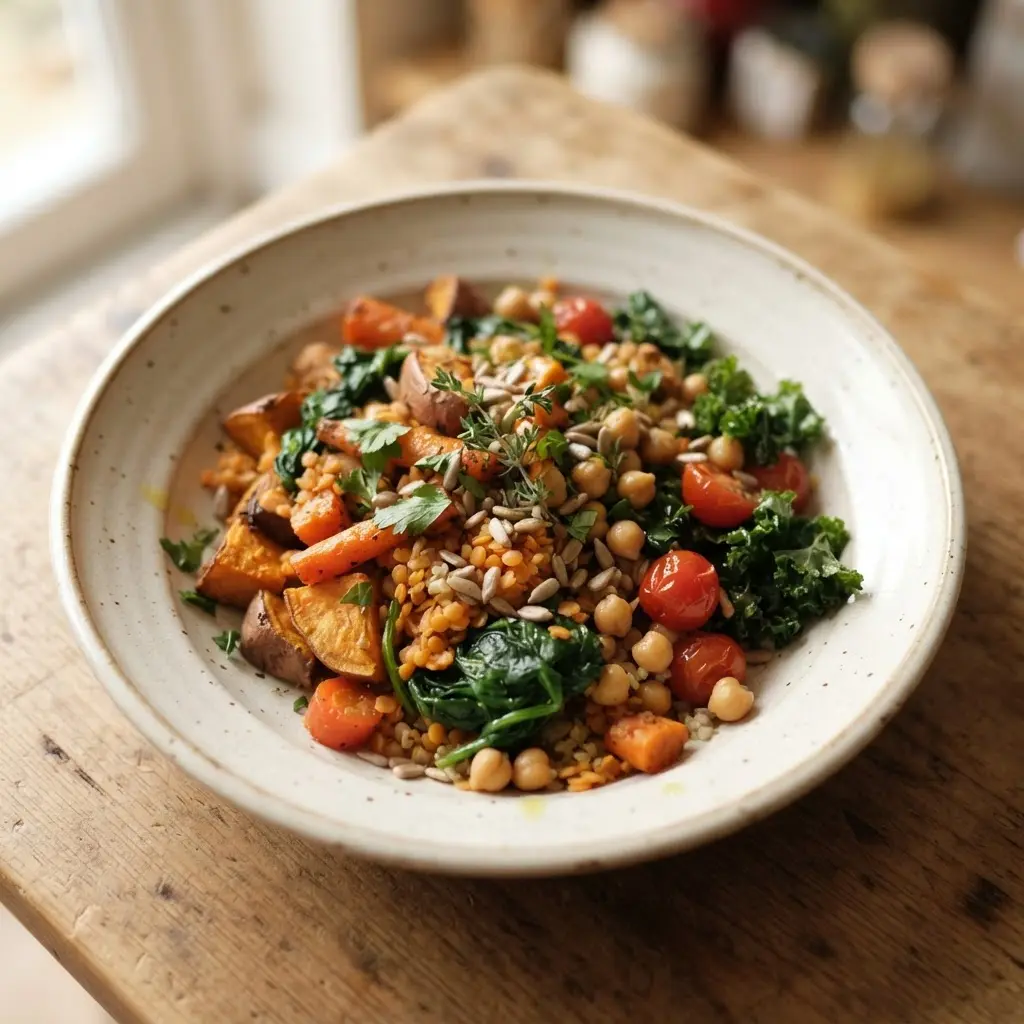
At 6 p.m., open the cupboard before reaching for takeout. Keep a basic pantry core of rice or pasta, rolled oats, canned tomatoes, beans, broth, oil, vinegar, salt, pepper, and dried herbs, exactly as Real life healthy cooking tips outline. Add onions, garlic, and potatoes for meals with more texture and flavor. Store one or two versions of each item instead of several rarely used varieties.
Build meals around fiber-packed pantry staples: rolled oats, beans, chickpeas, and whole-grain pasta. Combine a starch with beans, tuna, or salmon, then add canned corn, peas, or green beans. Use broth as a cooking liquid for grains or as a base for soup. Sauté onions and garlic in oil, then adjust flavor with dried herbs, paprika, cumin, vinegar, soy sauce, or hot sauce, applying Real life healthy cooking tips for better seasoning. Research suggests higher-fiber eating patterns support digestive health and meal satisfaction.
Rinse canned beans before use to reduce excess liquid and soften their taste. Check dates during a weekly stock check, placing older items at the front. Keep baking soda, baking powder, flour, and vanilla separate because each serves a different purpose.
4. Frozen Vegetable Nutritional Benefits for Weeknight Meals
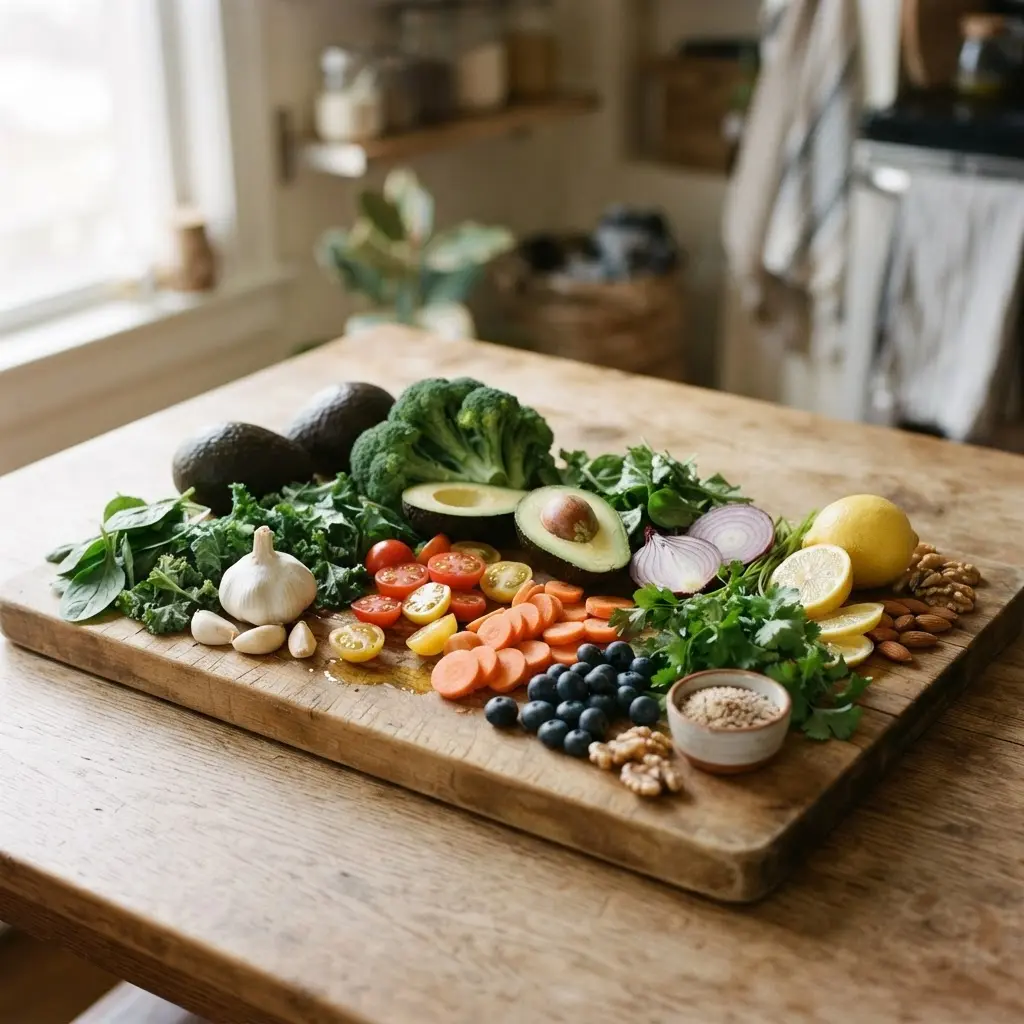
Many people believe fresh vegetables always contain more nutrients than frozen ones. Freezing often preserves nutrients because vegetables are commonly frozen soon after harvest, rather than after long storage and transport. Choose plain frozen vegetables to avoid sauces with excess salt, sugar, or saturated fat, a detail Real life healthy cooking tips always stress.
Frozen broccoli supplies vitamin C, vitamin K, and fiber. Spinach adds vitamin A, folate, iron, and calcium. Peas provide fiber and some protein, while carrots provide beta-carotene, which the body converts to vitamin A, and Real life healthy cooking tips highlight these nutrient swaps often. Keep spinach available as a quick source of nutrient-dense leafy greens for pasta sauces, soups, and grain bowls.
Add frozen vegetables directly to stir-fries, stews, casseroles, or rice dishes. Use direct-to-pan cooking for many varieties, following Real life healthy cooking tips for faster prep. Cook vegetables until heated through and tender. Follow package directions, and avoid prolonged boiling to protect texture and some heat-sensitive nutrients.
Research suggests frozen produce often compares well with fresh produce stored for long periods. A dependable freezer supply supports regular vegetable intake and reduces food waste. Season with herbs, citrus, spices, or a small amount of oil.
5. Batch Cooking Protein Methods for Easy Meal Prep
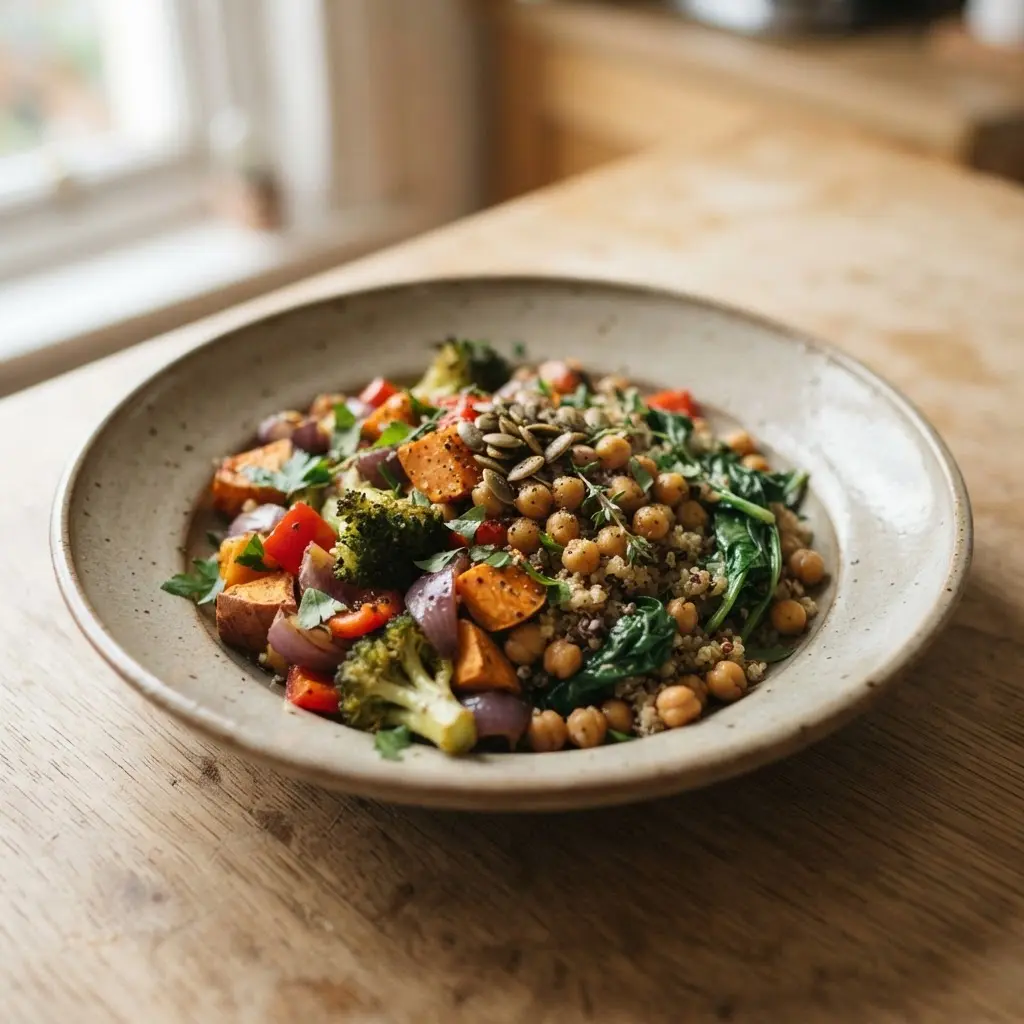
Which proteins simplify weekday meals? Prepare batch-cooked protein in one session, then portion it for several dishes, aligning well with Real life healthy cooking tips. Bake chicken at 400°F (200°C) until the thickest part reaches 165°F (74°C). Brown ground beef, turkey, or chicken in a skillet, drain excess fat, and season lightly. Simple seasoning keeps each portion flexible.
Choose protein-rich ingredients alongside vegetables, grains, wraps, salads, or sauces. Boil eggs by covering them with cold water, bringing the water to a boil, then resting the covered pan for 10–12 minutes. Cook lentils or beans until tender, or rinse canned versions before use. Press tofu before baking or pan-frying, and steam tempeh first to reduce bitterness.
Divide servings into individual meal containers after cooking. Allow food to cool completely before refrigeration, then use most cooked proteins within 3–4 days, as Real life healthy cooking tips recommend. Research suggests ready-to-use protein reduces weekday cooking demands and supports faster balanced meals.
Prepare two protein types rather than an excessive quantity. This provides variety without leaving portions unused.
6. One Pot Meal Techniques for Simple Cleanup
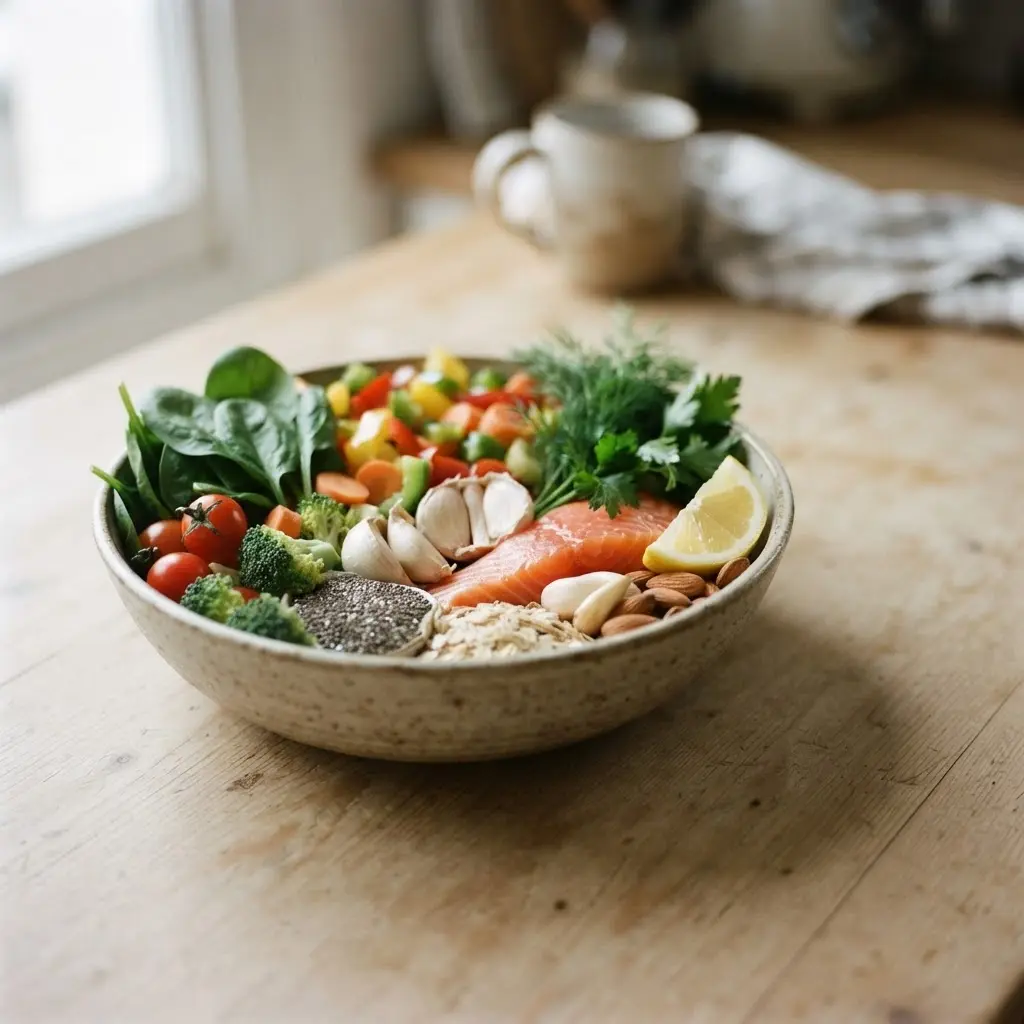
A one-pot meal creates less washing than a multi-pan dinner while still building deep flavor. Choose a deep skillet for pasta, rice, or sautéed ingredients, exactly as Real life healthy cooking tips suggest for easier cleanup. Start by browning chicken, beef, or ground meat, then move whole cuts to a plate while onions, celery, and garlic cook in the same vessel. Add a small amount of broth or water and scrape up the browned bits.
Add ingredients in cooking order. Place carrots, potatoes, and other firm vegetables into the pan first. Stir in spinach, peas, or fresh herbs near the end so tender foods keep their color and texture. Bloom spices briefly in hot oil before adding liquid, then control moisture carefully because vegetables, tomatoes, rice, and pasta change the final consistency.
Research suggests that reducing cooking steps and cleanup supports more practical home meal routines. Finish with fresh lemon juice, yogurt, or olive oil, then rest the dish for five minutes. Cool leftovers in shallow containers and refrigerate them for three to four days. Reheat pasta with a splash of water or stock if the sauce has thickened.
7. Healthy Cooking Oil Options for Everyday Sautéing
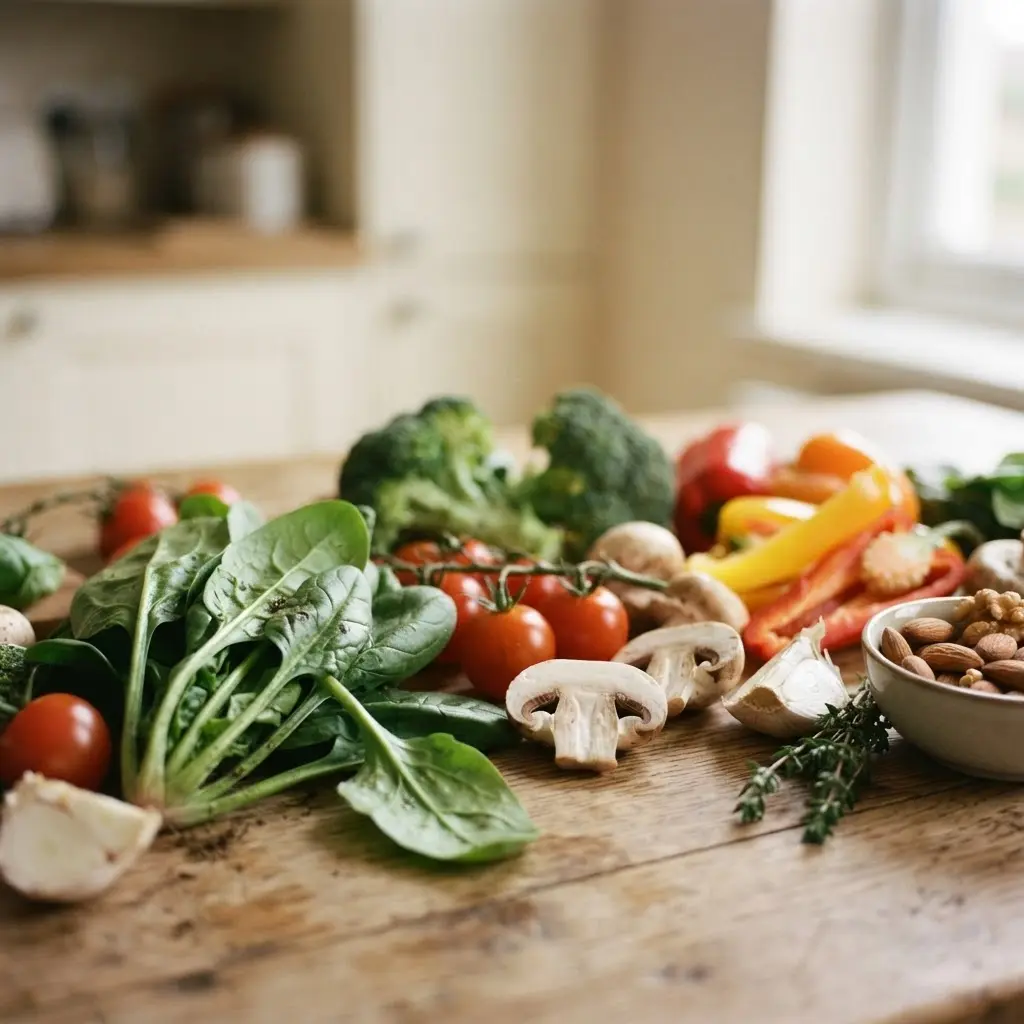
A common mistake is treating every oil as suitable for every heat level. Match the oil to the pan temperature instead. Extra-virgin olive oil suits medium-heat sautéing and adds a clear flavor. Avocado oil, canola oil, high-oleic sunflower oil, and grapeseed oil offer more neutral choices, with avocado oil suited to higher heat, which Real life healthy cooking tips explain clearly. Research supports choosing oils with more monounsaturated or polyunsaturated fats while still checking the smoke point.
Choose enough oil to lightly coat the pan. Warm the oil before adding food, but stop before smoke appears. Smoking signals oil breakdown, so lower the heat and replace badly overheated oil, keeping Real life healthy cooking tips in mind to avoid waste. Keep the pan at a steady temperature as vegetables, eggs, or lean proteins cook.
Use canola oil for an affordable, widely available option. Select high-oleic sunflower oil rather than regular sunflower oil for more heat stability. Choose avocado oil when a neutral taste and higher smoke point suit the dish. Reserve extra-virgin olive oil for meals where its flavor complements the ingredients.
8. Smart Kitchen Gadget Utility Without Extra Clutter
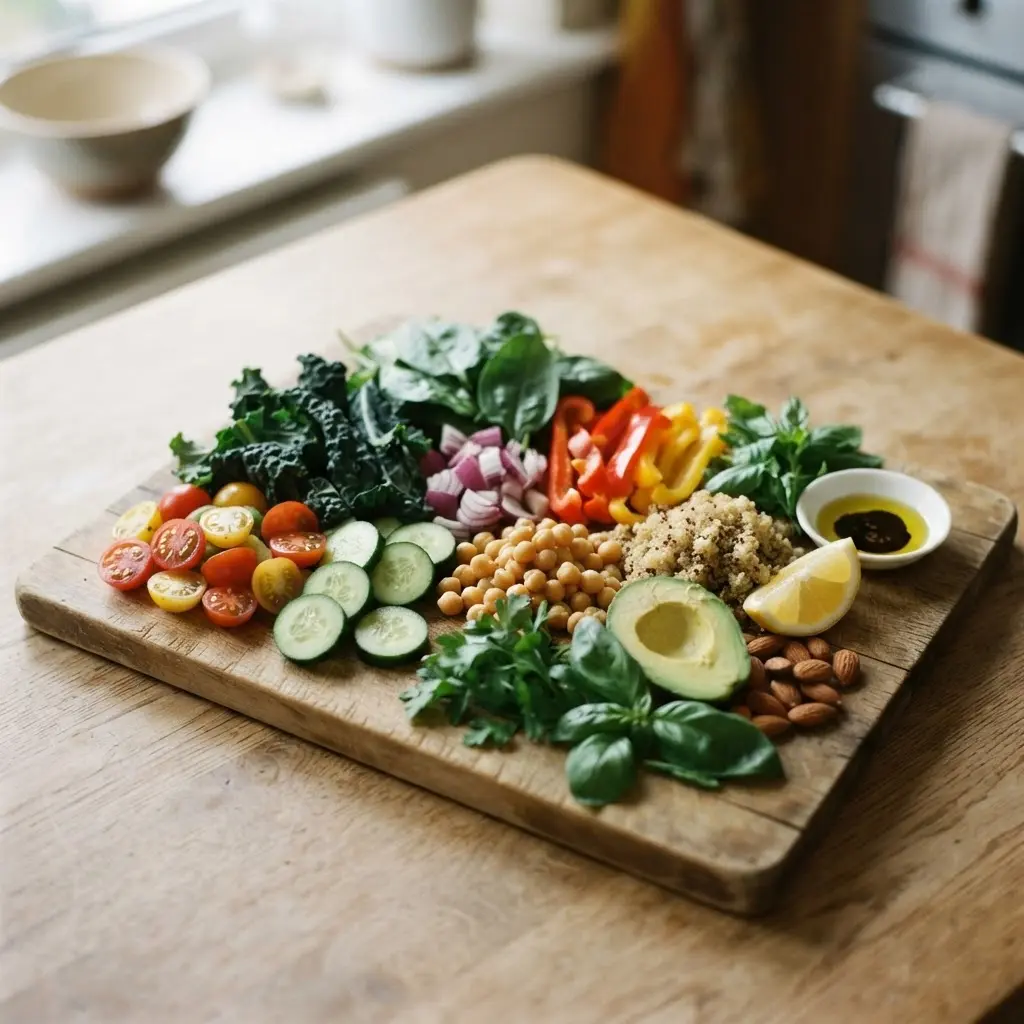
Start by listing the kitchen tasks you repeat each week, then choose one tool for several of them. Match tools to repeated tasks before buying anything new. A toaster oven covers toasting, baking, and broiling. An air fryer handles air frying, roasting, reheating, and dehydrating.
Choose a Dutch oven for slow cooking, baking, and steaming, aligning with Real life healthy cooking tips for multi-use gear. Select a stand mixer with attachments when mixing, pasta making, or spiralizing happen often. A mandoline with interchangeable blades covers slicing, julienning, and grating. Remove single-use items, such as avocado slicers or garlic presses, when those tools sit unused for months.
Keep daily tools within easy reach. Use a magnetic knife holder instead of a bulky knife block, and place spices or oils on a lazy Susan. Drawer organizers separate cutlery from small tools without adding another cabinet.
Research suggests kitchens work more efficiently when frequently used equipment stays accessible and duplicate items stay out of the way, matching Real life healthy cooking tips advice. Review each gadget by use frequency, storage needs, and the number of tools it replaces. A smaller collection of dependable basics often supports more meals than a crowded cabinet.
9. Creative Leftover Repurposing Tips for Fresh Meals
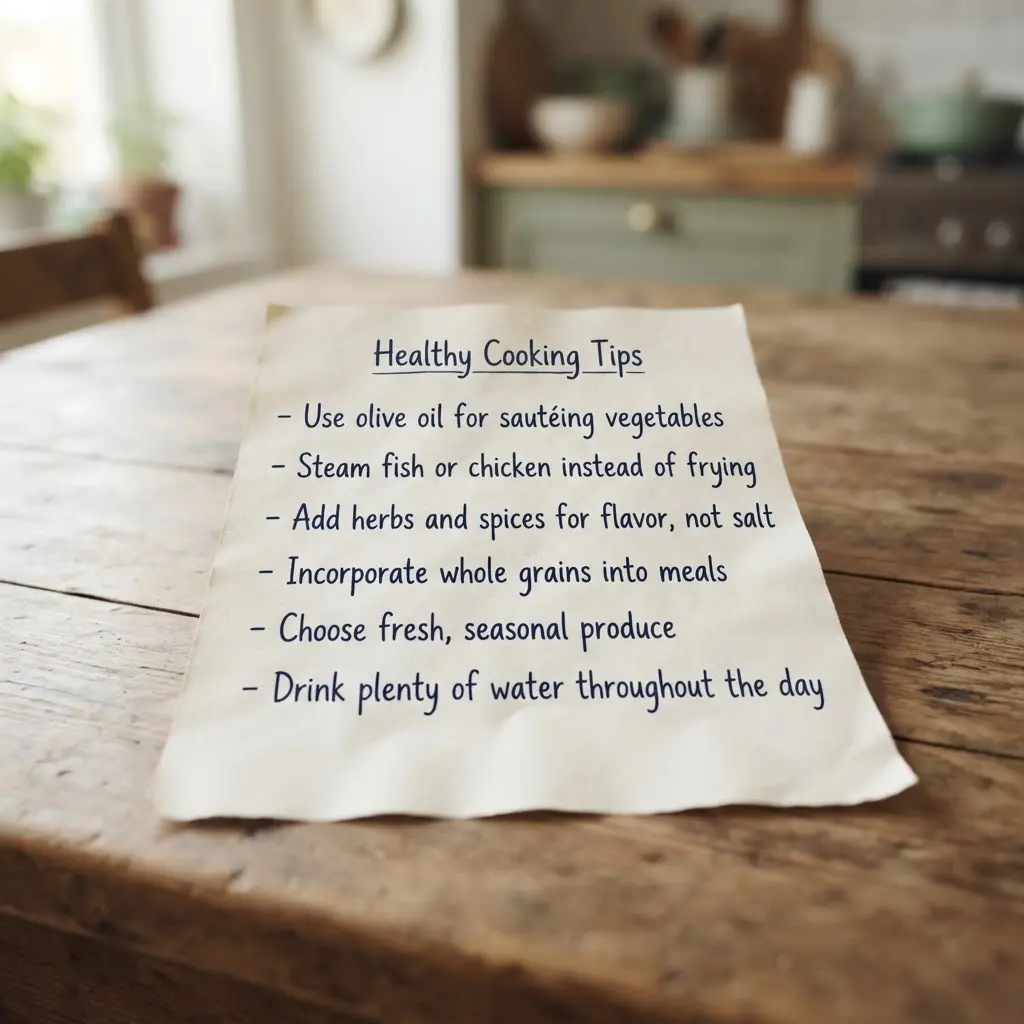
At 6 p.m., a container of roast chicken, rice, and wilted spinach sits in the refrigerator. Choose one main leftover as the base instead of mixing every container together. Shred the chicken, add the rice, and fold in spinach with broth for a quick soup, or place the mixture in tortillas with salsa for tacos.
Change the texture and seasoning to create a fresh meal, a strategy Real life healthy cooking tips promote heavily. Dice roasted potatoes into a breakfast hash, flake cooked fish into patties with breadcrumbs and lemon, or combine cold pasta with pesto, vegetables, and cheese for pasta salad. Add one crisp or creamy element, such as fresh cucumber or yogurt, to improve the contrast.
For a meat-free version, replace shredded chicken with plant-based protein swaps in tacos, bowls, or stir-fries. Finish repurposed meals with fresh herbs and lemon juice to brighten familiar flavors, just like Real life healthy cooking tips suggest.
Research suggests reducing food waste starts with using available ingredients before buying more. Store leftovers safely, then change their form within three to four days for a meal with a new texture and purpose.
10. Natural Seasoning Flavor Enhancers for Better Taste
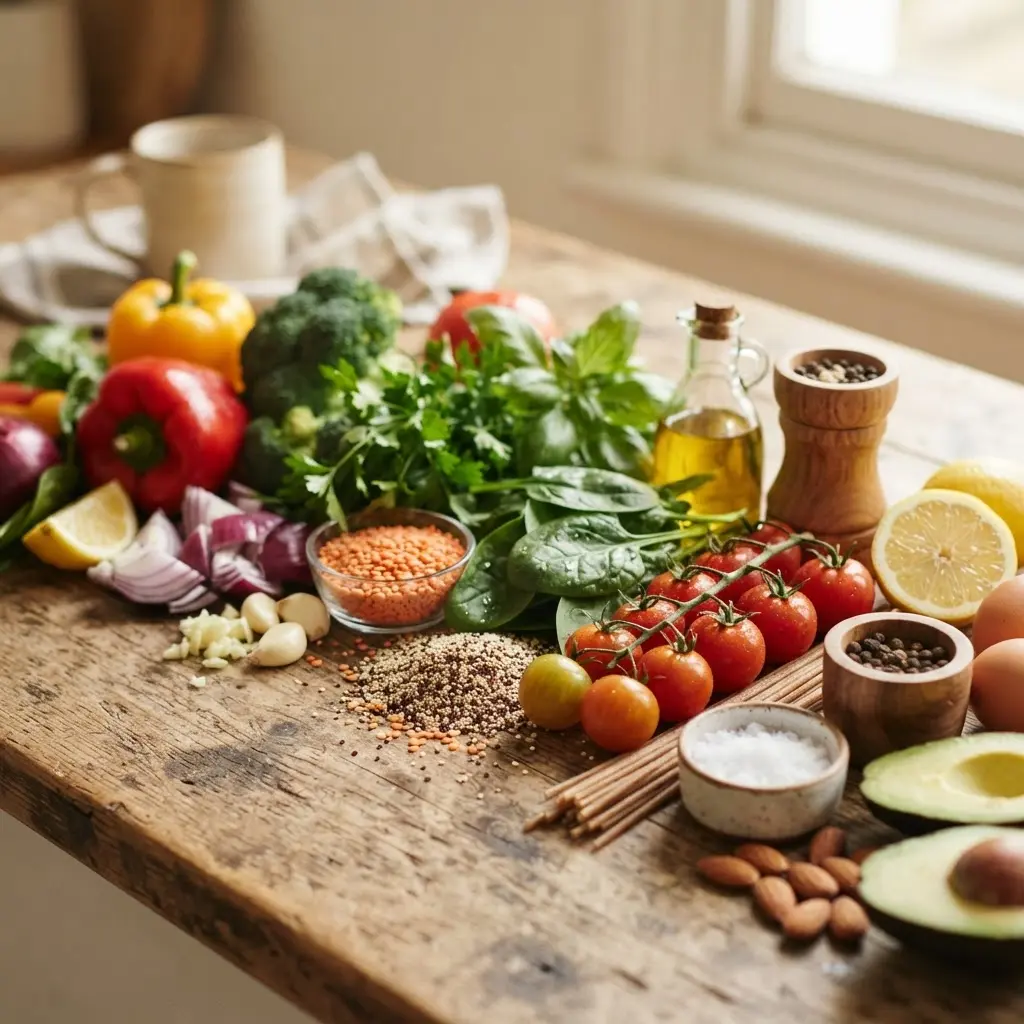
Myth: healthy food must taste plain. Truth: garlic and onions create a savory base without relying on added salt alone. Add fresh basil, oregano, thyme, or parsley near the end of cooking for a clear aroma, keeping Real life healthy cooking tips in mind. Use dried herbs earlier so heat has time to release their flavor.
Build a pantry with flavor-boosting spice blends. Choose cumin for earthy depth, paprika for gentle warmth, or ginger for a sharp, slightly sweet note. Toast whole spices for about 1 minute before grinding or adding them to a pan. Stir nutritional yeast into vegetables, grains, or soups for a nutty umami taste.
Finish rich dishes with citrus juice or vinegar. Lemon brightens beans and fish, while rice vinegar suits vegetables and noodle dishes. Add zest for aroma without extra sourness, as Real life healthy cooking tips always recommend. Dried mushrooms, seaweed, and kelp bring savory depth to broths and stocks. Use fresh herbs, mustard, or grated ginger at the end when a sharper finish is needed. Match each ingredient to the dish rather than treating herbs and spices as interchangeable.
11. Portion Control Container Systems for Balanced Servings
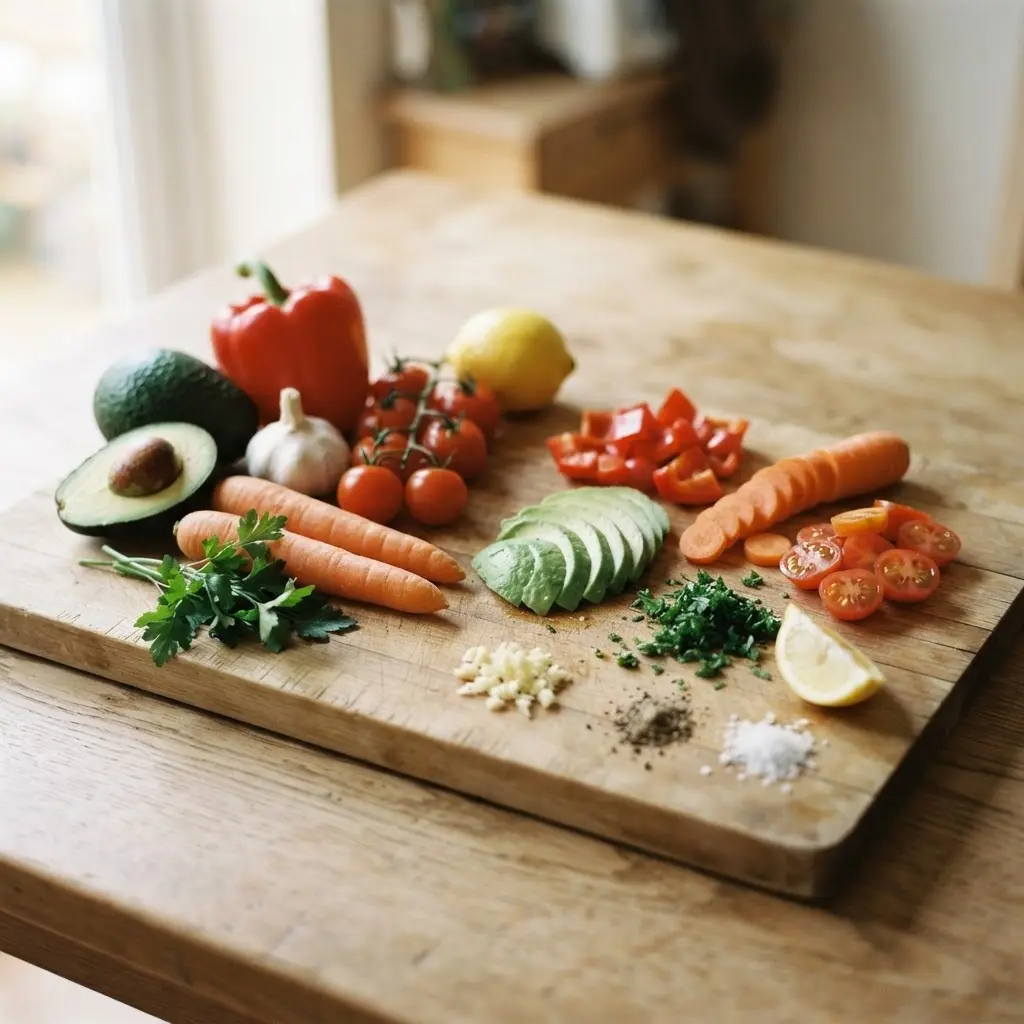
How do portion containers guide balanced meals? A portion container system gives each food group a measured space, reducing guesswork without weighing every ingredient, following Real life healthy cooking tips. Use the system guide to identify sections for vegetables, fruit, protein, carbohydrates, and healthy fats.
Prepare familiar foods, then place each serving in the matching color-coded containers. Pack the portions into meal-preparation boxes for work lunches or several days of home meals. Follow the supplied meal planner because container colors, sizes, and daily serving rules differ between systems.
Research suggests visual portion cues support more consistent serving decisions, a point Real life healthy cooking tips often share. Many people find repeated use easier than calculating every meal, especially during busy cooking routines. A portion-control plate offers a similar approach through divided spaces for vegetables, protein, and carbohydrates.
Check whether the system fits your usual meals before buying one. Do not treat container size as medical advice or assume any food becomes balanced by fitting inside a category. The BariBowl method uses 50% protein, 30% vegetables, and 20% healthy carbohydrates for a bariatric plate approach, so do not apply those ratios without professional guidance. Always consult a healthcare professional before making changes to your health routine.
12. Time Saving Knife Skills for Faster Prep
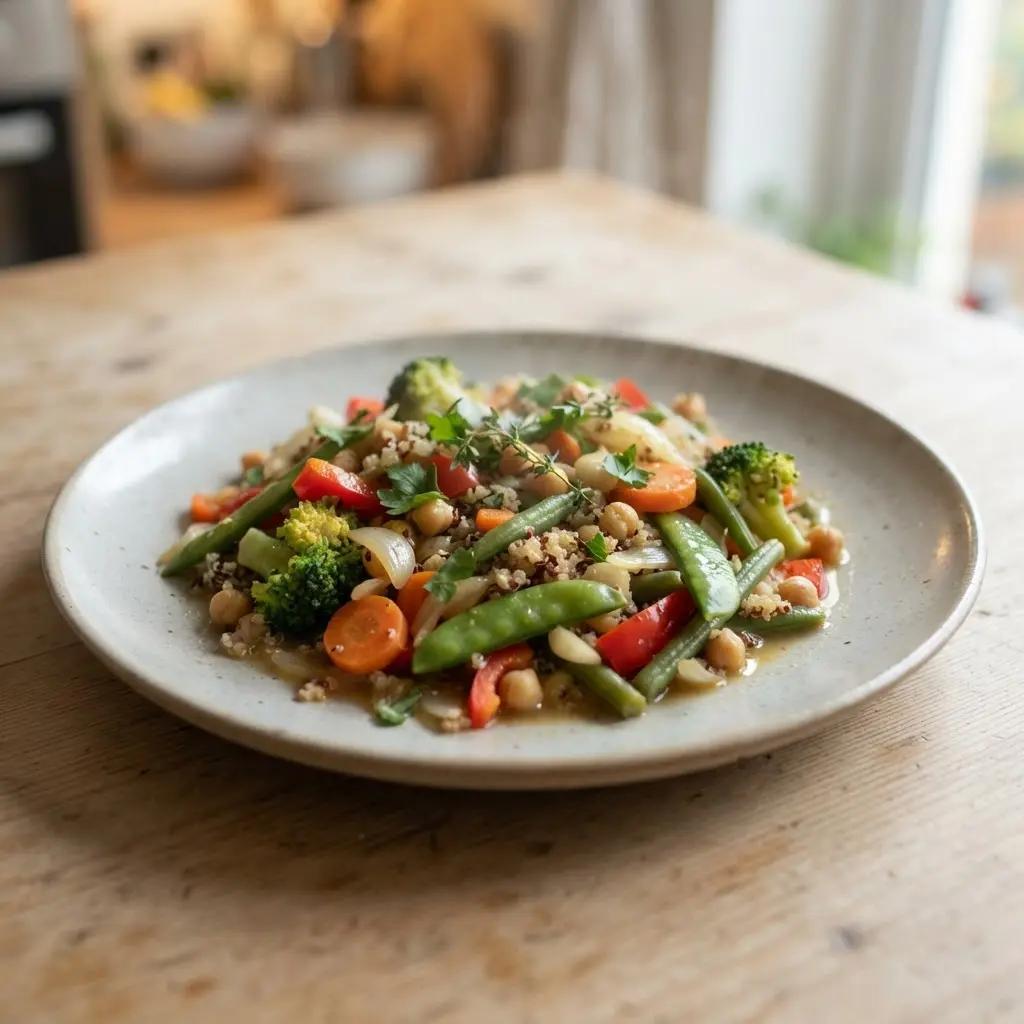
A sharp knife is faster and safer than a dull one. Secure the board with a damp towel, then hold the knife with a chef’s grip. Keep the thumb and index finger on the blade near the handle, practicing as Real life healthy cooking tips suggest for safety. This control lets the arm guide each cut instead of forcing the wrist.
Protect your fingertips with a bear-claw grip. Curl the fingers under and guide the blade against the knuckles. Use rock chopping for repeated small cuts, vertical slicing for carrots or zucchini, and chiffonade for leafy greens. Cut similar ingredients in batches, such as all onions before moving to celery, following Real life healthy cooking tips for organized prep. Uniform pieces cook and brown at a similar rate.
Arrange tools and ingredients through mise en place before heating the pan. Place prepared items in small bowls, keep a discard bowl nearby, and clean scraps during pauses. Research identifies sharp knives, controlled hand positions, and organized preparation as core practices for efficient kitchen work. Freeze portions of minced garlic or tomato paste in an ice cube tray when frequent measuring slows you down.
13. Healthy Convenience Food Swaps for Busy Evenings
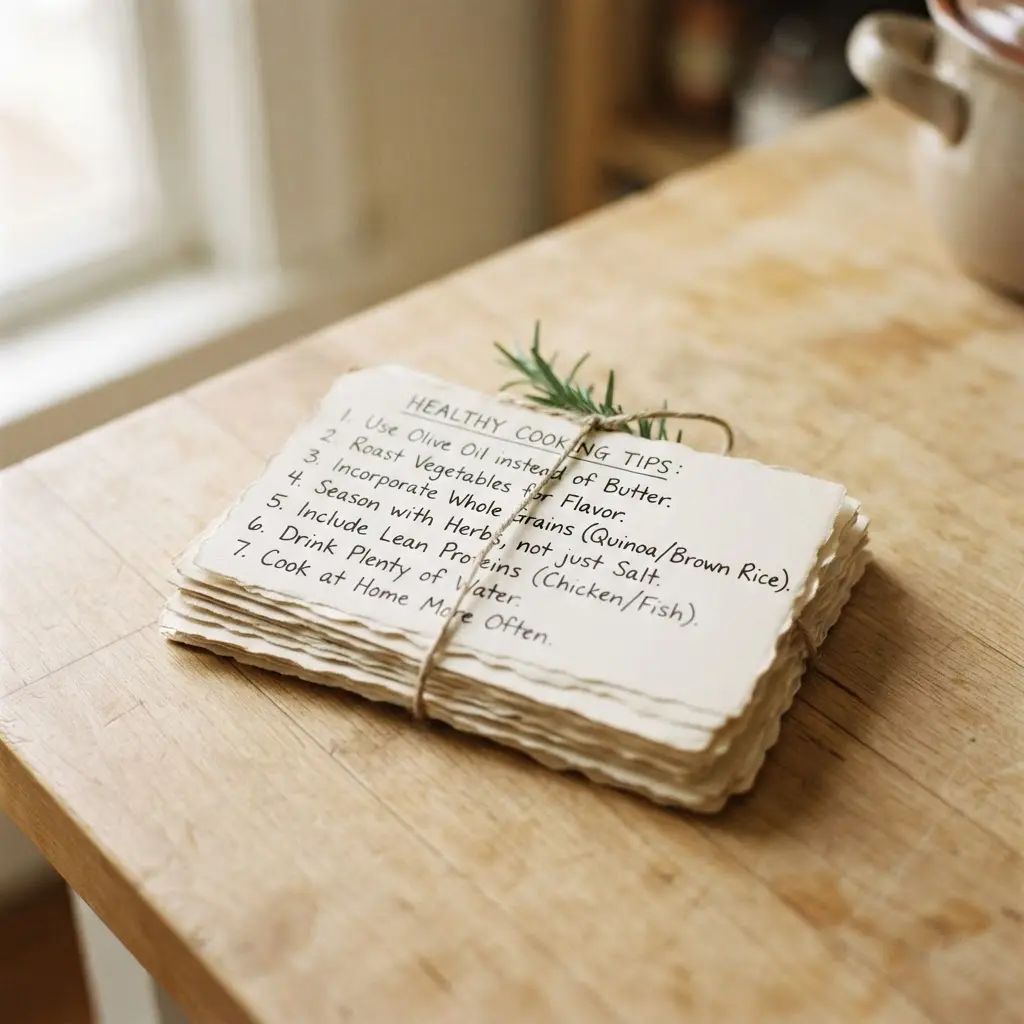
Treating every convenience food as unhealthy is a mistake, though Real life healthy cooking tips remind us to check labels first. Choose pre-cut vegetables, frozen produce, canned beans, and cooked proteins to shorten meal preparation without removing balance. Check labels for sodium, added sugars, and saturated fat before buying.
Build dinner around one protein, one whole-grain base, and plenty of vegetables. Combine canned tuna with pre-washed greens and whole-grain bread, or heat frozen shrimp with instant brown rice and mixed vegetables. Use smart ingredient swaps to replace less balanced choices with practical staples.
Keep pantry and freezer staples available for evenings when chopping time is limited, as Real life healthy cooking tips advise. Low-sodium beans, canned tomatoes, frozen spinach, quinoa pouches, salsa, and marinara support quick bowls, soups, wraps, and pasta meals. A stocked kitchen reduces the chance of skipping dinner.
Research suggests balanced meals are easier to maintain when preparation barriers are lower. Assemble snack-based dinners with hummus, whole-grain crackers, vegetable sticks, fruit, and a hard-boiled egg when cooking is not practical.
14. Effective Fridge Storage Methods for Less Food Waste
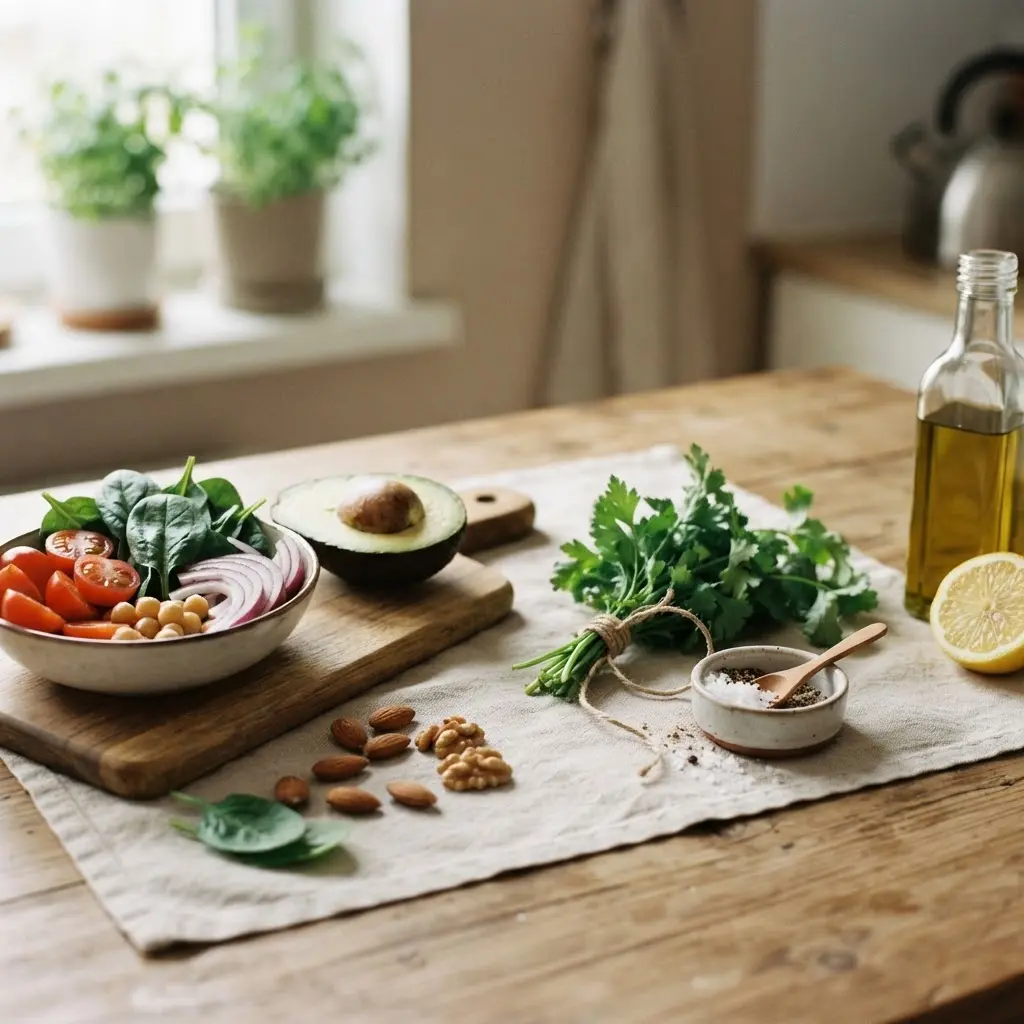
Move older food forward before storing new groceries. Keep ready-to-eat foods and leftovers on upper shelves, a habit Real life healthy cooking tips promote. Place raw meat, poultry, and fish on the lowest shelf inside leak-proof containers. Store milk and eggs on a lower shelf, not in the door. Reserve the door for condiments, jams, and drinks. Clear containers keep contents visible and support first-in, first-out storage.
Refrigerate leftovers within two hours of cooking. Divide large portions into smaller containers so food cools faster. Wash leafy greens, dry them fully, and store them with paper towels. Keep berries unwashed in a breathable container until use. Store tender herbs with trimmed stems in a little water, keeping Real life healthy cooking tips in mind. Keep onions, garlic, potatoes, and sweet potatoes in a cool, dark, dry place outside the fridge.
Complete a weekly fridge check. Move food nearing its date to the front, inspect produce for spoilage, and clean spills immediately. Follow package guidance for food dates, especially with infant formula and food served to medically vulnerable people. Visible storage makes older ingredients easier to use and reduces forgotten leftovers.
15. Simple Daily Hydration Habits With Meals
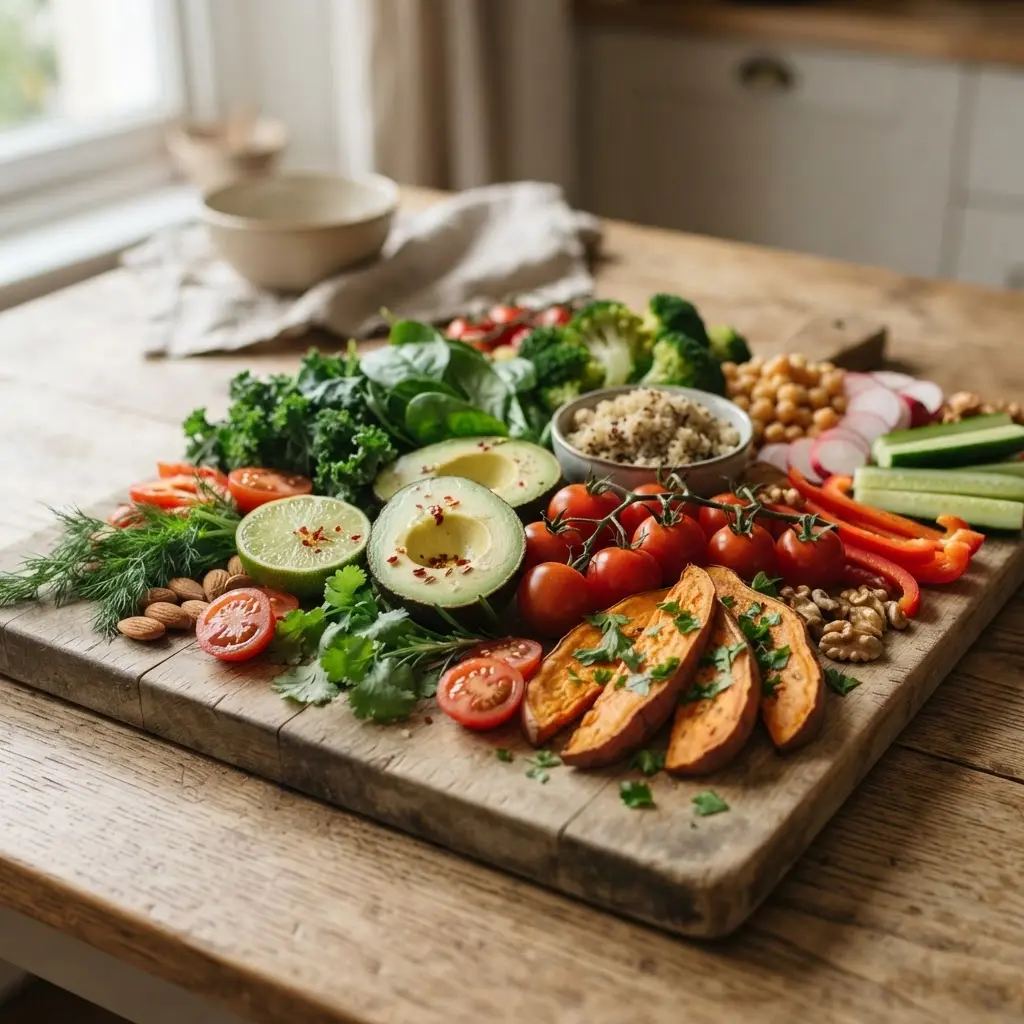
At 7 a.m., place a glass of water beside breakfast before reaching for coffee, just like Real life healthy cooking tips suggest for morning routines. Drink one glass after waking, then keep water at the table during the meal. Take small sips between bites rather than gulping a large amount. This approach turns breakfast into a reliable cue for regular fluid intake.
Serve water with lunch and dinner, even when the meal already includes other drinks. Prepare infused water with lemon, cucumber, mint, or berries when plain water seems unappealing. Light broth-based soup and unsweetened herbal tea provide additional meal-friendly choices. Choose water instead of soda, juice, or sweetened tea drinks, which Real life healthy cooking tips strongly advise against. Research suggests regular access to water with meals supports more consistent sipping and reduces reliance on sugary beverages.
Start with one extra glass per day when regular water intake is low. Increase gradually rather than forcing a sudden large change. Keep a filled bottle beside your plate and use breakfast, lunch, and dinner as reminders. Follow thirst signals and adjust the routine to fit your needs. Small sips during quick no-cook meals make drinking more comfortable than doing a large amount at once.
Adapting Meals To Household Preferences
Keeping the grain, protein, and toppings separate lets each person build a plate suited to taste, texture, and appetite. Serve mild beans or chicken alongside hot sauce, chopped herbs, grated cheese, or lemon wedges, so one meal does not require separate cooking, matching Real life healthy cooking tips for family dining. Offer soft roasted vegetables for younger eaters and crisp cucumber or cabbage for people who prefer fresh textures. Replace ingredients within the same role, such as lentils for ground meat, tofu for eggs, or potatoes for rice. A divided meal container helps pack these parts without mixing sauces or crunchy foods. Ask household members to name one preferred vegetable and one disliked texture before shopping, a practice Real life healthy cooking tips recommend highly. This small check reduces waste and keeps healthy meals familiar without forcing identical portions or flavors.
Conclusion
Healthy cooking looks different in every home. Some days include a full meal, while other days call for eggs, soup, or a quick bowl made from leftovers. Real life healthy cooking tips help you keep going without expecting perfect meals, ensuring you stay motivated during rough weeks. Choose one small change for your next grocery trip. Buy two flexible staples, wash a few vegetables, or cook one extra portion for tomorrow. Keep food where you see it, label leftovers, and freeze portions before they sit too long. These steps make your kitchen easier to use and help your budget stretch further. Give yourself room for busy days and changing plans. A steady routine grows from choices you repeat, not from doing everything at once. Start with the tip that removes the most stress from your week, and let your meals become simpler over time, following Real life healthy cooking tips for lasting habits.
FAQs
Q: How do I start cooking healthier when I have little time?
A: Pick two easy meals for the week and keep their ingredients together, applying Real life healthy cooking tips for quick setup. Cook one extra portion during dinner for the next day’s lunch.
Q: Which healthy foods belong in a low-cost pantry?
A: Choose oats, brown rice, beans, lentils, canned tomatoes, tuna, whole grain pasta, and basic spices. These foods support soups, bowls, salads, and quick skillet meals, exactly as Real life healthy cooking tips outline for budget shoppers.
Q: Are frozen vegetables a healthy choice?
A: Frozen vegetables retain many nutrients and need little preparation, which Real life healthy cooking tips confirm. Choose plain bags without added sauces or heavy seasoning.
Q: How long do cooked leftovers stay safe in the fridge?
A: Keep cooked leftovers chilled in shallow containers and eat them within three to four days. Freeze extra portions sooner when plans change, a routine Real life healthy cooking tips always suggest.
Q: How do I reduce food waste in a small household?
A: Plan meals around shared ingredients and freeze extra portions in single-serving containers. Check the fridge before shopping and use older foods first, matching Real life healthy cooking tips for efficient kitchens.