Protein Anchors Across Dairy And Legumes
Pair each meal with a clear protein anchor, such as lentils, chickpeas, Greek yogurt, cottage cheese, or paneer, which fits perfectly into many Lacto-vegetarian meal ideas, so vegetables and grains keep you satisfied. A cup of cooked lentils adds plant protein and fiber, while plain yogurt brings creaminess to a grain bowl or soup topping. Beans work well beside roasted vegetables, and paneer holds its shape in skillet meals without needing eggs.
For dairy-based sauces, choose unsweetened yogurt, cottage cheese, or ricotta, then check labels on aged cheeses for vegetarian rennet. Combining legumes with dairy gives varied textures and helps a modest serving feel complete. Keep protein portions visible when planning wraps, stuffed vegetables, or pasta, rather than relying on cheese alone.
Acid, Herbs, And Spice For Depth
Add lemon juice to a finished lentil bowl or vegetable soup when it tastes flat, because acid sharpens seasoning, a useful tip for Lacto-vegetarian meal ideas, without adding extra salt. Fresh parsley, cilantro, mint, or dill brings a clean herbal note to dairy sauces and grain dishes. Ground cumin suits chickpeas and lentils, while smoked paprika adds depth to roasted vegetables.
A pinch of chili flakes gives warmth, but black pepper works better for mild family meals. Stir lemon zest into yogurt with garlic for a sauce suited to wraps or stuffed vegetables. Taste each component separately before combining it, since grains and legumes often need more salt than the dairy beside them. Keep one fresh garnish and one spice profile per plate so the flavors stay clear.
1. Greek Yogurt Berry Granola Parfait With Fresh Fruit
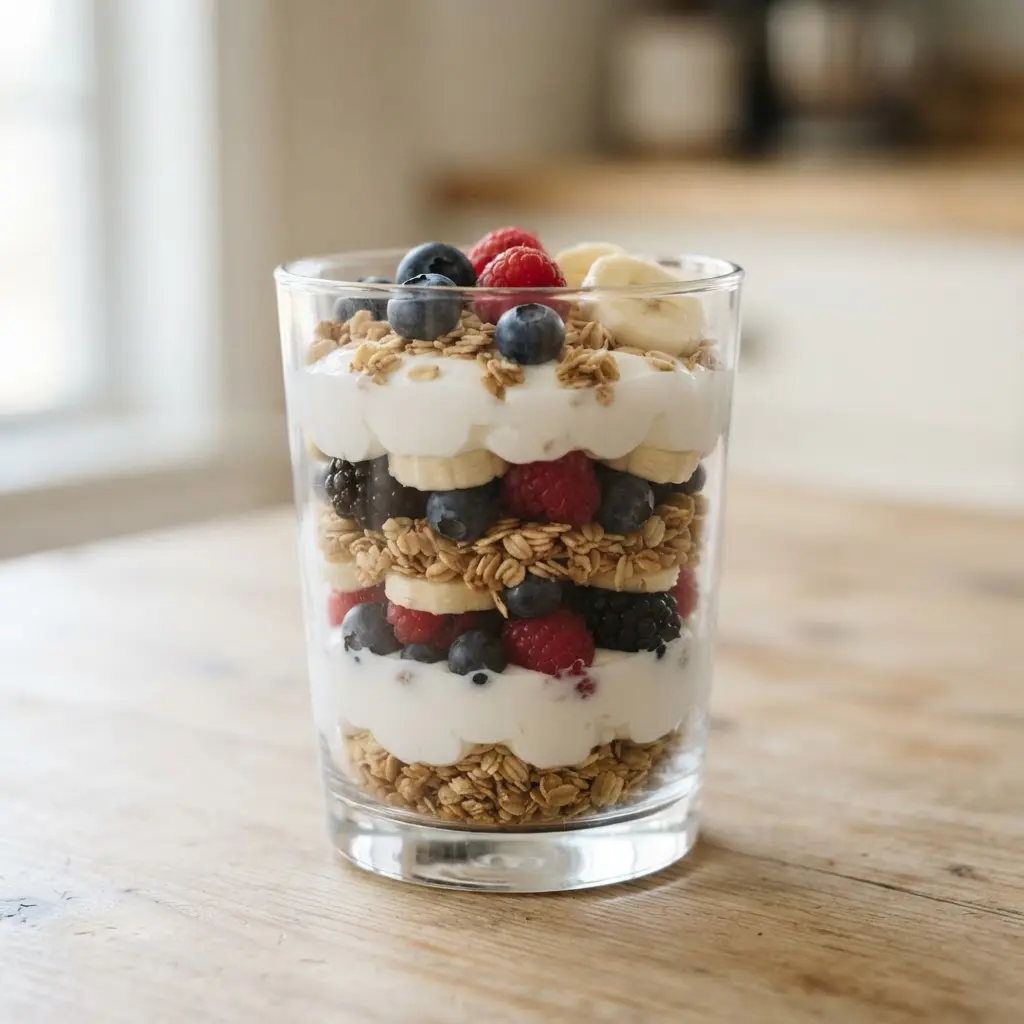
Adding granola first makes the base soggy before breakfast begins. Build the yogurt and fruit layers first, a key step for Lacto-vegetarian meal ideas, then add granola last, ideally within a few minutes of serving. This keeps the topping crisp and gives each spoonful a clear mix of creamy, juicy, and crunchy textures.
Use ¾ cup plain or vanilla Greek yogurt, a common base in Lacto-vegetarian meal ideas, ¾ cup sliced strawberries, ¾ cup blueberries, and ⅓ cup granola for one serving. Stir a small amount of honey or maple syrup into plain yogurt when needed. Layer the yogurt, fruit, and granola in a clear glass or small bowl, then repeat until the ingredients are used.
Add sliced banana or wheat germ for extra variety. Preparation takes about 10 to 15 minutes. Research on balanced breakfast patterns suggests meals containing protein, fruit, and fiber support fullness better than a sweet topping alone.
Greek yogurt supplies protein, while berries provide natural sweetness and granola adds a firm, grain-based texture. This makes the parfait a practical choice among Lacto-vegetarian meal ideas.
Keep fruit portions even, a standard practice for Lacto-vegetarian meal ideas, and slice strawberries and banana before assembly. Start with less sweetener, especially when using vanilla yogurt or ripe fruit. For a make-ahead option, refrigerate the yogurt and fruit layers separately, then combine them with fresh granola before eating. Serve the parfait soon after assembly for the best texture.
2. Mozzarella Tomato Basil Ciabatta Sandwich: A Fresh Lunch

Start with toasted ciabatta when you want a firmer, warmer lunch, which aligns with easy Lacto-vegetarian meal ideas. Slice a roll horizontally with a serrated knife, then toast both cut sides for two to three minutes until the edges feel crisp. Leave the bread untoasted for a softer sandwich. Spread a thin layer of pesto or sun-dried tomato paste on the bottom half.
Layer sliced fresh mozzarella and ripe tomato evenly, following reliable Lacto-vegetarian meal ideas, then tuck in basil and a small handful of arugula. Keep the fillings level rather than piling them in the center. Even layers make the sandwich easier to close and reduce slipping during each bite. Fresh mozzarella provides creamy texture, while tomato adds moisture and acidity against rustic bread.
Add a light drizzle of olive oil and balsamic glaze, then season with freshly ground black pepper and salt, keeping seasoning balanced for Lacto-vegetarian meal ideas. Use a small amount of each wet ingredient because excess moisture softens the ciabatta quickly. Research on balanced meals suggests combining plant foods with dairy and bread creates a practical meat-free lunch with varied textures and flavors.
Press the top half gently over the fillings and cut the sandwich on a stable cutting board, a simple finish for Lacto-vegetarian meal ideas. Avoid overfilling, since thick layers force tomato juice toward the bread and make eating messy. Serve the sandwich soon after assembly, especially when using balsamic glaze.
Pack wet ingredients separately for a later lunch, and add them shortly before eating. This keeps the bread firm without removing the fresh flavor.
3. Creamy Mushroom Parmesan Arborio Risotto for Cozy Dinners

On a cool evening, start with a wide pot, warm broth, and a few minutes set aside for stirring, which fits cozy Lacto-vegetarian meal ideas. Brown the mushrooms in batches with olive oil until golden, then transfer them to a plate. Crowded mushrooms release water and steam instead of developing deep flavor.
Soften chopped shallot in the same pot, a common step in Lacto-vegetarian meal ideas, then add garlic and Arborio rice. Stir until each grain is coated and slightly translucent. Pour in dry white wine, if using, and let most of the liquid evaporate.
Add warm vegetable broth one ladle at a time, stirring often. Wait until each addition is mostly absorbed before adding more. The rice usually reaches a tender, slightly firm texture after 15 to 20 minutes. Stir the mushrooms back into the rice near the end, completing a classic bowl of Lacto-vegetarian meal ideas.
Add freshly grated Parmesan and a small knob of butter, then stir firmly until the rice looks glossy and flows slowly across the plate. Season with salt, pepper, and thyme. Cream is not required because released rice starch, butter, and cheese create the sauce.
Arborio rice releases starch as the grains rub against one another during regular stirring, which is essential for creamy Lacto-vegetarian meal ideas. This starch thickens the broth and gives the dish its creamy texture. Research on cooking technique supports gradual broth additions for better control of rice texture.
Serve the risotto immediately, since standing makes the mixture thicker and less fluid. Keep vegetable broth warm from start to finish for steady cooking and a consistent result.
4. Spiced Paneer Tomato Masala Curry With Warm Indian Flavors
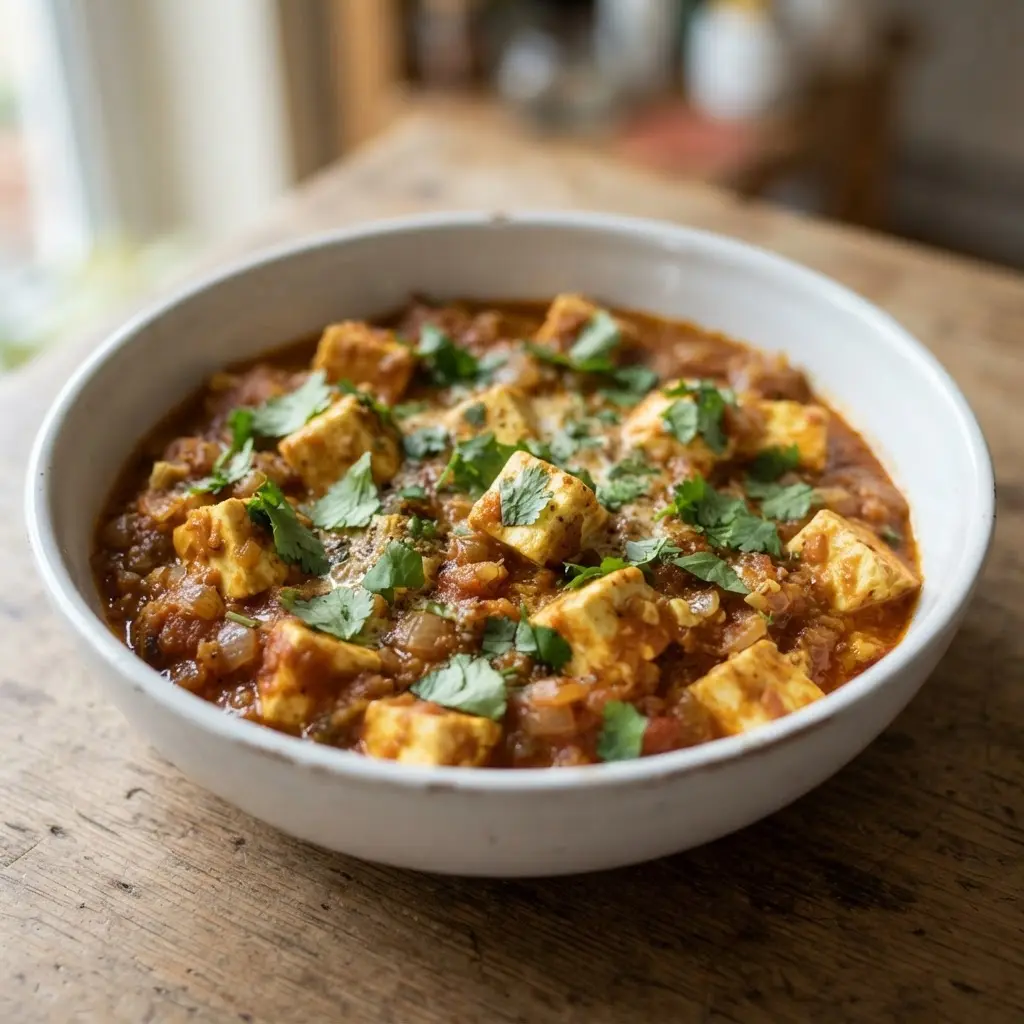
Paneer curry is not a meat-based dish with cheese added as an afterthought, but rather a staple among Lacto-vegetarian meal ideas. The dish is a lacto-vegetarian curry built around paneer, tomatoes, and warm Indian spices. Paneer supplies a mild, firm cheese element.
Tomatoes carry the seasoning and form the sauce. The result is a balanced curry profile without meat. Choose a tomato-based sauce as the flavor base, following traditional Lacto-vegetarian meal ideas, then follow the recipe’s stated spice blend.
Keep the three main parts clear: paneer, tomato sauce, and Indian spices. Fresh tomatoes and prepared sauce bring different levels of tang and thickness, so follow the listed ingredients rather than combining both by habit. Many people find this balance satisfying because the mild cheese softens the sharp tomato flavor.
Follow a recipe-specific method for heat, timing, and spice amounts. The available research does not verify one cooking sequence or cooking time. Avoid treating one paneer curry method as universal.
Paneer texture and sauce thickness depend on the selected recipe. Read the full method before starting, then prepare ingredients in the order provided.
Keep Indian spices central to the dish, since the tomato base carries their flavor through every bite. Use the curry as a main meal with a suitable grain or flatbread when serving guidance is provided. Treat garnishes as optional because the available research does not identify a verified topping or finishing ingredient.
5. Ricotta Spinach Stuffed Pasta Shells in Tomato Sauce

Why choose stuffed shells for a filling vegetarian dinner? Jumbo pasta shells hold a creamy mixture of whole-milk ricotta, spinach, Parmesan, egg, and mild seasonings. Tomato sauce adds moisture and acidity, while melted mozzarella forms a lightly golden top. The finished dish yields about 16 shells, enough for a family meal or planned leftovers.
Cook the shells for 1 to 2 minutes less than the package directions state. Firm shells are easier to fill and less likely to tear. Drain, rinse with cold water, and coat lightly with olive oil to prevent sticking.
Squeeze thawed frozen spinach well before cooking. Excess water loosens the filling and dilutes the sauce.
Prepare the filling by softening diced onion in olive oil, then cooking minced garlic and spinach for about 3 minutes. Let the mixture cool before folding it into the ricotta, egg, Parmesan, salt, pepper, nutmeg, and optional herbs. Spoon 2 to 3 tablespoons into each shell. Arrange the shells over tomato-based pasta sauce, cover with more sauce, and scatter mozzarella over the top.
Bake the dish at 375°F (190°C) for 25 to 35 minutes, until the sauce bubbles and the cheese melts. Research suggests spinach contributes useful nutrients, while ricotta and Parmesan provide protein and calcium. The recipe contains egg as written, so use an appropriate egg substitute for a strictly egg-free lacto-vegetarian meal. Rest the shells briefly before serving to let the filling set.
6. Black Bean Vegetable Cheese Quesadillas With Avocado Salsa
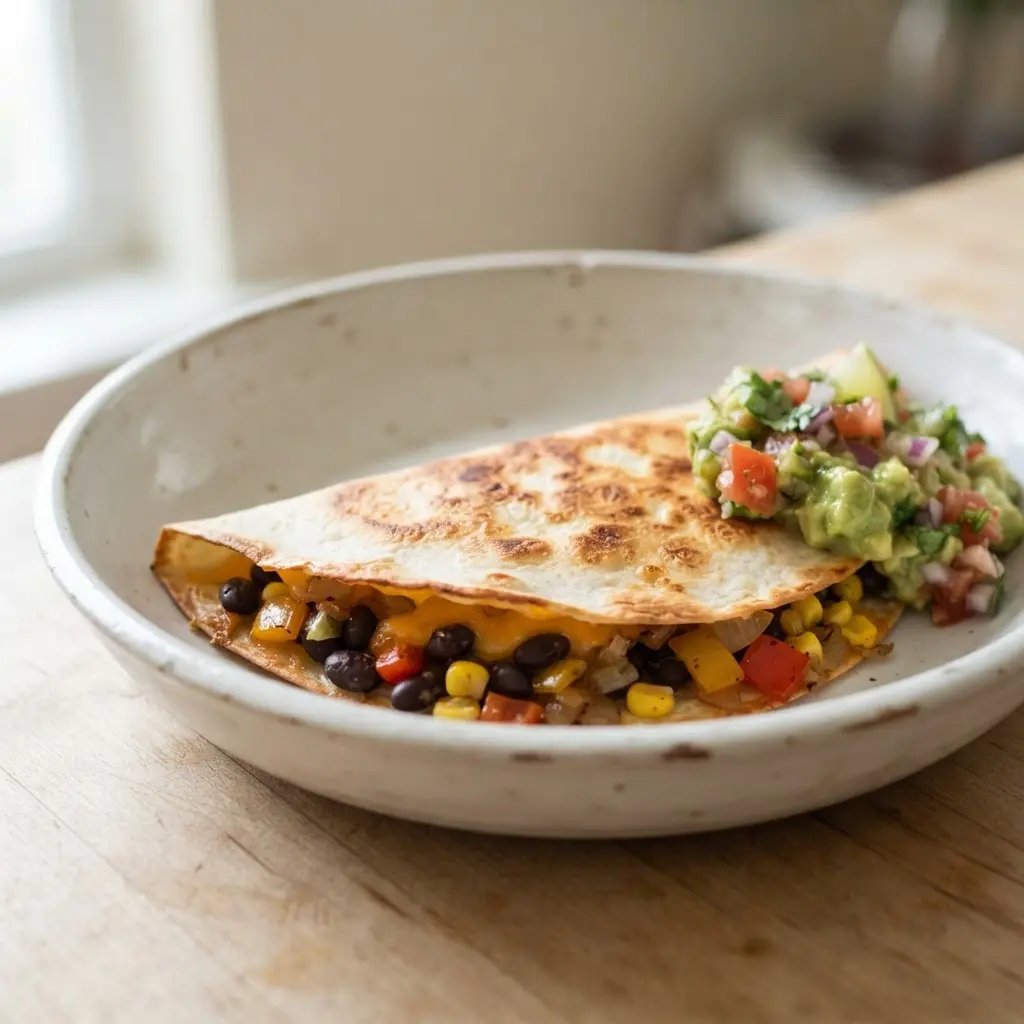
Compared with a plain cheese quesadilla, this version offers a heartier filling and more color. Start with a moderate filling layer of rinsed black beans, corn, bell pepper, onion, zucchini, and spinach. Season the vegetables with cumin, chili powder, garlic powder, salt, and pepper before mixing them with the beans.
Place cheese on a tortilla, add the bean mixture, then cover with another layer of cheese and a second tortilla. Cook in a lightly oiled skillet over medium heat for about 3 to 4 minutes per side. The tortilla should turn golden, and the cheese should melt enough to hold the filling together. Keep the filling fairly dry and avoid stuffing the tortilla, since excess moisture makes flipping difficult.
Prepare the avocado salsa close to serving time. Combine diced avocado, Roma tomatoes, finely chopped onion, cilantro, lime juice, salt, pepper, and minced jalapeño for optional heat. Lime juice adds acidity, while avocado gives the fresh topping a creamy texture without cooking.
Research supports combining beans, vegetables, and dairy foods in meals because the mix supplies plant protein, fiber, vitamins, and calcium. Black beans and vegetables provide substance, while melted cheese adds richness and binding power. Serve each quesadilla in wedges with salsa on the side. Drain canned beans well, and cook vegetables until tender but not watery.
7. Roasted Eggplant Marinara Parmesan Bake for Family Dinners

Do not overlap the eggplant slices on the baking sheets. Arrange them in a single layer so heat reaches each piece evenly. Brush both sides with olive oil, then season with oregano, kosher salt, and black pepper.
Roast at 400°F for 15 minutes, turn the slices, rotate the pans, and roast for 10 more minutes. Tender slices are easier to layer and hold their shape in the finished bake.
Divide the marinara, roasted eggplant, basil, buffalo mozzarella, goat cheese, and Parmesan into three equal portions before assembly. Spread one portion of sauce across a 10 × 14-inch baking dish, then add the other ingredients in sequence. Repeat the layers twice.
Finish with Parmesan so the top develops a savory, golden surface. Many cooks find pre-roasted eggplant gives casseroles a firmer texture than raw slices.
Prepare the topping separately with fresh country-loaf crumbs, minced garlic, chopped basil or parsley, olive oil, and salt. Pulse the crumbs, garlic, and herbs first. Add the oil afterward and pulse again until the mixture looks evenly moistened.
Spread the garlic-herb topping over the final cheese layer. The crisp crumbs provide contrast to the soft eggplant and melted cheese.
Bake the casserole at 400°F for 45 to 50 minutes. Look for active bubbling around the edges and a golden-brown surface before removing the dish. Allow a ten-minute rest at room temperature before cutting. The pause lets the layers settle, so portions serve more neatly during a family dinner.
Portioning Leftovers For Next-Day Meals
Cool leftovers in shallow containers within two hours, then refrigerate them at 40°F (4°C) or below for next-day meals. Divide grains, legumes, vegetables, and sauce into portions sized for one lunch, which keeps reheating quick and reduces repeated warming.
Store yogurt sauces, chopped herbs, and crunchy nuts separately when possible, since steam softens toppings and thins dairy mixtures. Label each container with the date, and use refrigerated leftovers within three to four days for best quality.
A grain bowl travels well with beans and roasted vegetables, while soup needs a leak-resistant jar and room for expansion. Reheat dense portions until steaming hot throughout, stir midway, and add fresh acid after warming. Keep one serving in the fridge rather than returning partly eaten food to storage.
Conclusion
Food often feels easier when each meal has a simple plan. Start with one protein-rich ingredient, add a grain or starchy vegetable, then include produce for color and flavor.
Dairy foods such as Greek yogurt, paneer, ricotta, and Parmesan bring richness while beans and lentils add lasting fullness. Lacto-vegetarian meal ideas also give you room to follow your mood.
A parfait suits a busy morning, while stuffed shells or curry fits a slower evening. For your next meal, choose one recipe from this list and check your pantry before shopping.
Keep frozen vegetables, canned beans, plain yogurt, and whole grains nearby for quick changes. Share the meal with someone you love or save a portion for tomorrow. Small choices like these help healthy eating feel steady, enjoyable, and easy to repeat.
FAQs
Q: What gives a lacto-vegetarian meal enough protein?
A: Beans, lentils, dairy foods, tofu, nuts, and seeds all add protein. Pairing two of these foods with a grain creates a filling meal.
Q: Are eggs part of a lacto-vegetarian eating pattern?
A: No. Lacto-vegetarians avoid eggs along with meat, poultry, and fish. Dairy foods such as milk, yogurt, cheese, and paneer fit this eating pattern.
Q: How do I keep vegetarian meals filling?
A: Include protein, fiber, and some fat at each meal. Beans, lentils, whole grains, vegetables, nuts, seeds, and dairy foods help support fullness.
Q: Is paneer a good choice for vegetarian dinners?
A: Paneer adds protein and a rich, firm texture to curries, bowls, and vegetable dishes. Pair it with vegetables and rice or flatbread for a balanced dinner.
Q: How do I plan a week of meat-free meals?
A: Choose two breakfasts, two lunches, and three dinners before shopping. Prepare grains, wash produce, and portion beans or yogurt ahead of time for easier meals.