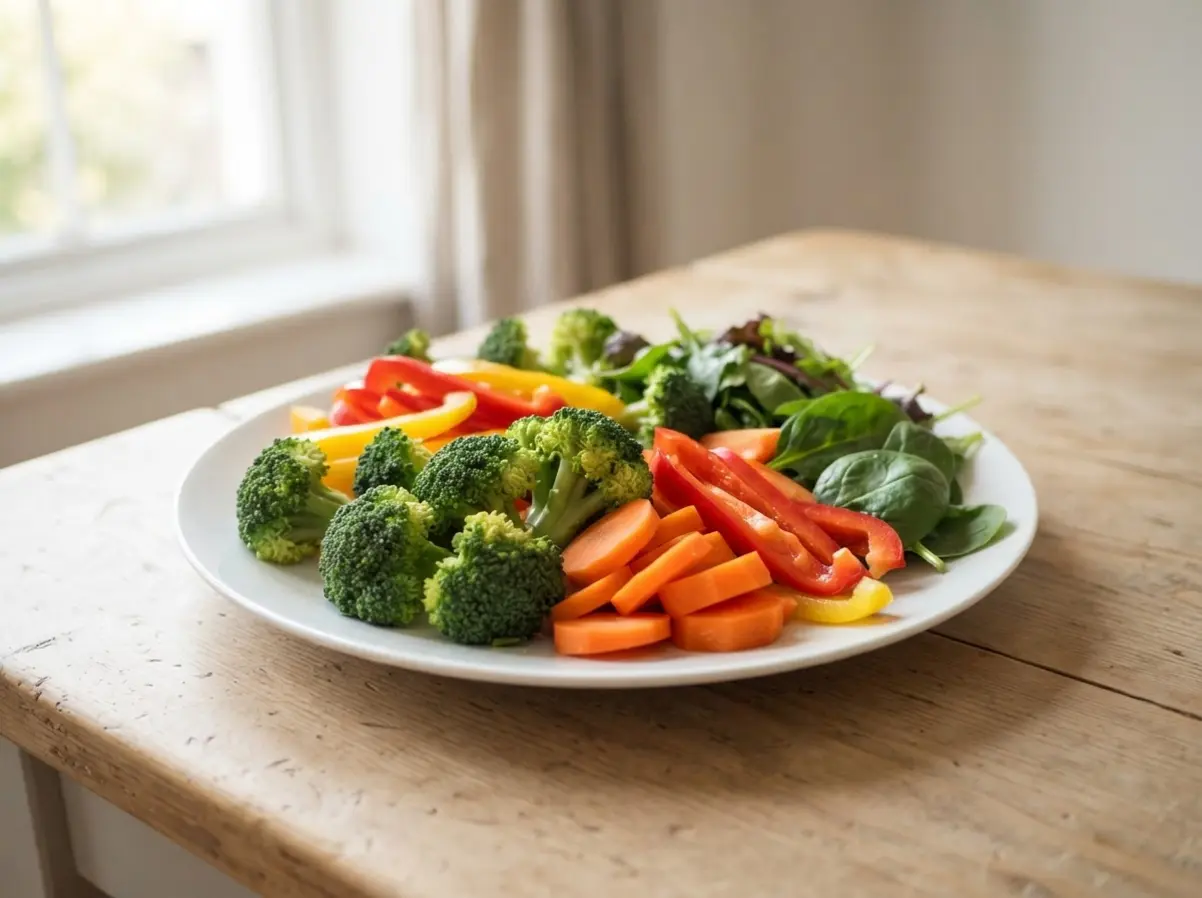
Want better digestion, steadier energy, and more satisfying meals? Eating more vegetables gives your body fiber, vitamins, minerals, and plant compounds linked with better digestion, heart health, and cell protection. Different colors bring different nutrients, so adding a wider mix to meals is a simple way to support health without strict food rules, and remembering Reasons why you should be eating more veggies makes it easier.
Reasons why you should be eating more veggies go beyond calories. Vegetables add bulk and flavor while helping meals feel balanced. Their fiber feeds helpful gut bacteria and supports regular bowel movements. Their nutrients also help your body maintain skin, bones, blood, and immune function.
I know busy days make extra produce feel like one more task. Let’s keep it easy, especially when you consider Reasons why you should be eating more veggies. This article breaks down eight practical benefits and simple ways to use more vegetables. Pick one idea and start with your next meal.
Fresh, Frozen, And Canned Vegetable Choices
Frozen vegetables retain much of their vitamin and mineral content, so keep unsalted frozen vegetables available for quick meals, which ties into Reasons why you should be eating more veggies. Fresh produce offers crisp texture and works well when you want raw snacks or salads. Low-sodium canned vegetables save preparation time, and rinsing them reduces some surface sodium before serving.
Canned tomatoes and corn add variety without chopping, and you can choose cans marked low sodium when possible. Potassium-rich potatoes, leafy greens, squash, and tomatoes support dietary patterns linked with healthy blood pressure. Color variety brings carotenoids and anthocyanins, while dietary fiber supports fullness and regular bowel movements. Store fresh vegetables where you see them, and keep frozen options for meals between shopping trips.
This mix also reduces food waste from forgotten produce.
Washing Raw Produce Before Preparation
Rinse every fresh vegetable under cool running water before cutting, even when you plan to peel it. When you focus on Reasons why you should be eating more veggies, washing produce first becomes a natural step. Use a clean vegetable brush for firm skins such as potatoes, carrots, and squash, while rubbing leafy greens gently under the stream.
Washing removes soil and some surface germs, though it does not make spoiled produce safe. Keep raw vegetables separate from unwashed items, and use a clean cutting board after rinsing. Drying leaves with a clean towel or salad spinner improves texture and helps dressings cling.
Prewashed packaged greens still deserve a quick check for damaged leaves, yet repeated washing often spreads contamination around the sink. Wash hands before handling produce, especially after touching raw meat. These habits protect the fresh texture and taste you want from uncooked vegetables.
1. Essential Vitamin and Mineral Content for Daily Nutrition
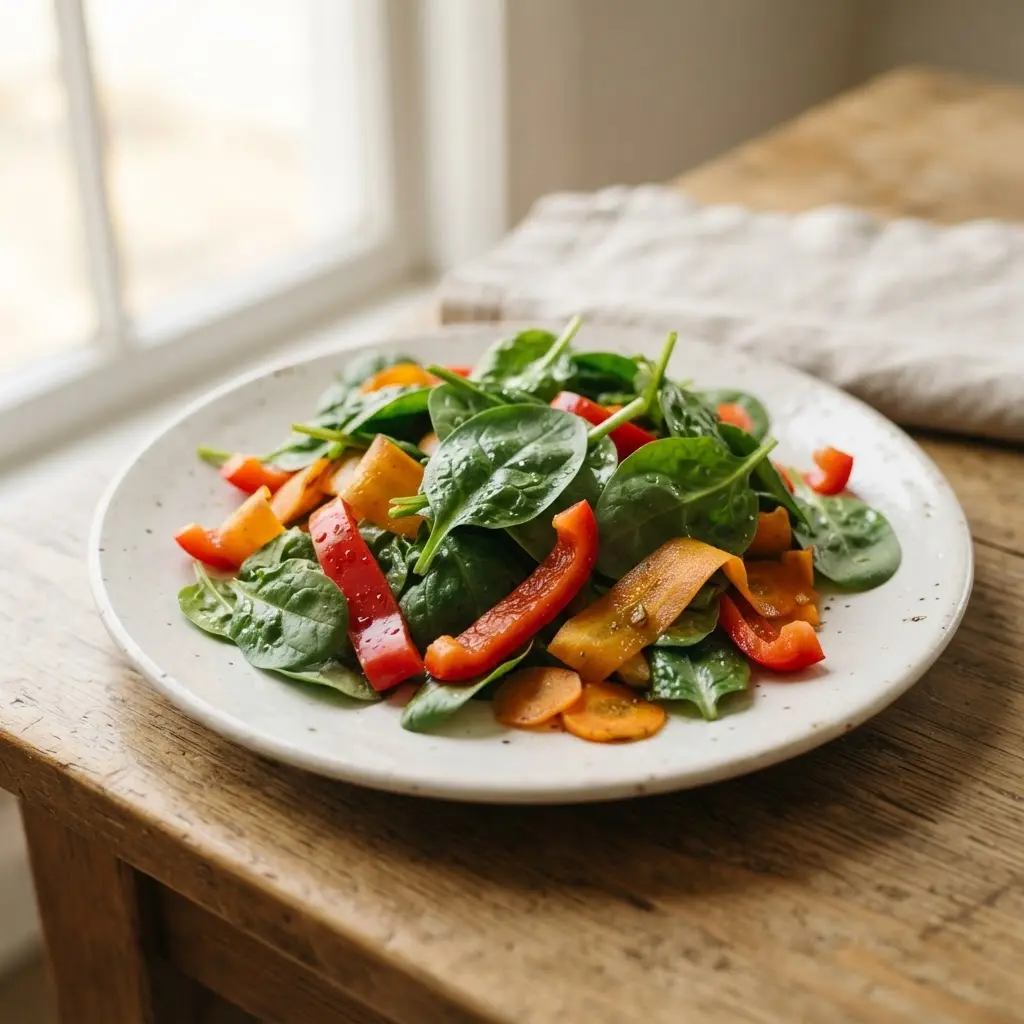
A common mistake is treating one vegetable as a complete nutrient source. Correct this by choosing vegetable variety across the week, since understanding Reasons why you should be eating more veggies means valuing diversity. Different vegetables provide different nutrients, including vitamin A, vitamin C, vitamin K, folate, potassium, and magnesium.
Dark leafy greens supply vitamin K, folate, magnesium, and some iron. Red and orange vegetables provide carotenoids, which the body converts into vitamin A for vision, immune function, and cell growth. Vitamin C supports collagen production and helps the body absorb iron from plant foods, which supports Reasons why you should be eating more veggies. Build meals around daily nutrient-rich foods, while using the whole diet to supply nutrients such as vitamin B12 and vitamin D.
Minerals support structure and body signals. Calcium and phosphorus help maintain bones and teeth. Potassium, magnesium, and sodium support fluid balance, nerve signals, and muscle contraction. Choose iron-rich plant foods such as beans, lentils, peas, and dark greens, and keep Reasons why you should be eating more veggies in mind when pairing them with peppers or tomatoes for vitamin C.
Research links diets rich in varied vegetables with better intake of several vitamins and minerals, supporting normal immunity, energy metabolism, blood formation, and wound healing, which clearly shows Reasons why you should be eating more veggies. Do not assume supplements improve nutrition automatically. Excess intake, especially from supplements, may cause harm. Always consult a healthcare professional before making changes to your health routine.
2. Dietary Fiber and Digestive Function for Comfortable Eating
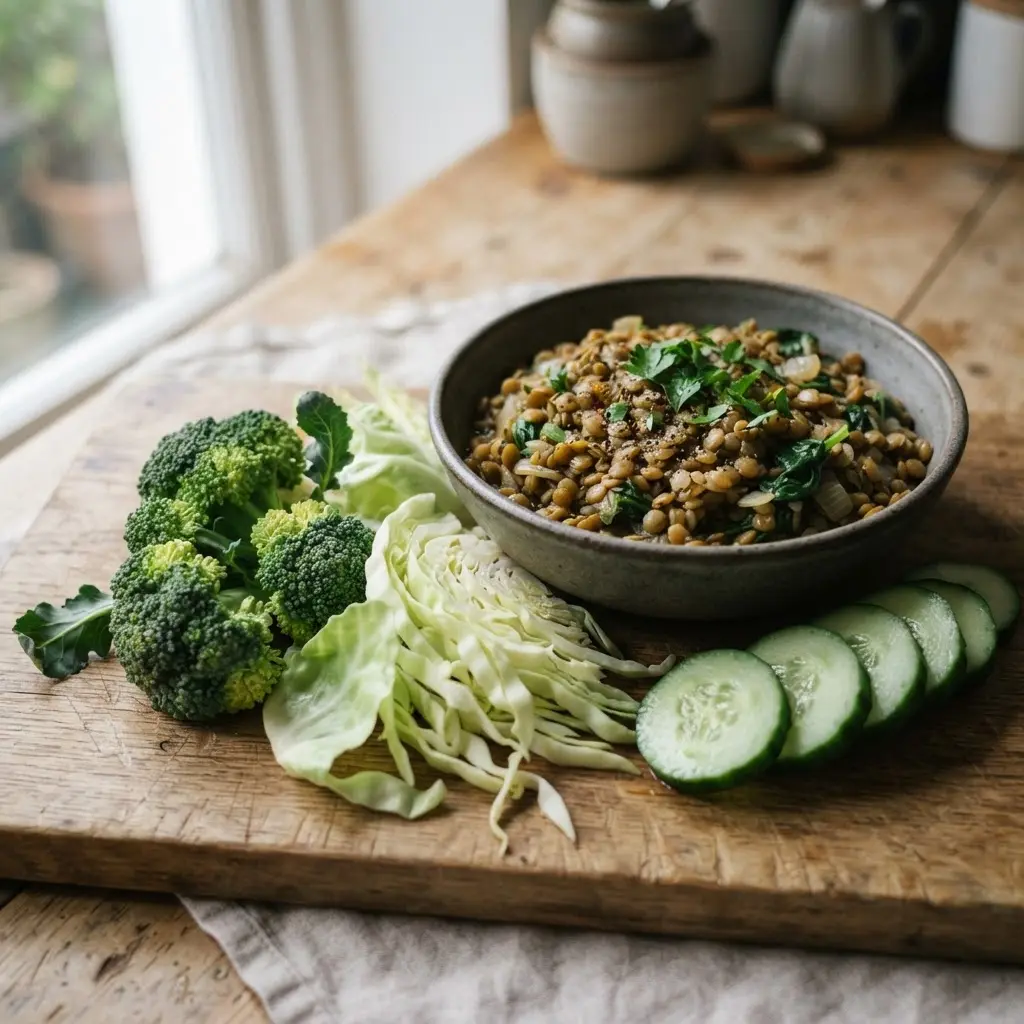
Increase vegetable portions gradually, and drink water with meals. Start by adding carrots to lunch, green beans to dinner, or a small serving of beans to soup, all part of Reasons why you should be eating more veggies. Increase portions slowly instead of making a sudden change.
Fiber adds bulk to stool and helps material move through the digestive tract. Insoluble fiber from cauliflower, potatoes, nuts, and whole-wheat foods adds structure. Soluble fiber from peas, beans, apples, carrots, and avocados forms a gel during digestion, matching Reasons why you should be eating more veggies for better fullness. This process slows digestion and contributes to fullness after eating.
Choose from top fiber-rich foods across several food groups. Pair vegetables with fruit, legumes, whole grains, nuts, or seeds, since knowing Reasons why you should be eating more veggies helps you plan balanced plates. Aim toward the adult daily range of 21 to 38 grams, based on age and sex. Drink enough fluid so fiber absorbs water and stools stay easier to pass.
Many people find adequate fiber supports regular bowel movements and reduces constipation. Research suggests fiber-rich eating patterns support heart and blood sugar health, while long-term intake is linked with lower risks of hemorrhoids, diverticulitis, and colorectal cancer. Follow professional dietary advice during an active digestive flare-up, such as Crohn’s disease, ulcerative colitis, or diverticulitis, and remember Reasons why you should be eating more veggies means listening to your body first.
3. Antioxidant Defense Against Cell Damage from Colorful Vegetables
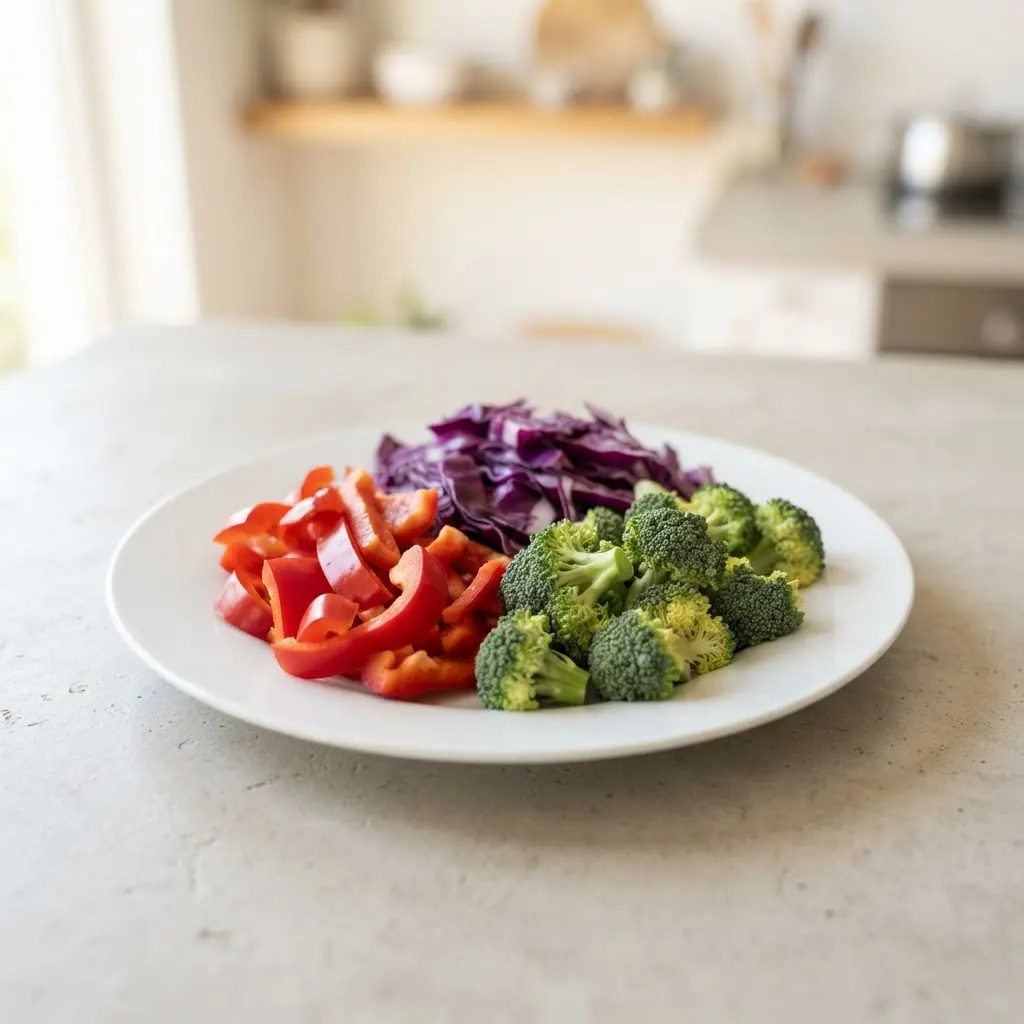
At a weekday lunch, add red peppers, purple cabbage, or roasted carrots beside your main dish, keeping Reasons why you should be eating more veggies simple. This color variety supplies plant pigments linked with antioxidant activity. Oxidative stress develops when reactive oxygen species, often called free radicals, exceed the body’s defenses.
Excess reactive molecules can damage DNA, proteins, fats, and other cell parts. Colorful vegetables contain phytochemicals such as flavonoids, anthocyanins, carotenoids, and betalains, which highlights Reasons why you should be eating more veggies for daily protection. Some phytochemicals neutralize reactive molecules by donating hydrogen atoms.
Certain flavonoids bind metal ions involved in free-radical formation. Carotenoids dissolve in fat, so they interact with lipid-rich cell membranes and lipoproteins. Plant compounds also influence protective systems involving superoxide dismutase, catalase, and glutathione enzymes. Some carotenoids influence Nrf2 pathways, which regulate antioxidant enzyme production.
Build a colorful plate across the day rather than searching for one top food. Pair orange squash with leafy greens at dinner, use purple cabbage in a lunch bowl, and add beets to a grain salad, all fitting into Reasons why you should be eating more veggies. Choose squash varieties for their pigments, fiber, and other nutrients, with the benefits of colorful squash extending beyond color alone. Research suggests exposure to varied plant compounds supports the body’s normal defenses against oxidative damage.
Color does not measure antioxidant strength by itself. Variety, freshness, storage, cooking method, vitamins, minerals, and fiber all shape nutritional value, proving Reasons why you should be eating more veggies extends far beyond looks. Oxidative stress is associated with metabolic syndrome, certain cancers, and neurodegenerative disease, but vegetables do not guarantee prevention or treatment. Choose whole vegetables instead of relying on isolated antioxidant supplements, which do not provide the same mix of nutrients and plant compounds.
4. Chronic Disease Risk Reduction Through Vegetable Variety
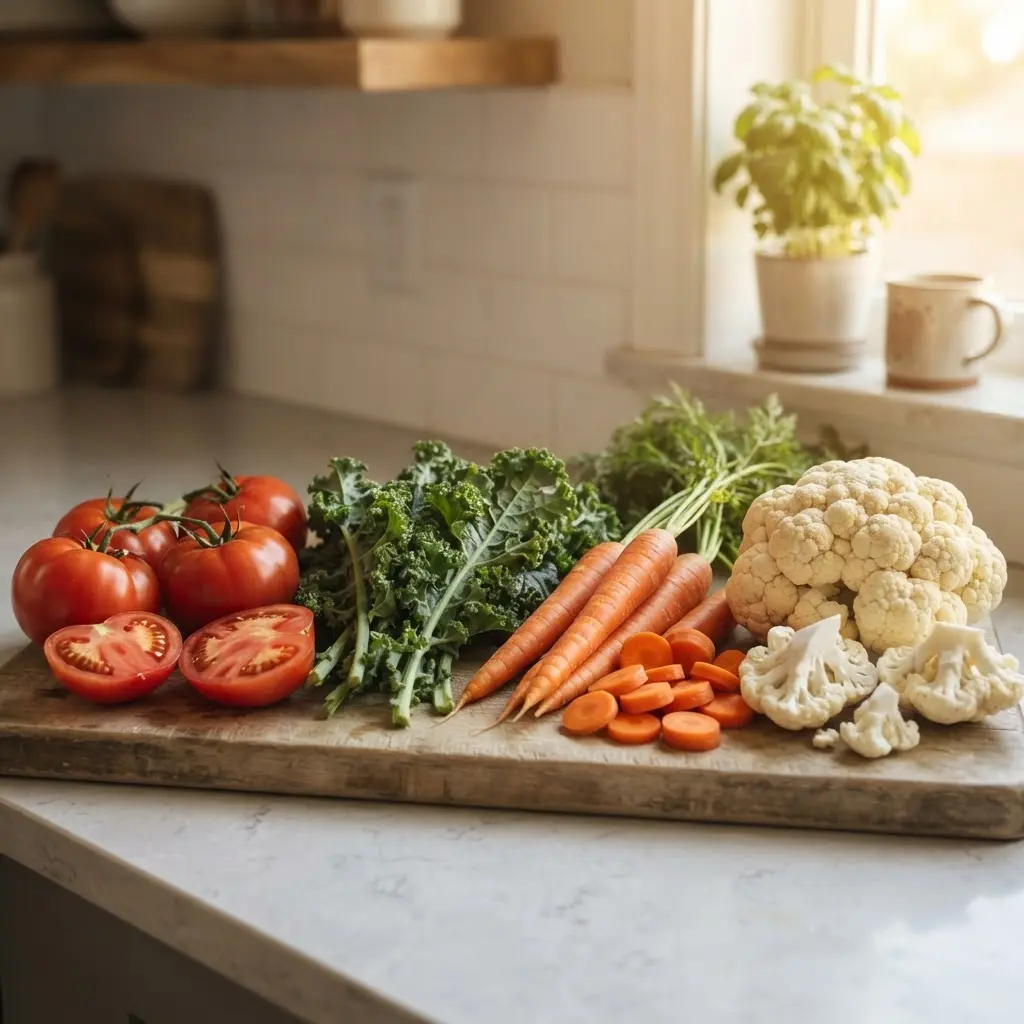
Eating many types of vegetables does not guarantee freedom from chronic disease. The evidence supports vegetable variety as one part of a healthy dietary pattern, not as a stand-alone treatment or cure, reinforcing Reasons why you should be eating more veggies steadily. One study reported an 11% reduction in all-cause mortality among people with greater variety.
Different vegetables provide different mixes of fiber, vitamins, minerals, and plant compounds, which explains Reasons why you should be eating more veggies. Leafy greens, cruciferous vegetables, roots, legumes, and brightly coloured produce each add distinct nutrients to meals.
A wider selection also often raises total vegetable intake because more options make vegetables easier to include across the day. Observational studies link wider fruit and vegetable variety with lower all-cause mortality, obesity, and high cholesterol.
Research findings are not consistent for every condition. Studies have not consistently linked vegetable variety with lower LDL cholesterol, high triglycerides, type 2 diabetes, or high blood pressure. Some research found lower cardiovascular mortality and a lower prevalence of coronary heart disease, while other findings did not show the same pattern. Research quality is often low, so treat these results as associations rather than proof of cause.
Build a weekly rotation by changing one vegetable at a time. Pair leafy greens with roasted roots, add frozen vegetables to a grain dish, or place an unfamiliar option beside a familiar food. Use fresh, frozen, or suitable canned forms. Eating several vegetables in tiny portions does not replace a sufficient total amount. Always consult a healthcare professional before making changes to your health routine.
5. Effective Weight Management Support from High-Fiber Foods
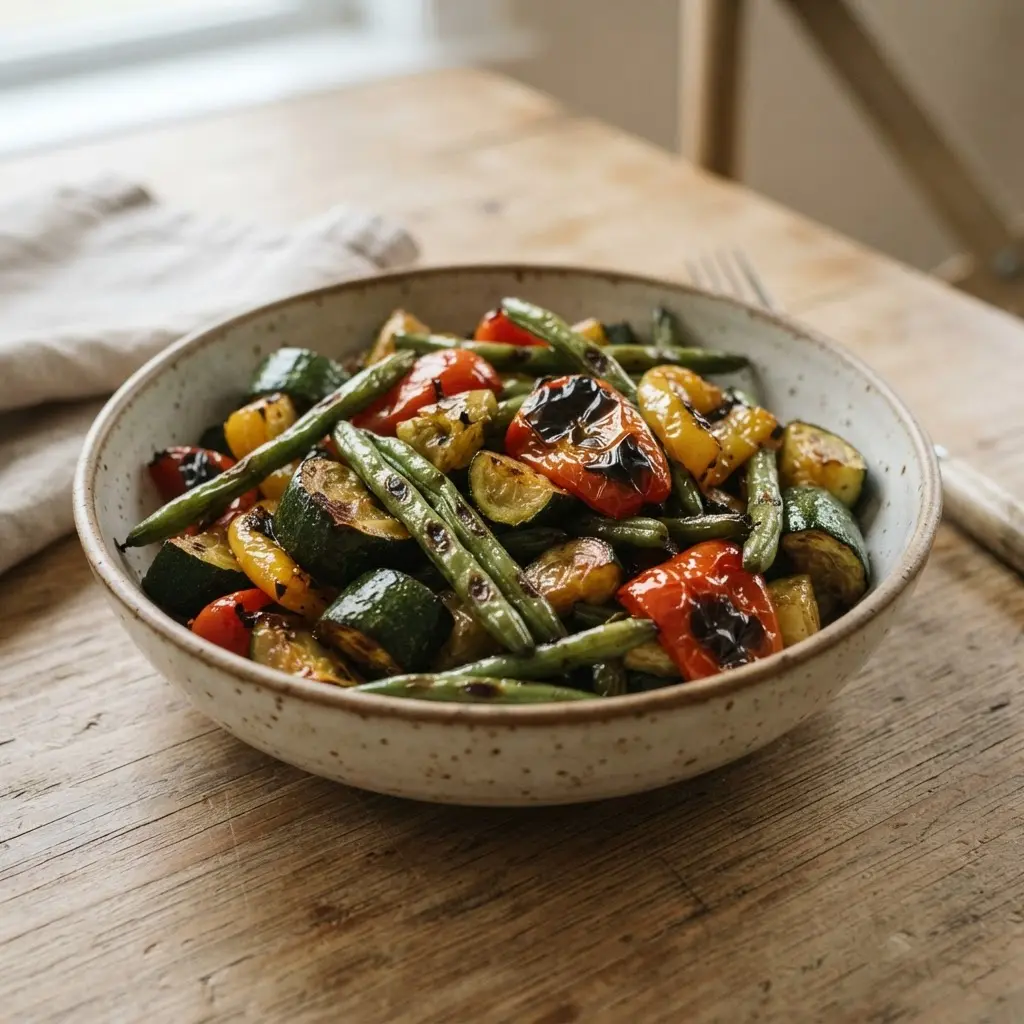
Why do high-fiber foods support weight management? They add volume and slow digestion, so meals feel more filling, which aligns with Reasons why you should be eating more veggies. Soluble fiber absorbs water and swells during digestion. A fuller feeling reduces the urge to return for extra servings soon after eating. Build balanced meals around vegetables, beans, fruit, and whole grains.
Soluble fiber also slows sugar absorption into the bloodstream. This process supports steadier energy after meals and reduces sharp rises followed by energy slumps. Research suggests steadier energy can reduce snack cravings for some people. Pair oats with berries, or add lentils to soup, for a meal with lasting fullness.
Choose whole fruit instead of juice. An apple or pear provides fiber along with its natural sweetness, while juice contains much less fiber. Add broccoli, carrots, or sweet potatoes to lunch and dinner. Portion nuts mindfully because almonds, walnuts, chia seeds, and flaxseeds contain fiber but also pack many calories into small servings.
Increase fiber gradually rather than changing every meal at once. A sudden increase can cause gas, bloating, or other digestive discomfort. Drink enough water as fiber intake rises. Water helps fiber move through the digestive tract and supports regular bowel movements. Increase fiber gradually through vegetables, fruits, legumes, and whole grains.
Many people find a varied, fiber-rich pattern easier to maintain than relying on one food or a supplement. High-fiber foods support weight management, but they do not guarantee weight loss. People with digestive conditions or ongoing gastrointestinal symptoms should consult a qualified healthcare professional before making major dietary changes.
6. Gut Microbiome Prebiotic Benefits from Diverse Vegetables

Eating one familiar vegetable each day gives your gut fewer types of fiber than rotating several kinds. Choose a diverse vegetable rotation across leafy greens, cruciferous vegetables, roots, alliums, and legumes. Different plants supply different fermentable fibers and phytochemicals.
Vegetable fibers pass through the upper digestive tract and reach the colon. Gut microorganisms ferment some of these fibers and produce short-chain fatty acids, including acetate, propionate, and butyrate. Include legumes, including the nutritional power of black beans, as part of this wider pattern. These compounds provide energy for colon cells and support the gut barrier.
Polyphenols and carotenoids from vegetables interact with gut microbes or undergo microbial changes. Research suggests higher fruit and vegetable diversity is associated with shifts in gut microbiome composition, including increases in bacteria such as Bacteroides and Akkermansia in some studies. Whole-food, plant-rich diets are also associated with better bowel regularity and fewer digestive complaints for many people, though results differ.
Build variety across meals rather than changing your entire diet in one day. Add one new vegetable every few days, and increase portions gradually if extra dietary fiber causes gas or bloating. Vary colors, textures, and cooking methods while keeping whole vegetables as the main focus. Always consult a healthcare professional before making changes to your health routine.
7. Skin Health and Collagen Production Through Nutrient Variety

A common mistake is treating vegetables as a guaranteed route to more collagen or clearer skin. Avoid collagen promises unless a recognised clinical or nutrition authority supports the claim. Food choices contribute to overall nourishment, yet skin results differ between people.
Use variety as a balanced eating pattern, not as a skin treatment. Place two or three different vegetables on a plate during one meal, then vary the selection across the week. This approach improves food variety without assigning a specific skin effect to one vegetable or recipe. Do not treat colour, freshness, or a vegetable trend as proof of a collagen benefit.
Research for this topic did not provide verified evidence linking seasonal vegetable benefits to increased collagen production or a defined improvement in skin appearance. Separate nutrition from treatment when reading online claims. Normal collagen production involves several body processes, and dietary advice for a deficiency requires more than a general promise about vegetables.
Keep meals varied, but avoid using vegetables as a substitute for assessment of persistent dryness, unusual skin changes, or suspected nutrient deficiency. Seek qualified medical advice before making dietary changes for a health concern. Always consult a healthcare professional before making changes to your health routine.
8. Culinary Variety and Flavor Profiles for Everyday Meals

Start with one cuisine each week and build meals around its usual flavors. Use tomatoes, garlic, and basil for Italian dishes. Choose beans, corn, lime, and chili for Mexican meals. Try ginger, garlic, soy sauce, and sesame for an Asian-inspired bowl. Each group gives vegetables a different taste without requiring a new cooking method every night.
Change the cooking method before changing the whole recipe. Roast carrots and cauliflower at 425°F until browned. Steam broccoli for a quick side. Sauté spinach with garlic in five minutes. Blend cooked vegetables into soup or a smooth sauce. Heat changes texture and taste, so the same vegetable feels different across several meals.
Use seasonal vegetables to vary color, texture, and flavor while keeping shopping practical. Knowledge of seasonal vegetable benefits guides produce choices and gives each season a clear set of ingredients. Add fresh herbs for a clean flavor, spices for heat, citrus for sour notes, or mushrooms for an umami taste. Research suggests greater food variety supports better diet quality when meals include a broad mix of plant foods.
Keep a few flexible combinations ready for busy evenings. Mix roasted vegetables with lentils and a lemon dressing. Fill corn tortillas with sautéed peppers, onions, and black beans. Add frozen peas, spinach, or chopped broccoli to pasta, rice, or a gluten-free grain bowl. For vegan meals, use beans, tofu, nuts, or seeds as the main protein. Rotate colors and seasonings instead of repeating one plain preparation.
Gradual Fiber Increases And Fluid Intake
Increase vegetable portions slowly over several days and drink adequate fluids regularly to reduce gas and bloating. A sudden jump in dietary fiber often causes cramping or extra gas, especially if your usual meals contain few plants. Add a small serving at one meal, then give your body time to adjust before adding more.
Water, milk, and unsweetened tea count toward fluid intake, while thirst, dark urine, or hard stools suggest you need more to drink. Fiber helps soften stool, support regular bowel movements, and keep meals filling. People with certain kidney or heart conditions need personal fluid guidance from a clinician. Slow changes usually make a higher vegetable intake easier to maintain and more comfortable.
Conclusion
Vegetables do more than add color to a plate. They help you build meals with fiber, vitamins, minerals, and plant compounds your body uses each day. Keeping Reasons why you should be eating more veggies top of mind makes it easier to follow when you connect them to simple goals, such as smoother digestion, steady energy, or more variety at dinner.
Start with one change today. Add a handful of greens to breakfast, keep washed vegetables ready for snacks, or replace part of a grain or meat serving with roasted vegetables. Choose types you enjoy, then add a new color when your routine feels comfortable. A mix of fresh, frozen, and lightly cooked options keeps meals practical.
You do not need perfect meals or a strict plan. Small additions count, and repeated choices build a pattern suited to your life. Put one vegetable on your next shopping list and use it in a meal before the day ends.
FAQs
Q: How many vegetables should I eat each day?
A: Aim for a varied pattern across meals and snacks. Portions depend on age, activity, health needs, and personal preferences.
Q: Are frozen vegetables as healthy as fresh ones?
A: Yes. Frozen vegetables retain many nutrients and often need little preparation. Choose plain options without added sauces when possible.
Q: Do vegetables help with digestion?
A: Yes. Their fiber adds bulk to stool and supports regular bowel movements. Increase high-fiber foods gradually while drinking enough fluid.
Q: Which vegetables have the most nutrients?
A: No single vegetable has every nutrient. Leafy greens, peppers, broccoli, carrots, tomatoes, and beans each bring different vitamins, minerals, and plant compounds.
Q: How do I eat more vegetables without feeling bored?
A: Change the colors, cooking methods, herbs, and seasonings. Add vegetables to foods you already enjoy, such as eggs, soups, sandwiches, rice, and pasta.