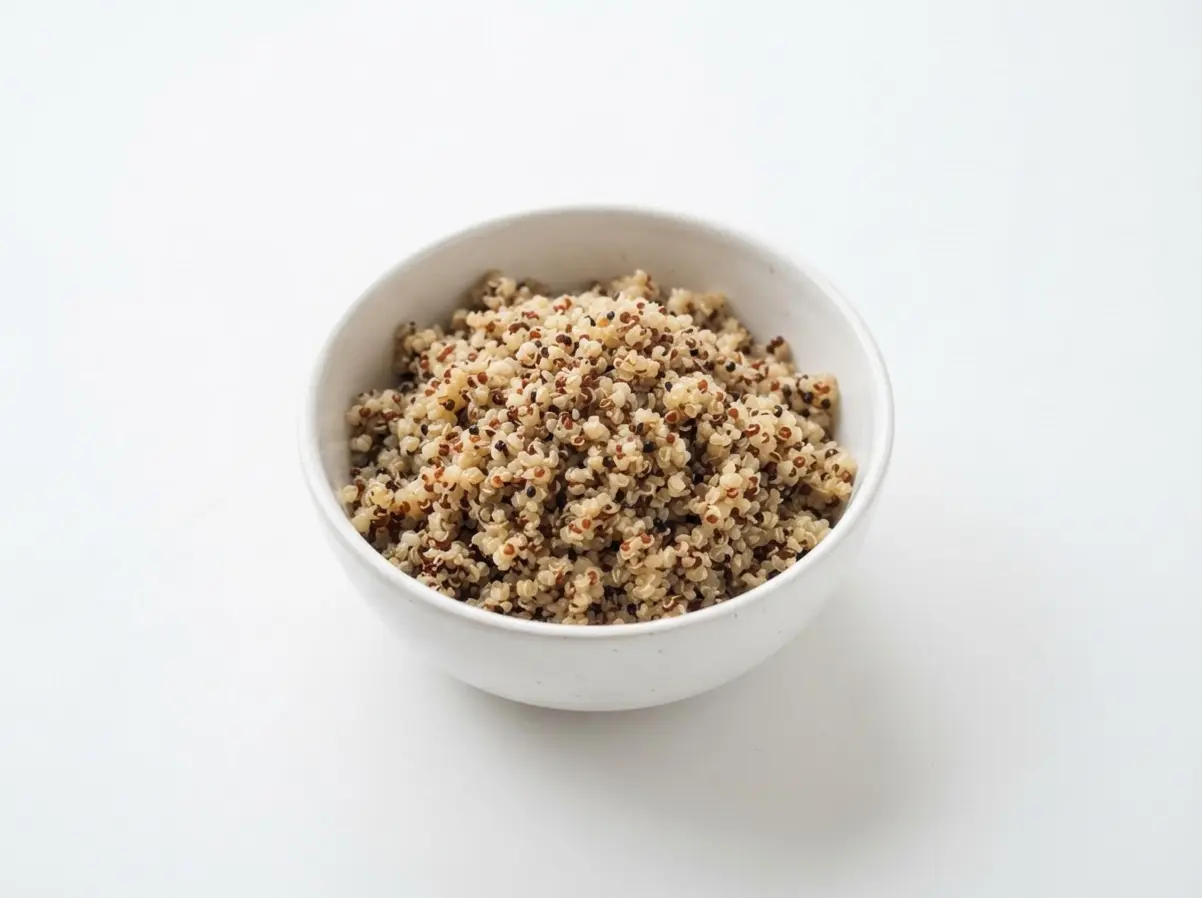
Need a filling breakfast without another bowl of oatmeal? Alternatives to oats include quinoa, chia seeds, Greek yogurt, lentils, whole grain flakes, eggs, and fruit-based smoothies. These choices bring protein, fiber, healthy fats, or useful variety to breakfast. Pick a warm grain, creamy base, savory plate, or blended meal based on your hunger and morning schedule.
Matching Cooking Methods To Grain Texture
Simmer quinoa in twice its volume of liquid for about 15 minutes when you want fluffy breakfast grains rather than a creamy bowl, keeping Alternatives to oats in mind for texture planning. Rinse quinoa grains first, since their outer coating often leaves a bitter taste. Buckwheat groats need a similar simmering approach, yet they keep a firmer, chewier bite and an earthy flavor.
Millet breaks down more readily, so longer cooking with extra milk creates a smooth, mildly sweet porridge. Amaranth thickens quickly into a dense spoonful, while barley needs a longer simmer and keeps distinct chewy pieces. Chia seeds need soaking, not boiling, because liquid turns them into a gel. Flaxseed works best ground into warm porridge, while hemp seeds need no cooking and suit a nutty finish.
Checking Gluten Suitability Before Choosing
Barley is unsuitable for a gluten-free breakfast, while quinoa, buckwheat, millet, amaranth, chia, flax, and hemp naturally contain no gluten. Check the package for a certified gluten-free label when shared equipment or added ingredients raise concern, since many shoppers tracking Alternatives to oats need clear packaging info. Buckwheat often causes confusion because its name sounds like wheat, yet it belongs to a different plant family.
Oats themselves also need a certified label when cross-contact matters, though they sit outside this comparison. Choose quinoa or millet for a naturally gluten-free cooked bowl with a mild flavor. Chia, flax, and hemp suit yogurt or fruit bowls without grain-based ingredients. Barley offers a chewy texture, but people with celiac disease or gluten sensitivity need a different base. Read flavor packets and granola mixes closely, since added wheat ingredients change suitability.
1. Complete Protein Ancient Grains for Warm Breakfast Bowls

A common mistake is treating every ancient grain as a complete protein, particularly when sorting through Alternatives to oats. Only quinoa holds this designation in the supplied research because it contains all nine essential amino acids. Quinoa is naturally gluten-free and provides fiber, magnesium, iron, phosphorus, potassium, calcium, B vitamins, and antioxidants. Millet, farro, barley, black rice, and oat groats still add plant protein and fiber, but they are not automatically complete proteins.
Cook the grain until tender, noting that most Alternatives to oats require steady heat, then serve it warm as the bowl base. Combine quinoa with millet for a softer, varied texture. For a sweet bowl, add almond milk, berries, chia seeds, almond butter, and protein powder. Greek yogurt or Skyr adds more protein after the grains cool slightly.
One researched quinoa bowl with almond milk, chia seeds, cauliflower, almond butter, blueberries, and protein powder provides 25 grams of protein. Build a savory bowl with quinoa or quinoa mixed with farro, then add roasted sweet potato, broccoli, chickpeas, and tahini sauce. Nuts, seeds, and plant-based protein powder increase the protein content beyond a grain-only meal.
Research suggests diets rich in ancient grains are associated with better blood sugar measures and lower risks of heart disease, stroke, obesity, and type 2 diabetes, though these findings do not guarantee personal results. Check packaged protein powder, plant-based milk, and toppings for gluten-containing additives when strict gluten avoidance is required. Keep yogurt and Skyr away from very hot grains to protect their texture. Use fruit or vegetables to balance dense ingredients, and add enough milk or sauce to keep the bowl spoonable.
2. Gluten Free Seed Puddings for Quick Breakfasts
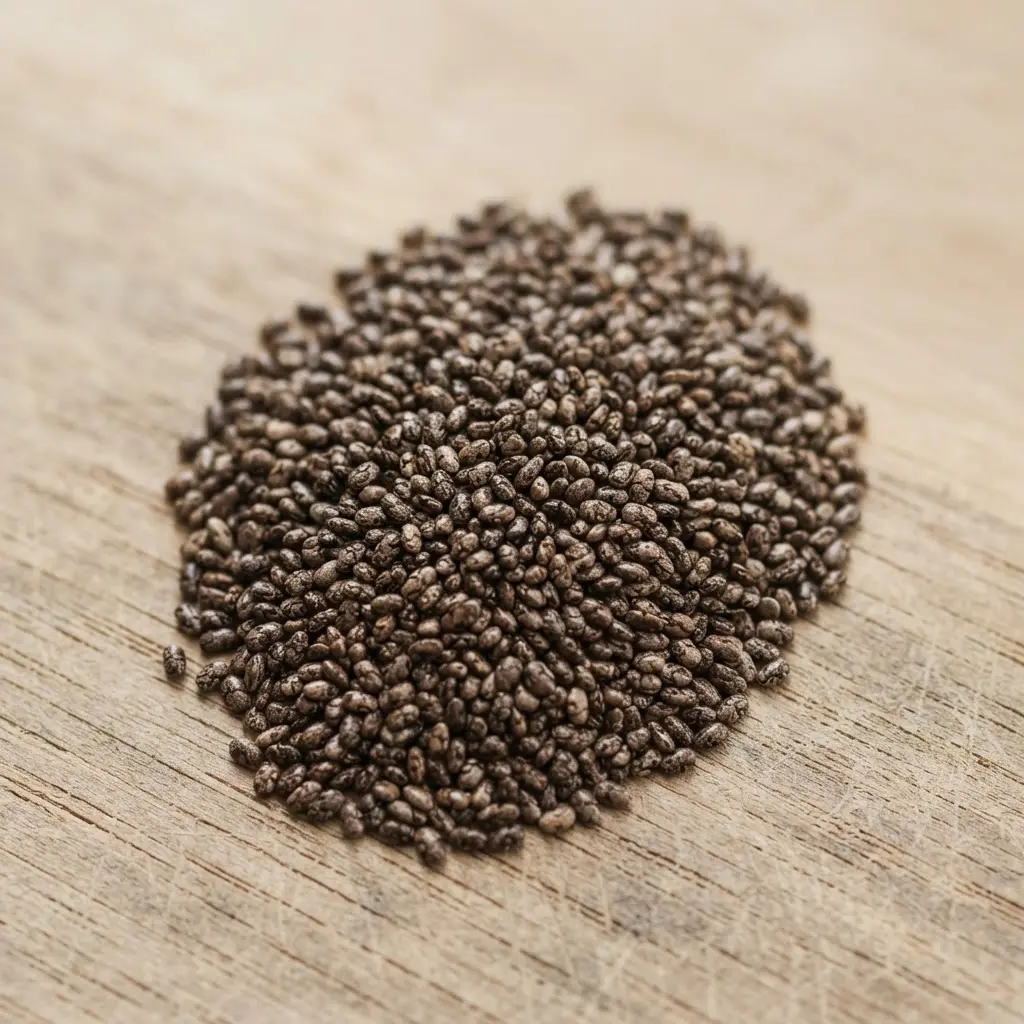
Start with a ¼ cup seed base and 1 cup of dairy or non-dairy milk. Stir in 1–2 teaspoons of maple syrup, honey, or agave, plus vanilla if preferred. Choose certified gluten-free ingredients when cross-contact is a concern. Seed puddings provide a chilled, make-ahead option for breakfast without relying on oat-based porridge.
Build chia pudding by stirring the mixture thoroughly, a reliable step when preparing Alternatives to oats alternatives, waiting 5–10 minutes, then stirring again. Cover the jar and refrigerate for at least 2–4 hours, preferably overnight. Chia seeds absorb liquid and form a thick, spoonable texture. Add berries, yogurt, nuts, cinnamon, or granola before serving. For chocolate flavor, whisk unsweetened cocoa powder fully into the milk before chilling.
Use a blender for hemp seed pudding. Blend ¼ cup hulled hemp seeds with 1 cup of milk until smooth, then refrigerate for 1–2 hours. Hemp produces a creamy result rather than a seed-speckled texture. Ground flaxseeds create a denser, gelatinous pudding. Stir ¼ cup ground flaxseeds with 1 cup of milk and let the mixture stand for 10–15 minutes, stirring occasionally.
Use non-dairy milk to include seed puddings in plant-based morning meals, which fits perfectly into any list of Alternatives to oats. Almond, coconut, and oat milk each bring a different flavor and texture. Prepare individual portions in jars, then add fresh or frozen fruit before eating. Seed types need different preparation times, so check the texture before serving rather than expecting every pudding to thicken at the same rate.
3. High Protein Dairy Bases for Creamy Morning Bowls
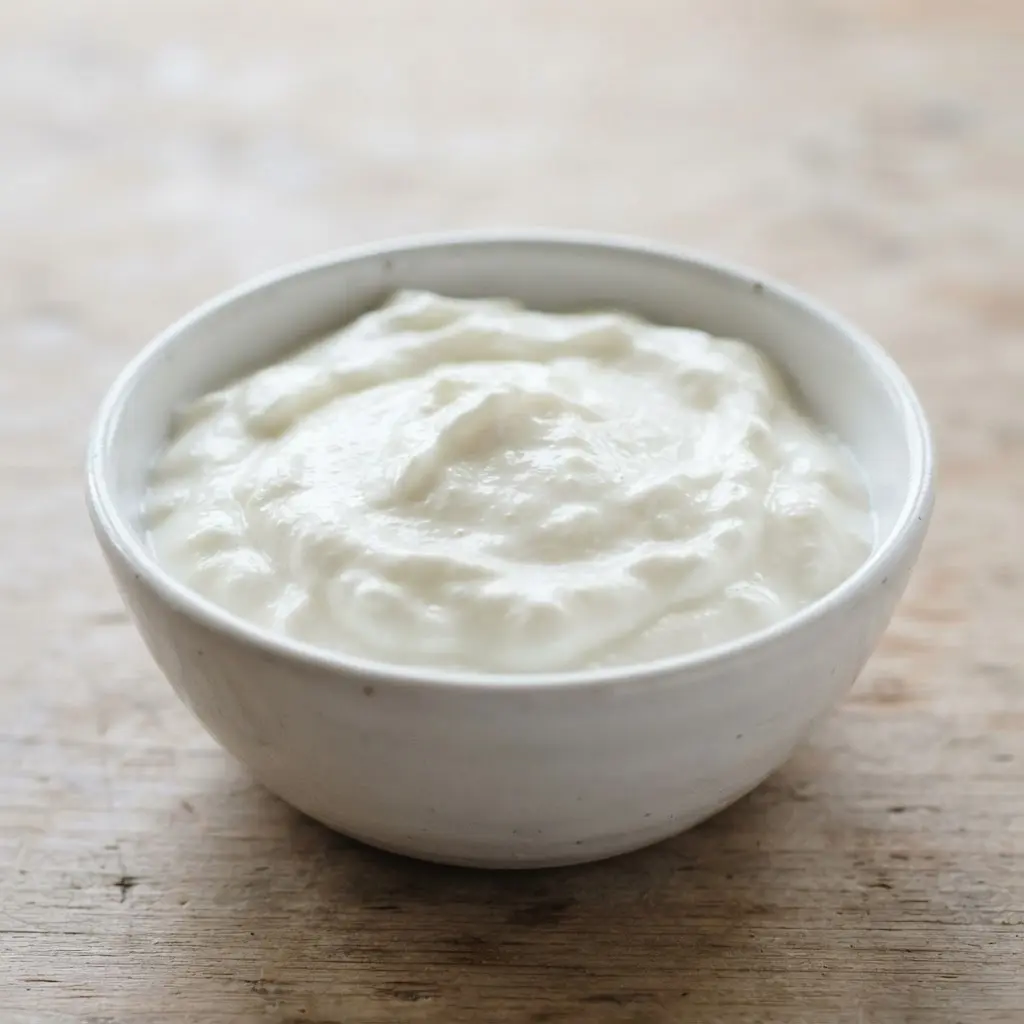
At 7:00 a.m., a chilled bowl of Greek yogurt gives you a creamy base without cooking oats. Greek yogurt is regular yogurt strained to remove whey. The process creates a thicker texture and a higher protein content than standard yogurt. Add sliced fruit, seeds, or nuts after choosing the texture you prefer.
Choose skyr for the thickest bowl base. This Icelandic cultured dairy product resembles Greek yogurt and often contains more protein per serving. Use skyr straight from the container, noting how dairy-based Alternatives to oats save prep time, then loosen the mixture with a small spoonful of milk if the texture feels too dense. Blend cottage cheese for a smooth, protein-rich base with a mild taste.
Use thickened kefir for a thinner cultured-dairy option. Standard kefir usually pours more easily than yogurt, so check the product texture before building your bowl. Strain kefir through a fine mesh strainer for several hours in the refrigerator. Removing whey creates a denser mixture. Research suggests protein-rich foods support fullness, making these dairy bases useful for a balanced morning meal.
Match the base to the result you want. Select skyr or Greek yogurt for maximum thickness, blended cottage cheese for a smooth finish, and thickened or strained kefir for a lighter consistency. Check nutrition labels because yogurt products differ in protein content, added sugar, and fat. Keep the dairy cold, and serve the bowl soon after preparation.
4. Nutrient Dense Legume Options for Savory Breakfast Plates
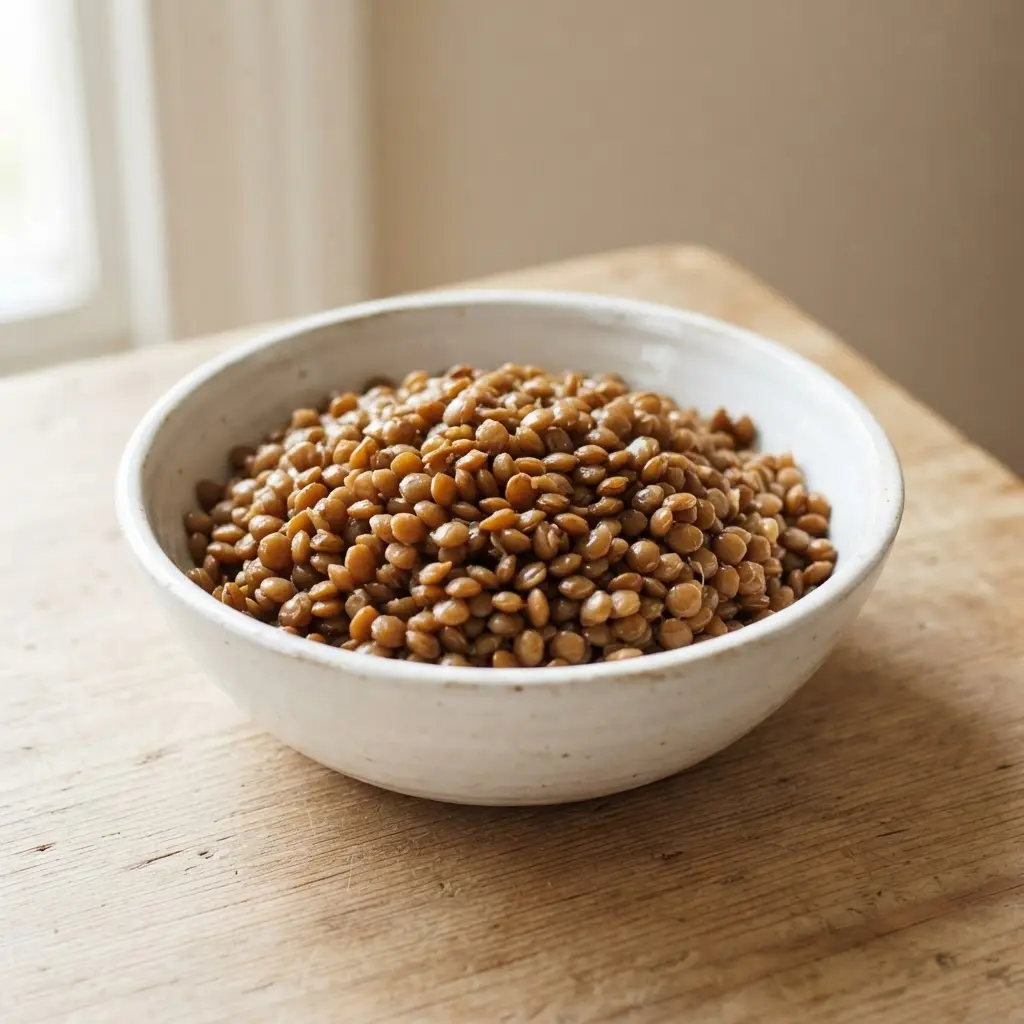
Many people believe savory breakfasts need bread or oats to feel filling. The truth is cooked legumes provide protein and fiber in a range of textures, proving that Alternatives to oats work well for morning plates. Serve seasoned black beans with eggs, avocado, tortillas, or salsa for a balanced plate. Black beans also provide antioxidants, while lentils add iron and folate.
Choose French green or black beluga lentils for a breakfast hash. Both varieties hold their shape after cooking, so they stay distinct among diced potatoes, onions, peppers, and spices. Cook the lentils ahead and reheat them with vegetables for a quick morning meal. Research suggests fiber-rich foods support fullness, which makes legumes useful for a more substantial breakfast.
Match the legume to the texture you want. Roasted chickpeas add crunch as a topping, while mashed chickpeas create a seasoned spread or filling. Mash cannellini or Great Northern beans with garlic and herbs for creamy toast or bowl components. Shelled edamame offers complete protein along with fiber, vitamins, and minerals, and sautéing takes only a few minutes.
Build a savory bowl by layering legumes with grains, vegetables, and another protein source. Refry black beans for eggs and tortillas, or serve white beans beside sautéed greens. Season every option with herbs, garlic, spices, salsa, or avocado. Avoid using every legume in the same way. Lentils suit hashes, white beans suit smooth spreads, and chickpeas suit either soft or crisp preparations.
5. Fiber Rich Whole Grain Flakes for Crisp Cereal Bowls
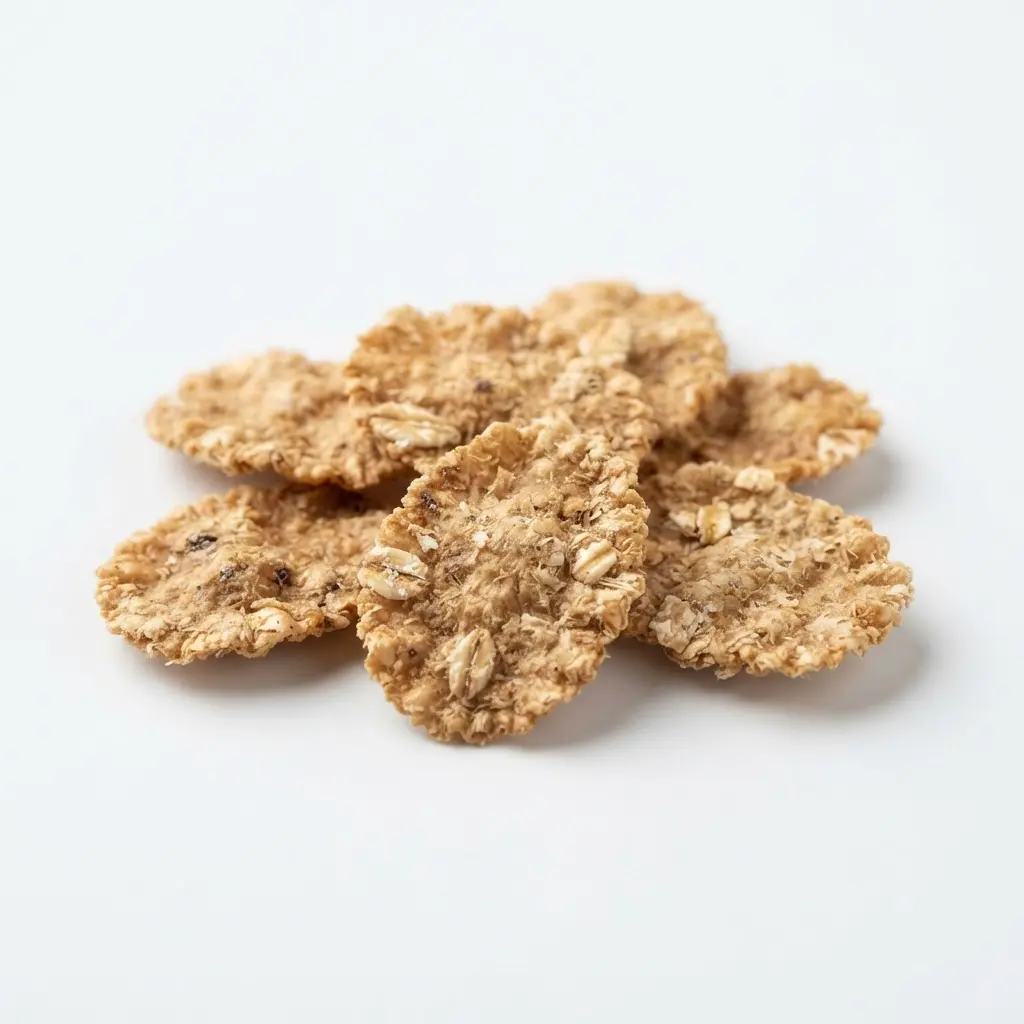
What gives a cereal bowl both crunch and lasting fullness? Finding the right Alternatives to oats often starts with fiber content. A fiber-rich whole grain flake cereal provides crisp texture while adding whole grains and bran to breakfast. Choose a whole grain flake cereal with at least 5 grams of fiber per serving. Read the serving size before comparing products, since fiber figures vary between brands.
Bran cereals often provide the highest amounts. Fiber One Original Bran lists 18 grams of fiber per serving and no added sugar. Kellogg’s All-Bran Original lists 12 grams. Cascadian Farm Hearty Morning Fiber Cereal provides 10 grams of fiber and 30 grams of whole grain in one cup. Nature’s Path Flax Plus Multibran Flakes provides 7 grams of fiber, 5 grams of plant-based protein, and omega-3 fatty acids from flax.
Start with the ingredient list, not the front of the box. Look for whole wheat, oats, bran, flaxseed, or barley among the first few ingredients. Compare fiber per serving on the Nutrition Facts label. Check added sugar too, especially when fruit, sweetened milk, or other toppings will go into the bowl. Uncle Sam Original Wheat Berry Flakes offers 10 grams of fiber and no added sugar.
Serve the flakes with milk or a milk alternative shortly before eating. This timing preserves the crisp texture. Research supports using fiber grams and ingredient order as practical checks when choosing among plain bran cereals and multigrain blends. Select a product matching your preferred crunch, sugar level, and fiber target.
6. Healthy Fat Egg Dishes for Filling Morning Meals

Unlike a bowl of oats, an egg breakfast offers a savory base with room for vegetables, fish, and unsaturated fats. Choose a protein-rich egg base when you need a filling morning meal without relying on grains. Eggs pair with avocado, olive oil, smoked salmon, nuts, and seeds, so each plate offers different textures and flavors. Many home cooks tracking Alternatives to oats find this swap easy to maintain.
Start with avocado and egg boats when baking suits your schedule. Halve the avocado, scoop out a little flesh, then crack an egg into each hollow. Bake until the egg is set, then add herbs or salsa. For a softer meal, scramble eggs with a splash of milk, stir in cream cheese near the end, and fold in smoked salmon after removing the pan from heat. Smoked salmon adds omega-3 fats, while eggs and salmon supply protein.
Build shakshuka by cooking tomatoes, peppers, onions, and spices before poaching eggs in the sauce. Serve the dish with whole-grain bread for dipping. A cold option combines hard-boiled or poached eggs with spinach, avocado, and vinaigrette. Add a spoonful of chopped nuts or seeds for crunch. Vegetable omelettes offer another route, especially with mushrooms, spinach, peppers, a small amount of olive oil, and cheese.
For a heartier plate, serve fried eggs over sweet-potato hash with onions and optional black beans. Cook the eggs separately, then place them over the warm hash. Research suggests protein paired with best fiber-rich ingredients satisfying fats supports a more varied breakfast pattern. Keep portions suited to your needs, especially when managing cholesterol or sodium intake, and choose lower-sodium ingredients when appropriate.
7. Low Sugar Smoothie Bases with Fruit and Protein

A common mistake is treating every smoothie as low sugar because the fruit is natural. Large portions of banana, mango, dates, or sweetened yogurt still raise the drink’s total sugar. Correct this by using a modest serving of berries and an unsweetened almond milk base. Water also works when yogurt, avocado, or seeds provide enough body.
Build the drink around protein instead of extra fruit, which helps balance many Alternatives to oats in a blended form. Plain Greek yogurt adds thickness and protein, while plain kefir creates a thinner cultured drink. Cottage cheese, silken tofu, hemp seeds, chia seeds, or a low-sugar protein powder provide other options. Blend one liquid base, a measured portion of fruit, and one protein source before adding ice.
For a practical combination, blend unsweetened almond milk, plain Greek yogurt, frozen mixed berries, and one-quarter avocado. Add chia seeds or unsweetened vanilla protein powder for more protein and a thicker texture. Cinnamon, vanilla extract, lemon juice, or lime juice adds flavor without added sugar. Frozen berries also create a cold, spoonable texture.
Check every label for added sugar in yogurt, protein powders, nut butters, and milk alternatives. Taste the smoothie before adding more fruit because natural sugars accumulate when several servings enter one glass. Research suggests balanced combinations offer fruit flavor and protein without relying on sweeteners. People managing blood glucose or following a prescribed diet should review portions and labels with a qualified healthcare professional.
Balancing Breakfast Bases With Protein And Fruit
Pair a cooked grain with Greek yogurt to add protein and create a thicker breakfast bowl. Quinoa, millet, and buckwheat provide a warm base, while yogurt adds cool creaminess without forcing extra cooking. Chia or ground flax thickens fruit and yogurt mixtures, so use enough milk to keep the bowl spoonable. Hemp seeds add mild nuttiness on top and bring plant protein without changing the base texture.
Fresh berries, sliced banana, apples, or stewed pears add sweetness, color, and fiber. Nut butter pairs well with millet or amaranth, especially when the porridge tastes mild. A protein-rich topping also helps balance barley’s chewy bite and amaranth’s dense texture. Keep fruit portions moderate when dried fruit or sweetened yogurt already supplies concentrated sweetness. Planning meals around Alternatives to oats makes this balancing step much simpler.
Conclusion
Your breakfast routine should fit your hunger, schedule, and taste. Choosing different ingredients also keeps your morning meals from feeling repetitive. Alternatives to oats give you room to enjoy warm quinoa, chia pudding, yogurt bowls, savory eggs, lentils, or a fruit smoothie.
Start with one option requiring little change. Add Greek yogurt to a grain bowl, pair eggs with whole grain flakes, or blend fruit with yogurt and seeds. Include a protein source and a fiber-rich food when possible, so your meal feels more satisfying. Keep portions comfortable and adjust toppings to suit your needs.
A simple swap is enough for your next breakfast. After trying one choice, note how full and energized you feel, then choose another option later in the week. Small changes help build a breakfast routine with more variety and plenty of nourishment. Tracking your favorite Alternatives to oats helps lock in what works best for your mornings.
FAQs
Q: Which oat alternative has the most protein?
A: Greek yogurt, eggs, quinoa, and lentils are strong protein choices. Pair one with fruit, seeds, or whole grains for a more balanced breakfast.
Q: Are quinoa and chia seeds good for a breakfast bowl?
A: Yes. Quinoa brings protein and a soft grain texture, while chia seeds add fiber and a pudding-like consistency after soaking. Add fruit and yogurt for more flavor and nourishment.
Q: What is a fast oat-free breakfast?
A: Greek yogurt with berries and seeds takes little preparation. Eggs with whole grain toast also make a quick savory meal.
Q: Which oat alternatives work well for porridge?
A: Quinoa, buckwheat, millet, and amaranth work well as warm porridge bases. Cook them with milk or water, then add fruit, nuts, or seeds.
Q: How do I make an oat-free breakfast more filling?
A: Add protein and healthy fat to the meal. Greek yogurt, eggs, seeds, nut butter, avocado, or lentils pair well with fruit or whole grains.