Physiological Benefits of Seasonal Transition Training
Your body needs a gentle ramp-up in spring to prevent overuse injuries like tendonitis. After a winter indoors, jumping straight into intense exercise is a common mistake. Instead, think of your first few weeks as a transition.
The best approach is cross-training, which combines activities like walking with some simple weight-bearing moves. This method builds your aerobic capacity safely and also strengthens your bones. It creates a solid base for more active summer fun.
You will notice your energy improves without that deep fatigue. The good news is, this slow start leads to better results. Trust me, this careful foundation makes every outdoor session feel good. When planning your schedule, picking the best outdoor activities for spring helps keep your routine light and effective.
Essential Gear for Variable Spring Conditions
Start with a moisture-wicking base layer to handle both sweat and sudden chills. Spring air can trick you—you might not feel thirsty, but you still lose plenty of fluid. Pack a light, breathable jacket you can easily take off as you warm up.
The right footwear has good traction for trails that might be damp or muddy. Do not forget sunglasses and a hat for those unexpectedly bright days. A small backpack lets you shed layers and carry water.
This preparation is your best defense against the weather’s surprises. You stay comfortable, so you can focus on enjoying your time outside. Your gear should work with you, not against you. When picking supplies, remember the best outdoor activities for spring require light layers and rain readiness.
1. Springtime Hiking and Forest Bathing
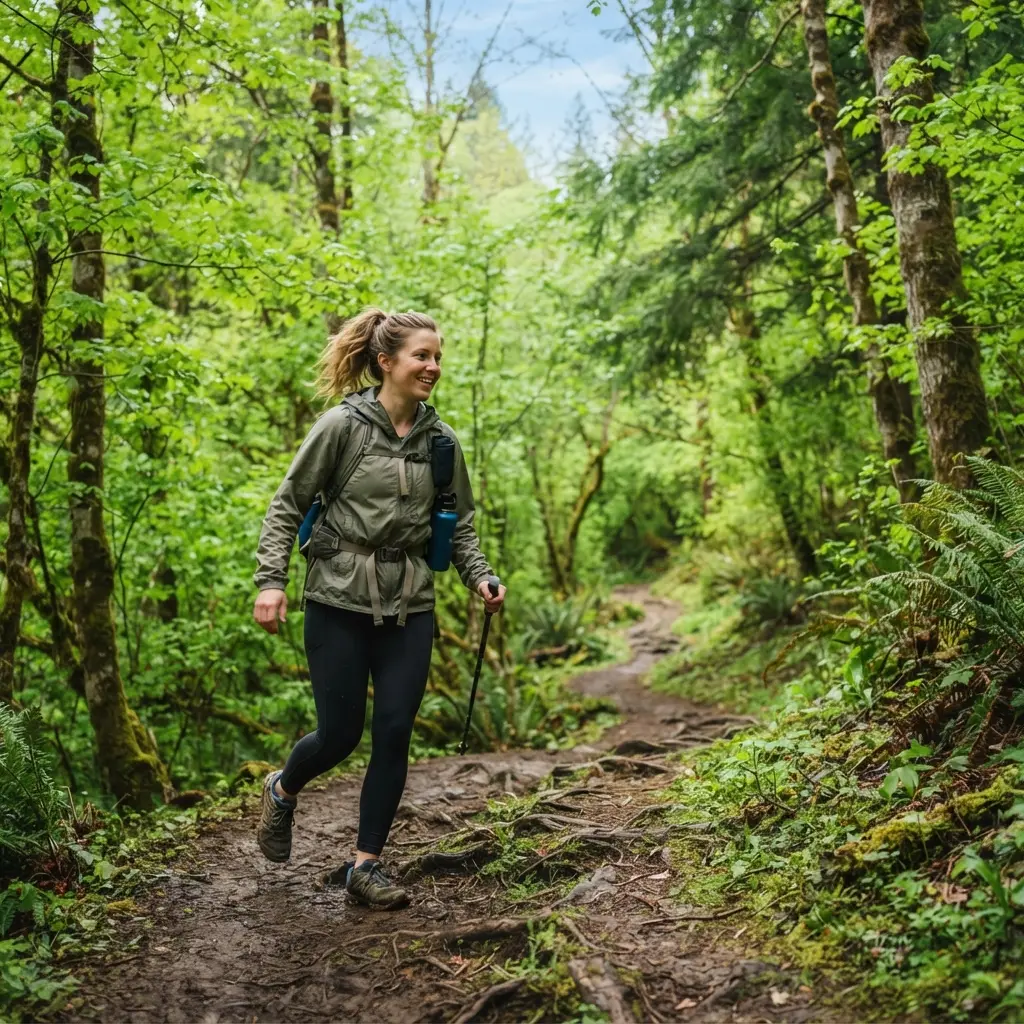
A common mistake is confusing forest bathing with a vigorous hike. Forest bathing is a slow, mindful practice, not a form of strenuous exercise. Its focus is on sensory immersion rather than covering distance. Many beginners find the best outdoor activities for spring involve this exact kind of slow nature time.
For a successful spring hike, prepare for unpredictable conditions. Wear waterproof boots for muddy trails and use insect repellent for active ticks. Dress in layers to adapt to changing temperatures.
Forest bathing involves a different approach. You simply find a quiet spot among trees and consciously engage your senses. Exploring the best outdoor activities for spring means taking time to pause and breathe. Spend a few hours noting the scent of damp earth and the sound of rustling leaves.
Research suggests this mindful connection can lower stress hormones and improve mood. The physical activity of hiking also builds cardiovascular fitness and strengthens muscles.
If you are new to hiking, building a base level of fitness is a practical first step. Read up on ways to get in shape before spring so your body is ready for the trail.
2. Native Plant Garden Cultivation
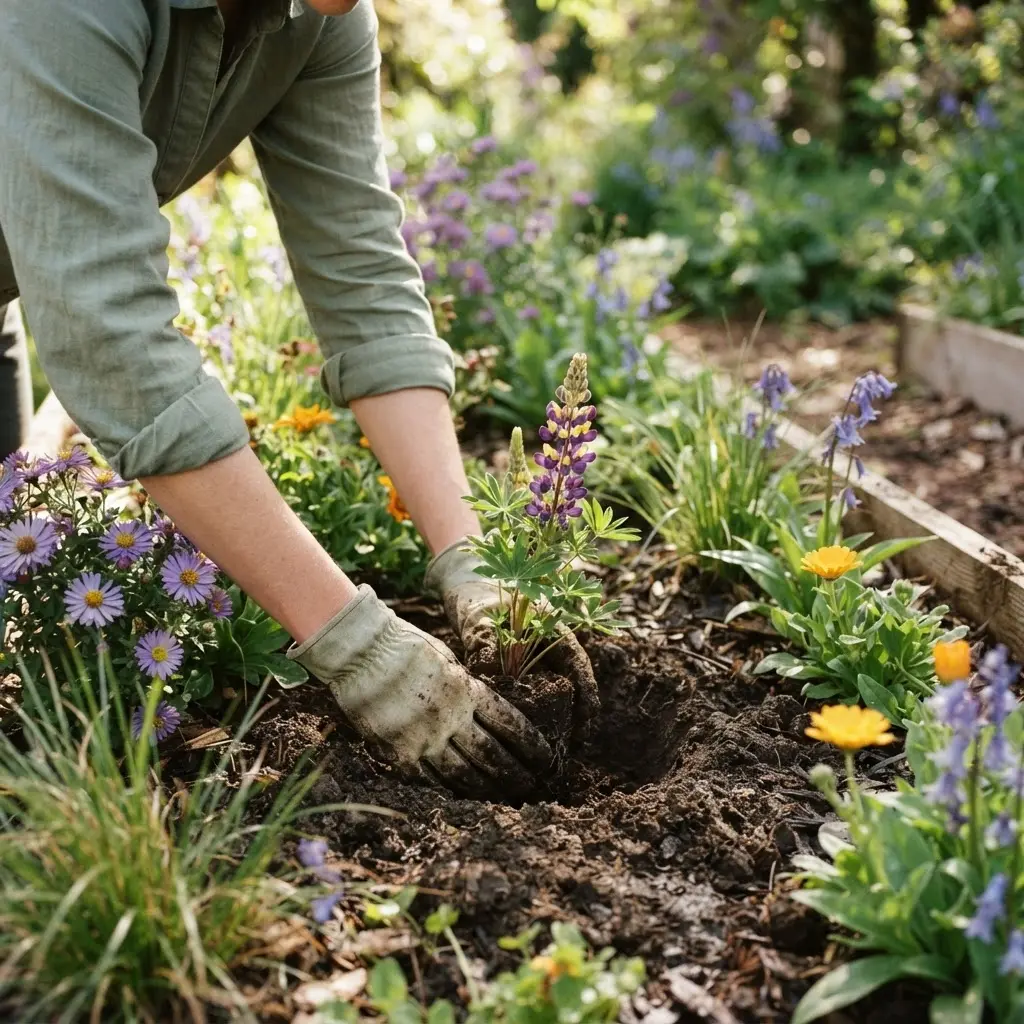
Start your project with a site analysis. Observe the sunlight for six or more hours to confirm full sun conditions. Check soil drainage after a rain and note any existing vegetation. This first step prevents the common mistake of selecting plants not adapted to your specific location. Planning for the best outdoor activities for spring includes mapping out sunny corners of your yard first.
Research plants truly native to your precise region, not a broad geographic area. Utilize local resources like native plant societies or cooperative extension offices. These plants support local food webs and provide essential habitat for pollinators.
They require less water and maintenance once established, as they are adapted to local rainfall and resistant to local pests. Planning a garden that supports local ecology pairs well with preparing healthy dishes for spring from your own kitchen. Both activities foster a deeper connection to seasonal cycles and local resources. A successful native garden improves soil health and prevents erosion, creating a resilient outdoor space.
3. Backyard Migratory Bird Watching
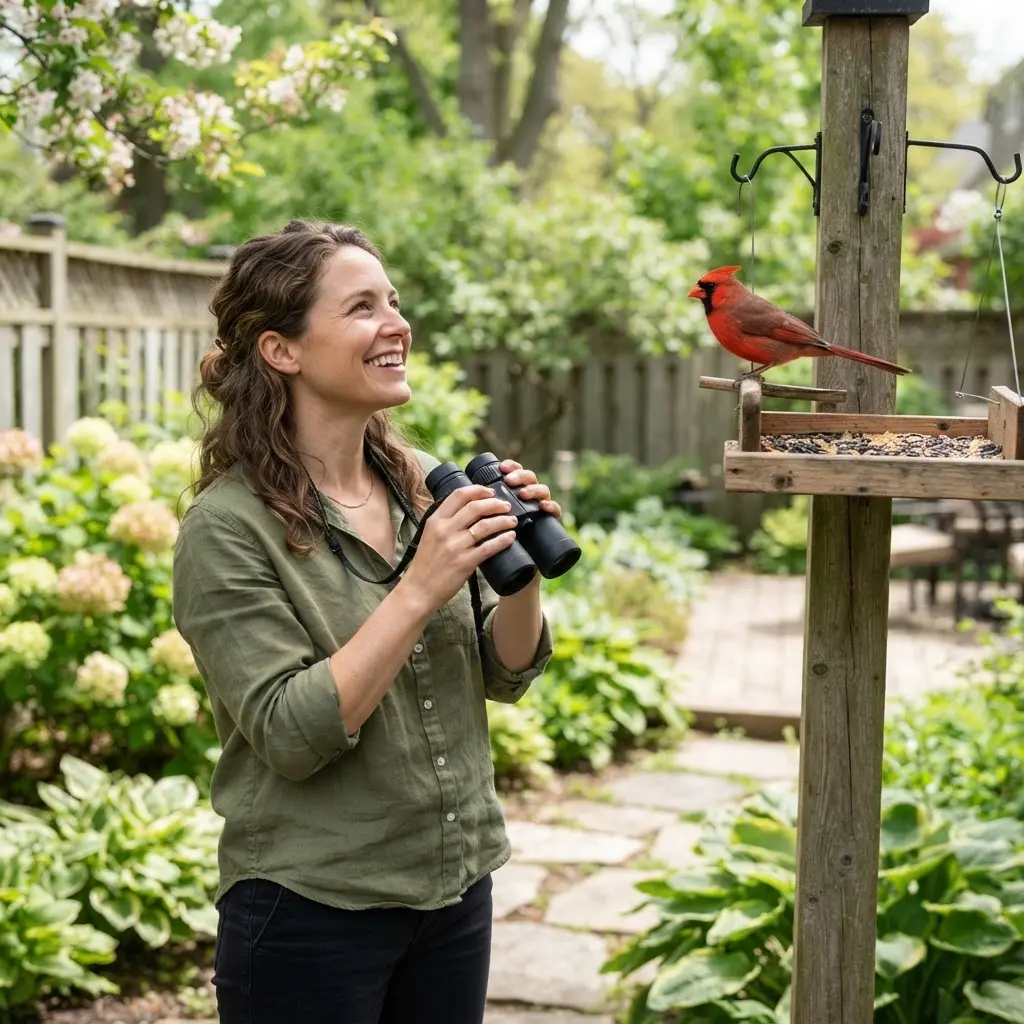
Picture a quiet morning in early May, with a cup of coffee in hand, watching a bright orange oriole stop for a drink from a shallow dish. That moment is the heart of backyard migratory bird watching. You will quickly see why the best outdoor activities for spring often start with quiet observation like this.
Your yard can become a vital rest stop for birds on their long journeys. Focus on providing native plants that offer insects, berries, and nectar. These plants support the specific nutritional needs of traveling birds far better than feeders alone.
Place a suet feeder or a nectar feeder to give birds a high-energy boost during peak migration weeks in spring. Clean feeders regularly to prevent disease. A simple birdbath or shallow dish of clean water is also essential for drinking and bathing.
This practice matters because it directly aids bird conservation by creating a safe haven. You will find that preparing a simple refreshing spring juice to enjoy while observing is a perfect way to start the day. Even a small balcony with a potted native plant and a water source can make a significant difference for wildlife.
4. Local Trail Cycling Excursions
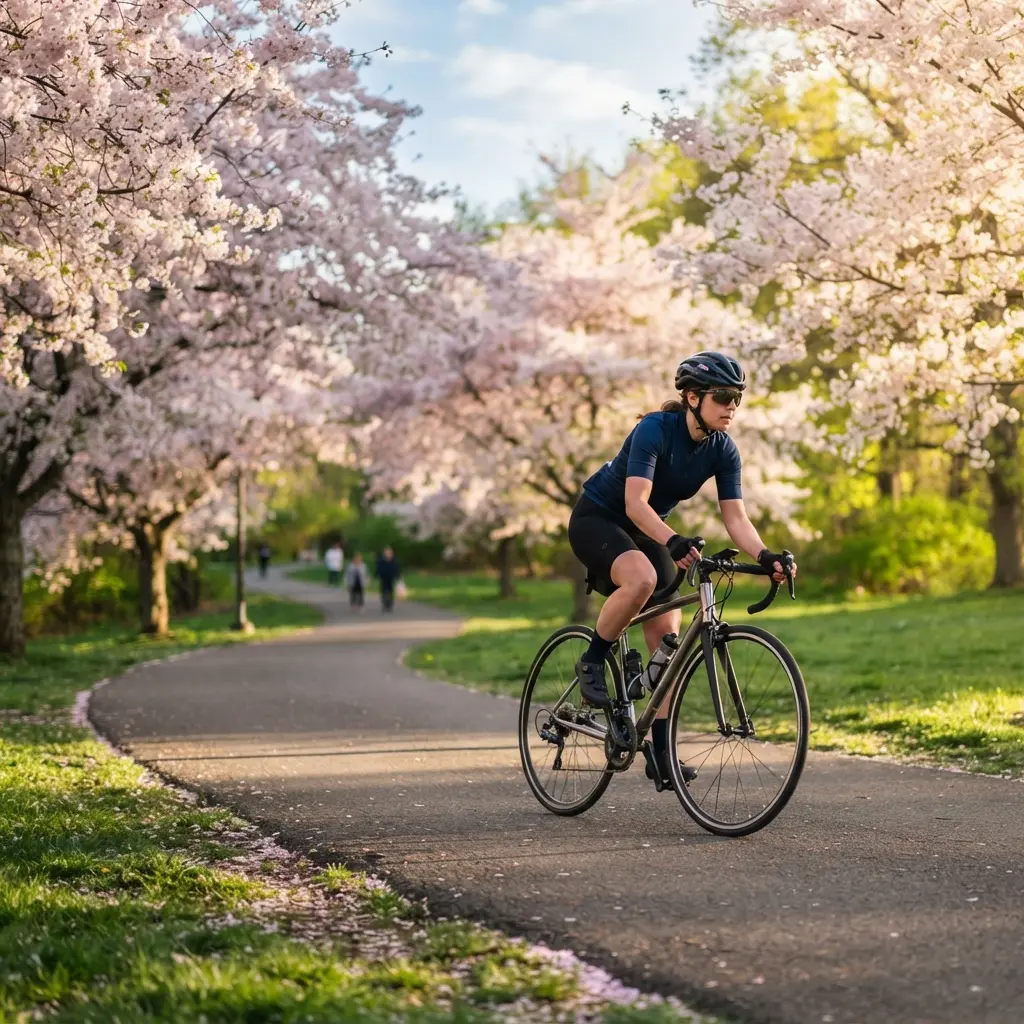
A common misconception is that you need a specialized mountain bike for any trail ride. The truth is that a paved multi-use path or a compacted gravel trail is often perfect for a standard hybrid or road bike. Proper trail selection is the most important factor for a safe and enjoyable ride. If you want to try the best outdoor activities for spring, always match your route to your tire type first.
Research your local options using trail-specific websites and apps. Choose a route that matches both your bike type and your current fitness level. A flat, five-mile paved loop is an excellent starting point for a get in shape before spring.
Many people find that regular cycling on local trails significantly improves cardiovascular endurance and lowers stress. Pack water and a snack, and always check trail conditions for closures or mud before you leave home. Choosing the best outdoor activities for spring means picking routes with gentle grades and clear signs.
5. Scenic Park Picnic Arrangements
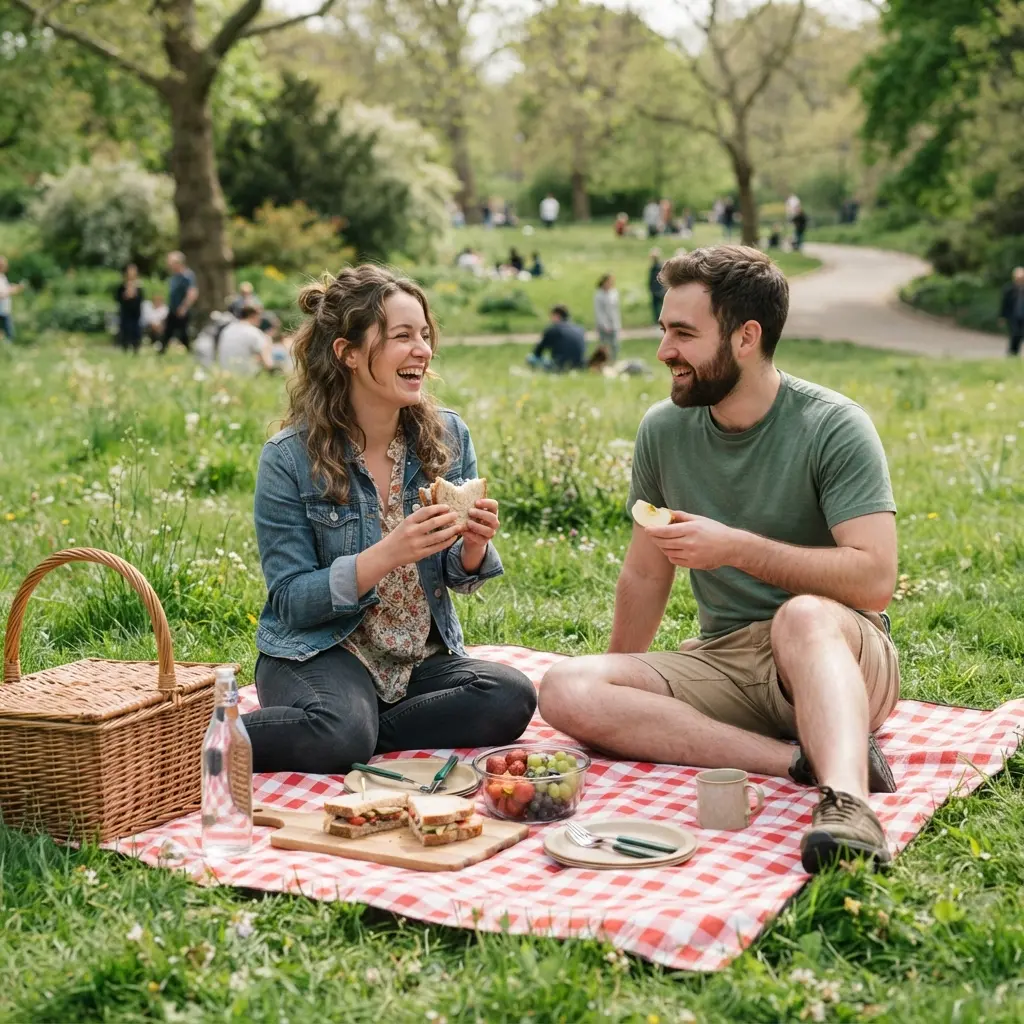
How do you choose the right spot for your picnic? The decision depends on your group size and needs.
For a spontaneous solo lunch, head to the first-come, first-served tables at Lakeside Grove. For a larger family gathering, reserve a shelter like Forest Nook’s Maple Grove, which seats fifty and has electricity. Finding the best outdoor activities for spring means checking reservation rules ahead of busy weekends too.
Selecting the correct area ensures you have the amenities you need, from built-in grills to accessible restrooms. This planning prevents disappointment on busy weekends when reservable spaces fill quickly. The best outdoor activities for spring pair simple meals with fresh grass under your feet easily.
A picnic is a simple way to enjoy fresh air and a workout for better health after your meal. Always elevate portable grills and dispose of ashes in designated bins to prevent fires.
6. Macro Nature and Landscape Photography

Think of this not as simply taking a close-up photo, but as telling a complete visual story. You integrate a sharp, intricate detail like a dewdrop on a leaf with the soft, expansive background of the forest it calls home. This approach reveals the hidden architecture of the natural world, showing how the small and the vast are connected.
You need a camera with a dedicated macro lens to achieve true life-size magnification. This allows you to focus on subjects just inches away. A common challenge is managing the extremely shallow depth of field inherent to macro work.
You must stop down your aperture to f/11 or smaller to keep more of your tiny subject in focus while still maintaining some background context. Successful execution requires patience and a keen eye for composition within your immediate surroundings. Testing settings before you go out supports the best outdoor activities for spring on clear mornings.
The best light is often the soft, directional light of the golden hour, which sculpts texture without harsh shadows. This practice trains you to observe details you would normally overlook, fostering a deeper appreciation for spring’s renewal. It is a mindful activity that fits right into the best outdoor activities for spring, combining technical skill with artistic discovery.
Planning any new activity that increases your time outdoors and physical movement benefits from a holistic health strategy. Read a guide on how to combine diet with workout to support your energy levels for extended photography sessions.
7. Tranquil Lake Paddle Sports

A common mistake is assuming paddle sports require high fitness or athletic skill. This is incorrect. Trying the best outdoor activities for spring often begins with trying equipment that balances stability with comfort on calm water.
Options like pedal boats and stable recreational kayaks are accessible for all ages and ability levels. Begin with a rental session. Choose a single or tandem kayak, a stand-up paddleboard, or a canoe.
A guided tour typically lasts one to two hours. This provides a gentle introduction to basic strokes and lake safety. Many locals agree that the best outdoor activities for spring include renting gear first to test the water safely.
Paddling offers low-impact exercise that strengthens your core and upper body. Adding these gentle moves to the best outdoor activities for spring builds steady strength without joint strain. The rhythmic motion and quiet lake environment promote significant stress reduction.
Research suggests time in blue spaces like lakes improves mental wellbeing. Schedule your outing for a calm morning. Wear quick-dry clothing and apply sunscreen. Bring water in a secure container. Reading about the benefits of waking up early can help you plan for those optimal morning conditions on the water.
Developing Long Term Sustainable Fitness Habits
Consistency beats intensity every time when building a habit that lasts. The goal is to make movement a regular, enjoyable part of your week, not a chore you dread. Listen to your body’s signals and adjust your effort to avoid burnout.
Keep a simple log of your activities to see your progress, which is a great motivator. Research suggests that mixing different types of exercise keeps things interesting for your mind and body.
Plan your next outing while you are still feeling good from the last one. This creates positive momentum. Sustainable fitness is about finding joy in the movement itself, season after season.
Conclusion
Spring offers a fresh start, and these outdoor activities are a wonderful way to celebrate it. Whether you prefer the quiet focus of bird watching or the gentle exercise of a bike ride, each option connects you with the season’s energy.
The best outdoor activities for spring are the ones that make you feel energized and happy, not pressured. Pick one that sounds fun, grab a water bottle and a light jacket, and step outside.
Your body and mind will thank you for the fresh air and movement.
FAQs
Q: What should I wear for spring outdoor activities?
A: Dress in light layers you can add or remove. Wear comfortable shoes and bring a light waterproof jacket. A hat and sunglasses help on sunny days.
Q: How can I make hiking easier if I am a beginner?
A: Start with short, flat trails at a local park. Go at your own pace and take breaks. Bring water and tell someone your plans before you leave.
Q: Are these activities safe for families with kids?
A: Yes. Options like picnics, easy hikes, and backyard gardening are great for children. Always supervise kids near water, like lakes or ponds.
Q: What if I do not have a lot of time?
A: Even 20 minutes outside helps. Try a quick walk, sit in a park, or watch birds from your window. Short bursts of fresh air still boost your mood.
Q: How do I protect myself from spring allergies?
A: Check pollen counts before going out. Wear sunglasses and a hat. Wash your hands and change clothes after being outside to remove pollen.