Reading Protein And Sodium Nutrition Labels
A serving with at least 15 grams of protein and 5 grams of fiber gives a plant-based patty a stronger nutritional profile than one built mostly from starch, and reviewing healthy meat substitutes ensures you meet those targets. Read the Nutrition Facts panel before trusting words such as natural or plant-based, since sodium and saturated fat vary widely among burgers, sausages, and mince. Check iron and vitamin B12 too, especially when you eat little or no animal food. Soy-based options often provide higher-quality protein, while seitan offers concentrated protein but brings wheat gluten.
Mushrooms and jackfruit add savory flavor or shredded texture, yet they contribute far less protein. Compare serving sizes across brands, because a smaller patty with fewer calories might also deliver less protein and iron. Choosing the right options keeps your macros aligned without unnecessary guesswork.
Pairing Plant Proteins With Key Nutrients
Pairing tofu or tempeh with a whole grain and vegetables creates a more complete meal when healthy meat substitutes replace animal foods, which helps build a balanced plate. Choose calcium-set tofu for calcium, or pair lentils and chickpeas with fortified plant milk when your diet lacks dairy. Iron from legumes supports oxygen transport, and vitamin C from peppers, citrus, or tomatoes helps your body absorb plant iron. Tempeh and edamame supply protein alongside fiber, while seitan supplies concentrated protein but contains wheat gluten.
Add a reliable vitamin B12 source through fortified foods or a supplement if you eat no animal products. Check labels on plant milks and meatless foods, since calcium and B12 fortification varies by brand. This approach keeps nutrient pairing practical rather than relying on one substitute.
1. Whole Food Legumes and Pulses for Fiber-Rich Meals
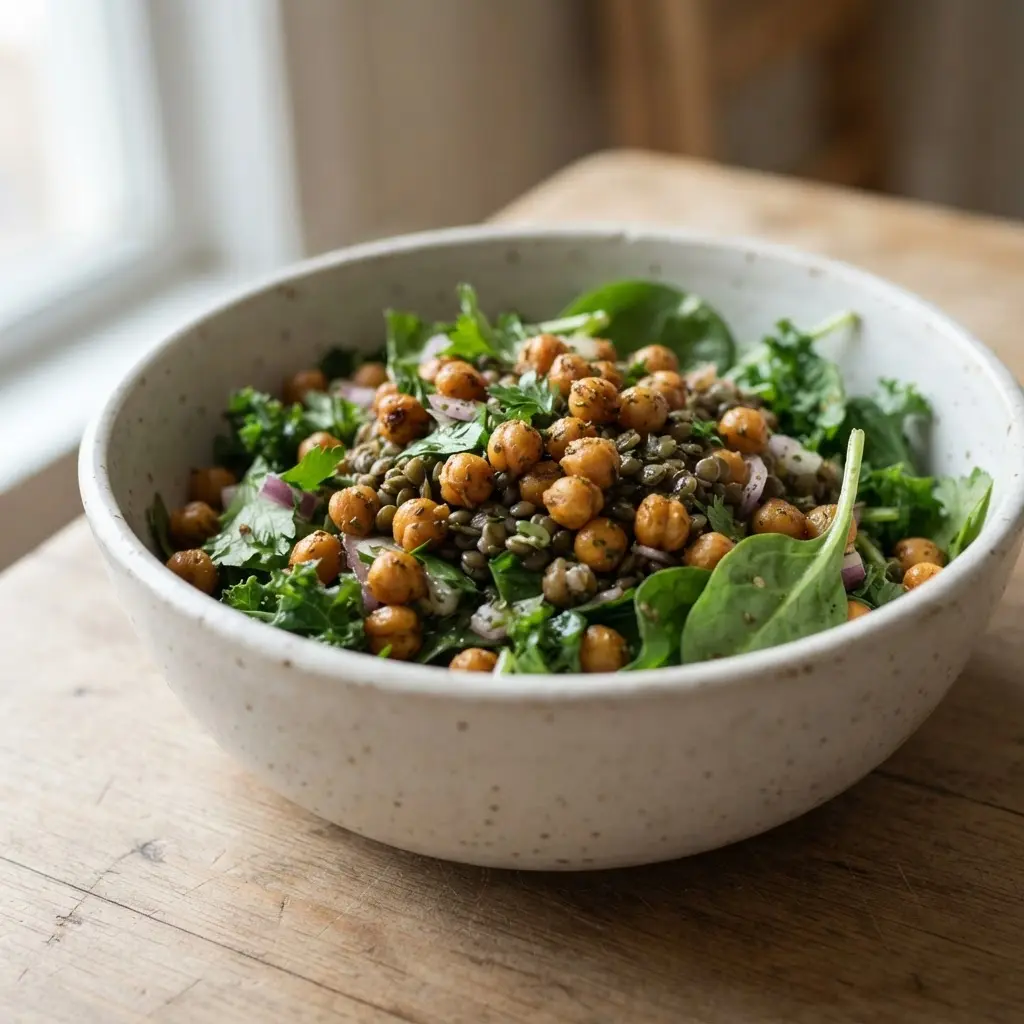
Do not increase legumes by filling every meal with a large serving on the first day, since trying healthy meat substitutes gradually prevents digestive stress. Increase portions gradually so your digestive system has time to adjust. A sudden rise in fiber often causes gas or discomfort. Start with a small scoop of lentils, beans, or split peas, then add more over several meals.
Legumes provide a useful base for healthy meat substitutes in familiar dishes, and adding them slowly improves your fiber intake over time. One cup of boiled split peas contains about 16 grams of fiber, while boiled lentils provide about 15.5 grams. Black beans provide about 15 grams per cup. Stir lentils into soup, add black beans to tacos, or replace part of the meat in pasta sauce with low-sodium beans. Pair a bean-based meal with high-protein plant foods for a more filling plate.
Use low-sodium canned beans when time is limited. Rinse them before adding them to salads, rice dishes, or stews. Cook dried beans after an overnight soak, and use fresh cooking water. This preparation might reduce some gas-producing substances. Chickpeas work well in hummus, while chickpea pasta provides a high-fiber option for pasta meals.
Research on high-fiber eating patterns supports legumes as filling foods within balanced meals. Their range of textures makes them useful beyond soups, including salads, spreads, snacks, and grain bowls. Always consult a healthcare professional before making changes to your health routine.
2. Fermented Soy Products and Tempeh for Savory Protein
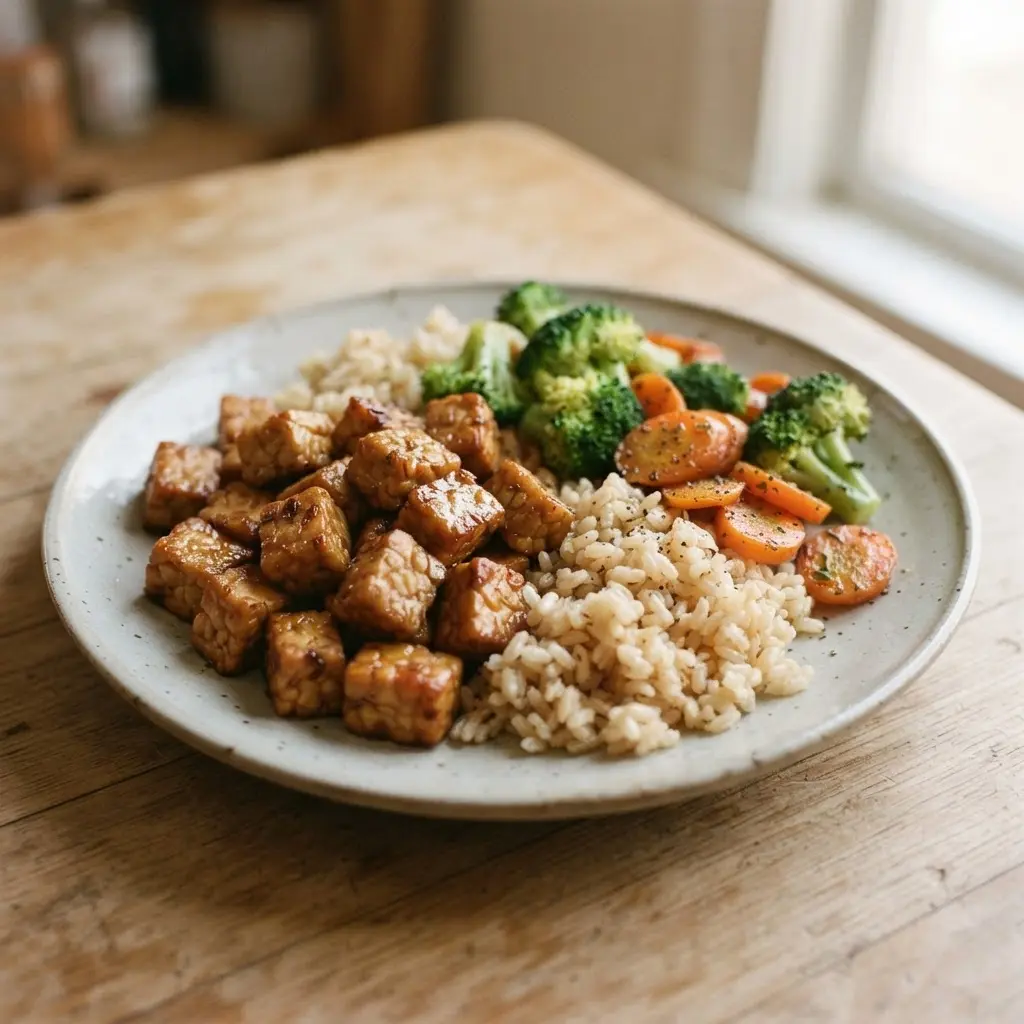
Choose firm tempeh first when you need a hearty protein, because finding reliable healthy meat substitutes saves time during busy weeks. Tempeh comes from fermented soybeans bound by white mycelium into a dense, sliceable cake. Soybeans contain all nine essential amino acids, so tempeh provides complete plant-based protein. The chewy texture gives sandwiches, wraps, and grain bowls more substance than softer soy foods.
Use fermentation as part of tempeh’s nutritional value. Fermentation breaks down some complex carbohydrates and phytic acid in soybeans. This process may support easier digestion and better absorption of certain minerals. Tempeh also supplies fiber, iron, calcium, manganese, phosphorus, and magnesium. Research suggests fermented foods with beneficial microbes may support digestive health, though cooking can reduce some live cultures.
Marinate tempeh slices before baking, grilling, or stir-frying, and you will see how versatile healthy meat substitutes become in your kitchen. The firm structure holds its shape while the nutty, earthy flavor absorbs soy sauce, garlic, ginger, citrus, or smoked paprika. Cube tempeh for stir-fries, crumble it into tacos and chili, or fry thin pieces until crisp. Use the crumbles in pasta sauce when you need a savory filling with a firm bite.
Inspect the package before buying. Look for soybeans held together by white mycelium and avoid packages with extensive black or colored spotting, which may signal over-fermentation. Keep seasoning bold enough to match tempeh’s earthy taste, and cook the food until the surface is browned and firm.
3. Mycoprotein and Culinary Fungi Varieties for Meatless Meals
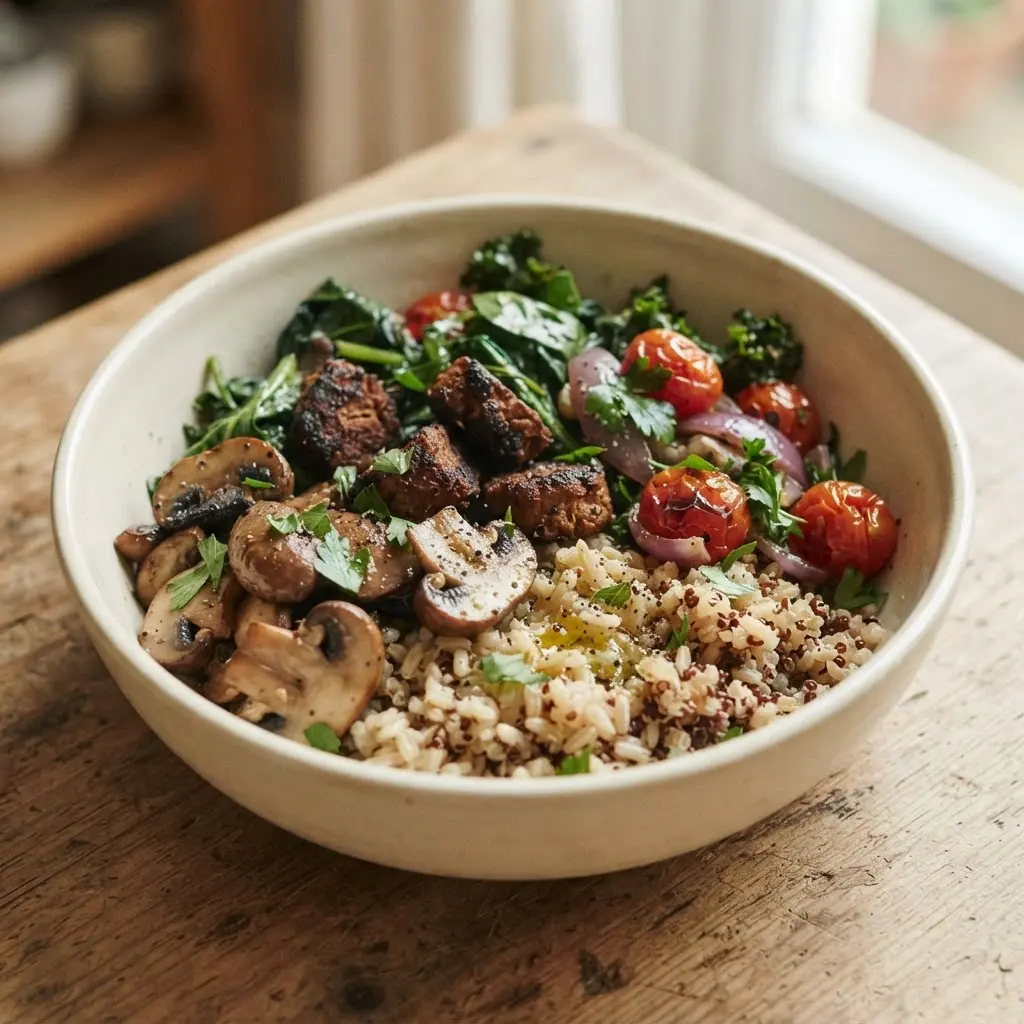
At 6 p.m., a plain mushroom stir-fry needs more texture before it becomes dinner, especially when healthy meat substitutes add depth to quick recipes. Mycoprotein starts with fungal biomass grown through fermentation, commonly from Fusarium venenatum. The finished material forms a protein-rich base with a meat-like bite. Use mycoprotein in formed products, minced mixtures, or prepared dishes when a uniform texture suits the meal.
Choose king oyster mushrooms for dense slices with a steak-like shape. Select shiitake for firm pieces, deep savory flavor, and aroma. Lion’s mane has fibrous strands suited to pulled-style dishes. Wood ear adds a springy, gelatinous bite and supports moisture retention. Button and Portobello mushrooms offer milder flavor for blended mixtures, while maitake and shiitake give stronger umami character.
Match the fungal structure to the food format. Dense mycelial networks support cohesive slabs. Delicate networks suit minced or blended foods. Fruiting bodies bring recognizable mushroom fibers, aromas, and flavors. Milled fungal material fits formed mixtures and flour-based recipes. Combine varieties when one fungus provides structure and another supplies flavor or chewiness. Research identifies these ingredients as useful building blocks for meatless meals, although nutrition depends on the full formulation and cooking method.
Check the product label before treating mycoprotein as a direct nutritional match for meat. Compare finished products by protein content, sodium, added fats, and preparation method. Choose whole mushrooms for visible texture, or select a formulated product when consistent shape and firmness matter. A single variety does not suit every dish.
4. Textured Vegetable Protein Basics for Simple High-Protein Dishes

Many people believe textured vegetable protein is an ultra-processed food with little nutritional value, but preparing healthy meat substitutes properly reveals their real value. The actual product is a dehydrated, protein-rich food made from soybeans. A typical 17-gram serving, equal to one-quarter cup, provides about 9 grams of protein, 56 calories, and 0.2 grams of fat, along with fiber, copper, folate, and magnesium. Choose the package label because nutrition values differ between brands.
TVP comes dry, so rehydrate it first for most dishes, because properly prepared healthy meat substitutes absorb flavors much better. Place it in a bowl or saucepan, then add boiling water or vegetable broth using two parts TVP to one part liquid. Let the mixture stand for 5 to 10 minutes. Drain extra liquid before adding seasonings, sauce, or vegetables. Broth gives the mild pieces more flavor than plain water.
Match the shape to the meal. Use granules in chili, tacos, pasta sauce, lasagna, or bolognese-style dishes. Choose chunks or strips for stews, curries, and goulash. Slices or medallions suit meat-free burgers and schnitzel. Stir rehydrated TVP into a casserole, veggie burger mixture, or taco filling. For chili and stews, add it during the final 30 minutes of cooking.
Many people find TVP useful as both a meat substitute and a meat extender. The pieces absorb broth, spices, and sauce, adding protein and bulk without much fat. Store rehydrated TVP in the refrigerator for several days, or freeze it for longer storage. Season it generously with aromatics, spices, and sauce because plain TVP has little flavor.
5. Nutritional Profile of Seitan Proteins and Sodium Checks
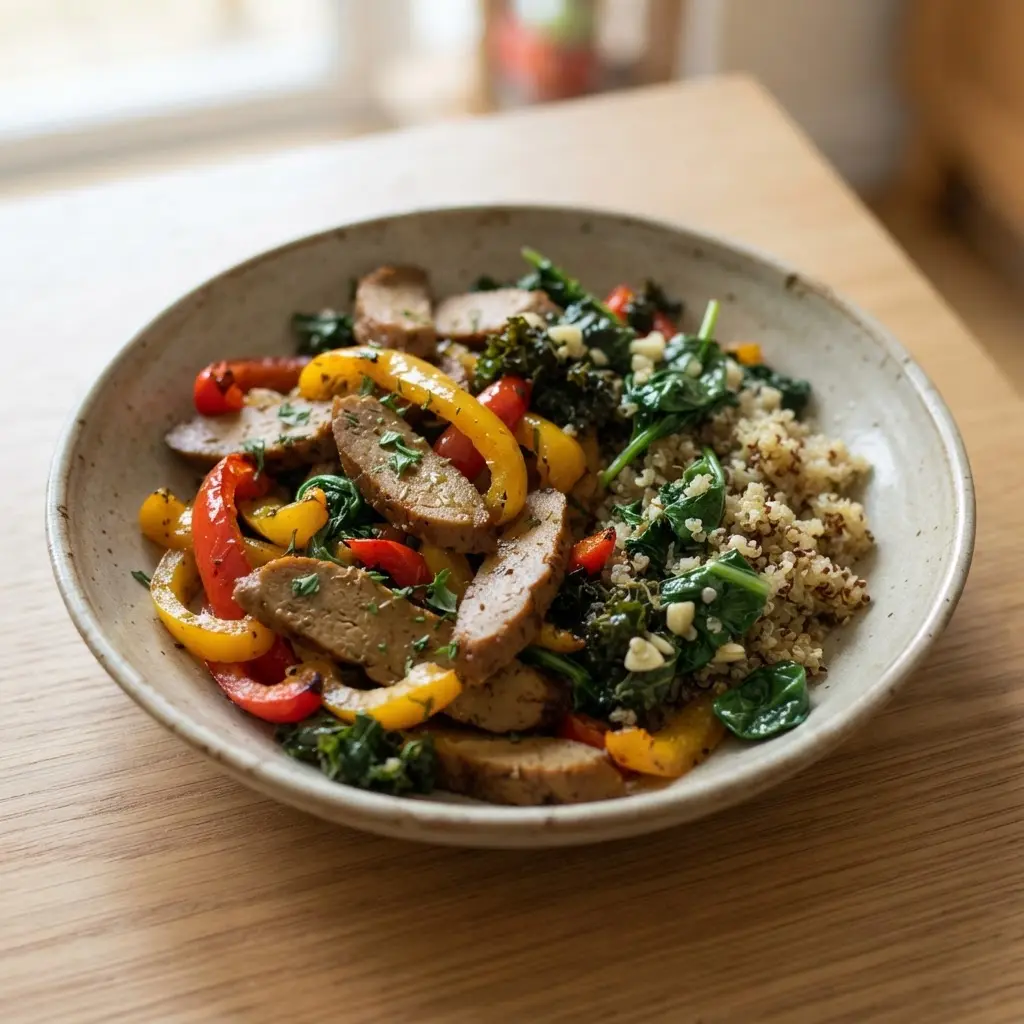
Is seitan a high-protein choice? Yes. Protein content often reaches about 24.7 grams per 100 grams, while some preparations provide up to 35.8 grams per 4-ounce serving, showing why tracking healthy meat substitutes helps manage your intake. Seitan usually contains little fat, minimal saturated fat, and few carbohydrates. Fibre varies with the recipe and added ingredients.
Vital wheat gluten also supplies minerals. Per 100 grams, research data lists about 72% of the Daily Value for selenium and 29% for iron. Seitan is low in lysine, an essential amino acid, so it does not provide a fully balanced protein on its own. Pair seitan with legumes to improve the amino-acid balance, and build the meal around daily nutritious foods.
Sodium requires closer attention. Some products provide about 447 milligrams per 100 grams, equal to roughly 19% of the Daily Value. Other preparations reach about 875.4 milligrams per 4-ounce serving, or roughly 36% of the Daily Value. Soy sauce, salted broth, and added salt raise sodium beyond the amount found in wheat gluten alone. Read the nutrition label and compare serving sizes before buying.
Choose lower-sodium products or prepare seitan with little salt. Check protein, sodium, saturated fat, fibre, carbohydrates, iron, and selenium. People who need to restrict sodium should assess the specific product label and seek guidance from a qualified healthcare professional. Always consult a healthcare professional before making changes to your health routine.
Turning Substitutes Into Balanced Everyday Meals
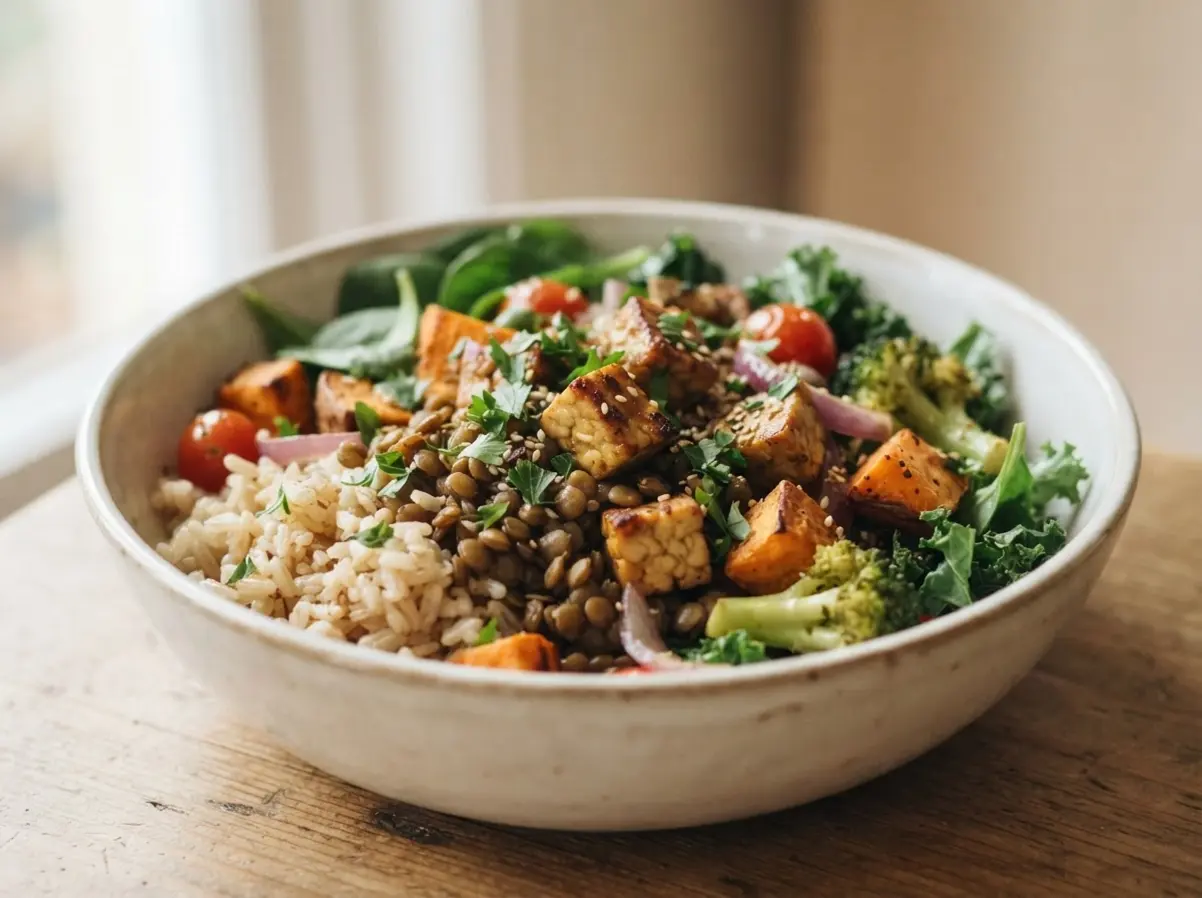
A bowl with lentils, whole-grain brown rice, leafy vegetables, and a B12-fortified topping covers more nutritional ground than a meal built around a meatless sausage alone. Use whole-grain brown rice as a steady source of carbohydrate and fiber beside beans, chickpeas, or tofu. Keep mushrooms and jackfruit in the texture role, then add a protein-rich food because both contribute far less protein than legumes or soy.
Commercial burgers and sausages suit busy days, yet compare sodium, saturated fat, protein, iron, and vitamin B12 before choosing. A glass of fortified plant milk supplies calcium beside dinner when dairy stays off the menu. Rotating lentil bowls, tofu stir-fries, and bean fillings keeps everyday meals varied without making packaged substitutes the center of every plate. Check portions too, since a large serving of a salty substitute might crowd out vegetables and whole grains.
Conclusion
Healthy eating does not need to mean repeating the same meal or giving up foods you enjoy, since adding healthy meat substitutes brings fresh options to your table. Whole foods such as beans and lentils work well for regular meals. Tempeh, fungi, seitan, and textured vegetable protein add new tastes and textures when you want more variety.
Start with one meal this week. Pick a food with a short ingredient list, compare its protein and sodium with another option, and add vegetables or whole grains to the plate. If you use packaged products, keep portions sensible and switch between several protein sources. Read the label each time because recipes differ by brand. Small changes build confidence over time. Choose one option for your next grocery trip, and let your meals grow from there.
FAQs
Q: Which healthy meat substitutes have the most protein?
A: Tempeh, seitan, textured vegetable protein, and mycoprotein often rank high in protein. Beans, lentils, and chickpeas also add protein along with fiber.
Q: Are plant-based meat substitutes low in sodium?
A: Some are low in sodium, while many packaged products contain more salt. Compare labels and choose products with less sodium per serving.
Q: Do meat substitutes contain enough iron?
A: Beans, lentils, tofu, tempeh, and fortified products contain iron. Pair plant sources with foods rich in vitamin C to support iron absorption.
Q: What is the healthiest alternative to meat for daily meals?
A: Beans, lentils, chickpeas, tofu, and tempeh suit regular meals because they bring protein and fiber. Rotate among several choices for a wider nutrient mix.
Q: Is seitan suitable for people avoiding gluten?
A: No. Seitan is made from wheat gluten, so it does not suit people with celiac disease or gluten sensitivity. Read labels on all packaged products.