Need lower-carb choices without giving up satisfying meals? Healthy carb substitutes swap refined pasta, rice, bread, or flour for vegetables, legumes, and nutrient-rich ingredients. The best choice depends on the food you replace, how you cook it, and what your body needs from the meal. This guide gives clear options and simple prep tips.
I know familiar foods matter, so each idea keeps comfort and flavor in mind. Vegetable swaps bring fiber and fewer calories, yet they do not match grains or legumes for energy. Healthy carb substitutes fill this gap nicely. Add eggs, beans, tofu, fish, yogurt, nuts, seeds, or olive oil to build a meal with staying power.
You will also find notes on roasting, draining, and baking so your food does not turn watery or crumbly. Let’s find a few swaps you will enjoy using this week.
Balancing Fiber, Protein, And Dietary Fat
Pair a vegetable-based substitute with a palm-sized protein serving and a small amount of unsaturated fat to keep the meal satisfying. Cauliflower rice, zucchini noodles, and spaghetti squash add volume, yet they provide less carbohydrate than rice or pasta, so add beans, eggs, tofu, or fish according to the meal. Whole-food choices such as lentils, quinoa, oats, barley, brown rice, and whole-grain pasta keep carbohydrate in the meal while supplying more fiber than refined grains. Olive oil, avocado, nuts, and seeds supply unsaturated fat, which slows eating and adds flavor without leaving the meal less satisfying.
Plain Greek yogurt and edamame also add protein when a starch-heavy dish leaves you hungry soon after eating. Healthy carb substitutes work well within this framework.
Reading Labels For Added Sugar And Sodium
Check the grams of added sugar and sodium on the Nutrition Facts label before choosing a packaged low-carbohydrate substitute. Healthy carb substitutes often hide extra ingredients. Some cauliflower rice blends, wraps, sauces, and grain-free mixes contain more salt than the plain ingredient they replace. Compare serving sizes first, since one package often lists a smaller portion than the amount placed in your bowl.
Look for unsweetened yogurt, plain frozen vegetables, and beans with little or no added salt when practical. Rinsing beans removes some surface sodium, while draining does not remove all of it. Low-carbohydrate wording does not prove good nutrition, especially when a product replaces fiber-rich oats, barley, or whole-grain pasta with refined starches, gums, or added sweeteners.
1. Cruciferous Vegetable Rice Alternatives for Balanced Meals
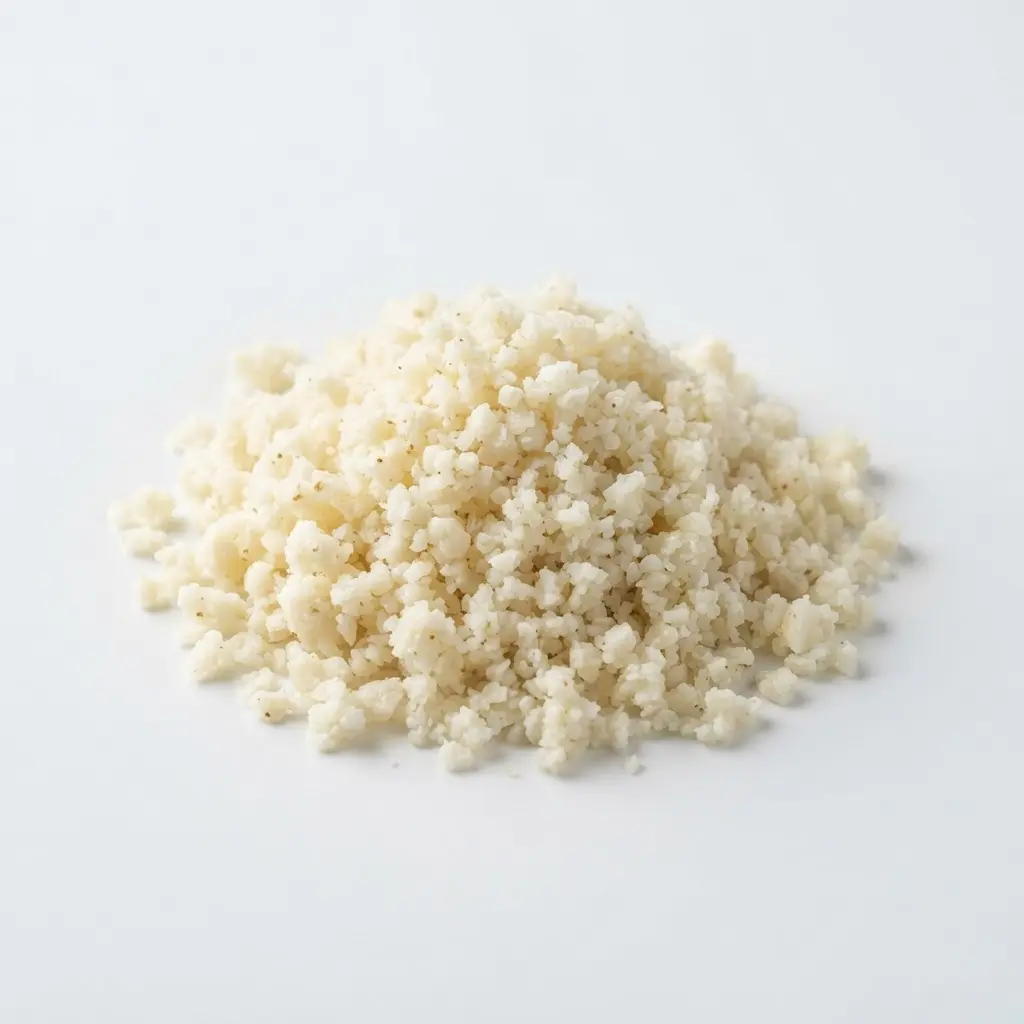
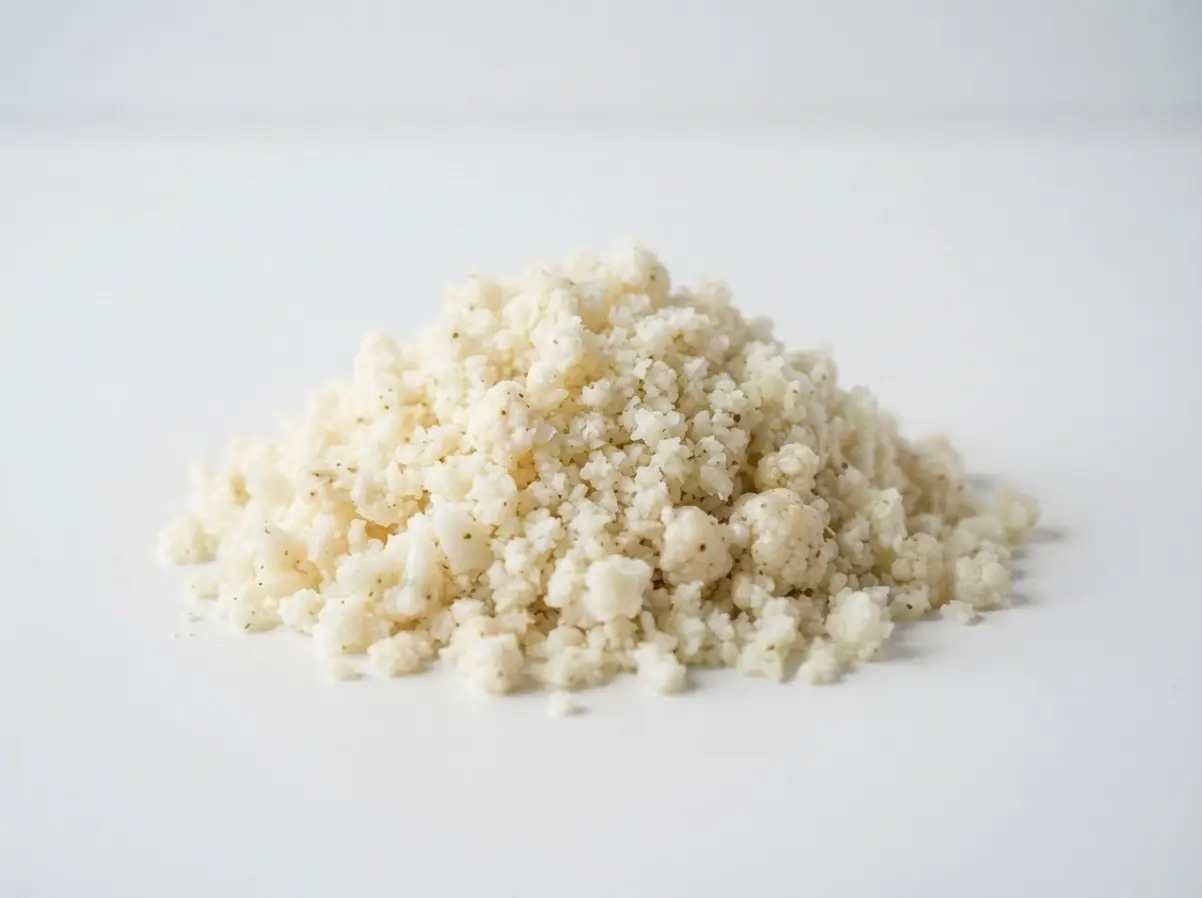
A common mistake is treating every vegetable rice substitute as nutritionally identical. Healthy carb substitutes require careful matching. Choose among cauliflower, broccoli, and cabbage based on texture, flavor, and the rest of the meal. Each vegetable offers a different mix of fiber, vitamins, minerals, and plant compounds.
Use a food processor to pulse cauliflower or broccoli into small, rice-sized pieces. Stop before the vegetables become a purée. Shred cabbage with a box grater or chef’s knife. Cook the pieces until tender, then remove them from heat before excess water creates a soft texture. One cup of cooked white rice contains about 53 grams of carbohydrates, while one cup of riced cauliflower contains about 5 grams.
Research suggests these swaps support greater vegetable intake while lowering the carbohydrate contribution of a meal. Healthy carb substitutes make this approach simple. Riced cauliflower provides fiber, vitamin C, folate, and choline. Riced broccoli supplies fiber, potassium, vitamin A, folate, vitamin C, flavonoids, and carotenoids. Shredded cabbage contributes fiber, calcium, vitamins C and E, and other plant compounds.
Build a balanced meal base by adding protein, such as eggs, tofu, chicken, fish, or beans, plus a source of healthy fat. Use vegetable rice in stir-fries, soups, bowls, and gluten-free dishes. These vegetables still contain carbohydrates, so do not treat them as carbohydrate-free. Blood-glucose responses vary between people and meals.
Always consult a healthcare professional before making changes to your health routine.
2. Fiber Rich Noodle Substitutes With Better Meal Balance

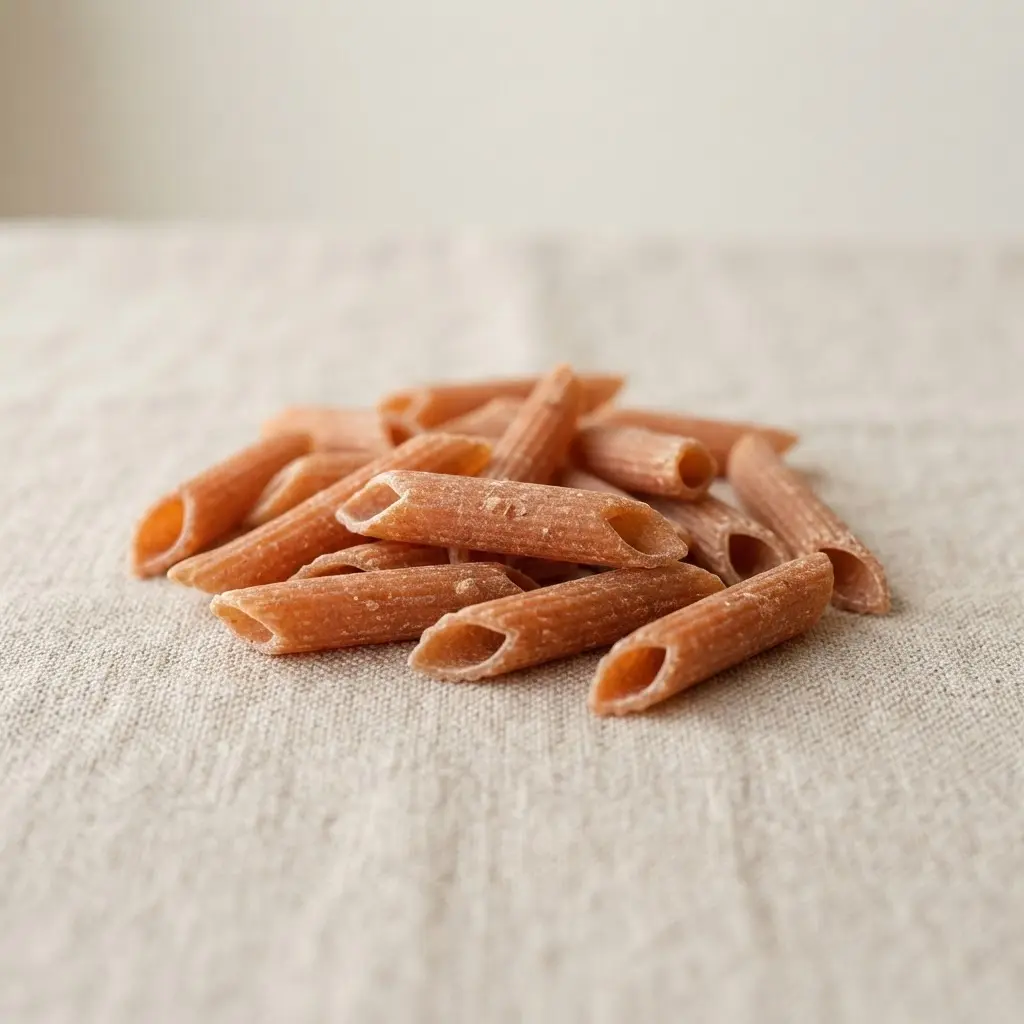
Start with a legume-based pasta when you need a noodle base with more staying power. Healthy carb substitutes fit naturally into this plan. Edamame and black-bean pasta provide fiber and protein, so the meal has more substance than a plate built from vegetables alone. Cook the pasta as directed, then add several vegetables and a lean protein source.
Choose zucchini noodles, spaghetti squash, shirataki, kelp, or hearts-of-palm noodles according to the meal you want. Zucchini noodles suit pasta dishes and stir-fries. Spaghetti squash forms strands after cooking. Shirataki noodles absorb strong sauces and provide glucomannan, a soluble fiber. Kelp noodles stay slightly crunchy, while hearts-of-palm noodles offer a texture close to al dente pasta.
Use fiber rich food sources across the rest of the plate, not only in the noodle substitute. Add leafy greens, peppers, mushrooms, broccoli, or another vegetable group. Healthy carb substitutes shine when paired with vegetables. Include chicken, fish, tofu, eggs, or beans for protein.
Research suggests meals combining fiber, protein, and vegetables tend to support fullness better than meals built from a light noodle substitute alone. Match the noodle to your carbohydrate needs. Sweet-potato noodles provide more carbohydrates along with fiber, vitamin A, and vitamin C. Shirataki noodles suit a meal seeking few calories and carbohydrates. Do not treat every substitute as nutritionally identical. Check the package directions, rinse packaged noodles when instructed, and season according to texture. A low-calorie noodle still needs protein, vegetables, and a suitable sauce to become a balanced meal.
3. Legume Based Protein Replacements for Everyday Dishes
At 6 p.m., a pot of chili needs a filling base before dinner begins. Choose cooked brown lentils, black beans, or kidney beans in place of ground meat. Healthy carb substitutes help stretch ingredients effectively. Brown and green lentils keep a hearty shape, while red lentils soften and thicken soups, stews, and sauces. Drain and rinse canned legumes before adding them.
Match the ingredient to the dish. Mash chickpeas with celery, onion, and vegan mayonnaise for a tuna-style sandwich filling. Form mashed chickpeas or black beans into patties. Healthy carb substitutes work alongside these staples. Add firm tofu, tempeh, or shelled edamame to stir-fries, curries, grain bowls, and salads. Use silken tofu in blended sauces and dressings. Research suggests plant-based protein foods provide useful protein and fiber when included in balanced meals.
Build flavor with herbs and spices, since beans and tofu often have mild tastes. Sauté crumbled tempeh with garlic and smoked paprika for tacos. Simmer lentils with tomatoes and cumin for a thick pasta sauce. Bake cubed extra-firm tofu after coating it with a savory marinade. These preparations suit healthy carb substitutes without relying on refined, carbohydrate-heavy fillings.
Choose texture before cooking. Select firm lentils, chickpeas, or beans for visible pieces. Select red lentils for a smooth base. Use firm or extra-firm tofu for slicing, crumbling, and baking. Keep silken tofu for creamy mixtures. Expect a different texture from each food rather than an exact meat copy. Start with a small portion, season well, and adjust the consistency with broth or sauce.
4. Root Vegetable Starch Alternatives With Natural Sweetness

Myth: all starch substitutes taste bland. Healthy carb substitutes prove this wrong daily. Root vegetables and winter squash often bring natural sweetness, rich color, and useful texture to a meal. Sweet potatoes provide vitamins A and C, while carrots, parsnips, and butternut squash suit different dishes.
Choose roasted sweet potatoes for a firm side dish with concentrated flavor. Roast them until tender, then serve them in place of a conventional starchy side. Healthy carb substitutions work well with these choices. Roasting carrots and parsnips creates softer centers and lightly browned edges. Parsnips develop a sweet, nutty taste as their surfaces caramelize.
Use mashed parsnips or sweet potatoes when a meal needs a soft, smooth texture. Cook the vegetables until fully tender before mashing. Blend carrots, sweet potatoes, or butternut squash into soups, sauces, and vegetable bases. Puréeing produces a smoother result than mashing and distributes the vegetable flavor throughout the dish.
Prepare squash noodles from butternut squash for a vegetable-based alternative in suitable noodle-style meals. Cook the strands until tender, while avoiding overcooking, which creates a soft texture. Research suggests that meals built around whole vegetables offer practical variety and support greater use of minimally processed ingredients. Match the vegetable to the dish rather than treating every option as interchangeable.
5. Nutrient Dense Baking Flours for Fiber Rich Recipes

Which flour adds the most fiber to baked recipes? Coconut flour provides about 25 grams per cup, though its high absorbency makes one-to-one swaps unsuitable. Replace about one-quarter of the flour with coconut flour, then combine it with another flour. Healthy carb substitutes require careful flour blending. Almond flour adds protein, healthy fats, fiber, moisture, and a rich texture.
Use nutrient dense baking flours when cookie recipes need more fiber without losing tenderness. Choose oat flour for a mild taste and a cost-effective source of fiber and protein. Healthy carb substitutes shine in gluten-free baking. One cup provides around 6 grams of fiber. Select certified gluten-free oat flour for strict gluten avoidance. Quinoa, buckwheat, and chickpea flours offer similar fiber amounts, with distinct flavors and baking traits. Buckwheat has a nutty taste, while chickpea flour suits savory recipes and needs thorough cooking to reduce its beany flavor.
Use flour blends when one alternative creates a dry, dense, or crumbly result. A gluten-free blend often combines 40 to 50 percent base flour, 20 to 30 percent high-fiber flour, and 20 to 30 percent starch. Add a small amount of xanthan gum for structure. Whole wheat flour provides about 8 grams of fiber per cup, while whole-grain einkorn provides about 12 grams, along with protein, vitamins, and minerals.
Research suggests higher-fiber flours support fullness and steadier blood sugar responses, though individual responses vary. Healthy carb substitutions rely on proper hydration. Check package labels because fiber values change by brand, processing method, and serving size. Avoid whole wheat flour with celiac disease or gluten intolerance. Choose certified gluten-free products when strict gluten avoidance is necessary, and adjust liquid gradually as the dough rests.
Adjusting Portions For Personal Health Needs
People using insulin or other diabetes medicines need clinician guidance before making large carbohydrate changes, since portions affect blood glucose and medication needs. Kidney disease also changes suitable amounts of beans, lentils, dairy, and other protein-rich foods because potassium, phosphorus, and protein needs differ. Digestive disorders often require gradual fiber changes, especially when a person moves from refined grains to beans, barley, or large servings of vegetables. Activity level and energy needs matter too, so a smaller vegetable swap does not automatically suit an athlete or someone recovering from illness.
A registered dietitian matches portions to your meals, symptoms, medicines, and health goals without asking you to remove nutritious carbohydrates without a suitable replacement. Track hunger, energy, and digestion for several days, then share those details during personalized care.
Conclusion
Familiar meals matter, especially when you want to eat well without giving up foods you enjoy. Healthy carb substitutes make room for more vegetables, fiber, and plant foods while keeping meals flexible. They work best when you match the swap to your needs and add enough protein or healthy fat for lasting satisfaction.
Start with one meal you already make often. Replace part of the starch first, then adjust the seasoning and cooking time. Roast squash until the strands feel dry, drain noodle swaps well, and add a filling food such as beans, eggs, tofu, chicken, fish, nuts, or seeds. Notice how the meal tastes and how your energy feels afterward. Keep the swaps you enjoy and leave the rest behind. Healthy carb substitutes guide your daily kitchen choices. Small changes give you room to build a way of eating that feels practical, satisfying, and personal, one meal at a time.
FAQs
Q: Are vegetable rice substitutes as filling as regular rice?
A: Vegetable rice is lower in calories and often higher in fiber than white rice. Pair it with beans, eggs, fish, tofu, or olive oil for a steadier meal.
Q: How do I stop spaghetti squash from turning watery?
A: Roast spaghetti squash cut-side down until the strands feel tender but dry. Let the strands rest, then drain extra moisture before adding sauce.
Q: Are shirataki noodles safe to eat?
A: Shirataki noodles suit many eating styles and contain little digestible carbohydrate. Rinse them well, boil them briefly, and pan-dry them before adding sauce.
Q: What should I add to a vegetable-based pasta meal?
A: Add a protein such as lentils, chicken, tofu, eggs, or fish. Olive oil, pesto, cheese, nuts, or seeds add flavor and satisfying fat.
Q: Are almond or coconut flours healthier for baking?
A: Almond flour adds protein and unsaturated fat, while coconut flour is high in fiber and absorbs more liquid. Follow a recipe made for the chosen flour rather than swapping equal amounts.