Trying to stay full while managing your weight? Foods that won’t make you gain weight do not exist in unlimited amounts, yet leafy greens, berries, lean protein, beans, and broth-based soups often support weight control. They bring fiber, water, or protein, which help you feel full with fewer calories. Portion size and your overall eating pattern still matter.
If hunger leads to extra snacking, meals with more volume and nutrients often feel easier to manage. Spinach, cucumbers, apples, cod, lentils, and vegetable soup fit well into many balanced eating plans. Pairing foods also helps. Add protein to fruit, or serve beans with vegetables and whole grains.
Lets look at five useful food groups, plus simple ways to build satisfying plates without harsh rules. Use these ideas as a starting point, listen to your hunger, and choose meals you enjoy.
Building Filling Plates With Volume And Protein
Build your plate around a palm-sized portion of chicken, fish, tofu, or beans before adding grains or fats, and remember that focusing on Foods that won’t make you gain weight often means balancing these elements. Lean protein helps meals satisfy because protein digests slowly and supports fullness between meals.
Fill at least half the plate with water-rich vegetables such as cucumber, tomatoes, peppers, broccoli, or leafy greens, which add bulk with fewer calories. Add a measured half cup of brown rice, oats, lentils, or another whole grain for fiber, the plant material supporting steady digestion.
A small spoonful of olive oil, seeds, or avocado brings unsaturated fat without turning a light meal into a high-calorie one. Color variety also widens your nutrient intake. Notice your hunger after eating, rather than treating low-calorie foods as unlimited.
Spotting Hidden Calories In Sauces And Drinks
Measure oil, mayonnaise, nut butter, and creamy dressing with a measuring spoon because a casual pour often adds more calories than the vegetables beneath it, which helps you track Foods that won’t make you gain weight. Two tablespoons of dressing might contain as much energy as a small fruit, while added cheese, croutons, and sugary glaze raise the meal total further.
Choose vinegar, lemon juice, salsa, plain yogurt, or herbs for flavor, then keep richer toppings to a defined portion. Drinks deserve the same attention. Sweet tea, soda, alcohol, and large smoothies deliver calories quickly with little chewing, so hunger often returns soon afterward.
Water, unsweetened tea, or coffee without syrup keeps the beverage portion lighter. Check labels on bottled drinks and sauces, since serving sizes often describe less than people pour.
1. Non-Starchy Leafy Green Vegetables for High-Volume Meals
A common mistake is treating leafy greens as a complete meal, so consider Foods that won’t make you gain weight as part of a broader plate. Correct this by using them as a volume-building base, then add protein and a modest source of fat.
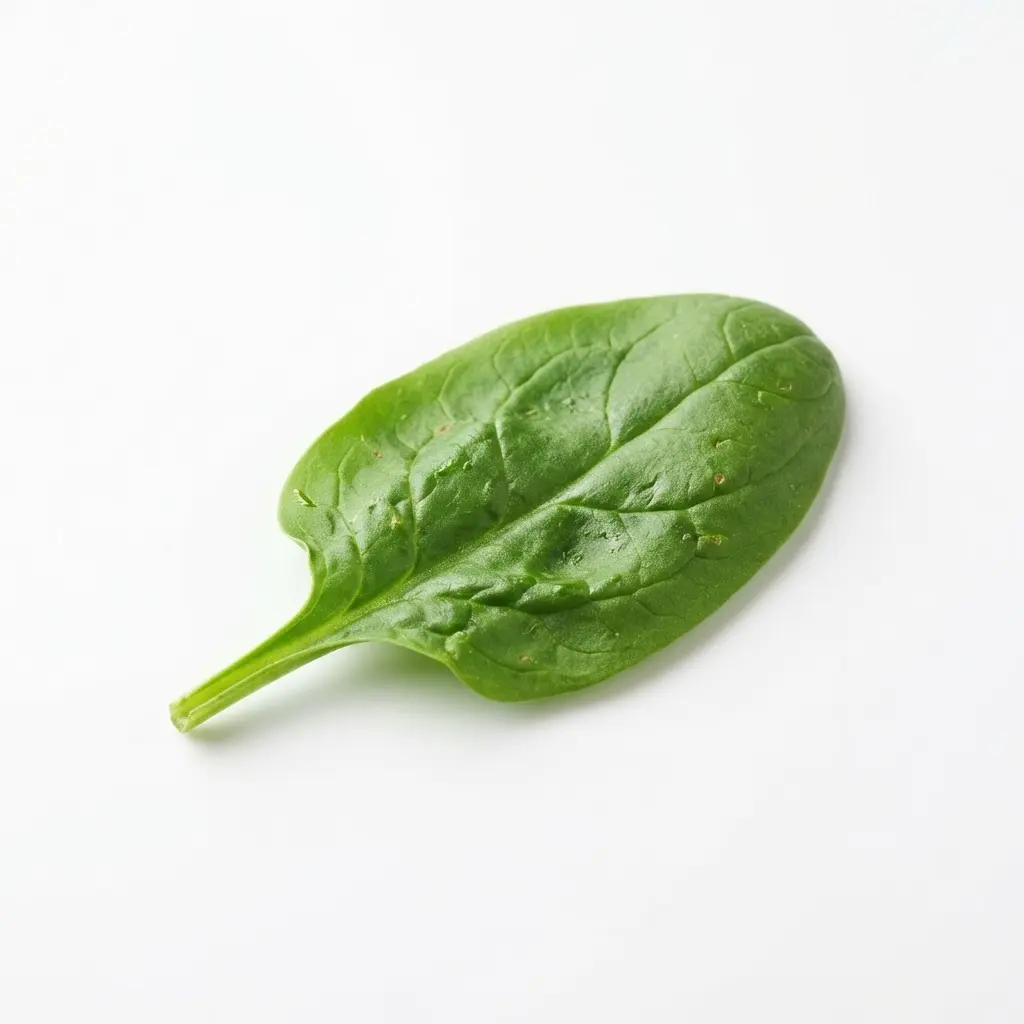
Spinach, romaine, arugula, and iceberg lettuce contain much water and fiber, so a large serving adds bulk without the calorie density of bread, rice, or other starchy foods.
Build a large salad with two handfuls of spinach, romaine, or iceberg lettuce, keeping Foods that won’t make you gain weight in mind. Add chicken, shrimp, or tofu, then use a measured dressing.
Spinach supplies about 2.5 grams of fiber per 100 grams, while romaine supplies about 2 grams. Fiber slows eating and adds texture, while water-rich leaves fill the bowl.
Use romaine lettuce wraps instead of bread for a crisp meal base. Add lean chicken, shrimp, or tofu, along with sliced vegetables and a light sauce.
Cook spinach into stir-fries, curries, and omelets when raw greens feel repetitive. Arugula brings a peppery flavor, while iceberg lettuce adds crunch and volume.
Research on low-calorie-density foods suggests larger portions of leafy greens support fullness without guaranteeing a specific weight outcome. Pair greens with protein because leaves provide little protein compared with chicken, shrimp, or tofu.
Keep dressings, oils, cheese, and creamy sauces measured, since these additions raise the meal’s calorie density quickly. Use raw greens for salads and wraps, or cook spinach into mixed dishes for more variety.
2. High-Fiber Water-Dense Fruits for Sweet, Filling Snacks
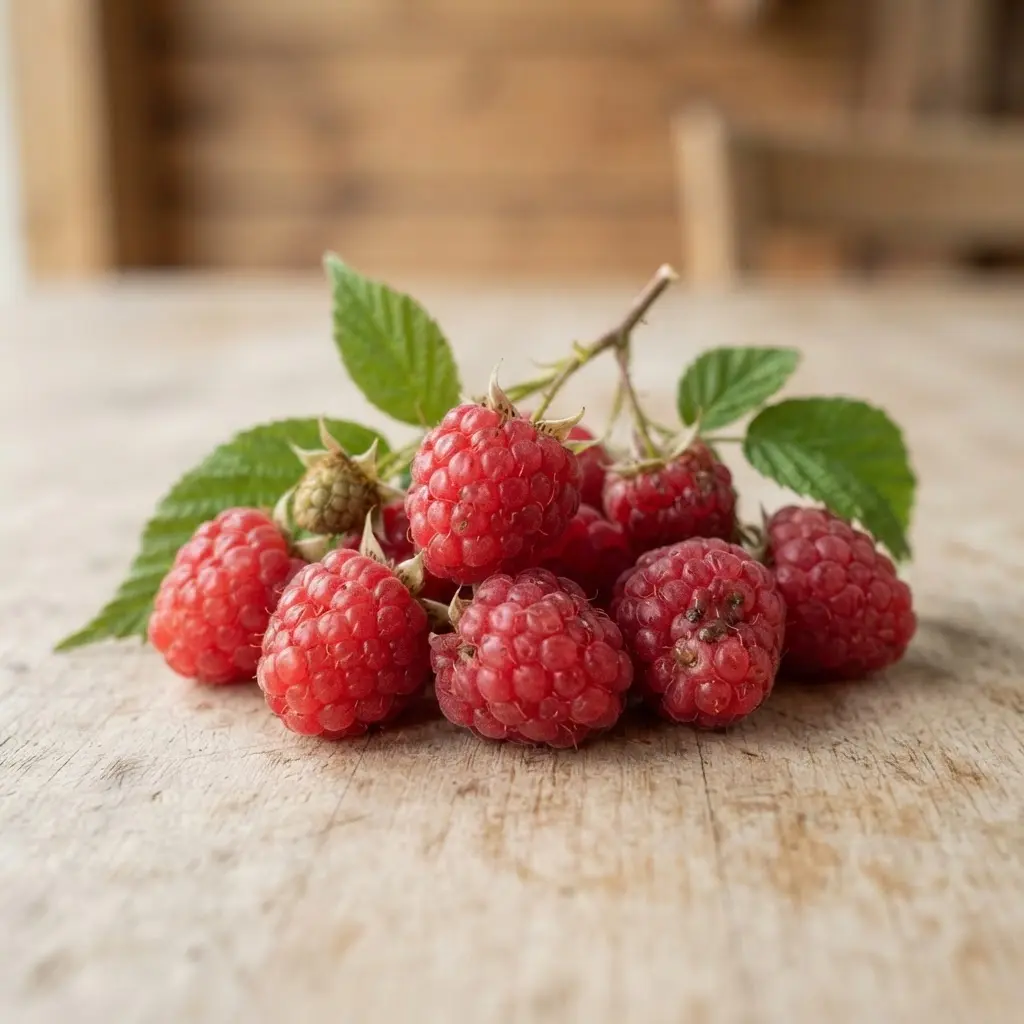
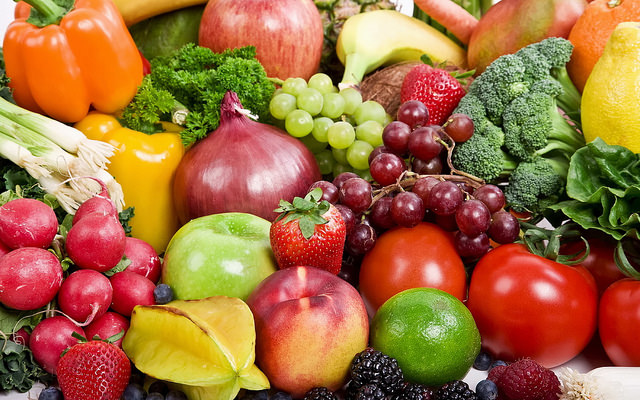
Choose whole fresh fruit first when a sweet snack is needed, since many people look for Foods that won’t make you gain weight. Whole fruit supplies water and fiber together, which often creates more fullness than juice or dried fruit.
Wash berries, apples, pears, citrus, melons, peaches, plums, and kiwifruit before eating. Keep apple skin on after washing if the texture suits you, since the skin adds fiber.
Match the fruit to the texture you prefer. Select apples for crunch, ripe pears or peaches for a soft bite, and strawberries, blueberries, raspberries, or blackberries for small, easy portions.
Oranges, grapefruits, watermelon, and cantaloupe provide especially refreshing choices because they contain substantial water. Kiwifruit offers a distinct sweet-tart flavor.
Prepare cut fruit portions in advance for busy mornings or afternoon hunger, keeping Foods that won’t make you gain weight ready to eat. Slice apples, pears, melons, peaches, plums, and kiwifruit into bite-sized pieces.
Store portions in the refrigerator and eat berries or citrus segments with minimal preparation. Pairing a fruit portion with a source of protein, such as plain yogurt, creates a more balanced snack.
Research suggests fiber-rich foods support fullness, while water-rich foods add volume with relatively few calories. Choose whole fruit instead of juice because juicing removes much of the fruit structure and makes quick consumption easier.
Keep portions visible and ready, especially during the afternoon, when calorie-dense snack foods often become convenient choices.
Use fruit variety across the week. Rotate crunchy apples, juicy melons, soft stone fruits, citrus, berries, and kiwifruit to prevent a single texture from becoming repetitive.
Natural sweetness does not make these foods unsuitable for a balanced eating plan. Their fiber, water, flavors, and textures provide practical alternatives to richer snack foods.
3. Lean Animal Protein Sources for Lasting Fullness
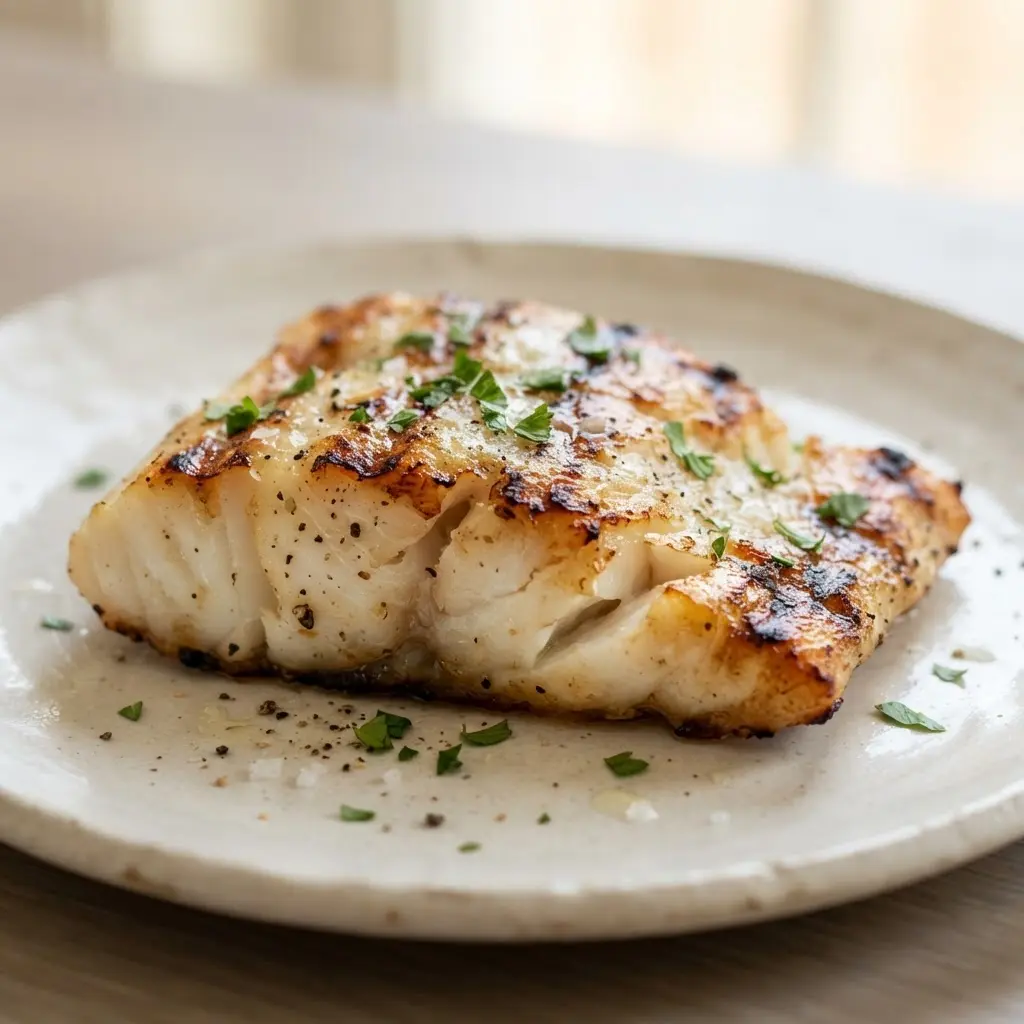
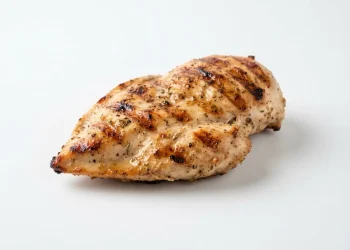
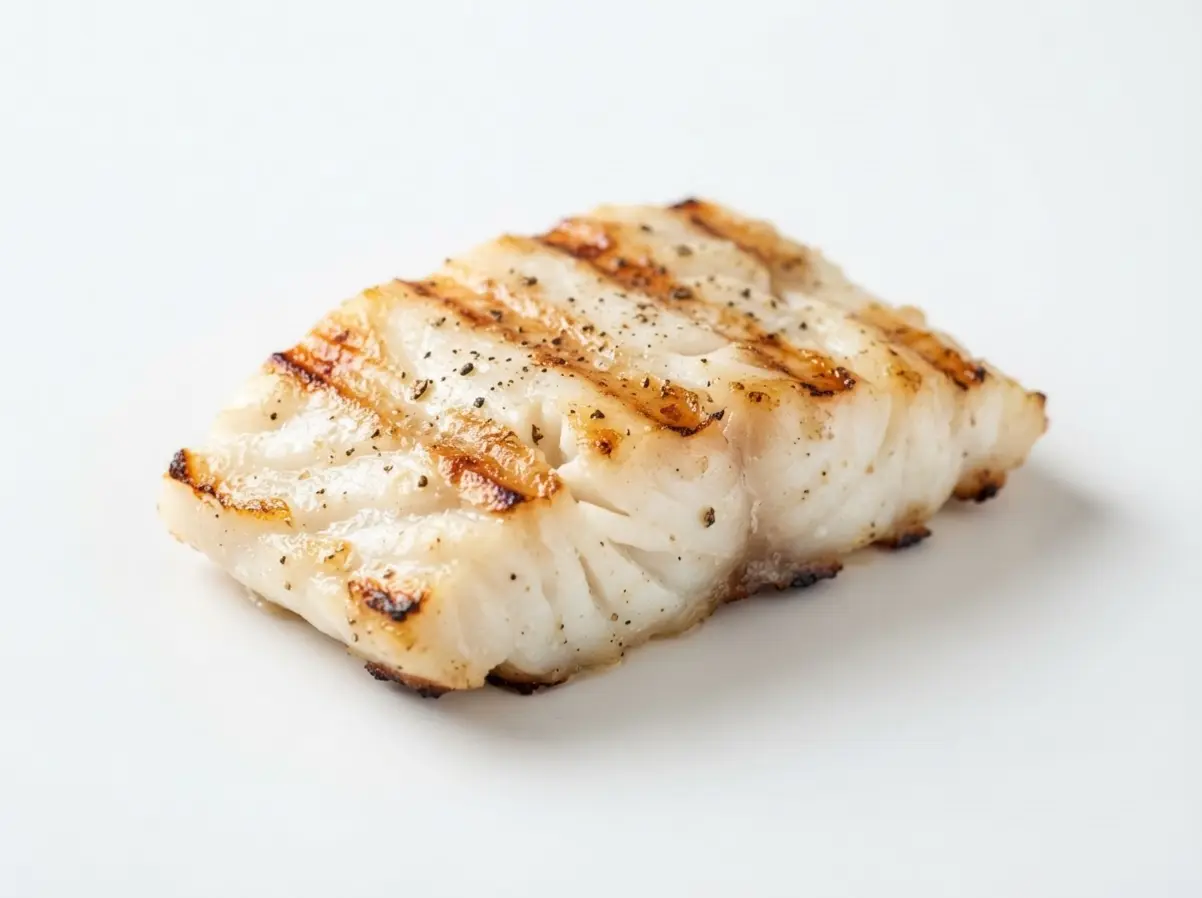
At 7 p.m., hunger often makes dinner portions grow quickly, so planning around Foods that won’t make you gain weight helps control intake. Choose a lean protein base for dinner: chicken breast, turkey breast, cod, haddock, tilapia, or flounder.
These foods deliver substantial protein with relatively little fat. Protein-rich meals often keep hunger quieter between dinner and bedtime, which supports steadier portions across the evening.
Pair the protein with vegetables, beans, or a measured serving of whole grains rather than relying on meat alone. Trim visible fat before cooking, and select beef cuts with “loin” or “round” in the name.
Sirloin, tenderloin, and round steak fit this approach. Pork tenderloin offers another lean choice. Use roasting, grilling, baking, or pan cooking with a small amount of oil.
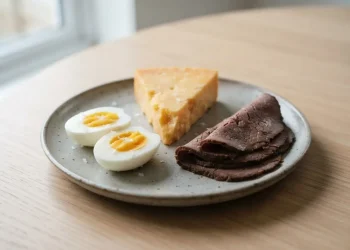
Added sauces, cheese, and generous oil portions often shift a lean meal into a calorie-dense one. At breakfast or snack time, eggs, plain Greek yogurt, and low-fat cottage cheese add protein without requiring a large meal, aligning well with Foods that won’t make you gain weight.
Straining makes Greek yogurt higher in protein than regular yogurt. Choose plain versions, then add berries, cinnamon, or chopped vegetables for flavor.
Whole eggs contain healthy fats, so count them as a nutrient-rich protein rather than treating every lean choice as fat-free. Include fatty fish such as salmon, mackerel, or sardines when you want protein alongside omega-3 fats.
These fish contain more fat and calories than white fish, yet their nutrient profile still fits a balanced eating pattern. Research suggests protein-rich foods support fullness, though fullness differs among people.
Build portions around hunger, activity, and the rest of the meal. Lean protein does not prevent weight gain by itself, especially when cooking fats or oversized sides dominate the plate.
4. Plant-Based Low-Calorie Proteins for Satisfying Meals
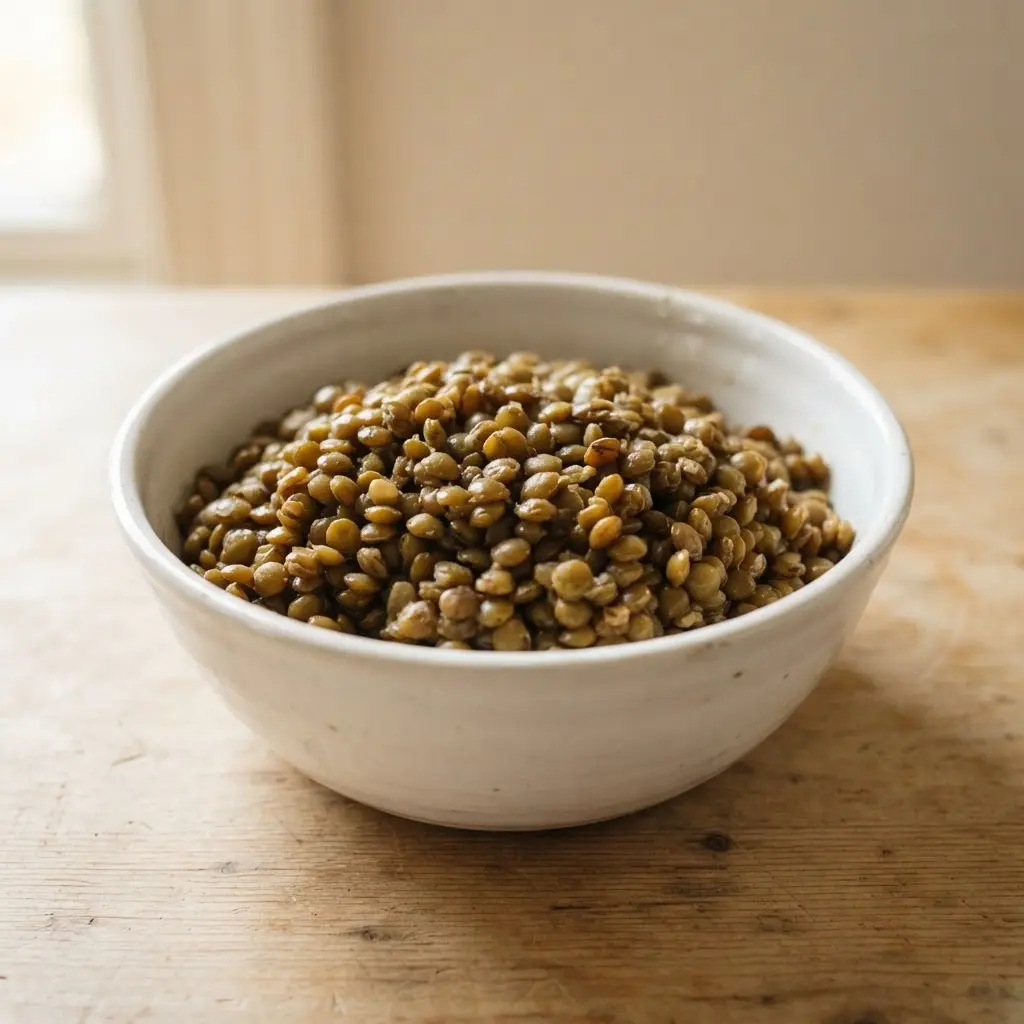
Myth: plant proteins leave you hungry. The truth is more balanced. Lentils, beans, tofu, tempeh, edamame, quinoa, and seitan provide protein, while legumes and many plant foods add fiber.
Combine a primary protein with non-starchy vegetables at lunch or dinner to create a meal with more staying power. Research suggests meals combining protein and fiber support fullness better than meals built mostly from low-protein foods.
Choose a primary protein based on the meal and texture you want, especially when building meals with Foods that won’t make you gain weight. Use soft tofu in a scramble, firm tempeh in a stir-fry, and chewy seitan in a sandwich.
Add edamame to a salad or bowl. Quinoa works as a grain-like base and supplies complete protein. Tofu, tempeh, edamame, and quinoa are complete proteins, meaning they provide all essential amino acids.
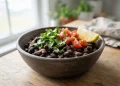
Build soups and stews with lentils or beans. Add chickpeas, black beans, or quinoa to salads. Choose beans, lentils, and seasonal vegetables when planning affordable healthy foods for bowls and simple side dishes.
Use baked, grilled, or stir-fried proteins, then season with herbs, spices, citrus, or a small amount of sauce. Check the protein balance before treating vegetables as the main source.
Broccoli, spinach, and Brussels sprouts contribute protein, though legumes and soy foods provide more. Sprinkle nutritional yeast over vegetables, pasta, or popcorn for a savory topping.
Avoid seitan when gluten must be excluded, since seitan is made from wheat gluten. Rotate beans, lentils, soy foods, quinoa, and seitan to keep satisfying meals varied.
5. Broth-Based Soups for Warm, Filling Meals
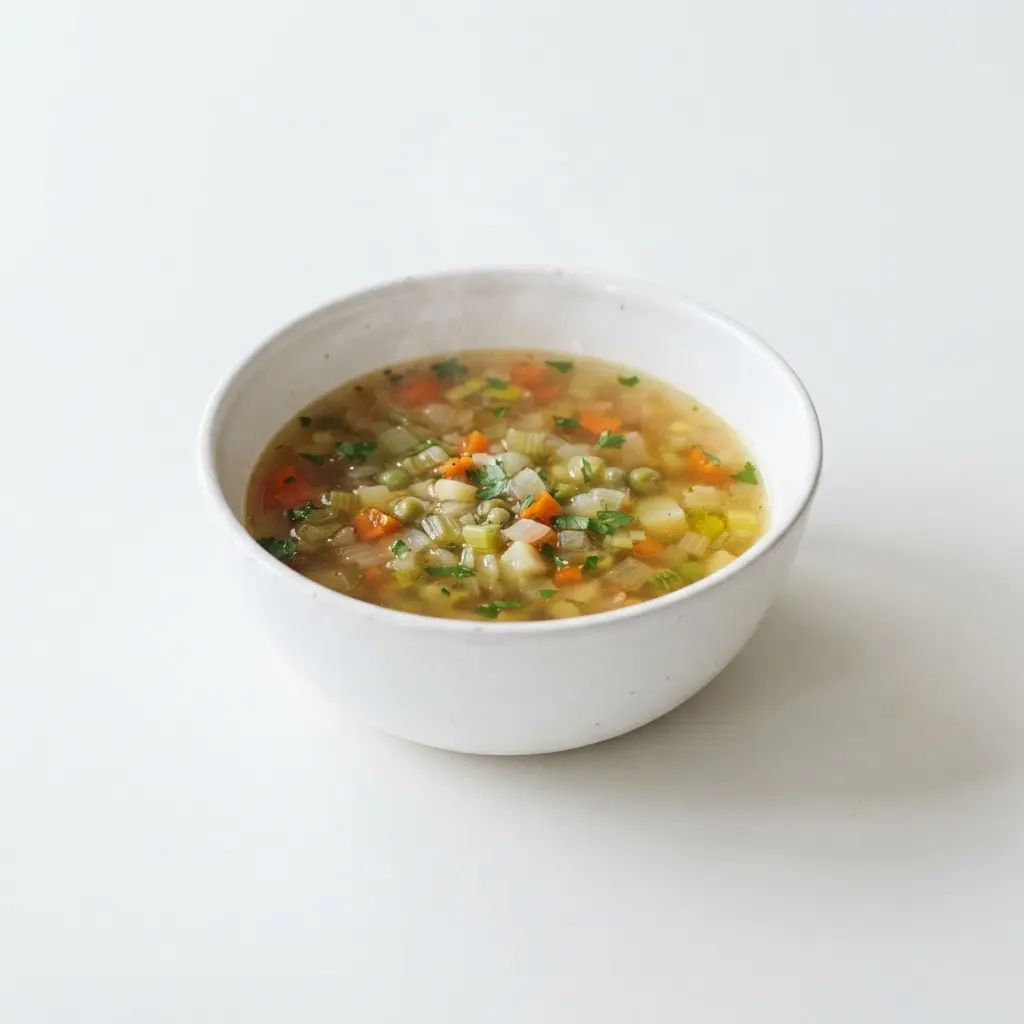
Which soup makes a filling meal without feeling heavy, especially when exploring Foods that won’t make you gain weight? Choose broth-based soup with vegetables and a clear protein source.
Chicken noodle soup, beef and vegetable soup, and minestrone combine warm liquid with solid foods, so a bowl offers more nourishment than plain broth. Add chicken, lean beef, beans, or an egg to give the meal staying power.
Build minestrone with seasonal vegetables, beans, and a modest serving of pasta, focusing on Foods that won’t make you gain weight to keep the bowl light. Beans provide protein and fiber, while carrots, celery, onions, and tomatoes add texture and flavor.
Use a tomato-based broth and keep pasta portions measured. This approach creates a satisfying bowl without relying on large amounts of bread, cheese, or oil.
Choose soup toppings with care. Pho uses rice noodles, thinly sliced meat, herbs, bean sprouts, and lime. Ramen usually contains wheat noodles, a soft-boiled egg, nori, and a rich pork broth.
French onion soup includes bread and melted Gruyere cheese. These ingredients change the meal’s energy content, so treat rich toppings as part of the portion rather than as decoration.
Research suggests meals with higher water content often support fullness, especially when vegetables and protein are present. Check the broth label for sodium, especially with packaged stock or instant noodles.
Add herbs, green onions, lime, or spices before adding more salt. Serve one bowl with a clear protein source and plenty of vegetables for a warm meal suited to weight management.
Adjusting Portions For Hunger And Activity
Match grain, bean, and fat portions to your hunger, daily movement, and meal timing instead of using one fixed serving for every day, which supports eating Foods that won’t make you gain weight consistently. A portion plate helps you see whether vegetables fill most of the space while protein and starch occupy smaller areas.
On a long walking day or after hard training, extra beans, oats, or rice often support energy needs. On a quiet day, a larger vegetable share and a modest starch serving often feel satisfying.
Eat slowly enough to notice comfortable fullness, then save food rather than finishing by habit. Keep protein present at each meal, since hunger returns sooner when meals contain mostly refined starch.
People with diabetes, kidney disease, or other medical needs should ask a registered dietitian for personal portion guidance.
Conclusion
Food choices often connect with comfort, routine, and time with family. A balanced plan respects those parts of eating instead of turning meals into a test.
Foods that won’t make you gain weight are best viewed as filling choices with fewer calories per bite, not as special foods. Start with one simple change today, such as adding vegetables to lunch or serving fruit beside breakfast.
Keep a protein source nearby for meals, and use soup or water-rich produce when you want more volume. Notice your hunger, fullness, energy, and enjoyment over the next few days.
Small choices add up when they fit your schedule and taste. Let your next meal be simple: choose one protein, one fiber-rich food, and one colorful produce item, then sit down and eat at an unhurried pace.
FAQs
Q: Are leafy greens enough for a full meal?
A: Leafy greens add volume, water, and fiber, but protein and a source of fat often make a meal more satisfying. Add eggs, fish, beans, or tofu with a modest portion of grains.
Q: Do fruit sugars cause weight gain?
A: Whole fruit also contains fiber and water, which slow eating and support fullness. Enjoy portions suited to your hunger and pair fruit with yogurt or nuts when you want more staying power.
Q: How much protein should I include in a meal?
A: Protein needs differ by age, body size, health, and activity. Include a serving of fish, eggs, poultry, beans, lentils, tofu, or yogurt, then adjust based on hunger and dietary needs.
Q: Are broth-based soups good for weight management?
A: Broth-based soups add fluid and vegetables with fewer calories per spoonful than many creamy soups. Include beans, lentils, chicken, or fish for more protein and fullness.
Q: Do low-calorie foods prevent weight gain?
A: Lower-calorie foods support portion control, yet total intake still matters. Build meals with vegetables, protein, fiber-rich carbohydrates, and a small amount of fat for better balance.